Cornrow Braiding Hair Guide: What to Know Before You Buy
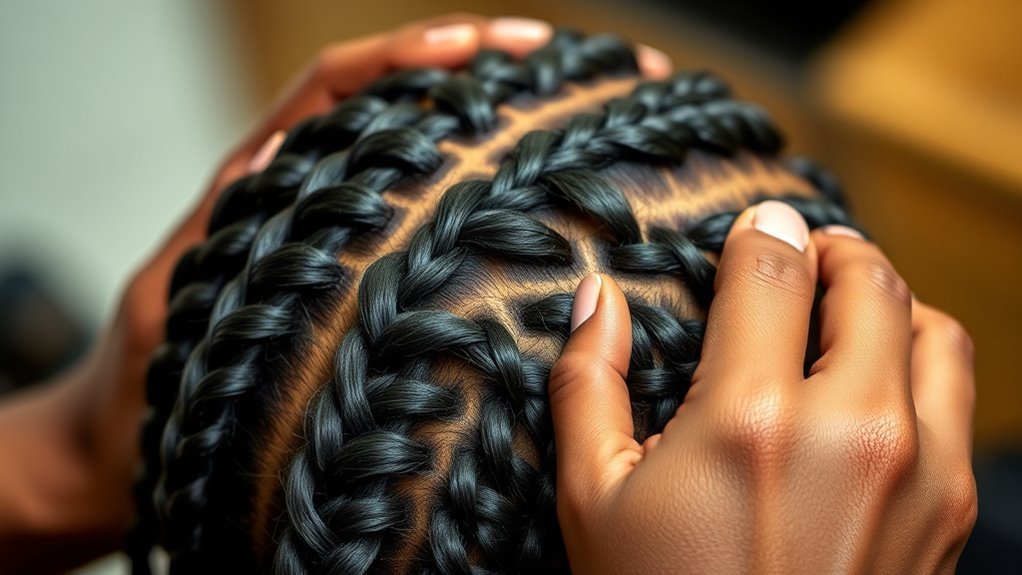
Finding the perfect cornrow braiding hair can feel overwhelming, especially when you want your style to look flawless and last long. You’re not alone—many people struggle with choosing the right type, texture, and color that match their hair and lifestyle.
Luckily, with a little guidance, you can pick the best options to achieve beautiful, neat cornrows that suit you perfectly.
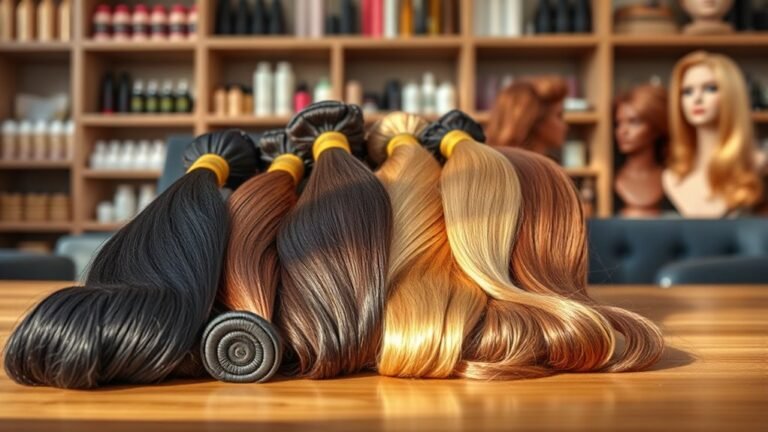
When choosing cornrow braiding hair, consider synthetic for easy care and frizz resistance or natural for softness but more upkeep. Match the texture to your hair for a seamless look and pick lengths and thicknesses that suit your lifestyle and volume.
Blend colors to complement your skin tone and style, and gather essential tools like a rat-tail comb and moisturizing sprays. Proper care keeps your braids neat and scalp healthy.
Keep exploring to uncover more tips and tricks for perfect cornrows.
Key Takeaways
- Choose between synthetic hair for low maintenance or natural hair for softness and better texture blending.
- Select braid length and thickness based on your lifestyle, hair volume, and the look you want to achieve.
- Match hair color to your natural base tone. You might also want to blend in complementary shades for some dimension.
- Use proper washing, conditioning, and detangling techniques to keep your braids healthy and long-lasting.
- Have essential tools on hand like a rat-tail comb, moisturizing sprays, and satin scarves for upkeep and scalp care.
Types of Cornrow Braiding Hair by Material and Texture
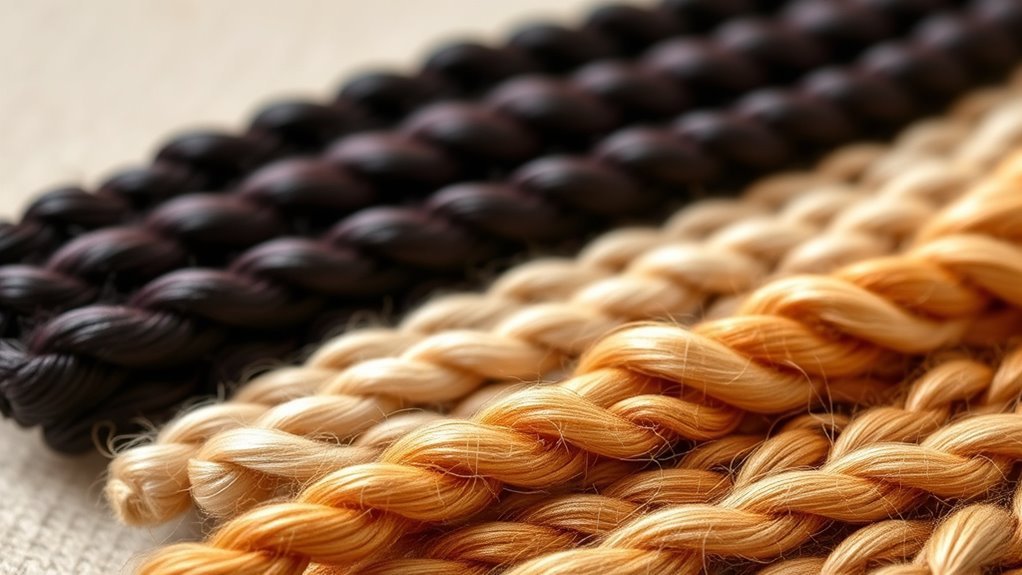
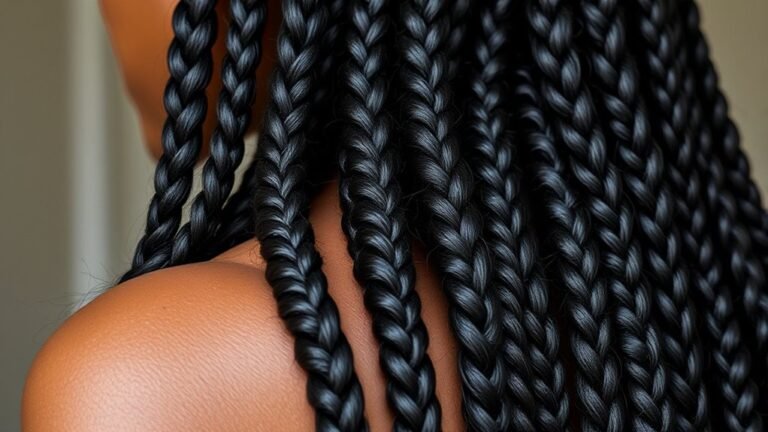
When choosing cornrow braiding hair, you’ll find various materials and textures designed to suit different styles and preferences. You can select from multiple hair types, including synthetic blends and natural fibers, each offering unique texture blends that affect how your braids look and feel.
Color options range from classic black and brown to vibrant shades, allowing you to match or boldly contrast your natural hair. Understanding the right styling techniques for each material helps you achieve neat braid patterns and guarantees longevity.
Installation methods vary, so choosing the right hair type can simplify your routine. For upkeep, consider product recommendations tailored to the hair’s texture—moisturizers for natural fibers and light sprays for synthetics.
Maintenance routines play a big role in keeping your braids fresh and preventing frizz. Knowing these details will help you pick the perfect cornrow braiding hair that fits your style and care preferences effortlessly.
Synthetic vs. Natural Cornrow Braiding Hair: Which to Choose?
When you’re deciding between synthetic and natural cornrow hair, it helps to think about the texture and how long you want the style to last. Synthetic hair usually feels a bit different from natural strands, and it often needs less upkeep.
But then, natural hair tends to be softer to the touch. It might take a bit more care to keep it looking fresh, though. So, it really comes down to what feels right for you and how much time you want to spend maintaining your style.
Hair Texture Comparison
Although both synthetic and natural cornrow braiding hair serve the same purpose, you’ll notice distinct differences in texture that affect your styling experience. Natural hair offers better texture matching if you want a seamless blend with your own hair, especially when curl definition is important.
It mimics your hair’s softness and movement, making it easier to style and maintain a natural look. On the other hand, synthetic hair often has a uniform texture, which can feel stiffer and less flexible, sometimes making curl definition appear less natural.
However, synthetic options come in various textures designed to imitate natural hair, so you can still find a good match. Ultimately, consider how closely you want your braiding hair to blend with your natural texture before deciding.
Longevity and Maintenance
Understanding the texture differences between synthetic and natural cornrow braiding hair helps you decide which type suits your style. But you’ll also want to weigh how each option stands up over time.
Synthetic hair generally lasts longer since it resists frizz and holds its shape well, making it low-maintenance. However, it can tangle if not properly cared for.
Natural hair offers a more authentic look but requires more attentive hair care to prevent dryness and breakage. Your styling techniques matter too. Gentle washing, moisturizing, and protective methods extend the life of natural hair, while synthetic strands benefit from minimal heat and careful handling.
Ultimately, your choice depends on how much time you want to invest in maintenance versus durability in your cornrow style.
How Cornrow Braiding Hair Texture Affects Your Style
Your choice of hair texture really makes a difference in how your cornrows turn out and how long they last. You see, different textures—from silky smooth to a bit coarse—can change the way the hair grips and holds the style.
Knowing these little details can help you choose the perfect texture that matches the look you want. Plus, it helps you figure out how long you want your cornrows to stay looking fresh and neat.
Hair Texture Types
Hair texture plays an essential role in how your cornrow braids turn out and how long they last. Understanding different hair texture types helps you choose the right braiding hair that complements your natural hair’s curl definition and hair porosity types.
Here are three key hair texture types to take into account:
- Coarse Hair: Offers strong grip for braids but may require hair with similar porosity types to blend well.
- Fine Hair: Needs lighter braiding hair to avoid weighing down your style and to maintain curl definition.
- Medium Hair: Balances texture and porosity, making it the most versatile for various cornrow styles.
Knowing your hair texture guarantees your cornrows look seamless, feel comfortable, and hold their style beautifully.
Style Longevity Impact
Since the texture of your braiding hair directly influences how well your cornrows hold up, choosing the right type can make all the difference in style longevity. Coarser, textured braiding hair tends to grip better, enhancing style durability and preventing slippage.
Meanwhile, smoother or silkier textures may look sleek but can cause your braids to loosen faster. You’ll want to balance style durability with braid health. Hair that’s too rough might cause breakage or scalp irritation over time.
Selecting a texture that mimics your natural hair often supports both a secure hold and scalp comfort. This helps your cornrows last longer without damaging your hair. Paying attention to texture guarantees your style stays fresh while maintaining braid health throughout wear.
Choosing the Right Length and Thickness for Cornrow Braids
How do you decide on the perfect length and thickness for your cornrow braids? It starts with understanding your personal preference and comfort level. The right length and thickness can improve your braid styles and complement your hair volume.
Here are three key points to think about:
- Length Selection: Choose a length that suits your lifestyle and maintenance routine. Longer braids look stunning but may require more care, while shorter ones offer convenience.
- Thickness Considerations: Thicker braids make a bold statement and can add volume, but thinner braids offer more versatility and a delicate look.
- Braid Styles and Hair Volume: Match your braid thickness to your hair volume to avoid strain. If you have fine hair, thinner braids work best; for fuller hair, you can experiment with varying thicknesses.
Balancing these factors guarantees your cornrow braids look great and feel comfortable throughout wear.
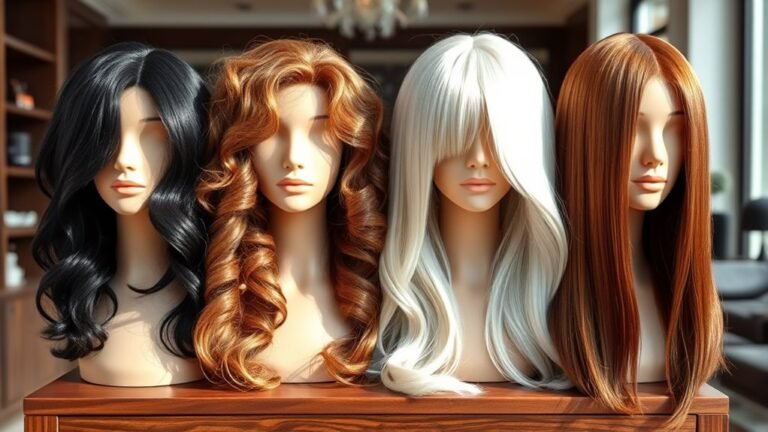
Best Colors and Blends for Natural-Looking Cornrow Braids
Choosing the right colors and blends can transform your cornrow braids into a stunning, natural-looking style. To achieve this, focus on natural shades that closely match your hair’s base tone. These hues help your braids blend seamlessly with your scalp, giving a subtle, authentic appearance.
Selecting natural shades that match your hair creates seamless, authentic-looking cornrow braids.
You don’t have to stick to one color either. Strategic color blending adds depth and dimension, making your cornrows look fuller and more dynamic.
Try mixing a few complementary natural shades, like soft browns with warm honey tones or dark blacks with hints of chestnut. This approach mimics the natural variation in hair, preventing your braids from looking flat or artificial.
When selecting colors, consider your skin tone as well to improve your overall look. By prioritizing natural shades and thoughtful color blending, you guarantee your cornrow braids stand out beautifully without drawing unwanted attention to the hair’s synthetic nature.
Preparing Cornrow Braiding Hair Before Installation
Before you start braiding, make sure to wash and condition the hair really well. This helps keep it clean and easy to work with. Then, go ahead and detangle the strands gently—this will stop any knots from forming and make your braids nice and smooth. Finally, section the hair evenly. Doing this makes the installation process much easier and way more precise.
Washing And Conditioning
Properly washing and conditioning your cornrow braiding hair guarantees it stays clean, soft, and manageable throughout the installation process. Establish a solid pre-wash routine to remove any dirt, oils, or residues that could affect the hair’s quality. Focus on moisture retention to keep the strands from drying out and becoming brittle.
Here’s a quick guide to washing and conditioning:
- Gently rinse the hair with lukewarm water to prepare for cleansing.
- Use a sulfate-free shampoo to cleanse without stripping natural oils.
- Apply a deep conditioner, letting it sit for at least 10 minutes to lock in moisture and improve softness.
Following these steps guarantees your cornrow braiding hair looks fresh and stays durable during styling.
Detangling And Sectioning
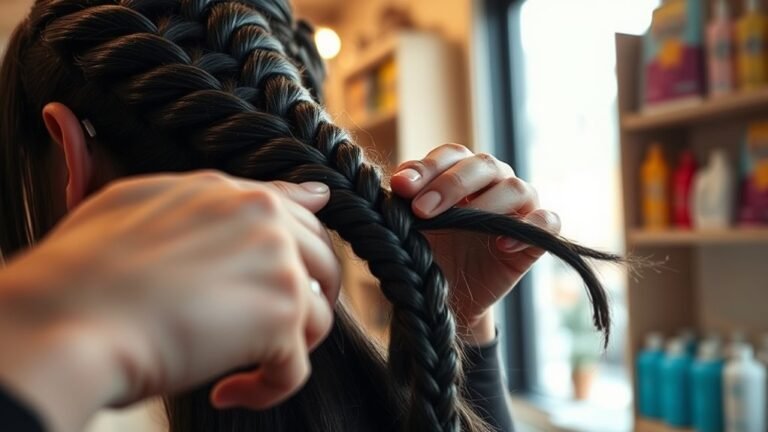
Two essential steps, detangling and sectioning, set the foundation for a smooth cornrow braiding process. Start by applying your preferred detangling techniques to gently remove knots and prevent breakage.
Use a wide-tooth comb or your fingers, working from the ends upward to keep the hair intact. Once detangled, move on to sectioning methods that suit your style and hair type.
You can create clean, even parts using a rat-tail comb for precision or clip sections to keep hair organized. Proper sectioning not only makes braiding easier but also guarantees neat, uniform cornrows.
Tools You’ll Need to Braid Cornrows at Home
To braid cornrows at home, you’ll need a few essential tools that make the process easier and your style neater. Having the right items not only helps you master styling techniques but also supports proper braid care to keep your hair healthy.
Here are three must-have tools:
- Rat-tail comb. This is perfect for precise parting and sectioning, helping you create clean, even rows.
- Hair clips or bands. These keep sections separated and manageable as you braid, preventing tangles and maintaining neatness.
- Moisturizing spray or leave-in conditioner. It keeps your hair hydrated, reduces breakage, and makes braiding smoother.
With these tools on hand, you’ll be set to practice and perfect your cornrow braiding skills. Each supports careful braid care while allowing you to execute styling techniques effortlessly, ensuring your cornrows look polished and last longer.
Tips to Maintain Cornrow Braiding Hair for Longer Wear
Although cornrows are a low-maintenance style, you’ll need to follow a few key steps to keep them looking fresh and lasting longer. First, use hydration techniques like spritzing your braids with a water-based leave-in conditioner or light oil to prevent dryness and breakage. Avoid heavy products that can cause buildup.
Sleeping with a satin or silk scarf or bonnet is essential. It reduces friction and preserves your braids’ neatness. Also, treat cornrows as protective styles by minimizing manipulation; don’t excessively touch or pull on them.
Keep your hair clean by gently washing your scalp and braids once every one to two weeks without disturbing your braids too much. Avoid over-washing, which can cause frizz and loosen your style. Finally, if you notice any stray hairs, carefully tuck them back with a bit of edge control to maintain a polished look.
These simple habits will help your cornrows stay crisp and beautiful for weeks.
Caring for Your Scalp During and After Cornrow Braiding
While cornrows offer a stylish and protective look, caring for your scalp during and after braiding is essential to prevent irritation and promote healthy hair growth. Neglecting scalp hydration and tension relief can lead to discomfort and damage. To keep your scalp healthy, follow these key steps:
- Maintain Scalp Hydration: Use moisturizing products and soothing oils regularly to keep your scalp nourished and prevent dryness. This also helps relieve itchiness.
- Practice Scalp Exfoliation: Gently exfoliate your scalp between protective styles to remove buildup and promote circulation, which supports hair growth.
- Incorporate Scalp Massages: Massaging your scalp helps ease tension from braiding and stimulates blood flow, enhancing overall scalp health.
Mistakes to Avoid When Buying Cornrow Braiding Hair
Taking good care of your scalp sets a strong foundation for your cornrows to look their best and last longer. When buying cornrow braiding hair, avoid rushing into purchases without considering quality verification. Not all synthetic or natural hair brands assure durability or a natural look. Always check product reviews or certifications to confirm you’re getting reliable hair that won’t tangle or shed excessively.
Another mistake is ignoring price comparison. While it’s tempting to go for the cheapest option, extremely low prices often mean compromised quality. Balance affordability with quality by comparing prices across trusted sellers. Avoid bulk buying from unknown sources just because prices are low.
Lastly, don’t overlook the texture and color matching with your natural hair. Picking the wrong shade or texture can make your cornrows stand out for the wrong reasons. By avoiding these common mistakes, you’ll enjoy cornrows that look flawless and last longer, protecting both your style and scalp health.
Frequently Asked Questions
Can Cornrow Braiding Hair Cause Allergic Reactions?
Yes, cornrow braiding hair can cause allergic reactions depending on the hair materials used. If you’re sensitive to synthetic fibers or certain dyes, you might experience allergy symptoms like itching, redness, or swelling on your scalp.
To avoid this, always check the hair materials and consider doing a patch test before full application. Choosing hypoallergenic or natural hair options can help you prevent uncomfortable reactions and enjoy your style safely.
How Long Does It Take to Install Cornrow Braids?
Think of installing cornrow braids like assembling a puzzle. It can take anywhere from 2 to 6 hours depending on complexity. Your installation time varies with braid size and style.
To speed things up, don’t skip preparation tips like detangling and moisturizing your hair beforehand. When you’re ready and relaxed, the process flows smoother, making your cornrows look neat and last longer.
Are Cornrow Braids Suitable for All Hair Types?
Yes, cornrow braids can suit all hair textures, but you’ll want to evaluate your hair texture carefully for the best styling options. If you have straight or fine hair, braids might not hold as long compared to curly or coarser textures.
You can still rock cornrows, but using styling products and gentle techniques will help protect your scalp and maintain the look. Tailor your approach to your unique hair texture for the best results.
Can I Swim or Exercise With Cornrow Braids?
Think of your cornrow braids like a delicate garden. Swimming precautions are like gentle watering. Yes, you can swim and exercise, but you’ll want to rinse your braids with clean water afterward to remove chlorine or sweat that can cause dryness.
Use exercise tips like wearing a swim cap or tying your hair up tightly to protect your style. This keeps your cornrows fresh and lasting longer, just like tending carefully to that garden.
How Often Should Cornrow Braids Be Redone or Refreshed?
You should redo or refresh your cornrows every 4 to 6 weeks to keep them looking fresh and prevent damage. Following cornrow maintenance tips like keeping your scalp moisturized and washing gently can extend braid longevity factors.
If you notice frizz or new growth, it’s a good sign to refresh. Remember, how well you care for your braids directly affects how long they last and how healthy your hair stays.
Conclusion
Before you buy, picture your perfect cornrows: sleek, vibrant, and lasting. Choosing the right hair means feeling the texture, matching the color, and picking the length that flows with your style.
With the right tools and care, your braids won’t just look good. They’ll tell your story, shining with health and confidence.
Avoid common mistakes, and your cornrows will be more than a hairstyle. They’ll be your crowning glory, glowing with every step you take, making your cornrow braiding hair truly stand out.