Hair Mask Guide: What to Know Before You Buy
Struggling to find the perfect hair mask that actually works for your unique hair needs? You’re not alone. Many people face the challenge of choosing the right product among countless options, often ending up with masks that don’t deliver the hydration, repair, or volume they crave.
Understanding what your hair truly needs can make all the difference in achieving healthy, vibrant locks.
When choosing a hair mask, first identify your hair’s needs—whether it’s hydration, repair, or volume—and consider your scalp health and hair porosity.
Pick ingredients that suit your type, like shea butter for dry hair or tea tree for oily scalps. Use hair masks once or twice a week after shampooing, applying evenly for best results.
Avoid overuse and heavy products that weigh your hair down. Find out how to get the most from your mask and what to watch out for next.
Key Takeaways
- Hair masks provide deep nourishment and repair, penetrating hair more effectively than regular conditioners.
- Choose a mask based on your hair’s needs, like hydration, repair, volume, or scalp health.
- Match key ingredients such as shea butter for dry hair or tea tree for oily scalps to your specific hair type.
- Use hair masks once or twice weekly. Apply after shampooing and leave on for 5 to 20 minutes for the best results.
- Avoid overuse, uneven application, and heavy formulas to prevent weighed-down hair and ineffective treatment.
What Are Hair Masks and How Do They Work
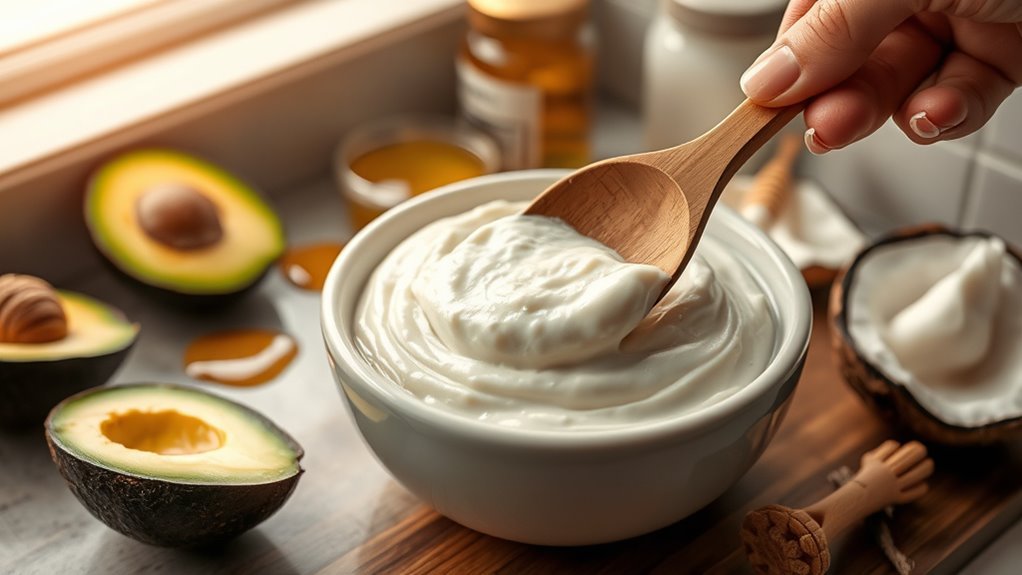
Hair masks are intensive treatments designed to nourish and repair your hair deeply. When you use one, you’re giving your strands a concentrated dose of moisture, vitamins, and proteins. These ingredients work together to restore damaged hair, reduce frizz, and improve shine. The hair mask benefits go beyond a regular conditioner by penetrating the hair shaft more effectively.
To get the most from your hair mask, you’ll want to follow proper application techniques. Start with clean, damp hair to allow the mask to absorb better. Apply the product evenly from roots to ends, focusing on the driest areas. Leave it on for the recommended time, usually 5 to 20 minutes, then rinse thoroughly with cool water to seal the cuticle. Using a hair mask once or twice a week can transform your hair’s texture and health, making it softer and more manageable over time.
How to Choose the Right Hair Mask for Your Hair Type
To pick the right hair mask, first figure out what your hair really needs—like hydration, repair, or maybe some extra volume. Once you know that, check the ingredients to see which ones tackle those specific concerns and match your hair type. That way, you’ll get the best results without wasting time or product. Easy, right?
Identify Your Hair Needs
How do you know which hair mask will truly benefit your strands? Start by identifying your hair needs. First, consider your scalp health. If you experience dryness, itching, or flakiness, you’ll want a mask that soothes and nourishes your scalp.
Next, understand your hair porosity, which affects how well your hair absorbs and retains moisture. Low porosity hair resists moisture, so lightweight, hydrating masks work best. High porosity hair loses moisture quickly, so richer, repairing masks help seal and strengthen strands.
Also, think about your hair’s current condition, whether it’s dry, damaged, color-treated, or fine, to pinpoint the care it requires. By evaluating these factors, you can choose a mask that targets your specific concerns, ensuring healthier, more vibrant hair with every treatment.
Match Ingredients To Type
Since every hair type has unique needs, choosing a mask with the right ingredients is essential for effective care. For dry hair, look for masks rich in hydrating oils like argan or coconut, which deliver deep moisture and shine.
If your hair is fine or oily, opt for lightweight ingredients such as aloe vera or green tea to nourish without weighing it down. Damaged or color-treated hair benefits from protein-packed masks containing keratin or silk amino acids to strengthen strands.
When comparing products, focus on ingredient benefits rather than just marketing claims. Check labels closely to match the formula with your hair’s needs. By understanding how each component works, you’ll pick a mask that truly improves your hair’s health and appearance.
Key Ingredients in Hair Masks for Different Hair Types
Although hair masks share the common goal of nourishing and repairing, the key ingredients you should look for vary depending on your hair type. If you have dry or coarse hair, seek masks with shea butter, coconut oil, and avocado oil. They deeply hydrate and soften.
For oily or scalp-prone hair, ingredients like tea tree and aloe vera help balance oils and soothe irritation. Fine or thin hair benefits from lightweight oils like jojoba oil and argan oil, which moisturize without weighing hair down.
If your hair feels damaged or brittle, a keratin treatment-infused mask can restore strength by replenishing protein. Honey extract and vitamin E are versatile. They boost shine and protect hair from environmental stressors across all types.
Choosing the right combination guarantees your hair mask delivers targeted care, leaving your strands healthier and more manageable. Always check ingredient lists to match your hair’s unique needs before buying.
How Hair Masks Help Dry and Damaged Hair
When your hair feels dry or damaged, choosing the right mask can make a noticeable difference. Hair masks provide intense hydration benefits, penetrating deeper than regular conditioners. They restore moisture to brittle strands, reducing breakage and split ends.
By delivering rich nutrients, these masks help rebuild your hair’s structure, making it stronger and more resilient. Deep conditioning is key for repairing damage caused by heat styling, environmental stress, or chemical treatments. A good hair mask coats your strands, sealing in moisture and smoothing the cuticle.
This process not only improves hair texture but also prevents further moisture loss. Using a mask consistently helps replenish essential oils and proteins, bringing life back to dull, lifeless hair. If you want to revive dry, damaged hair effectively, incorporating a targeted hair mask into your routine offers powerful hydration benefits and deep conditioning that your hair craves.
Best Hair Masks for Boosting Shine and Softness
If you want your hair to shine and feel irresistibly soft, choosing the right mask is essential. Look for hair masks packed with shine-enhancing oils like argan, jojoba, or camellia oil. These oils penetrate your hair shaft, restoring luster and giving your strands a healthy, radiant glow.
Alongside these oils, softness-boosting ingredients such as shea butter, aloe vera, and silk proteins help smooth the hair cuticle, reducing frizz and increasing manageability. When you apply a mask rich in these elements, you’ll notice your hair feels silkier and looks more vibrant.
Avoid masks that rely heavily on silicones alone, as they may only provide temporary shine without improving softness. Instead, opt for products that blend natural oils and moisturizing ingredients to nourish your hair deeply.
With the right combination, you’ll transform dull, rough hair into smooth, shiny locks that catch every eye.
When and How Often to Use Hair Masks
You’ll want to use hair masks based on your hair’s needs and lifestyle—usually once or twice a week works well. It’s best to apply them after shampooing because that gives your hair the best chance to soak up all the good nutrients.
Keep an eye out for signs like dryness or dullness. Those are your hair’s way of telling you it’s time for a little extra TLC with a treatment.
Ideal Frequency For Use
Finding the right frequency for using hair masks depends on your hair type and condition. If you have dry or damaged hair, applying a hair mask once or twice a week can maximize benefits like deep hydration and repair.
For oily or fine hair, using a mask every two weeks usually suffices to avoid weighing your hair down. Don’t fall for hair mask myths that suggest daily use is necessary. Overusing masks can cause buildup and reduce their effectiveness.
Instead, listen to your hair’s needs and adjust accordingly. Remember, consistency matters more than frequency. By using hair masks at the ideal intervals, you’ll maintain healthy, nourished hair without overdoing it or wasting product.
Best Time To Apply
When should you apply a hair mask to get the best results? The best application happens right after shampooing when your hair is clean and damp. This timing allows the mask’s nourishing ingredients to penetrate deeply without any buildup blocking absorption.
For ideal timing, aim to leave the mask on for the duration specified by the product, usually between 5 to 20 minutes. Avoid applying hair masks daily unless specified, as overuse can weigh your hair down. Instead, stick to once or twice a week depending on your hair’s needs.
Applying your mask in the evening or before a shower gives you extra time to let it work without rushing. Remember, consistent timing helps maintain healthy, hydrated hair.
Signs You Need
How do you know it’s time to use a hair mask? If you notice your hair texture feeling rough, brittle, or frizzy, it’s a clear sign your strands need extra care.
A dry scalp that flakes or feels tight also signals you should treat yourself to a nourishing mask. You don’t have to wait for damage to appear. Using a hair mask once a week helps maintain moisture and strength, especially if you use heat styling or color your hair regularly.
Pay attention to changes in your hair texture and scalp condition; these cues tell you when to boost hydration and repair. Consistent use can prevent damage and keep your hair and scalp healthy and balanced.
How to Apply a Hair Mask for Maximum Effect
Start by thoroughly detangling your hair to guarantee the mask penetrates evenly. Effective application techniques begin with scalp preparation; gently massage your scalp to boost product absorption.
Next, apply the mask from roots to tips, ensuring full coverage. Follow pre-treatment steps like cleansing your hair to remove buildup, which allows deeper mask penetration.
Leave the mask on for the ideal duration, usually 5 to 30 minutes, depending on your hair type and mask instructions. Afterward, rinse thoroughly with lukewarm water and follow post-application care by avoiding harsh styling products immediately.
| Step | Purpose | Tips |
|---|---|---|
| Detangle | Even mask spread | Use a wide-tooth comb |
| Scalp Massage | Boost absorption | Use fingertips, gentle motions |
| Apply Mask | Full coverage | Section hair for precision |
| Ideal Duration | Maximum effect | Follow product guidelines |
| Rinse & Care | Remove residue | Use lukewarm water |
How to Layer Hair Masks With Other Products
When you’re layering hair masks with other products, it’s all about the right order to get the best results. Usually, you’ll start by applying the mask first. After that, lock in all those benefits with a leave-in conditioner or treatment.
This simple routine makes sure your hair soaks up all the good stuff without feeling heavy or greasy. Easy, right?
Order Of Application
Although it might seem straightforward, layering hair masks with other products requires a clear order to enhance their benefits. Start by washing your hair thoroughly, then gently towel-dry it to remove excess water.
Next, apply your hair mask evenly, focusing on mid-lengths to ends where damage often occurs. Follow specific application techniques like using your fingers or a wide-tooth comb to guarantee even distribution.
Rinse the mask off completely before moving on to any other treatments or styling products. This product layering approach prevents masks from being diluted or blocked by other products, allowing them to penetrate deeply.
Combining With Leave-Ins
Because leave-in conditioners provide ongoing moisture and protection, you’ll want to apply them after rinsing out your hair mask. This order guarantees you get the full mask benefits first, like deep hydration or repair, before sealing everything in with the leave-in.
When you combine a hair mask with a leave-in conditioner, you create a leave-in synergy that improves your hair’s softness and manageability throughout the day. To avoid weighing your hair down, use a light leave-in if your mask is rich and nourishing.
Focus on applying the leave-in to damp ends where moisture retention is vital. By layering these products thoughtfully, you maximize hydration and protection without buildup, keeping your hair healthy and vibrant longer.
Common Mistakes to Avoid When Using Hair Masks
If you want your hair mask to deliver the best results, you need to avoid common mistakes that many people make. First, don’t fall for hair mask myths like leaving the product on all day guarantees better results. Overdoing it can weigh your hair down or cause buildup. Instead, follow the recommended time on the packaging.
Next, pay attention to your application techniques. Applying the mask only to your scalp can make your hair greasy, while ignoring the roots won’t nourish your scalp properly. Focus on mid-lengths to ends, where damage is often worst.
Also, don’t use a hair mask too frequently; once or twice a week is usually enough unless your hair is severely damaged. Finally, avoid rinsing with hot water, as it can strip moisture. Use lukewarm water to rinse out the mask gently.
How to Tell If Your Hair Mask Isn’t Working
How can you tell if your hair mask isn’t delivering the results you expect? Sometimes, despite regular use, the hair mask effectiveness may be lacking. To assess if your product is working, watch for these signs:
- No noticeable improvement: If your hair still feels dry, brittle, or frizzy after several uses, the mask might not suit your hair type or needs.
- Product longevity issues: When the mask loses its scent, texture, or consistency quickly, it may have expired or degraded, reducing its benefits.
- Build-up or heaviness: If your hair feels weighed down or greasy after application, the mask could be too heavy or used too frequently.
If you spot any of these, it’s time to reconsider your choice. Pay attention to how your hair responds, and don’t hesitate to switch to a formula better aligned with your hair goals to guarantee peak hair mask effectiveness.
Frequently Asked Questions
Can Hair Masks Cause Scalp Irritation or Allergies?
Yes, hair masks can cause scalp irritation or allergies, especially if you have scalp sensitivity or ingredient allergies. You should always check the ingredients before applying a hair mask to avoid reactions.
If you’re prone to sensitivities, do a patch test first. Some masks contain fragrances or preservatives that might trigger irritation. Listening to your scalp and stopping use at the first sign of discomfort helps protect your skin and hair health.
Are Hair Masks Safe During Pregnancy or Breastfeeding?
You can safely use hair masks during pregnancy or breastfeeding, but you should choose ones with natural ingredients and avoid harsh chemicals. Think of it like a Victorian lady applying essential oils, gentle and soothing.
Essential oils like lavender or chamomile can be great, but check for any sensitivities first. Always patch-test and consult your healthcare provider if you’re unsure.
Prioritizing gentle, natural formulas keeps both you and baby safe.
Can Men Use the Same Hair Masks as Women?
Yes, you can use the same hair masks as women, but keep men’s haircare differences in mind. Men’s hair is often thicker, oilier, and exposed to different styling products, so you might want to choose hair mask ingredients that target those needs, like deep cleansing or strengthening properties.
If your scalp tends to be oilier, look for lighter formulas. Otherwise, most nourishing masks work well regardless of gender.
Do Hair Masks Work on Color-Treated Hair Without Fading?
Yes, hair masks can work on color-treated hair without fading if you choose ones specifically designed for color protection. These masks help lock in moisture retention, keeping your hair hydrated and vibrant.
When you use a mask with color-safe ingredients, it strengthens your strands and prevents color from washing out or dulling. Just be sure to avoid masks with harsh sulfates or alcohol, which can strip your color and dry your hair.
How Should Hair Masks Be Stored for Long-Term Use?
You should store hair masks in a cool, dry place away from direct sunlight to extend their shelf life. Many believe refrigerating them preserves freshness, but it’s not necessary unless the label says so.
Just follow storage tips like sealing the container tightly to prevent contamination. Avoid humid spots like bathrooms, as moisture can spoil the product faster.
Proper storage helps you enjoy your hair mask’s benefits longer without losing effectiveness.
Conclusion
Now that you know the essentials about hair masks, you’re ready to treat your hair like royalty. Just like a secret potion from days of old, the right mask can transform your strands from dull to dazzling.
Remember to choose wisely, apply properly, and avoid common pitfalls. With a little patience and care, your hair will thank you, shining with health and softness that even a Renaissance queen would envy. Using a hair mask regularly is the secret to achieving that enviable glow.