How to Tone a Wig: A Step-by-Step Guide to Perfect Color Correction
Toning a wig means adjusting its color to achieve a more natural and appealing shade, often correcting unwanted brassiness or dullness. To tone a wig, use a color-depositing toner or a purple shampoo suitable for synthetic or human hair wigs, carefully following instructions to avoid damage and uneven coloring.
Changing the color tone of a wig matters because it helps maintain its realistic look and enhances your overall style. Over time, wigs, especially blonde or light-colored ones, can develop yellow or orange tones that look unnatural. Proper toning refreshes the wig’s hues to make it appear soft, vibrant, and flattering under different lighting conditions.
This article will cover essential steps for how to tone a wig, including choosing the right toner, preparing your wig properly, application techniques, and aftercare tips. Additionally, it will discuss differences between toning synthetic and human hair wigs, plus product recommendations and troubleshooting advice.
Understanding Wig Materials and Their Impact on Toning
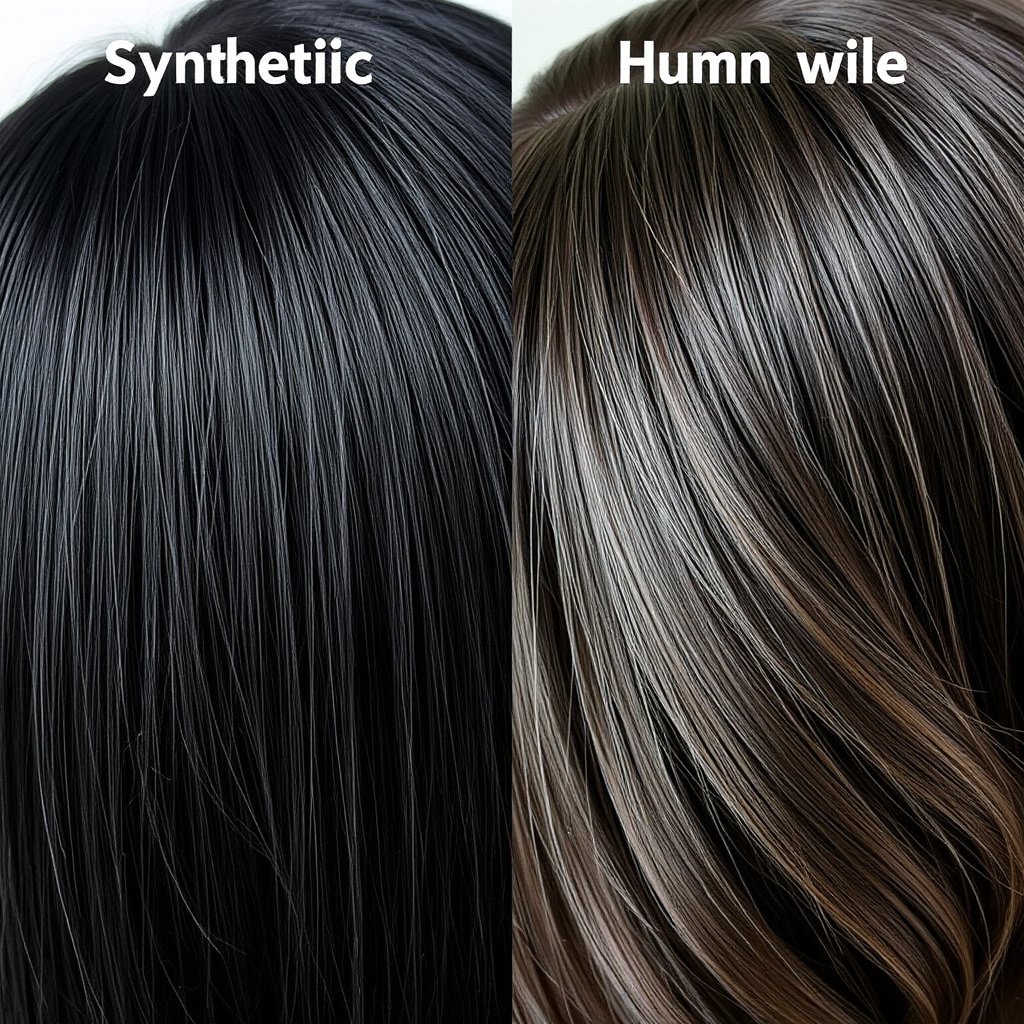
Differences Between Synthetic and Human Hair Wigs
Synthetic wigs are made from man-made fibers that mimic natural hair, but they have specific color treatments that require gentle handling. Toning synthetic wigs typically involves using specially formulated products like color-depositing shampoos or rinses designed not to damage the fiber.
Human hair wigs behave like natural hair, allowing for more traditional toning processes using salon-grade products. They offer greater flexibility for color correction, but require careful application to avoid damage or uneven tones.
Why Material Type Guides Product Choice
Choosing the correct toner depends on your wig’s fiber because some chemicals can irreversibly harm synthetic strands. For example, bleach or normal hair dye can melt or stiffen synthetic fibers, whereas human hair can safely withstand a broader range of toning treatments.
Understanding your wig's makeup helps in selecting the best wig toning products that yield smooth, consistent results without compromising texture or lifespan.
Selecting the Right Toner for Your Wig

Popular Toner Types for Wigs
Purple shampoo is often preferred for blonde or light-colored wigs to neutralize yellow and brassy tones, gently depositing violet pigments during washing. Color-depositing conditioners add tone while conditioning the fibers, suitable for both synthetic and human hair.
Cream or liquid toners offer stronger color correction but require precision and suitability, mostly reserved for human hair wigs and applied like hair dye in controlled amounts.
- Purple shampoo for mild neutralizing
- Color-depositing conditioners for gentle toning
- Salon toners for deeper correction on human hair wigs
Matching Toner Shade to Wig Color
Choosing a toner shade close to the desired end result prevents over-correction. Cool-toned toners counteract warmth, while warm toners neutralize grays or ash tones. Testing on a small hidden section ensures desired results without surprises.
Keep in mind that overuse can dull or alter wig color drastically, so err on the side of mild toning and repeat if necessary.
Preparing Your Wig for Toning

Cleaning the Wig Before Toner Application
Wash your wig with a mild shampoo to remove dirt, oils, and styling products that can block toner absorption. Clean fibers promote even color deposition, whether using a toner shampoo or rinse.
Rinse thoroughly to avoid any shampoo residue, which might react undesirably with the toner.
- Use lukewarm water, not hot
- Avoid harsh or clarifying shampoos before toning
- Pat dry gently without wringing
For more on this, see our related guide: Are Lace Front Wigs Worth It? The Complete Answer.
Detangling and Fiber Preparation
After washing, comb through your wig carefully with a wide-tooth comb to eliminate knots. Smooth, tangle-free fibers promote even toner application and prevent patchiness.
Avoid heat styling just before toning, as damaged fibers might absorb toner unevenly or lose vibrancy.
Toning Application Techniques for Wigs

Using Purple Shampoo or Color-Depositing Products
Apply purple shampoo evenly throughout the wig, leaving it on for 3–5 minutes depending on the intensity needed before rinsing. For color-depositing conditioners, apply after shampooing and leave for the recommended time to infuse color.
Repeat washing gradually until the desired tone is reached, paying attention to avoid over-toning and dryness that can affect fiber softness.
- Wear gloves to protect skin
- Use a wig stand for even application
- Work in sections for control
Applying Cream or Liquid Toners on Human Hair Wigs
Mix the toner with the developer as per product instructions and apply from roots to ends with a tint brush, ensuring full saturation. Leave on for the designated time, frequently checking progress to avoid overtone or unevenness.
Rinse thoroughly with cool water and follow with a deep conditioner to restore moisture lost during chemical processing.
Aftercare Tips to Maintain Toned Wigs
Proper Washing and Conditioning
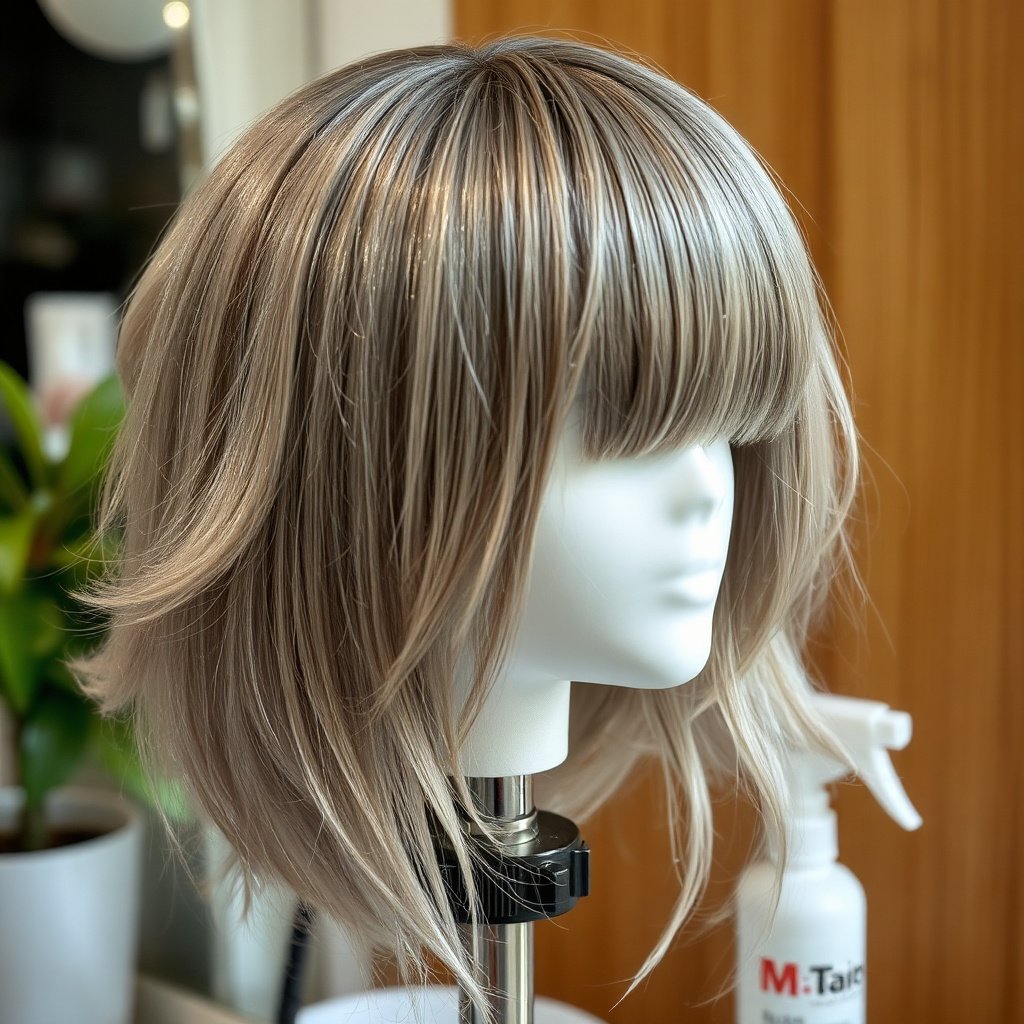
Use sulfate-free, color-safe shampoos for routine cleaning to prolong toner life. Condition your wig regularly to keep fibers soft and vibrant.
Avoid washing too frequently; instead, spot clean to maintain tone and prevent fading.
- Use cool water during washing
- Gently blot to dry instead of rubbing
- Store properly to prevent tangling
For more on this, see our related guide: Where to Buy Lace Front Wigs: Your Local Shopping Guide.
Protecting Wig Color from Damage
Limit exposure to direct sunlight and heat styling tools which fade or discolor toned wigs. Spray UV protection and heat protectants when necessary.
Handle your wig gently to prevent fiber stress and retain the rich tone longer.
Common Issues and Troubleshooting When Toning a Wig

Fixing Uneven or Patchy Toning
Uneven application or insufficient combing can cause patchiness. Reapply toner carefully to problem areas using a small brush and blend edges with a wide-tooth comb.
If severe, consider professional neutralizers or color fresheners designed for wigs to even out tones.
For further details about wig care that complement toning practices, the Wikipedia page on Wig Care and Maintenance is a helpful resource. Wig Care and Maintenance.
Addressing Over-Toned or Faded Colors
If the wig becomes too ashy or dull, use a clarifying shampoo sparingly to lift excess toner. For faded tones, gently reapply a milder color-depositing conditioner to revive color.
Avoid harsh chemicals, instead focusing on moisture and gentle product use to maintain fiber integrity.
Comparison of Wig Toning Products
Here’s a quick comparison of common wig toning product types to help you choose the right one for your wig type and color needs.
| Product Type | Best For | Application Ease | Color Intensity | Suitability |
|---|---|---|---|---|
| Purple Shampoo | Blonde/light synthetic & human hair | Easy | Mild | Synthetic & human hair |
| Color-Depositing Conditioner | All wig colors; hydration | Moderate | Medium | Synthetic & human hair |
| Cream Toner | Human hair wigs | Challenging | Strong | Human hair only |
| Salon Toner & Developer | Experienced users for human hair | Complex | Customizable | Human hair only |
| Color Refreshing Spray | Quick tone refresh | Very easy | Light | Synthetic & human hair |
Frequently Asked Questions
Can I use regular hair toner on a synthetic wig?
Regular hair toners that require developers or bleach should not be used on synthetic wigs as they can damage or melt the fibers. Use toners or shampoos specially formulated for synthetic hair instead.
How often should I tone my wig?
Toning frequency depends on wear and wig color; generally once every 4-6 weeks is enough for maintaining tone without over-processing fibers.
Will toning damage my wig?
When done with appropriate products and care, toning rarely damages human hair wigs. Synthetic wigs require gentler toning to avoid fiber damage.
Can I tone a dark-colored wig?
Toning works best on lighter wigs where brassiness is visible. Dark wigs usually need color refreshing treatments rather than toning.
Do I need to wash my wig before toning?
Yes, washing removes oils and buildup that prevent toner absorption, allowing for an even and effective color adjustment.
Key Takeaways
- Toning adjusts wig color to reduce brassiness and enhance natural appearance.
- Synthetic and human hair wigs require different toning products and methods.
- Purple shampoos and color-depositing conditioners offer gentle, effective toning.
- Proper wig preparation and aftercare extend toner longevity and wig life.
Conclusion
Knowing how to tone a wig starts with understanding your wig’s material and color needs. The process involves selecting the right toner, preparing the wig carefully, and applying the product with attention to detail. Balanced toning enhances the natural look of your wig, correcting dull or brassy hues without compromising fiber quality. Consistent aftercare plays a significant role in preserving the new tones longer, keeping your wig fresh and beautiful over time.
When deciding which technique to use, synthetic wig owners should opt for special purple shampoos or color-depositing conditioners to gently neutralize unwanted tones. Human hair wig users have more options, including salon toners and cream-based products for deeper corrections. Factors like wig color, desired tone, and ease of application guide this choice. For those seeking minimal effort, color refresh sprays provide light, temporary toning suitable for all wig types.
For anyone ready to tone their wig, a good first step is testing a mild purple shampoo or color-depositing conditioner on a small section, watching results carefully. Follow that with proper conditioning and storage to protect your investment. If complex tone corrections are needed, consulting a professional stylist experienced with wigs is advisable to avoid damage and ensure an even, natural finish.