What Hair Is Best for Knotless Braids: A Detailed Guide
The best hair for knotless braids is typically synthetic hair that is soft, lightweight, and has a natural texture similar to your own. Brands like Kanekalon and Marley hair are especially popular because they blend seamlessly and reduce scalp tension, which is essential for knotless braids’ comfort and longevity.
Knotless braids rely on a gradual feed-in technique that eliminates the traditional knot, making hair choice crucial to achieve smooth, natural-looking braids without bulkiness or excessive pulling. The right hair type also affects the style’s durability and the overall health of your scalp and natural hair.
This article will explore different hair types suitable for knotless braids, their pros and cons, how to prepare the hair, and tips on caring for your braids. Whether you’re a beginner or looking to refine your technique, understanding which hair works best will help you achieve flawless results.
Understanding Types of Hair for Knotless Braids
Synthetic Hair Varieties
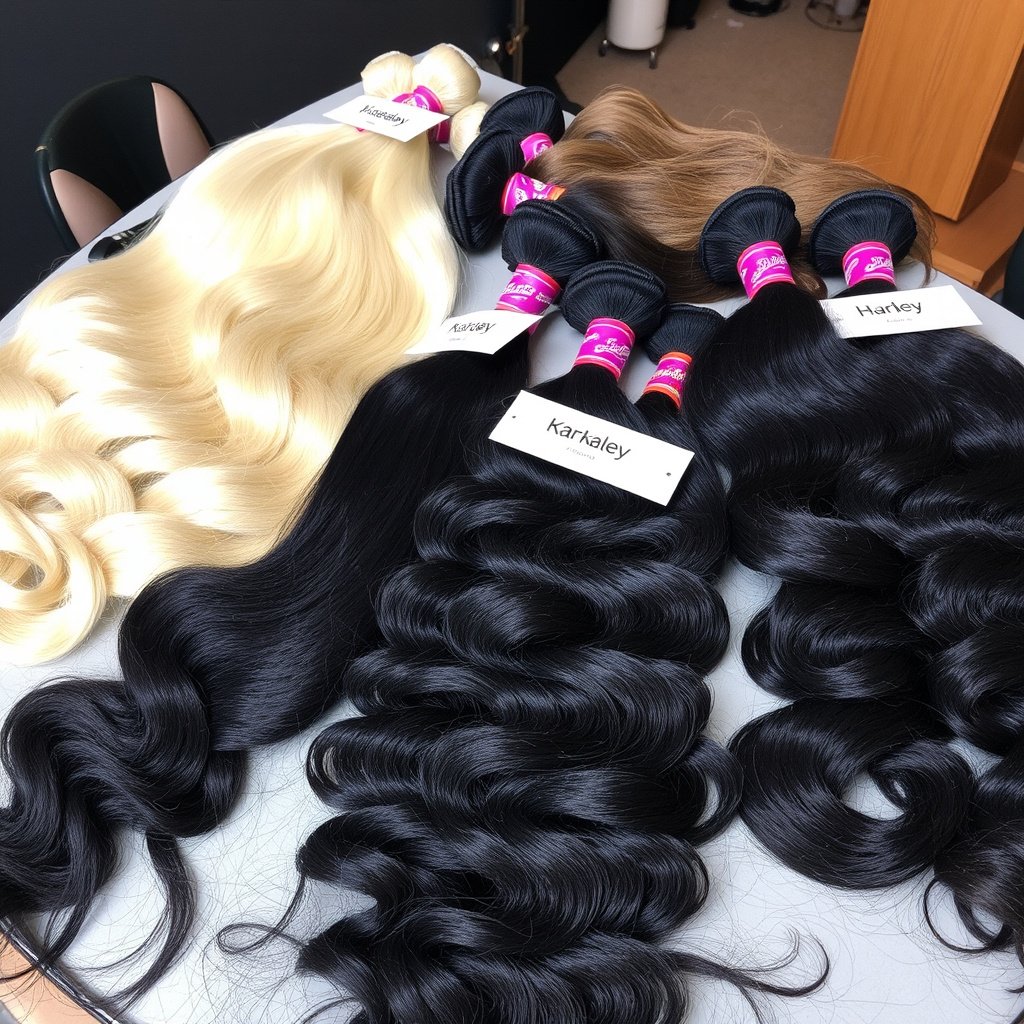
Synthetic hair is the most common choice for knotless braids due to its affordability and variety of textures. Kanekalon, a high-quality synthetic fiber, offers a silky, natural feel that mimics real hair well and is gentle on the scalp.
Marley hair is another popular synthetic option, recognized for its coarse texture that closely resembles natural Afro-textured hair. It provides volume and holds braids well but can be slightly heavier than Kanekalon.
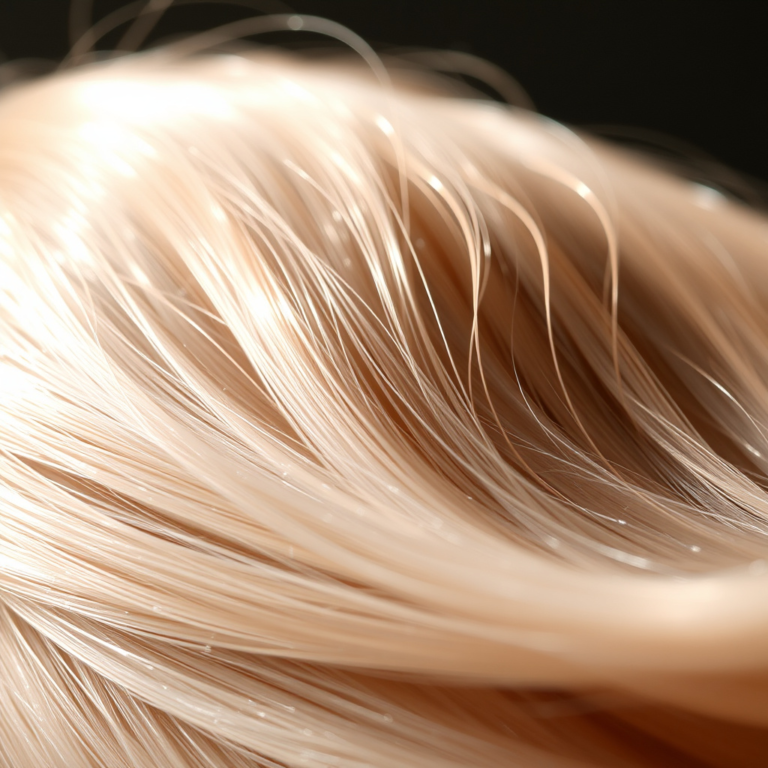
- Kanekalon: lightweight, smooth, natural texture
- Marley hair: thicker, coarser, more volume
- Affordable synthetic options versatile for styles
Human Hair Options
Human hair is prized for its natural movement and ability to be styled like your own hair, but it comes at a higher price point. It also requires more maintenance and care to prevent tangling during the braid process.
While human hair can blend beautifully with natural hair, it might add weight and increase scalp tension if not installed carefully, which counters the benefits of knotless braids.
- Natural look and feel
- Can be styled with heat and washed
- More expensive and heavier than synthetic
Key Features to Look for in Hair for Knotless Braids
Texture and Weight
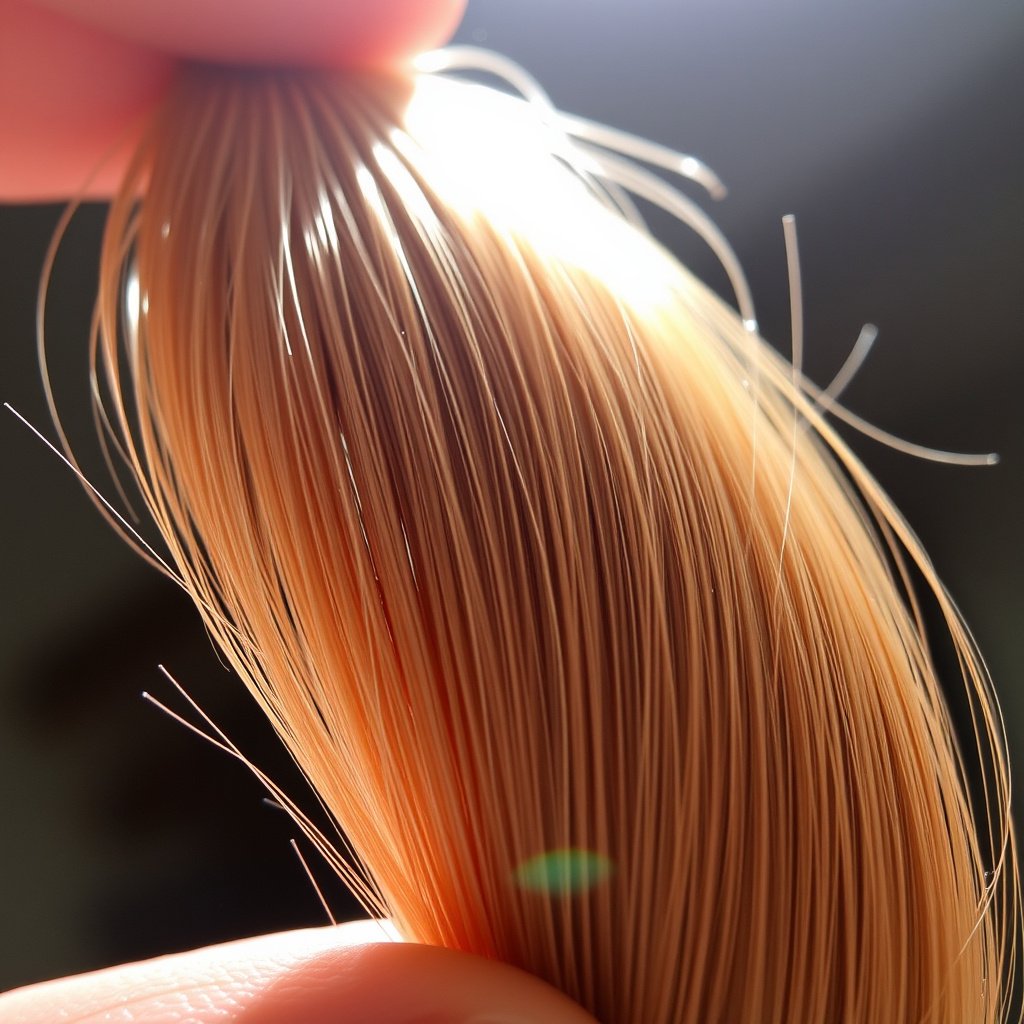
Hair texture should closely match your natural hair to ensure the braids look seamless and blend well. Lightweight hair reduces scalp strain, which is especially important for the knotless braid technique that depends on gradual tension.
Smooth textures like Kanekalon are often favored because they slide through the braiding process easily without snagging, helping create neat braids with minimal frizz.
- Match texture to natural hair
- Choose lightweight fibers to avoid scalp tension
- Smooth texture aids in easier braiding
For more on this, see our related guide: How to Do Goddess Braids: Step-by-Step Guide for Stunning Protective Styles.
Durability and Maintenance
Durability matters because knotless braids are designed to last several weeks. Synthetic hair that resists frizzing and tangling like Kanekalon or Marley can maintain appearance longer and look fresh.
Maintenance is easier with synthetic blends that don't require regular washing. Human hair, though beautiful, demands careful upkeep to prevent damage and maintain softness.
- Synthetic hair resists frizz and tangles
- Human hair needs regular care and washing
- Consider ease of upkeep for your lifestyle
Preparation and Installation Tips for the Best Results
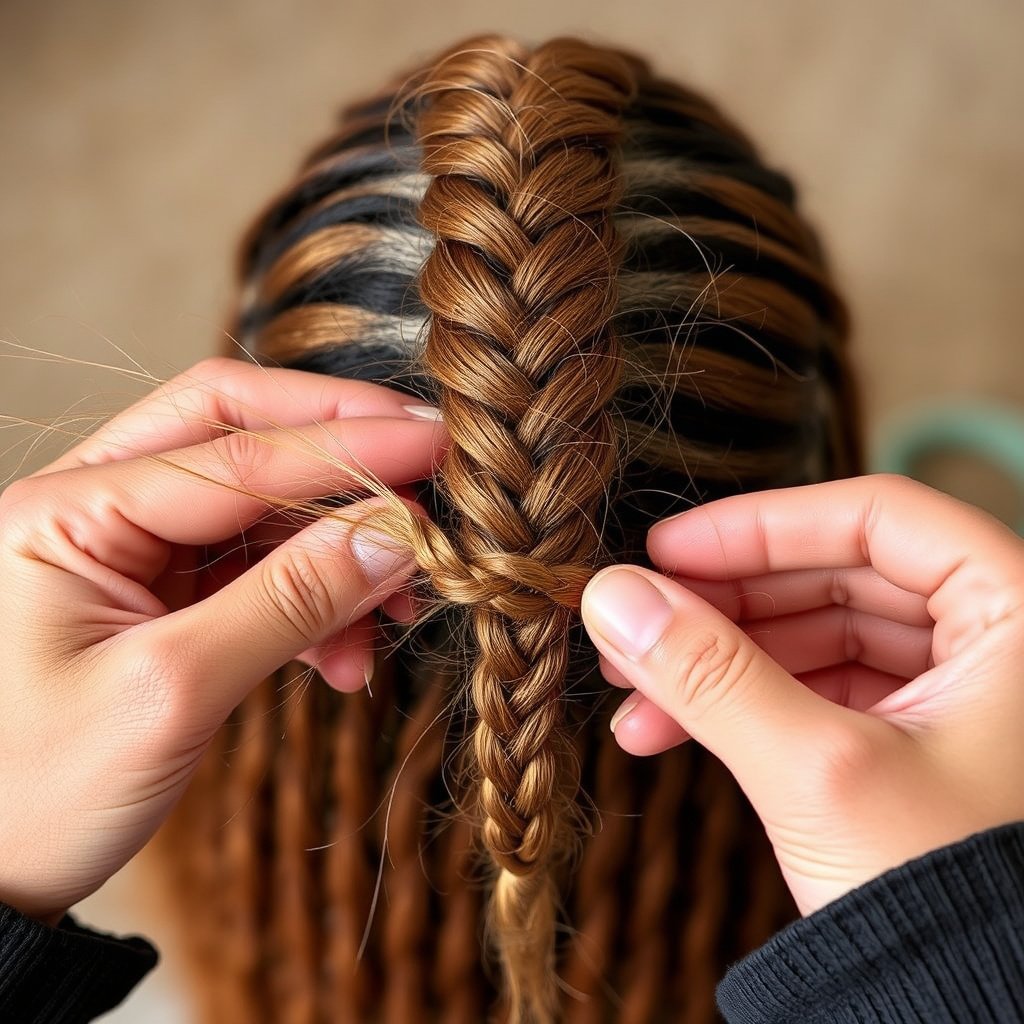
Prepping Synthetic Hair
Before installation, synthetic hair should be washed with a gentle shampoo and thoroughly dried to remove any residues from manufacturing. Some prefer to pre-stretch the hair with heat or steaming to prevent shrinkage.
Separating the hair into manageable bundles also helps maintain control and neatness while braiding, which contributes to the smooth finish expected in knotless braids.
- Wash synthetic hair prior to braiding
- Pre-stretch to reduce shrinkage
- Organize hair in small bundles
Technique Adjustments for Different Hair Types
When using heavier hair such as Marley, incorporating thinner sections or trimming excess length can alleviate scalp stress. For human hair, avoid excessive tightness since the hair’s flexibility makes it more prone to damage.
Fine synthetic hair like Kanekalon allows for tighter braiding without discomfort, supporting longer-lasting knotless braids that look neat and natural.
- Trim or thin bulkier hair types
- Avoid too tight braids with human hair
- Use smaller sections for heavier fibers
Styling and Care After Installation
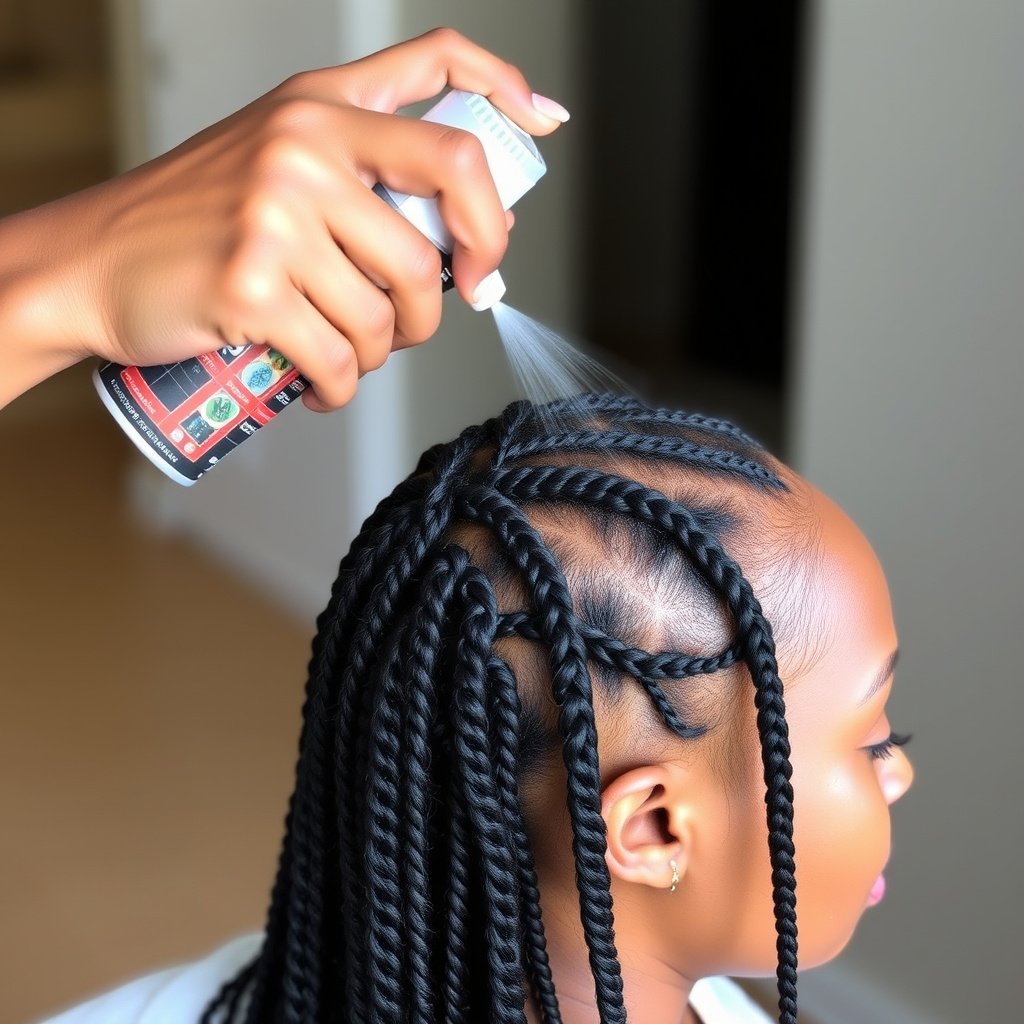
Maintaining Hair Health
Keep your scalp moisturized with light oils or hydrating sprays to prevent dryness caused by synthetic hair. Regular gentle cleansing helps reduce buildup without disrupting the braid foundation.
Night care using silk or satin scarves protects braids from frizz and preserves the smooth appearance of both synthetic and natural hair blends.
- Moisturize scalp regularly
- Use silk/satin at night
- Cleanse gently to avoid buildup
For more on this, see our related guide: How to Do Goddess Braids: Step-by-Step Guide for Stunning Styles.
Refreshing and Longevity
To extend the life of your knotless braids, avoid heavy products that lead to residue or frizz. Rebraiding edges or loose sections can keep your style looking tidy longer.
Synthetic hair with resilient fibers typically retains its look for 6–8 weeks with proper care, while human hair may require more frequent touch-ups.
- Avoid heavy buildup products
- Refresh edges as needed
- Synthetic hair lasts longer with care
Common Mistakes to Avoid When Choosing Hair for Knotless Braids
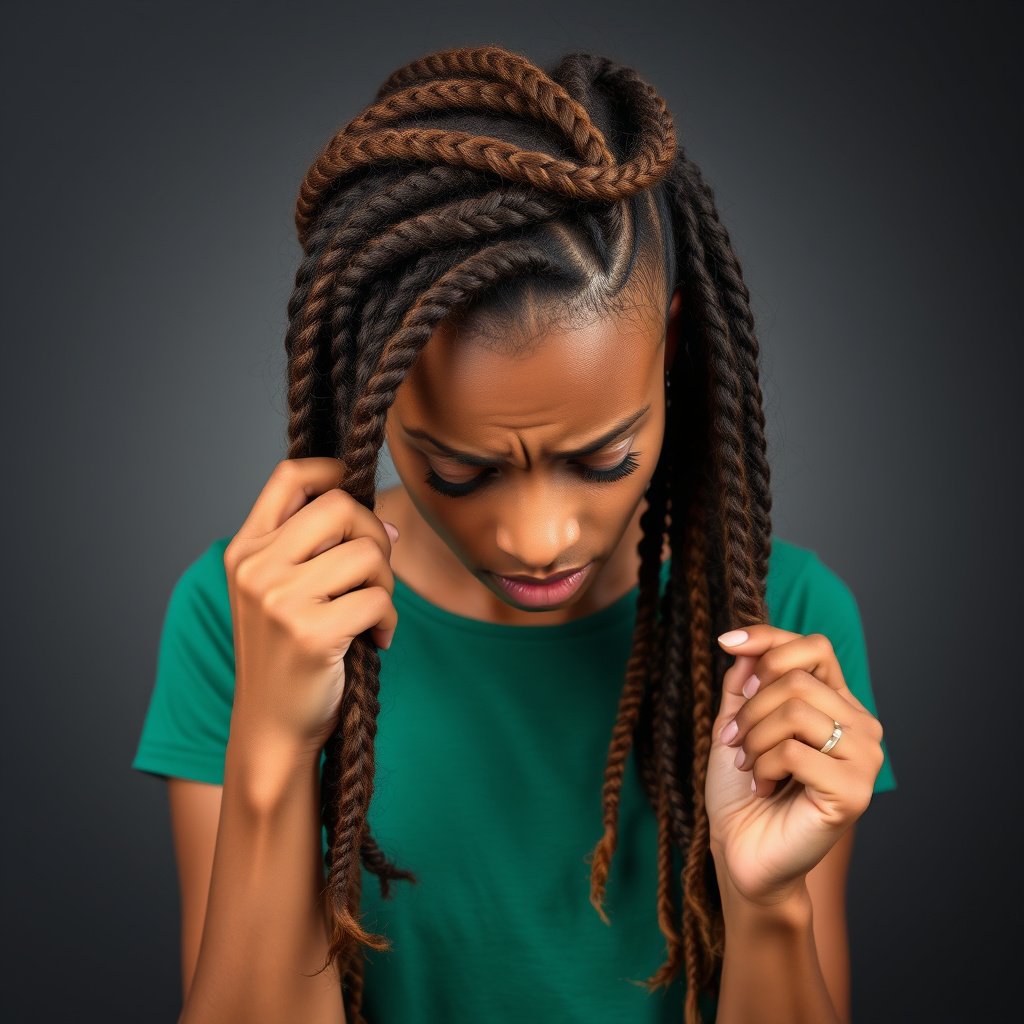
Using Hair That’s Too Heavy
Heavy hair types increase scalp tension, which can cause discomfort and damage over time. Knotless braids rely on a stress-free start, so selecting hair that matches your scalp sensitivity is important.
Overly thick or dense hair bundles may lead to bulky braids that contradict the sleek look knotless braids aim for.
- Avoid dense, heavy hair bundles
- Consider scalp sensitivity
- Bulkiness reduces braid neatness
For more background on different braid styles and hair types used, check out this detailed overview of box braids and related techniques. knotless braid techniques and hair types.
Neglecting Hair Quality and Preparation
Skipping washing or pre-stretching synthetic hair leads to tangling and uneven braids. Low-quality hair can also shed excessively and damage your own hair during installation and removal.
Investing a little extra time in hair prep improves braid smoothness and overall appearance.
- Don’t skip hair washing before braiding
- Pre-stretch synthetic fibers
- Choose quality hair to minimize shedding
Comparison of Popular Hair Types for Knotless Braids
This table compares common hair options based on key factors affecting knotless braids, helping you choose what suits you best.
| Hair Type | Texture | Weight | Durability | Maintenance | Price Range |
|---|---|---|---|---|---|
| Kanekalon | Smooth, silky | Lightweight | High | Low-maintenance | Affordable |
| Marley Hair | Coarse, natural-like | Medium-heavy | High | Low-maintenance | Moderate |
| Human Hair | Natural, soft | Heavier | Moderate | High-maintenance | Expensive |
| Braiding Hair Blends | Varied textures | Light to medium | Moderate | Medium | Moderate |
Frequently Asked Questions
Can I use regular synthetic hair for knotless braids?
Not all synthetic hair works well for knotless braids. You want hair that is soft and lightweight to avoid scalp tension and ensure the braids lay flat without bulk. Kanekalon and Marley hair are preferred types.
How long does synthetic hair last in knotless braids?
With proper care, synthetic hair in knotless braids generally lasts between 6 to 8 weeks without significant frizz or tangling, maintaining the style’s neat appearance.
Is human hair better than synthetic for knotless braids?
Human hair provides a natural look and styling flexibility but is heavier, costs more, and requires more maintenance. Synthetic hair is lighter and easier to manage, often making it a better choice for knotless braids.
Should I pre-stretch synthetic hair before braiding?
Yes, pre-stretching synthetic hair with heat or steaming helps prevent shrinkage and tangling during braiding, resulting in smoother, longer-lasting knotless braids.
How do I maintain knotless braids to keep hair looking fresh?
Moisturize your scalp regularly, use light products to avoid buildup, cover braids at night with a satin scarf, and gently cleanse your hair to maintain freshness and prevent frizz.
Key Takeaways
- Kanekalon and Marley hair are the best synthetic options for knotless braids.
- Lightweight hair reduces scalp tension and enhances braid comfort.
- Proper hair preparation like washing and pre-stretching improves results.
- Maintenance with moisturizing and gentle cleansing extends braid longevity.
Conclusion
Choosing the best hair for knotless braids involves balancing texture, weight, durability, and maintenance needs. Synthetic hairs like Kanekalon and Marley provide the ideal combination of softness and lightness that supports the knotless braiding technique, giving a natural look without stressing the scalp. Understanding how your selected hair interacts with your natural hair texture is a key part of the decision-making process, helping to achieve longer-lasting, comfortable braids that look seamless.
If you seek a smooth, lightweight finish with manageable upkeep, high-quality synthetic hair such as Kanekalon is usually the best bet. Marley hair suits those wanting more volume and a texture closer to Afro-textured hair. For those preferring a natural feel with styling versatility, human hair may be preferred, though it requires careful installation to avoid excess scalp tension. Preparing the hair properly before installation, through washing and pre-stretching, makes a major difference in braid quality and durability.
Ultimately, once you have selected a hair type aligned with your needs and hair texture, focus on aftercare—moisturizing the scalp, avoiding product buildup, and protecting your braids at night. Starting your knotless braids journey with well-chosen, quality hair will reward you with a comfortable, attractive style that can last for several weeks with minimal issues.