Shampoo for Dry Scalp Guide: What to Know Before You Buy
Dealing with a dry scalp can be frustrating and uncomfortable, and if you’re struggling to find relief, you’re not alone. Many people face itchiness, flakiness, and irritation that seem hard to soothe.
The good news is that the right shampoo can make a big difference in managing dryness and restoring comfort.
If you’re dealing with dry scalp, look for shampoos that hydrate with ingredients like aloe vera, glycerin, and natural oils while avoiding sulfates, alcohol, and harsh fragrances that cause irritation.
Choose a shampoo with a balanced pH around 4.5 to 5.5 to protect your scalp’s barrier. Wash two to three times weekly using gentle techniques.
Knowing your scalp type helps you pick the right formula. Keep going to uncover more tips for managing dryness effectively.
Key Takeaways
- Choose shampoos with moisturizing ingredients like aloe vera, glycerin, natural oils, hyaluronic acid, and panthenol for effective dry scalp care.
- Avoid shampoos containing sulfates, heavy fragrances, alcohol-based ingredients, and harsh preservatives that worsen dryness and irritation.
- Opt for shampoos with a pH between 4.5 and 5.5 to maintain scalp health and prevent flakiness and tightness.
- Limit washing frequency to two to three times weekly with gentle massage and lukewarm water to protect natural oils and hydration.
- Consider medicated shampoos only if dryness causes persistent itching, redness, or flaking unresponsive to regular moisturizing shampoos.
What Causes Dry Scalp and Its Effects on Hair
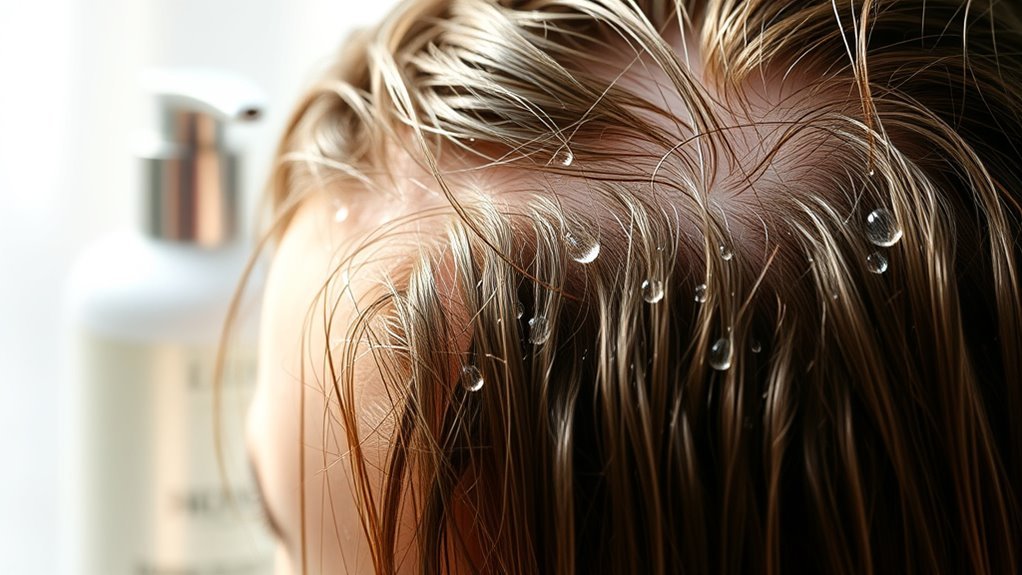
Although you might not realize it at first, a dry scalp can stem from several causes like harsh weather, over-washing, or using the wrong hair products. When your scalp loses moisture, it becomes flaky and irritated, which can disrupt scalp health.
A dry scalp often results from harsh weather, over-washing, or unsuitable hair products, leading to flakes and irritation.
This imbalance affects more than just comfort; it can hinder hair growth by weakening the hair follicles. You might notice increased shedding or slower growth when your scalp isn’t properly nourished.
Environmental factors like cold winds strip away natural oils, while frequent washing can remove essential moisture, leaving your scalp vulnerable. Using shampoos with harsh chemicals exacerbates dryness, damaging the skin’s barrier.
To maintain scalp health and support hair growth, it’s important to identify these causes and adjust your hair care routine accordingly. Taking care of your scalp guarantees a healthy foundation for strong, vibrant hair. Ignoring dryness can lead to persistent irritation and affect the overall appearance of your hair.
Key Ingredients That Soothe and Moisturize Dry Scalp
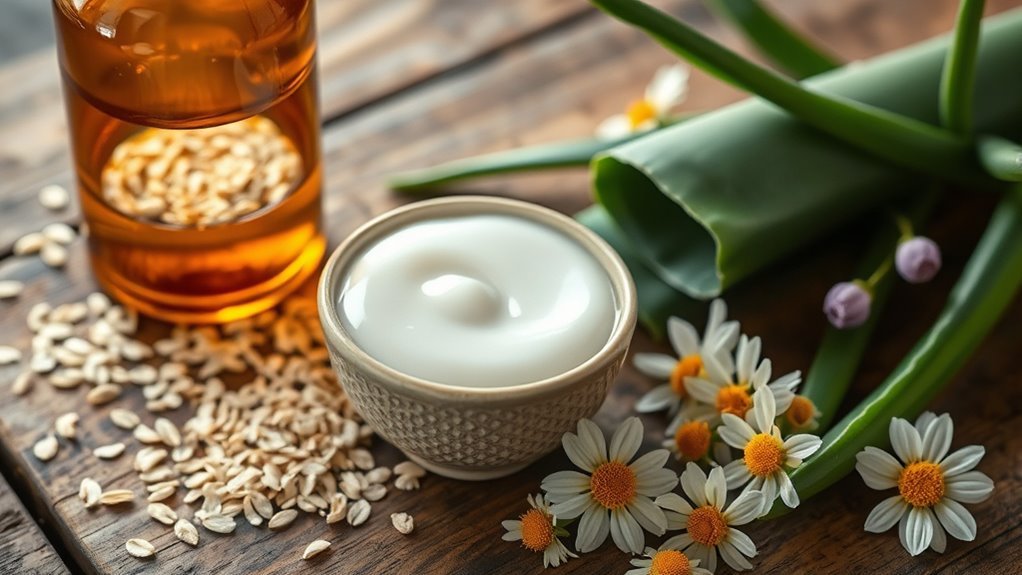
To restore moisture and calm irritation, you’ll want to look for shampoos that include ingredients specifically designed to nourish a dry scalp. Key players like aloe vera and chamomile offer excellent soothing properties, reducing redness and itchiness while providing gentle care.
Ingredients such as glycerin and hyaluronic acid boost scalp hydration by attracting and locking in moisture, preventing dryness from returning. Natural oils like jojoba and coconut penetrate deeply, restoring the scalp’s lipid barrier and enhancing softness without weighing hair down.
Furthermore, panthenol (vitamin B5) strengthens the scalp’s moisture retention ability and supports overall scalp health. When choosing a shampoo, prioritize formulas that combine these hydrating and soothing ingredients to effectively target dryness and discomfort.
This approach helps maintain a balanced scalp environment, promoting healthier hair growth and reducing flakiness. By focusing on these essential components, you guarantee your scalp feels refreshed, hydrated, and comfortable after every wash.
Ingredients to Avoid in Dry Scalp Shampoos
When managing a dry scalp, you need to steer clear of certain ingredients that can worsen irritation and dryness. One common culprit is sulfates, such as sodium lauryl sulfate, which strip natural oils and leave your scalp feeling tight and flaky. Instead, look for sulfate alternatives like sodium cocoyl isethionate or decyl glucoside, which cleanse gently without over-drying.
Also, avoid shampoos with heavy fragrances if you have fragrance sensitivity. Synthetic fragrances can trigger itching, redness, and inflammation, making dry scalp issues worse. Opt for fragrance-free or naturally scented options to minimize reactions.
Additionally, stay away from alcohol-based ingredients that can dehydrate your scalp further. Harsh preservatives and certain detergents may also irritate sensitive skin. By avoiding these irritants and choosing milder formulations, you’ll help restore moisture and comfort to your dry scalp, setting the stage for healthier hair and skin.
Choosing Shampoo for Different Types of Dry Scalp
First, you’ll want to figure out what kind of dry scalp you have. That way, you can pick a shampoo that really works for your specific needs. Some ingredients are better for flakiness, while others soothe irritation or relieve tightness.
Knowing what your scalp is asking for makes all the difference. Then, when you compare shampoos, you can choose one that nourishes your scalp without making it even drier. It’s all about finding the right balance.
Identifying Scalp Dryness Types
How can you tell if your scalp is dry or just irritated? Understanding your scalp sensitivity and moisture retention helps you identify the dryness type. Each type demands a different shampoo approach.
| Dryness Type | Signs & Symptoms |
|---|---|
| Flaky Dry Scalp | Visible flakes, tightness, occasional itch |
| Sensitive Scalp | Redness, burning, reacts to products |
| Dehydrated Scalp | Dullness, dryness without flakes |
| Combination | Patchy dryness mixed with oily areas |
If your scalp is sensitive, avoid harsh ingredients to prevent irritation. For moisture retention issues, look for hydrating formulas that restore balance. Recognizing these types helps you pick the right shampoo to soothe and nourish your scalp effectively.
Ingredients for Scalp Care
Since different types of dry scalp require specific care, choosing the right shampoo ingredients makes all the difference. You want a formula that prioritizes scalp hydration to soothe irritation and reduce flakiness.
Look for ingredients like aloe vera and glycerin, which attract and lock moisture into your scalp. Natural oils, such as jojoba, argan, and coconut oil, nourish your scalp without clogging pores or causing buildup.
These oils help restore your scalp’s barrier and maintain its natural balance. Avoid harsh sulfates or alcohol-based ingredients that strip moisture and worsen dryness.
Shampoo Formulations Comparison
Choosing the right shampoo ingredients sets the foundation, but understanding how different formulations work can help you pick the perfect match for your specific dry scalp type. If you have sensitive or flaky skin, shampoos with sulfate alternatives are gentler and won’t strip natural oils, reducing irritation.
For more severe dryness, look for formulas rich in moisturizing agents like glycerin or aloe vera, which hydrate and soothe your scalp deeply. Cream-based shampoos often provide extra nourishment, while lighter, gel-based options suit mild dryness without weighing hair down.
You can also find shampoos combining both sulfate alternatives and moisturizing agents, offering balanced cleansing and hydration. By matching the formulation to your scalp’s needs, you’ll improve comfort and maintain healthier hair without over-drying or irritation.
Why Shampoo PH Matters for Managing Dry Scalp
Although you might not think about it often, the pH level of your shampoo plays an essential role in managing a dry scalp. Your scalp’s natural pH balance typically ranges between 4.5 and 5.5, which helps maintain its protective barrier and prevents dryness or irritation.
Using a shampoo with a pH that’s too high or too low can disrupt this balance, leading to scalp issues like flakiness and tightness. When the pH is off, the scalp becomes more susceptible to damage from environmental stressors and harsh ingredients, worsening dryness.
Choosing a shampoo with a pH close to your scalp’s natural level supports scalp health by preserving moisture and reducing irritation. So, when shopping for a dry scalp shampoo, always check the pH level. Picking one designed to maintain pH balance helps you keep your scalp comfortable, hydrated, and healthy, making your hair care routine more effective.
Benefits of Natural and Organic Shampoos for Dry Scalp
You’ll find that natural and organic shampoos are packed with nourishing ingredients that soothe and hydrate your dry scalp. They often skip the harsh chemicals, which means less chance of irritation and dryness. So, by choosing these shampoos, you’re caring for your scalp gently while also promoting healthier skin. It’s a simple way to give your scalp the love it needs without any harsh stuff.
Nourishing Ingredients Explained
When your scalp feels dry and irritated, using shampoos with natural and organic ingredients can make a big difference. These shampoos often include nourishing oils like jojoba, argan, and coconut oil, which deeply moisturize and soothe your scalp, restoring its natural balance.
Hydrating extracts from aloe vera, chamomile, and green tea help calm inflammation and provide lasting hydration without weighing your hair down. Together, these ingredients work to repair dryness and reduce flakiness, promoting a healthier scalp environment.
Reduced Chemical Irritation
Choosing shampoos with natural and organic ingredients not only nourishes your scalp but also helps minimize exposure to harsh chemicals that can worsen dryness and irritation. When you switch to natural alternatives, you reduce the risk of aggravating scalp sensitivity caused by synthetic fragrances, sulfates, and parabens.
These chemicals often strip your scalp of its natural oils, leading to more dryness and discomfort. By opting for gentle, plant-based formulas, you protect your scalp’s delicate balance and promote healthier skin.
Natural shampoos typically contain soothing ingredients like aloe vera, chamomile, and tea tree oil, which calm irritation instead of triggering it. So, if you struggle with a dry, sensitive scalp, choosing natural alternatives can greatly reduce chemical irritation and help restore comfort and moisture.
How Often to Wash Hair With Dry Scalp Shampoo
How often should you wash your hair with dry scalp shampoo to see the best results? The ideal dry scalp frequency usually ranges between two to three times a week. Washing too often can strip your scalp of natural oils, worsening dryness, while washing too infrequently might allow buildup and flakes to accumulate. Adjust based on how your scalp responds.
When you wash, use gentle washing techniques. Avoid hot water and harsh scrubbing, which can irritate your scalp further. Instead, massage the shampoo lightly with your fingertips to stimulate circulation without causing damage.
Rinse thoroughly to remove all residue, preventing irritation. Pay attention to your scalp’s condition over time and tweak the frequency if you notice increased dryness or oiliness. This balanced approach helps soothe your dry scalp, keeping it healthy without over-drying or neglecting it.
Shampoo Tips to Maximize Moisture and Comfort
Although dry scalp shampoos help, you’ll get the best results by using techniques that lock in moisture and boost comfort. Start by rinsing your hair with lukewarm water. Hot water can strip natural oils, reducing scalp hydration.
When applying shampoo, massage gently with your fingertips to promote blood flow and support moisture retention without irritating the scalp. Avoid harsh scrubbing, which can worsen dryness. Rinse thoroughly to remove all product residue that might cause itching.
Gently massage shampoo to boost blood flow and moisture, avoiding harsh scrubbing to prevent dryness and irritation.
After washing, don’t towel-dry vigorously. Instead, pat your hair gently to prevent disrupting the scalp’s natural barrier. Follow up with a hydrating conditioner or scalp treatment designed for dry scalp to seal in moisture.
Consider using a leave-in moisturizer or natural oils to improve scalp hydration throughout the day. These simple steps can greatly enhance your scalp’s comfort and help maintain moisture retention, leaving your scalp healthier and less prone to dryness and irritation.
When to Try Medicated Shampoos for Dry Scalp
When should you consider switching to medicated shampoos for your dry scalp? If over-the-counter shampoos aren’t easing your discomfort or flakes, it might be time to investigate medicated options. These shampoos contain active ingredients designed to target underlying scalp issues like dandruff, psoriasis, or fungal infections.
Here are four signs to try medicated shampoos:
- Persistent itching and redness that doesn’t improve with regular shampoos.
- Visible flakes or scales that worsen despite moisturizing efforts.
- Scalp irritation that disrupts daily comfort or sleep.
- Your dermatologist recommends specific medicated shampoos based on your condition.
When using these shampoos, pay close attention to application techniques. Massage gently and leave the shampoo on your scalp for the recommended time to maximize effectiveness without causing irritation. Switching to medicated shampoos can bring relief, but always follow product instructions and consult a healthcare professional if symptoms persist.
Using Shampoo With Other Products for Dry Scalp Care
To get the best results for your dry scalp, you’ll want to combine shampoo with other targeted products that address different aspects of scalp health. Using shampoo alone might clean your scalp, but scalp treatments like serums or leave-in conditioners can provide extra hydration and soothe irritation. These products work together to restore moisture and balance.
Product layering is key here. After shampooing, gently apply a scalp treatment designed for dryness or sensitivity. Let it absorb fully before moving on to styling products. This layered approach helps prevent product buildup and guarantees each treatment performs effectively. Be mindful of the ingredients and avoid harsh chemicals that could worsen dryness.
Frequently Asked Questions
Can Diet Impact the Condition of a Dry Scalp?
Yes, your diet can impact a dry scalp. When you include good nutrition sources like omega-3 fatty acids, vitamins A, D, and E, and zinc, you support healthy skin and scalp.
Staying properly hydrated also plays a big role in maintaining your hydration levels, which helps prevent dryness and flaking. So, by eating well and drinking enough water, you can improve your scalp’s condition alongside using the right shampoo.
Are There Any Home Remedies to Complement Shampoo Use?
Soothing scalp solutions start with oils application. Coconut or jojoba oils work wonders. You can gently warm the oil, then give yourself a relaxing scalp massage to stimulate circulation and lock in moisture.
This combo complements your shampoo routine perfectly. Don’t forget to leave the oil on for about 20 minutes before rinsing. These simple steps help soothe dryness and boost your scalp’s natural health, giving you that refreshed feeling you’re after.
How Does Weather Affect Dry Scalp Severity?
Weather plays a big role in how severe your dry scalp feels. When humidity levels drop, especially during seasonal changes like fall and winter, your scalp loses moisture faster, making dryness and itching worse.
On the other hand, higher humidity in spring or summer can help keep your scalp hydrated. So, you’ll want to adjust your hair care routine based on the weather to keep your scalp comfortable and healthy year-round.
Can Stress Worsen Dry Scalp Symptoms?
Yes, stress can worsen dry scalp symptoms. Studies show that 75% of people report increased scalp irritation during stressful periods. When you’re stressed, your body’s natural oil production can decrease, leading to dryness and flakiness.
Incorporating stress management techniques helps maintain scalp hydration and reduces inflammation. So, by managing stress, you’re not just improving your mental health but also supporting a healthier, more hydrated scalp.
Is It Safe to Use Dry Scalp Shampoo on Color-Treated Hair?
Yes, you can safely use dry scalp shampoo on color-treated hair if you choose one with gentle dry scalp ingredients like aloe vera, tea tree oil, or chamomile. These soothe your scalp without stripping your color.
Avoid shampoos with harsh sulfates or alcohol, as they can fade your color and irritate your scalp. Always look for formulas designed for color treated care to keep your scalp healthy and your hair vibrant.
Conclusion
Managing dry scalp is like tending a delicate garden; you need the right balance of care and nourishment. By choosing shampoos with soothing ingredients, avoiding harsh chemicals, and paying attention to pH, you can restore comfort and moisture.
Remember to wash wisely and complement your routine with other gentle products. When needed, medicated options can provide extra relief.
With this thoughtful approach, you’ll nurture a healthy scalp and vibrant hair that truly thrives. Finding the right shampoo for dry scalp can make all the difference in keeping your hair and scalp happy.