Your Guide to Moisturizing Shampoo: Choosing With Confidence
Struggling to find a moisturizing shampoo that actually delivers on its promises? You’re not alone. Many people deal with dry, brittle hair and feel overwhelmed by the endless options on store shelves.
The good news is, choosing the right shampoo doesn’t have to be complicated.
You can choose a truly moisturizing shampoo by looking for key ingredients like glycerin, aloe vera, and sulfate-free formulas that protect your hair’s natural oils.
Match the shampoo to your hair type—lightweight for fine strands, richer options for curly or damaged hair—to avoid weighing it down.
Pay attention to labels and how your hair feels after washing to guarantee real hydration.
Keep these tips in mind to confidently find the best shampoo for lasting moisture and healthy hair.
Key Takeaways
- Look for shampoos containing humectants like glycerin and aloe vera for genuine hydration rather than just surface smoothness.
- Choose sulfate-free shampoos to maintain natural oils and prevent dryness while ensuring effective cleansing.
- Match shampoo formulas to your hair type and porosity for optimal moisture absorption and retention.
- Prioritize lightweight, pH-balanced shampoos with added proteins to strengthen and nourish dry or damaged hair.
- Evaluate shampoo labels carefully, focusing on ingredient order and hydration claims to select products that meet your specific needs.
How to Tell if a Shampoo Is Truly Moisturizing

How can you know if a shampoo is truly moisturizing? First, be aware of hydration myths that often confuse shoppers. Not all shampoos labeled “moisturizing” actually boost your hair’s moisture levels. Some contain heavy oils or silicones that only coat your hair, giving a temporary smooth feel without real hydration.
To tell if a shampoo genuinely moisturizes, check the ingredient list for humectants like glycerin or natural oils that penetrate hair strands. These ingredients attract and retain moisture rather than just masking dryness. Also, pay attention to how your hair feels after washing. Does it stay soft and hydrated, or does it dry out quickly?
Key Ingredients That Boost Hair Hydration
Understanding what truly moisturizes your hair sets the foundation for choosing the right ingredients. When selecting a moisturizing shampoo, focus on components known for their hydration benefits. Look for humectants like glycerin and hyaluronic acid, which attract moisture from the environment to your hair strands, keeping them hydrated longer.
Emollients such as shea butter and jojoba oil smooth the hair cuticle, locking in moisture and preventing dryness. Pay attention to natural ingredient sources, as they often provide gentle yet effective hydration. Aloe vera and coconut oil are popular for their ability to nourish and replenish hair without weighing it down.
Proteins like keratin and silk amino acids also help repair and strengthen hair, enhancing its moisture retention. These ingredients work together to keep your hair healthy, hydrated, and resilient.
How to Decode Shampoo Labels for Moisturizing Benefits
When you check shampoo labels, it helps to focus on key moisturizing ingredients like glycerin and aloe vera. These are great at adding and retaining moisture in your hair. You’ll also want to get familiar with common terms like “hydrating” or “moisture-lock” because they can clue you in on whether a product actually delivers on its promises.
And don’t forget to look out for clear hydration claims that match what your hair really needs. That way, you’re more likely to pick a shampoo that keeps your hair feeling soft and nourished.
Key Moisturizing Ingredients
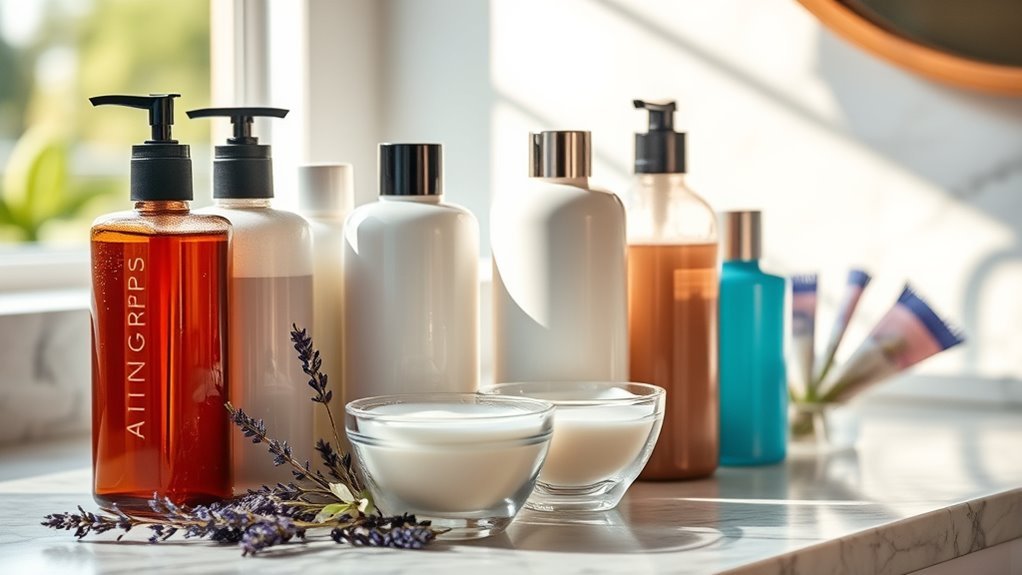
Although shampoo labels can seem overwhelming, knowing which moisturizing ingredients to look for makes it easier to choose the right product for your hair. Focus on key components that promote moisture balance and come from ethical ingredient sourcing. These ingredients deeply hydrate without weighing your hair down, leaving it soft and manageable.
| Ingredient | Benefit |
|---|---|
| Glycerin | Locks in moisture, smooths hair |
| Aloe Vera | Soothes scalp, hydrates roots |
| Shea Butter | Nourishes, restores softness |
| Coconut Oil | Prevents dryness, adds shine |
Understanding Label Terminology
Knowing which ingredients benefit your hair is a great start, but shampoo labels can still be confusing. To decode them, focus on key label ingredients like humectants (glycerin, panthenol) and emollients (shea butter, oils), which signal moisturizing benefits.
Avoid getting overwhelmed by marketing jargon. Instead, scan the ingredient list carefully. When making product comparisons, check the order of ingredients; the higher up, the more concentrated.
Also, look for terms like “sulfate-free” or “cream formula,” which often indicate gentler, hydrating options. By understanding these label ingredients and what they mean, you can confidently choose shampoos that truly nourish your hair.
This approach helps you cut through hype and pick the best moisturizing shampoo for your unique needs.
Identifying Hydration Claims
How can you tell if a shampoo truly delivers hydration just by reading its label? It’s easy to fall for hydration myths or moisture misconceptions, but knowing key phrases helps. Look for terms like “deeply moisturizing,” “hydrating complex,” or “intense moisture” as clues.
However, some labels exaggerate benefits, so checking ingredient lists is essential.
| Label Term | What It Means | What to Check For |
|---|---|---|
| “Hydrating Formula” | Adds moisture to hair | Ingredients like glycerin |
| “Moisture Boost” | Temporarily softens hair | Presence of oils or humectants |
| “Sulfate-Free” | Gentler cleansing, less drying | Avoids stripping natural oils |
Why Sulfate-Free Shampoos Help Keep Hair Hydrated
Because sulfate-free shampoos skip harsh detergents, they help your hair retain its natural oils and moisture. Unlike traditional shampoos that use sulfates to create a rich lather, sulfate-free options rely on gentler sulfate alternatives.
These milder cleansing agents clean your scalp effectively without stripping away essential oils, which means you enjoy better hydration benefits. When you use sulfate-free shampoos, your hair feels softer and looks shinier because it stays naturally moisturized.
You’ll find that sulfate alternatives like cocamidopropyl betaine or decyl glucoside maintain your hair’s moisture balance while still removing dirt and buildup. This balance is key if you want to avoid dryness or irritation.
How Different Hair Types Affect Your Moisturizing Shampoo Choice
Your hair texture really influences which moisturizing shampoo suits you best. Plus, think about how much moisture your scalp actually needs and how dry or damaged your hair might be. Taking these things into account helps you choose a shampoo that truly nourishes your hair type.
Hair Texture Considerations
Since each hair texture absorbs moisture differently, choosing the right moisturizing shampoo depends largely on understanding your hair type. If you have fine or straight hair, look for lightweight formulas that hydrate without weighing your strands down.
Curly or coily hair usually needs richer, more nourishing shampoos to combat dryness and improve definition. Keep in mind your scalp type, as oily scalps might require balancing ingredients, while dry scalps benefit from extra hydration.
Seasonal changes also play a role; colder months can leave hair drier, so you might switch to a more intensive moisturizing shampoo during winter. By tailoring your shampoo choice to both your hair texture and these factors, you guarantee your hair stays healthy, manageable, and well-moisturized all year round.
Scalp Moisture Needs
Though hair texture plays a big role in choosing a moisturizing shampoo, your scalp’s moisture needs are just as important. Proper scalp hydration maintains moisture balance, preventing dryness or excess oiliness.
Different hair types often require unique approaches to scalp care, influencing your shampoo choice.
| Hair Type | Scalp Moisture Needs | Recommended Shampoo Features |
|---|---|---|
| Straight | Moderate moisture | Lightweight, balancing |
| Wavy | Variable moisture | Nourishing, gentle cleansers |
| Curly | Higher moisture | Hydrating, sulfate-free |
| Coily | Very high moisture | Rich, deeply moisturizing |
| Fine | Lower moisture | Clarifying, non-greasy |
Matching your shampoo to your scalp’s hydration needs helps you achieve a healthy moisture balance and vibrant hair.
Damage and Dryness Levels
Because damage and dryness affect how your hair absorbs moisture, choosing the right moisturizing shampoo depends largely on your hair type’s specific needs. Start with a damage assessment to identify dryness causes like heat styling or chemical treatments.
Your hair’s porosity plays an essential role in moisture retention. High porosity hair loses moisture quickly, needing richer formulas to maintain hydration balance. Low porosity hair, on the other hand, requires lighter shampoos that won’t weigh it down but still provide adequate hydration.
If your hair is moderately damaged, opt for shampoos with ingredients that repair and seal the cuticle, improving moisture retention. Tailoring your shampoo choice based on damage and dryness levels guarantees your hair stays hydrated, healthy, and resilient every day.
How to Choose a Moisturizing Shampoo for Dry Hair
How do you find a moisturizing shampoo that truly hydrates dry hair without weighing it down? Start by understanding hydration myths. More moisture doesn’t always mean better results. Your hair porosity plays a key role; high porosity hair absorbs moisture quickly but loses it just as fast. Low porosity hair resists moisture absorption.
Choose a shampoo that matches your hair’s porosity to avoid frustration.
Look for these qualities in your shampoo:
- Lightweight formulas that won’t leave residue
- Ingredients like glycerin and aloe vera for effective hydration
- Sulfate-free to prevent stripping natural oils
- pH-balanced to maintain hair cuticle health
- Added proteins for strengthening dry, brittle strands
Top Moisturizing Shampoos for Curly and Frizzy Hair
Finding the right moisturizing shampoo for curly and frizzy hair can transform your routine and improve your hair’s health. When selecting a shampoo, look for formulas rich in natural oils and humectants that hydrate without weighing curls down.
Brands like SheaMoisture and DevaCurl excel in curly haircare, offering shampoos that boost moisture while maintaining frizz control. These products gently cleanse your scalp, preventing dryness that worsens frizz.
You’ll want a shampoo with sulfate-free ingredients to avoid stripping natural oils, which are essential for curl definition and softness. Another top pick is the Ouidad Advanced Climate Control Shampoo, designed specifically to fight humidity and tame frizz.
Incorporating these shampoos into your regimen helps you manage curls more easily, reducing breakage and promoting shine. By choosing the right moisturizing shampoo, you’re investing in healthier, well-defined curls that stay smooth and vibrant throughout the day.
Tips to Retain Moisture Using Moisturizing Shampoo
To get the most from your moisturizing shampoo, try to apply it evenly and gently massage your scalp. This helps stimulate moisture absorption, which is super important. After you wash your hair, don’t forget to lock in that hydration with a good conditioner or a leave-in treatment. These simple steps really make a difference, keeping your hair soft and well-hydrated all day long.
Optimal Shampoo Application
Although it might seem simple, applying moisturizing shampoo correctly makes a big difference in retaining your hair’s natural moisture. Start with proper scalp preparation by thoroughly wetting your hair and gently massaging your scalp. This helps open pores and removes buildup, allowing the shampoo to work effectively. Use gentle application techniques and avoid harsh scrubbing to prevent stripping natural oils.
To maximize moisture retention, try these tips:
- Use lukewarm water to avoid drying out your scalp
- Apply a small amount of shampoo, focusing on roots
- Massage with fingertips in circular motions
- Rinse thoroughly to prevent residue buildup
- Limit shampooing frequency to maintain natural oils
Following these steps guarantees your moisturizing shampoo nourishes your hair without compromising its natural hydration.
Post-Wash Moisture Lock
Once you’ve rinsed out your moisturizing shampoo, locking in moisture becomes essential to keep your hair soft and hydrated throughout the day. To maximize post wash benefits, gently pat your hair with a microfiber towel instead of rubbing it, which can cause breakage and moisture loss.
Apply a leave-in conditioner or lightweight hair oil while your hair is still damp to seal in hydration and boost moisture retention. Avoid heat styling immediately after washing; if you must use heat, always apply a protective spray to prevent drying.
Finally, let your hair air dry whenever possible to maintain the moisture balance achieved by the shampoo. These steps help you fully enjoy the post wash benefits and keep your hair healthy and nourished.
How Often Should You Use a Moisturizing Shampoo?
How often should you use a moisturizing shampoo to keep your hair healthy without weighing it down? Frequency guidelines depend on your hair type, scalp condition, and lifestyle. Using moisturizing shampoo too often might leave your hair feeling heavy, while using it too rarely could result in dryness and dullness.
To balance hair health, consider these factors:
- Your hair’s natural oil production. Oily hair may need more frequent washes.
- Hair texture. Curly or coarse hair benefits from more hydration.
- Environmental exposure. Sun, pollution, and hard water can dry out hair.
- Styling habits. Heat and chemical treatments require extra moisture.
- Scalp sensitivity. Choose a frequency that prevents scalp irritation.
Aim to use moisturizing shampoo 2-3 times a week, adjusting based on how your hair responds. Listen to your strands. They’ll tell you when they need a boost or a break. This approach keeps your hair nourished, fresh, and vibrant without feeling weighed down.
When and Why to Switch Your Moisturizing Shampoo
Paying attention to how your hair responds to your moisturizing shampoo is key to knowing when it’s time to make a change. If you notice your hair becoming weighed down, oily, or less manageable, it might be signaling that your current shampoo no longer suits your needs. Changes in weather, hair texture, or scalp condition can also affect how well your shampoo works.
When switching, use shampoo adjustment tips to ease your hair into the new formula. Gradually alternate between your old and new shampoo over a week to avoid shock to your scalp and hair. This approach helps maintain moisture retention methods, ensuring your hair stays hydrated and healthy throughout the adjustment.
Switching shampoos can also address specific hair concerns like dryness or buildup. By staying attuned to your hair’s condition and adapting your routine, you’ll keep your locks nourished and vibrant.
Frequently Asked Questions
Can Moisturizing Shampoos Help With Scalp Dryness?
Yes, moisturizing shampoos can help with scalp dryness by improving scalp hydration. When you choose a shampoo, look for ingredients like aloe vera, glycerin, and hyaluronic acid. These boost moisture retention and soothe irritation.
You’ll want to focus on ingredient effectiveness to guarantee your scalp gets the hydration it needs without feeling greasy. Using the right moisturizing shampoo regularly can restore balance and prevent dryness, making your scalp healthier and more comfortable.
Are Moisturizing Shampoos Safe for Color-Treated Hair?
Yes, moisturizing shampoos are generally safe for color-treated hair as long as they prioritize color protection and ingredient safety. You’ll want to choose formulas free from harsh sulfates and parabens, which can strip color and irritate your scalp.
Instead, look for shampoos with gentle, hydrating ingredients that lock in moisture without fading your dye. This way, you’ll keep your hair vibrant and healthy while combating dryness effectively.
Do Moisturizing Shampoos Weigh Down Fine Hair?
Coincidentally, not all moisturizing shampoos weigh down fine hair. You’ll find many lightweight formulas designed specifically to nourish without heaviness. These shampoos often include ingredients like aloe vera and glycerin, which hydrate while keeping your strands bouncy and full of life.
If you choose products with these ingredient benefits, you’ll enjoy moisture without sacrificing volume. So, don’t shy away from moisturizing shampoos. They can actually improve your fine hair’s texture and shine.
Can Moisturizing Shampoos Reduce Dandruff?
Yes, moisturizing shampoos can help reduce dandruff by improving scalp health. They often contain ingredients like aloe vera, tea tree oil, or glycerin, which soothe dryness and irritation.
These ingredient benefits work to hydrate your scalp, preventing flakiness and itchiness. While they might not replace medicated dandruff treatments, using a moisturizing shampoo regularly supports a healthier scalp environment, making dandruff less likely to flare up.
How Long Does It Take to See Results From a Moisturizing Shampoo?
You’ll usually start seeing results from a moisturizing shampoo in about two to four weeks, like a plant slowly thriving under consistent care. The hydration frequency matters. Using it regularly guarantees your hair absorbs moisture deeply.
Ingredient effectiveness plays a big role too. Look for nourishing components like glycerin or aloe vera. Stick with it, and your scalp and strands will feel softer and healthier as the shampoo works its magic over time.
Conclusion
Now that you’ve got the scoop on choosing the perfect moisturizing shampoo, you’re ready to give your hair the love it deserves. Think of it as your hair’s very own fountain of youth, but without the elixir of the ancients!
Remember, your hair’s needs can change, so keep an eye on how it responds. Stick with sulfate-free, ingredient-smart shampoos that suit your hair type, and you’ll keep your locks hydrated, healthy, and looking timelessly fabulous.
Choosing the perfect moisturizing shampoo is your key to maintaining that beautiful, nourished shine every day.