How to Remove Lace Glue from Skin Safely and Effectively
Removing lace glue from skin is best done by using gentle oils or adhesive removers designed for sensitive skin areas. Apply a small amount of oil, such as coconut or olive oil, or a commercial glue remover to the affected area, then gently rub or wipe away the glue without scrubbing harshly.
Getting lace glue off your skin quickly matters to avoid irritation or damage. Since lace wig adhesives are designed to be strong to hold wigs securely, they can be stubborn when drying on the skin. Using the right techniques and products protects your skin’s natural barrier during removal.
This article will outline various safe methods to remove lace glue from skin, explain the pros and cons of common household oils versus specialized removers, provide aftercare tips to soothe your skin, and recommend products that make glue removal easier.
Understanding Lace Glue and Its Effects on Skin
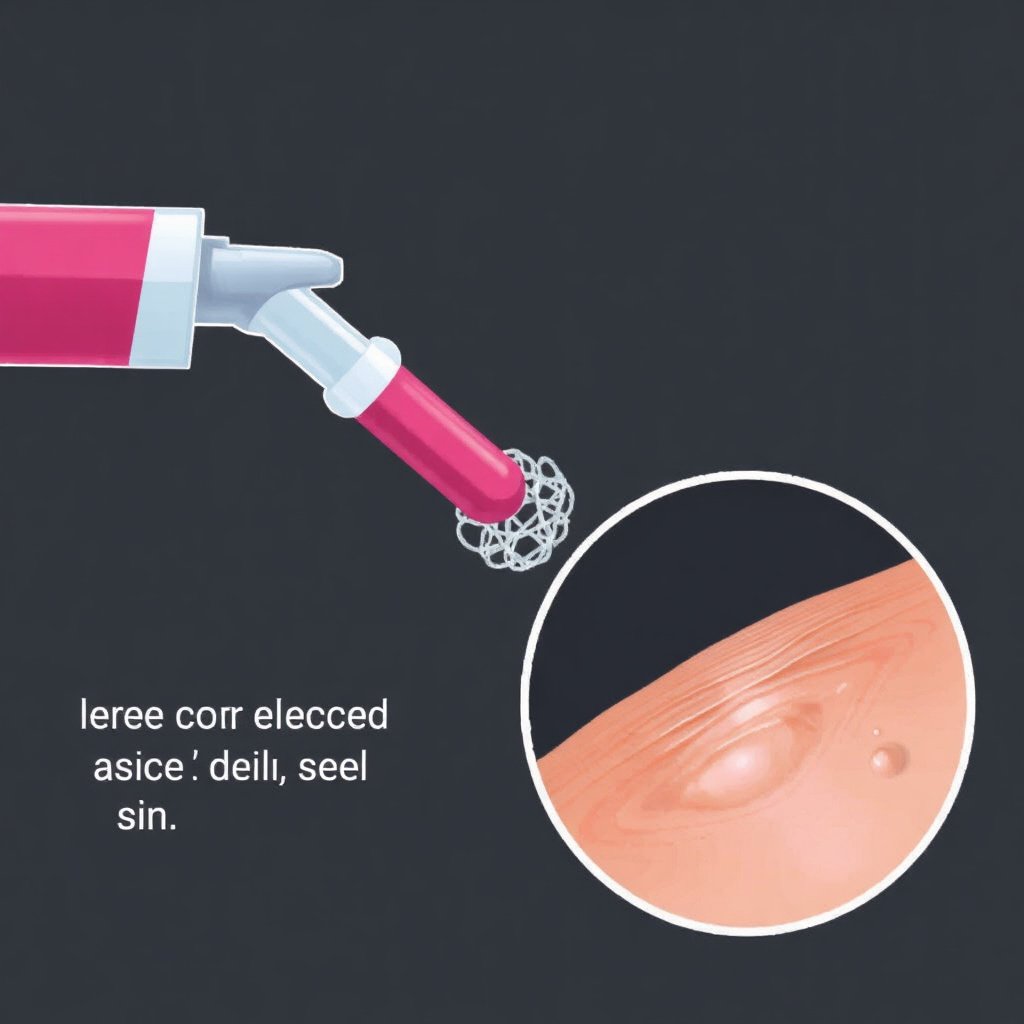
What Is Lace Glue Made Of?
Lace glue typically consists of strong adhesives such as cyanoacrylate or other latex-based substances formulated to hold lace wigs securely in place. These adhesives are water-resistant and designed for durability, which can make removal tricky without proper care.
Because they are made to bond tightly to the skin, they can cause irritation or sensitivity if removed improperly or with harsh chemicals, which is why knowledge of their composition helps in selecting a safe removal method.
Potential Skin Reactions to Lace Glue
Prolonged exposure to lace glue can lead to redness, itching, or mild allergic reactions for some users. Skin type varies widely, so some might experience sensitivity quicker than others, especially those with sensitive or dry skin prone to irritation.
Not rinsing off glue properly or aggressive removal can damage the skin’s protective barrier resulting in redness or peeling, emphasizing the need for gentle, deliberate cleaning.
Common Household Solutions to Remove Lace Glue
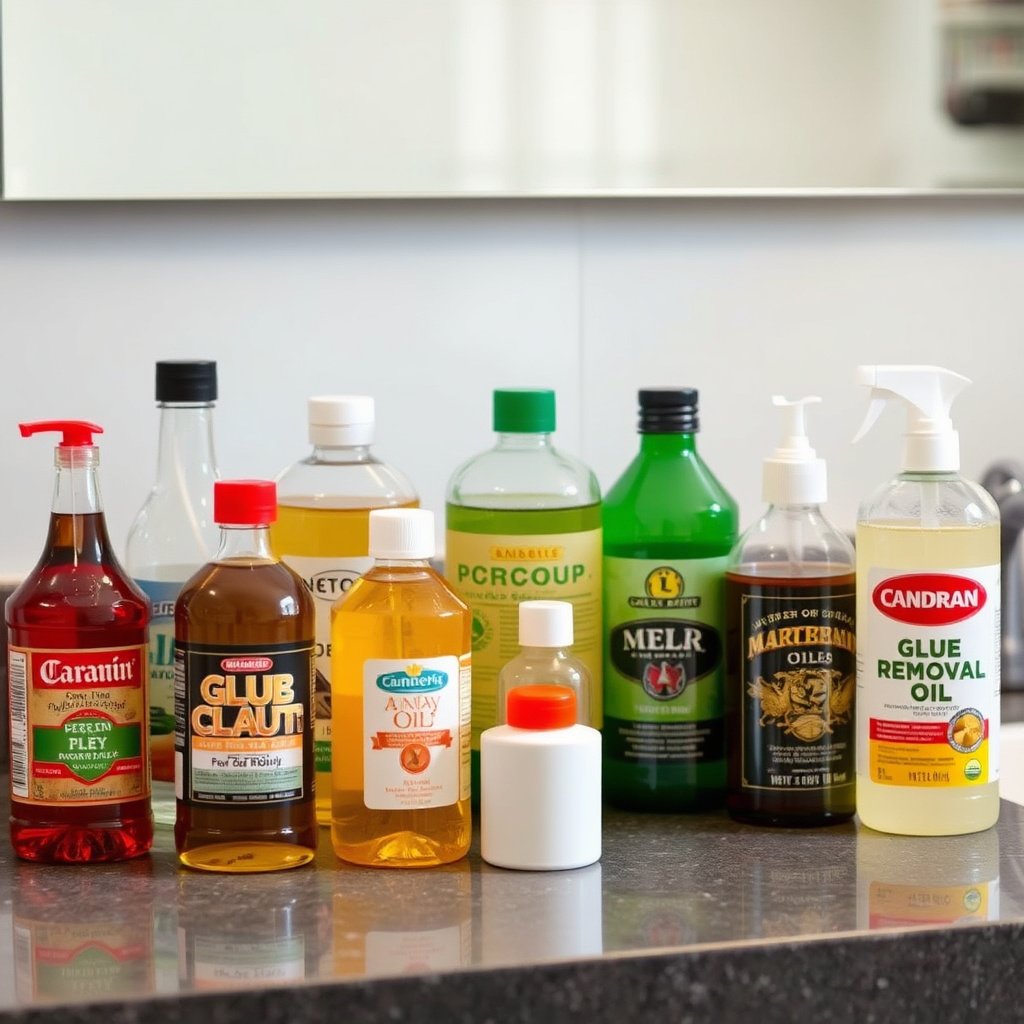
Using Natural Oils for Glue Removal
Natural oils like coconut oil, olive oil, or baby oil break down adhesive bonds gently and moisturize the skin at the same time. Applying oil with a cotton ball to the glue area softens the adhesive, allowing it to come off without harsh scrubbing.
This approach is ideal for those with sensitive skin; however, it might require patience, repeating the process several times for stubborn glue patches.
- Coconut oil
- Olive oil
- Baby oil
Using Alcohol and Other Solvents Cautiously
Rubbing alcohol or acetone can dissolve lace glue effectively but may cause skin dryness or irritation if used excessively. These solvents should be applied sparingly and only if oils are ineffective.
After using these products, applying a moisturizer is essential to restore hydration and minimize dryness.
- Isopropyl alcohol
- Nail polish remover (acetone-based)
Specialized Products for Safe Lace Glue Removal
Commercial Adhesive Removers for Skin
Several brands offer remover products specifically formulated for lace glue on skin and lace wigs. These removers contain skin-friendly ingredients designed to weaken adhesive bonds quickly without causing irritation.
Choosing a remover targeted for lace glue ensures effectiveness while protecting the skin, which is especially important for frequent wig wearers.
- Glue-off Remover
- Salon Pro Adhesive Remover
For more on this, see our related guide: Are Lace Front Wigs Worth It? The Complete Answer.
How to Apply Commercial Removers Correctly
Apply the remover using a cotton swab sparingly on the glue areas. Let it sit a minute or two to break down the adhesive, then wipe gently. Avoid soaking large areas to reduce the risk of skin irritation.
Follow with a gentle cleanser and moisturizer to remove residue and soothe skin.
Step-by-Step Guide to Removing Lace Glue from Skin
Preparation and Initial Treatment
Start by cleansing the skin lightly to remove sweat or dirt without irritating the glue area. Then, apply a generous amount of oil or adhesive remover to a cotton pad.
Gently press the cotton pad over the glued area to loosen the bond before attempting to wipe off the glue. Avoid forceful scrubbing.
- Cleanse skin gently
- Apply oil or remover on cotton pad
- Press and hold for a minute
Final Removal and Aftercare
Use gentle circular motions to wipe away the softened glue. If residue remains, reapply oil or remover and repeat. After removal, wash the area with mild soap and water.
Apply a soothing moisturizer or aloe vera gel to prevent dryness and promote skin healing.
- Wipe with gentle motions
- Cleanse residue completely
- Moisturize skin
Protecting Skin When Using Lace Glue
Using Skin Barrier Products
Applying a skin barrier or protector product before glue application can reduce direct contact with the adhesive, minimizing irritation and simplifying removal.
Silicone-based barriers or liquid tape products create a shield that glue bonds to rather than the skin itself.
- Silicone skin protectors
- Liquid latex barriers
For more on this, see our related guide: Best Lash Glue: Top Picks and Buying Tips.
Proper Application and Removal Techniques
Apply glue in thin layers to avoid excessive buildup which complicates removal. Always remove glue gently, using oils or removers instead of force.
Regular skin cleansing and moisturizing before and after wig use keeps the skin healthy despite frequent glue application.
When to Seek Professional Help
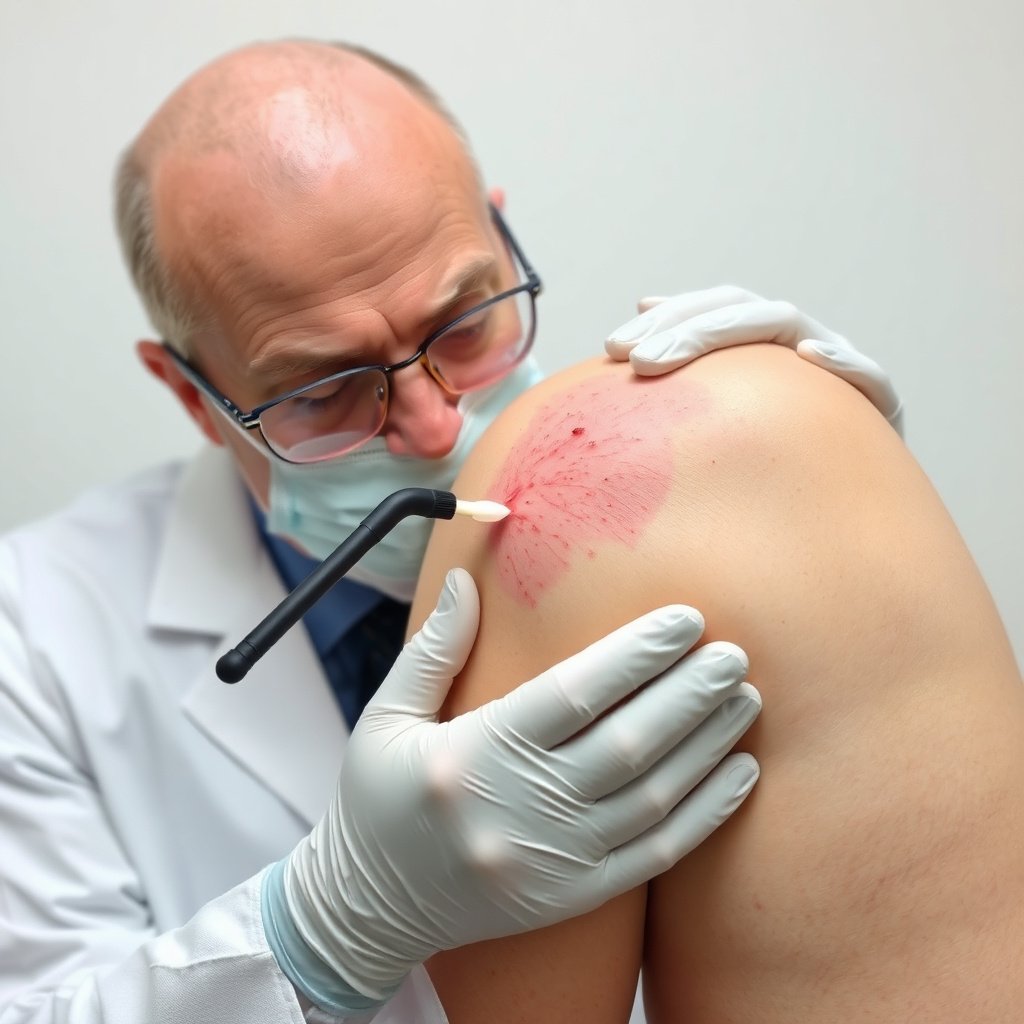
Recognizing Signs of Skin Infection or Allergic Reaction
If redness, swelling, or itching persists for several days after glue removal or if blisters, pus, or extreme pain develop, these indicate possible infection or allergic reaction requiring medical attention.
Do not attempt further removal with harsh solvents in these cases to avoid worsening symptoms.
For more details about lace wigs and adhesives, see this comprehensive resource on wig types and materials. Lace wig adhesive information.
Consulting Dermatologists or Specialists
Dermatologists can provide treatments for severe reactions and recommend hypoallergenic adhesives suitable for sensitive skin to prevent future problems.
Professional advice tailors removal approaches and skin care to individual sensitivities and conditions.
Lace Glue Removal Methods Comparison
This table compares popular lace glue removal methods based on effectiveness, skin safety, ease of use, and cost.
| Method | Effectiveness | Skin Safety | Ease of Use | Cost |
|---|---|---|---|---|
| Natural Oils (Coconut, Olive) | Moderate | High | Easy | Low |
| Alcohol or Acetone | High | Low to Moderate | Moderate | Low |
| Commercial Adhesive Removers | High | High | Easy | Moderate |
| Mechanical Scrubbing | Low | Low | Difficult | Free |
| Skin Barrier Products (Prevention) | N/A | High | Moderate | Moderate |
Frequently Asked Questions
Can I use olive oil to remove lace glue from my skin?
Yes, olive oil is effective and gentle for breaking down lace glue. It softens the adhesive allowing you to gently wipe it away without irritating your skin.
Is it safe to use rubbing alcohol for lace glue removal?
Rubbing alcohol can remove glue effectively but may dry or irritate your skin if overused. Use it sparingly and follow up with moisturizer.
How long should I apply glue remover before wiping the lace glue?
Apply remover for 1 to 2 minutes on the glue area to soften the adhesive before gently wiping it off for best results.
What if I have a skin reaction after removing lace glue?
If redness or itching persists or worsens, consult a dermatologist to prevent infection and receive appropriate treatment.
Are commercial glue removers better than household oils?
Commercial glue removers are usually faster and formulated to be skin-safe, making them more effective, though oils are a good gentle alternative.
Key Takeaways
- Use gentle oils like coconut or olive oil to safely remove lace glue from skin.
- Avoid harsh scrubbing to prevent skin irritation or damage.
- Commercial adhesive removers offer quick, skin-friendly removal options.
- Apply skin barrier products before glue to protect skin during application.
Conclusion
When removing lace glue from skin, the best approach balances effective adhesive removal with skin health preservation. Starting with natural oils or a commercial remover designed for lace glue helps gently break down the adhesive without damaging the skin’s protective barrier. Avoiding harsh scrubbing or strong solvents reduces the risk of irritation or sensitivity, especially on delicate facial areas where lace wigs are applied.
For routine use, commercial adhesive removers provide the most consistent and rapid removal while maintaining skin safety. Household oils like coconut or olive oil remain valuable alternatives for users with sensitive skin or those preferring more natural solutions. Using skin barrier products before applying glue can minimize contact and simplify the removal process. If you experience any persistent redness, itching, or discomfort after removal, it’s advisable to seek advice from a dermatologist to prevent complications.
Ultimately, your choice of method depends on your skin type, frequency of lace glue use, and comfort with various products. Starting with gentle oils and progressing to commercial removers if needed offers a safe strategy. Incorporating skin barrier products and proper aftercare improves long-term skin health, letting you enjoy lace wigs without discomfort or damage. Experiment carefully to find the right method for your routine.