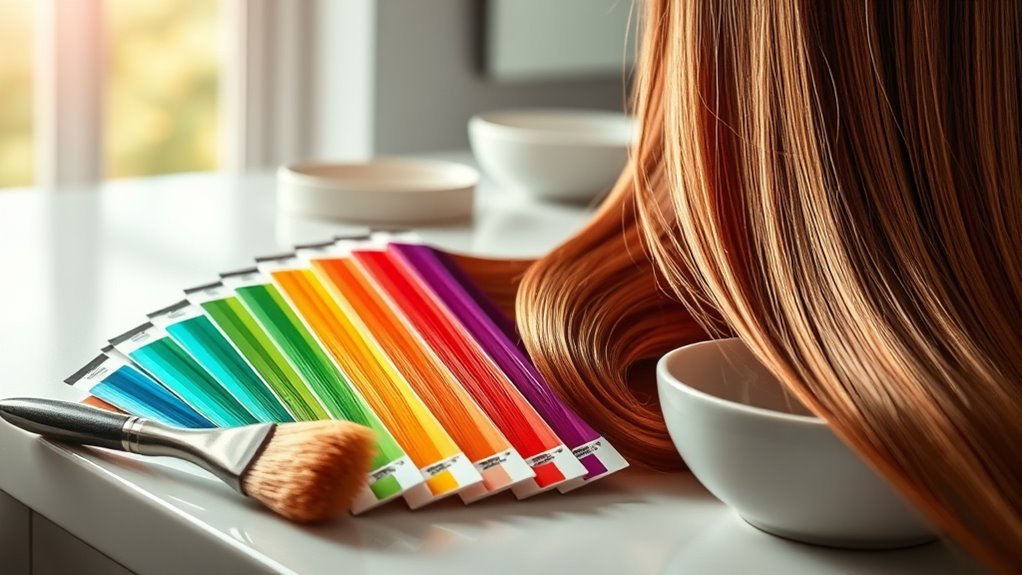
Permanent Hair Color: A Complete Buying Guide
Finding the perfect permanent hair color can feel overwhelming. You want a shade that not only looks great but also lasts and complements your natural features. If you’ve struggled with choosing the right color or maintaining it, you’re not alone—many people face the same challenges when trying to achieve salon-worthy results at home.
You’ll want to pick a permanent hair color that matches your skin tone by identifying your undertones. Warm tones suit golden hues, while cool tones look great with ashy shades. Choose formulas with gentle, natural ingredients and avoid harsh chemicals like ammonia.
Prep your hair by cleansing but not washing immediately before dyeing. Apply carefully and avoid common mistakes like uneven application or overprocessing.
To keep your color vibrant and cover grays, follow proper maintenance and troubleshooting tips ahead.
Key Takeaways
- Choose a permanent hair color that matches your skin undertone and personal style for the most flattering look. This helps you feel confident and natural.
- Prioritize hair dyes with safe, natural ingredients. Try to avoid harsh chemicals like ammonia and parabens for healthier hair.
- Maintain color longevity by using sulfate-free shampoos and washing with cool water. Also, protect your hair from sun exposure to keep the color vibrant.
- Follow precise application steps, including proper hair preparation and even dye application. Don’t forget to do a patch test to prevent damage and irritation.
- Select shades tailored for gray coverage or refreshing color. Use conditioning treatments afterward to keep your hair healthy and soft.
Pick the Right Permanent Hair Color for Your Skin Tone
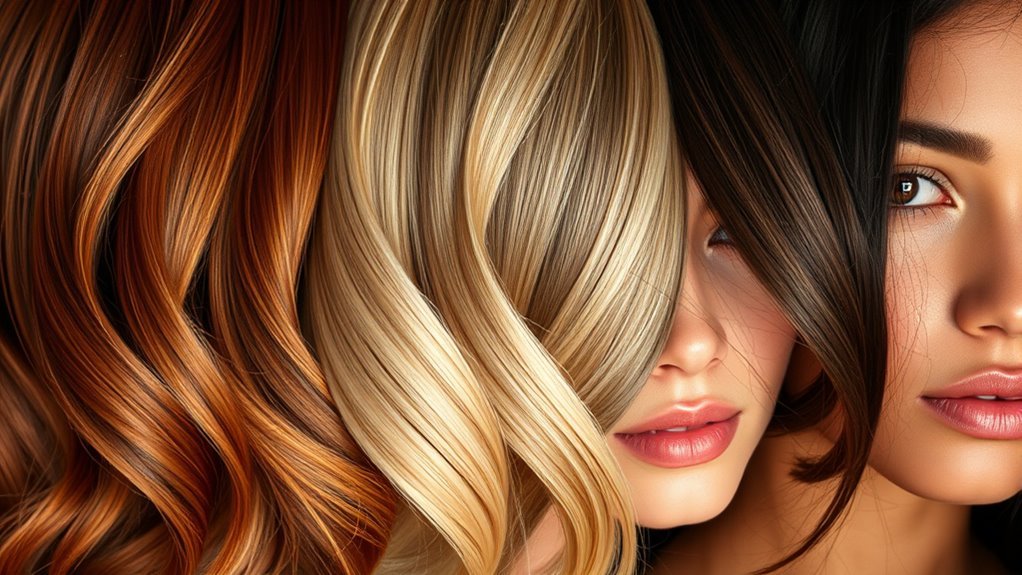
How do you choose a permanent hair color that truly complements your skin tone? Start by identifying your undertones, whether warm, cool, or neutral. Undertone matching is key because it guarantees your new hair color improves your natural complexion rather than clashing with it.
For instance, if you have warm undertones, look for shades with golden or copper hues. If your undertones are cool, opt for ashy or platinum tones.
Seasonal shades also provide a helpful framework. Think of yourself as a season: spring and autumn suit warm, rich colors like honey blonde or auburn, while summer and winter align with cooler, deeper hues like ash brown or jet black.
Understand Permanent Hair Color Formulas and Their Benefits
To choose the best permanent hair color, it helps to know what’s inside the formula and how those ingredients affect how long the color lasts. When you understand what’s in the product, it’s easier to pick a shade that not only stays vibrant but also works well with your hair type. So, let’s take a closer look at the benefits you get from using permanent color.
Key Ingredients Explained
Although permanent hair color products might seem similar at first glance, their formulas contain key ingredients that impact both the results and your hair’s health. Understanding these ingredients helps you choose products that align with your desired coloring techniques and prioritize ingredient safety.
Common components include ammonia, which opens the hair cuticle for color penetration, and hydrogen peroxide, which develops the color and lightens your natural shade. Conditioning agents protect and nourish your hair during the process.
Many brands now emphasize safer alternatives to harsh chemicals, reducing potential damage and irritation. By knowing what’s inside your hair color, you can select formulas that achieve vibrant, lasting color while maintaining hair integrity, ensuring your coloring experience is both effective and gentle.
Color Longevity Factors
Since permanent hair color involves a chemical process that alters your hair’s structure, several factors influence how long the color lasts. One key factor is the formula itself. Some brands use advanced pigments and conditioning agents that slow color fading.
Your hair type also plays a role. Porous or damaged hair tends to lose color faster.
Environmental factors like sun exposure, chlorine, and pollution can accelerate fading. Protecting your hair with hats or UV sprays helps maintain vibrancy.
How often you wash your hair matters too. Frequent washing strips away color molecules.
Finally, water hardness can impact color longevity, as minerals can dull your shade. Understanding these factors empowers you to choose and care for your permanent color effectively.
Benefits Of Permanent Color
When you choose permanent hair color, you get long-lasting results that can cover grays and transform your look with rich, vibrant shades. Permanent formulas penetrate the hair shaft, ensuring deeper, more durable color that resists fading.
This means you can confidently express yourself, tapping into color psychology to match your mood or personality. Whether you want a bold red to boost confidence or a soft blonde for a calm vibe, permanent color lets you do that.
Plus, with simple maintenance tips like using color-safe shampoo and avoiding excessive heat, your shade stays fresh longer. The convenience of fewer touch-ups saves time and effort, making permanent hair color a smart choice if you want vibrant, consistent results and a look that truly reflects you.
What Ingredients Should You Look for in Permanent Hair Dye?
Choosing the right ingredients in permanent hair dye can make a big difference in how your color turns out and how healthy your hair stays. You want to prioritize dyes that include natural alternatives, such as plant-based oils and extracts, which nourish your hair while coloring it. These ingredients help maintain moisture and reduce damage during the coloring process.
At the same time, pay close attention to ingredient safety. Avoid products with harsh chemicals like ammonia, parabens, and resorcinol, which can irritate your scalp and weaken your hair over time. Look for dyes labeled hypoallergenic or dermatologically tested to minimize allergic reactions.
Also, consider formulations free from synthetic fragrances and alcohol, as they can dry out your hair. By choosing products with safer, gentler ingredients and natural alternatives, you guarantee vibrant, long-lasting color without compromising hair health. Always read ingredient labels carefully to make an informed choice that suits your hair type and sensitivity.
Prepare Your Hair for Coloring at Home: Essential Steps
Understanding the ingredients in your hair dye sets the stage for a successful coloring experience, but preparing your hair properly before applying color is just as important. Start by confirming your hair is clean and dry, as product buildup or excess oil can interfere with color absorption. Avoid washing your hair right before coloring; washing it 24-48 hours prior helps maintain natural oils that protect your scalp and promote even color.
During color preparation, trim any split ends to improve hair health and achieve a more uniform look. If your hair is damaged or dry, use a deep conditioning treatment a few days before coloring to strengthen strands. Avoid heavy styling products that might create a barrier.
Finally, do a patch test to check for allergies, and gather all your tools in advance to streamline the process. Following these steps confirms your hair is primed for vibrant, long-lasting results.
How to Apply Permanent Hair Color Safely and Effectively
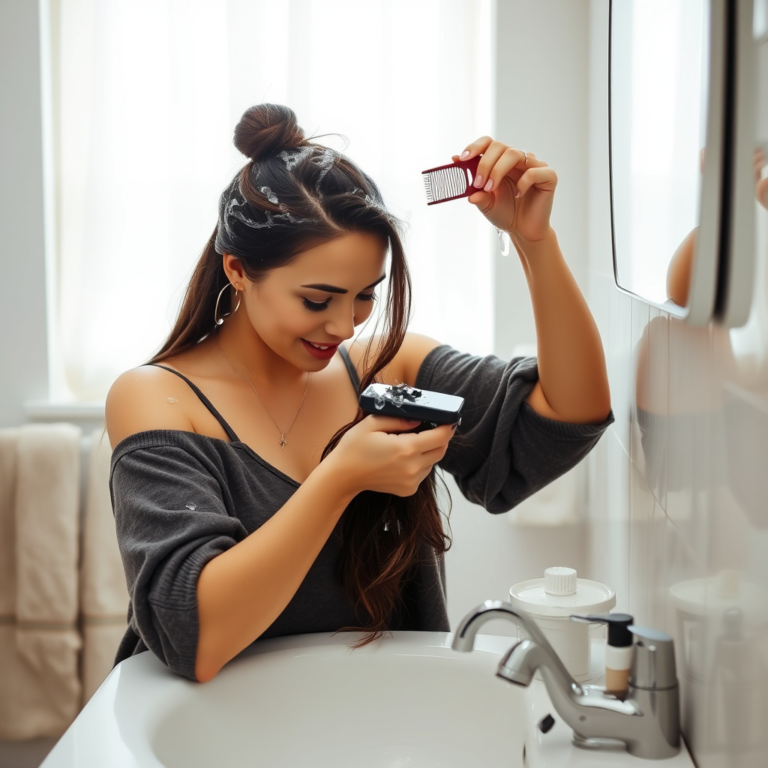
Before you start coloring, make sure your hair is clean and dry. This really helps the dye absorb evenly. Next, take your time with sectioning your hair—being precise here makes a big difference.
Then, apply the color methodically. This way, you won’t miss any spots or end up with uneven tones. Just follow these simple steps, and you’ll get the best results while keeping your hair healthy.
Preparing Hair Properly
When you prepare your hair properly, you set the stage for a successful color application that lasts longer and looks more vibrant. Start by ensuring your hair is in good health. Avoid washing it immediately before coloring to preserve natural oils that protect your scalp.
Use a mild shampoo a day or two prior to remove buildup without stripping moisture. Scalp preparation is essential. Make sure your scalp is clean and free from irritation to prevent discomfort or uneven color.
If you have sensitive skin, perform a patch test 48 hours before applying the dye. Avoid heavy conditioners or styling products right before coloring, as they can create a barrier. By focusing on hair health and scalp preparation, you’ll improve both the safety and effectiveness of your permanent hair color.
Applying Color Techniques
Although applying permanent hair color can seem intimidating, following the right techniques guarantees you get even, vibrant results without damaging your hair or scalp. Start by sectioning your hair properly to confirm thorough coverage.
If you want a natural, sun-kissed look, try balayage techniques by painting color onto the hair’s surface in sweeping motions. For more precise highlights, use foiling methods to separate strands and apply color evenly.
Always wear gloves and use a brush for controlled application, avoiding the scalp to minimize irritation. Follow the recommended processing time, and rinse with cool water to seal the color.
Maintain Your Permanent Hair Color for Long-Lasting Results
To keep your permanent hair color vibrant and fresh, you’ll need to adjust your hair care routine. Following proper post color care is essential to prevent fading and keep your locks looking stunning.
Maintaining vibrant permanent hair color requires a tailored care routine to prevent fading and keep hair stunning.
Here are some tried-and-true color maintenance tips to help you extend the life of your hair color:
Use sulfate-free shampoos and conditioners to protect your color. Wash your hair with lukewarm or cool water to minimize color washout. Limit heat styling to avoid drying out your hair.
Apply deep conditioning treatments weekly to nourish and strengthen strands. Protect your hair from sun exposure by wearing hats or using UV-protectant sprays.
Avoid These Common Permanent Hair Dye Mistakes
Mistakes during the permanent hair dye process can lead to uneven color, damage, or disappointing results. To avoid this, focus on careful dye selection. Choose a shade that suits your natural hair and skin tone while considering your hair’s condition. Don’t rush this step; picking the wrong dye can cause unwanted tones or harm.
Next, nail your color application. Apply dye evenly, sectioning your hair to prevent patchiness. Avoid overlapping dye on previously colored strands, as this can cause breakage. Follow timing instructions strictly. Leaving dye on too long or rinsing too soon affects your final color.
Also, always perform a patch test to prevent allergic reactions. Skipping this can result in irritation or worse. Finally, don’t skip prepping your hair. Clean, dry hair absorbs color better, giving you a more vibrant and lasting result. By steering clear of these mistakes, you’ll achieve a flawless permanent hair color that you’ll love.
Best Shades to Cover Gray Hair Confidently
Choosing the right shade is key when covering gray hair confidently. You want colors that blend seamlessly and improve your natural beauty. Using effective gray coverage techniques guarantees your hair looks vibrant and youthful.
Opt for confidence-boosting shades that complement your skin tone and brighten your overall look. Here are some top shades to evaluate:
- Warm chestnut browns for a rich, natural finish
- Soft caramel highlights to add dimension and warmth
- Deep espresso tones for a bold, sophisticated vibe
- Honey blonde shades that brighten and soften your appearance
- Neutral ash browns to subtly mask grays without harsh contrast
How to Refresh or Change Your Permanent Hair Color Without Damage
Once you’ve found the perfect shade to cover your grays, keeping your color lively or switching it up can keep your look vibrant without causing damage. Start with gentle color revitalizing techniques like using color-depositing shampoos or conditioners that boost your current shade while nourishing your hair. These products help maintain brightness without harsh chemicals.
When you want effective color changes, opt for semi-permanent dyes or gloss treatments to gradually shift tones without aggressive processing. Always do a strand test to verify compatibility and minimize damage risk.
Avoid frequent bleaching or overlapping permanent dyes, which can weaken hair. Incorporate deep conditioning treatments regularly to restore moisture and protect your hair’s integrity.
What to Do If You Experience Allergic Reactions or Hair Damage?
If you notice itching, redness, or swelling after applying hair color, it’s important to act quickly to prevent further irritation. Addressing allergic reactions promptly is key to effective allergy management.
First, rinse your hair and scalp thoroughly with cool water to remove any remaining dye. Avoid scratching or rubbing the affected area to prevent worsening the condition.
For hair damage, start damage repair immediately by using deep conditioning treatments to restore moisture and strength. If symptoms persist or worsen, seek medical advice without delay.
Here’s what you should do:
- Stop using the product immediately
- Rinse your scalp gently but thoroughly
- Apply soothing, hypoallergenic creams if recommended
- Use nourishing hair masks to aid damage repair
- Consult a dermatologist for persistent or severe reactions
Taking these steps will help you manage allergic reactions safely and repair hair damage effectively.
Frequently Asked Questions
Can Permanent Hair Color Damage Your Scalp Over Time?
Yes, permanent hair color can damage your scalp over time, especially if you have scalp sensitivity. The chemicals used may cause irritation, dryness, or even allergic reactions with frequent use.
To protect your scalp and maintain good color retention, you should follow instructions carefully, avoid overlapping applications, and use nourishing treatments. If you notice persistent discomfort, it’s best to consult a dermatologist to prevent long-term damage.
How Long Does Permanent Hair Color Typically Last on Untreated Hair?
Think of your hair like a sponge. Its porosity affects how long permanent color sticks around. On untreated hair, permanent hair color typically lasts about 6 to 8 weeks before color fade starts to show.
If your hair has high porosity, it absorbs and loses color faster, so the vibrancy may fade sooner. To keep your color fresh longer, you’ll want to use gentle shampoos and avoid excessive heat styling that speeds up fading.
Is It Safe to Use Permanent Hair Color During Pregnancy?
Using permanent hair color during pregnancy isn’t entirely risk-free, so you should take pregnancy precautions seriously. Many experts recommend avoiding hair dye, especially in the first trimester, because your scalp can absorb chemicals.
If you want to color your hair, consider alternatives like highlights or henna, which limit scalp contact. Always consult your doctor before dyeing, and opt for well-ventilated spaces to reduce exposure to fumes and chemicals.
Can Permanent Hair Color Lighten Hair Without Bleach?
No, permanent hair color can’t lighten hair considerably without bleach because color lifting requires breaking down your natural pigment. Formulation differences matter here. Some permanent dyes include mild lightening agents, but they’re not strong enough for major lightening.
If you want to lift several shades, you’ll need bleach or a high-lift color designed specifically for that. Otherwise, permanent color mostly deposits pigment and darkens or changes tone rather than lightening.
How Do Weather Conditions Affect the Longevity of Permanent Hair Color?
Weather conditions play a sneaky game with your hair color, like a painter’s brush fading under a harsh sun. UV exposure can bleach your color, while humidity causes your hair to swell, making the pigment slip away faster.
Temperature fluctuations stress your strands and weaken color bonds. To keep your shade vibrant, you’ve got to amp up your hair care. Use UV protectants, deep conditioners, and avoid extreme heat whenever you can.
Conclusion
Choosing the right permanent hair color takes care and attention, but remember, “measure twice, cut once.” By understanding formulas, prepping your hair, and applying color safely, you’ll get vibrant, lasting results without damage.
Avoid common mistakes and pick shades that boost your confidence, especially when covering gray. If issues arise, act quickly to protect your hair and health.
With the right approach, your perfect permanent hair color is just a step away.