How to Use Wig Tape: A Step-by-Step Guide for Secure and Comfortable Wear
Wig tape is a reliable adhesive method to secure wigs firmly to the scalp while maintaining a natural appearance. To use wig tape, start by cleaning your scalp and wig base, cut the tape to fit the wig edges, apply it to the clean surface, then press your wig firmly into place for a strong hold that lasts through daily activities.
Using wig tape matters because it helps prevent wigs from slipping or shifting, especially in humid or active environments. Unlike liquid adhesives, wig tape is easier to apply and remove without causing damage or irritation, making it a popular choice for both beginners and regular wig wearers.
This article covers everything you need to know about wig tape use, including choosing the right tape type, preparing your scalp and wig, proper application techniques, maintenance tips to extend wear, removal methods, common mistakes to avoid, and alternative options for wig adhesion.
Types of Wig Tape and Selecting the Right One
Permanent vs. Double-Sided Wig Tape
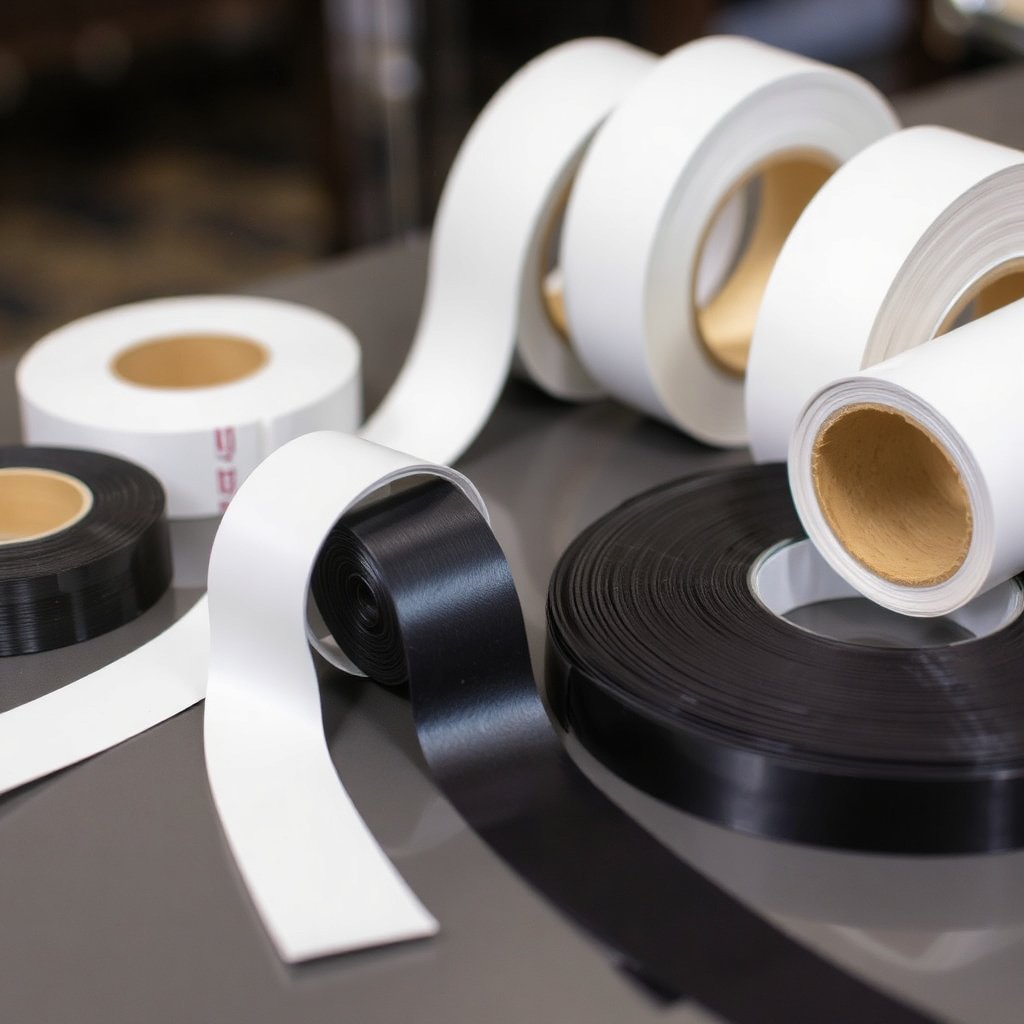
Permanent wig tape offers strong, long-lasting adhesion, ideal for extended wear that can last several weeks. Double-sided tape is versatile and provides moderate hold, best for shorter daily use or quick wig changes.
Choosing between these depends on your lifestyle and comfort preferences. Permanent tape sticks firmly but requires careful removal, while double-sided tape balances hold with easier repositioning.
- Permanent tape for multi-week wear
- Double-sided tape for daily application
- Skin-friendly adhesive options
- Clear or flesh-toned varieties
Non-Allergenic and Water-Resistant Options
If you have sensitive skin, consider hypoallergenic wig tape designed to minimize irritation. Water-resistant tape handles sweat and moisture well, ideal for active wearers or humid climates.
Testing a small skin patch before full application helps avoid allergic reactions. Water resistance extends tape life but sometimes reduces ease of removal.
- Hypoallergenic adhesives
- Waterproof tape strips
- Testing for sensitivity
- Balancing hold and comfort
Preparing Your Scalp and Wig for Tape Application

Cleaning the Skin and Hairline
Start with a clean and dry scalp to maximize tape adhesion. Remove oils, sweat, and residue using an alcohol wipe or gentle cleanser. Avoid moisturizers before applying tape as they reduce stickiness.
Focusing on the hairline and perimeter where the tape will adhere ensures a stronger bond and reduces chances of lifting during wear.
- Use alcohol wipes
- No lotion or oils before application
- Dry scalp thoroughly
- Focus on hairline and edges
Preparing the Wig Base
Clean the wig’s inside perimeter with alcohol to remove oils and styling products. Some prefer lightly sanding the base to increase texture for better tape grip, but avoid damaging fine lace.
Allow the base to dry completely and avoid touching the taped areas with oily hands to preserve adhesive strength.
- Clean wig base with alcohol
- Optional gentle sanding for grip
- Dry thoroughly before taping
- Keep hands clean during application
Applying Wig Tape for Secure Adhesion

Cutting and Placing the Tape
Cut tape into manageable strips sized to cover the wig perimeter comfortably without overlap. Remove one side’s backing and place the tape sticky side down along the wig’s edge or lace area.
Press down firmly to avoid air bubbles. If using double-sided tape, apply strips evenly spaced to distribute hold while allowing breathability.
- Measure and cut tape strips
- Apply tape along wig edges
- Avoid overlapping strips
- Press firmly for adhesion
For more on this, see our related guide: Are Lace Front Wigs Worth It? The Complete Answer.
Positioning the Wig on Your Head
Peel off the tape liner to expose adhesive on the scalp side and carefully place the wig starting from the front hairline, securing edges with steady pressure. Avoid stretching the wig while aligning it precisely.
Press down the taped areas thoroughly, holding them for several seconds to ensure a strong bond that withstands movement.
- Peel adhesive backing carefully
- Align wig front hairline first
- Apply steady pressure to tape
- Avoid wig stretching
Maintaining and Removing Wig Tape Safely
Extending Tape Wear and Wig Care
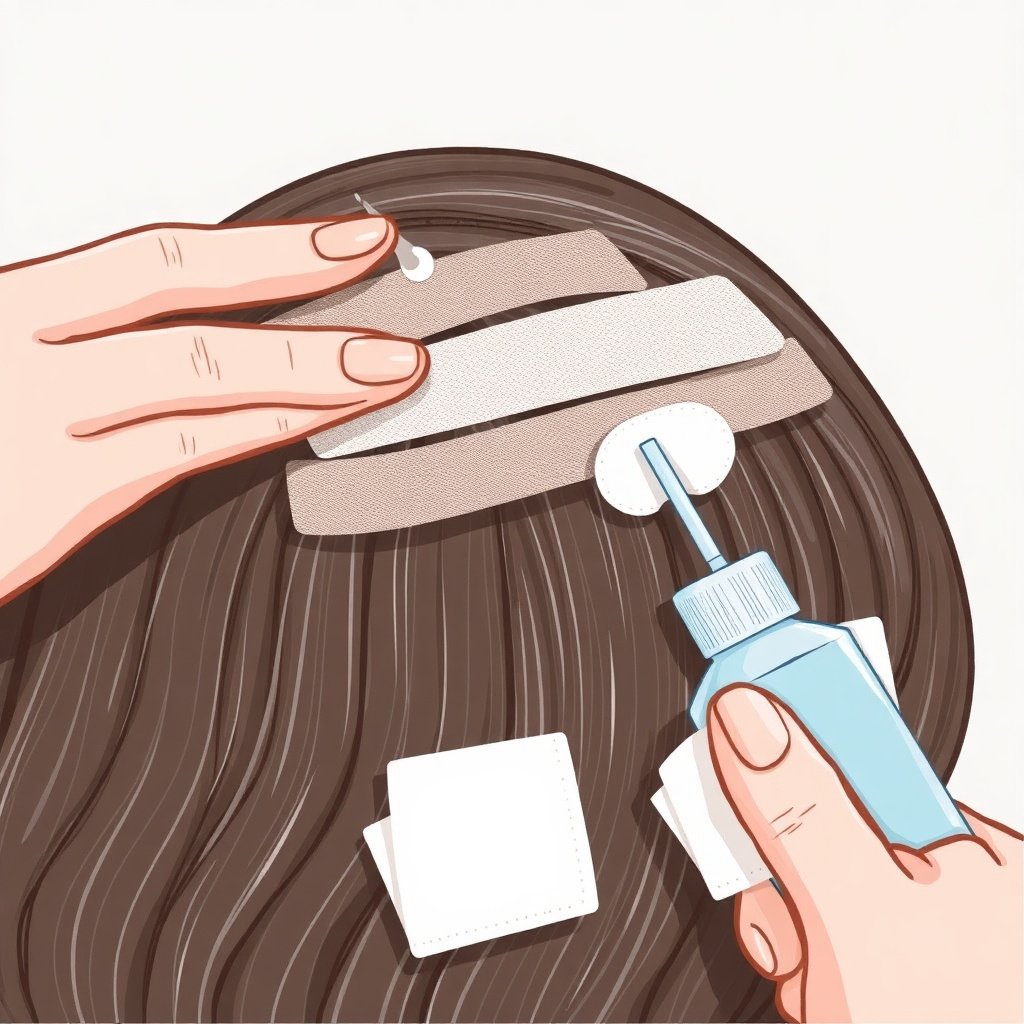
Avoid water exposure and heavy sweating to extend tape effectiveness. Clean the wig and tape area regularly but gently to preserve adhesion for possible readjustments.
Applying scalp protectors before taping can reduce skin irritation and improve comfort during longer wear periods.
- Limit moisture exposure
- Use scalp protector products
- Clean taped areas gently
- Replace tape as needed
Safe Tape Removal Techniques
Use a dedicated adhesive remover or oil such as coconut oil to loosen the tape adhesive safely. Gently peel the wig away from the scalp to prevent pulling hair or damaging the wig base.
Remove leftover adhesive residue thoroughly with cleaner to prepare for the next application, helping skin breathe and reducing irritation.
- Apply adhesive remover on edges
- Peel tape gently and slowly
- Clean residual adhesive fully
- Avoid ripping or harsh pulling
Common Mistakes to Avoid When Using Wig Tape

Applying Tape Over Unprepared Skin or Hair
Skipping the cleaning step leads to poor adhesion due to oils or moisture preventing tape from sticking properly. This usually causes the wig to lift or shift unexpectedly.
Consistent preparation of the skin and wig base increases reliability and wear time of the wig tape.
For more on this, see our related guide: Where to Buy Wigs Near Me: Your Local Shopping Guide.
Using Excessive Tape or Overlapping
Applying too much tape or overlapping strips can create uncomfortable lumps and reduce flexibility. It may also trap dirt and moisture under the wig causing irritation.
Evenly spaced tape strips applied thinly provide the best blend of hold and comfort.
Alternative Methods for Wig Attachment
Wig Clips and Combs
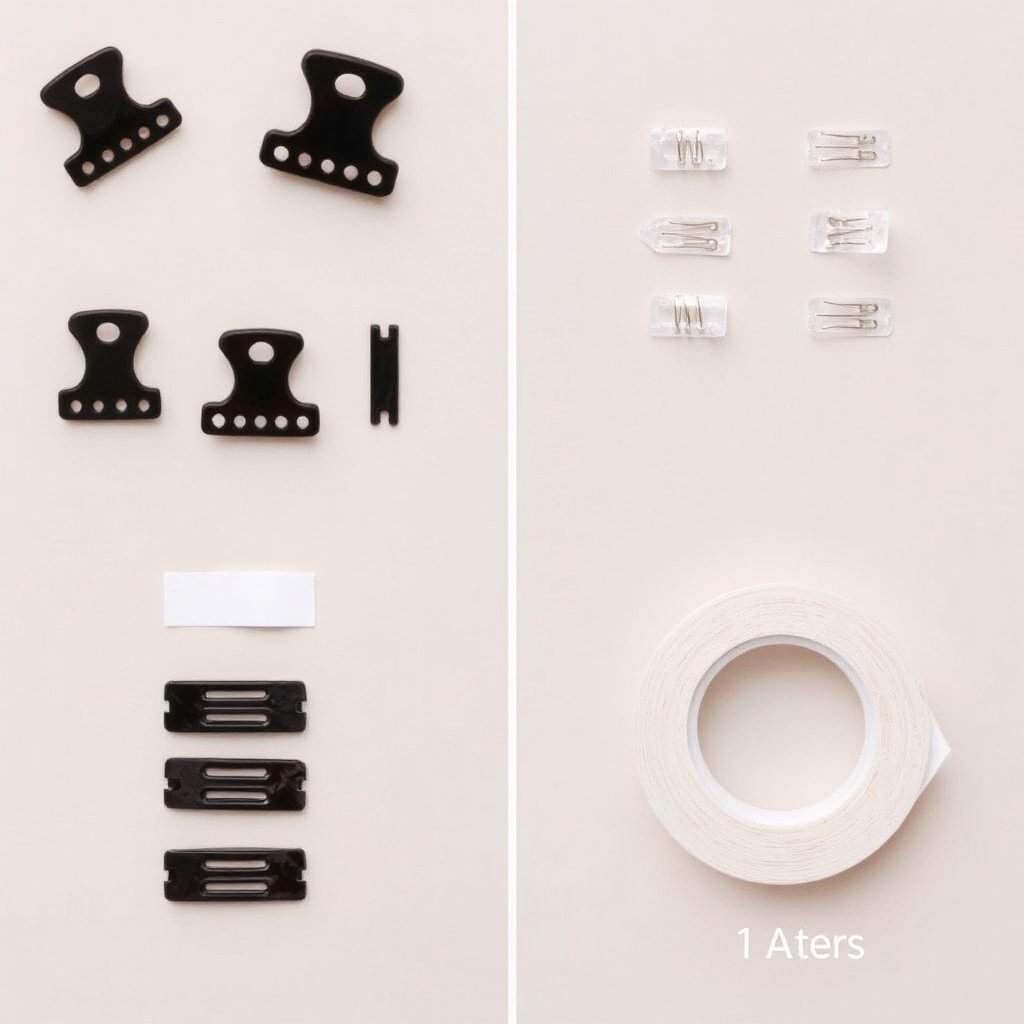
Wig clips offer a mechanical attachment method securing wigs by gripping natural hair roots. They allow easy removal and adjustment without adhesives.
However, clips might not be suitable for fine or very short hair and can sometimes cause scalp discomfort if not positioned carefully.
- Quick and reusable
- No adhesive residue
- Less secure during sports
- May strain natural hair
For a broader understanding of wig types and attachment techniques, see this wig tape information on Wikipedia. wig tape information on Wikipedia.
Liquid Adhesives and Glue
Liquid adhesives provide a strong bond for lace front wigs and last longer than tapes but require more skill to apply evenly and safely.
They demand thorough cleansing and careful skin care to avoid irritation or damage to delicate lace materials.
- Stronger hold for extended wear
- More difficult application
- Potential skin irritation risks
- Useful for lace front styles
Wig Tape Types Comparison
Here’s a comparison of the common wig tape types to help you choose based on hold strength, wear duration, and skin sensitivity.
| Tape Type | Hold Strength | Typical Wear Duration | Skin Sensitivity | Ease of Removal |
|---|---|---|---|---|
| Permanent Tape | High | 2-4 weeks | Moderate | Requires adhesive remover |
| Double-Sided Tape | Medium | 1-7 days | Good | Easier, peel off |
| Hypoallergenic Tape | Medium | 3-7 days | Excellent | Moderate, uses remover |
| Water-Resistant Tape | High | Up to 2 weeks | Good | Moderate |
Frequently Asked Questions
Can I reuse wig tape after removal?
Wig tape is generally designed for single use. Once removed, adhesive strength diminishes significantly. Using fresh tape ensures better hold and hygiene.
How do I prevent skin irritation from wig tape?
Clean skin before application, use hypoallergenic tape if sensitive, and avoid applying tape over cuts or rashes. Using a scalp protector can also reduce irritation.
Is wig tape suitable for lace front wigs?
Yes, wig tape works well for securing lace front wigs, providing a natural hairline appearance without heavy adhesives.
How long should I wait after applying tape before wearing my wig?
Once tape is applied and pressed firmly, you can wear your wig immediately. Just ensure adhesive is set by pressing the wig edges for several seconds.
Can I wear wig tape while sweating or swimming?
Water-resistant tapes can handle some moisture, but excessive sweat or swimming will reduce adhesion and may cause the wig to loosen.
Key Takeaways
- Clean skin and wig base before applying wig tape for best adhesion.
- Choose tape type based on intended wear duration and skin sensitivity.
- Apply tape strips evenly along wig edges to avoid lumps.
- Use adhesive remover for safe, gentle tape removal.
Conclusion
Using wig tape effectively requires understanding the type of tape suitable for your needs and committing to a consistent cleaning routine prior to application. The main keyword, 'how to use wig tape,' is reflected in the practical steps from preparation to application and safe removal. Prioritizing scalp health and adhesive quality ensures your wig stays secure and comfortable throughout the day.
For casual wig wearers or short-term events, double-sided tape offers a balance between hold and ease of use, while permanent tape is preferable for longer durations or active lifestyles. Hypoallergenic and water-resistant tapes provide additional comfort and durability, adapting to sensitive skin or humid environments. Alternative attachment options like wig clips or liquid adhesives might suit users with different preferences or hair types but generally do not match the convenience wig tape offers.
Starting with a small test area to gauge tape compatibility and skin reaction is a smart next step. After you feel confident with essential wig tape application and removal techniques, you can maintain your wig’s appearance and your scalp’s comfort more effectively. Incorporate these practices into your routine to enjoy a natural, stable wig fit that complements your daily activities.