Understanding Twist Braids: A Complete Guide to Styling and Maintenance
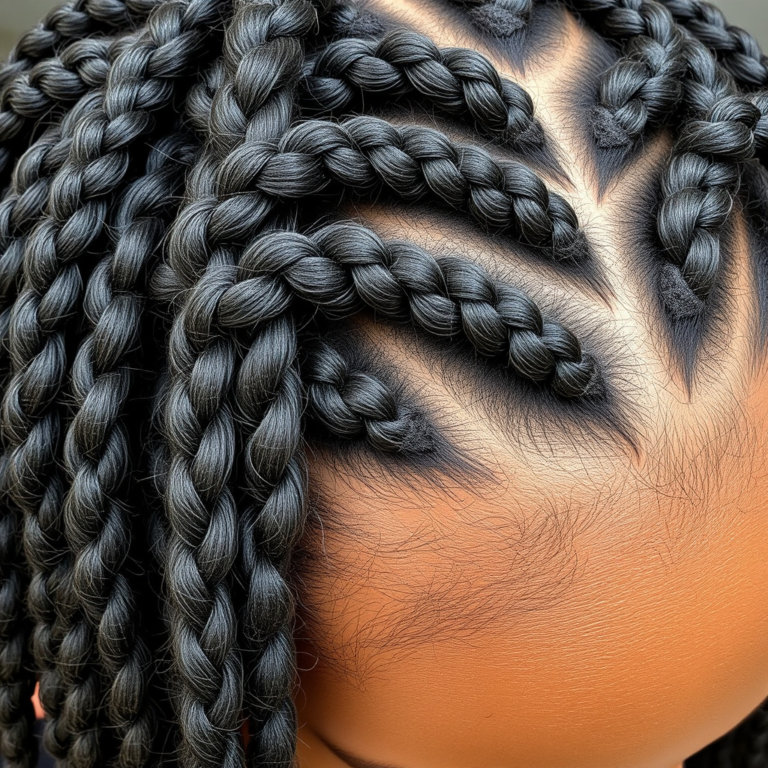
Twist braids are a popular hairstyling technique where two strands of hair are twisted tightly around each other to create rope-like curls or locks. Unlike traditional three-strand braids, twist braids use a two-strand twisting method resulting in softer, more flexible styles that can last for weeks.
This hairstyle is favored among people with natural or textured hair since it helps protect strands from damage, reduces tangling, and promotes hair growth by keeping ends tucked away. Twist braids vary in size, from thin Senegalese twists to chunky rope twists, offering diverse styles for different occasions and preferences.
In this article, we'll explore the different types of twist braids, their styling processes, maintenance tips to keep them fresh, and the benefits they offer as a protective hairstyle. You'll also find comparisons between twist braids and other common styles to help you pick what suits your lifestyle best.
Types of Twist Braids and Their Unique Features
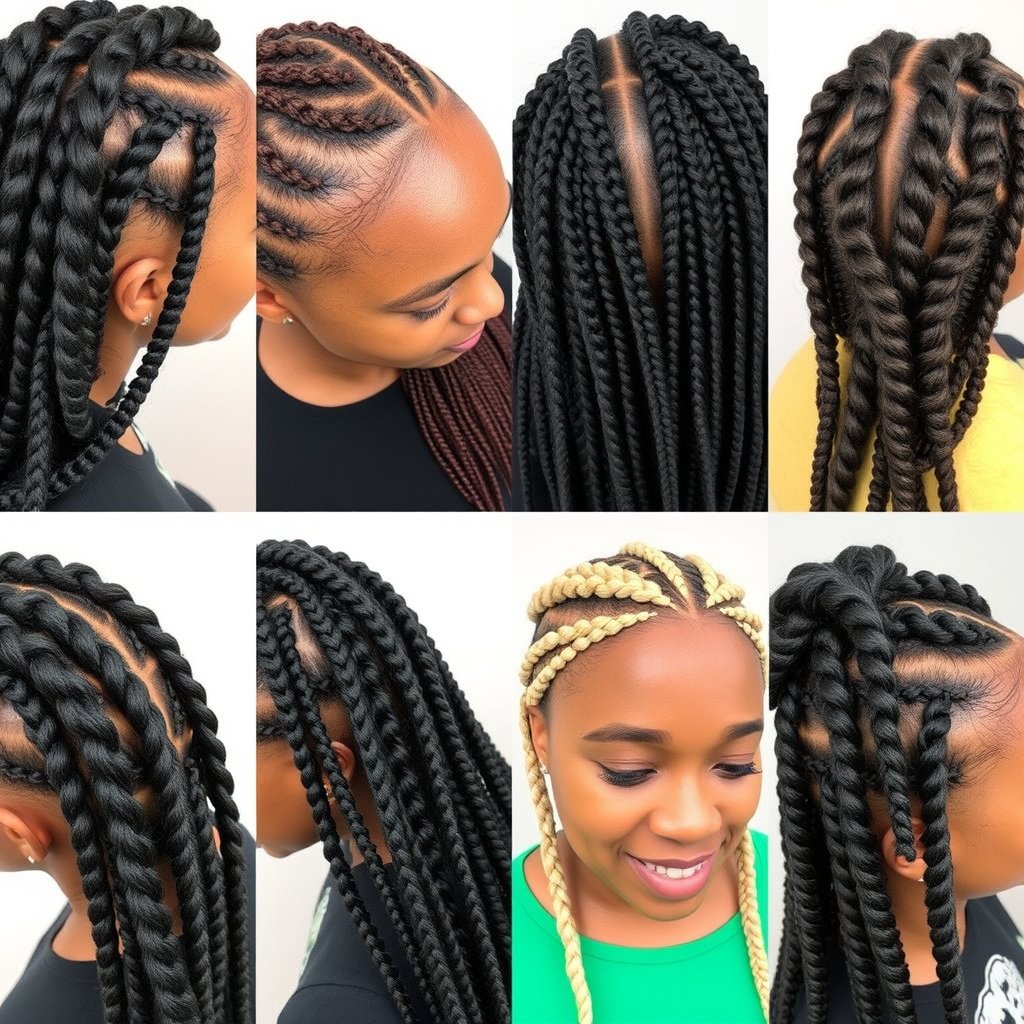
Senegalese Twists
Senegalese twists are sleek and smooth, created by twisting synthetic or natural hair extensions with natural hair strands. They tend to be thin to medium thickness and have a shiny finish, making them popular for formal and everyday looks.
This hairstyle requires careful sectioning and consistent twisting to prevent unraveling. The use of hair extensions increases length and volume, and they typically last 4-8 weeks with proper care.
- Smooth, shiny appearance
- Medium to thin twists
- Requires synthetic or natural extensions
- Lasts up to 8 weeks
Havana Twists
Havana twists are thicker than Senegalese twists and usually made with fluffier, lighter extensions that produce a fuller, softer look. They offer a more natural, voluminous appearance with a matte finish.
Given their size and texture, Havana twists can be heavier on the scalp, so proper installation is key. These twists generally last about 3-6 weeks and usually require less tension during twisting.
- Thick, chunky twists
- Soft, natural finish
- Made with fluffy extensions
- Lightweight feel despite size
How to Style Twist Braids for Different Occasions
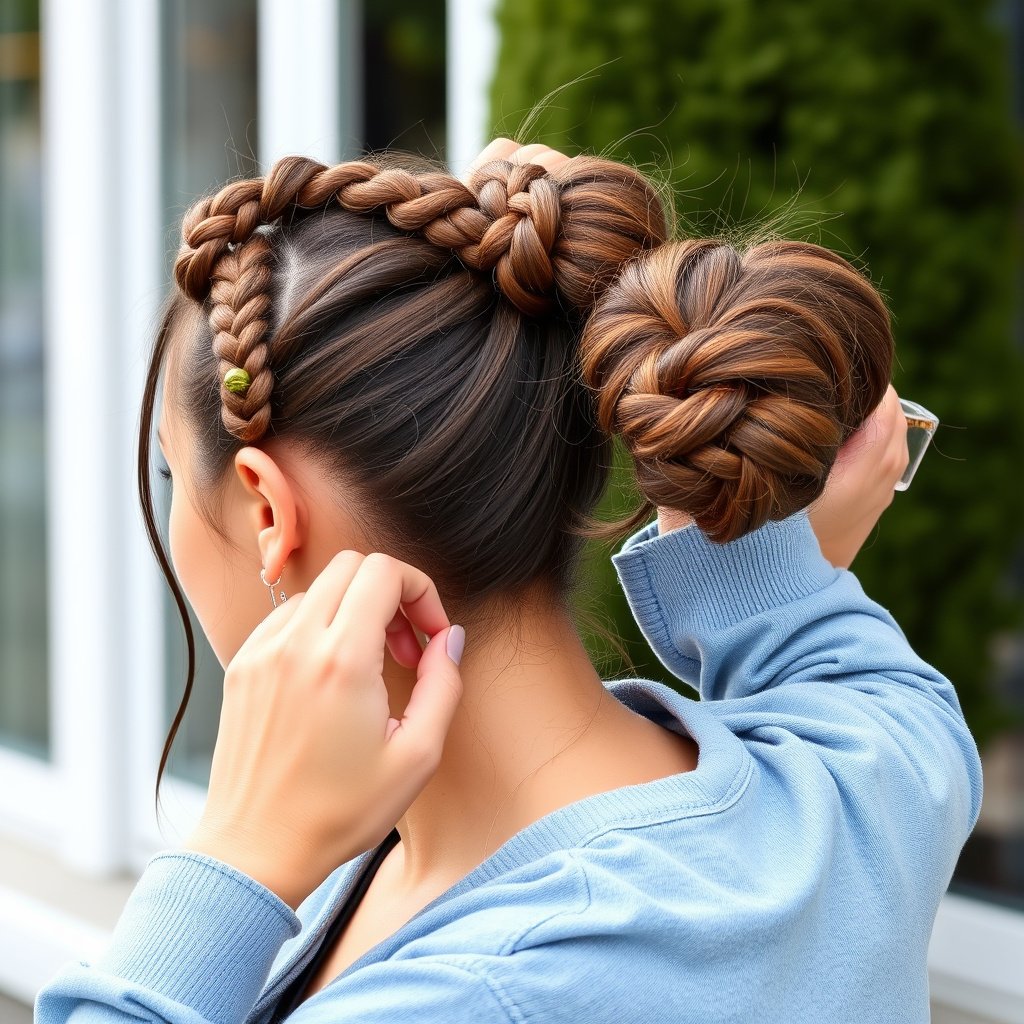
Everyday Casual Styling
Twist braids lend themselves well to simple, low-maintenance hairstyles like ponytails, half-up half-down styles, or loose flowing twists. These looks keep hair manageable while showing off the texture and shine of the twists.
Adding accessories like beads or cuffs can personalize the style without extra effort. Protective styles like loose twists prevent breakage while allowing the hair to breathe.
- Ponytails and buns
- Loose twists for comfort
- Hair accessories add flair
Special Occasion Styling
For formal settings or events, twist braids can be styled into elegant updos, twisted crowns, or intricate braided designs that showcase the texture and craftsmanship involved. Hairstylists often use pins and hair gels to create structured looks.
Curling or wavy styles created by untwisting sections can also provide a glamorous twist-out effect, offering versatility beyond just the original braid form.
- Updos and braided crowns
- Twist-outs for volume
- Use of styling gels and pins
Maintenance Tips to Keep Twist Braids Looking Fresh
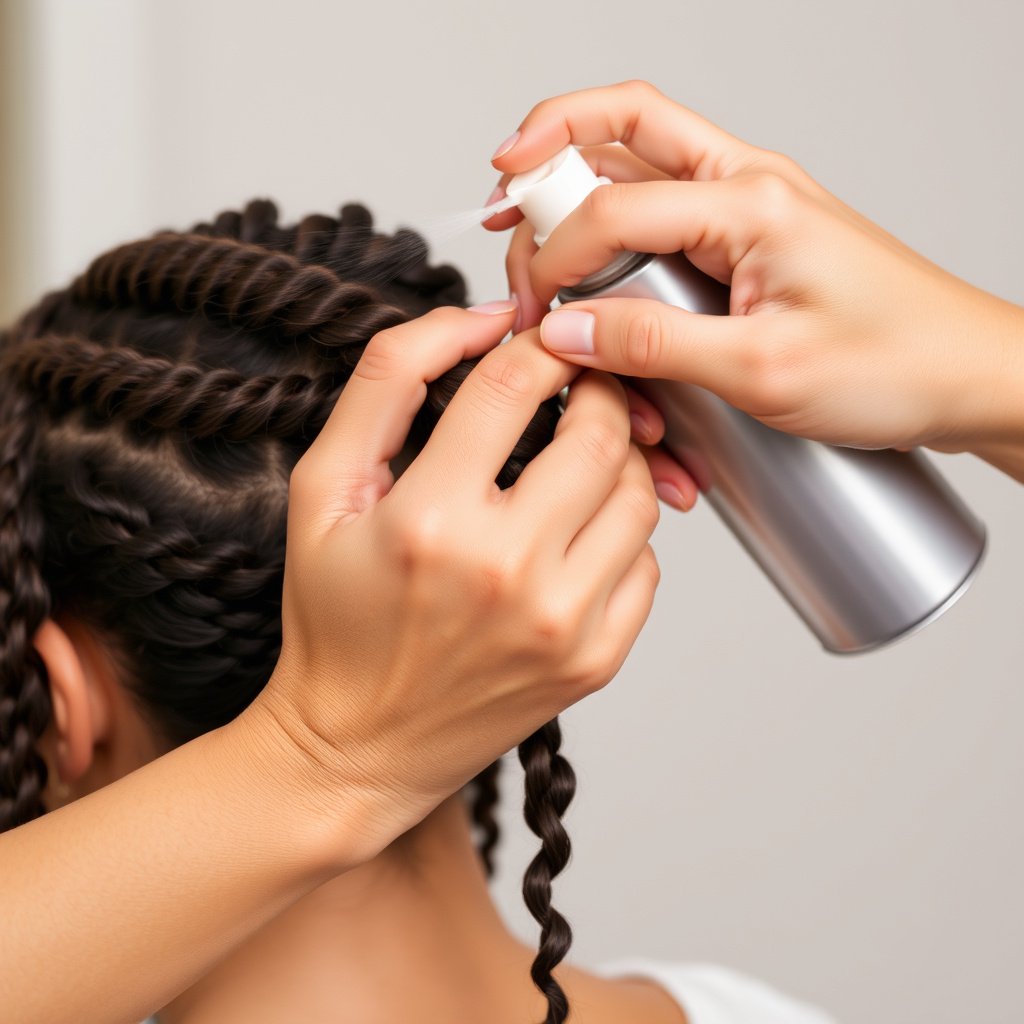
Daily Care and Moisturizing
Twist braids require regular moisturizing to prevent dryness and frizz. Use water-based leave-in conditioners or oils like jojoba or coconut to hydrate the scalp and hair shafts without weighing them down.
Spritzing lightly every day helps maintain elasticity and softness, while wrapping hair at night with a satin scarf or bonnet reduces friction and preserves the twist shape.
- Use water-based moisturizers
- Apply natural oils
- Wrap hair overnight with satin
For more on this, see our related guide: What Are Loc Braids? A Complete Guide to This Unique Hairstyle.
Cleansing and Scalp Health
Keeping the scalp clean is essential to prevent buildup and itching. Use diluted shampoo or a gentle cleansing spray focused on the scalp without disturbing the twists too much.
Avoid heavy products that cause residue. Regular scalp massages improve circulation and promote healthy hair growth while maintaining twist braids.
- Diluted shampoo cleansing
- Gentle scalp massages
- Avoid heavy styling products
Benefits of Twist Braids as a Protective Hairstyle

Hair Protection and Growth
Twist braids shield the hair from environmental damage such as harsh weather and friction from clothing by tucking away delicate ends. This reduces breakage and split ends, encouraging healthier hair growth.
Unlike some styles that put excessive tension on the scalp, properly installed twist braids balance firmness with comfort, minimizing scalp stress.
Low Maintenance and Longevity
One reason twist braids are widely chosen is their low daily upkeep; they stay neat for several weeks with basic care. This convenience appeals to people with busy routines needing a manageable yet stylish look.
Their ability to last multiple weeks without frequent re-twisting or styling helps save time and effort compared to loose hairstyles.
Common Mistakes to Avoid When Wearing Twist Braids
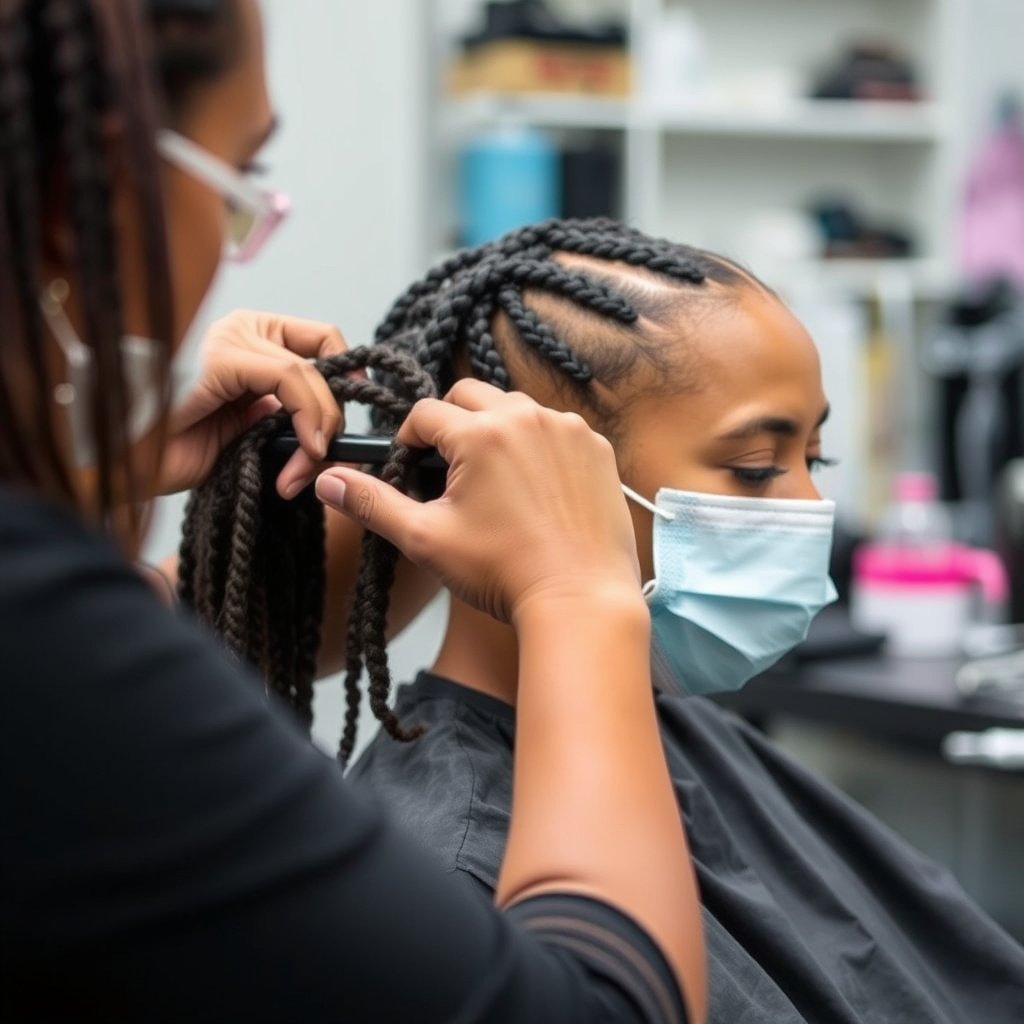
Avoiding Excessive Tightness
One frequent mistake is twisting hair too tightly, which can cause scalp pain, hair breakage, and traction alopecia over time. It's important to balance snug twists with scalp comfort and avoid putting strain on edges.
Communicating with your stylist about tension levels during installation ensures healthier results and maintains hair integrity.
For more on this, see our related guide: How to Do Jumbo Braids: A Step-by-Step Guide for Thick, Statement Hair.
Neglecting Scalp Care
Ignoring scalp cleanliness and hydration can lead to itching, dandruff, or buildup that weakens hair follicles. Even with protective styles, the scalp requires attention through gentle cleansing and moisturizing.
Using appropriate products designed for twisted hair helps avoid residue and keeps the scalp fresh.
Comparing Twist Braids to Other Protective Hairstyles
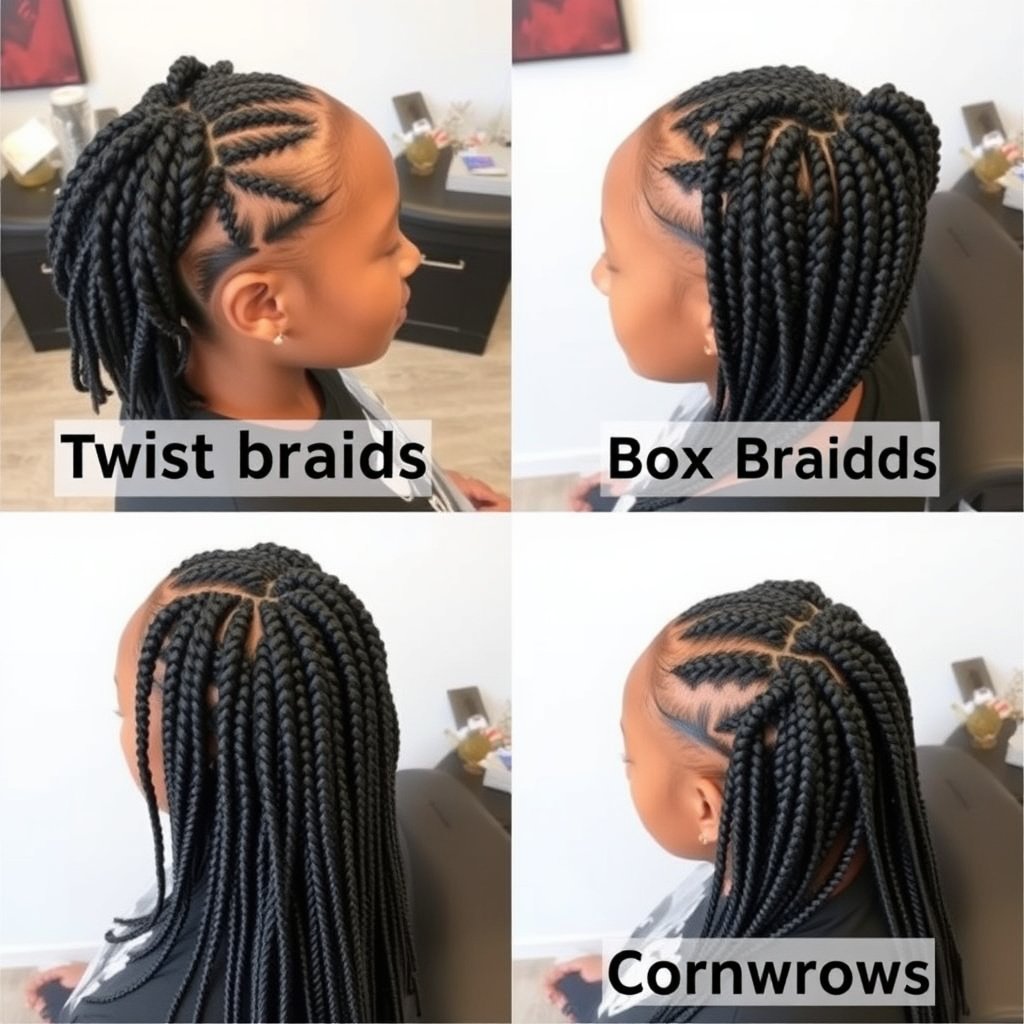
Twist Braids vs. Box Braids
Twist braids tend to use two strands and produce a softer, more flexible look, while box braids use three strands and often appear firmer and more sculptural. Twist braids can be easier on the scalp because they require less tension during installation.
Both styles offer protective benefits but differ in installation time and maintenance routines.
For additional context on hair protection techniques, refer to this detailed explanation of protective hairstyles. Protective hairstyles.
Twist Braids vs. Cornrows
Cornrows lie flat against the scalp with distinct braided rows and often serve as a foundation for other styles. Twist braids are free-hanging and bulkier, providing volume and texture.
Cornrows generally require more intricate parting and grooming, whereas twist braids offer versatile styling options post-installation.
Protective Hairstyle Comparison: Twist Braids and Alternatives
Here’s a quick overview comparing popular protective styles based on installation time, maintenance, and hair protection.
| Hairstyle | Strand Technique | Installation Time | Maintenance Level | Protective Quality | Longevity |
|---|---|---|---|---|---|
| Twist Braids | Two-strand twist | 3-6 hours | Moderate | High | 4-8 weeks |
| Box Braids | Three-strand braid | 5-10 hours | Moderate-High | High | 6-10 weeks |
| Cornrows | Three-strand flat braid | 2-5 hours | High | Moderate | 2-4 weeks |
| Faux Locs | Twisting and wrapping | 4-8 hours | Moderate | High | 6-12 weeks |
Frequently Asked Questions
How long do twist braids typically last?
Twist braids generally last between 4 to 8 weeks with proper care, depending on the hair texture and maintenance routine.
Can twist braids damage my natural hair?
When installed and maintained properly without excessive tension, twist braids protect natural hair and minimize damage, but overly tight twisting can cause breakage.
Are twist braids suitable for all hair types?
Twist braids work best on textured or curly hair but can be adapted to various hair types using hair extensions for added length and volume.
How do I keep my scalp healthy while wearing twist braids?
Regularly moisturizing the scalp, gentle cleansing, and avoiding heavy products help maintain scalp health during twist braid wear.
Can I style twist braids in different ways?
Yes, twist braids are versatile and can be styled into buns, ponytails, twist-outs, or elegant updos for various occasions.
Key Takeaways
- Twist braids use a two-strand twisting method creating rope-like styles.
- They protect natural hair by reducing breakage and tangling.
- Proper moisturizing and scalp care extend their neat appearance.
- Different types like Senegalese and Havana twists offer styling variety.
Conclusion
Choosing the right hairstyle involves understanding the balance between protection, maintenance, and personal style. Twist braids offer a compelling option that safeguards natural hair through their protective structure while delivering versatile beauty. Deciding on the right twist braid type depends on hair texture, desired thickness, and length, alongside the level of upkeep one is comfortable with. The technique’s adaptability suits diverse lifestyle needs without compromising hair health.
For those seeking sleek and long-lasting styles, Senegalese twists provide a polished look ideal for formal events or everyday sophistication. If a fuller, softer feel is preferred, Havana twists produce thick, voluminous curls that are comfortable for casual wear. Comparing twist braids to other protective hairstyles like box braids or cornrows highlights their unique balance of maintenance and protective qualities. Twist braids stand out for their moderate installation time and styling flexibility.
For your next hair project, consider starting with twist braids customized to your hair type. Focus on gentle installation techniques, apply hydrating products, and practice mindful scalp care for the best results. Consulting a knowledgeable stylist can help tailor this protective hairstyle to your needs, ensuring both hair health and visual appeal. By integrating twist braids into your routine, you embrace a protective hairstyle that is as practical as it is stylish.