How to Remove Bonding Glue from Hair Without Damage
Removing bonding glue from hair requires gentle techniques and appropriate products to prevent damage and hair loss. The fastest way is usually to apply a solvent designed to dissolve the glue, such as bonding glue remover oils or adhesive dissolvers, combined with careful detangling to minimize stress on the strands.
Incorrect removal of bonding glue can cause hair breakage, scalp irritation, or even hair loss if harsh chemicals or brute force are used. Since bonding glue is strong and formulated to hold hair securely, it takes patience and the right approach to safely separate the adhesive without harming the natural hair.
This article will explore various methods to effectively remove bonding glue from hair, including home remedies, specialized chemical removers, and professional techniques. You’ll also find tips for maintaining hair health during and after removal, along with product recommendations for the best products for hair glue removal.
Understanding Bonding Glue and Its Effects on Hair

Composition of Bonding Glue
Bonding glue used in hair extensions is typically made from cyanoacrylate or resin-based adhesives designed to create a strong, semi-permanent bond between the extension and natural hair. This makes removal a challenge because the glue hardens and adheres tightly.
These adhesives are waterproof and heat-resistant, which contributes to their durability but also increases difficulty in dissolution with water or mild shampoos. Understanding the glue's chemical nature helps select the proper removing agents.
Potential Hair Damage from Bonding Glue
When improperly removed, bonding glue can pull and break the hair strands or damage the cuticle layer, leading to brittleness and split ends. Excessive tugging can also result in traction alopecia, especially around delicate hairline areas.
Adhesive residue left on the scalp can cause irritation or allergic reactions, emphasizing the importance of thorough but gentle removal techniques to preserve scalp and hair health.
At-Home Techniques to Remove Bonding Glue from Hair

Using Oils to Soften and Dissolve Glue
Natural oils like olive oil, coconut oil, or specialized adhesive remover oils can help break down bonding glue. Applying generous amounts to the affected areas softens the glue, making it easier to gently work through the residue.
Massage the oil into the glue sections and let it sit for 15 to 30 minutes before attempting to comb or gently pull apart the bonded hair, reducing stress on the strands.
- Use warm oil for better penetration
- Avoid rushing the process to prevent hair breakage
For more on this, see our related guide: Your Guide to Human Hair Weave Bundles: Choosing With Confidence.
Gentle Detangling and Combing Strategies
After the glue has softened, use a wide-tooth comb or your fingers to slowly detangle and separate the glued sections. Begin combing from the ends toward the roots to minimize pulling.
If resistance is felt, apply more oil or adhesive remover rather than forcing separation, which can cause hair to snap.
- Comb in small sections
- Use patience to avoid damage
Chemical Removers and Specialized Products

Choosing the Right Hair Glue Remover
Several commercial hair bonding glue removers contain solvents like acetone or citrus-based formulas designed to safely dissolve glue without harsh effects on hair protein. Selecting a remover compatible with your hair type is key for safe usage.
Test a small patch first to check for scalp sensitivity or allergic reactions. Follow the product instructions carefully and work in a well-ventilated area.
- Check product reviews and ingredients
- Look for salon-grade removers for stronger bonds
Applying Chemical Removers Effectively
Apply the remover directly to glue spots using a cotton swab or applicator brush, allowing it to sit for the recommended time. Then gently comb or wipe away softened glue, repeating if necessary.
After removal, wash the hair with a gentle shampoo and condition thoroughly to restore moisture lost during the chemical process.
- Avoid scalp contact as much as possible
- Use gloves to protect your hands
Professional Hair Removal Services
Benefits of Visiting a Salon for Glue Removal
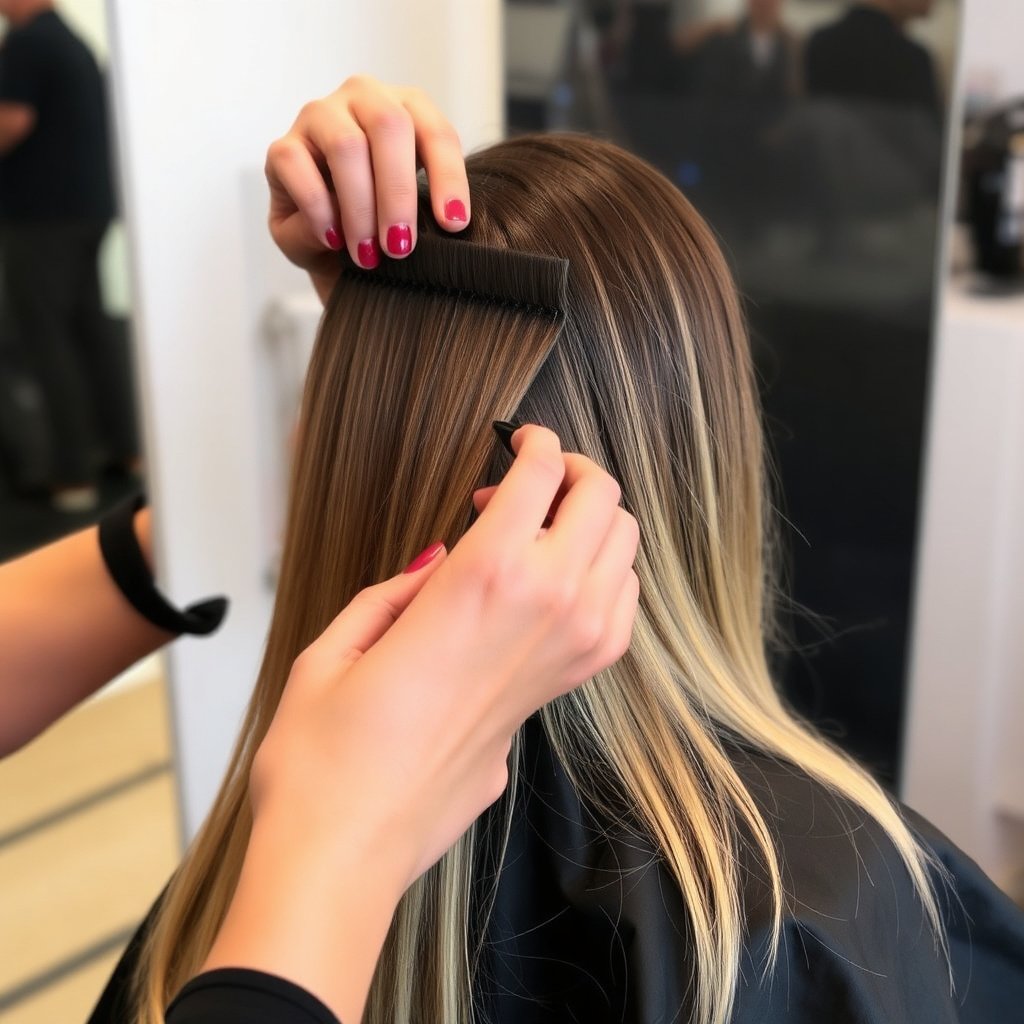
Professional stylists have experience and specialized tools for painless and safe bonding glue removal, minimizing hair damage. They use salon-grade solvents and techniques that balance effectiveness with hair health preservation.
Visiting a salon is recommended for complex bonding or if prior at-home attempts caused hair stress or scalp problems.
For more on this, see our related guide: Hair Extensions Arlington TX: Your Local Shopping Guide.
What to Expect During a Removal Appointment
The stylist will carefully inspect glue bonds and apply targeted solutions to dissolve the adhesive. Removal is done gradually to avoid tugging while following with nourishing treatments and trims to keep hair looking its best.
Appointments vary in length depending on glue amount and hair density but generally provide a safer, more thorough method.
Post-Removal Hair Care Tips
Deep Conditioning and Hydration
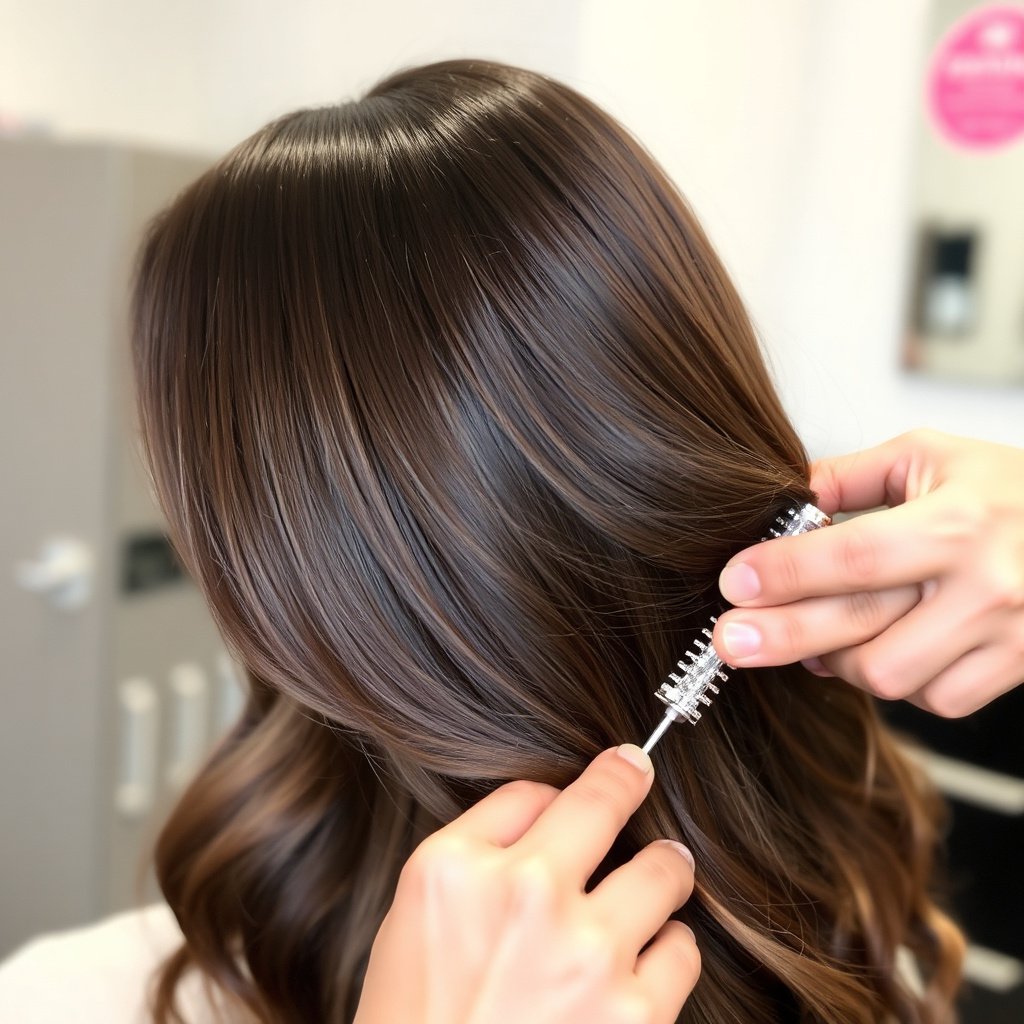
After removing bonding glue, replenish lost moisture with deep conditioning treatments such as protein masks, leave-in conditioners, and hydrating oils to restore strength and shine.
Regular treatments over the next few weeks help repair minor damage caused by adhesives or removal processes.
- Use sulfate-free shampoos
- Avoid heat styling temporarily
For more detailed background on hair bonding techniques and types, you can refer to Hair bonding on Wikipedia. Hair bonding on Wikipedia.
Avoiding Repeated Glue Damage
Consider alternatives to bonding glue for hair extensions, like tape-ins or clip-ins, to reduce chemical exposure. If bonding glue is preferred, space out applications and seek professional installation.
Maintaining scalp cleanliness and gentle hair care routines also reduce complications with future glue use.
Comparison of Bonding Glue Removal Methods
Below is a table comparing common methods used to remove bonding glue from hair, highlighting their key features, time investment, and damage risk.
| Method | Effectiveness | Time Required | Damage Risk | Cost |
|---|---|---|---|---|
| Natural Oils | Moderate | 30-60 minutes | Low | Low |
| Commercial Glue Removers | High | 20-40 minutes | Moderate | Medium |
| Professional Salon Removal | Very High | 30-90 minutes | Low | High |
| Mechanical Removal (Pulling) | Low | Varies | High | None |
Frequently Asked Questions
Can I remove bonding glue from hair with household products?
Yes, natural oils like olive or coconut oil can soften bonding glue, allowing gentle removal. However, these methods may be less effective on strong adhesives and require patience.
Is it safe to use acetone or nail polish remover on hair?
Acetone can remove bonding glue but is harsh and drying to hair and scalp. If used, it should be limited, used with caution, and followed by intensive conditioning.
How often can I safely apply bonding glue in my hair?
Frequent use of bonding glue can stress hair strands and scalp. It’s best to space applications by several weeks and consult a professional for safe practices.
What are signs that bonding glue removal is damaging my hair?
Signs include excessive hair breakage, scalp irritation, bald patches, and increased hair shedding. Stop removal attempts and seek professional advice if these occur.
Can I reuse hair extensions after removing bonding glue?
Hair extensions can often be reused if glue is carefully removed without damaging the base. Clean and condition them properly before reapplying.
Key Takeaways
- Gentle oils and commercial removers soften bonding glue for safe removal.
- Avoid pulling glued hair to prevent breakage and scalp damage.
- Professional removal minimizes damage and often provides the best results.
- Follow removal with deep conditioning to restore hair health.
Conclusion
Choosing how to remove bonding glue from hair balances effectiveness with protecting hair integrity. A careful approach using either natural oils or specialized chemical removers helps dissolve the adhesive while preserving strands. Patience and gentle detangling are critical to avoid unnecessary breakage or scalp harm. Understanding your hair’s sensitivity and the glue type guides the safest method choice.
For less severe bonding, home remedies like coconut or olive oil supplemented by wide-tooth combs can be suitable and gentle. Chemical removers offer quicker action but require caution and protective measures. Salon professionals provide the most reliable and least damaging results, especially for heavily bonded or textured hair. Evaluating your specific situation helps determine whether home or professional removal is best.
If you’re dealing with bonding glue on hair, try softening it with nourishing oils first. If that’s insufficient, test a hair bonding glue remover product designed for safe use. Should the glue resist or cause discomfort, schedule a consultation with a trusted stylist. Caring for your hair after removal with deep conditioning and avoiding tight bonding applications will maintain healthy, strong hair over time.