How to Style a Wig with Bangs for a Natural, Flattering Look
Styling a wig with bangs starts with choosing the right wig and understanding the bangs' structure, then shaping and blending them to suit your face naturally. Whether your wig has blunt, side-swept, or wispy bangs, careful trimming, gentle heat styling, and proper maintenance will help you achieve a seamless, natural look.
Wigs with bangs add instant style and can frame the face beautifully, but without the right styling techniques, bangs may appear stiff, unnatural, or ill-fitting. Styling ensures bangs blend with the rest of the wig’s hair and compliment your facial features, boosting your confidence and overall look.
This article walks through selecting the right bangs style, preparing your wig, trimming and customizing bangs, styling methods for different bang types, and maintenance tips for long-lasting wearable bangs. You’ll gain actionable advice to refine your wig styling routine with bangs.
Selecting and Preparing Your Wig with Bangs
Choosing the Right Bangs Style for Your Face
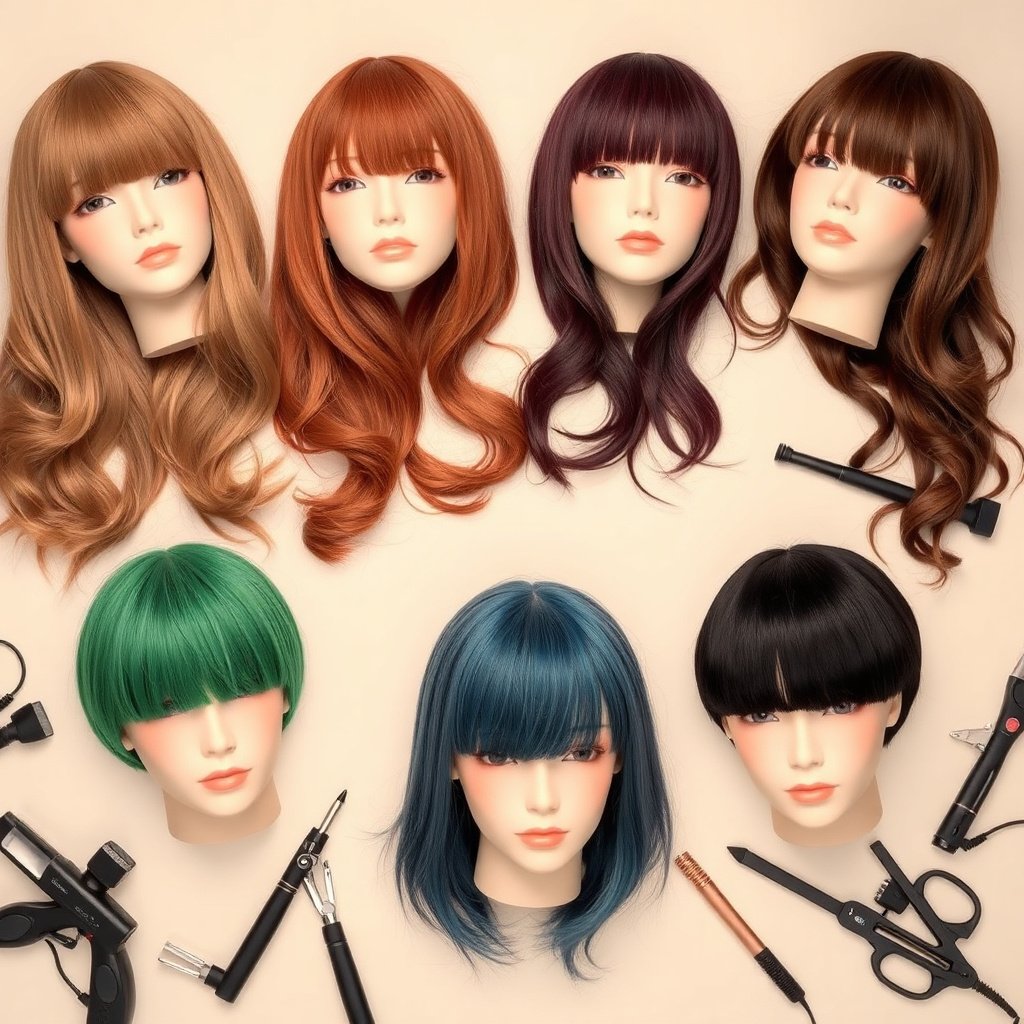
The first step to styling a wig with bangs is selecting a bang style that flatters your face shape. Blunt bangs suit oval faces, side-swept work well for heart shapes, and wispy bangs soften square jawlines. Picking the right cut reduces the need for heavy modifications later.
Consider the wig fiber type when choosing bangs. Synthetic wigs often hold style longer but require careful heat styling, while human-hair wigs offer flexibility for trimming and restyling. Pre-styled bangs in some wigs save time but may still need tweaking for a natural look.
- Blunt bangs for oval faces
- Side-swept bangs for heart faces
- Wispy bangs for square faces
Preparing Your Wig Before Styling Bangs
Before cutting or styling, secure the wig on a stand and gently comb out any tangles, especially around the bangs. Spritzing with wig-friendly detangler or water makes the fibers manageable without causing frizz or damage.
If your wig is synthetic, check its heat resistance level before applying any styling tools. For human-hair wigs, a deep conditioning session a day before styling can revitalize the fibers, making trimming and heat styling smoother and more natural.
- Place wig securely on a stand
- Comb bangs gently
- Use wig detangler or water mist
- Check heat resistance for synthetic wigs
Trimming and Customizing Bangs on a Wig

Techniques for Cutting Bangs on a Wig
Start by cutting the bangs longer than your desired length since you can always trim more. Use sharp, thinning or hair-cutting scissors and cut vertically with small snips instead of a straight horizontal cut to avoid blunt, unnatural edges.
Section the bangs properly and take your time cutting in small increments. If you’re unsure, consult tutorials or a stylist experienced with wigs to prevent mistakes that could ruin the wig’s frontal appearance.
- Cut longer than desired length initially
- Use vertical snips for layering
- Trim small sections gradually
For more on this, see our related guide: Cheap Wigs Guide: What to Know Before You Buy.
Customizing Bangs for Different Looks
For blunt bangs, keep edges relatively thick and straight but soften with thinning scissors or razor cutting. Side-swept bangs require angling the cut to fall to one side and taper gently toward the ends.
Wispy bangs benefit from texturizing techniques like point cutting to create lightweight strands that blend naturally. Experiment with slight asymmetry or layering to add dimension without losing shape.
- Thicken edges for blunt bangs
- Angle cuts for side-swept
- Use point cutting for wispy bangs
Styling Methods for Different Bang Types
Using Heat Tools Safely on Wig Bangs
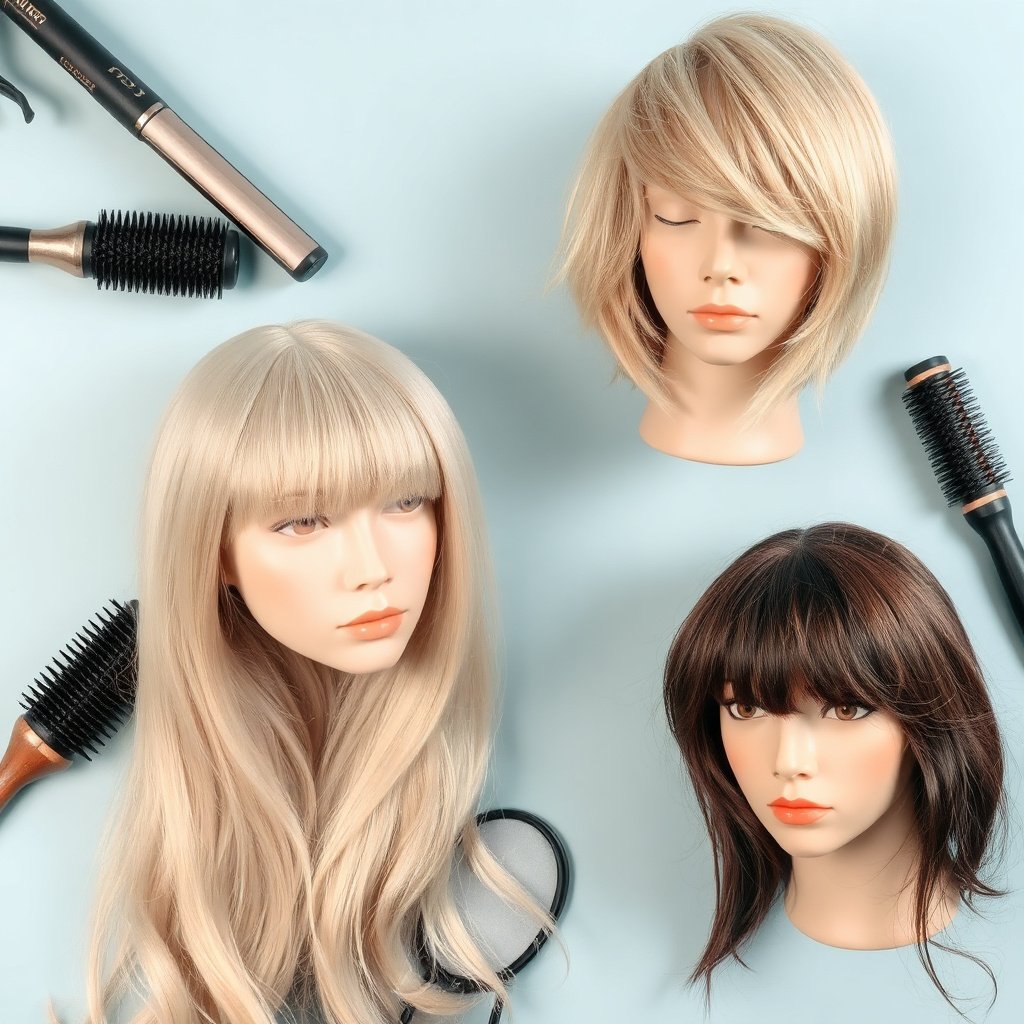
Synthetic wigs rated for heat can be styled with low-heat tools such as flat irons or curling irons to shape bangs. Always start with a low temperature setting and test on a hidden section to avoid melting fibers.
For human-hair wigs, heat styling is more forgiving but still requires protective sprays and controlled temperatures around 300°F (150°C). Slow, gentle passes create smooth, flexible bangs without damage.
- Check heat rating of synthetic wigs
- Use low heat settings
- Apply heat protectant sprays
Non-Heat Styling Techniques for Natural Bangs
For delicate synthetic wigs without heat tolerance, use steam from hot water or soft rollers to create natural curves and volume in bangs. Finger styling with wig mousse or light hairspray helps maintain shape without stiffness.
Adjust bangs using a wide-tooth comb or soft brush for smoothness. Avoid heavy product buildup as it can weigh down bangs or make synthetic fibers sticky and dull.
- Steam styling with hot water
- Use soft rollers for volume
- Apply wig mousse or light hairspray
Maintaining and Refreshing Bangs on Your Wig

Cleaning and Protecting Wig Bangs
Regular cleaning depending on wear frequency preserves the wig’s look. Use specially formulated wig shampoo and conditioner to avoid fiber damage, with gentle rinsing focused on the bangs to maintain their shape.
Avoid excessive heat and friction around bangs during cleaning and storage. Store wigs on stands to keep bangs in position and prevent flattening or frizz.
- Use wig shampoo/conditioner
- Clean bangs gently
- Store on wig stand
For more on this, see our related guide: Your Guide to Headband Wigs: Choosing With Confidence.
Refreshing Bangs Between Washes
Touch up bangs by lightly misting with water or wig refresher spray, then smoothing with your fingers or a wig brush. Avoid overwashing which can degrade fibers and shorten wig lifespan.
For synthetic wigs, re-style bangs quickly using steam or low heat as needed. Human-hair wigs benefit from overnight wrapping or pinning bangs to maintain shape and reduce daily styling time.
- Mist with wig refresher spray
- Use steam to reshape synthetic bangs
- Wrap or pin human-hair bangs overnight
Styling a Wig with Bangs for Different Occasions

Everyday Casual Bang Styling Tips
For casual looks, keep bangs lightweight and slightly tousled for a natural vibe. Use minimal product and simple parting to blend bangs seamlessly with the rest of the wig’s hair.
Loose waves or soft curls styled into bangs add movement and prevent a flat, stiff appearance. Finger-combing bangs after styling enhances softness.
- Use minimal styling product
- Add soft waves or curls
- Finger-comb for softness
For additional background on wig types and history, you can explore the Wikipedia article on wigs. Wikipedia article on wigs.
Formal Event Bang Styling Techniques
Formal occasions call for polished, defined bangs with precise edges. Use flat iron or round brush blowouts to smooth bangs and fix shape with medium-hold hairspray to avoid flyaways.
Consider complementing bangs with updos or styled curls on the rest of the wig for an elegant silhouette. Longer side bangs can frame the face artfully for dressy looks.
- Smooth bangs with heat styling
- Fix shape with medium-hold hairspray
- Pair bangs with formal updos
Comparison of Popular Bangs Styles on Wigs
Here’s a comparison of common bangs styles, highlighting looks, styling ease, and recommended face shapes to help guide your choice.
| Bangs Style | Best Face Shape | Styling Difficulty | Maintenance Level |
|---|---|---|---|
| Blunt Bangs | Oval, Long | Medium | Medium |
| Side-Swept Bangs | Heart, Round | Low | Low |
| Wispy Bangs | Square, Diamond | Medium | High |
| Curtain Bangs | All Face Shapes | Low | Medium |
| Layered Bangs | Round, Oval | High | High |
Frequently Asked Questions
Can I style synthetic wig bangs with heat tools?
Only synthetic wigs labeled as heat-resistant can be styled with low-temperature heat tools. Using heat on non-heat-friendly synthetic wigs may melt or damage fibers.
How often should I trim the bangs on my wig?
Trim wig bangs every 4-6 weeks or as needed depending on wear frequency to maintain the desired length and shape.
Are bangs harder to maintain on wigs than the rest of the hair?
Bangs require more frequent touch-ups to keep shape since they are more visible and prone to flattening or frizzing, but proper care simplifies maintenance.
What products are safe for styling wig bangs?
Use lightweight, wig-specific styling mousses, sprays, or detanglers designed for synthetic or human-hair wigs to avoid build-up and damage.
How can I make my bangs look more natural on a wig?
Customize bangs by trimming for softness, blending edges, and gently styling with appropriate heat or non-heat methods to reduce stiffness and enhance movement.
Key Takeaways
- Select a bang style that complements your face shape and wig type.
- Trim bangs gradually using vertical snips for natural edges.
- Use heat styling cautiously based on wig fiber heat tolerance.
- Maintain bangs regularly with gentle cleaning and light styling.
Conclusion
Styling a wig with bangs successfully depends on understanding how different bangs cut and style affect your overall look. The right bang choice, prepared properly with gentle combing and trimming, can transform your wig from artificial to effortlessly natural. Taking the time to customize the bang length and shape, and using suitable styling tools cautiously, yields the best results. Incorporating these steps into your wig care routine supports confidence in your style every day.
For those looking to add instant change, blunt bangs are a bold choice suited for oval faces, providing modern edge but requiring medium upkeep. Side-swept bangs are easier to style and maintain, ideal for heart or round shapes wanting soft framing. Wispy or layered bangs offer a trendy, lightweight look but call for more frequent maintenance to retain their delicate shape. Choosing among these options depends on your lifestyle and styling preferences.
Once you've chosen the right bangs and mastered basic trimming and styling techniques, frequent gentle maintenance ensures lasting appeal. The next step is practicing these methods on your wig, noting how your facial features interact with the bangs, and adjusting your approach over time. Whether styling for casual days or special events, well-styled wig bangs complete your look with natural elegance.