How to Sleep with a Sew-In: Tips for Comfortable and Safe Hair Care
Sleeping with a sew-in requires specific care to protect both your hairstyle and scalp. The key is to minimize friction and tension by using silk or satin materials and adapting your sleeping position. Proper preparation at night can maintain your sew-in's integrity and prevent discomfort or damage.
Protecting your sew-in during sleep helps extend the life of the hairstyle and preserves scalp health. Sleep-induced rubbing against cotton pillowcases and rough fabrics can cause frizz, loosen tracks, and irritate your scalp over time. This makes a thoughtful night routine critical for long-term sew-in maintenance.
This article will cover the best practices for sleeping with a sew-in, including the right types of head coverings, pillowcase materials, sleep positions, and moisturizing techniques. We will also explore how to establish the best night routine for sew-in hair to keep your weave looking fresh and your natural hair healthy.
Choosing the Right Head Covering to Sleep with a Sew-In

Benefits of Satin and Silk Bonnets
Satin and silk bonnets create a smooth barrier between your hair and pillowcase, reducing friction that causes frizz and breakage. Unlike cotton, these materials don’t absorb moisture, helping your hair retain natural oils throughout the night.
Regular use of silk or satin bonnets protects both sew-in tracks and natural hair. They prevent lint accumulation and keep the hairstyle intact longer by minimizing movement during sleep.
- Retains moisture
- Reduces frizz and breakage
- Minimizes lint buildup
- Extends hairstyle longevity
Alternatives to Bonnets: Scarves and Wraps
If bonnets feel uncomfortable or slip off easily, silk or satin scarves offer a flexible alternative. These can be wrapped securely around the head and tucked to avoid movement but might require adjustment throughout the night.
Choosing scarves with a smooth texture ensures minimal abrasion. It’s important to secure the scarf properly to prevent it from loosening, which could expose hair to friction against rough pillowcases.
- Flexible and adjustable fit
- Can be more stylish
- Requires proper tying technique
Pillowcase Materials and Their Impact on Sew-Ins
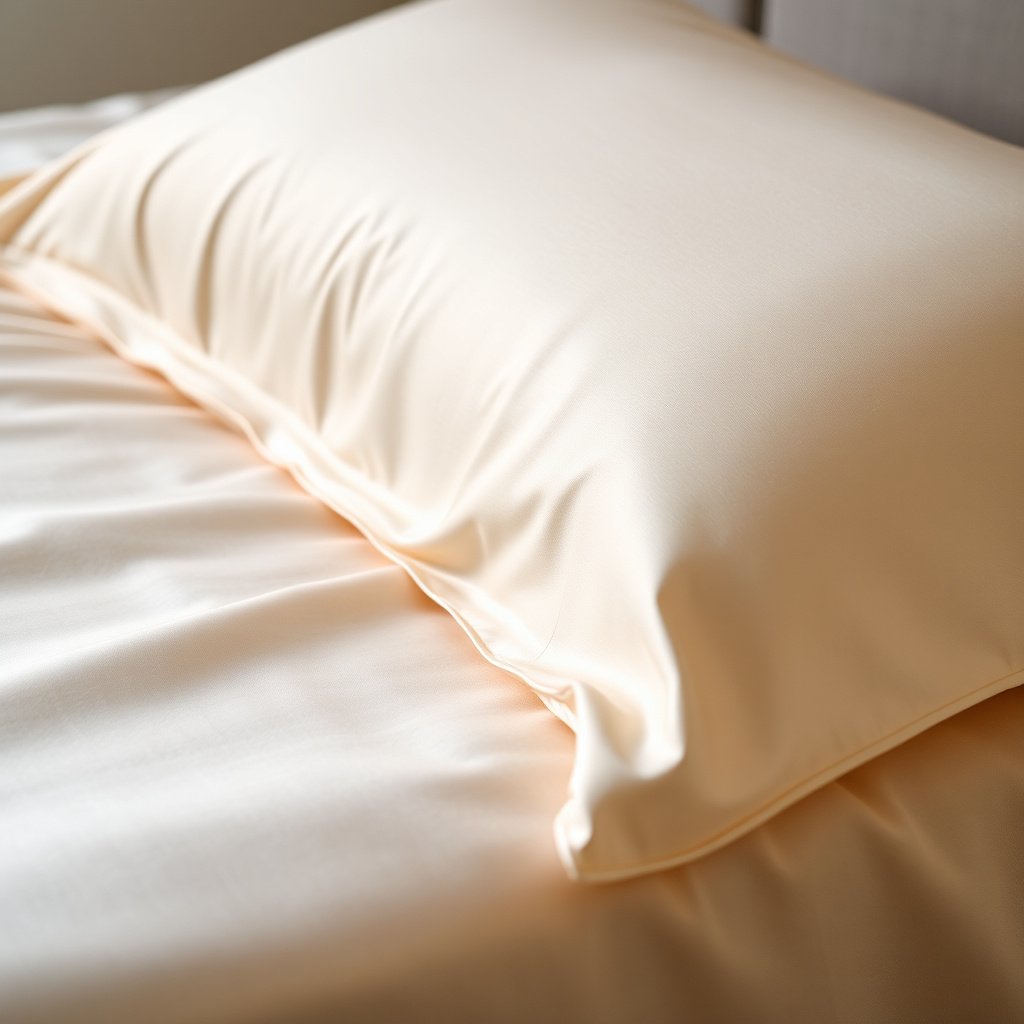
Why Satin and Silk Pillowcases Are Ideal
Sleeping on satin or silk pillowcases complements head coverings by providing a frictionless surface for your hair to rest on. This reduces the chances of hair weakening or frizzing as you sleep.
These pillowcases also help maintain moisture balance because they absorb less water and natural oils than cotton ones. This reduces dryness at the roots and along sew-in tracks, supporting hair health.
- Smooth texture reduces hair damage
- Maintains hair moisture
- Hypoallergenic properties
- Easy to clean and durable
For more on this, see our related guide: Best Human Hair for Sew in: Top Picks and Buying Tips.
Drawbacks of Cotton Pillowcases for Sew-Ins
Cotton absorbs moisture, which can strip natural oils from hair and dry out the weave and scalp. This dryness increases fragility of hair strands, leading to breakage and frizz.
Additionally, cotton’s rough surface causes more friction as you move in your sleep, which can disturb the integrity of the sew-in tracks and result in loosening or unraveling over time.
- Absorbs moisture from hair
- Increases friction and frizz
- Can irritate sensitive scalp
- Leads to faster styling deterioration
Best Sleeping Positions for Protecting a Sew-In

Why Back Sleeping is Recommended
Sleeping on your back reduces pressure on your hair and scalp, preventing the sew-in tracks from being crushed or disturbed. This position allows hair to remain evenly placed and decreases tangling.
Front sleeping or side sleeping causes hair to rub against the pillow, increasing the risk of track loosening and scalp irritation. Back sleeping combined with protective coverings offers the least movement to the sew-in.
- Minimizes hair friction
- Protects track placement
- Supports scalp comfort
Managing Side and Stomach Sleepers’ Needs
If you predominantly sleep on your side or stomach, extra precautions are necessary. Using a thick satin pillow or adding a secondary silk scarf can cushion hair and reduce pressure points.
Some recommend adjusting sleep habits slowly toward more back sleeping, but enhanced protection can help minimize damage for those unable to change positions immediately.
- Use satin pillowcases and bonnets
- Consider padded satin hair caps
- Try gradually increasing back sleep duration
Moisturizing and Maintaining Your Sew-In Overnight
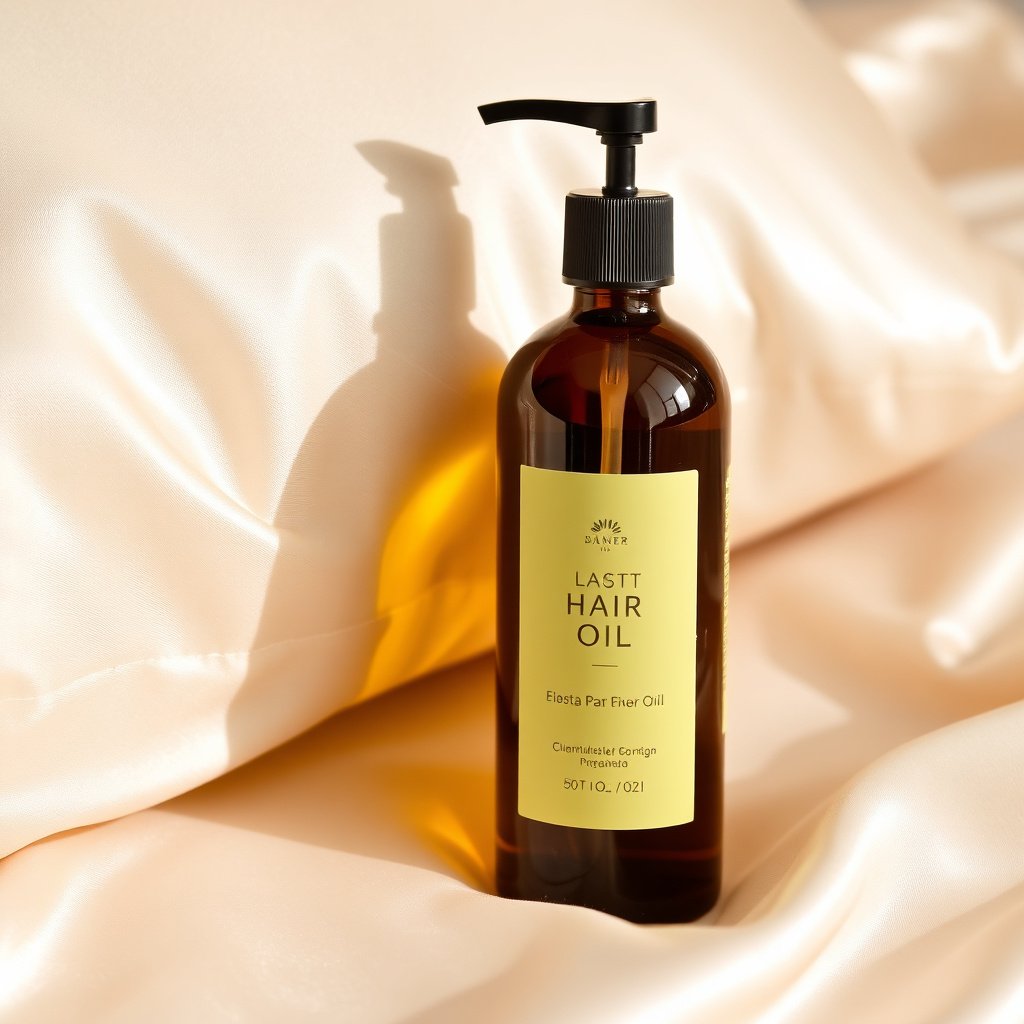
Choosing the Right Overnight Hair Products
Lightweight oils or leave-in conditioners help maintain moisture balance without weighing down a sew-in. Applying minimal product nightly prevents scalp dryness and keeps the hair strands nourished.
Avoid heavy creams or greasy products since they can build up on the scalp and hair tracks, leading to itching or loosening issues.
- Use light natural oils like argan or jojoba
- Apply sparingly to avoid buildup
- Prefer leave-in conditioners formulated for sew-ins
For more on this, see our related guide: Sew in Hair Extensions Guide: What to Know Before You Buy.
How to Protect Your Scalp Overnight
To keep the scalp healthy and comfortable, gently massage oils into the scalp before bedtime. This stimulates circulation and prevents dryness without disturbing the sew-in bonds.
Also, avoid scratching or excess manipulation while asleep by keeping your head coverings secure and comfortable.
The Role of Routine Care in Extending Sew-In Lifespan

Establishing a Nightly Routine for Sew-In Hair
A consistent night routine including gentle detangling, moisturizing, and wrapping hair with silk or satin protects the integrity of your sew-in. This habit can significantly extend the wear-time and preserve the overall look.
Incorporating rest days without additional hair manipulation further reduces stress on the sew-in and natural hair, promoting a healthier scalp environment.
- Detangle gently with wide-tooth comb
- Apply suitable moisturizing products
- Secure hair with silk/satin coverings
For a deeper understanding of sew-in techniques and maintenance, you can review the hair weave care tips on the Wikipedia page. hair weave care tips.
Weekly and Monthly Care Tips
Regularly washing and conditioning sew-ins with appropriate shampoos helps maintain cleanliness without loosening tracks. Scheduling professional maintenance every 4-6 weeks ensures that the sew-in remains secure and your scalp stays healthy.
Overnight practices like those discussed work best when part of a broader care routine including regular moisturizing treatments and scalp massages.
- Wash with sulfate-free shampoos weekly
- Schedule professional tighten or redo every 4-6 weeks
- Avoid excessive product buildup
Sew-In Protection Methods: Bonnet vs. Scarf vs. Pillowcase
Here’s a comparison of common sew-in protection options used to maintain hairstyle integrity and scalp health overnight.
| Method | Material | Ease of Use | Comfort Level | Protection Effectiveness |
|---|---|---|---|---|
| Satin Bonnet | Satin | Easy to wear but can slip | High, soft on skin | Excellent friction reduction |
| Silk Scarf | Silk | Requires tying skill | Moderate, adjustable fit | Good if secured properly |
| Satin Pillowcase | Satin | No wear required | High, smooth surface | Supports moisture retention |
| Cotton Pillowcase | Cotton | No wear required | Moderate, breathable but rough | Poor for friction and moisture loss |
Frequently Asked Questions
Can I sleep without any head covering with a sew-in?
Sleeping without head coverings increases friction and moisture loss from your sew-in, leading to frizz, breakage, and faster loosening of the hair tracks.
How often should I moisturize my scalp with a sew-in overnight?
Light moisturizing every night or every other night with a light oil or leave-in is sufficient to prevent dryness without causing buildup.
Is sleeping on a cotton pillowcase damaging for sew-ins?
Yes, cotton pillowcases absorb moisture and increase friction, which can cause frizz and weaken your sew-in over time.
What should I do if my sew-in causes scalp irritation at night?
Try switching to gentler, non-irritating hair products and ensure your head covering isn't too tight. Consulting a stylist or dermatologist can help address persistent issues.
How can I keep my sew-in fresh-looking while I sleep?
Using a satin bonnet or scarf and sleeping on a silk pillowcase reduces friction and moisture loss, keeping your sew-in smooth and neat.
Key Takeaways
- Use satin or silk bonnets/scarves to reduce friction and protect your sew-in while sleeping.
- Opt for satin or silk pillowcases to maintain moisture and minimize hair damage.
- Sleeping on your back lessens pressure on sew-in tracks and prevents tangling.
- Establish a gentle moisturizing and wrapping routine for longer sew-in lifespan.
Conclusion
Deciding how to sleep with a sew-in hinges on protecting your hairstyle and scalp from friction, moisture loss, and irritation. By adopting protective head coverings and pillowcases made from silk or satin, along with favorable sleeping positions, you can significantly reduce damage and discomfort. This approach balances hair preservation with comfort, ensuring your sew-in lasts longer and looks better.
For those seeking practical recommendations, satin bonnets paired with silk pillowcases are among the best choices to minimize friction and maintain hydration. If bonnets aren’t comfortable, a silk scarf tied carefully works well. Back sleeping is ideal to prevent pressure on your sew-in, but side sleepers should use extra padded satin options. Incorporate light overnight moisturizing with natural oils or leave-in conditioners to keep your scalp nourished without buildup.
Ultimately, the best next step is to consistently enact a night routine tailored to your needs, combining protective coverings, appropriate pillowcases, and gentle scalp care. If irritation or shape issues persist, consulting with a professional stylist can provide personalized advice to optimize your sew-in care and comfort while you sleep.