How to Make Weave Look Natural: Expert Tips for Seamless Hair Blends
Making a weave look natural starts with blending the texture, color, and length seamlessly with your own hair. Matching the hair strands closely and carefully placing the weave are key steps to achieve a realistic appearance. Using appropriate styling techniques and proper maintenance can further enhance the natural look.
A natural-looking weave matters because it boosts confidence and prevents the hairstyle from appearing artificial or overly styled. When done right, your weave should complement your hairline and blend effortlessly, making it difficult to distinguish from your natural hair. This is particularly important for everyday wear or special occasions.
This article will cover how to make weave look natural by exploring hair texture matching, color blending, proper placement, styling methods, and maintenance tips. You’ll also find a comparison section highlighting different types of weaves and how they affect the natural look.
Matching Hair Texture for a Natural Weave
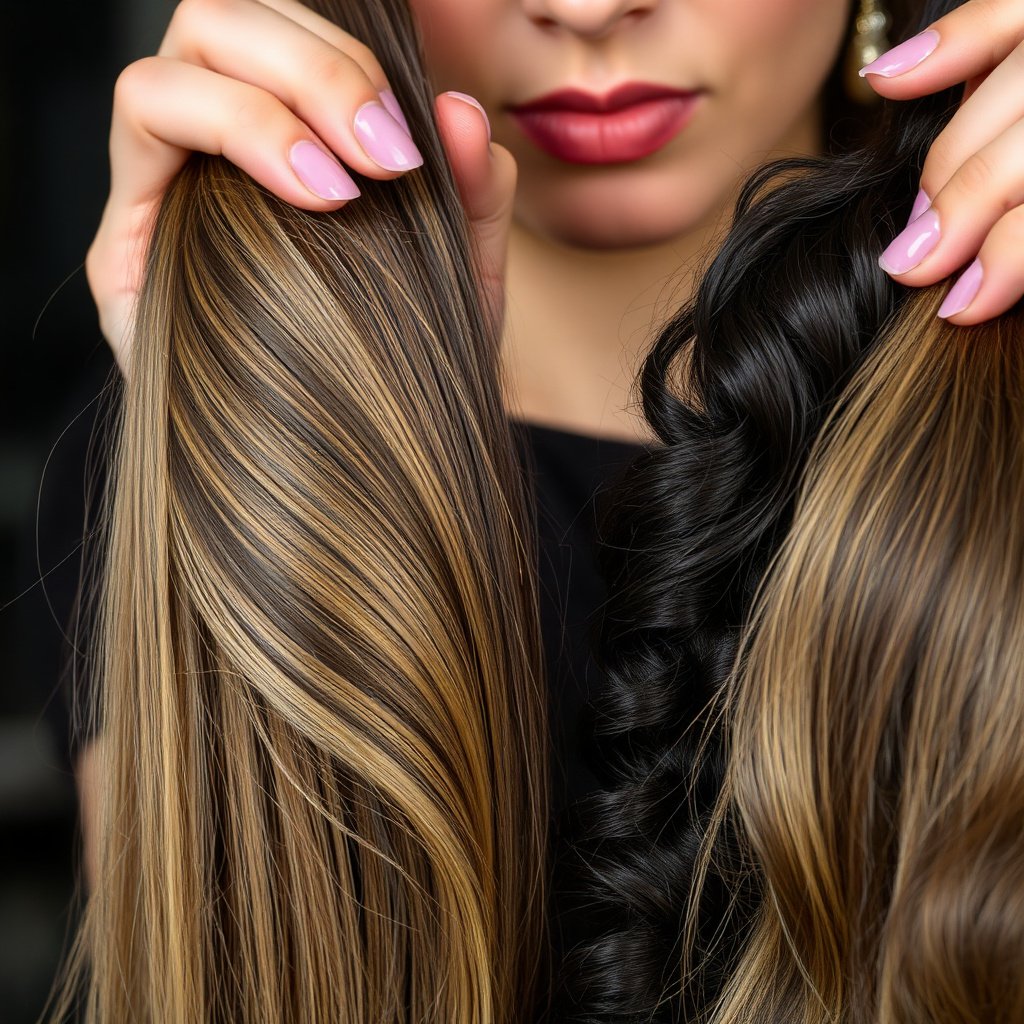
Identifying Your Natural Hair Texture
Understanding your hair’s natural texture is crucial to choose the right weave. Whether your hair is straight, wavy, curly, or coily, selecting a weave with a matching pattern ensures it blends seamlessly. Misaligned textures create a visible line where the weave integrates, spoiling the natural effect.
To identify your hair texture, examine your strands when dry and clean; note curl pattern, thickness, and softness. This assessment guides you in selecting synthetic or human hair weaves that mimic your own texture.
Types of Weave Textures Suitable for Blending
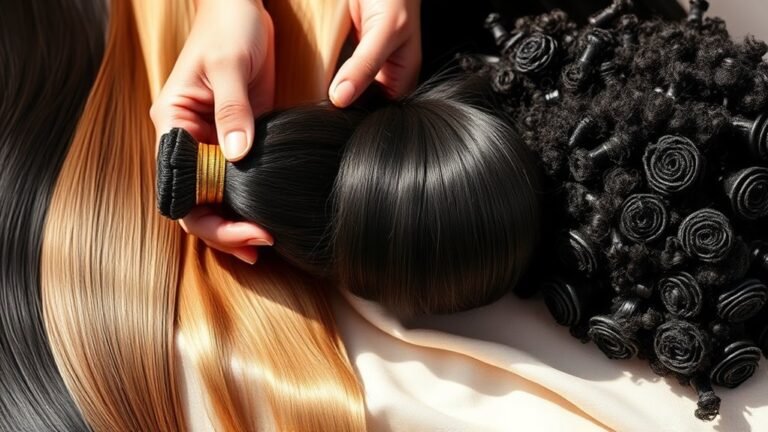
Weaves come in varying textures like silky straight, body wave, or kinky curly. Choosing a weave aligned with your natural texture minimizes styling work and enhances ease of blending. For example, kinky curly weaves match afro-textured hair types best.
When in doubt, opting for versatile, textured weaves like deep wave or loose curl offers adaptability. These can be straightened or curled slightly to better blend with your hair on any given day.
- Silky Straight for fine, straight hair
- Body Wave for soft waves
- Kinky Curly for tight coils
- Loose Curl for natural bounce
Color Matching to Achieve Seamless Weave Integration

Choosing the Right Shade
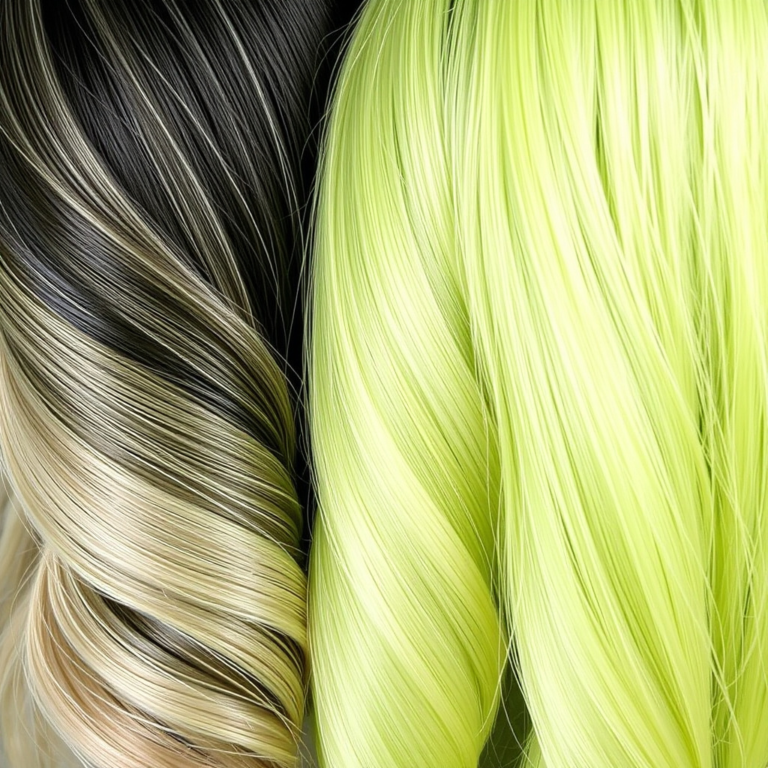
Correct color matching is vital to making a weave look natural. Consider the root color, mid-length, and ends of your hair since hair naturally varies in tone. Selecting a weave with uniform color often signals artificiality.
Opt for weaves that allow subtle highlights or multi-tonal strands when possible. This mimicry of natural hair nuances reduces the chance of the weave standing out upon close inspection.
For more on this, see our related guide: How Long Does a Weave Last? the Complete Answer.
Techniques for Blending Color with Your Hair
Styling techniques like adding lowlights or highlights to your natural hair or the weave can smooth transitions between the two. Another method is to slightly dye the weave or your hair to create a near-perfect color match.
Positioning wefts strategically around your hairline and parts lets you expose more natural hair, which acts as a tonal bridge. This subtle exposure lessens the starkness often associated with weaves.
- Use hair dye kits suited for extensions
- Add lowlights or depth around the scalp
- Leave natural hair exposed at parts
- Consult a professional colorist for precision
Proper Placement and Installation for Natural Weave Appearance
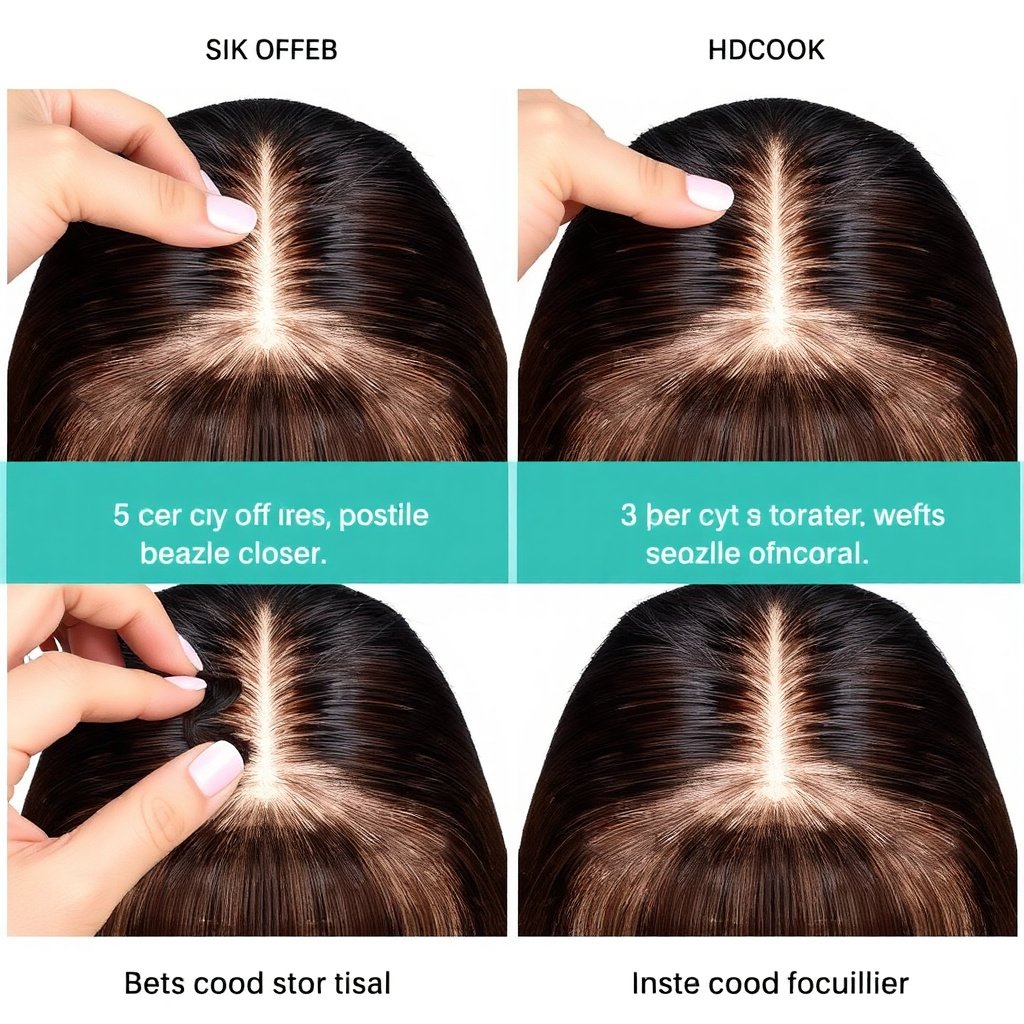
Weaving Techniques for Subtle Results
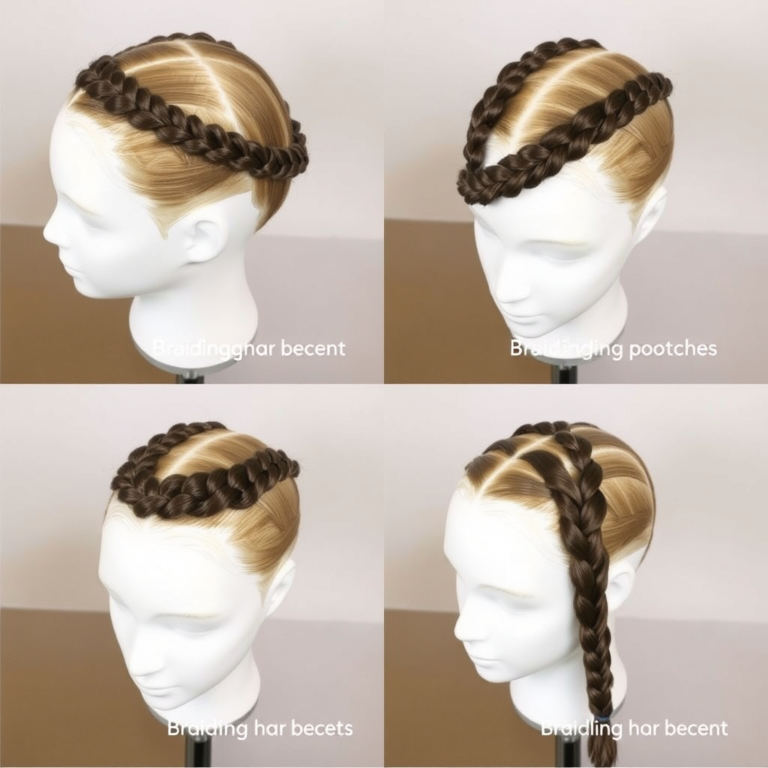
The installation method affects how natural a weave looks. Cornrow bases with tight stitching keep the weave secure and allow it to lie close to your scalp, reducing bulk and unnatural puffiness.
Invisible braids or sew-in methods help prevent the weave from lifting or creating bumps. Avoid overly large wefts which tend to reveal the underlying structure and disrupt texture continuity.
Positioning Around Hairline and Partings
Natural hair should frame your face at the hairline and partings, where seams or tracks are most visible. Leaving some natural hair out along the edges softens the transition, making the weave less detectable.
Using baby hairs or customized edging techniques around the hairline replicates natural hair growth and outlines the weave for added realism.
- Leave natural baby hairs out around the edges
- Style parts carefully to expose natural scalp
- Avoid thick or bulky track placements near hairline
- Use styling gels to lay hair flat for finishing
Styling Methods to Enhance Weave's Natural Look

Heat Styling and Texture Matching
Heat tools such as curling irons or flat irons can adjust the weave texture to better match your natural hair’s style of the day. Use a heat protectant to avoid damage to both natural hair and weave fibers.
Blending curls or waves tightly or loosely ensures the weave integrates with your hair’s natural movement, creating a cohesive overall style.
- Curl or straighten weave as needed
- Apply heat protectant sprays
- Use lower heat settings for synthetic weaves
For more on this, see our related guide: Best Weave Hair: Top Picks and Buying Tips.
Finishing Touches for Seamless Appearance
Small styling details such as light misting with hairspray, applying lightweight oils, or strategically teasing hair can hide any minor gaps or lines. These styling steps create a polished, natural finish.
Regular brushing with a wide-tooth comb prevents tangles and keeps the weave lying flat against your scalp, vital for maintaining realism throughout the day.
- Use lightweight hairspray or oil serum
- Wide-tooth comb to detangle
- Soft boar bristle brush for smoothing
- Avoid heavy products that cause buildup
Maintaining Weave for Prolonged Natural Appearance

Cleaning and Conditioning Routine
Regular washing with sulfate-free shampoos tailored for extensions sustains softness and shine, preventing dryness that makes weaves look artificial. Conditioning keeps the fibers supple and easier to blend with natural hair.
Avoid overwashing, as it can loosen the weave's bond and cause premature shedding. Moisturize weekly with leave-in conditioners or oils to maintain pliability.
- Use sulfate-free, gentle shampoos
- Condition with hydrating formulas
- Wash 1-2 times per week
- Apply leave-in sprays or oils regularly
To gain further insight into the technical aspects and history of hair weaves, visit this detailed resource on hair weaving techniques. hair weaving techniques.
Protective Measures While Sleeping and Styling
Sleep with a satin or silk scarf or bonnet to reduce friction and tangling, which dulls the weave’s natural look. Loose braiding or gentle pineapple styles protect curl patterns.
Avoid heavy styling products that weigh down hair or cause buildup near the scalp. Periodic professional touch-ups can keep the weave intact and fresh.
- Use satin/silk pillowcases or scarves
- Sleep with loose braids or ponytails
- Limit heavy product application
- Schedule maintenance appointments every 6-8 weeks
Weave Types Comparison for Natural Appearance
This table compares common weave types to help you choose one that best looks natural based on texture, longevity, and maintenance.
| Weave Type | Texture Variety | Longevity | Maintenance Level | Natural Look Quality |
|---|---|---|---|---|
| Sew-In Weave | High | 6-8 weeks | Moderate | Very Natural |
| Glue-In Weave | Moderate | 2-4 weeks | High | Moderately Natural |
| Clip-In Weave | High | Temporary | Low | Natural if well blended |
| Tape-In Weave | Moderate | 4-6 weeks | Moderate | Natural |
| Micro Ring Weave | High | 6-8 weeks | High | Very Natural |
Frequently Asked Questions
How can I make my weave blend better with my natural hair?
To blend your weave better, select a match in texture and color with your natural hair, leave some natural strands out near the hairline, and style both your hair and weave to create uniform patterns.
Is it better to use human hair or synthetic hair for a natural-looking weave?
Human hair weaves generally look more natural because they mimic your hair’s texture and behave like real hair under styling, unlike some synthetic options which can appear shinier and less realistic.
How often should I wash my weave to keep it looking natural?
Washing your weave one to two times a week with gentle, sulfate-free shampoo helps maintain softness and shine, preserving a natural look without loosening the weave.
Can I dye my weave to better match my hair color?
Yes, human hair weaves can be dyed, but synthetic weaves usually cannot. For an exact color match, consider consulting a professional colorist to avoid damage.
What styling tools are safe to use on synthetic weaves?
Low heat settings on flat irons or curling irons are safe for heat-resistant synthetic weaves, but many synthetic fibers melt under high heat. Always check the weave's heat tolerance before styling.
Key Takeaways
- Match the weave’s texture precisely with your natural hair for seamless blending.
- Color matching with multi-tonal strands and exposed natural hair improves realism.
- Proper placement near hairline and parts hides the weave’s presence.
- Regular maintenance using gentle products keeps the weave natural-looking longer.
Conclusion
When aiming to make weave look natural, focus on coherence between your hair and the extensions. This involves identifying your hair texture and color, selecting weaves that correspond closely, and applying professional installation and styling techniques. Paying attention to how the weave integrates at the hairline and partings is key to avoiding unnatural lines or bumpiness. Regular upkeep with appropriate cleansing and conditioning also plays a significant role in maintaining the weave's natural appearance over time.
For different scenarios, sew-in and micro ring weaves are excellent choices if you want a longer-lasting, very natural look, especially if matched carefully with your hair’s texture and tone. Temporary clip-in weaves suit those seeking occasional change but require good blending and color matching. For optimal results, adopt best weave blending techniques such as leaving baby hairs out and using curling irons to match texture daily. Additionally, consulting with a hair professional during installation can provide a personalized approach that maximizes realism.
Your next step should be to assess your hair’s unique characteristics and identify which weave type aligns best with your style needs and maintenance preferences. Experiment with styling methods described here, including heat styling and color blending. By combining these elements thoughtfully, you can wear your weave with confidence and achieve a truly natural appearance that enhances your overall look.