
How Much Braiding Hair Do I Need? A Practical Guide to Buying the Right Amount
If you want to know how much braiding hair you need, the answer depends largely on your chosen braid style, hair length, and fullness desired. On average, one to two packs of braiding hair are enough for short to medium braids, while longer or fuller styles might require three or more packs.
Getting the correct amount of braiding hair matters for finish quality and budget. Too little hair can leave your braids thin and incomplete, while buying excess packs can be costly and wasteful. Hair texture and braid thickness also affect how much synthetic or natural hair to purchase.
This article will walk you through common braid types, typical hair requirements based on length and diameter, and practical tips for measuring and buying braiding hair. You’ll come away confident in estimating how much you should buy for your next braiding project.
Understanding Different Types of Braids and Hair Needs
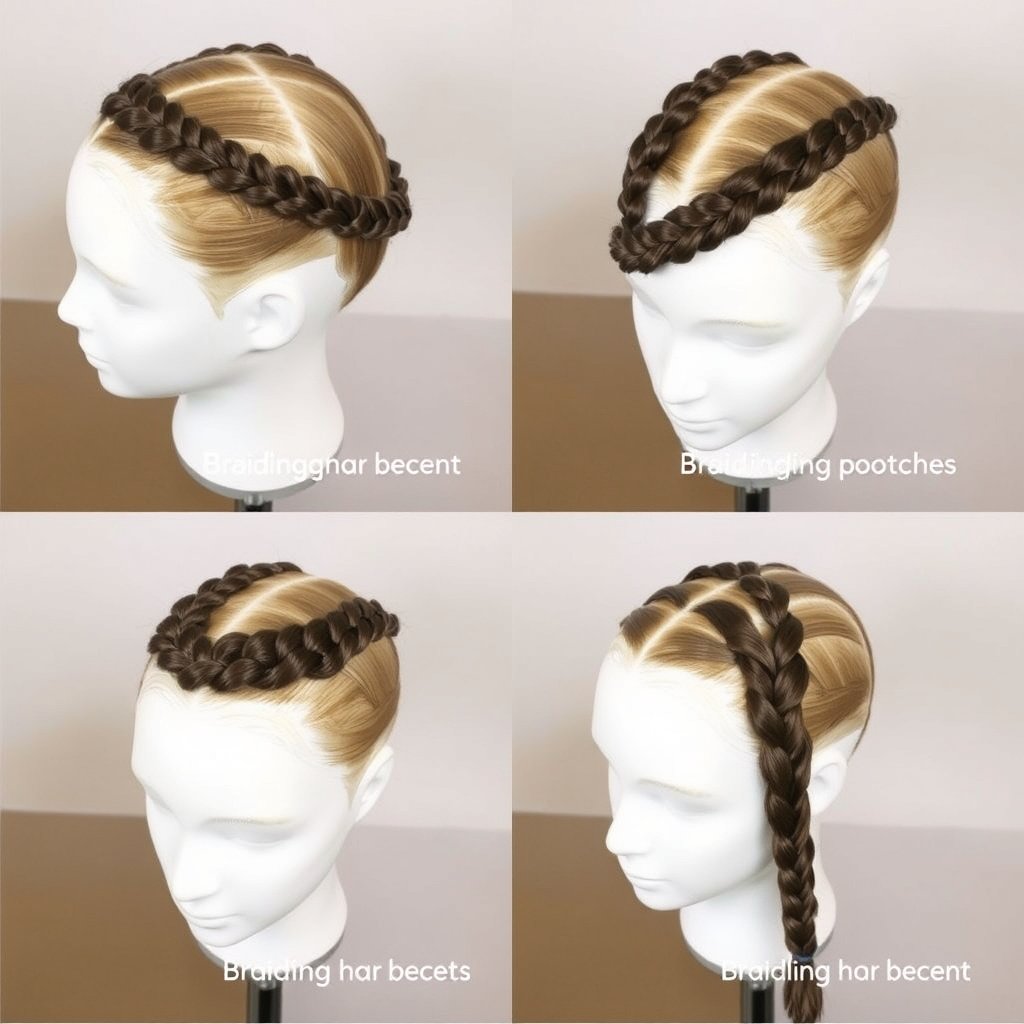
Box Braids: Hair Amount for Typical Sizes
Box braids are among the most popular protective styles. For medium-sized box braids, most stylists recommend 1-2 packs of braiding hair (usually 100g each) for shoulder-length hair, increasing to 3 or more for longer lengths.
Thinner box braids require more packs as individual braids use less hair but more total braids are needed. Hair extension density also varies by brand, so check product weight and length closely.
- Shoulder length: 1-2 packs
- Mid-back length: 2-3 packs
- Waist length: 3-4 packs
Cornrows and Feed-In Braids Hair Requirements
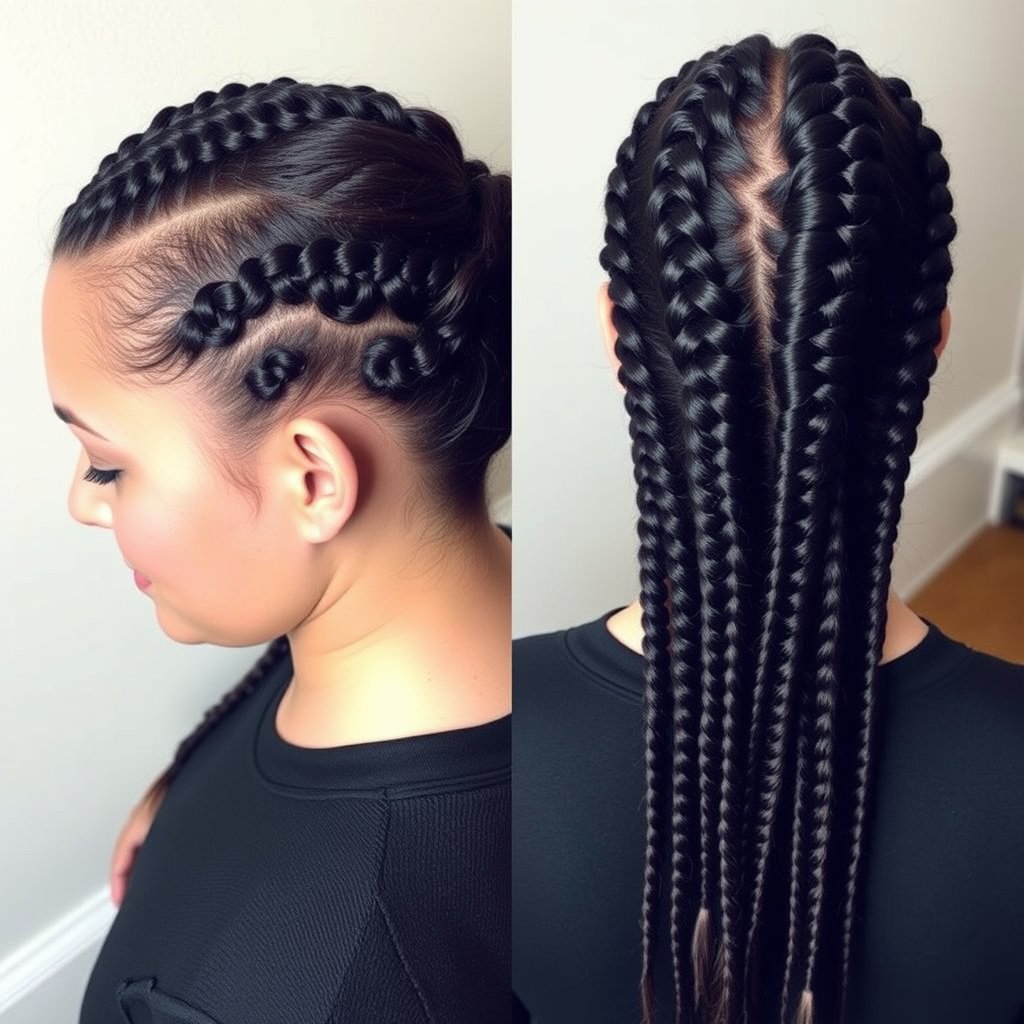
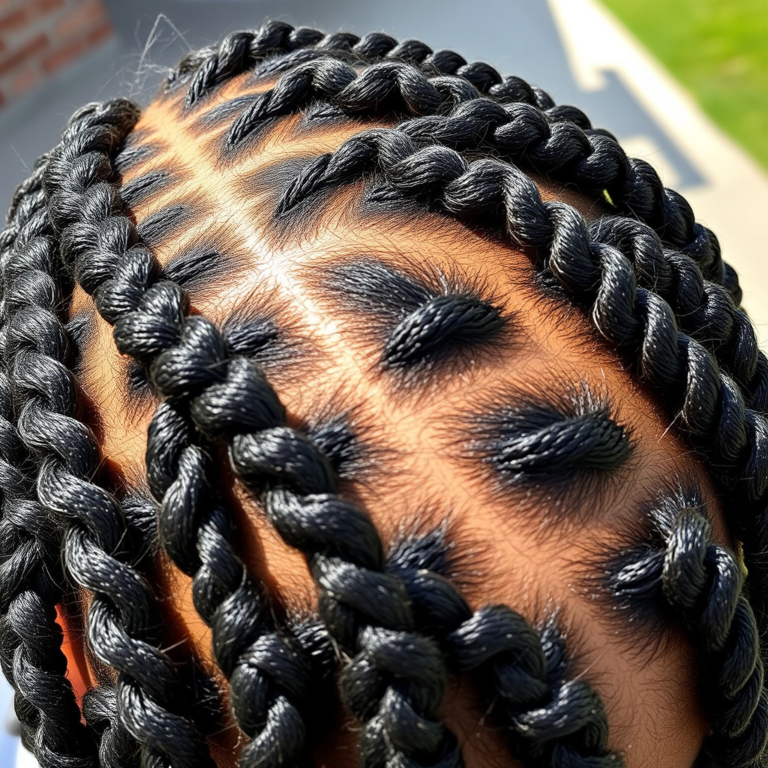
Cornrows typically need less added hair since they follow the scalp closely. Often 1 pack suffices unless you want very long or thick feed-in braids that can need more extension for volume.
Feed-in braids gradually add hair along the braid starting at the root, so planning your starting pack count depends on the desired braid length and volume. Quality synthetic hair blends well with natural hair here.
- Short cornrows: 1 pack or less
- Long feed-in braids: 1-3 packs depending on thickness
- Full scalp cornrows: usually under 2 packs
Calculating Braiding Hair for Length and Fullness
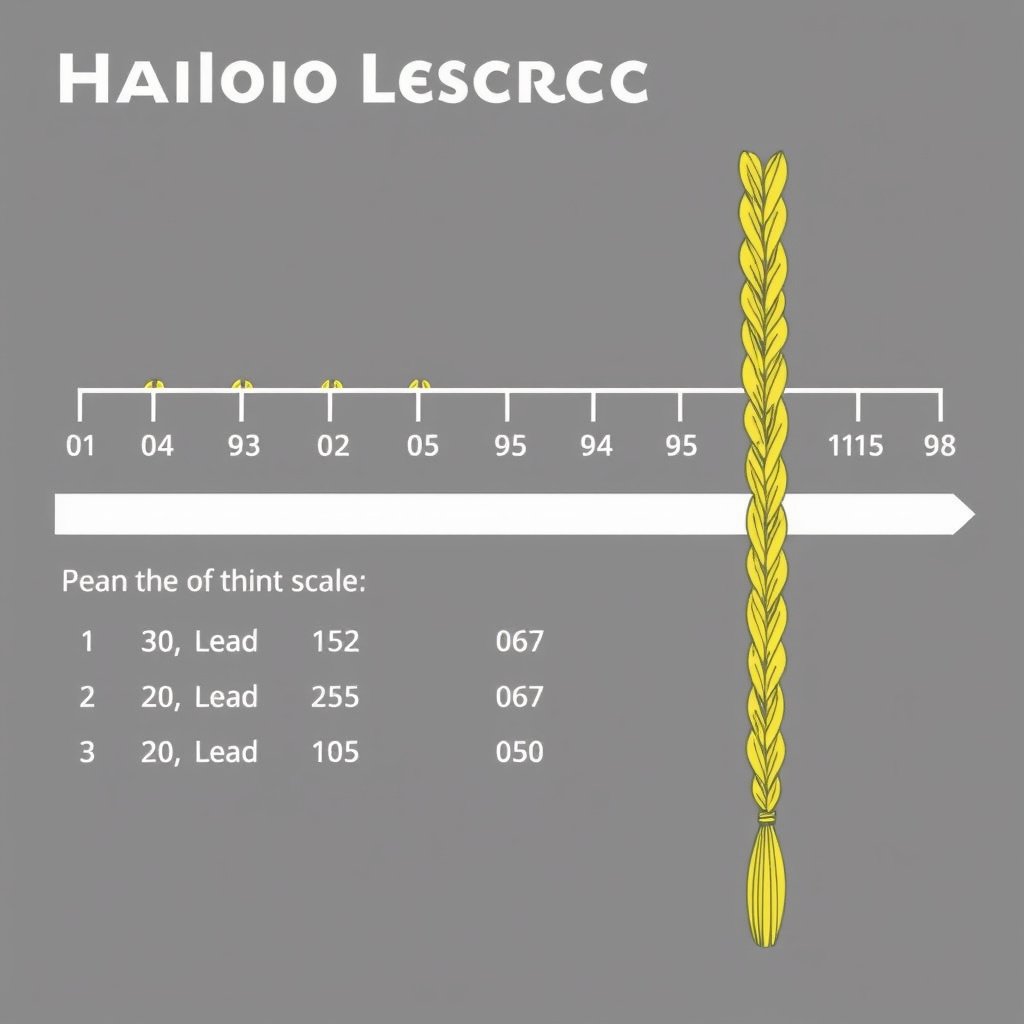
Estimating Hair Amount Based on Braid Length
Braid length heavily influences how much hair you need. For example, a 24-inch braid requires approximately twice as much hair per braid compared to a 12-inch style because each braid is longer.
Multiplying your intended braid length by the number of braids gives a rough total hair length needed. Converting this to weight (grams or ounces) requires product details but generally, 100g packs cover up to 20-24 inch braids in moderate volumes.
Adjusting Hair Quantities for Desired Fullness
Fullness depends on how thick you want each braid and the number of braids overall. Thicker braids need double or more the hair per braid compared to fine braids.
If you prefer denser hair but want thinner braids, increase the total braid count rather than thickness. This approach uses hair more economically but requires more labor.
Braiding Hair Types and Their Impact on Quantity
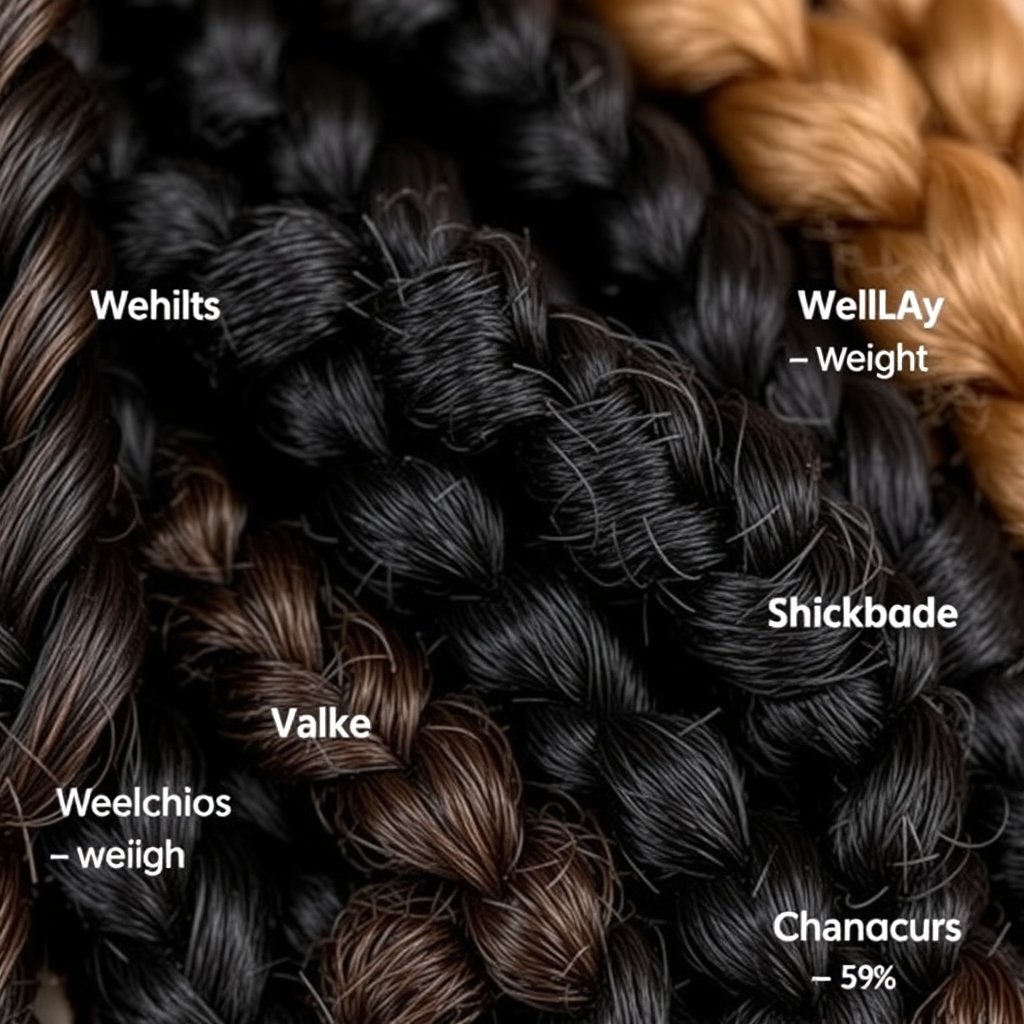
Synthetic Braiding Hair Varieties
Kanekalon is the most common synthetic braiding hair type used for styles due to its durability and natural feel. It usually comes in 100g packs, but density can vary among brands.
High-density synthetic hair packs reduce how many packs you need. Lightweight or airy synthetic strands may require purchasing an additional pack for similar braid thickness.
For more on this, see our related guide: How Long Do Human Hair Wigs Last? Lifespan and Care Tips Explained.
Natural Hair Extensions for Braids
Using human hair for braiding demands a bit more material by weight, as natural hair can be heavier and less uniform in texture. Pack sizes also vary more widely than synthetic hair.
Natural hair blends best but usually costs more. You may need to adjust quantities accordingly, often buying extra to compensate for texture differences and styling shrinkage.
Measuring and Buying Braiding Hair Beforehand
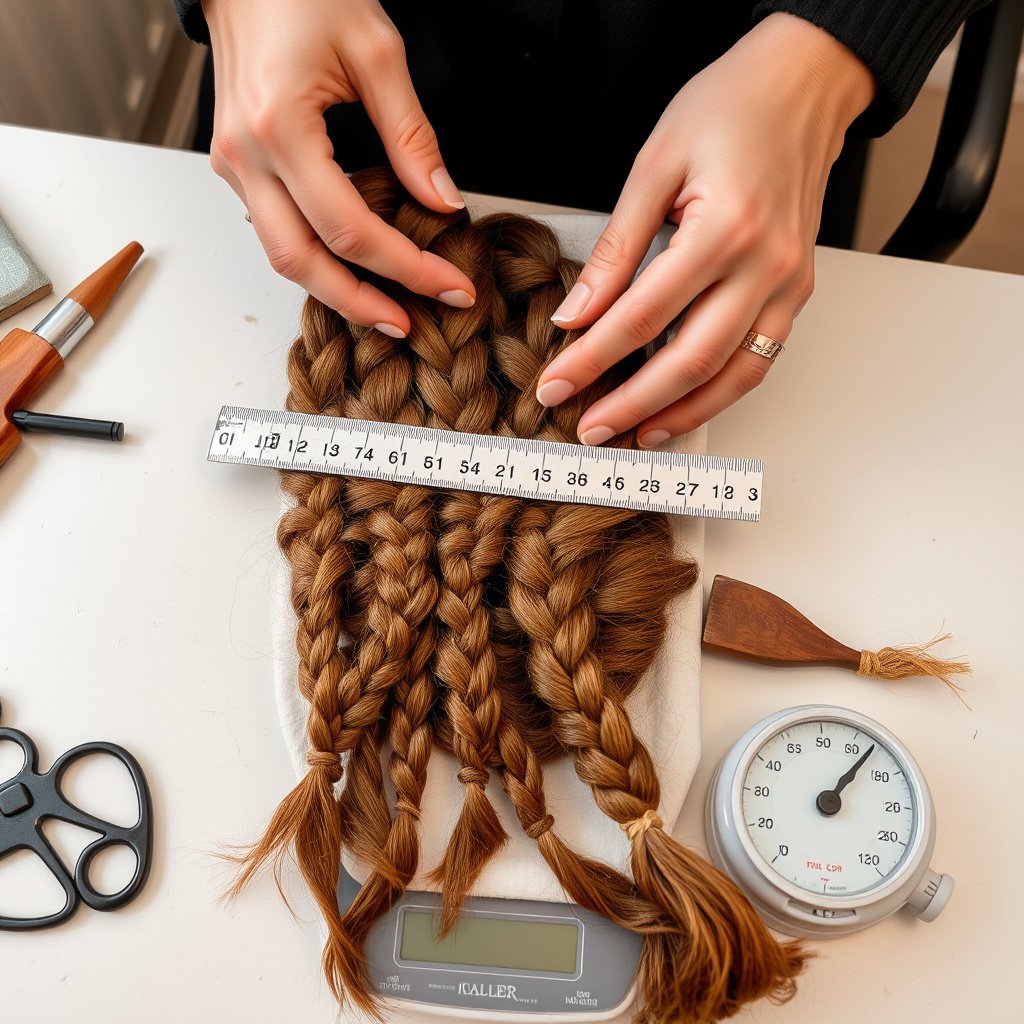
Checking Package Weight and Length Details
Always verify the weight and length on braiding hair packages before purchase. Most common sizes are 100g and range between 18 to 30 inches in length, depending on brand and style.
These specs help estimate how many packs align with your braid length and thickness. Avoid guessing without this info, as it causes miscalculations leading to shortages or excess.
Consulting Your Stylist for Recommendations
An experienced braider can often advise precisely how much hair you need based on the style, thickness, and length desired. This insight helps avoid overbuying or running out mid-session.
If purchasing solo, collecting sample brand info or online reviews can assist with accurate quantity estimates tailored to your hair goals.
Planning for Different Braid Styles and Occasions
Braiding Hair Needs for Protective Styles
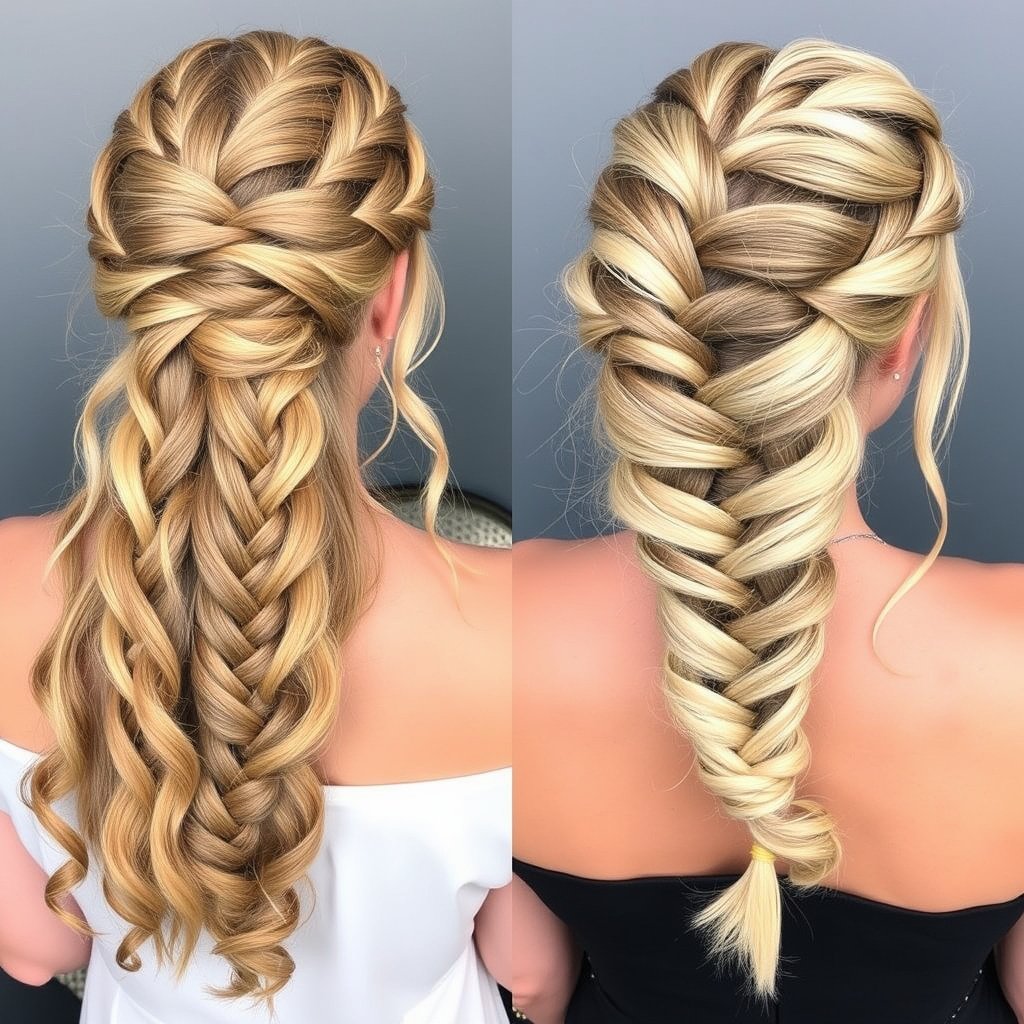
Protective styles like Senegalese twists or faux locs usually require more hair than simple box braids because of their bulk or twisting method. You will likely buy three or more packs for full coverage.
Consider the maintenance period too, as longer-wearing styles benefit from thicker hair, so factor this into pack count when planning long-term protection.
For more on this, see our related guide: Can You Curl a Synthetic Wig? Essential Tips for Styling Synthetic Wigs.
Party and Festival Braid Hair Volume
For short-term styles designed for festivals or parties, slightly less hair is sufficient since the style lifespan is limited. Bulkier or brightly colored hair might need extra packs but often less than durable protective options.
Lighter, colored braids often require two packs max. Add extra if you want more volume or length beyond shoulder level.
Care Tips to Stretch Your Braiding Hair Supply
Proper Installation Techniques
Using tension control reduces breakage and prevents wasting hair from frayed ends during braiding. Accurate strand sectioning optimizes hair use for better quantity management.
Installers who meticulously organize hair bundles and pre-stretch hair reduce the need for extra packs, stretching supplies further.
- Section hair evenly to minimize waste
- Avoid over-tensioning to keep hair intact
For more technical background on braiding and different styles, check braiding hair basics on Wikipedia. braiding hair basics on Wikipedia.
Maintenance for Reusing Leftover Hair
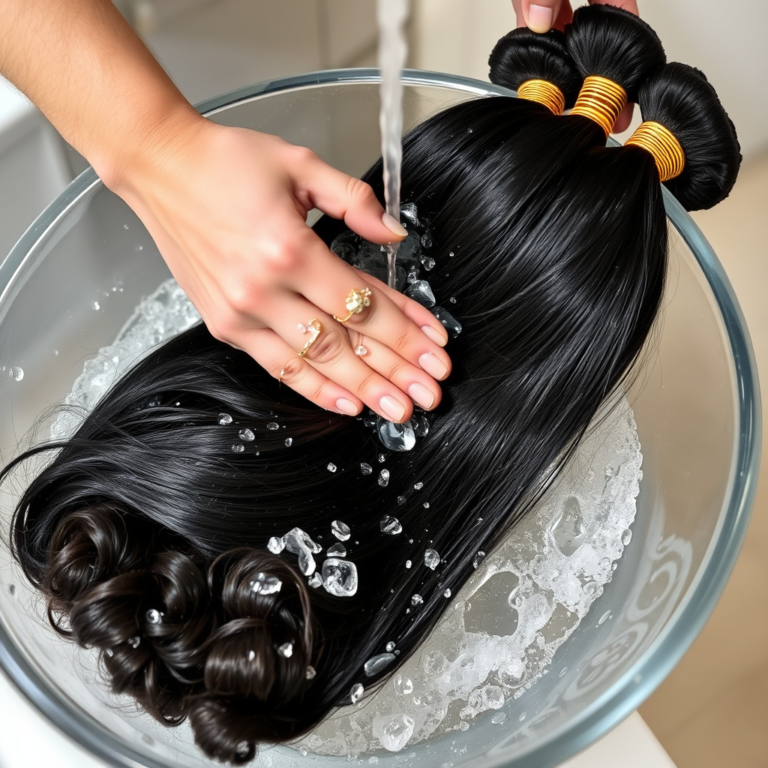
Store unused braiding hair properly in airtight containers or bags to keep it clean and tangle-free for future use. Some synthetic fibers can be gently cleaned and reused several times.
Good hair hygiene and careful removal also preserve extensions, meaning less hair needs to be repurchased over time.
Braiding Hair Amount by Style and Hair Length Comparison
This table compares typical braiding hair pack needs based on style and length to help you estimate before purchase.
| Braid Style | Hair Length | Approximate Packs Needed | Notes |
|---|---|---|---|
| Medium Box Braids | Shoulder Length (12-14 in) | 1-2 | Depends on braid thickness |
| Medium Box Braids | Mid-back Length (20-24 in) | 2-3 | More hair needed for longer braids |
| Cornrows | Short (6-8 in) | 1 or less | Minimal extension required |
| Feed-in Braids | Long (12-18 in) | 1-3 | Varies with fullness |
| Senegalese Twists | Medium to Long | 3+ | Thicker braids use more hair |
| Faux Locs | Medium Length | 3+ | Heavy, bulky styles need extra |
Frequently Asked Questions
How do I know if I bought enough braiding hair?
Start braiding and assess hair used after a few rows; if your braids run out too soon or become thin, you might need an additional pack for fuller coverage.
Can leftover braiding hair be saved for later?
Yes, by storing leftover hair in airtight plastic bags and keeping it away from moisture, you can preserve it for future braided styles.
Does hair texture affect how much braiding hair I need?
Yes, thicker synthetic hair may require fewer packs than finer, lightweight types, and natural hair extensions might weigh differently, affecting the amount needed.
Is it better to buy extra braiding hair in case of shortage?
Buying one extra pack is wise to avoid interruptions, as running out mid-braiding can disrupt the style and requires more expense later.
How long does braiding hair usually last once installed?
Properly installed and maintained braids can last 4 to 8 weeks; durability depends on hair type, styling method, and aftercare.
Key Takeaways
- Braiding hair amount depends on braid style, length, and thickness.
- One to two packs usually suffice for shoulder-length box braids; longer styles need more.
- Synthetic hair types vary in density, affecting pack quantity needed.
- Consult stylists and check product details before purchase for best results.
Conclusion
Determining how much braiding hair is necessary revolves around thoughtful evaluation of your style choice, hair length, and desired braid density. Estimating based on braid dimensions combined with product weight details yields better purchasing decisions, avoiding costly excess or shortages during styling. Paying attention to whether the style is protective, decorative, or short-term helps adjust your expectations accordingly. This methodical approach reduces stress, saves money, and produces a more polished appearance that lasts.
If you plan box braids of medium length, starting with 1-2 packs of good-quality synthetic hair is sensible, gradually increasing the quantity for longer or more voluminous braids. For cornrows or feed-in braids, 1 pack is often adequate unless extending length substantially. Bulkier styles such as Senegalese twists or faux locs typically require 3 or more packs. Texture choice between synthetic or natural hair affects pack weight and volume estimates, so be vigilant about product specifications and seller guidance.
Before purchasing, gathering style references, consulting your hairstylist, and verifying pack dimensions helps you feel confident about your hair amount. Always err slightly on the side of having extra hair if unsure, rather than too little. Proper care during installation and maintenance stretches hair supplies further and enhances braid longevity. With these considerations, your next braiding session will proceed smoothly and satisfy your aesthetic goals.
One Comment