How to Choose a Wig: A Practical Guide for Every Style and Budget
Choosing a wig starts with understanding your needs: the style you want, the level of comfort you require, and your budget. The right wig should complement your facial features, match your lifestyle, and feel natural on your head. Factors like cap construction, hair fiber type, and length play a big role in your satisfaction.
Wigs come in many varieties, from synthetic to human hair, each offering distinct advantages and challenges. Whether you want a quick transformation for an event or a long-term solution for hair loss, knowing the options will make your choice more straightforward. Comfort and ease of maintenance are key to enjoying your wig daily.
This guide will break down the main factors involved in selecting a wig, including material types, cap designs, styling options, and care tips. You’ll also find comparisons between synthetic and human hair wigs and advice tailored to different hair needs and budgets.
Understanding Wig Types and Materials
Synthetic Wigs: Pros and Cons
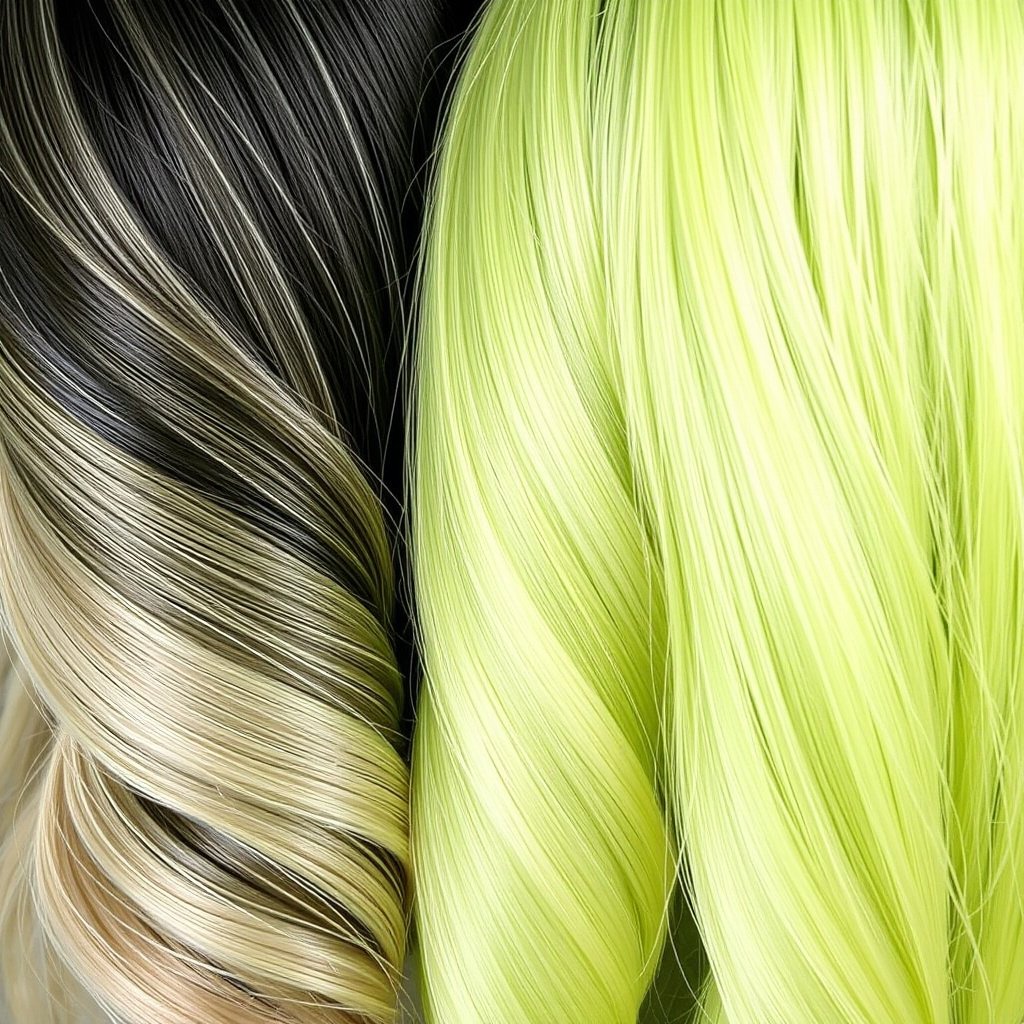
Synthetic wigs are made from man-made fibers designed to imitate natural hair. They often come pre-styled, requiring minimal effort to wear right out of the box. These wigs are generally more affordable and hold their shape even in humid conditions.
However, synthetic wigs have a shorter lifespan compared to human hair, usually lasting a few months with regular use. They cannot be heat styled unless specifically heat-resistant, limiting customization over time.
- Affordable price point
- Low maintenance styling
- Limited heat styling
- Shorter durability
Human Hair Wigs: Benefits and Drawbacks
Human hair wigs offer the most natural look and feel, allowing you to cut, style, and treat them just like your own hair. They provide versatility and longevity, often lasting a year or more with proper care.
The main downside is the higher cost and the need for consistent maintenance, including washing, conditioning, and styling effort. They may also be susceptible to humidity and weather, which can affect the look throughout the day.
- Natural appearance and touch
- Heat styling friendly
- Long-lasting with care
- Higher purchase and upkeep cost
Wig Cap Constructions and Their Features
Lace Front Caps
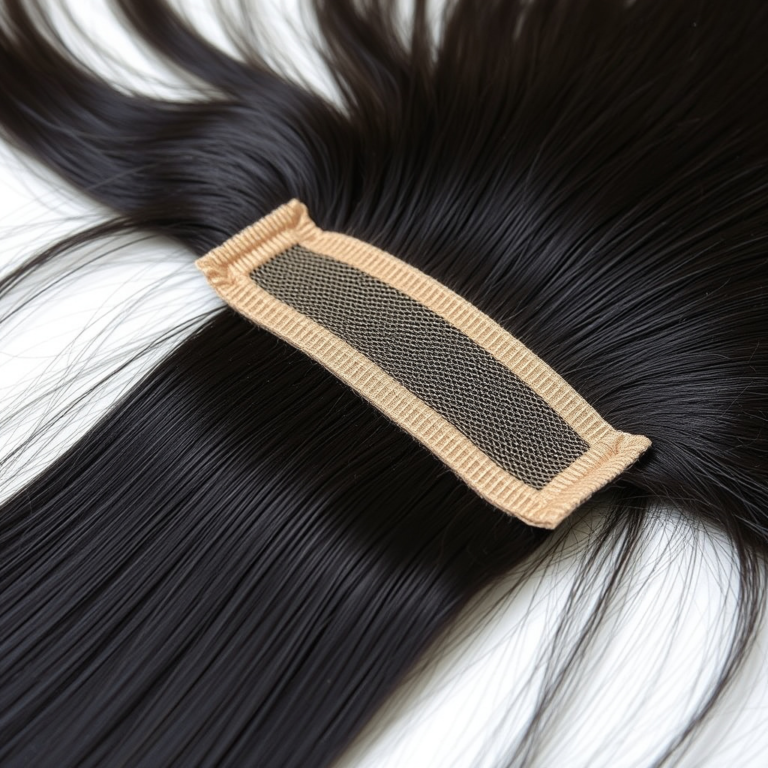
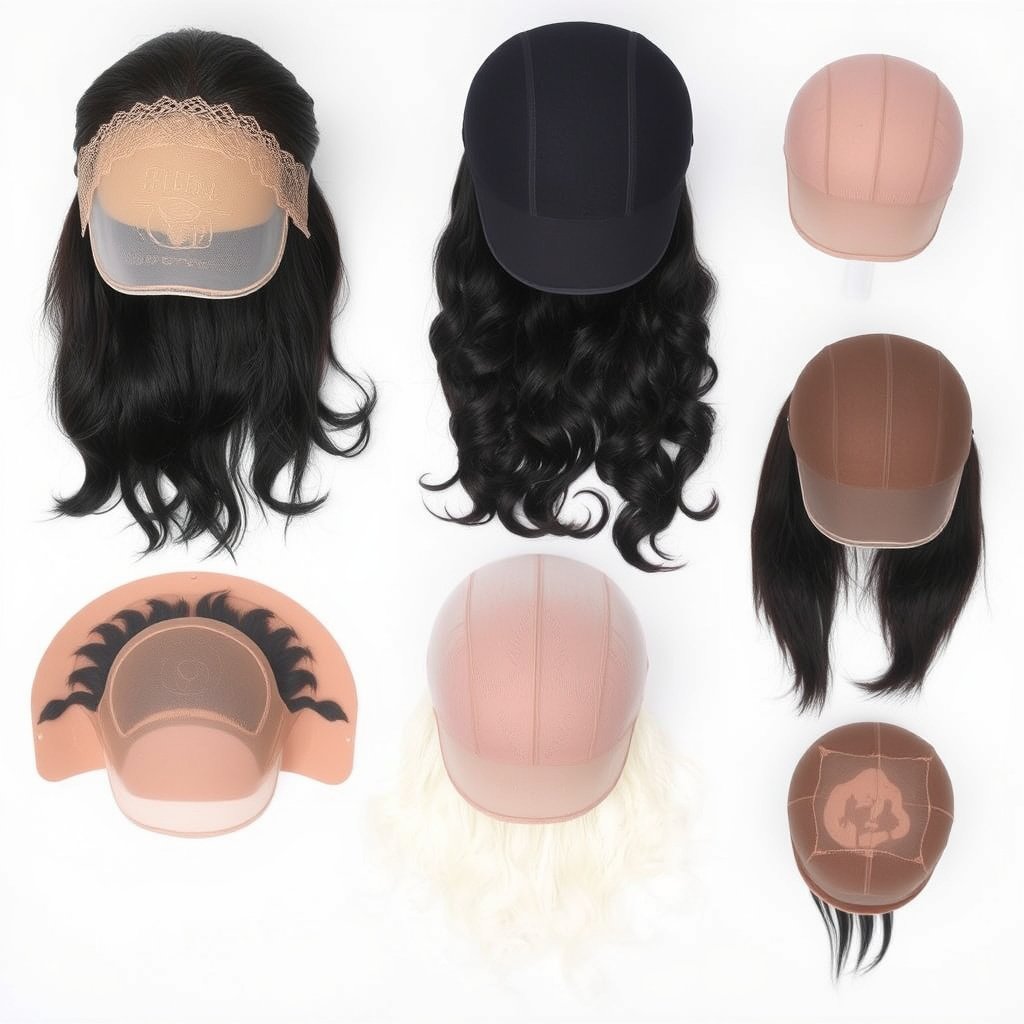
Lace front wigs feature a sheer lace along the hairline that creates a realistic scalp appearance, allowing for versatile styling including off-the-face looks. The lace blends naturally with your skin tone, enhancing the illusion that hair is growing from your scalp.
While lace fronts offer excellent realism, they can be more delicate and require careful handling. They usually come with adjustable straps and combs to secure the fit, making them suitable for everyday wear with proper care.
- Natural hairline look
- Versatile styling options
- Delicate lace material
- Secure fit with straps and combs
Monofilament Caps
Monofilament caps have a fine mesh at the crown or full cap with individual hairs hand-tied to mimic natural hair growth direction. This results in a lightweight feel and allows for multi-directional parting without revealing the wig base.
These caps are especially recommended for those experiencing hair loss or sensitive scalps because they reduce tension and irritation. Monofilament construction combines comfort and realism but tends to be more expensive.
- Natural scalp appearance
- Multi-directional parting
- Lightweight and breathable
- Ideal for sensitive scalps
Selecting a Wig Based on Face Shape and Style
Matching Wig Styles to Face Shapes
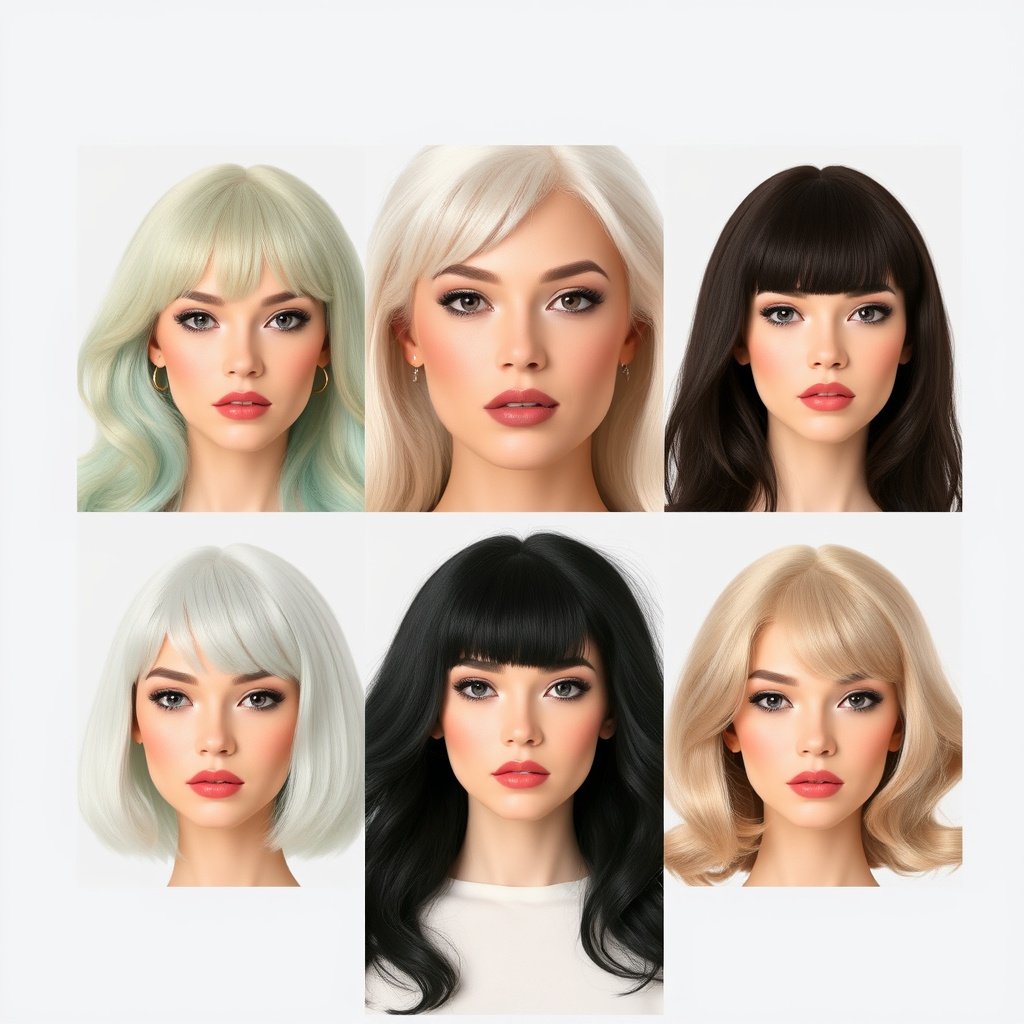
Understanding your face shape helps find a wig style that enhances your features. For example, oval faces suit most styles, while round faces benefit from longer wigs that add length. Heart-shaped faces look great with layered cuts that balance the forehead and chin.
Square faces are softened by curls or waves that frame the jawline, and diamond faces pair well with side parts and volume to widen the forehead and chin areas. Considering these factors leads to a flattering, confident look.
- Oval: versatile for all styles
- Round: elongated hairstyles
- Heart: layered cuts
- Square: soft curls
- Diamond: volume and side parts
For more on this, see our related guide: How to Choose a Wig: A Practical Guide for Every Style and Need.
Choosing Color and Texture
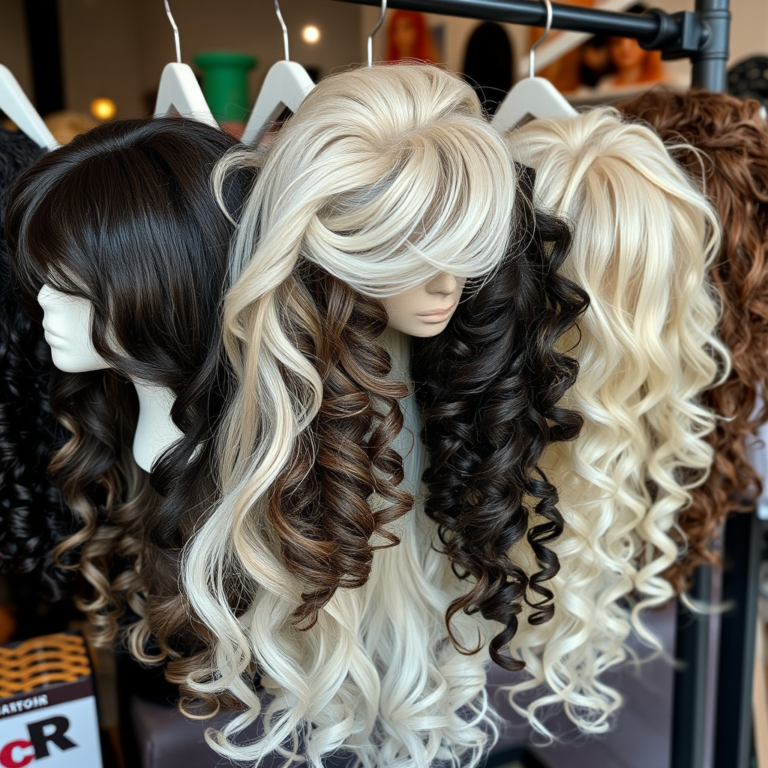
Picking the right color can be as important as the cut. Whether you want to match your natural hue or try something bold, consider your skin tone to avoid clashing shades. Cool tones suit cooler complexions, while warm tones complement warmer skin undertones.
Texture is also key — straight wigs provide a sleek look, while curly or wavy textures add volume and movement. Synthetic wigs often come with fixed textures, whereas human hair wigs offer flexibility to change texture with styling tools.
- Match colors to skin undertones
- Consider natural vs. bold colors
- Texture impacts volume and style
- Synthetic textures usually fixed
Comfort and Fit Considerations
Measuring Your Head for Fit
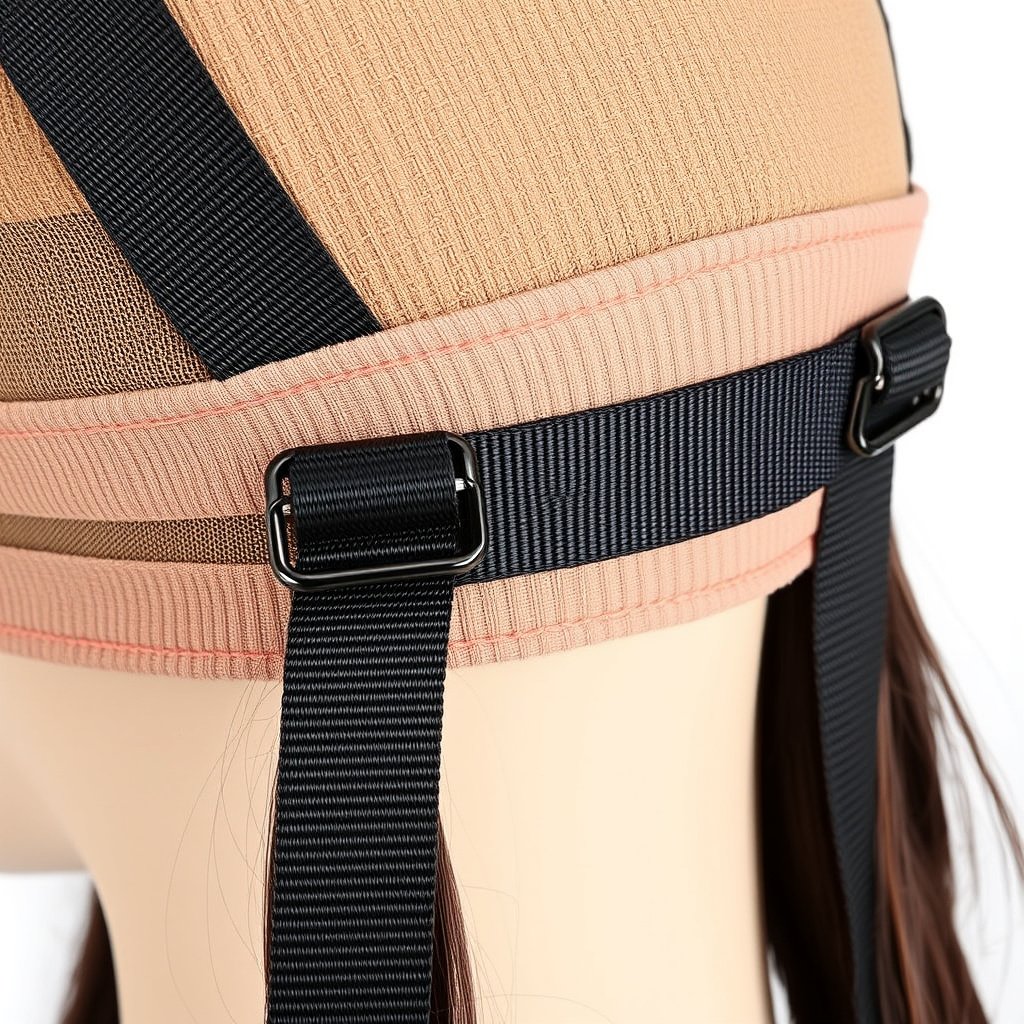
An accurate head measurement ensures your wig fits snugly without discomfort or slipping. Measure around your hairline, above your ears, and at the nape of your neck using a soft tape measure. Most wig manufacturers provide sizing charts to match these measurements to small, medium, or large caps.
A well-fitted wig cap prevents pressure points and avoids shifting during activity, which is crucial if you plan to wear your wig for long periods or in active situations.
Features That Increase Comfort
Look for wig caps made of breathable materials such as monofilament mesh or lace fronts to reduce heat buildup, especially in warm climates or during extended wear. Adjustable straps, elastic bands, and built-in combs add security and allow you to customize the fit.
Lightweight caps reduce fatigue and scalp irritation. For sensitive scalps, soft linings and seam-free construction decrease friction and itching, making the wig more pleasant to wear daily.
- Breathable materials like lace and mesh
- Adjustable straps for secure fit
- Lightweight caps reduce fatigue
- Soft linings minimize irritation
Maintenance and Care Tips for Wig Longevity

Daily and Weekly Care Routines
Keeping your wig clean and well-maintained extends its life. For synthetic wigs, wash after 6-8 wears using a gentle shampoo designed for synthetics. Human hair wigs benefit from more frequent washing depending on use and exposure to styling products.
Brushing with appropriate tools, like wide-tooth combs or wig brushes, prevents tangling without damaging fibers. Always detangle from ends upward to reduce shedding and wear. Store wigs on stands to keep shape and prevent wrinkles.
- Use gentle, wig-specific shampoos
- Wash synthetic wigs less frequently
- Brush with wide-tooth combs
- Store on wig stands
Avoiding Damage and Common Mistakes
Avoid heat styling synthetic wigs unless they are labeled heat resistant to prevent melting or frizz. Human hair wigs should be protected from excessive heat and sunlight to prevent dryness and color fading. Chemicals like hair sprays and gels suitable for natural hair may damage wig fibers.
Improper storage or rough handling can cause fibers to break or tangle extensively. Keeping wigs away from harsh environments and using protective covers during transport helps preserve their condition.
- Do not heat style non-heat resistant synthetics
- Protect human hair wigs from sun damage
- Use wig-friendly styling products
- Store wigs properly to prevent damage
Price Ranges and Budgeting for Your Wig
Budget-Friendly Options
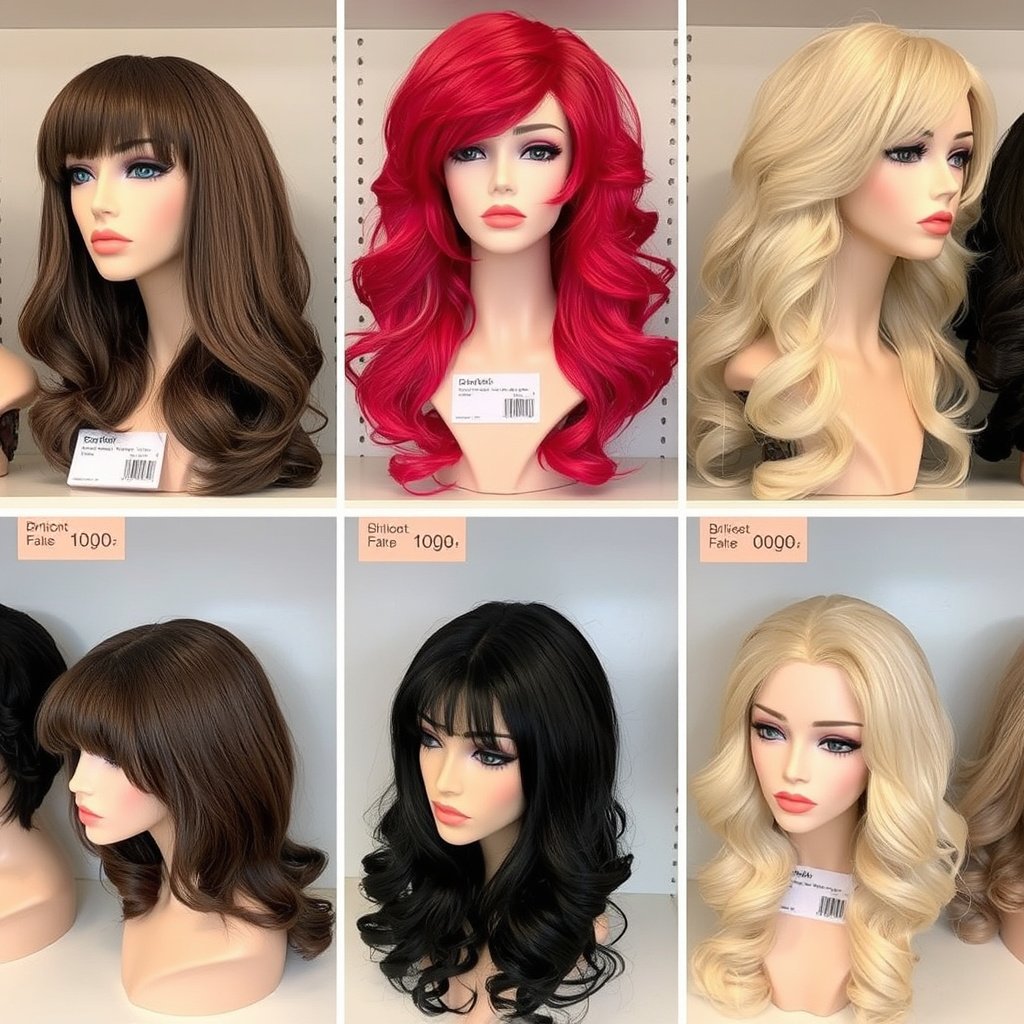
If you’re starting out or need a wig for occasional wear, synthetic wigs offer a low-cost entry point. Prices can range from $30 to $150, offering a variety of stylish options with minimal upkeep. These are ideal for experimenting with looks or short-term needs.
Beware of very low-priced wigs that may use low-quality fibers, which can quickly tangle and look unnatural. Invest in mid-range synthetic wigs for better durability and appearance.
For additional historical and technical background on wigs, refer to the comprehensive Wig article on Wikipedia. Wig on Wikipedia.
Mid-Range and High-End Wigs
Mid-range wigs, typically $150 to $500, often combine better cap construction like lace fronts and higher-quality synthetic fibers or low-grade human hair. High-end human hair wigs, costing $500 and above, provide the most natural look, comfort, and durability, tailored for long-term wear.
Consider your usage frequency and the importance of realism when choosing. Sometimes investing more upfront saves money over time due to longer lifespan and fewer replacements.
Types of Wigs Category Comparison
This table compares key factors between different wig types to help you evaluate which suits your needs best.
| Wig Type | Cost Range | Lifespan | Styling Flexibility | Maintenance Level | Best For |
|---|---|---|---|---|---|
| Synthetic | $30 – $150 | 3-6 months | Limited (usually pre-styled) | Low | Occasional or budget wear |
| Heat-Resistant Synthetic | $80 – $200 | 6-8 months | Moderate (can use low heat tools) | Moderate | Styling options with some heat |
| Human Hair | $200 – $1000+ | 1+ year | High (cut, color, heat style) | High | Everyday wear, natural look |
| Lace Front Synthetic | $100 – $250 | 4-6 months | Moderate | Moderate | Natural hairline, budget conscious |
| Monofilament Human Hair | $400 – $1200 | 1+ year | High | High | Sensitive scalp, high realism |
Frequently Asked Questions
How often should I wash my wig?
Synthetic wigs typically require washing after every 6 to 8 wears, while human hair wigs may need washing every 1 to 2 weeks depending on use and styling products applied.
Can I wear a wig every day?
Yes, many human hair wigs and good-quality synthetic wigs are designed for daily wear. Selecting breathable cap constructions and proper fit improves comfort for everyday use.
Is it possible to style a synthetic wig with heat tools?
Only heat-resistant synthetic wigs can be styled with low-temperature heat tools. Regular synthetic wigs will melt or become damaged if heated.
What is the best way to store a wig when not in use?
Store your wig on a wig stand or mannequin head in a cool, dry place away from direct sunlight to maintain its shape and prevent tangling or fiber damage.
How do I choose the right wig color for my skin tone?
Cool skin tones generally look better with ash or cool-toned colors, while warm tones pair well with golden, rich, or copper shades. Testing colors against your complexion helps find the most flattering match.
Key Takeaways
- Material and cap type determine wig realism, comfort, and lifespan.
- Face shape and skin tone guide flattering wig style and color choices.
- Fit and adjustable features improve comfort for extended wear.
- Regular maintenance extends wig life and preserves appearance.
Conclusion
Choosing the right wig involves balancing several important factors such as material type, cap construction, style, and budget. Understanding the differences between synthetic and human hair wigs, along with various cap designs, allows you to select a wig that meets both your comfort and aesthetic expectations. Taking accurate measurements and considering your face shape can enhance how natural and confident the wig feels. Assessing how often you plan to wear the wig and how much maintenance you're willing to perform will also shape your decision.
If you're looking for a wig that offers convenience and affordability, synthetic wigs, especially heat-resistant varieties or lace front synthetics, can be excellent choices for casual or occasional wear. For those seeking a natural look with long-term investment, human hair wigs and monofilament caps provide versatility and durability. Tailoring your choice to specific lifestyle needs — such as sensitive scalp comfort or styling flexibility — helps narrow down the options to find your best fit. Combining this with color choices that complement your skin tone and face shape will polish your overall appearance.
Start by measuring your head and exploring various styles that interest you, trying samples when possible. Consider purchasing from reputable brands that offer adjustable, breathable wigs with supportive customer service. Once you have your wig, follow care routines tailored to its material and construction to maintain its look and feel over time. With these steps, buying and wearing your wig becomes an enjoyable and confidence-boosting experience.