
How to Choose a Wig: A Practical Guide for Every Style and Need
How to choose a wig depends largely on your intended use, comfort needs, and style preferences. Whether you're wearing a wig daily or only for special occasions, focus on selecting the right material, cap construction, length, and color that best suit your natural features and lifestyle.
Wigs serve different purposes—from fashion statements to hair loss coverage—and understanding these factors helps avoid common pitfalls like discomfort or unnatural appearance. Picking a wig that fits well and matches your skin tone can make a huge difference in confidence and ease while wearing it.
This guide walks through the main wig types, materials, fitting methods, and maintenance tips so you can confidently pick a wig that looks natural and feels comfortable. We'll also cover how to care for your wig to keep it looking its best over time.
Understanding Different Wig Types
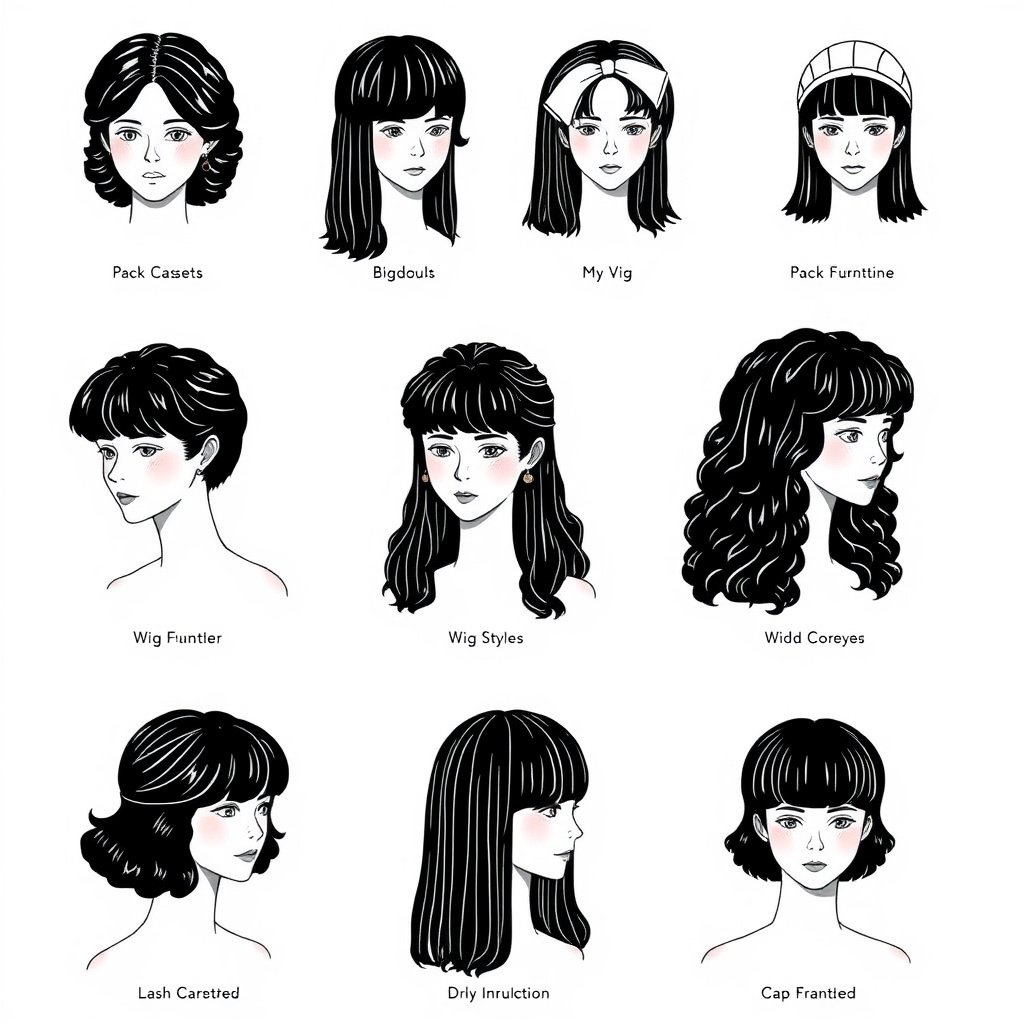
Synthetic vs. Human Hair Wigs
Synthetic wigs are made from man-made fibers and are generally more affordable. They come pre-styled, hold their shape well, and require less maintenance, though they cannot be heat-styled like human hair wigs.
Human hair wigs offer natural texture and styling flexibility because they can be cut, colored, and styled like natural hair. They tend to be more expensive and require more care, but their realistic appearance and durability attract many users.
- Synthetic: Lower cost, low maintenance, limited styling
- Human hair: Natural look, versatile styling, higher maintenance
Lace Front and Monofilament Caps
Lace front wigs feature a delicate lace at the front hairline, creating the illusion of a natural hairline and allowing styling away from the face.
Monofilament caps have a fine mesh base hand-tied with individual hairs, offering a natural scalp look and multi-directional styling, ideal for frequent wearers seeking realism.
- Lace front: Natural hairline, easy styling
- Monofilament: Scalp-like appearance, versatile parting
Selecting the Right Fit and Comfort

Measuring Your Head for Accurate Sizing
Proper wig fit starts with accurate head measurements. Use a soft measuring tape to record your head circumference, front hairline to nape, ear to ear over the top, and temple to temple around the back.
Most wigs come in standard sizes like petite, average, and large, but knowing your exact measurements helps narrow down options and ensures comfortable, secure wear without slipping or pressure.
- Use soft tape measure
- Take multiple measurements (circumference, ear to ear, front to nape)
Comfort Features to Consider
Look for adjustable straps and breathable materials to enhance comfort during extended wear. Wig caps made with lightweight lace or mesh can reduce heat buildup and itching sensations on the scalp.
For sensitive scalps or medical hair loss, wigs with softer bases or silk linings provide gentler contact. Ventilation holes and flexible bands also improve airflow and fit.
- Adjustable straps for secure fit
- Breathable cap materials to prevent heat
- Soft linings for sensitive scalps
Choosing the Best Style and Color
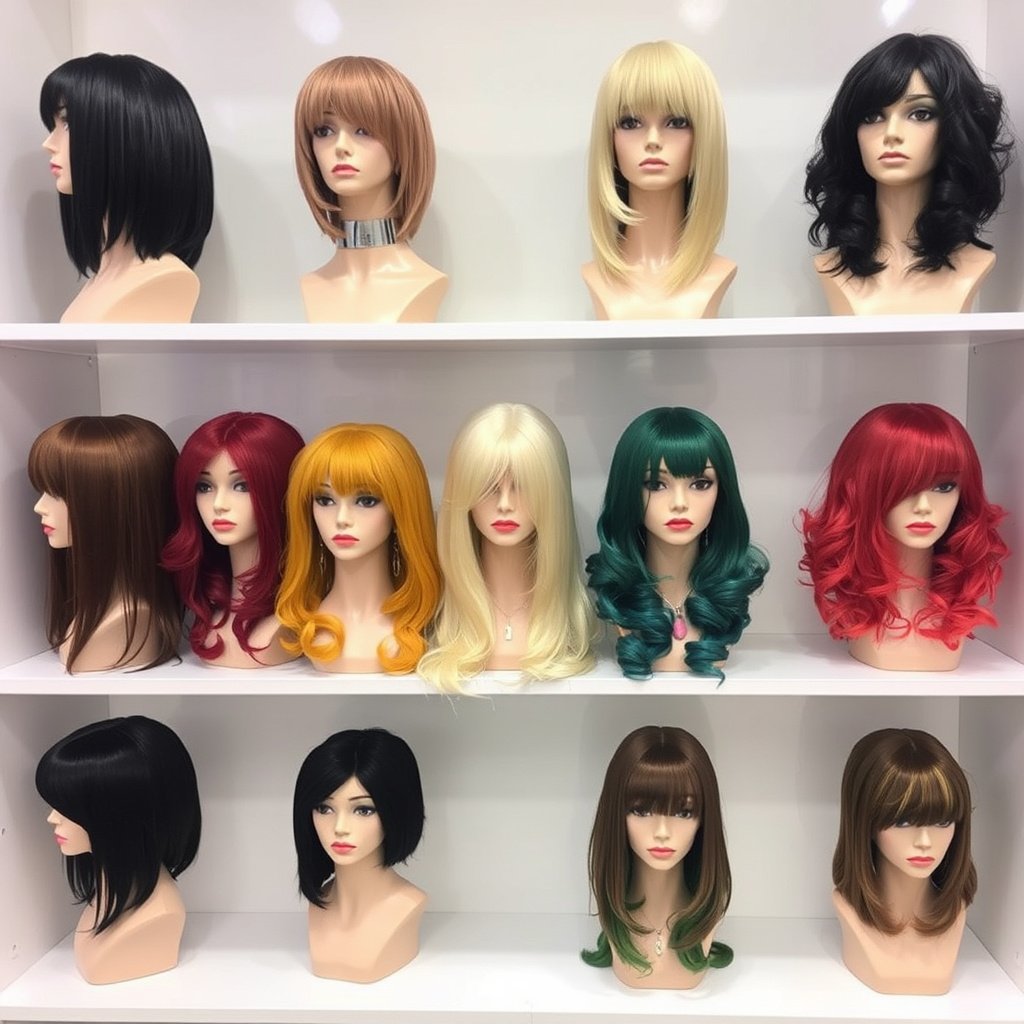
Selecting a Style that Matches Your Face Shape
Certain wig cuts flatter specific face shapes—round faces benefit from longer layers, oval faces can wear most styles, and square faces look great with waves or curls that soften angles.
Consider your lifestyle and maintenance preferences when choosing length and texture, as longer wigs may require more upkeep.
- Match style to face shape
- Balance desired maintenance with practical wear
Color Choices for a Natural Look
Choose wig colors close to your natural hair color or skin tone for the most natural effect. Balayage or highlights in synthetic wigs can sometimes appear artificial due to fiber limitations.
Human hair wigs provide easier color customization, but pre-colored options now include realistic shades across multiple skin tones. Testing shades in natural light before purchasing helps avoid disappointment.
- Opt for colors near natural hair or skin tone
- Consider lighting when evaluating wig color
Maintaining Your Wig for Longevity
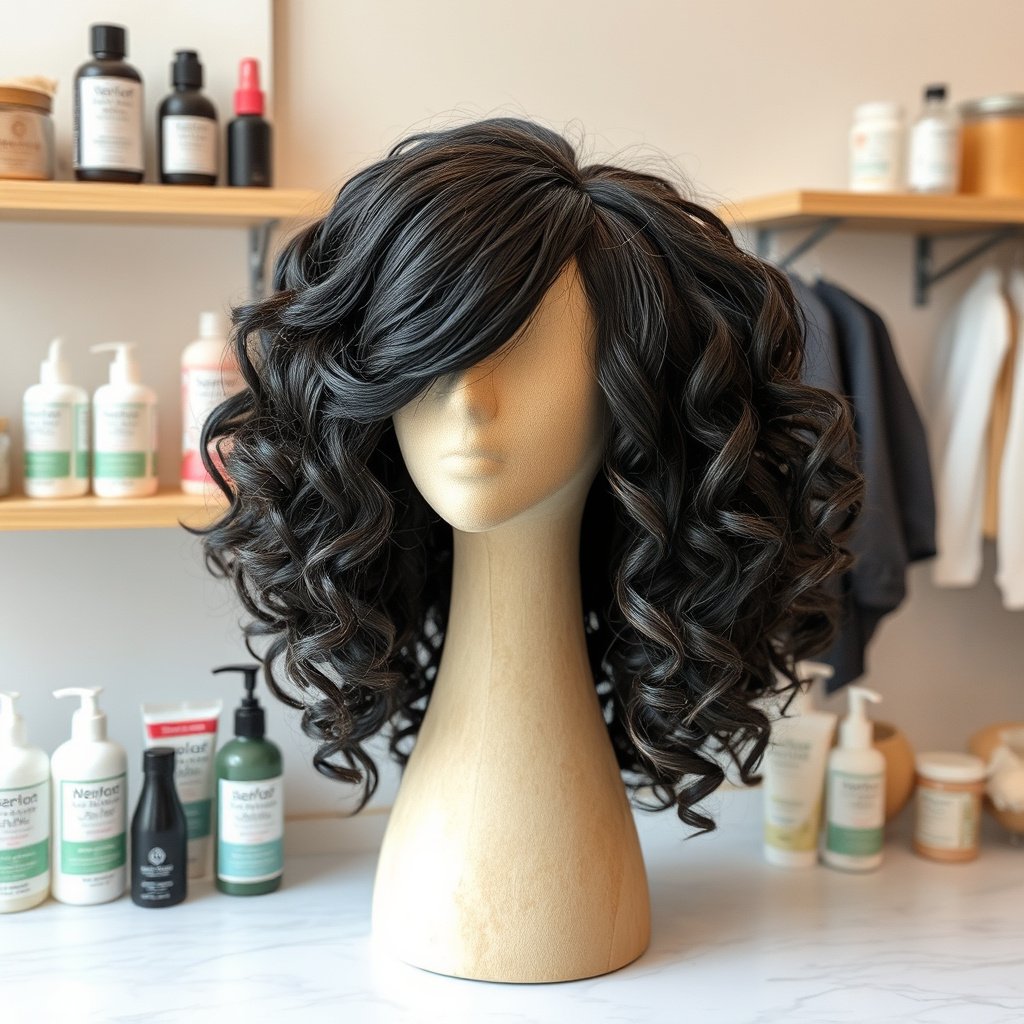
Washing and Conditioning Tips
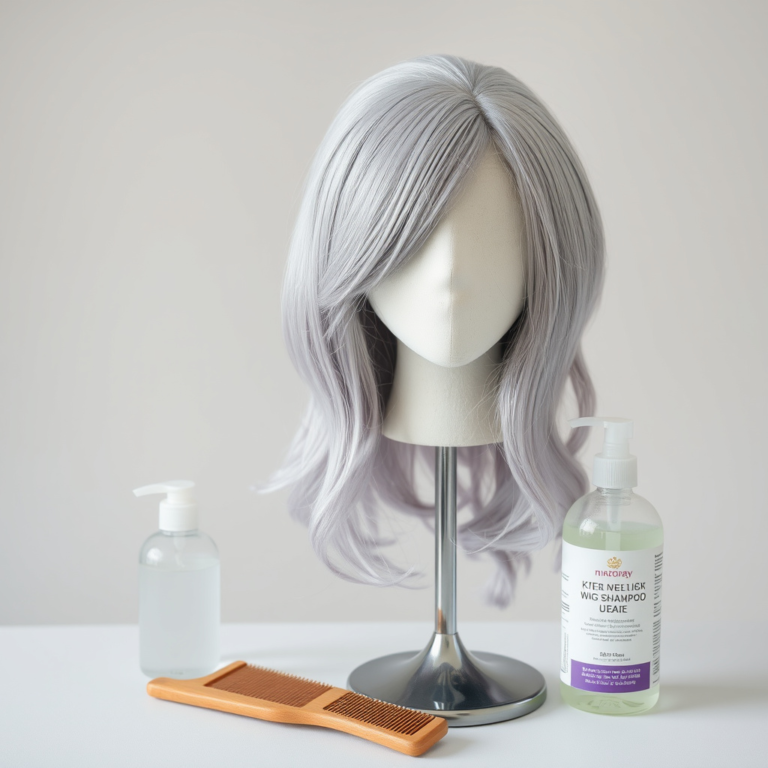
Follow manufacturer instructions to wash synthetic or human hair wigs gently with products formulated for wigs. Avoid hot water and rough handling to prevent tangling and fiber damage.
Condition human hair wigs regularly to keep strands soft, while synthetic wigs usually require less frequent conditioning to maintain shape.
- Use wig-specific shampoos and conditioners
- Avoid heat on synthetic wigs
- Dry wig on a stand to maintain shape
Storage and Styling Practices
Store wigs on stands or mannequin heads to maintain their shape and reduce tangles. Keep them away from direct sunlight and dust to prolong color vibrancy and material endurance.
Use specialized wig styling tools, avoiding brushes and combs that can damage fibers, especially on synthetic wigs.
- Store on wig stands out of direct sunlight
- Use wide-tooth combs or wig brushes
- Avoid excessive heat on synthetic fibers
Wigs for Specific Needs and Occasions

Wigs for Medical Hair Loss
Patients undergoing chemotherapy or experiencing alopecia require wigs with gentle caps, hypoallergenic materials, and secure fit features for sensitive scalps.
Lightweight and breathable wig designs can improve comfort, while human hair options allow users to style as they wish during treatment.
- Hypoallergenic materials
- Soft caps for sensitive skin
- Secure fit options
Fashion and Costume Wigs
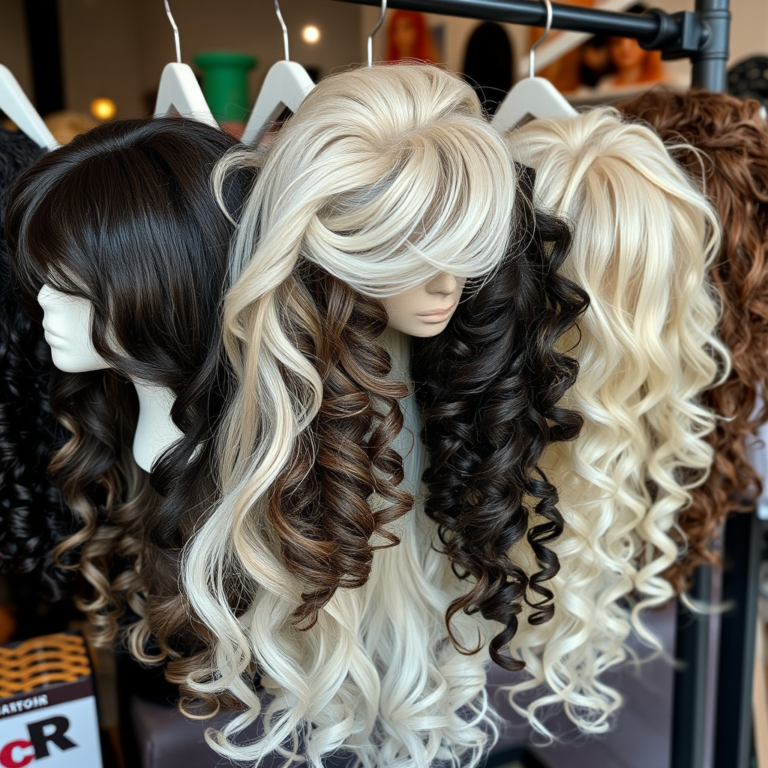
Fashion wigs focus on trend-driven colors and experimental styles like bright hues or dramatic cuts. Synthetic fibers are common here due to affordability and easy maintenance.
Costume wigs prioritize fun and statement over long-term durability, so lighter wear and creative textures are common.
- Bold colors and styles
- Synthetic fibers preferred for cost
- Short-term wear durability
Cost and Budgeting for Your Wig Purchase

Understanding Wig Price Ranges
Synthetic wigs typically cost between $50 to $300 depending on fiber quality and cap construction, while human hair wigs can range from $200 up to several thousand dollars based on hair origin, density, and customization.
Higher price often correlates with durability, naturalness, and styling flexibility, but budget-friendly options exist with quality synthetic wigs offering good appearance for casual use.
- Synthetic: $50-$300
- Human hair: $200-$3000+
For more detailed background on wig history and types, see the wig article on Wikipedia. Wig article on Wikipedia.
Budget Tips Without Sacrificing Quality
Buy from reputable retailers or salons to avoid cheaply made wigs that wear out quickly. Reading reviews and trying on samples can help ensure you get value for your investment.
Consider starting with a synthetic wig if new to wearing wigs, then upgrading to human hair if you want more styling options later.
- Shop at trusted sellers
- Test wigs before buying
- Start synthetic for beginners
Wig Types Category Comparison
Here's a comparison of popular wig types with features that impact wearability, styling, and cost.
| Wig Type | Cost | Maintenance | Styling Flexibility | Longevity |
|---|---|---|---|---|
| Synthetic Wig | $50-$300 | Low | Limited – no heat styling | 6-12 months |
| Human Hair Wig | $200-$3000+ | High | High – can heat style | 1-3 years |
| Lace Front Wig | $100-$500 | Medium | Medium – flexible hairline | 6-18 months |
| Monofilament Wig | $150-$800 | Medium-High | High – natural scalp look | 1-2 years |
Frequently Asked Questions
How often should I wash my wig?
Wash synthetic wigs every 6-8 wears and human hair wigs every 10-15 wears or when product buildup is noticeable. Use wig-specific shampoos and cool water to maintain fiber quality.
Can I color a synthetic wig?
Synthetic wigs cannot be colored with regular hair dye because their fibers do not absorb chemicals like natural hair. Changing color requires purchasing a new synthetic wig in the desired shade.
Are wigs uncomfortable to wear all day?
Comfort depends on quality, fit, and cap construction. Lightweight, breathable caps and adjustable straps help reduce discomfort, making many wigs suitable for all-day wear when chosen carefully.
What is the best wig for everyday wear?
A human hair wig or a high-quality synthetic wig with monofilament or lace front caps offers natural appearance and comfort, making them ideal choices for daily use.
How do I prevent a wig from slipping?
Use adjustable straps, wig grips, or adhesive tapes designed for wigs. Proper sizing and cap fitting are critical to keeping the wig securely in place throughout the day.
Key Takeaways
- Choose wig material and cap type based on use and styling needs
- Accurate sizing ensures comfort and secure fit
- Match wig style and color to face shape and skin tone
- Proper maintenance extends wig lifespan and appearance
Conclusion
Deciding how to choose a wig starts with understanding your personal requirements: how often you will wear it, your typical activities, and your desired look. Considering these factors alongside wig material, cap construction, and fit leads to a smart purchase that balances comfort and natural appearance. Taking time to measure your head and try on different styles can save frustration and expense later.
For everyday wear, high-quality synthetic wigs or human hair wigs with lace front or monofilament caps provide the best combination of life-like styling and comfort. Medical users may prioritize gentle soft caps and breathable materials, while fashion enthusiasts might opt for bold colors in synthetic fibers. Knowing your priorities helps narrow down choices effectively.
Once you select a wig that suits your needs, follow proper cleaning and storage practices to maintain its look and durability. If you’re new to wearing wigs, starting with a synthetic wig can be a practical introduction before investing in pricier human hair units. Ultimately, patiently assessing options and choosing based on accurate measurements and personal style will lead to the perfect wig experience.

One Comment