
How Long Do Human Hair Extensions Last? A Complete Guide
Human hair extensions typically last anywhere from 3 to 6 months when properly maintained, though some premium types can last up to a year. Their lifespan depends largely on the quality of the hair, the method of application, and how well you care for them. Knowing the expected duration helps you plan your investment accordingly.
Because extensions are worn daily, they face exposure to heat, styling products, and environmental factors that can wear them down. Choosing high-quality human hair and adapting your hair care routine to protect the extensions contributes significantly to longer-lasting results that keep your hair looking natural and full over time.
This article covers the key factors influencing how long human hair extensions last, details various extension types and their durability, shares care tips to prolong lifespan, and compares popular methods so you can make an informed decision about the best option for your lifestyle.
Types of Human Hair Extensions and Their Lifespan
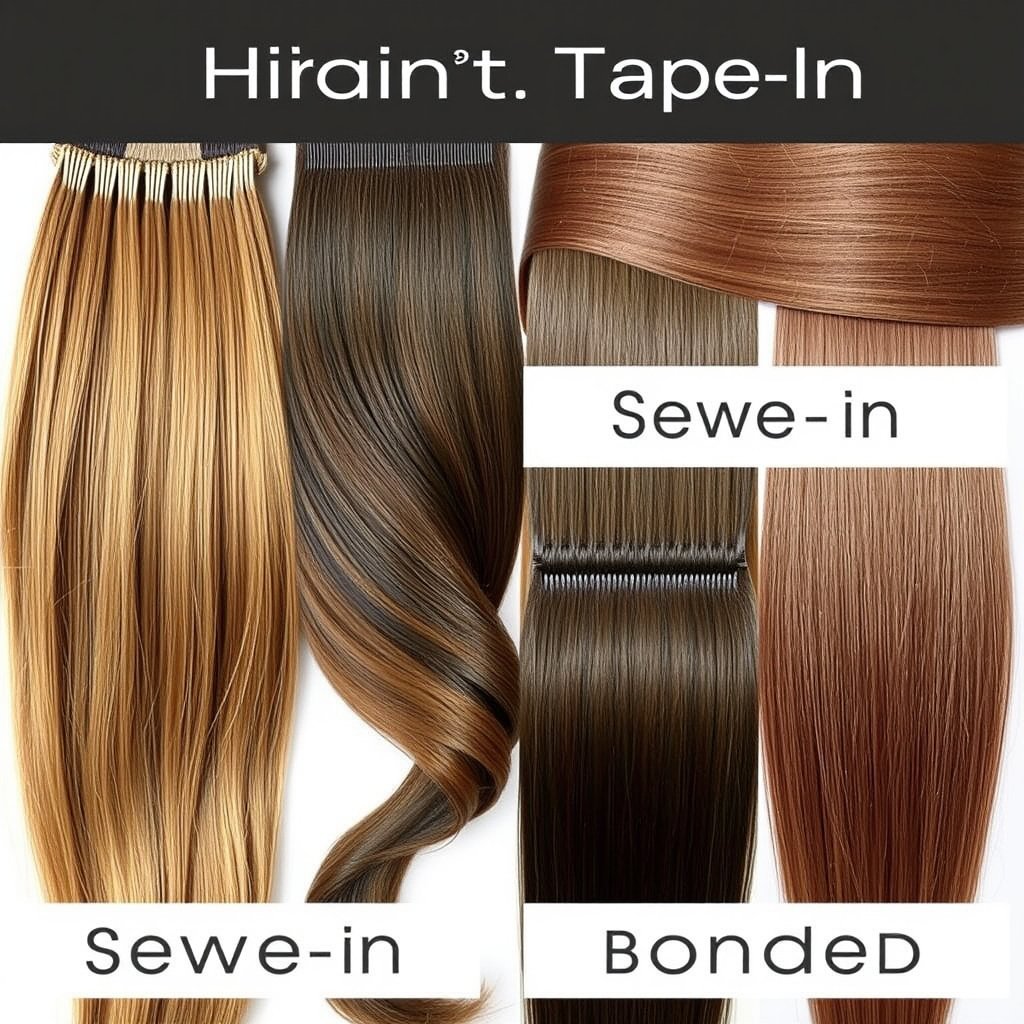
Clip-in Extensions Longevity
Clip-in extensions are temporary and can last from 3 to 6 months as they are reused multiple times. Since they are removed daily, they experience less wear from constant scalp contact but may suffer damage from repeated clipping and styling.
Proper storage and gentle handling extend their lifespan. They are ideal for those seeking short-term changes without commitment.
- Reusable up to 6 months with care
- Less damage due to daily removal
- Ideal for special occasions
Tape-in and Sew-in Extensions Lifespan
Tape-in extensions typically last 6 to 8 weeks before needing reapplication, but the hair itself can be reused several times with breaks between applications.
Sew-in or weave extensions remain intact for 6 to 12 weeks, depending on natural hair growth and scalp condition. They are semi-permanent options ideal for longer-term wear but require professional installation.
- Tape-in: lasts 6-8 weeks per application
- Sew-in: stays in place 6-12 weeks
- Hair can be reused with proper resting
Factors Affecting How Long Human Hair Extensions Last
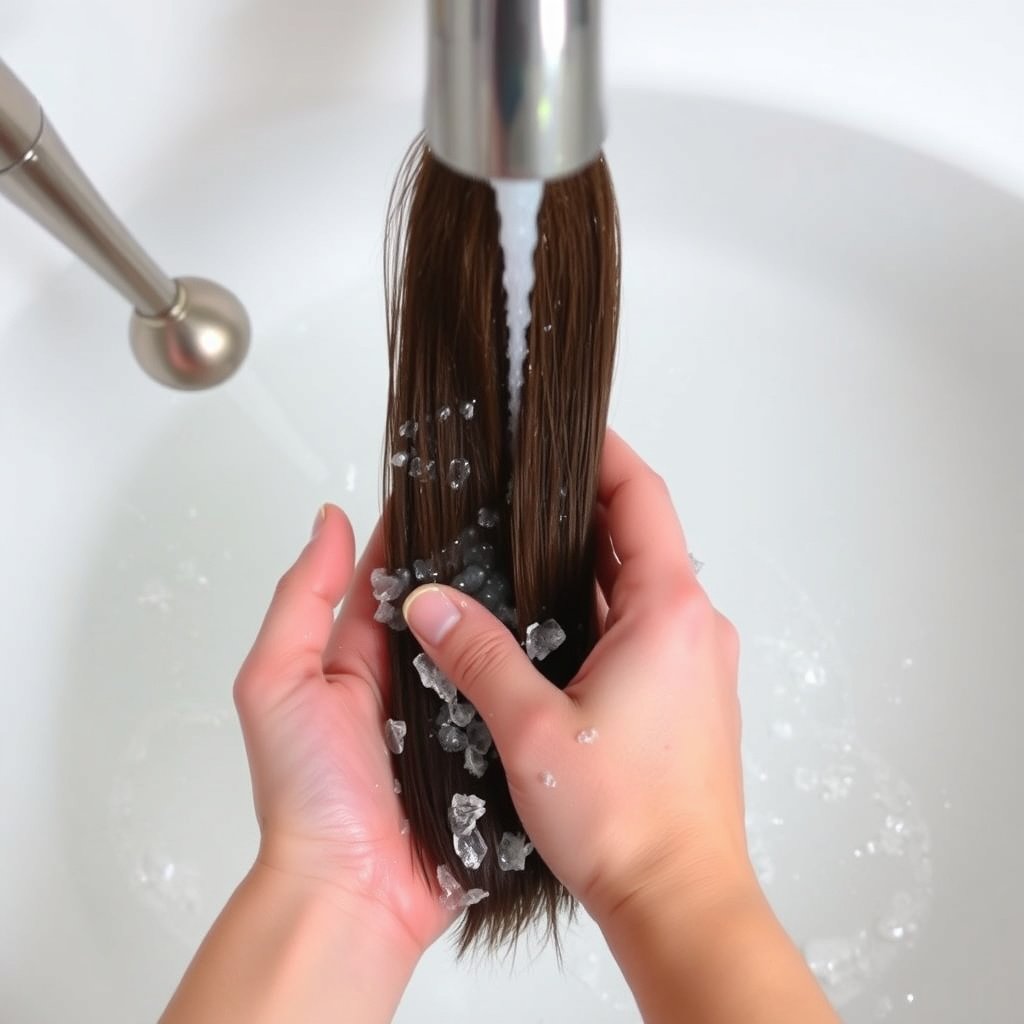
Quality of Hair and Processing
Remy human hair, which retains the cuticles aligned in one direction, lasts longer and looks more natural compared to non-Remy hair. Extensions that are minimally processed with gentle coloring or no chemical treatments tend to maintain integrity and shine longer.
Overprocessed or synthetic mixed hair is more prone to tangling and damage, shortening lifespan. Investing in higher quality human hair reduces replacement frequency.
- Remy hair extends longevity
- Minimal chemical treatments help
- Avoid mixed synthetic blends
Installation Method and Its Impact
Some installation methods cause more tension on natural hair, such as bonded or glued extensions, increasing breakage risk and reducing how long extensions stay healthy.
Less invasive methods like clip-ins and tape-ins distribute weight evenly, minimizing damage and extending the wearable period of the extensions.
- Avoid excessive tension causing damage
- Choose methods that suit hair type
- Professional installation improves longevity
How to Care for Human Hair Extensions to Prolong Lifespan
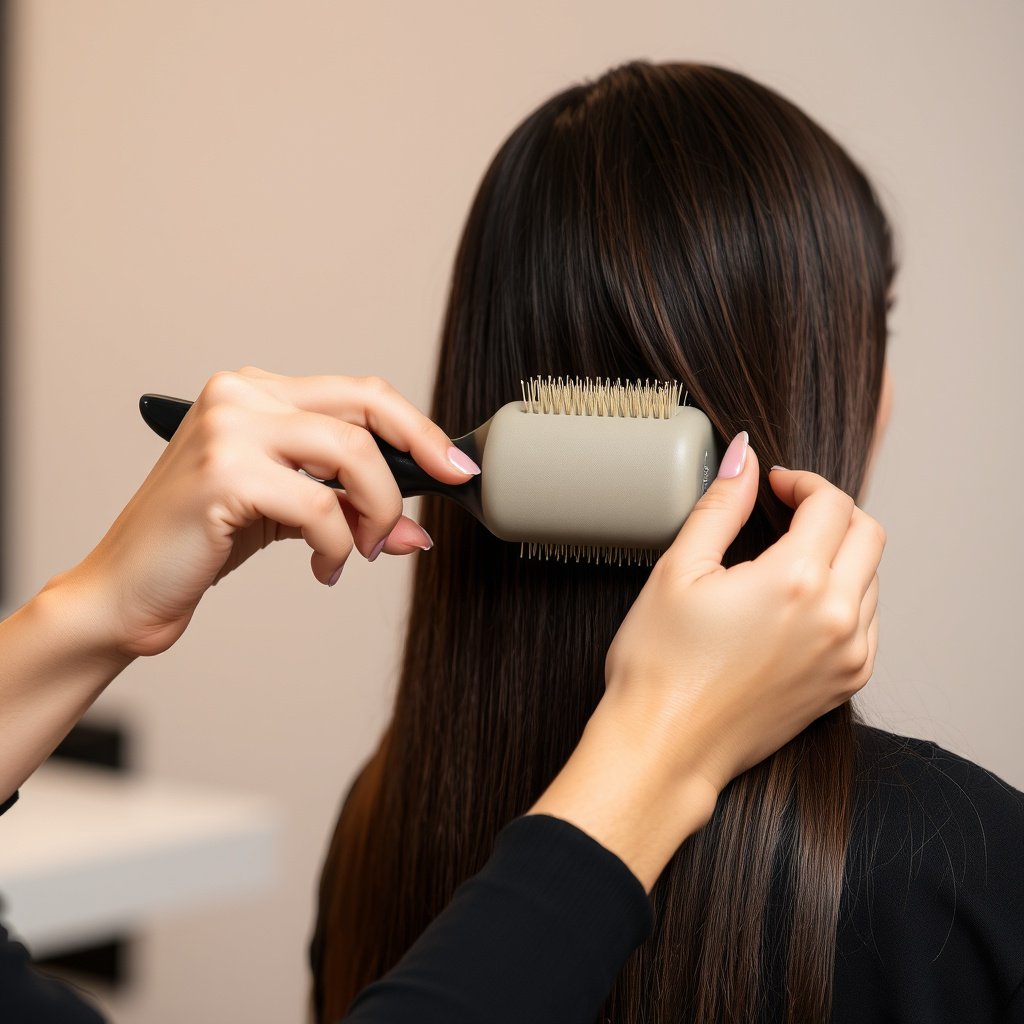
Daily and Weekly Care Practices
Regular brushing with a wide-tooth comb or an extension-specific brush prevents tangling without pulling. Washing extensions 1-2 times per week using sulfate-free, gentle shampoos preserves natural oils and prevents drying.
Avoid excessive heat styling and always use heat protectants to reduce damage. Sleeping on a silk pillowcase or braiding hair can prevent tangling overnight.
- Brush gently daily
- Use sulfate-free shampoo weekly
- Minimize heat styling
- Protect hair when sleeping
For more on this, see our related guide: How to Care for Human Hair Bundles: A Practical Guide.
Avoiding Common Damage Traps
Swimming in chlorinated or saltwater without protection can severely dry out extensions. Applying leave-in conditioners before exposure helps maintain moisture.
Avoid using heavy oils or products near roots to prevent slippage in tape-in or bonded extensions, which can shorten their wearing time.
- Protect hair before swimming
- Avoid heavy products near bonds
- Regular moisturizing treatments
Choosing the Right Human Hair Extensions for Your Needs
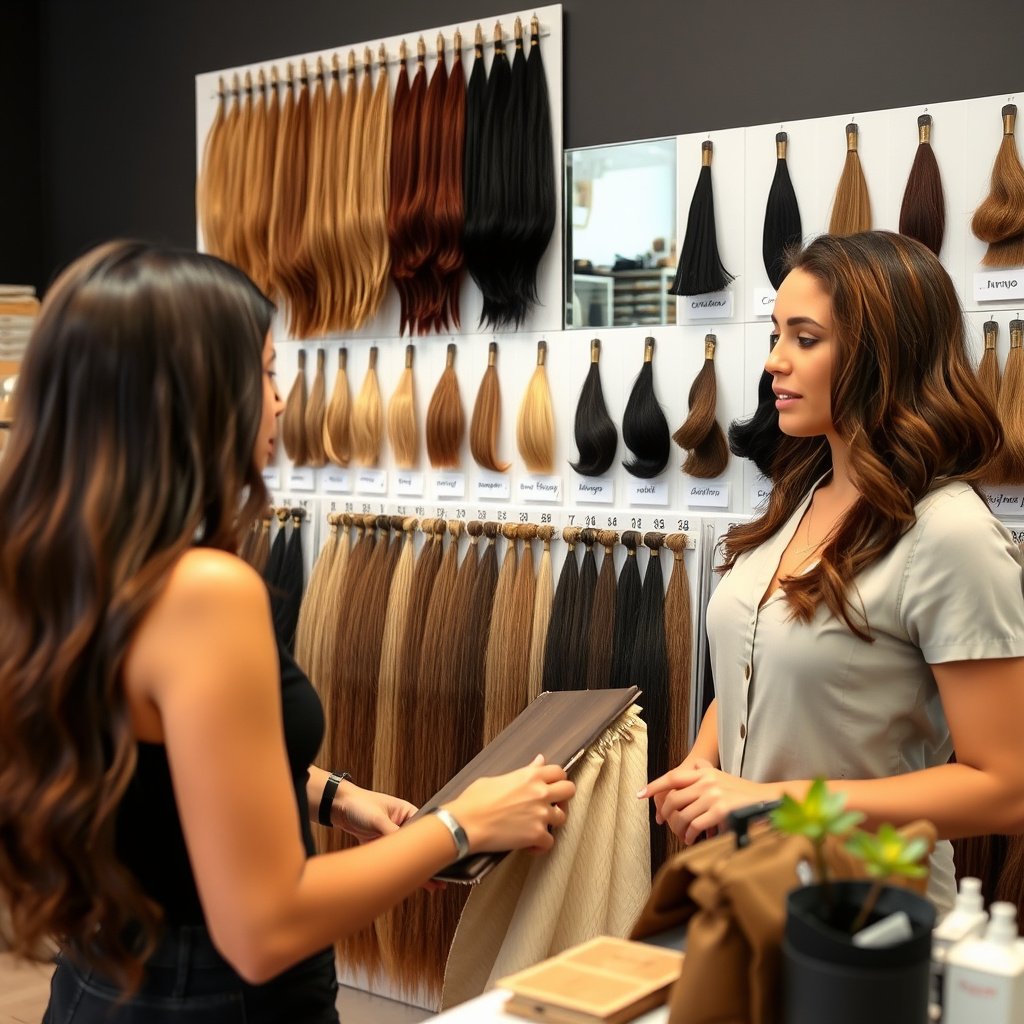
Matching Hair Texture and Color
Selecting extensions that closely match your natural hair texture and color results in a seamless blend and less noticeable regrowth. Curly or wavy hair requires specialized extension textures to avoid mismatch and maximize lifespan.
Color-matched extensions reduce the need for chemical treatments, preserving hair integrity and extending how long they look natural.
- Match texture precisely
- Avoid excessive coloring
- Consult a stylist for best fit
Lifestyle and Maintenance Commitment
Your daily routine influences which extension type suits you best. Active lifestyles may benefit from semi-permanent methods like sew-in or tape-in extensions requiring less daily adjustment, while those who prefer changing styles might opt for clip-ins.
Understand the maintenance demands to pick extensions you can realistically care for, impacting how long they last.
- Consider activity level
- Choose manageable maintenance
- Plan for professional upkeep
Common Misconceptions About Human Hair Extensions Lifespan
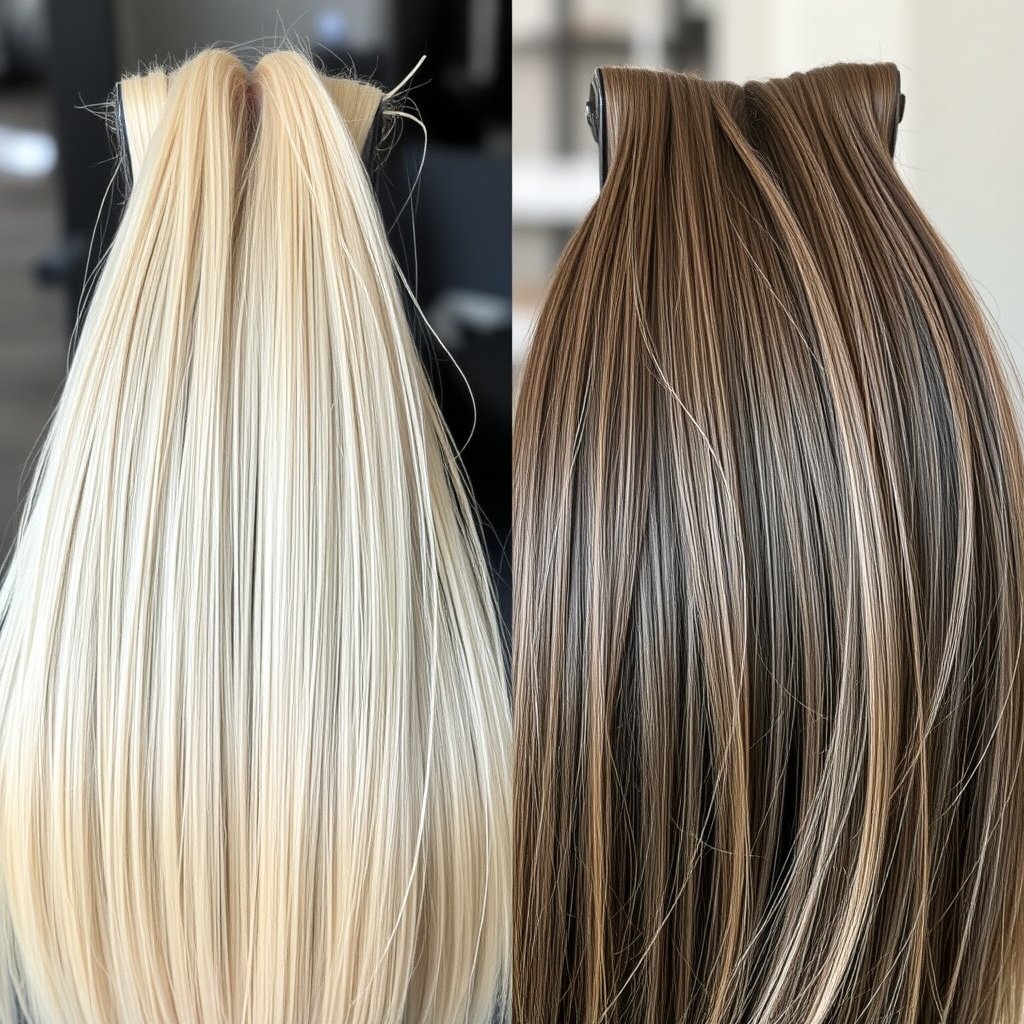
Myth: All Human Hair Extensions Last the Same
Not all human hair extensions have the same durability; differences in hair quality, processing, and attachment methods significantly affect lifespan. Cheap, processed hair deteriorates faster than premium Remy hair.
Understanding these distinctions prevents disappointment and helps set realistic wear expectations.
For more on this, see our related guide: Understanding the Difference Between a Closure and Frontal for Hair Extensions.
Myth: Frequent Washing Shortens Extension Life
It’s a misconception that washing hair extensions too often causes rapid wear. Gentle, infrequent washing with appropriate products can actually maintain hair health and prevent buildup, supporting longer-lasting extensions.
Neglecting washing or using harsh shampoos, however, accelerates damage.
Professional Removal and Reuse of Human Hair Extensions
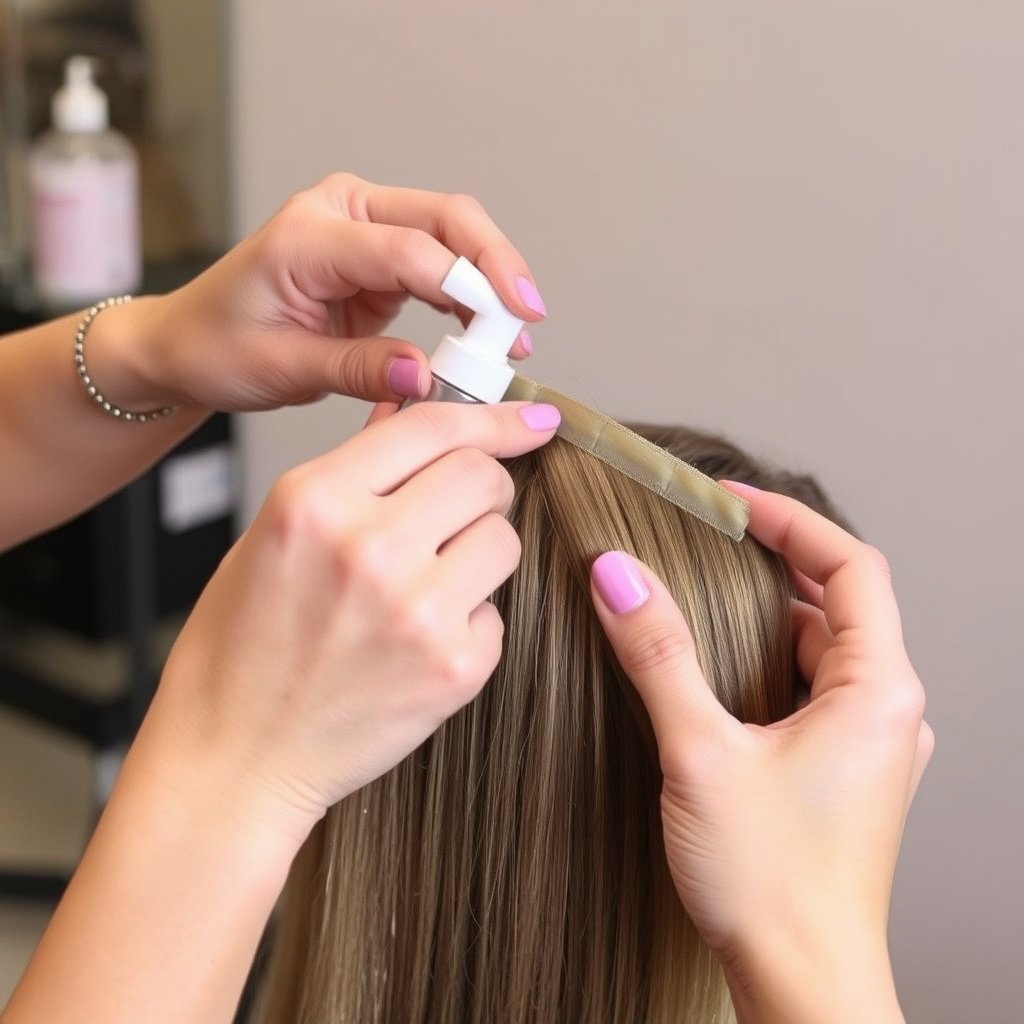
Safe Removal Techniques
Professional removal techniques avoid excessive hair pulling that can harm natural hair and extensions. Methods include using adhesive solvents for tape-ins or carefully undoing sew-ins, preserving extension integrity for reuse.
Improper removal leads to breakage, tangling, and shortens how long the extensions can be worn again.
- Use adhesive removers when needed
- Avoid pulling on bonds
- Seek professional assistance
For more detailed background, you can explore the Wikipedia page on human hair extensions which covers types and history. human hair extension information.
Reusing and Storing Extensions
Extensions can be reused multiple times if properly cleaned, conditioned, and stored in a dry, tangle-free environment. Avoid moisture and sun exposure during storage to preserve softness and prevent odor buildup.
Reusing premium quality extension hair extends value and reduces cost over time.
- Clean and condition before storing
- Store in breathable bags
- Keep away from moisture and sunlight
Comparison of Popular Human Hair Extension Types
This table highlights key differences in lifespan, maintenance, cost, and suitability to help you choose the best human hair extensions for longevity.
| Extension Type | Average Lifespan | Maintenance Level | Cost Range | Best For |
|---|---|---|---|---|
| Clip-in | 3-6 months (reusable) | Low (daily removal) | $50-$300 | Temporary styles, occasional use |
| Tape-in | 6-8 weeks per application | Medium | $150-$500 | Semi-permanent, active lifestyles |
| Sew-in | 6-12 weeks per application | Medium-High | $200-$600 | Long-term wear, thick hair |
| Bonded/Glue-in | 4-8 weeks | High | $100-$400 | Shorter use, fine hair |
| Halo Extensions | Up to 3 months | Low | $80-$250 | Non-invasive, quick application |
Frequently Asked Questions
Can I swim with human hair extensions?
You can swim with human hair extensions, but chlorinated or salt water can dry them out. Apply a protective leave-in conditioner beforehand and rinse immediately after to maintain their quality.
How often should I wash human hair extensions?
Washing extensions 1-2 times per week with sulfate-free shampoo helps keep them clean without stripping natural oils, preserving their softness and lifespan.
Do all human hair extensions require professional installation?
Not all require professional installation. Clip-in and halo extensions can be applied at home, while tape-in, sew-in, and bonded methods usually need a stylist for best results and longevity.
How can I prevent my tape-in extensions from slipping?
Avoid heavy oil-based products near the tape bonds and refrain from washing your hair frequently to maintain adhesive strength and prevent slippage.
Are synthetic hair extensions more durable than human hair?
Synthetic hair extensions are less durable, often lasting only a few weeks, and do not withstand heat styling. Human hair extensions last longer and offer a more natural look and feel.
Key Takeaways
- Human hair extensions typically last 3-6 months depending on type and care
- Remy hair and gentle installation methods increase lifespan
- Regular gentle maintenance significantly prolongs extension durability
- Choosing extensions aligned with your lifestyle ensures better wear
Conclusion
Determining how long human hair extensions last involves evaluating several factors including the type of extensions, hair quality, installation method, and daily care routines. The investment in high-quality Remy hair paired with professional installation often yields the longest use period. Adjusting your maintenance habits to reduce damage from heat, products, and improper washing also plays a critical role in extending lifespan.
For those prioritizing longevity, tape-in and sew-in extensions generally offer the best balance between duration and everyday wearability, lasting several weeks to a few months with upkeep. Clip-in extensions serve well for non-permanent, reusable options lasting up to half a year with careful handling. Bonded extensions, while convenient, usually require more frequent replacement due to wear from adhesives.
If you decide to try human hair extensions, start by consulting a professional stylist to select the type that matches your natural hair and lifestyle needs. Consistent, gentle care and periodic professional maintenance will help you enjoy your extensions longer, making your investment worthwhile.
One Comment