
How to Care for Human Hair Bundles: A Practical Guide
Caring for human hair bundles involves gentle washing, regular conditioning, and avoiding excessive heat to preserve their natural look and last longer. Proper maintenance includes detangling softly, using sulfate-free products, and applying nourishing treatments to retain the hair's softness and shine.
Human hair bundles need specific treatment because they lack the natural oils your scalp provides after removal. Without adequate care, they can dry out, tangle, and lose their luster quickly. Knowing how to care for your bundles can prevent damage and keep them looking fresh and natural for weeks or months.
This article covers effective washing techniques, drying tips, styling advice, storage methods, and product recommendations to keep your human hair bundles in prime condition. You'll gain an understanding of how to tailor your hair care routine to extend the life of these valuable extensions.
Washing and Conditioning Your Human Hair Bundles
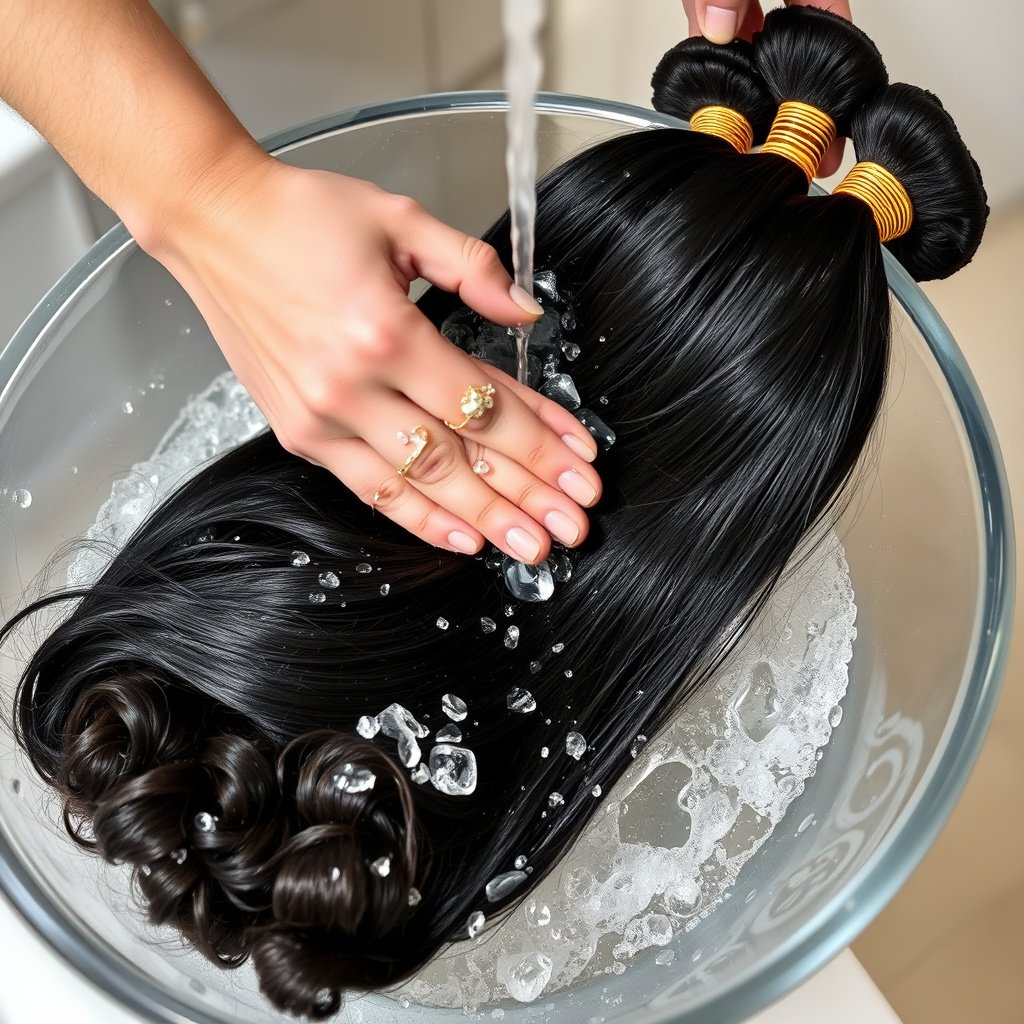
Choosing the Right Shampoo and Conditioner
When caring for human hair bundles, use sulfate-free shampoos and moisturizing conditioners to prevent drying out the strands. Sulfates strip natural oils and weaken the hair over time, making it prone to frizz and breakage.
Look for products enriched with natural oils or ingredients like argan oil and keratin, which help restore and seal moisture, enhancing the smoothness and manageability of your bundles.
- Sulfate-free shampoo benefits
- Ingredients to look for: argan oil, keratin
- Avoid heavy silicones that cause buildup
Proper Washing Technique for Longevity
Always wash human hair bundles gently to avoid excessive tangling and shedding. Use lukewarm water and avoid scrubbing or twisting the hair to maintain the cuticle alignment.
Apply shampoo by gently massaging in a downward motion, rinse thoroughly, then apply conditioner focusing on mid-lengths to ends before rinsing with cool water to seal the cuticle and add shine.
- Use lukewarm water, avoid hot water
- Gentle downward strokes when cleansing
- Condition mid-lengths and ends only
Drying and Detangling Techniques
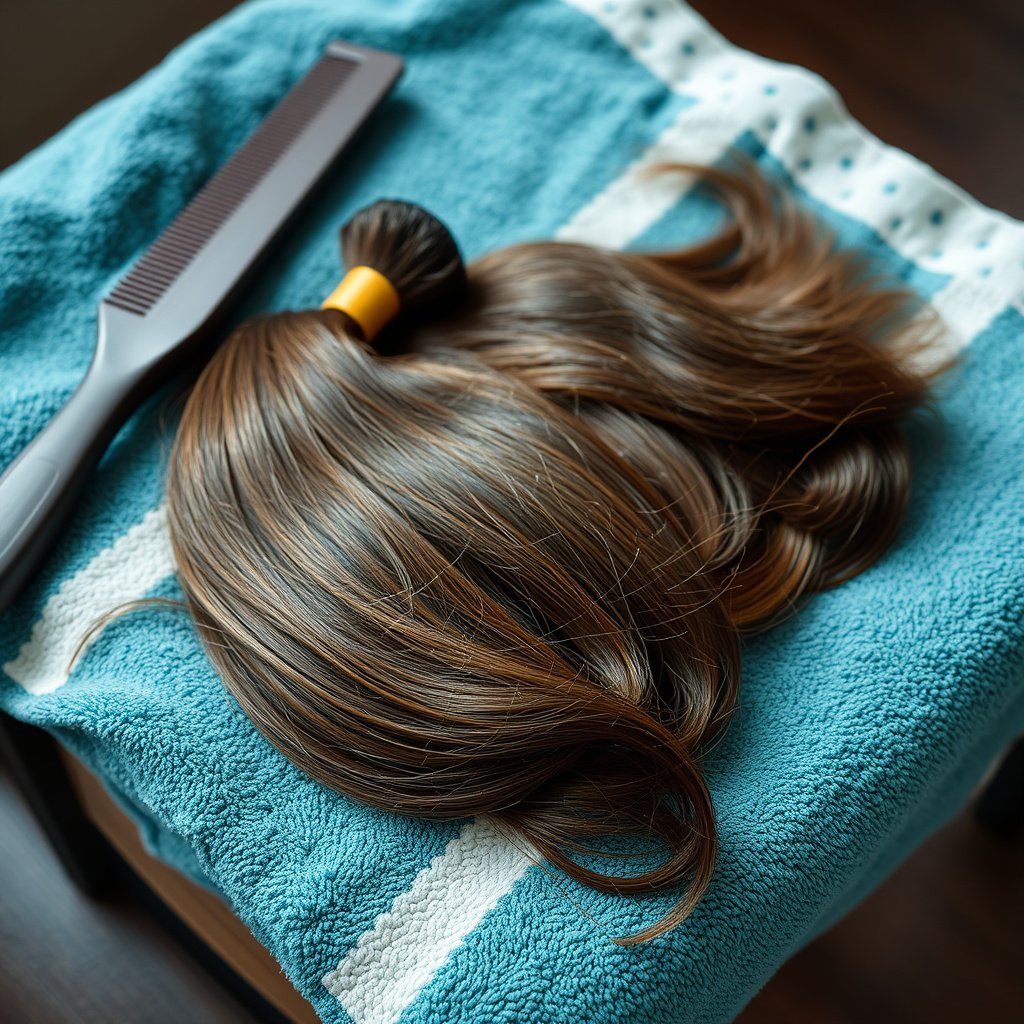
Safe Drying Practices
After washing, gently squeeze out excess water using a microfiber towel or a soft T-shirt to reduce friction and minimize frizz. Avoid rubbing the hair bundles vigorously, which can cause tangling and damage.
Air drying is ideal, but if you need to use a blow dryer, switch to the lowest heat setting and keep the dryer at a distance. Excessive heat can weaken the hair fibers and shorten the lifespan of your bundles.
- Use microfiber towel or soft fabric
- Avoid rubbing hair forcefully
- Blow dry on low heat if necessary
For more on this, see our related guide: What Is a Hair Bundle? Understanding Its Purpose and Uses.
Detangling Without Damage
Start detangling when hair is damp using a wide-tooth comb or a detangling brush designed for extensions. Begin at the ends and work upward gradually to prevent breakage.
Apply a leave-in conditioner or detangling spray to add slip, making the process smoother and more effective at reducing knots while preserving the hair bundles' natural texture.
- Always detangle from ends to roots
- Use wide-tooth combs or specialized brushes
- Apply leave-in conditioner or detangler
Styling Tips to Protect Your Human Hair Bundles
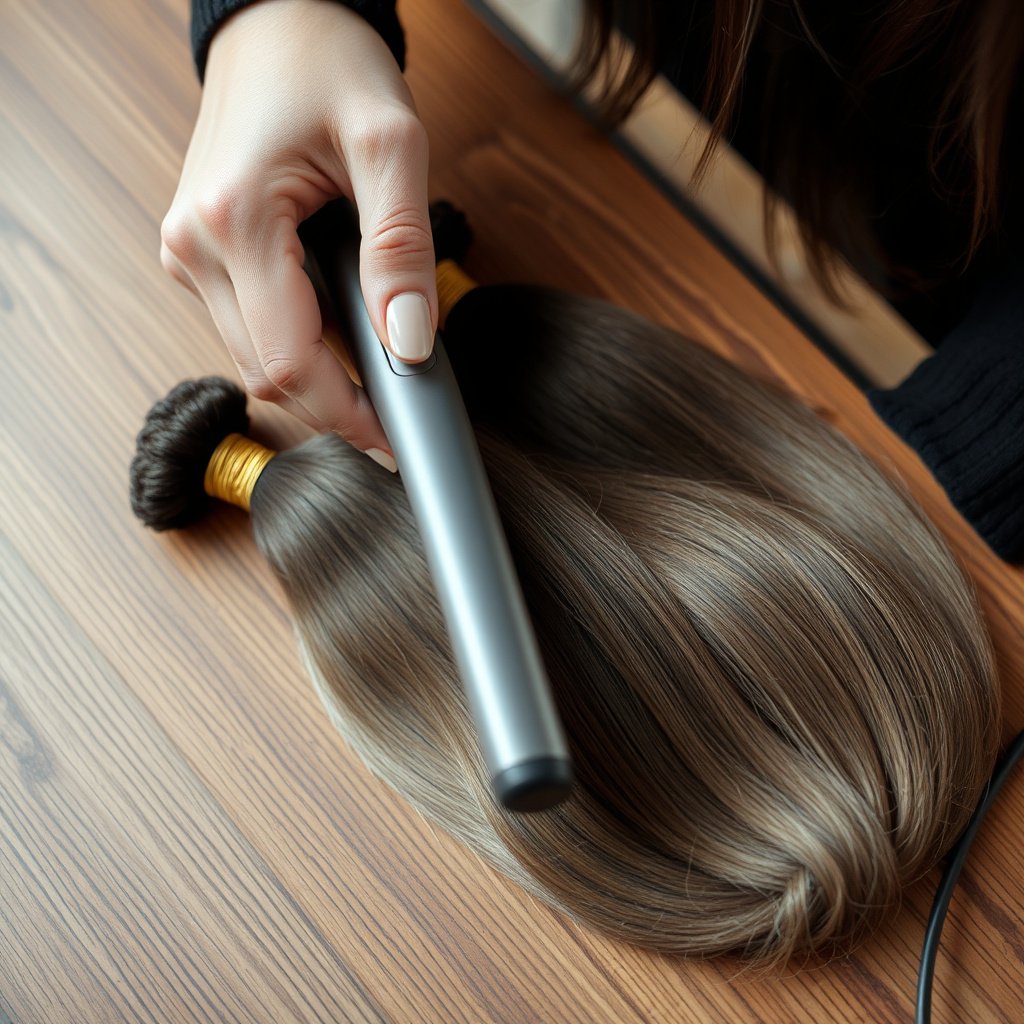
Heat Styling: Best Practices
Human hair bundles can withstand heat styling, but it’s vital to keep the temperature moderate—below 350°F—to avoid unnecessary damage. Always apply a heat protectant spray before styling.
Limit styling tools to minimize stress on the strands, and avoid daily heat use. Let the hair recover between sessions to maintain its strength and softness.
- Use heat protectants before styling
- Keep temperature below 350°F (177°C)
- Limit frequency of heat-based styling
Choosing Protective Hairstyles
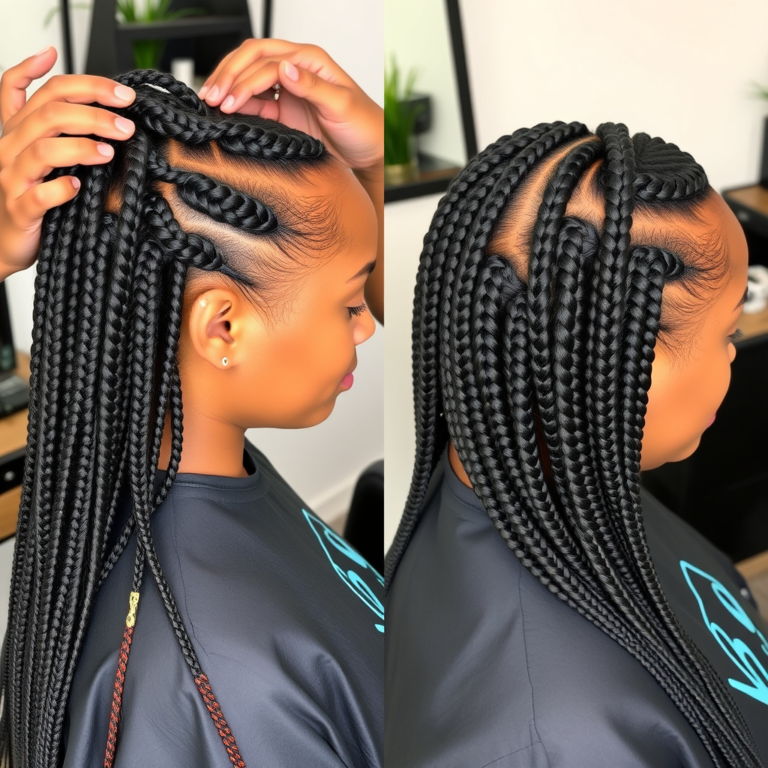
Protective styles like loose braids and buns reduce friction and tangling, helping preserve the integrity of your hair bundles. Avoid tight hairstyles that strain the weft connections or cause excessive pulling.
Sleeping with your hair wrapped in a satin or silk scarf further prevents breakage and maintains moisture, reducing daily wear and tear on your bundles.
- Prefer loose styles, avoid tight tension
- Use satin/silk scarves or pillowcases at night
Storing and Maintaining Human Hair Bundles
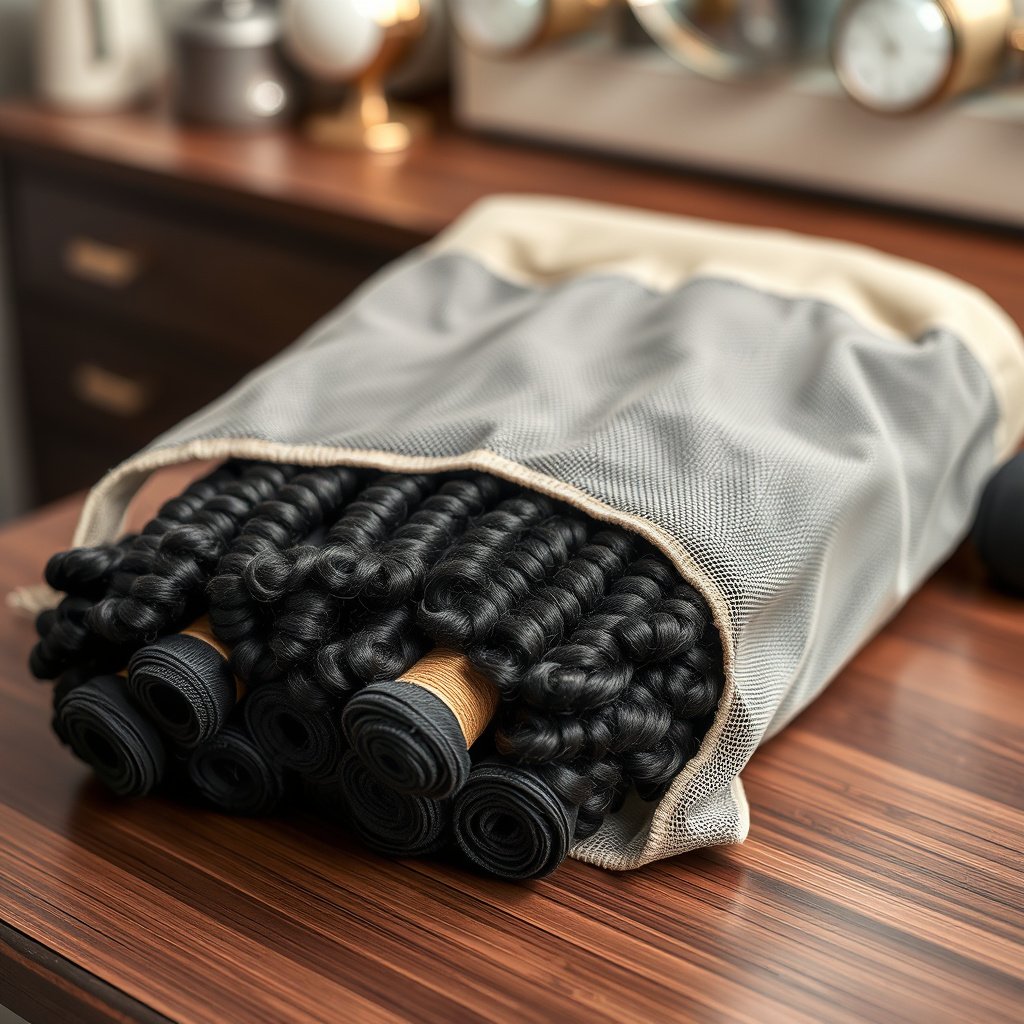
Proper Storage Techniques
When not in use, human hair bundles should be clean and completely dry before storage to prevent mold or mildew. Coil the bundles gently, securing them with a soft band or place them in breathable fabric bags.
Avoid plastic containers or bags that trap moisture, as this can degrade the hair quality. Keep bundles in a cool, dry place away from direct sunlight.
- Ensure hair is clean and dry before storing
- Use breathable fabric bags or soft bands
- Store in cool, shaded environments
For more on this, see our related guide: How Many Bundles Do I Need for a Wig? A Practical Guide.
Routine Maintenance for Longevity
Regularly check your bundles for tangles or buildup and wash them periodically according to usage to maintain their texture and appearance. Applying light moisturizing treatments periodically also supports softness.
Handle them gently during maintenance to avoid loosening the wefts or causing shedding, which can shorten the effective life of your human hair bundles.
- Wash bundles after every 10-15 wears
- Moisturize with light oil or leave-in conditioners
- Handle wefts carefully to avoid shedding
Selecting Products and Tools for Human Hair Bundle Care
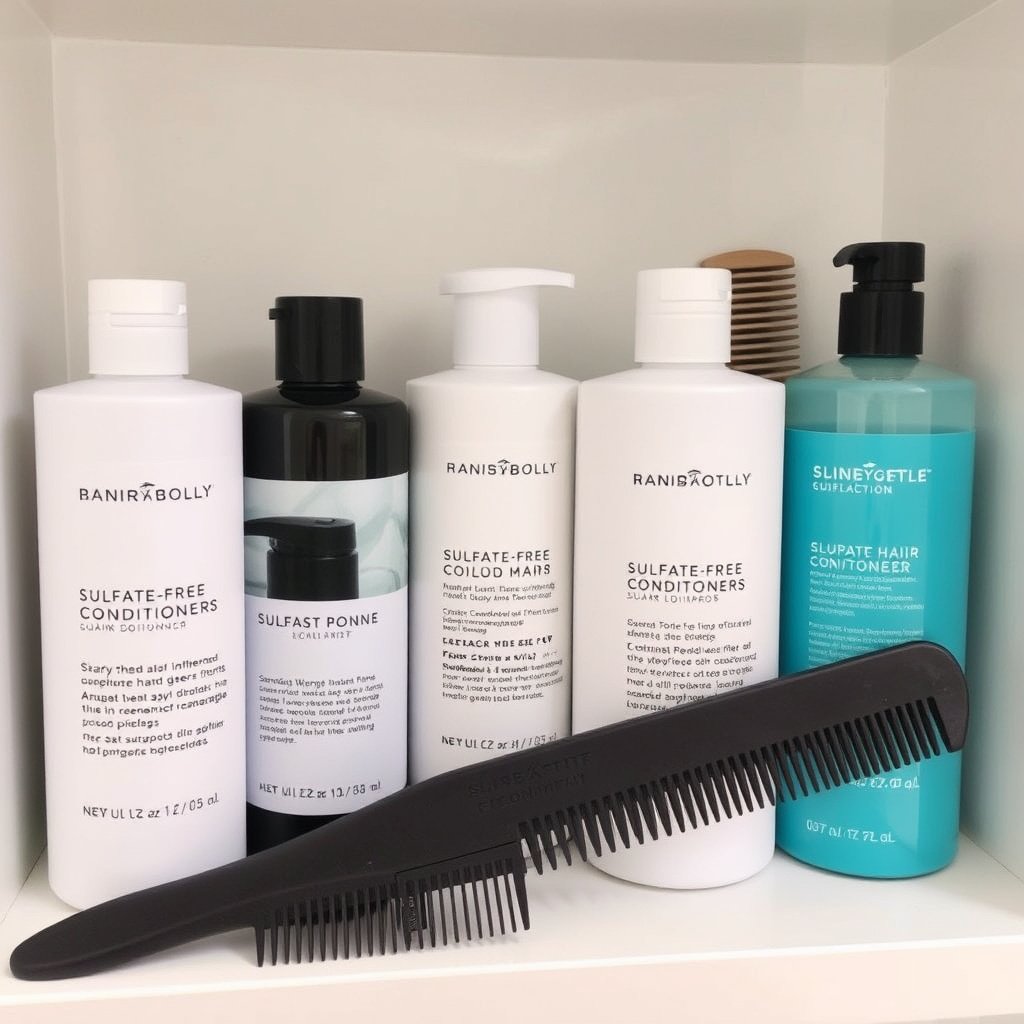
Recommended Hair Care Products
Choose sulfate-free, paraben-free shampoos and silicone-light conditioners tailored for extensions. These keep your hair bundles healthy by maintaining moisture balance without harmful buildup.
Invest in nourishing treatments with natural ingredients such as coconut oil, jojoba, and protein-based formulas to strengthen and revitalize the hair over time.
- Sulfate-free and lightweight conditioners
- Natural oil and protein-enriched treatments
- Avoid heavy silicones and alcohol-based sprays
For more detailed information on human hair extensions and their care, see this resource on human hair extension care. Human hair extension care.
Best Tools for Maintenance and Styling
Use wide-tooth combs or detangling brushes designed specifically for extensions to gently work through tangles. Avoid fine-tooth combs or brushes that pull aggressively on the hair.
For styling, opt for low-heat tools and always pair with heat protectants. Satin-lined caps or pillowcases can protect your bundles during sleep and prevent friction damage.
- Wide-tooth combs and detangling brushes
- Low-heat styling tools
- Satin or silk accessories for protection
Human Hair Bundle Types and Care Comparison
This table compares different types of human hair bundles and highlights key care considerations to help you select and maintain the right option.
| Hair Type | Texture & Appearance | Care Requirements | Longevity |
|---|---|---|---|
| Virgin Hair | Natural texture, unprocessed | Gentle washing, minimal styling heat | Up to 12 months |
| Remy Hair | Cuticle aligned, less tangling | Regular moisturizing, avoid sulfates | 8–10 months |
| Non-Remy Hair | Mixed cuticles, tangles more easily | Frequent detangling, deep conditioning | 4–6 months |
| Processed Hair | Colored or chemically treated | Use color-safe products, less heat | 3–6 months |
Frequently Asked Questions
How often should I wash human hair bundles?
Washing human hair bundles every 10 to 15 wears helps maintain their cleanliness and softness without stripping moisture excessively.
Can I use heat styling tools on human hair bundles?
Yes, but use heat protectants and keep temperatures under 350°F to avoid damage and prolong the life of your bundles.
Is air drying better than blow drying extensions?
Air drying is preferable as it reduces heat damage, but if you must blow dry, use a low heat setting and keep the dryer at a safe distance.
What products should I avoid when caring for human hair bundles?
Avoid shampoos with sulfates, heavy silicones, and alcohol-based sprays as they can dry out or cause buildup on your hair bundles.
How should I store my human hair bundles when not in use?
Keep bundles clean, dry, and stored in breathable fabric bags or wrapped loosely with soft bands in a cool, shaded place to prevent damage.
Key Takeaways
- Use sulfate-free shampoos and moisturizing conditioners specifically for extensions.
- Wash gently and avoid hot water to maintain the hair cuticle.
- Air dry or blow dry on low heat to reduce damage.
- Store clean, dry bundles in breathable bags away from sunlight.
Conclusion
Understanding how to care for human hair bundles requires balancing gentle cleansing with proper moisturizing and avoiding harsh treatments that degrade the strands. By focusing on using appropriate products and handling techniques, you can keep your extensions smooth, shiny, and tangle-free over a longer period. Considering the delicate nature of real human hair bundles compared to natural hair, adopting a consistent, careful routine is essential to preserve their natural beauty and prolong their usability.
For those seeking the best hair care routine for extensions, washing with sulfate-free shampoos and using light conditioning treatments are fundamental. Stylistic decisions like limiting heat exposure and opting for protective hairstyles also play a crucial role in maintaining bundles. Different hair types, such as virgin or Remy, may require varied attention levels; virgin hair demands gentler handling, whereas processed hair benefits from color-safe, hydrating products. Ultimately, your choice of care depends largely on the texture, origin, and treatment history of your bundles.
A practical recommendation is to establish a schedule for proper washing and detangling combined with regular moisturizing treatments and cautious styling. Store your bundles correctly when not in use, and use specialized products designed for human hair bundles. Taking these steps will help you enjoy the natural look and feel of your extensions for longer, making your investment worthwhile.
2 Comments