How to Dye Bundles: A Step-by-Step Guide for Vibrant Results
Knowing how to dye bundles properly starts with understanding the type of hair you have and preparing it correctly. Dyeing bundles can be straightforward if you carefully select the right products and follow a clear process to avoid patchy or damaged results.
This matters because improperly dyed bundles can result in uneven color, damage to the hair fibers, or unwanted tones. Achieving vibrant, consistent color means paying attention to details like porosity, dye formula, and processing time.
This article will guide you through the essentials of how to dye bundles, from selecting the correct dye and prepping the hair, to applying color evenly and caring for dyed bundles afterward. You’ll also find tips tailored to different hair types and bundles.
Understanding Hair Bundles and Dye Types
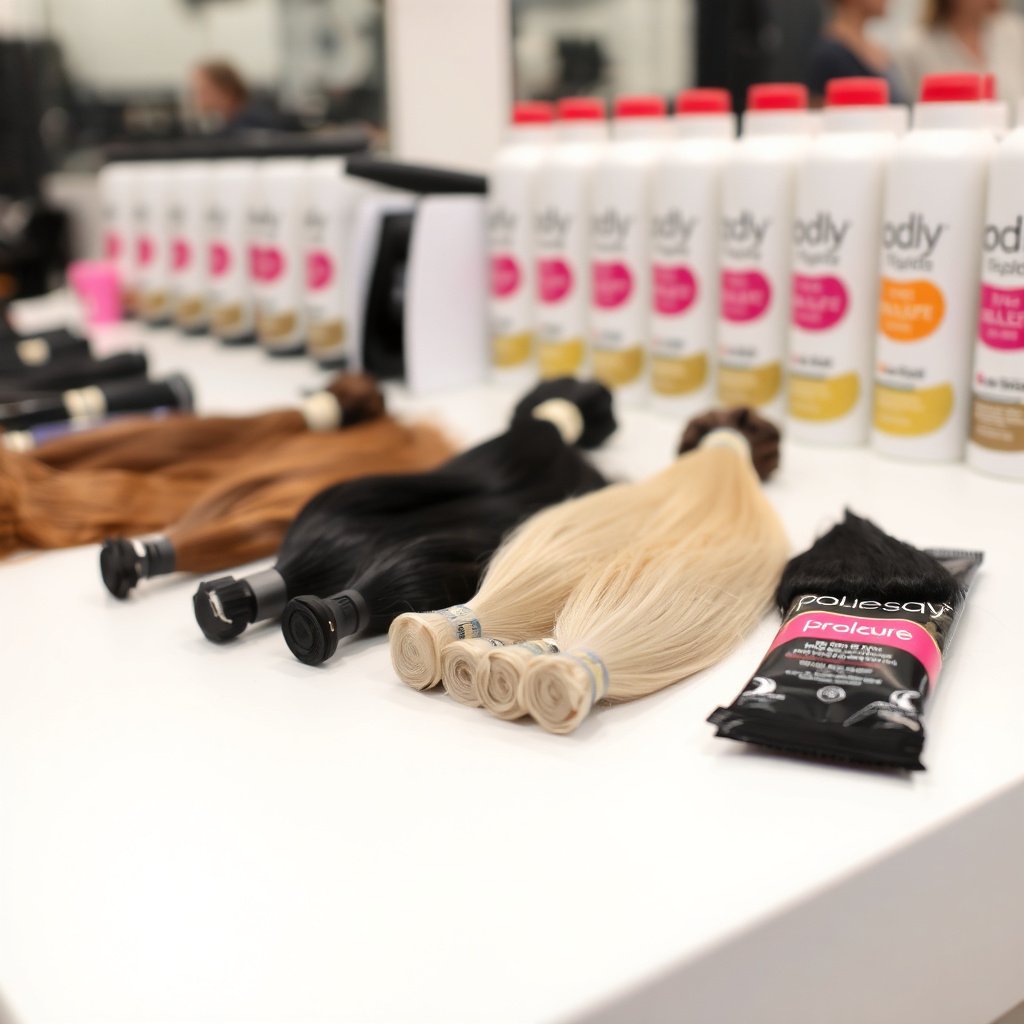
Types of Hair Bundles
Hair bundles come in various forms such as virgin Remy hair, synthetic blends, and processed extensions. Virgin Remy hair is unprocessed and most receptive to dyeing, whereas synthetic bundles usually cannot be dyed with traditional hair colors and require special care.
Knowing your bundle type helps determine which dye products to use and how the hair will react to chemicals. Virgin bundles retain their cuticle layers aligned, so dye penetrates evenly, making them ideal for vibrant color.
- Virgin Remy hair
- Synthetic hair
- Processed hair bundles
- Blended fibers
Choosing the Right Dye
Selecting between semi-permanent, demi-permanent, and permanent dyes depends on the desired longevity and hair condition. Semi-permanent dyes add color without harsh chemicals, perfect for mild tone changes and vibrant options on healthy hair.
Permanent dyes require developer solutions that open the hair cuticle for deeper color penetration and longer-lasting results. Balancing dye strength against hair fragility is key to avoid damage while achieving the best color payoff.
- Semi-permanent dyes
- Demi-permanent dyes
- Permanent dyes
- Developers and activators
Preparation Before Dyeing Bundles
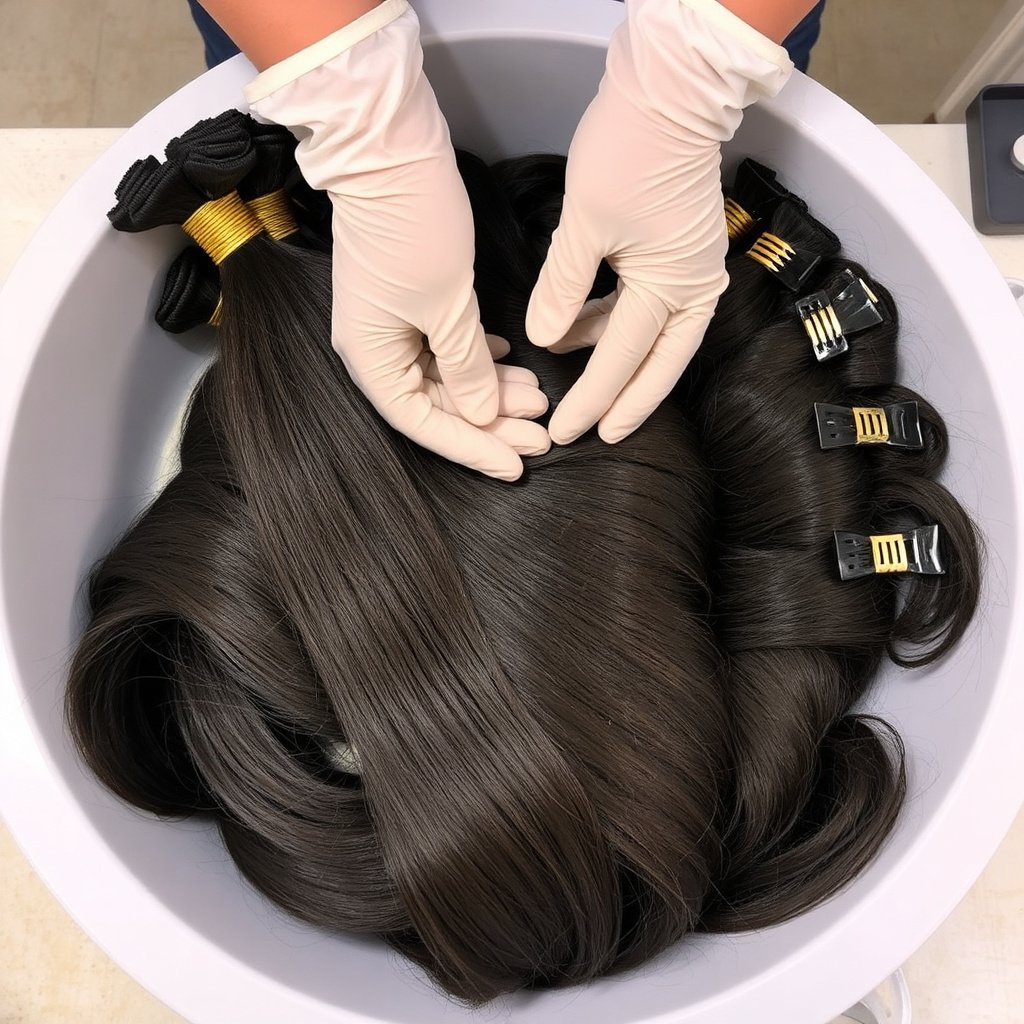
Cleaning and Conditioning Bundles
Start with washing bundles thoroughly in lukewarm water using a clarifying shampoo to remove oils and residues. Clean hair absorbs dye more evenly, preventing blotchy patches in the final color.
After rinsing, apply a deep conditioning treatment to keep strands hydrated. Dry bundles gently with a towel or air dry before dye application to maintain smooth, tangle-free fibers.
Sectioning and Preparation
Section bundles into manageable parts using hair clips or ties to ensure even dye coverage. Smaller sections allow you to saturate the hair fully with dye, minimizing uneven tones or missed strands.
Wear gloves and set up a dyeing station with all materials within reach. Protect your work surface with plastic or newspapers to avoid staining, and prepare developer and dye mixtures according to instructions.
Applying Dye to Hair Bundles
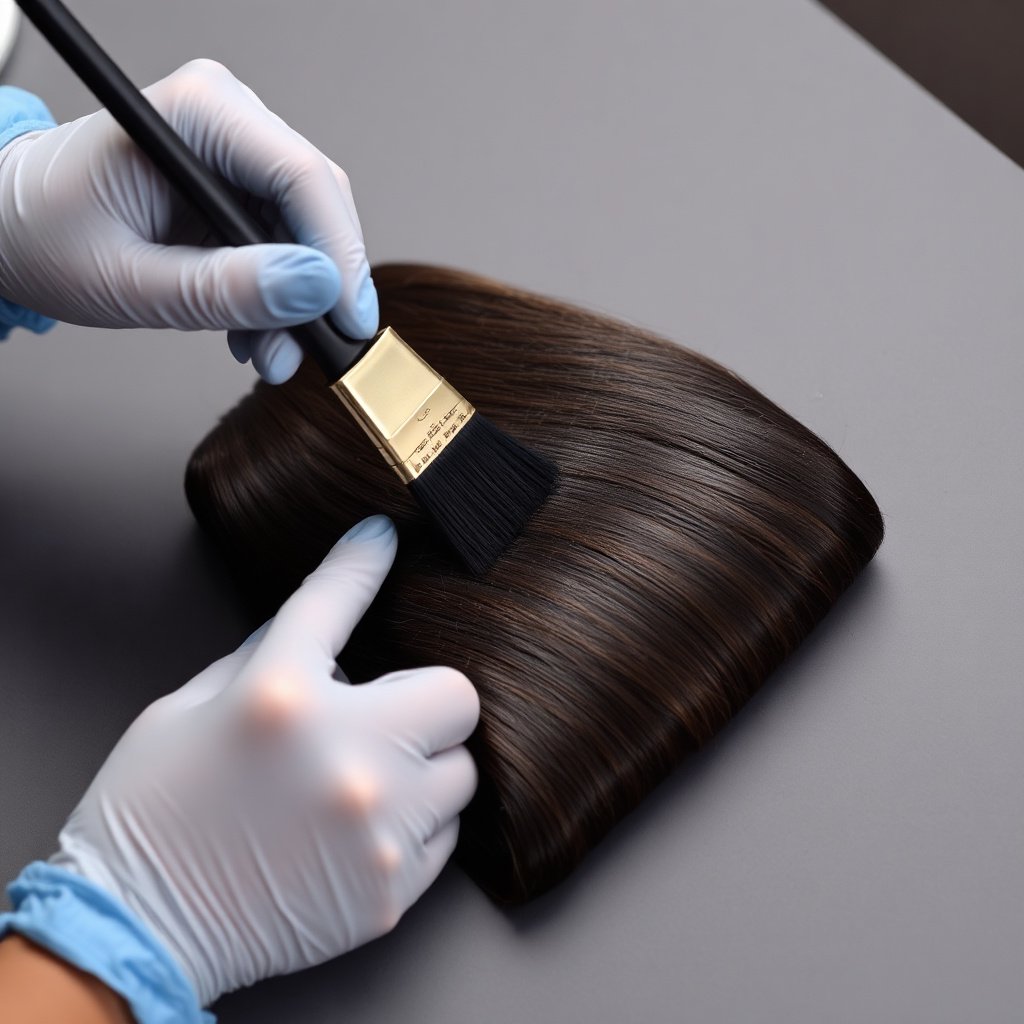
Techniques for Even Coverage
Use a dye brush to apply color starting from the mid-length toward the ends, then work up to the roots. This technique prevents harsh color lines and ensures smooth blending, especially important for thick bundles.
Work carefully through each section, saturating strands fully by combing the dye through hair with a wide-tooth comb to boost even absorption and reduce patchiness.
- Apply mid-shaft first
- Cover roots last
- Comb through for saturation
- Use consistent strokes
For more on this, see our related guide: Where to Buy Hair Bundles: Your Local Shopping Guide.
Timing and Processing
Follow the dye packaging for recommended processing times, which usually range from 20-45 minutes depending on the dye strength and desired vibrancy. Avoid leaving dye on too long to minimize fiber damage.
Cover bundles with plastic wrap or a shower cap to trap heat, improving dye penetration. Check color development intermittently to adjust time as needed if you seek lighter or darker intensities.
- Follow timing instructions
- Use heat wrap for activation
- Check color progress
- Avoid over-processing
Rinsing and Post-Dye Treatment

Rinsing Techniques
Rinse bundles under cool to lukewarm water gently to avoid disturbing cuticle layers. Avoid using hot water, as it can cause color to fade faster and damage cuticles.
Continue rinsing until water runs clear to ensure excess dye is fully removed, reducing the risk of staining or irritation when worn.
Conditioning and Drying
Use a color-safe conditioner specially formulated to protect dyed hair. Leave it on for several minutes before rinsing to replenish moisture and enhance shine.
Pat bundles dry with a towel, then allow to air dry naturally. Avoid excessive heat styling immediately after dyeing to preserve hair integrity and color longevity.
Maintaining Dyed Hair Bundles
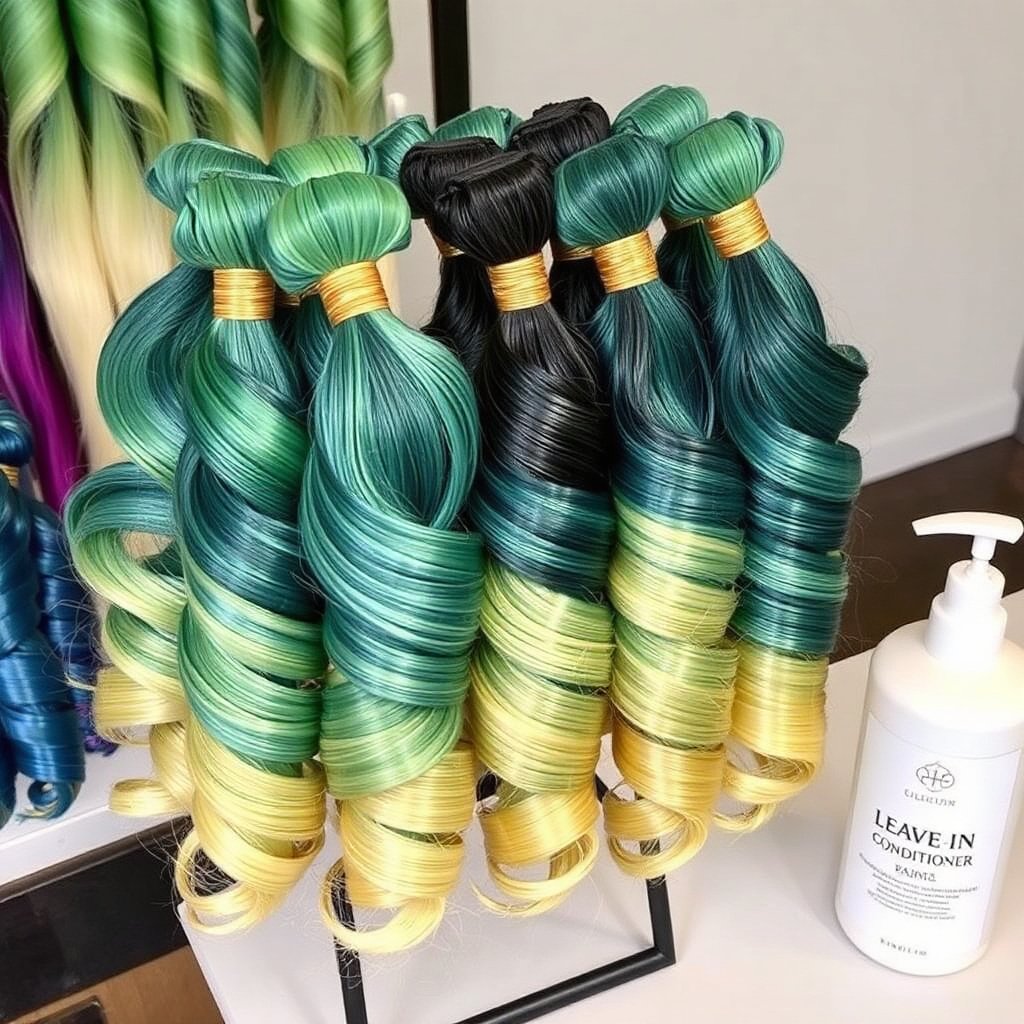
Recommended Products for Dyed Bundles
Use sulfate-free shampoos and moisturizing conditioners designed for color-treated hair to prolong vibrancy and avoid fading. Leave-in conditioners or serums help keep strands smooth and prevent tangling.
Avoid alcohol-based styling products as they dry hair and cause color to wash out quicker. Protective sprays with UV filter can help shield bundles from sun damage that dulls color.
- Sulfate-free shampoo
- Color-safe conditioner
- Leave-in conditioners
- UV protectant sprays
For more on this, see our related guide: Best Hair Bundles: Top Picks and Buying Tips.
Daily Care Tips
Minimize washing frequency to maintain dye longevity, ideally two to three times per week. Use cool water and gentle patting motions rather than rubbing bundles aggressively.
Store bundles properly on stands or hangers to avoid tangling and deformation between uses. Regular detangling with a wide-tooth comb prevents breakage and maintains smooth texture.
- Limit washing frequency
- Use cool water
- Gentle detangling
- Proper storage
Troubleshooting Common Dyeing Issues
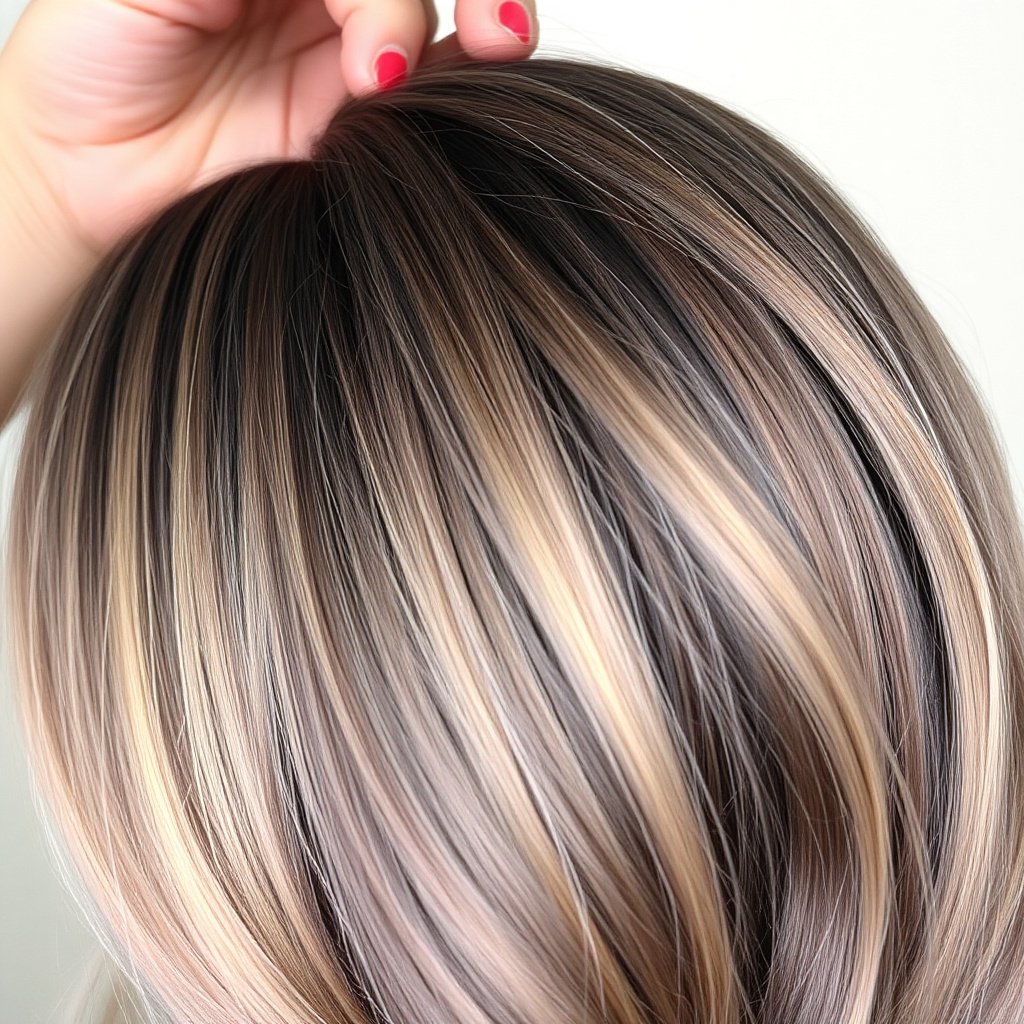
Fixing Uneven Color
Uneven dye application can cause streaks or blotchy areas. To fix this, use a color refresher or glaze treatment that deposits delicate pigment to even out tones.
Alternatively, a professional color correction may be needed, especially if the problem stems from underlying processing or porosity differences within bundles.
For more detailed information on the science behind hair dyeing, visit hair coloring on Wikipedia. hair coloring on Wikipedia.
Preventing Damage and Breakage
Over-processing dye or harsh chemicals can weaken bundle fibers. Using bond-building treatments during and after dye services can help strengthen hair and reduce breakage risk.
Avoid daily heat styling and rough handling, especially right after dyeing. Regular moisturizing masks restore elasticity and softness to colored bundles.
- Bond-building treatments
- Moisturizing hair masks
- Limit heat styling
- Gentle handling
Hair Bundle Dyeing Methods Comparison
Compare popular hair bundle dyeing methods based on durability, ease of use, and damage risk to find the right fit for you.
| Dye Type | Durability | Ease of Use | Damage Risk |
|---|---|---|---|
| Semi-Permanent | 4-6 weeks | Easy application | Low |
| Demi-Permanent | 6-8 weeks | Moderate | Moderate |
| Permanent | 8+ weeks | Complex | High |
| Temporary Spray | 1 wash | Very easy | Very low |
Frequently Asked Questions
Can I dye synthetic hair bundles?
Synthetic hair bundles cannot be dyed with regular hair dyes because their fibers don’t absorb color the same way real hair does. Special fabric dyes or colored sprays designed for synthetic materials must be used instead.
How often should I wash dyed bundles?
Washing dyed bundles two to three times a week with sulfate-free shampoo helps preserve color and prevents dryness. Over-washing can strip dye and cause fading faster.
Is it necessary to use developer with all hair dyes?
Not all dyes require developer. Semi-permanent dyes typically do not use developer, whereas demi and permanent dyes rely on developer to open the hair cuticle and deposit color deeply.
How can I prevent my dyed bundles from drying out?
Use conditioning treatments regularly and avoid excessive heat styling. Applying leave-in conditioners and hair oils helps maintain moisture and keeps dyed bundles soft and manageable.
Can I dye bundles at home safely?
Yes, with careful preparation, following instructions, and using the right products, you can dye hair bundles successfully at home. Test strands first and work in small sections for best results.
Key Takeaways
- Identify your hair bundle type before dyeing to select suitable dye products.
- Thoroughly clean and condition bundles before applying hair colors.
- Apply dye evenly in sections using a brush and comb for consistent color.
- Maintain color vibrancy with sulfate-free shampoos and minimal washing.
Conclusion
Approaching how to dye bundles systematically improves the likelihood of achieving vibrant, even color without damage. Understanding your bundle’s type and condition, choosing the right dye, and preparing hair properly creates a solid foundation for color application. Careful application and attention to timing help deliver consistent results and protect the hair fibers.
For those wanting long-lasting bold hues, permanent and demi-permanent dyes work well but require careful handling and developer use. Semi-permanent dyes offer a gentler option for temporary changes and less porous strands. Clean virgin hair bundles will take color best, while synthetic bundles need specialized products. Incorporate bond-building treatments if damage is a concern after coloring.
Once dyed, proper care—including gentle cleansing, moisturizing, and proper storage—extends color life and keeps bundles looking healthy. Start with test strands, follow all product directions, and if needed, consult a color professional for challenging shades or corrections. With patience and these methods, anyone can confidently transform their hair bundles with beautiful color.