How to Repair Damaged Hair: Effective Steps for Healthier Strands
Repairing damaged hair starts with understanding the root causes such as heat styling, chemical treatments, and environmental stressors. To mend damaged hair effectively, you need to adopt a combination of nourishing hair care routines, protein treatments, and protective habits to rebuild strength and moisture.
Damaged hair can be dry, brittle, and prone to breakage, affecting your hair’s appearance and health. Restoring it is important because healthy hair not only looks better but also grows stronger and prevents further damage, saving you time and money in the long run.
This article will explain key methods to repair damaged hair, including identifying damage types, choosing the best hair repair treatments, adjusting your hair care routine, and practical tips to maintain your hair’s health over time.
Understanding Hair Damage Types
Common Causes of Hair Damage
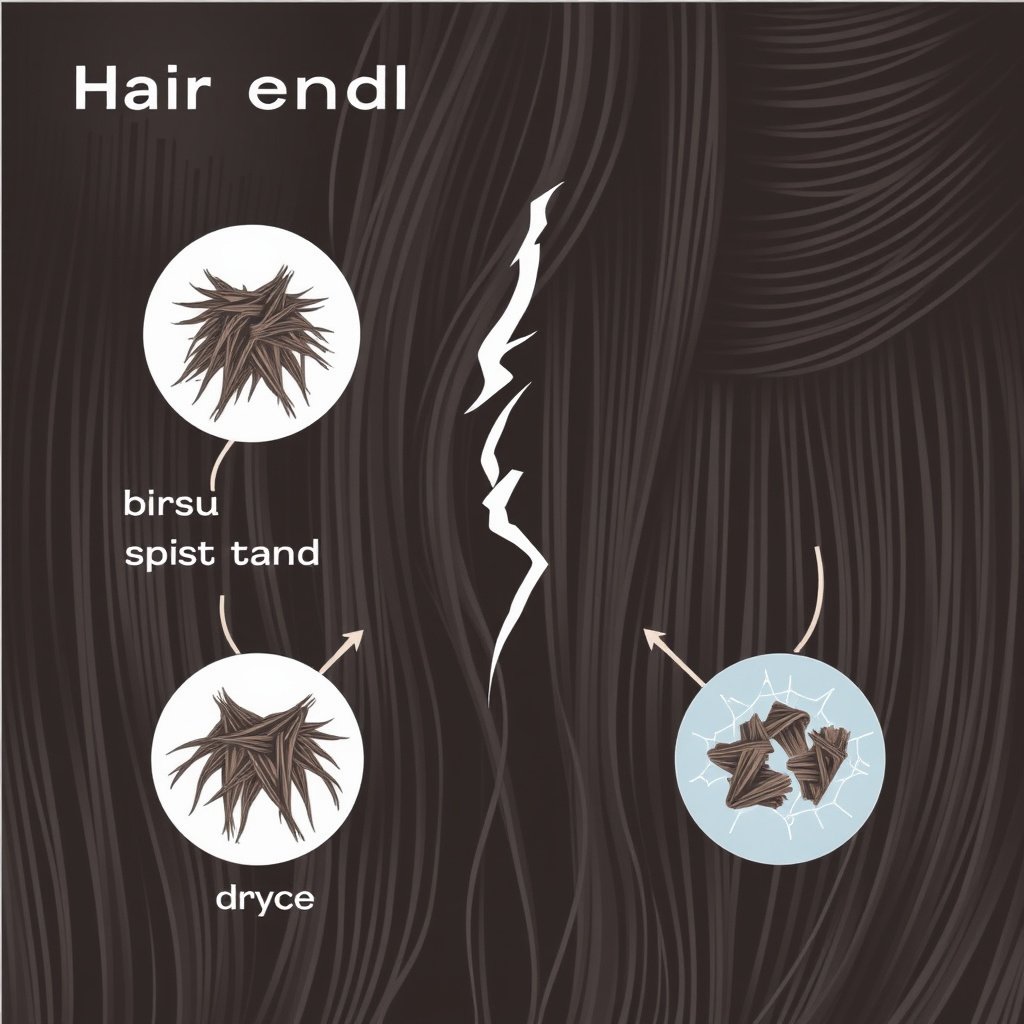
Hair damage can arise from excessive heat during styling, chemical processes such as coloring or perming, environmental factors like sun exposure, and mechanical stress from tight hairstyles or rough handling. Each factor weakens hair fibers differently, leading to fragility and texture changes.
Identifying what causes your hair damage is essential before selecting repair techniques. For example, heat damage tends to cause dryness and brittleness, whereas chemical damage affects the hair’s protein structure, making it prone to breakage and uneven texture.
- Heat styling (flat irons, curling irons)
- Chemical treatments (bleaching, coloring)
- Sun and environmental exposure
- Rough brushing or tight hairstyles
Signs to Recognize Damaged Hair
Damaged hair often appears dull, dry, and rough to the touch. Split ends and breakage are common visual indicators. Noticeable frizziness and tangling can also signal weakened hair cuticles unable to protect the fiber beneath.
By tracking these signs regularly, you can gauge your hair’s health progression or deterioration and tailor your care routine to meet its specific needs effectively.
- Dullness and lack of shine
- Split ends and broken strands
- Increased tangling and frizz
- Dryness and rough texture
Choosing the Best Hair Repair Treatments
Protein Treatments for Strengthening
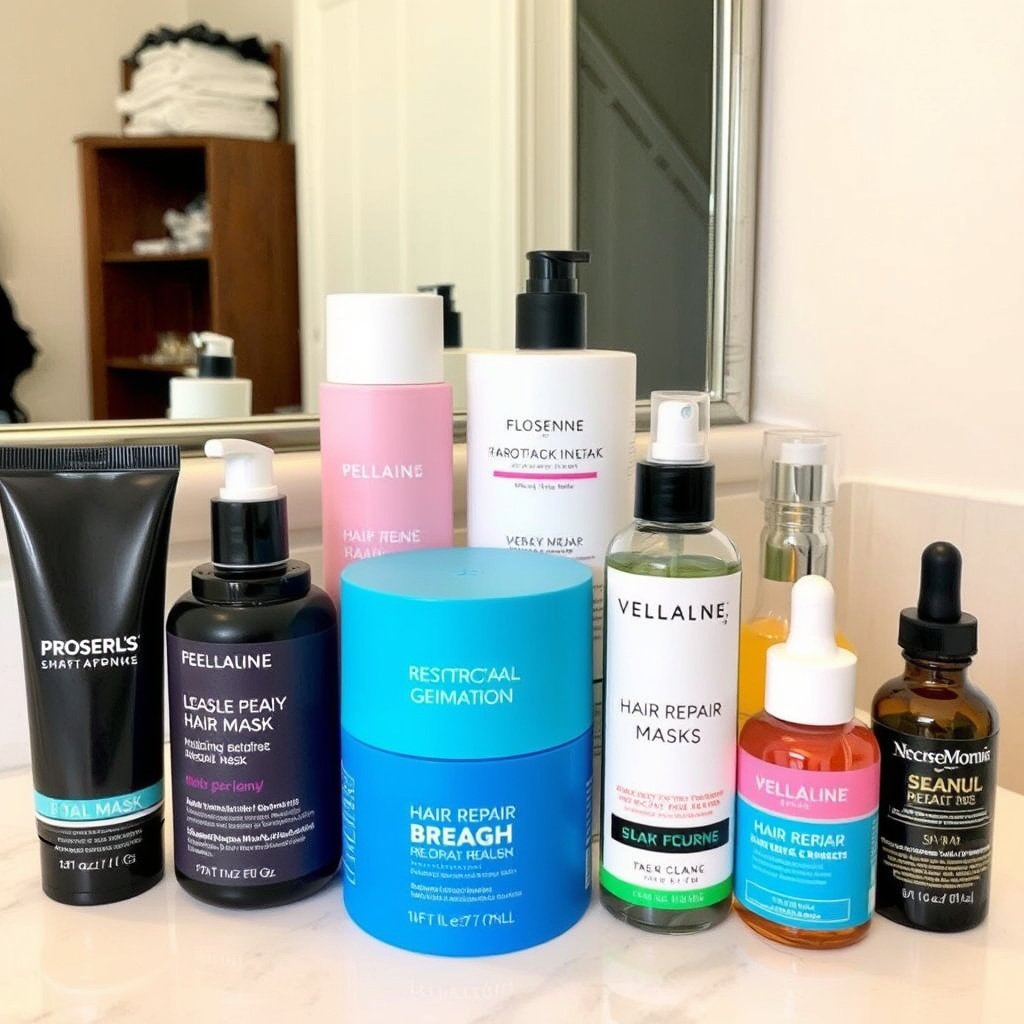
Protein treatments work by replenishing lost keratin in the hair shaft, helping rebuild strength and reduce breakage. These treatments come in various forms like masks, conditioners, and leave-in serums suited for different damage levels.
It’s important to balance protein with moisture to avoid hair becoming stiff or brittle. Using protein treatments once or twice a week can gradually restore hair resilience and elasticity.
- Keratin masks
- Collagen-infused conditioners
- Hydrolyzed protein serums
Moisturizing Repair Products
Damaged hair frequently lacks moisture, making hydrating conditioners and oils vital for smoothness and softness. Ingredients like argan oil, shea butter, and glycerin lock in moisture and provide a protective barrier against further damage.
Deep conditioning masks with rich emollients should be incorporated regularly to restore hydration and improve manageability.
- Argan oil
- Shea butter masks
- Glycerin-rich conditioners
Adapting Your Hair Care Routine for Repair
Gentle Cleansing Techniques
Use sulfate-free shampoos to cleanse hair gently without stripping natural oils. Avoid washing hair daily as overwashing can exacerbate dryness and damage. Instead, aim for two to three times weekly with lukewarm water to protect strands.
Focus shampoo on the scalp rather than the ends to minimize friction on fragile hair tips. Scalp massages during cleansing can also promote circulation and healthy growth.
- Sulfate-free shampoo usage
- Limit washing frequency
- Lukewarm water rinse
For more on this, see our related guide: How to Moisturize Dry Hair for Soft, Healthy Strands.
Protective Styling Habits
Minimize heat styling tools to reduce further damage. When necessary, always apply heat protectants to shield hair fibers. Opt for loose hairstyles and avoid tight ponytails or braids that can cause breakage.
Sleeping on a silk or satin pillowcase prevents hair from rubbing against rough cotton, reducing split ends and frizz.
- Heat protectant sprays
- Loose hairstyles
- Silk or satin pillowcases
DIY Home Remedies for Hair Repair
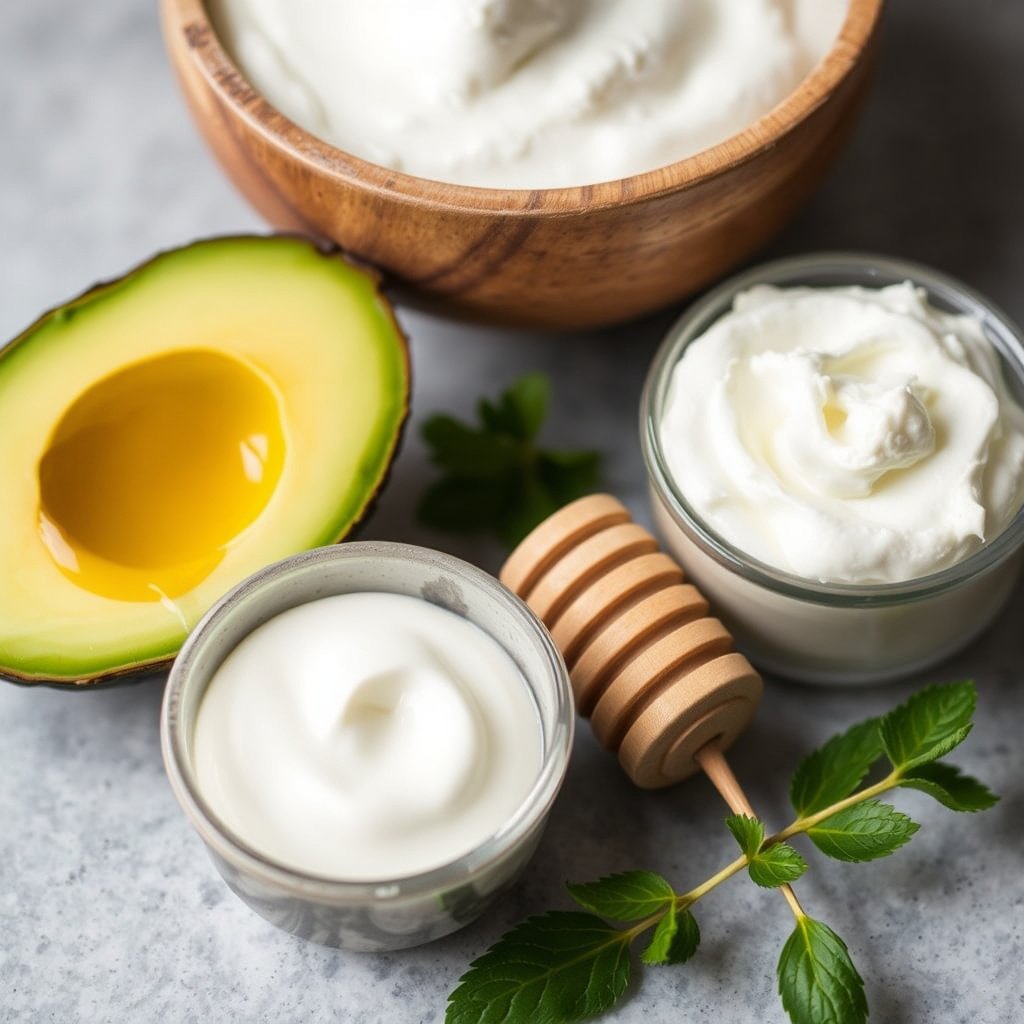
Natural Oils and Masks
Natural oils like coconut, olive, and almond oil penetrate hair shafts deeply to nourish and reduce protein loss. Homemade masks combining avocado or banana with honey provide vitamins and antioxidants to soothe and strengthen damaged hair.
Applying these treatments once a week can enhance hair’s moisture capacity and bring back softness without harsh chemicals.
- Coconut oil treatment
- Avocado-honey mask
- Olive oil scalp massage
Avoiding Common DIY Mistakes
Some home remedies can overload hair or cause buildup if used excessively. For example, too much oil can weigh hair down and attract dirt, while acidic rinses like lemon juice may cause irritation.
It’s best to test small amounts, rinse thoroughly, and alternate DIY treatments with professional products for balanced care.
- Use oils sparingly
- Rinse well after treatments
- Avoid harsh acidic rinses
Maintenance Strategies Post-Repair
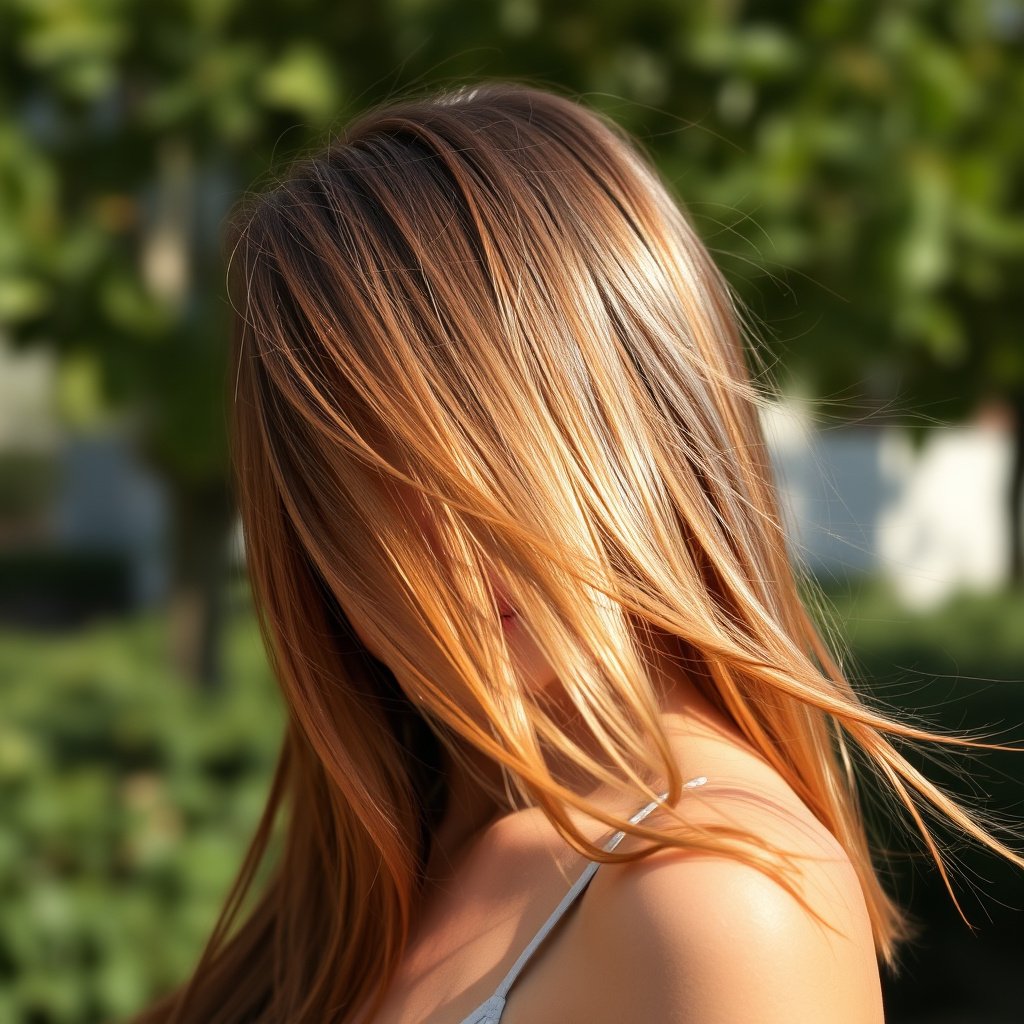
Regular Trims to Remove Split Ends
Trimming hair every 6 to 8 weeks helps eliminate split ends before they travel up the hair shaft and cause further damage. While trimming does not repair damaged hair, it prevents deterioration and promotes healthier growth.
Even a small trim can refresh hair appearance and reduce breakage, complementing your repair treatments effectively.
- 6-8 week trimming schedule
- Focus on split ends removal
- Professional hairstylist for best results
For more on this, see our related guide: How to Care for Natural Hair: Essential Tips for Healthy, Defined Curls.
Ongoing Protection from Environmental Stress
Using UV protection sprays and wearing hats outdoors shields hair from sun damage. Chlorine and saltwater exposure can also strip moisture, so rinsing hair promptly after swimming is important.
Adopting these preventive steps helps maintain the improvements gained from hair repair methods.
- UV protection sprays
- Wear protective hats
- Rinse after swimming
Professional Treatments versus At-Home Care
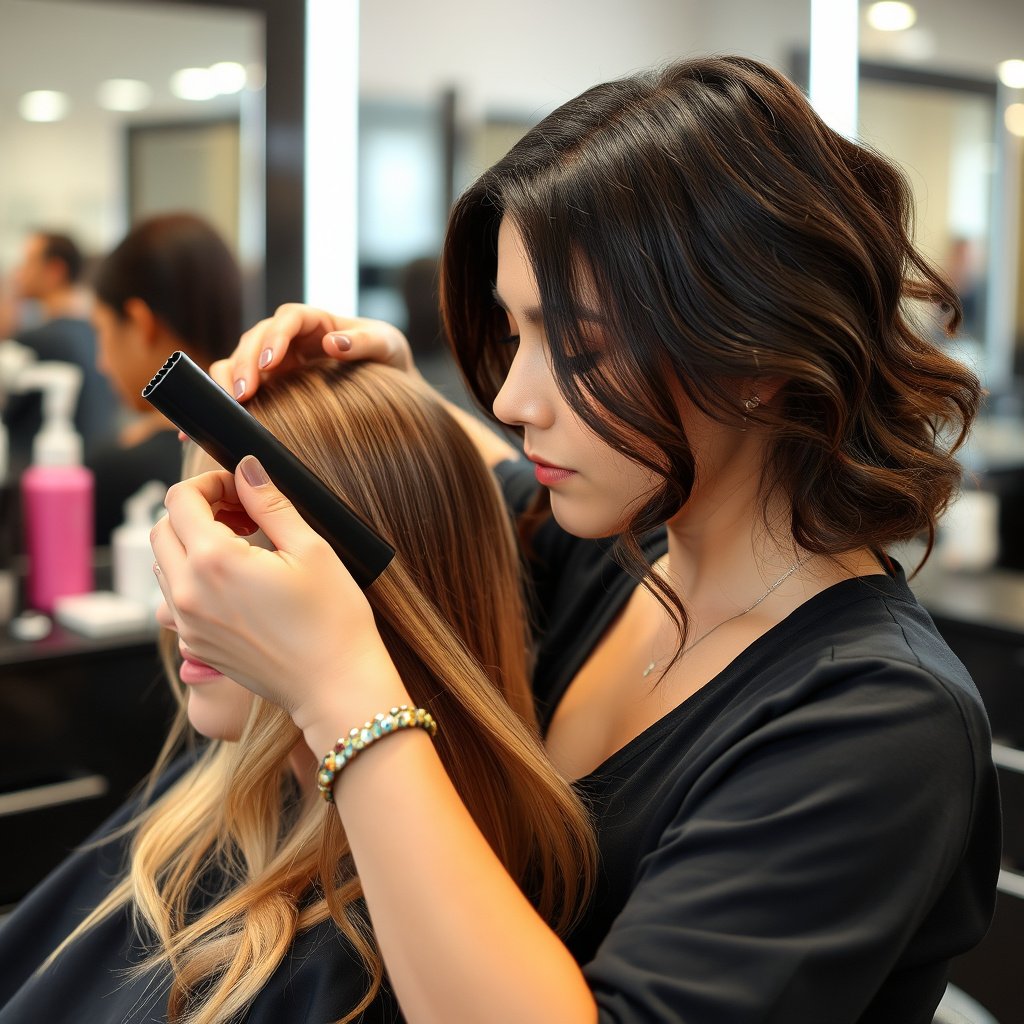
Salon Keratin and Protein Treatments
Professional keratin treatments provide intensive repair by filling in damaged areas of the hair shaft and sealing the cuticle. These can last several weeks and result in smoother, stronger hair immediately.
However, salon treatments can be costly and some use chemicals that might not suit all hair types, so consult a stylist before deciding.
- Long-lasting smoothing effect
- Professional application recommended
- Potential chemical exposure
For those interested in a detailed overview of hair biology and care, this hair care and damage overview provides valuable foundational knowledge. hair care and damage overview.
At-Home Product Selection
Choosing at-home products focused on repairing and protecting hair can be more affordable and flexible. Look for formulas with hydrolyzed proteins, natural oils, and hydrating ingredients tailored to your damage type.
Consistency in use over time will yield visible improvement, though progress may be slower than professional services.
- Hydrolyzed protein shampoos and conditioners
- Natural oil-based treatments
- Regular deep conditioning masks
Hair Repair Methods Comparison
Here’s a comparison of popular hair repair options based on cost, effectiveness, and maintenance commitment to help you choose what fits your needs.
| Method | Cost | Effectiveness | Maintenance Frequency |
|---|---|---|---|
| Protein Treatments | Moderate | High | Weekly or Biweekly |
| Moisturizing Masks | Low | Moderate | Weekly |
| Salon Keratin Treatment | High | Very High | Every 6-8 Weeks |
| Natural Home Remedies | Low | Moderate | Weekly |
| Regular Trims | Low | Prevents Further Damage | Every 6-8 Weeks |
Frequently Asked Questions
How often should I do protein treatments to repair damaged hair?
Protein treatments are typically recommended once or twice a week, depending on the damage level. Overuse can cause stiffness, so balance with moisturizing products for best results.
Can damaged hair fully recover?
While hair that has been damaged cannot be reversed completely, consistent care with protein and moisturizing treatments plus trims can significantly improve strength, appearance, and manageability.
Are natural oils effective for repairing damaged hair?
Natural oils like coconut and argan oil can deeply nourish and reduce protein loss, making them effective for improving damaged hair moisture and smoothness when used regularly.
Is it better to get salon treatments or use at-home products?
Salon treatments offer faster, stronger repair results but can be costly and involve chemicals. At-home products provide gradual improvements and more flexibility for ongoing care.
Can I repair damaged hair without cutting it?
You can improve damaged hair’s health with treatments and care routines, but trimming split ends regularly prevents worsening damage and helps hair look healthier overall.
Key Takeaways
- Identify specific causes and signs of your hair damage to select appropriate treatments.
- Use a combination of protein and moisturizing products for effective repair.
- Adapt gentle washing and protective styling habits to prevent further harm.
- Regular trims and environmental protection maintain hair health after repair.
Conclusion
Repairing damaged hair requires a thoughtful approach that combines awareness of damage causes, targeted treatments, and lifestyle adjustments. Focusing on both strengthening and moisturizing your hair helps rebuild its integrity while preventing additional breakage or dryness. Integrating protein treatments alongside deep hydrating masks balances hair’s structure and softness, providing visibly healthier strands. Careful handling during washing and styling further supports the repair process by minimizing mechanical stress.
Different repair methods suit different needs and budgets. For intense, immediate results, salon keratin treatments are a strong option, especially for chemically treated hair. Those seeking less expensive, sustainable care can rely on at-home products containing hydrolyzed proteins and natural oils, combined with regular trims for split end removal. Incorporating natural remedies such as coconut or argan oil masks can enhance moisture retention and softness. Ultimately, maintaining a consistent routine adapted to your hair type and damage level delivers the best long-term benefits.
The next step is to assess your hair's current condition and choose treatments accordingly. Begin by introducing mild, moisturizing shampoos and conditioners, add weekly protein treatments, and plan trims every couple of months. Protect your hair from heat and environmental stressors to sustain improvements. Over time, you’ll notice greater strength, shine, and manageability. For sustained health, revisit your routine as your hair’s needs evolve or if damage recurs.