
How to Moisturize Dry Hair for Soft, Healthy Strands
Moisturizing dry hair starts with using the right combination of hydrating products and techniques tailored to your hair type. Applying leave-in conditioners or oils immediately after washing locks in moisture, while deep conditioning treatments can restore softness and flexibility to brittle strands. Simple changes like reducing heat styling and switching to gentle shampoos also make a big impact.
Dry hair often feels rough, dull, and prone to breakage because it lacks the natural oils and moisture needed for elasticity. This can result from environmental exposure, over-washing, or chemical treatments. Keeping hair moisturized prevents damage, split ends, and promotes a healthier appearance over time. Moisturizing helps maintain shine and improves manageability too, which matters for styling and overall comfort.
This guide breaks down effective methods to moisturize dry hair, from selecting nourishing conditioners and oils to adopting routine habits that improve hydration. We'll explore how to recognize different types of dryness, when to trim, and how often to moisturize for balanced hair health. You’ll also find recommendations for products and treatments that target dry hair specifically.
Understanding Dry Hair and Its Causes
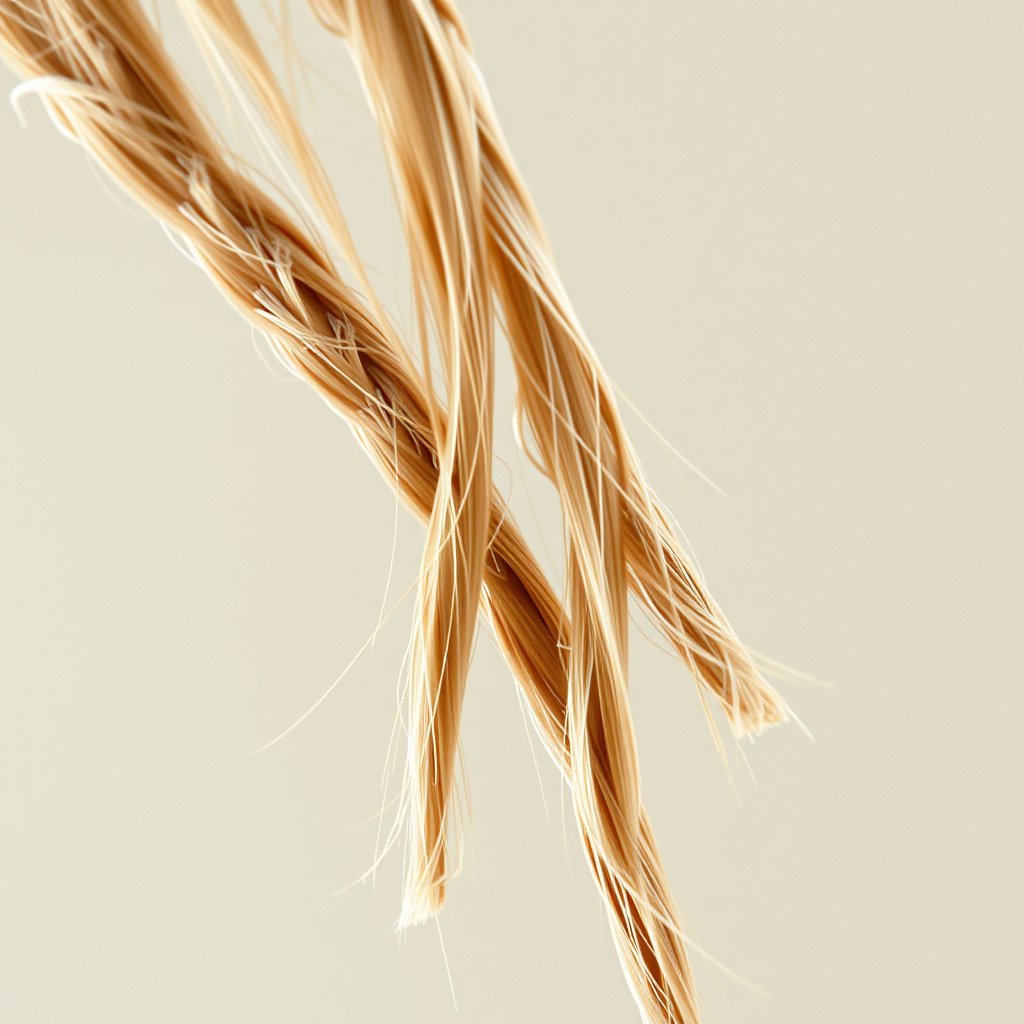
What Makes Hair Dry?
Hair becomes dry when its natural moisturizing layer is stripped or not replenished effectively. Factors like frequent shampooing with harsh formulas, exposure to sun and wind, and chemical treatments disrupt the scalp’s oil production and the hair shaft’s ability to retain moisture.
Environmental conditions play a significant role as well. In cold or dry climates, less humidity means hair loses moisture faster, causing a brittle feel. Heat from styling tools can also evaporate water inside the hair cuticle, further worsening dryness.
Signs You Have Dry Hair
Dry hair often feels rough and looks dull or frizzy with split ends that break easily. Fingertips on dry hair will notice a coarse texture compared to soft, hydrated strands. Tangling and difficulty in detangling also point to moisture deficiency.
Another sign is scalp dryness or flakiness that accompanies rough hair. Sometimes brittle ends appear more prominent than the roots, signaling damage from product buildup, heat, or chemical processing.
Selecting the Right Products to Moisturize Dry Hair
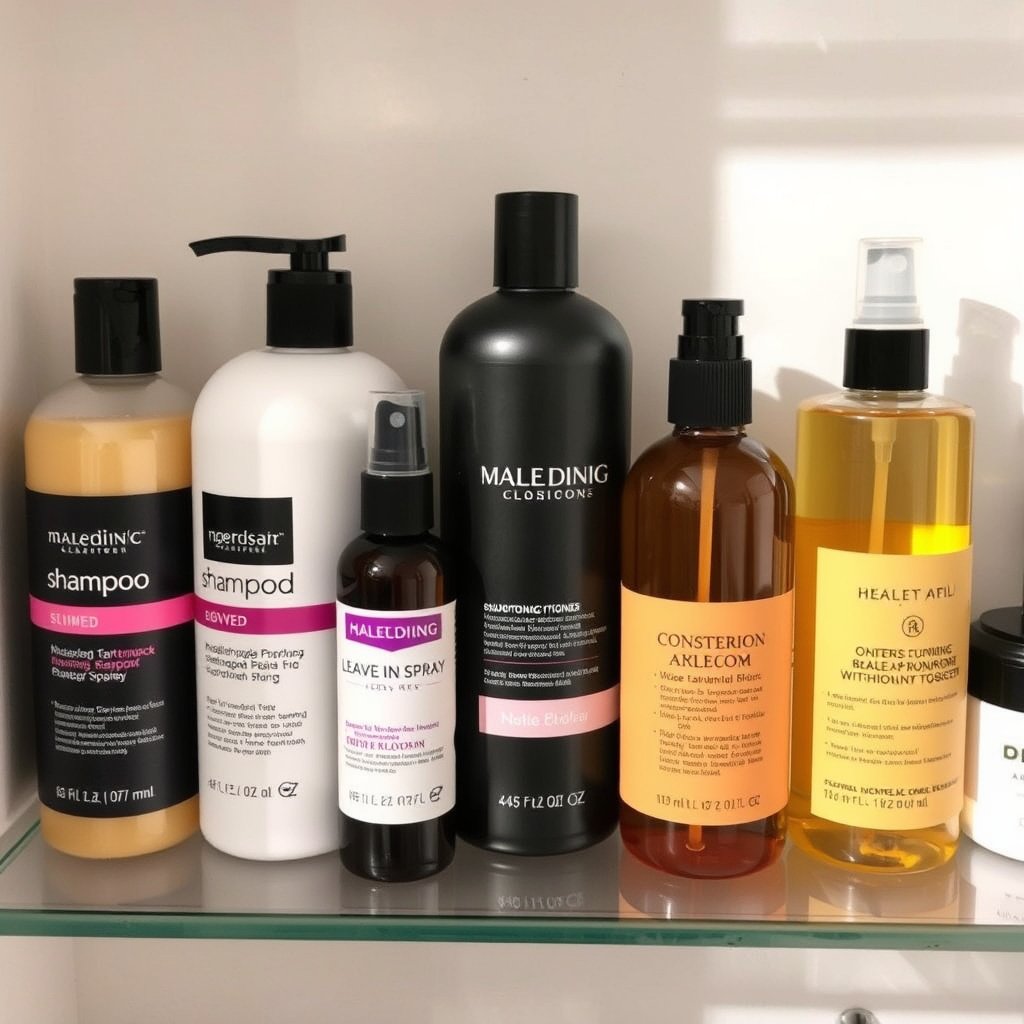
Moisturizing Shampoos and Conditioners
Shampoos labeled moisturizing or hydrating typically contain gentle cleansers and nourishing ingredients like glycerin or natural oils. These help prevent stripping hair of its limited natural oils. Conditioner is vital for locking in moisture after washing, often with ingredients like shea butter, aloe vera, or argan oil.
For dry hair, look for sulfate-free shampoos that cleanse without harsh chemicals. Conditioners designed for dry or damaged hair replenish hydration and improve softness and elasticity after shampooing.
- Sulfate-free shampoos prevent excessive dryness
- Conditioners with natural oils restore moisture
- Protein-infused products repair damage
Leave-in Conditioners and Hair Oils
Leave-in conditioners provide ongoing moisture and protection throughout the day. They are lighter than regular conditioners and can be applied on damp or dry hair to reduce frizz and add softness. Popular ingredients include panthenol, glycerin, and silicones for smoothing effects.
Hair oils like coconut, argan, and jojoba trap moisture and reduce split ends. Applying a few drops on hair ends helps seal hydration and adds a natural shine. Oils should be used cautiously on roots for those with oily scalps to avoid greasiness.
- Use leave-in conditioners for daily hydration
- Apply hair oils mainly to the ends
- Avoid heavy oils near scalp if prone to oiliness
Effective Moisturizing Techniques for Dry Hair
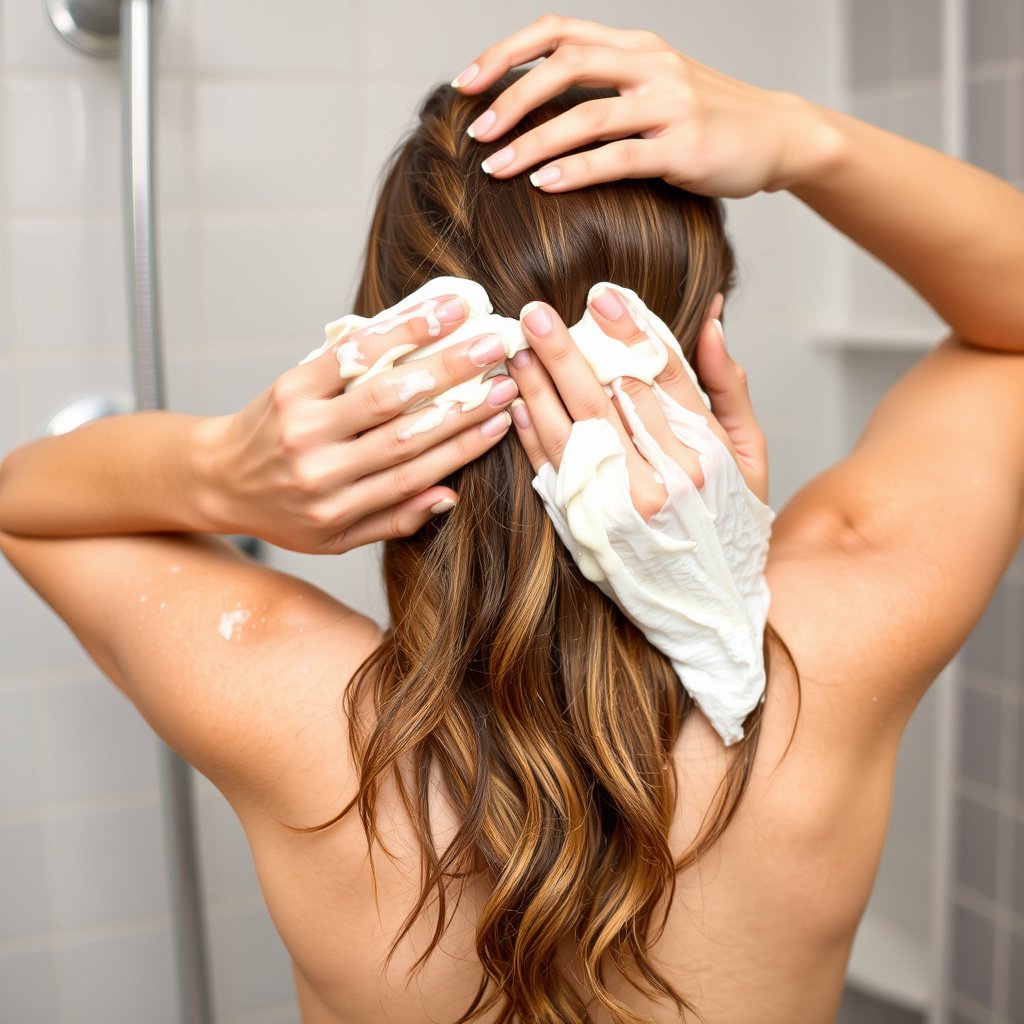
Deep Conditioning Treatments
Deep conditioning once a week significantly improves dry hair moisture levels. These treatments penetrate the hair shaft more deeply than regular conditioners, replenishing lost lipids and strengthening strands. Leaving the mask on for 20 to 30 minutes under a warm towel boosts absorption.
You can find masks labeled for dry or damaged hair, often enriched with proteins and antioxidants. Some natural alternatives like avocado or honey masks also offer excellent moisturizing benefits.
- Use weekly for best results
- Cover hair with warm towel to enhance effect
- Rinse thoroughly with cool water to seal cuticle
For more on this, see our related guide: How Often Should You Wash Natural Hair for Healthy Growth and Shine.
Water and Heat Management
Avoid washing hair with very hot water as it strips away natural oils more aggressively. Cool or lukewarm water helps maintain moisture balance. After washing, gently pat hair dry instead of rubbing to prevent breakage.
Limiting heat styling tools like straighteners and curling irons reduces drying damage. When necessary, always use a heat protectant spray to create a barrier between hair and intense heat.
- Use lukewarm water for washing
- Pat hair dry gently with a towel
- Apply heat protectant before styling
Daily Hair Care Routines to Prevent Dryness
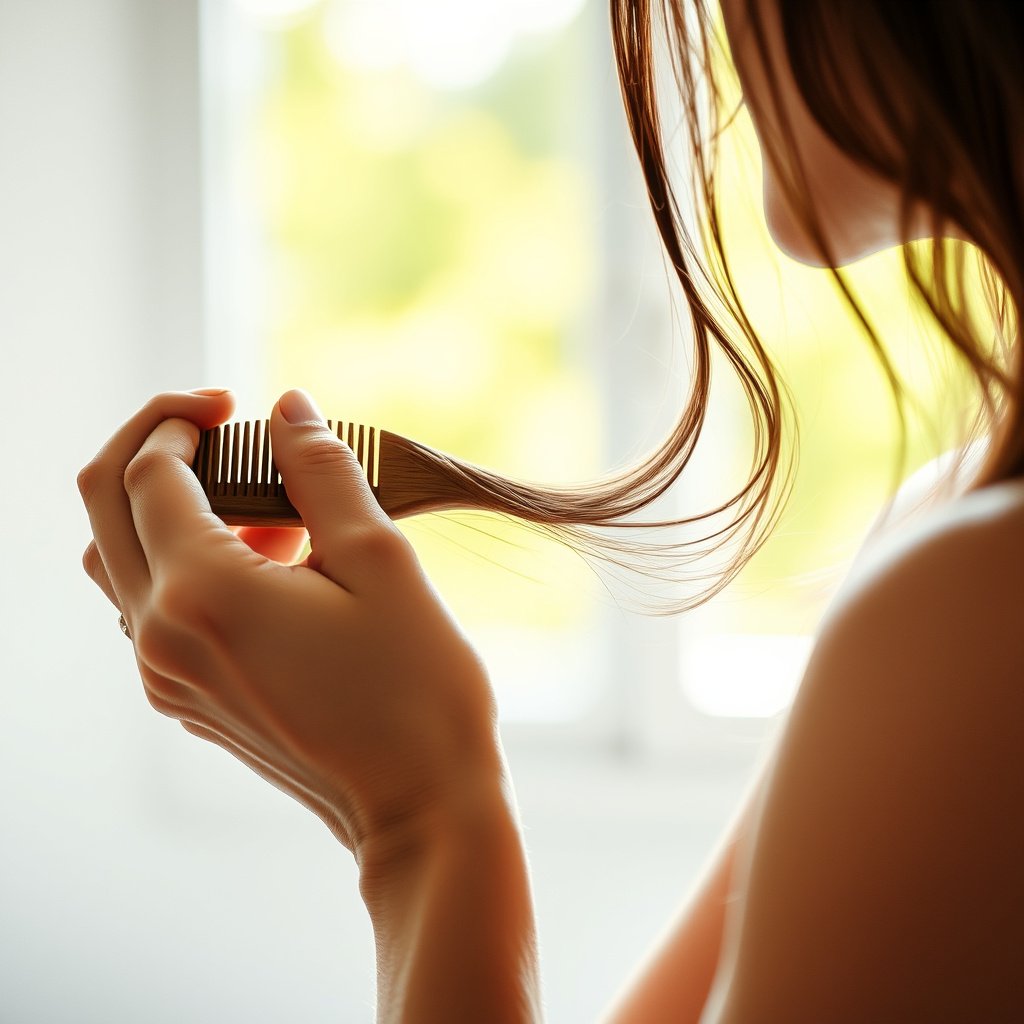
Gentle Brushing and Detangling
Brushing dry, brittle hair aggressively can cause breakage. Using a wide-tooth comb or a soft-bristle brush to detangle when hair is damp minimizes damage. Begin detangling from ends, moving upward to reduce pulling force that breaks strands.
Regular detangling encourages even oil distribution, which naturally moisturizes hair. Avoid brushing when hair is wet and fragile unless using a specially designed wet brush.
Protective Styling and Sleep Care
Protective hairstyles such as braids or buns minimize exposure to friction and environmental stressors that dry hair out. Sleeping on a silk or satin pillowcase reduces mechanical damage and moisture loss compared to cotton.
Wrapping hair in a silk scarf or using a moisturizing leave-in conditioner before bed helps maintain hydration overnight, contributing to softer strands by morning.
- Avoid tight hairstyles that stress roots
- Use satin or silk pillowcases
- Apply light moisturizers before bed
Adjusting Your Diet and Hydration for Hair Moisture

Nutritional Impact on Hair Health
Hydration begins from within. A diet rich in vitamins A, C, E, and omega-3 fatty acids supports scalp health and hair moisture retention. Proteins are the building blocks of keratin, the main component of hair strands.
Inadequate nutrient intake can exacerbate dryness and brittleness. Incorporating foods like fatty fish, nuts, leafy greens, and fruits boosts natural oil production and hair vitality.
- Eat omega-3 rich foods like salmon
- Consume plenty of fruits and vegetables
- Ensure adequate protein intake
For more on this, see our related guide: How to Care for Natural Hair: Essential Tips for Healthy, Defined Curls.
Hydration and Its Role
Drinking enough water daily keeps the scalp hydrated and supports hair flexibility. Dehydration can make hair dry and prone to splitting. Although hair is mostly dead tissue, its follicles and scalp cells respond to hydration levels.
Experts generally recommend 8 glasses of water a day, adjusted for activity and climate, which helps maintain moisture levels not only in skin but also in hair.
When to Seek Professional Haircare Advice
Identifying Persistent Dryness Problems
If home care methods do not improve hair moisture and texture over several weeks, it might indicate underlying scalp conditions or damage. Issues like dermatitis, fungal infections, or severe chemical damage often require professional diagnosis.
Persistent breakage, scalp irritation, or unusual hair loss alongside dryness are signs to consult a dermatologist or a hair care specialist.
For practical advice on caring for dry hair, see moisturizing dry hair tips on WebMD. moisturizing dry hair tips on WebMD.
Salon Treatments for Dry Hair
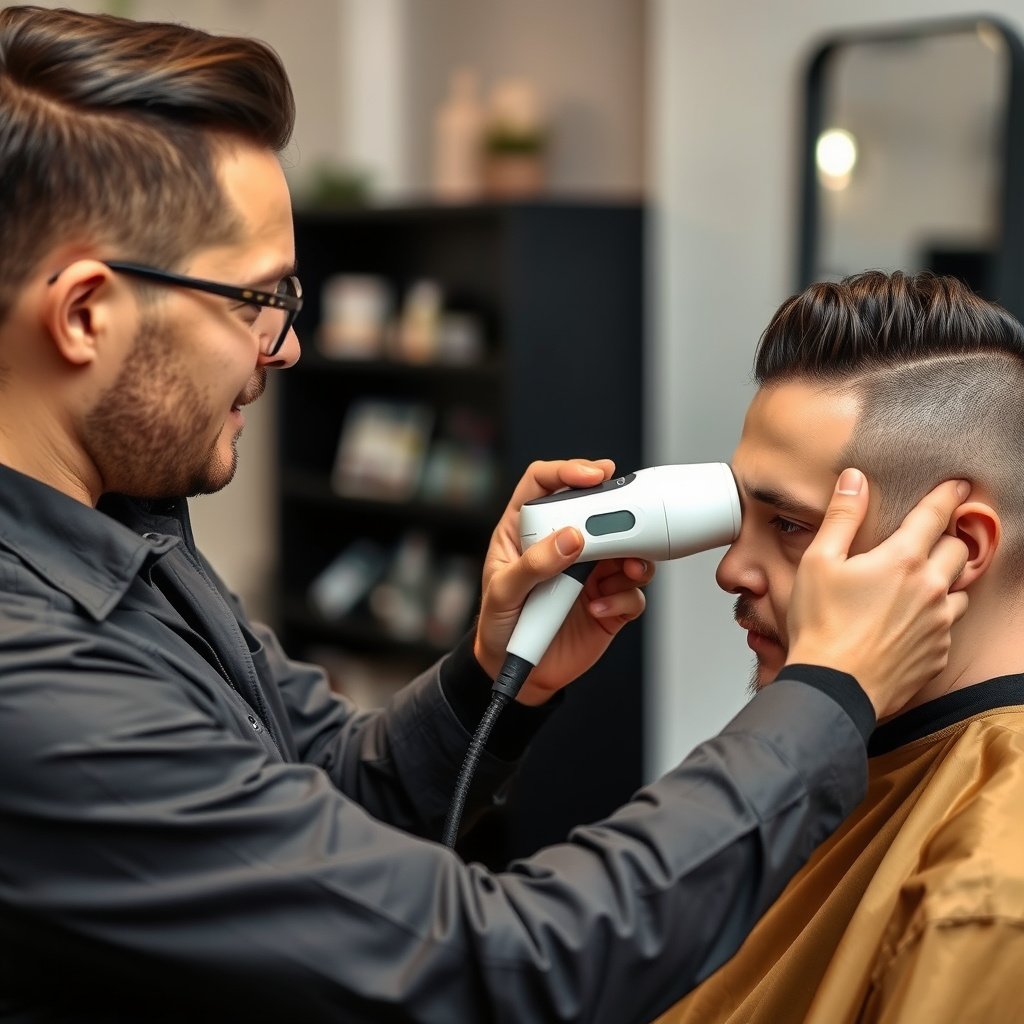
Professional treatments such as keratin smoothing, protein reconstructing masks, or oil-based hair therapies can offer intensive moisture replenishment. These treatments penetrate deeper compared to over-the-counter products and are tailored based on hair analysis.
Regular visits to trusted salons for trimming split ends also help maintain hair health and prevent dryness from worsening.
- Customized protein and moisture treatments
- Professional trimming to remove damaged ends
- Scalp treatments to address issues
Comparison of Moisturizing Methods for Dry Hair
Here’s a quick overview of common moisturizing methods, highlighting benefits and ideal uses for dry hair care.
| Method | Effectiveness | Frequency | Cost | Best For |
|---|---|---|---|---|
| Leave-in Conditioner | Moderate | Daily | $ | Light hydration and frizz control |
| Deep Conditioning Mask | High | Weekly | $$ | Severely dry or damaged hair |
| Hair Oils | High | Several times weekly | $ | Sealing moisture in ends |
| Professional Salon Treatments | Very High | Monthly or as directed | $$$ | Extreme dryness and damage |
| Diet and Hydration | Moderate | Ongoing | Varies | Overall hair health maintenance |
Frequently Asked Questions
Can I moisturize dry hair without washing it first?
Yes, applying leave-in conditioners or lightweight oils to dry hair can help moisturize and tame frizz without washing. However, applying to clean hair ensures better absorption and prevents buildup.
How often should I deep condition my dry hair?
Deep conditioning once a week is generally effective for dry hair. If your hair is extremely damaged, twice a week can be beneficial, but avoid over-conditioning which might weigh hair down.
Are natural oils better than store-bought moisturizers for dry hair?
Natural oils like coconut and argan oil are excellent for sealing moisture and adding shine, but they work best combined with sophisticated moisturizers that hydrate inside the hair. Using both offers balanced care.
Will reducing shampoo frequency help my dry hair?
Yes, shampooing less frequently helps maintain your scalp's natural oils, which are essential for moisturizing hair. Using gentle, sulfate-free shampoos also reduces dryness caused by stripping chemicals.
Can a humidifier improve my dry hair condition?
Using a humidifier adds moisture to the air, which can help prevent hair from drying out in environments with low humidity. It’s a useful complement to moisturizing hair products and routines.
Key Takeaways
- Hydrating products and gentle care keep dry hair soft and manageable.
- Deep conditioning and hair oils are powerful moisturizers for brittle strands.
- Diet and hydration influence hair moisture from within.
- Professional treatments assist in repairing severe dryness and damage.
Conclusion
Moisturizing dry hair effectively combines choosing hydrating products with adopting thoughtful routines to protect and nourish strands. Recognizing hair type and damage level allows you to pick conditioners, oils, and treatments proportionate to your needs. Preventing moisture loss by avoiding harsh shampoos and excessive heat styling contributes significantly to restoring softness and luster. With mindful care and nourishment, dry hair can regain elasticity and shine without feeling heavy or greasy.
For those with mild dryness, moisturizing shampoos, conditioners, and leave-in conditioners provide sufficient daily hydration. People experiencing severe dryness or brittle, damaged hair benefit greatly from weekly deep conditioning masks paired with natural oils like argan or coconut applied to ends. In persistent cases, professional salon treatments or trimmings tailored to hair’s needs can dramatically improve hydration levels. Incorporating dietary improvements and staying properly hydrated supports scalp health, enhancing the effects of topical moisturizing approaches.
The best next step is to evaluate your hair’s dryness severity and test moisturizing treatments to see which combinations work best. Experiment with gentle cleansing products, add regular deep conditioning, and apply light hair oils to ends. Adjust routines as you notice your hair’s response, aiming for consistently soft, flexible strands. Maintaining this moisture balance will keep your hair healthy, vibrant, and resilient.
One Comment