What Products Help Hair Growth: Effective Options for Thicker Hair
Products that help hair growth work by nourishing the scalp, stimulating follicles, and improving hair health. Key ingredients like biotin, minoxidil, and natural oils have been proven to support thicker and stronger hair growth.
Hair thinning and slow growth can result from genetics, stress, poor nutrition, or scalp conditions. Using hair growth products can counter these factors by improving scalp health, increasing blood circulation, and providing essential nutrients needed for hair regeneration.
This article explores a range of products designed to help hair growth, including topical solutions, shampoos, supplements, natural oils, and professional treatments. It also details how these products work, their benefits, and how to choose the best option for your specific hair needs.
Topical Hair Growth Products and How They Work
Minoxidil: The Clinically Proven Solution
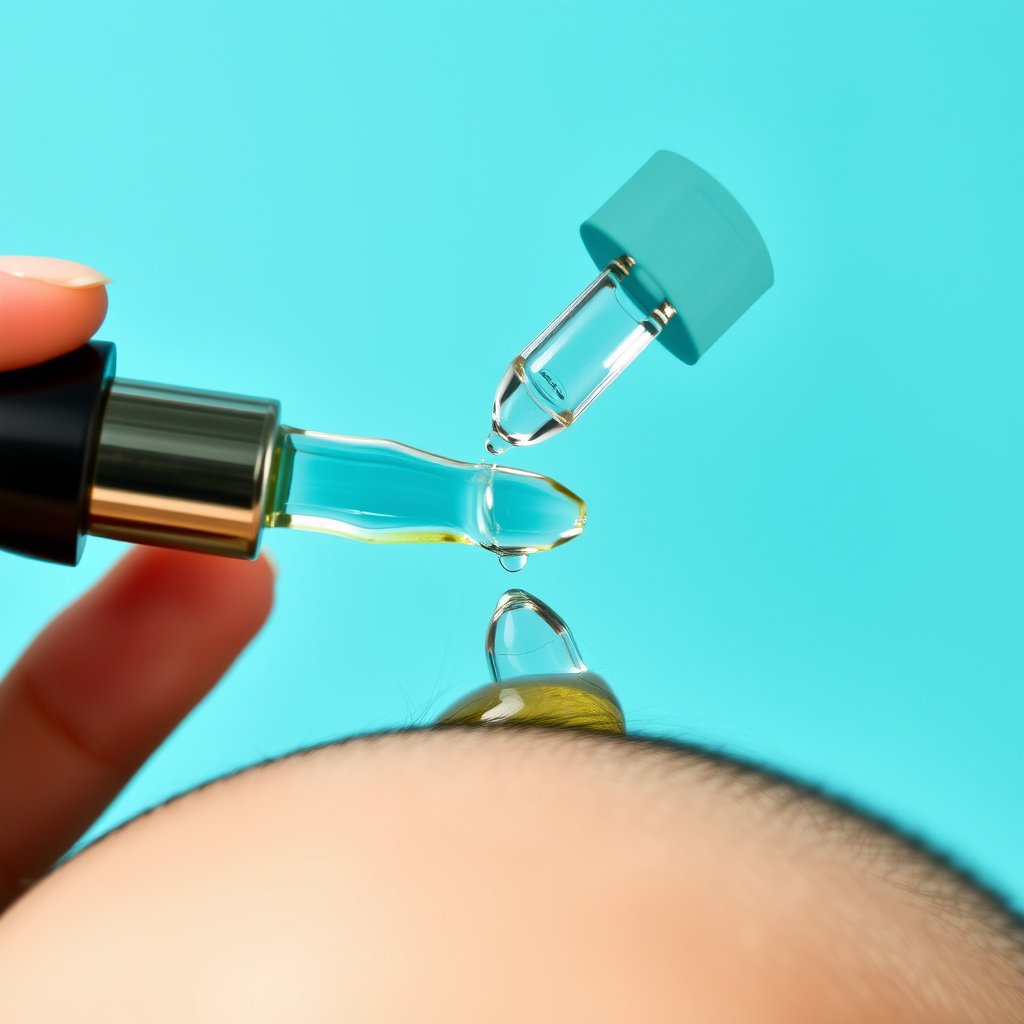
Minoxidil is one of the few FDA-approved products that help hair growth for both men and women. It works by widening blood vessels around hair follicles, improving oxygen flow and nutrient delivery, which stimulates dormant follicles to enter the growth phase.
Available in 2% and 5% topical formulas, consistent application twice daily is necessary. While effective, some users may experience scalp irritation or unwanted facial hair growth, which makes following instructions critical.
- FDA-approved
- Stimulates follicle growth
- Requires regular application
- Potential mild side effects
Hair Growth Shampoos and Their Ingredients
Hair growth shampoos often contain caffeine, biotin, ketoconazole, or natural extracts like saw palmetto. These ingredients help reduce hair follicle inflammation, block DHT (a hormone linked to hair loss), and increase scalp circulation.
While shampoos alone typically don't provide dramatic regrowth, they support scalp health and improve the results when paired with other treatments like topical serums or supplements.
- Contains DHT blockers
- Supports scalp health
- Enhances follicle environment
- Best used as part of a routine
Natural Oils and Supplements for Hair Growth
Using Essential Oils to Stimulate Hair Growth
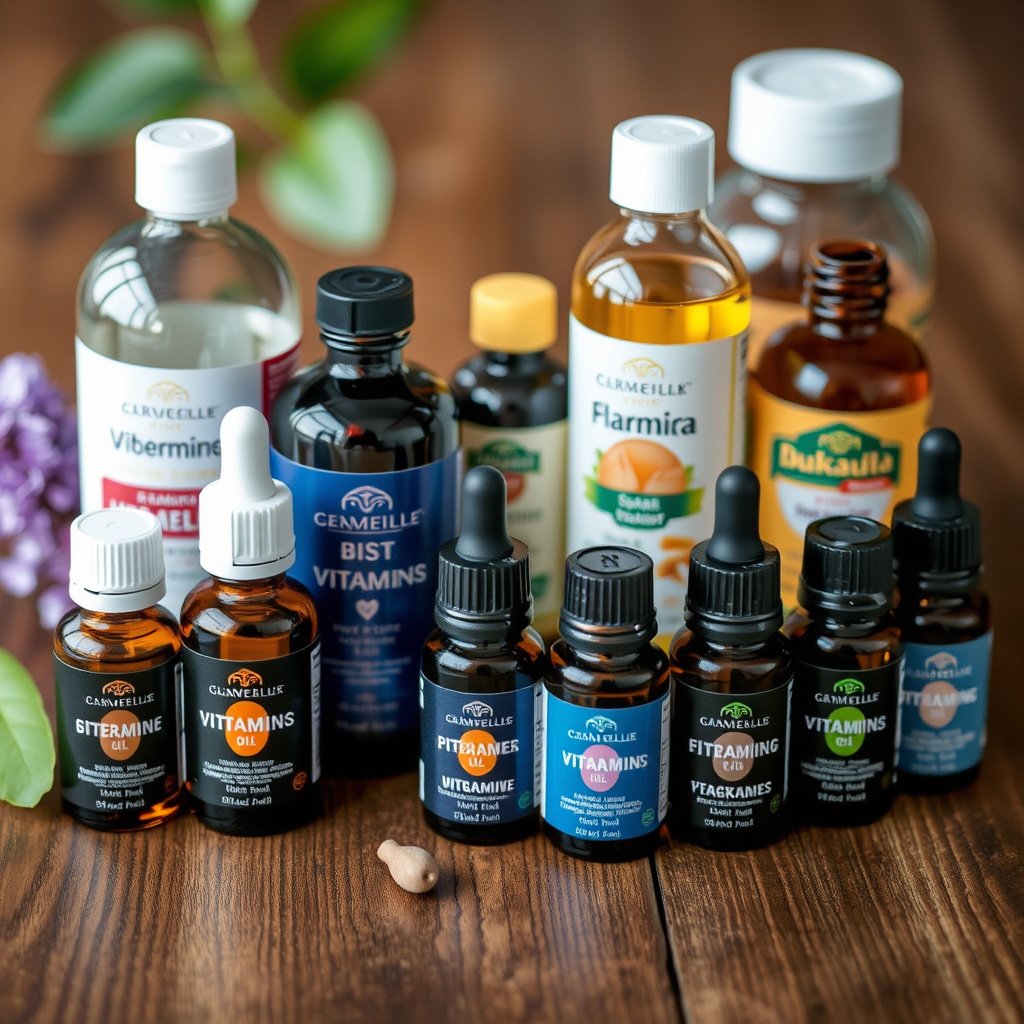
Essential oils such as rosemary, peppermint, and castor oil have properties that can promote hair growth by improving blood circulation and providing antioxidants. When diluted with carrier oils, they protect the scalp and nourish hair follicles.
Applying these oils regularly as scalp massages can reduce hair thinning and enhance follicle health. However, results vary, and oils are best used in combination with other hair growth products.
- Improves scalp circulation
- Provides antioxidant support
- Requires dilution
- Used with massage for best effect
For more on this, see our related guide: How Often Should You Wash Natural Hair for Healthy Growth and Shine.
Vitamins and Nutritional Supplements
Supplements containing biotin, vitamin D, zinc, and iron support hair growth by addressing nutritional deficiencies often linked to hair loss. These nutrients play key roles in keratin production and follicle repair.
It’s important to test for deficiencies before starting supplements since overuse can cause side effects. Balanced nutrition alongside supplements generally enhances hair strength and growth rate.
- Biotin supports keratin synthesis
- Vitamin D regulates follicle cycling
- Zinc aids tissue repair
- Consult healthcare providers first
Advanced Hair Growth Treatments
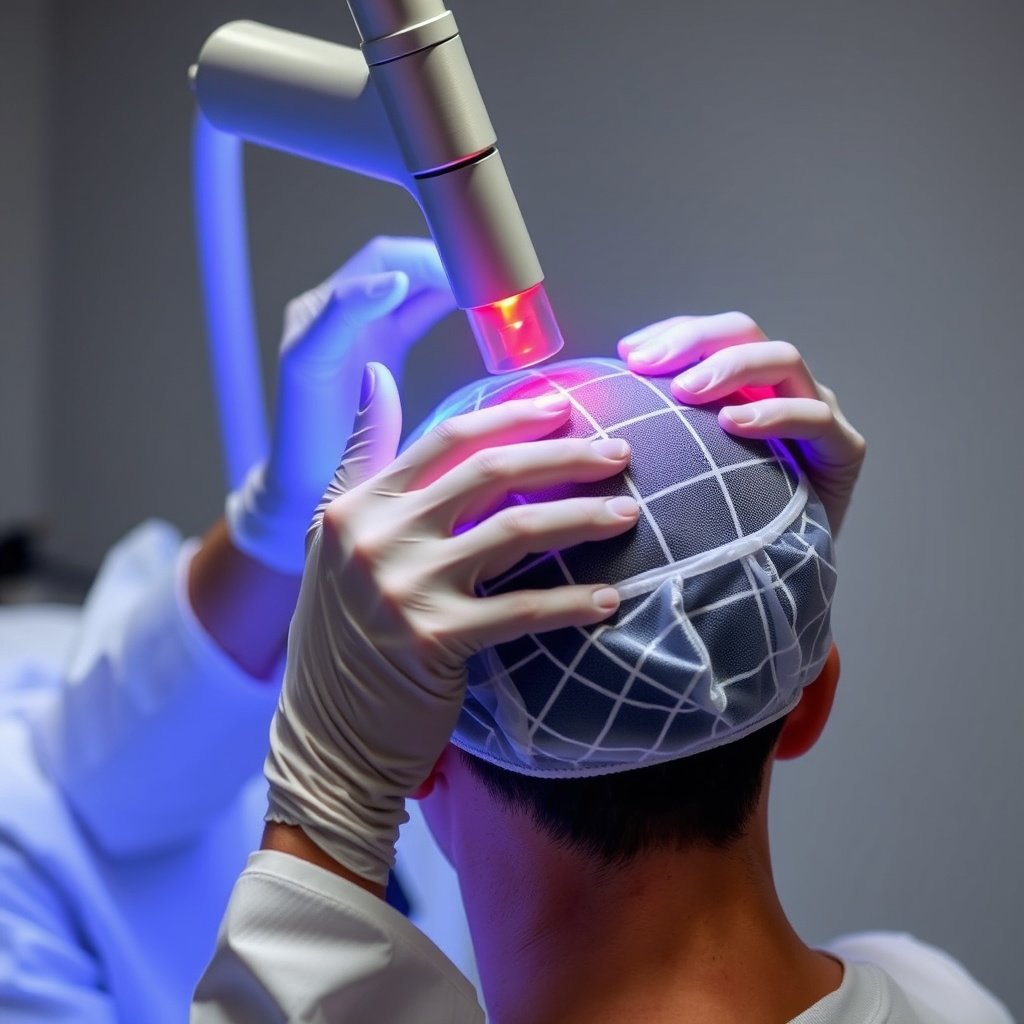
Low-Level Laser Therapy (LLLT)
Low-level laser therapy devices emit red light that penetrates the scalp to stimulate follicle activity and increase cell metabolism. Clinical studies indicate LLLT can promote hair density and slow hair loss progression.
Users typically see improvement after several months of regular use, and treatments are painless with minimal side effects. These devices are available in laser combs, helmets, or caps for home use.
- Stimulates cell metabolism
- Pain-free and non-invasive
- Required continuous use
- Available for home or clinic
Platelet-Rich Plasma (PRP) Therapy
PRP therapy involves drawing a patient’s blood, concentrating the platelets, and injecting them into the scalp. The growth factors released help regenerate hair follicles and improve hair thickness.
Though considered safe and effective for many, PRP is a professional treatment requiring multiple sessions at a clinic, making it more costly and less accessible than topical options.
- Uses patient's own blood
- Stimulates follicle regeneration
- Multiple sessions needed
- Clinician administered
Choosing the Right Hair Growth Products
Matching Products to Hair and Scalp Types
Oily scalps may benefit from lightweight serums and shampoos with cleansing DHT blockers, while dry scalps can require hydrating oils and moisturizing shampoos with biotin. Understanding your scalp condition helps maximize product effectiveness.
For sensitive scalps, fragrance-free and hypoallergenic formulations reduce irritation risk. Also, some products suit certain hair types better—fine hair benefits from volumizing formulas, thick hair from deeply nourishing treatments.
- Assess scalp oiliness/dryness
- Consider sensitivity risks
- Match product texture to hair type
- Read ingredient lists carefully
For more on this, see our related guide: How to Care for Natural Hair: Essential Tips for Healthy, Defined Curls.
Avoiding Common Hair Growth Product Mistakes
Applying too many products simultaneously can overload the scalp and hinder hair growth. Starting with one product at a time allows monitoring for reactions and effectiveness. Also, unrealistic expectations may lead to disappointment—results often take months.
Failing to follow usage instructions, such as skipping applications or using insufficient dosage, reduces benefits. Patience and consistent use provide the best chance of success.
- Introduce products gradually
- Follow manufacturer instructions
- Track progress over months
- Maintain realistic expectations
Hair Growth Product Safety and Side Effects
Common Side Effects of Hair Growth Products
Minoxidil can cause scalp irritation, dryness, or unwanted facial hair growth if applied improperly. Some essential oils may trigger allergic reactions or redness without prior patch testing.
Supplements can cause digestive upset or interact with medications if taken without professional advice. Awareness of possible side effects helps users select and use products safely.
- Scalp itching or dryness
- Allergic reactions to oils
- Digestive upset from supplements
- Consult healthcare professionals
For more insight on hair loss and treatment options, review this detailed hair loss treatments overview. hair loss treatments overview.
When to Consult a Dermatologist
If hair loss persists despite product use or worsens rapidly, seeing a dermatologist is recommended. Underlying medical conditions such as alopecia areata or hormonal imbalances require diagnosis and treatment beyond over-the-counter products.
A professional can recommend more advanced therapies or tests, ensuring a targeted approach tailored to individual causes of hair loss.
- Persistent or rapid hair loss
- Severe scalp irritation
- Underlying medical conditions
- Professional diagnosis and treatment
Hair Growth Product Types Comparison
Here’s a quick comparison of popular hair growth product categories, their mechanisms, costs, and typical usage requirements.
| Product Type | Mechanism | Average Cost | Usage Frequency | Suitability |
|---|---|---|---|---|
| Minoxidil | Vasodilation and follicle stimulation | $25-$60 per month | Twice daily topical application | Mild to moderate hair thinning |
| Hair Growth Shampoo | DHT blocking and scalp nourishment | $10-$30 per bottle | Daily washing | All scalp types, mild support |
| Essential Oils | Scalp circulation improvement | $10-$25 per bottle | 2-3 times per week massage | Dry or thinning scalp |
| Supplements | Nutritional support for follicles | $15-$50 per month | Daily oral intake | Deficiency-related hair loss |
| Low-Level Laser Therapy | Cell metabolism stimulation | $200-$800 device | 3-5 times per week | Pattern baldness, preventive |
| PRP Therapy | Platelet growth factor injections | $500-$1500 per session | Monthly sessions (3-4 total) | Advanced hair loss cases |
Frequently Asked Questions
How long does it take to see results from hair growth products?
Most hair growth products require at least 3 to 6 months of consistent use before visible improvement occurs, as hair follicles take time to react and enter the growth phase.
Are natural oils as effective as medical treatments for hair growth?
Natural oils improve scalp health and circulation but typically provide more subtle results compared to medical treatments like minoxidil or laser therapy.
Can I use hair growth shampoos with minoxidil?
Yes, combining shampoo with minoxidil can enhance scalp health and support hair growth, but ensure both products suit your scalp type and follow usage guidelines.
Are there any risks associated with hair growth supplements?
Supplements can cause side effects or interact with medications; it’s best to consult a healthcare provider before starting, especially if you have pre-existing conditions.
Is PRP therapy a permanent solution for hair loss?
PRP therapy can improve hair density but isn't permanent; maintenance treatments may be needed, and results vary based on individual factors.
Key Takeaways
- Minoxidil is the only FDA-approved topical treatment proven to stimulate hair growth.
- Supplementing with vitamins and using natural oils can support hair health but usually require combination with other treatments.
- Advanced options like laser therapy and PRP provide promising results but can be costly and need ongoing use.
- Understanding hair and scalp type is essential to selecting effective hair growth products.
Conclusion
Choosing products that help hair growth involves considering your hair type, the cause of hair loss, and your tolerance for treatment regimens. Products like minoxidil offer robust clinical support and can kickstart growth by directly stimulating follicles. Complementary methods—such as specialized shampoos, essential oils, and nutritional supplements—create a healthy scalp environment required for lasting improvement. Combining treatments thoughtfully, while monitoring progress, helps develop an effective personalized strategy for reversing hair thinning.
If you are dealing with mild to moderate hair thinning, starting with an FDA-approved topical like minoxidil paired with a biotin-enriched shampoo may provide a good balance of effectiveness and ease. For those open to investing in advanced therapies, low-level laser devices or professional PRP treatments can offer enhanced stimulation for stubborn areas. Meanwhile, natural remedies and supplements serve as supportive elements or maintenance options for long-term hair health, especially when diet or scalp conditions contribute to hair loss.
Ultimately, patience and consistency form the foundation for meaningful hair growth results. Consult a dermatologist if your hair loss persists or accelerates despite using reliable products. Begin with a clear understanding of each product’s benefits and side effects, then tailor your routine patiently over several months. This methodical approach empowers you to regain thicker, healthier hair naturally and safely.