Human Hair vs Synthetic Wig: Which One Suits You Best?
When deciding between a human hair vs synthetic wig, human hair wigs offer natural appearance, versatile styling options, and long-term durability, while synthetic wigs are more budget-friendly and require less maintenance but lack styling flexibility. Your choice depends on priorities like look, care, and price.
Choosing the right wig impacts how confident and comfortable you feel daily, whether for medical reasons, style changes, or special occasions. Human hair wigs can be styled with heat tools and blend seamlessly with natural hair, making them ideal for authentic looks. Synthetic wigs, however, hold style well even after washing and are often lighter, appealing for ease of use.
This article covers the key differences between human hair and synthetic wigs regarding quality, cost, maintenance, styling, lifespan, and more. You'll gain a clear understanding to help you pick the wig type that matches your lifestyle and cosmetic goals.
Understanding Human Hair Wigs

Quality and Appearance of Human Hair Wigs
Human hair wigs provide the most natural look because they consist of real hair harvested from donors. Each strand mimics the texture, sheen, and movement of natural hair, allowing for seamless blending with your own hairline and scalp.
The hair can be dyed, cut, and styled just like natural hair, enabling endless customization. Due to their authentic quality, human hair wigs often come with a higher price reflecting the material and craftsmanship involved.
Maintenance and Longevity
Human hair wigs require diligent care similar to natural hair, including washing, conditioning, and gentle handling to prevent tangling or damage. They also benefit from occasional deep conditioning treatments.
With proper maintenance, human hair wigs can last from one to two years or more. However, their higher upkeep demands can be challenging for users new to wig care.
- Use sulfate-free shampoos
- Avoid excessive heat styling
- Store on a wig stand to maintain shape
Synthetic Wig Features and Benefits
Construction and Styling of Synthetic Wigs
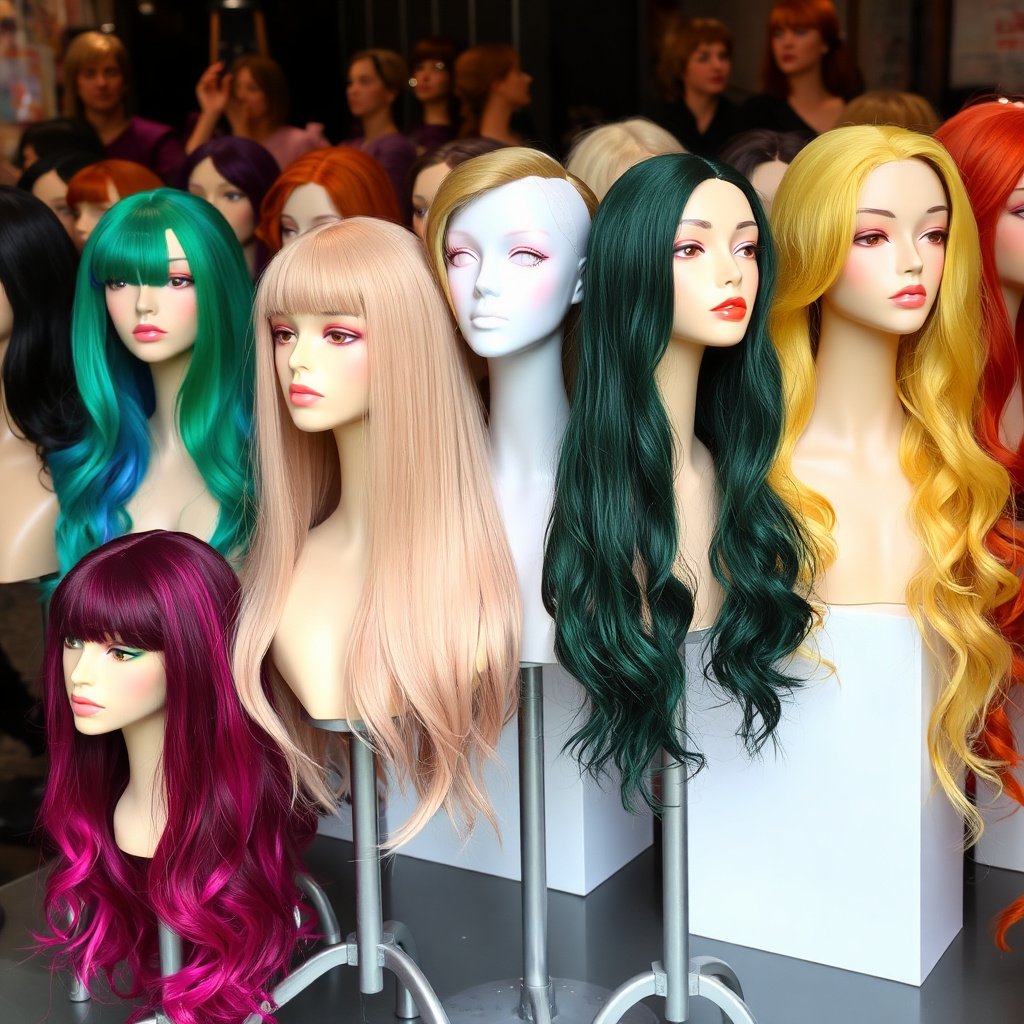
Synthetic wigs are made from man-made fibers designed to look like natural hair. These fibers are pre-styled, retaining shape even after washing, making synthetic wigs convenient for users who want consistent looks with low styling effort.
However, synthetic fibers cannot usually withstand heat styling with curling irons or straighteners unless specifically labeled heat-resistant, limiting flexibility for personalized styling.
Maintenance and Durability
Synthetic wigs are low-maintenance, requiring only gentle washing with special synthetic wig shampoos and air drying. They resist frizz and hold their style in various weather conditions better than human hair.
The lifespan of synthetic wigs is typically shorter, lasting approximately 4 to 6 months with regular wear before fibers start to lose their sheen and resilience.
- Avoid exposure to high heat
- Wash every 6-8 wears
- Brush gently with a wide-tooth comb
Cost Comparison Between Human Hair vs Synthetic Wig
Initial Purchase Price
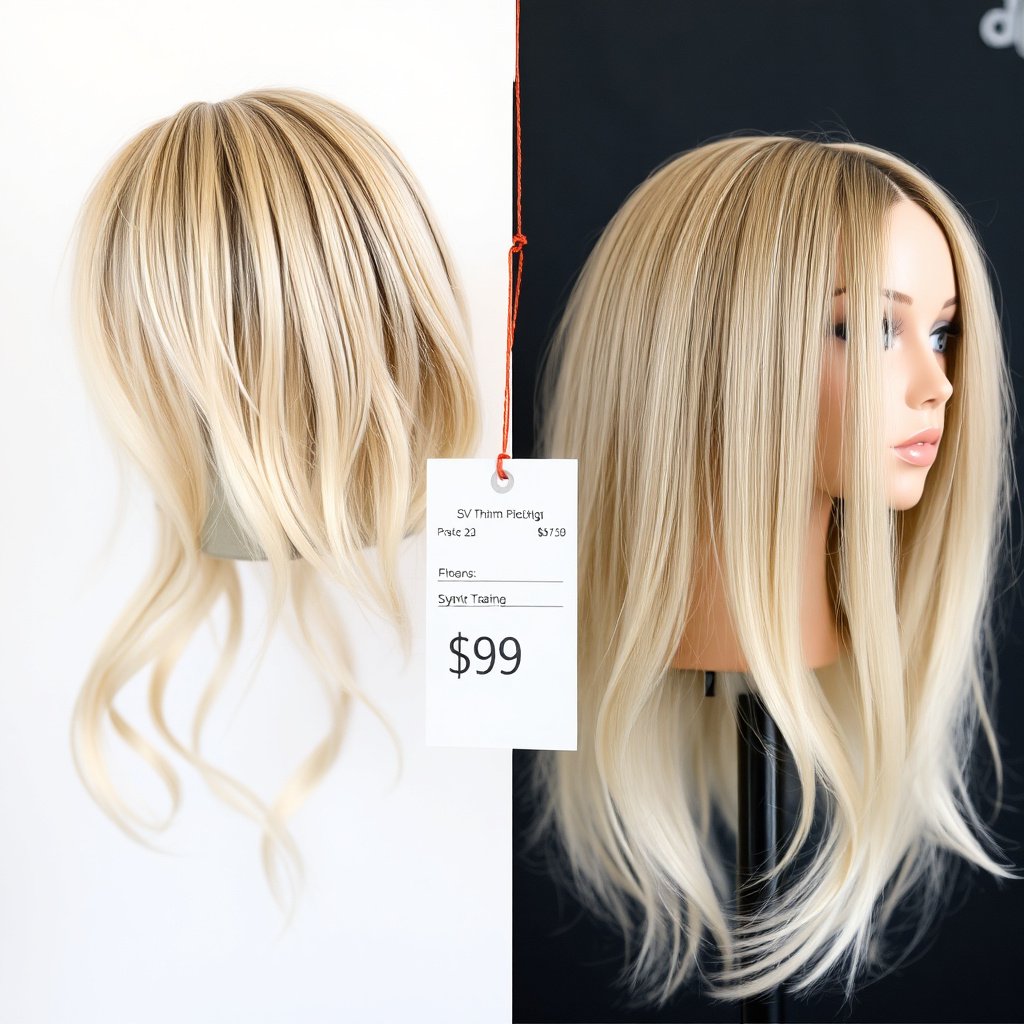
Human hair wigs generally come with a premium price due to the sourcing of real hair and handcrafting involved, ranging anywhere from $200 to over $2000 depending on quality and length.
Synthetic wigs tend to be much more affordable, with prices commonly between $50 and $300, making them accessible options for budget-conscious buyers.
For more on this, see our related guide: Human Hair vs Synthetic Wigs: Key Differences Explained.
Long-Term Value and Replacement Frequency
Though human hair wigs have a higher upfront cost, their longer lifespan often translates to better value over time if you maintain them properly.
Synthetic wigs may require frequent replacements within months, which can accumulate in costs for regular users, albeit still typically less than investing in human hair wigs.
Styling Flexibility and Appearance

Versatility with Human Hair Wigs
Human hair wigs react like natural hair, allowing users to curl, straighten, dye, or cut them to match changing style preferences. This adaptability helps those seeking a versatile look suitable for various occasions.
They also blend naturally with your own hairline, especially when hand-tied or lace front styles are involved, creating an undetectable appearance.
Styling Limitations of Synthetic Wigs
While synthetic wigs offer pre-styled convenience and maintain set curls or waves, they rarely tolerate heat styling tools unless heat-friendly fibers are used. This limits personalization to variations like combing or light trimming.
Synthetic wigs can also sometimes appear less natural due to shinier fibers, although modern synthetic options have improved greatly to mimic natural hair texture.
Comfort and Wearability

Comfort Factors in Human Hair Wigs
Human hair wigs usually have breathable caps and feel more natural on the scalp but can be heavier given the density and weight of real hair strands. Proper cap construction helps improve ventilation.
Also, because natural hair can trap heat and moisture, these wigs may feel warmer in hot climates.
For more on this, see our related guide: Human Hair Wig vs. Synthetic Wig: Which Is Better?.
Comfort and Weight of Synthetic Wigs
Synthetic wigs are typically lighter and can feel cooler during wear. Fibers tend to repel moisture, contributing to dryness and sometimes static during dry weather.
Their simpler caps and lighter weight make them suitable for shorter wear periods or for those new to wearing wigs.
Human Hair vs Synthetic Wig: Color and Texture Options

Color Variation in Human Hair Wigs
Human hair wigs offer a vast palette of natural shades and can be custom-colored as desired. Dyeing and bleaching are possible but require skill to avoid damage.
The texture options include straight, wavy, curly, and coiled hair types, reflecting the diversity of natural hair patterns worldwide.
For a comprehensive overview of wig types, history, and care, refer to this detailed resource on wig technology. Wig – Wikipedia.
Synthetic Wig Color Range
Synthetic wigs come in a wide variety of colors, often providing bolder hues unavailable in human hair wigs, including fantasy shades like blue, pink, or purple.
Textures are pre-set and consistent, including curls and waves, but cannot be changed post-purchase. New fiber technologies offer more natural textures mimicking human hair.
Comparing Human Hair vs Synthetic Wigs: Features and Suitability
The following table highlights key differences to help you weigh options between human hair and synthetic wigs.
| Feature | Human Hair Wig | Synthetic Wig |
|---|---|---|
| Appearance | Most natural and realistic | Good but can appear shiny or artificial |
| Styling Options | Can be heat styled, dyed, cut | Mostly pre-styled, limited heat use |
| Maintenance | High; requires care like natural hair | Low; easy wash and style retention |
| Lifespan | 1-2 years or longer | 4-6 months with regular use |
| Price | High initial cost | Affordable, lower upfront cost |
| Comfort | Heavier, may feel warmer | Lighter, cooler to wear |
| Color Variety | Natural shades, customizable | Wide range including vibrant colors |
| Durability | Strong but needs careful handling | Moderate, fibers degrade sooner |
Frequently Asked Questions
Can I use heat tools on a synthetic wig?
Most synthetic wigs are not heat-resistant and can melt or become damaged if exposed to curling irons or straighteners. Some newer synthetic fibers allow low-heat styling but always check manufacturer instructions.
How often should I wash a human hair wig?
Washing human hair wigs every 10 to 15 wears is recommended, depending on activity and product buildup. Use gentle, sulfate-free shampoos and conditioners designed for wigs.
Which wig type is better for daily wear?
Human hair wigs offer more natural appearance and versatility, making them great for daily use if you can commit to maintenance. Synthetic wigs are better for low-maintenance or occasional wear.
Do synthetic wigs last as long as human hair wigs?
No, synthetic wigs typically last 4 to 6 months with regular wear, while human hair wigs can last one to two years or more when maintained correctly.
Are synthetic wigs lighter than human hair wigs?
Yes, synthetic wigs tend to be lighter in weight due to the fibers used, which can increase comfort during long wear.
Key Takeaways
- Human hair wigs offer superior natural look and styling flexibility at a higher cost and maintenance level.
- Synthetic wigs provide budget-friendly, low-maintenance options with ready-to-wear styles but limited heat styling.
- Consider your lifestyle, budget, and how much effort you want to spend on upkeep when choosing.
- Both wig types have distinct advantages, best matched to different users’ needs and preferences.
Conclusion
Choosing between a human hair vs synthetic wig involves balancing factors like how natural the wig looks, your styling preferences, the money you want to spend upfront and over time, and how much maintenance you’re willing to perform. Human hair wigs excel in delivering authenticity and flexibility for those wanting the closest experience to natural hair, while synthetic wigs offer convenience and variety with less commitment to daily care.
If you prioritize a completely natural appearance and plan to style your wig regularly with heat tools or coloring, human hair wigs are worth investing in despite the higher cost and upkeep. Conversely, if you need an affordable wig for occasional wear or prefer something ready to wear with minimal fuss, synthetic wigs, especially those labeled as heat-resistant, can be excellent choices. The best wig for everyday wear depends largely on your daily activity level, comfort needs, and how much effort you want to dedicate to maintenance.
To make your final decision, try on different wigs if possible, assess your budget realistically, and think about your typical daily schedule. Whichever you choose, proper care will extend the life and appearance of your wig. For detailed information on wig care and synthetic fibers, you can visit the authoritative guide on wigs at Wikipedia, which provides a solid foundation for further learning.