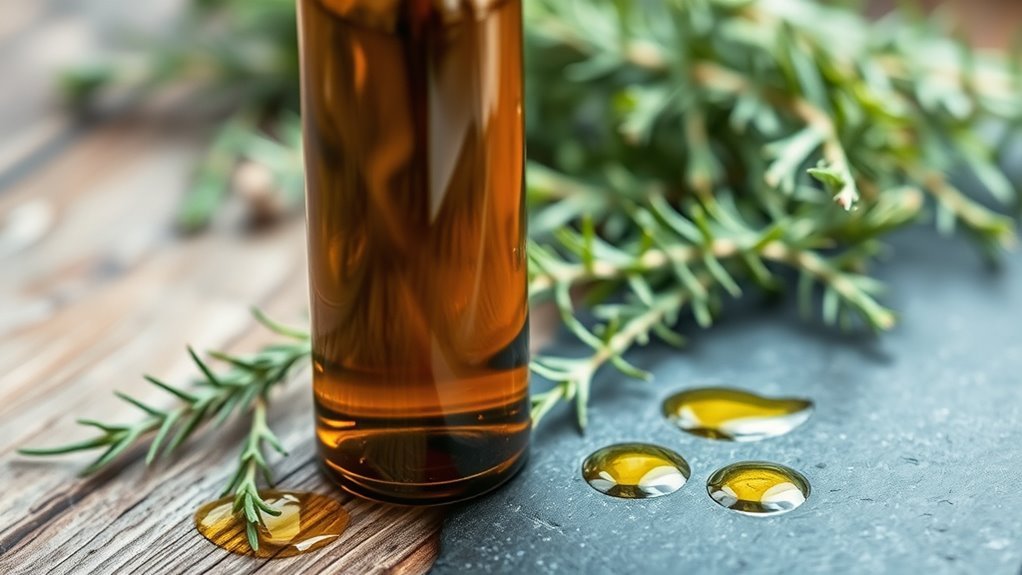
Hair Growth Oil: A Complete Buying Guide
Struggling to find the right solution for thinning hair or slow growth? You’re not alone. Many people face the frustration of trying countless products without seeing real results.
That’s why choosing the right hair growth oil can make all the difference in boosting your hair health effectively.
If you want to boost your hair health, choosing the right hair growth oil matters. Look for ingredients like rosemary, biotin, and aloe vera to nourish your scalp and strengthen follicles.
Pick oils suited to your hair type and scalp sensitivity, and apply them regularly with gentle massages for best absorption.
Avoid overuse and patch-test first to prevent irritation. As you investigate, you’ll uncover how to combine oils and adjust routines for real, lasting results.
Key Takeaways
- Hair growth oils nourish the scalp, strengthen follicles, and improve moisture retention to promote healthier, softer hair. They work by providing essential nutrients directly where your hair grows.
- Key ingredients include essential oils like rosemary, vitamins such as biotin, and herbal extracts like aloe vera for optimal scalp health. These components help stimulate growth and soothe the scalp naturally.
- Choose oils based on hair porosity, scalp sensitivity, and texture. And always patch-test to avoid allergic reactions before fully applying any product.
- Apply oil on a clean, slightly damp scalp with gentle circular massages 2-3 times weekly. This helps with better absorption and gives you the best results.
- Avoid overuse and buildup by monitoring frequency, layering products correctly, and maintaining consistent application. This way, you support effective hair growth without weighing your hair down.
How Hair Growth Oils Boost Hair Health
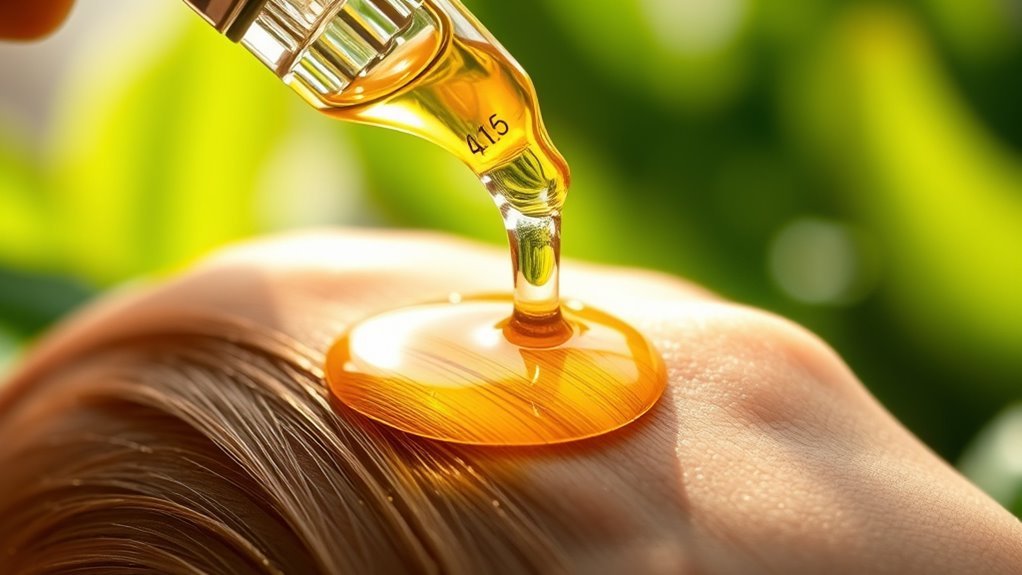
Although hair growth oils work in different ways, they all nourish your scalp and strengthen hair follicles to promote healthier, thicker hair. When you apply these oils, they boost scalp circulation, ensuring that essential nutrients reach your hair roots more effectively. This improved blood flow helps stimulate dormant follicles, encouraging new growth.
Additionally, hair growth oils improve moisture retention, preventing dryness and brittleness that can lead to breakage. By locking in hydration, these oils create a protective barrier on your hair strands, keeping them soft and resilient. Using hair growth oils regularly also soothes irritation and reduces flakiness, maintaining a healthier scalp environment where hair can thrive.
Incorporating these oils into your routine supports your scalp’s overall health and strengthens each follicle, making your hair less prone to damage and promoting consistent growth. You’ll notice your hair looking fuller, shinier, and more vibrant with continued use.
Top Ingredients to Look For in Hair Growth Oils
You’ll want to look for hair growth oils that are packed with essential natural extracts to nourish your scalp. Vitamins and nutrients play a key role in strengthening your hair right from the roots. Plus, oils that help stimulate circulation can really boost healthy hair growth effectively.
Essential Natural Extracts
When choosing a hair growth oil, you want to focus on natural extracts known for their proven benefits. Essential oils like rosemary and peppermint stimulate blood circulation to your scalp. This encourages hair follicles to grow stronger and thicker.
Herbal extracts such as aloe vera and ginseng soothe irritation, reduce dandruff, and support a healthy scalp environment. These ingredients work synergistically to nourish your hair from root to tip without harsh chemicals.
Look for products that combine essential oils with herbal extracts to maximize effectiveness. By selecting oils rich in these natural components, you’re giving your hair the best chance to grow healthy and resilient. Avoid synthetic additives and prioritize oils that harness the power of nature for optimal hair growth results.
Vitamins And Nutrients
Vitamins and nutrients play an essential role in promoting healthy hair growth by strengthening follicles and preventing breakage. When choosing hair growth oils, look for ingredients rich in vitamin benefits like biotin, vitamin E, and vitamin D.
These vitamins improve scalp circulation, nourish hair roots, and support keratin production, which is critical for stronger, thicker hair. Nutrient sources such as zinc, iron, and omega-3 fatty acids also contribute to healthier strands by reducing inflammation and boosting moisture retention.
Oils That Stimulate
Nourishing your hair with the right vitamins and nutrients sets a strong foundation. But to truly promote growth, you want to focus on oils that actively stimulate your scalp and follicles. These oils improve scalp stimulation, increasing blood flow and encouraging healthier follicles.
Plus, their excellent oil absorption guarantees your scalp gets maximum benefits without feeling greasy.
Here’s a quick guide to top stimulating oils:
| Oil | Benefit | Key Feature |
|---|---|---|
| Castor Oil | Boosts circulation | Thick, slow absorption |
| Peppermint Oil | Refreshes and invigorates | Cooling scalp stimulation |
| Rosemary Oil | Strengthens follicles | Improves oil absorption |
Choose oils that suit your scalp type and massage regularly for best results.
Comparing Natural vs. Synthetic Hair Growth Oils
Although both natural and synthetic hair growth oils aim to stimulate your scalp and promote healthier hair, they work in different ways and offer distinct benefits. Natural benefits often include nourishing plant-based ingredients known for their gentle effects and fewer side effects.
When you choose oils with natural ingredient sourcing, you support sustainable practices and reduce exposure to harsh chemicals. On the other hand, synthetic oils may raise concerns like potential irritation or allergic reactions, but they often promise targeted formulations backed by scientific research.
User preferences play a big role. Some prefer natural oils for their holistic appeal, while others trust synthetics for quick results. Application techniques vary slightly depending on the oil’s consistency and absorption rate.
When you compare efficacy, natural oils tend to work gradually, while synthetics might deliver faster outcomes but sometimes with trade-offs in long-term scalp health. Understanding these differences helps you pick an oil that fits your lifestyle and hair goals.
How to Choose the Right Hair Growth Oil for Your Hair Type
Choosing between natural and synthetic hair growth oils is just the first step. Finding the right one for your specific hair type makes all the difference in achieving the best results.
Start by evaluating your hair porosity. If you have low porosity hair, lighter oils like jojoba or grapeseed penetrate better. High porosity hair benefits from heavier oils like castor or coconut oil to seal moisture.
Next, consider your scalp sensitivity. If your scalp tends to get irritated, opt for oils with soothing properties such as tea tree or chamomile-infused oils to avoid discomfort.
For sensitive scalps, choose soothing oils like tea tree or chamomile to prevent irritation and discomfort.
Also, think about your hair’s texture. Fine hair requires lighter oils to prevent weighing it down. Thicker or curly hair often responds well to richer, more nourishing oils.
Finally, always patch-test new oils to confirm they don’t cause allergic reactions or worsen scalp sensitivity. Choosing wisely based on these factors helps you maximize hair growth without compromising scalp health.
How to Apply Hair Growth Oil for Best Results
Before you start applying hair growth oil, make sure your scalp is clean and a little damp—this helps the oil absorb better. You don’t want to overdo it, though; applying the oil regularly is great, but too often can cause buildup. When you put the oil on, use gentle, circular massage motions. This not only feels nice but also boosts blood flow, helping the oil work its magic.
Scalp Preparation Techniques
Preparing your scalp properly can make a significant difference in how well hair growth oil works. Start with scalp exfoliation techniques to remove dead skin cells and buildup that block oil absorption. Use a gentle scrub or a soft brush to stimulate circulation and clear pores.
After exfoliating, verify your scalp is clean and slightly damp for better oil penetration. Next, follow specific oil application rituals. Section your hair and apply the oil directly onto your scalp using your fingertips or a dropper.
Massage gently in circular motions to boost blood flow and help the oil reach hair follicles. These steps not only improve oil effectiveness but also promote a healthier scalp environment, setting the stage for ideal hair growth results.
Application Frequency Tips
To get the most out of your hair growth oil, you’ll want to stick to a consistent application schedule. Proper application techniques play a huge role in how well the oil absorption happens, boosting your results. Here’s a simple routine to follow:
- Apply the oil 2-3 times a week, allowing your scalp to absorb nutrients without buildup.
- Use a few drops to avoid over-saturating your hair, which can hinder absorption.
- Focus on damp hair for better penetration, as moisture helps the oil sink in.
- Let the oil sit for at least 30 minutes before washing or styling to maximize absorption.
Following this routine guarantees your scalp gets the nourishment it needs without overwhelming your hair.
Massage Methods for Absorption
Once you’ve applied the oil, gently massaging your scalp helps boost absorption and stimulates blood flow, encouraging hair growth. Use your fingertips to apply light pressure in small, circular motions across your scalp.
This scalp stimulation not only promotes better oil absorption but also invigorates hair follicles. Spend about 5 to 10 minutes massaging, focusing on areas where hair thinning is noticeable. Avoid using your nails to prevent irritation.
After massaging, leave the oil on for at least 30 minutes or overnight for deeper penetration. Consistent scalp stimulation through massage improves the effectiveness of your hair growth oil, ensuring nutrients reach the roots. Make this a relaxing part of your routine for the best results.
How Often to Use Hair Growth Oils for Noticeable Results
Although results can vary depending on your hair type and the oil you choose, applying hair growth oil consistently is key to seeing noticeable improvements. Your application frequency directly impacts how well the oil absorption works to nourish your scalp and stimulate growth.
To maximize benefits, consider this routine:
- Start with 2-3 times per week to allow your scalp to adjust and absorb the oil without feeling greasy.
- Gradually increase to daily use if your scalp tolerates it well and the oil absorbs fully.
- Apply the oil preferably at night to give it several hours for deep absorption.
- Wash your hair 24-48 hours after application to avoid buildup that can block follicles.
Stick to this frequency and monitor how your hair responds. Over time, consistent application encourages stronger, thicker hair by enhancing oil absorption and scalp health.
Benefits of Using Hair Growth Oils Beyond Hair Growth
You’ll find that hair growth oils do more than just boost new strands—they also improve your scalp’s health by reducing dryness and irritation. Plus, when you use these oils regularly, they can really enrich your hair’s texture, making it softer and shinier. So, let’s dive in and see how these benefits help your hair feel and look its best.
Scalp Health Improvement
Three key benefits of using hair growth oils go beyond just boosting hair length. They actively improve your scalp’s health. By incorporating scalp exfoliation techniques with these oils, you remove dead skin cells and unclog follicles. This allows your scalp to breathe better.
The essential oil benefits also come into play, as they soothe irritation and reduce inflammation.
Here’s how hair growth oils improve your scalp health:
- Hydrate dry, flaky skin to prevent dandruff
- Balance natural oil production for a healthier scalp environment
- Stimulate blood circulation, promoting nutrient delivery to hair roots
- Provide antimicrobial properties that protect against scalp infections
Using hair growth oils regularly supports a clean, nourished scalp. This lays the foundation for stronger, healthier hair.
Hair Texture Enhancement
Beyond improving scalp health, hair growth oils can markedly improve your hair’s texture. Whether you have coarse, fine, curly, or straight texture types, the right oil can add softness, reduce frizz, and boost shine.
Oils like argan, coconut, and jojoba penetrate strands, smoothing cuticles and enhancing manageability. This helps you handle different styling techniques with ease, from sleek blowouts to defined curls.
By nourishing your hair deeply, these oils create a smoother canvas, making styling less damaging and more effective. Using a growth oil regularly means your hair not only grows but feels healthier and looks more vibrant, no matter your texture type or styling preferences.
Incorporate it into your routine to enhance both texture and style results effortlessly.
Common Hair Growth Oil Mistakes to Avoid
Although hair growth oils can work wonders, many people make avoidable mistakes that hinder their results. To get the most from your oil, you need to avoid common application errors and ingredient misconceptions. Here are four mistakes to watch out for:
Avoid common mistakes with hair oils to maximize their benefits and achieve the best hair growth results.
- Overusing the oil: Applying too much can clog your scalp and weigh down hair, slowing growth. So, less is often more.
- Ignoring ingredient suitability: Not all oils suit every hair type. Some ingredients might cause irritation or buildup, so choose wisely.
- Skipping consistency: Irregular application reduces effectiveness. Stick to a regular routine for the best results.
- Applying on dirty hair: Oils absorb better on clean, slightly damp hair. Applying on dirty hair can trap dirt and block follicles.
How to Know If Hair Growth Oils Are Working
How can you tell if your hair growth oil is actually making a difference? Look for clear effectiveness indicators like reduced hair fall, softer strands, and new hair sprouts around your hairline or parting. You might also notice your scalp feels healthier and less itchy or flaky. Tracking these changes weekly helps you stay objective.
User testimonials can offer insights too. If many users report visible improvements within a few weeks, it’s a good sign your oil might work for you. Still, keep in mind that results vary based on hair type and consistency in use.
Don’t expect overnight miracles. Most oils need several weeks to show effects. Combining your personal observations with what others have experienced gives you a reliable way to measure success. Keep a simple journal to note progress, and if you see steady improvement in these key indicators, your hair growth oil is doing its job.
Tips for Combining Hair Growth Oils With Other Hair Care Products
When you combine hair growth oils with other hair care products, you can boost their effectiveness while keeping your hair balanced and healthy. Mastering combining techniques and layering products correctly guarantees you get the best results without weighing your hair down or causing buildup.
Here are four tips to help you layer products effectively:
- Start with a clean scalp. Apply hair growth oil on freshly washed hair for better absorption.
- Use lightweight products first. Apply water-based serums or leave-in conditioners before heavier oils.
- Don’t overdo it. Use a small amount of oil; too much can clog pores and weigh hair down.
- Seal with oils last. Finish by sealing in moisture with your hair growth oil to lock in nutrients.
Frequently Asked Questions
Can Hair Growth Oils Cause Allergic Reactions?
Yes, hair growth oils can cause allergic reactions, especially if you’re sensitive to certain essential ingredients. You might notice allergy symptoms like itching, redness, or swelling on your scalp after using a new product.
It’s important to do a patch test before fully applying the oil. If you spot any irritation, stop using it immediately to avoid worsening the reaction. Always check the ingredient list carefully to avoid allergens.
Are Hair Growth Oils Safe During Pregnancy?
You should be cautious using hair growth oils during pregnancy since some essential ingredients like rosemary or peppermint oil might not be safe for you or your baby. Always check ingredient lists carefully and avoid anything with strong fragrances or chemicals.
Using gentle application techniques, like light scalp massages, can help minimize risks. It’s best to consult your healthcare provider before trying any new hair growth oil while pregnant to keep both you and your baby safe.
Do Hair Growth Oils Have a Shelf Life?
Think of hair growth oils like a ticking clock; they do have a shelf life that affects their oil potency. You shouldn’t use oils past their expiration date because they lose effectiveness and might even irritate your scalp.
To keep your oil potent, store it in a cool, dark place and check for changes in smell or texture. Using fresh oil guarantees you get the best results for your hair growth journey.
Can Men and Women Use the Same Hair Growth Oil?
Yes, men and women can use the same hair growth oil since most formulas address common scalp and hair needs. However, you should consider gender differences and ingredient preferences.
Men might prefer lighter oils that don’t feel greasy, while women might look for nourishing or fragrant blends. Always check the ingredients to guarantee they suit your hair type and any specific concerns you have, regardless of gender.
How Should Hair Growth Oils Be Stored?
Think of your hair growth oil as a precious potion. It needs the right home to stay effective. For essential storage, keep your oil containers tightly sealed and store them in a cool, dark place away from direct sunlight or heat.
This prevents oxidation and preserves the oil’s potency. Avoid humid areas like the bathroom, and always use clean hands or applicators to maintain purity. Proper care guarantees your oil works its magic longer.
Conclusion
Choosing the right hair growth oil is like planting a seed in fertile soil. It needs care, patience, and the right ingredients to flourish. By picking oils suited to your hair type and applying them correctly, you’ll not only boost growth but also strengthen and nourish your strands.
Avoid common mistakes, track your progress, and blend oils wisely with other products. Soon, you’ll see your hair transform into the healthy, vibrant crown you deserve. With the right hair growth oil, your journey to beautiful hair becomes easier and more rewarding.