

Do Wigs Damage Your Hair? The Complete Answer
Worried that wearing wigs might be harming your natural hair? You’re not alone. Many people struggle with choosing the right wigs and caring for their scalp properly to avoid damage.
If you want to enjoy the look and convenience of wigs without risking hair breakage or irritation, understanding the best practices is key.
Wearing wigs won’t damage your hair if you choose the right type and care for both your wig and scalp properly. Tight wigs, harsh adhesives, and frequent wear without breaks can cause tension, scalp irritation, and hair breakage.
Opt for breathable, lightweight caps and protective styles, while keeping your scalp hydrated and clean. Taking breaks lets your hair recover and stay strong.
To keep your natural hair healthy and your wigs lasting, there’s more you should know about care and signs to watch for.
Key Takeaways
- Wearing wigs too tightly or without breaks can cause scalp tension, hair breakage, and irritation. It’s important to avoid putting too much pressure on your scalp.
- Choosing breathable, lightweight wig caps and quality materials helps reduce scalp stress and prevent hair damage. Comfort matters a lot when wearing wigs for long periods.
- Maintaining a scalp and hair care routine with hydration, cleansing, and exfoliation supports overall hair health. Taking care of your scalp keeps your natural hair strong.
- Proper wig cleaning and gentle handling prevent buildup and protect both your wigs and natural hair. Keeping things clean is key to avoiding issues.
- Taking regular breaks from wigs allows the scalp to recover and helps prevent long-term hair damage. Giving your scalp some time off makes a big difference.
Do Wigs Damage Your Natural Hair? Understanding the Risks

Although wearing wigs can offer convenience and style, they may pose risks to your natural hair if not used properly. When you don’t practice good wig care, your hair health can suffer. For example, wearing a wig too tightly or for extended periods without breaks can stress your scalp and hair follicles.
You might not notice immediate damage, but over time, this tension can lead to discomfort or hair weakening.
To protect your hair health, it’s essential to maintain a clean, moisturized scalp beneath the wig. Regularly washing both your natural hair and the wig prevents buildup that can clog pores or cause irritation. Also, choose wigs that allow your scalp to breathe and avoid harsh adhesives that might damage hair strands.
What Causes Wig-Related Hair Breakage and Thinning?
When you wear wigs frequently without giving your natural hair a break, the constant friction and tension can cause your hair to break and thin. Wig tension from tight straps or improper sizing pulls on your hair follicles, weakening them over time.
Friction damage happens as your hair rubs against the wig cap, especially if the material is rough. Product buildup from styling gels or adhesives can clog pores and suffocate your scalp, leading to irritation and hair loss.
Rough wig caps and product buildup can irritate your scalp, causing pore blockage and hair loss.
Heat exposure from styling tools used on wigs can also impact your natural hair if applied too close or excessively. Scalp irritation and allergic reactions to wig adhesives or synthetic fibers further contribute to hair thinning.
Ultimately, styling stress from constantly changing wig styles or rough handling adds to the strain on your hair, making it more prone to breakage. Understanding these causes helps you protect your hair while enjoying wigs.
Which Wig Types Best Protect Your Natural Hair?
Since protecting your natural hair is a top priority, choosing the right wig type makes all the difference. Opt for wigs designed as protective styles, which shield your hair from environmental damage and reduce manipulation.
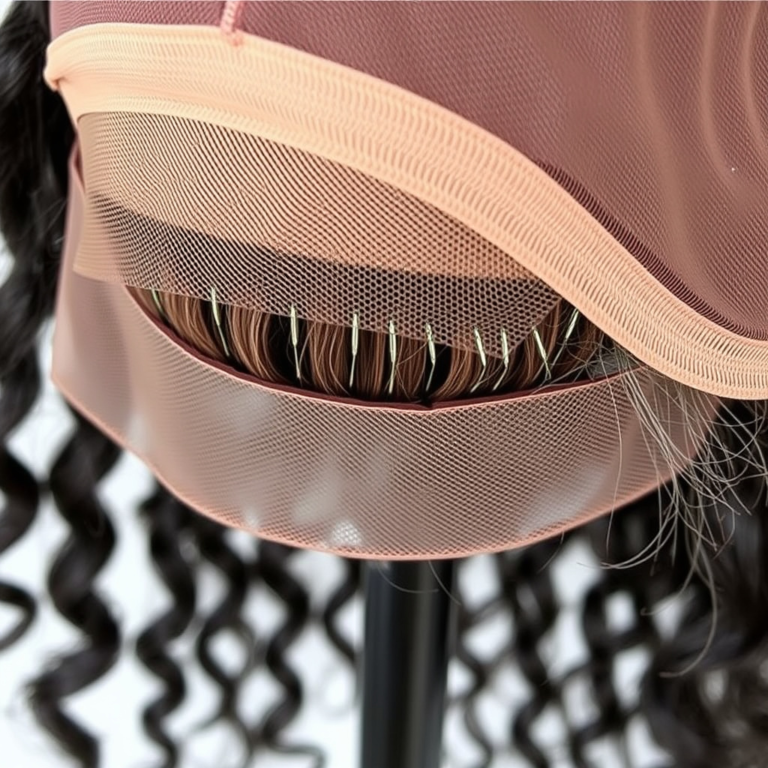
Lace front wigs and full lace wigs are excellent choices because their breathable wig materials allow your scalp to stay healthy and prevent excessive sweating or irritation.
When selecting wigs, prioritize those made from high-quality synthetic fibers or human hair, as they tend to be gentler on your natural hair. Avoid heavy wig constructions that pull tightly, which can cause tension and breakage.
Lightweight, well-ventilated wig materials also minimize friction and keep your hair moisturized underneath.
Choosing Wig Caps That Keep Your Hair Healthy
Choosing the right wig cap plays an essential role in keeping your natural hair healthy and comfortable. When selecting a wig cap, focus on quality wig cap materials that won’t irritate your scalp or cause breakage. Look for breathable options that allow airflow to prevent sweat buildup and scalp issues.
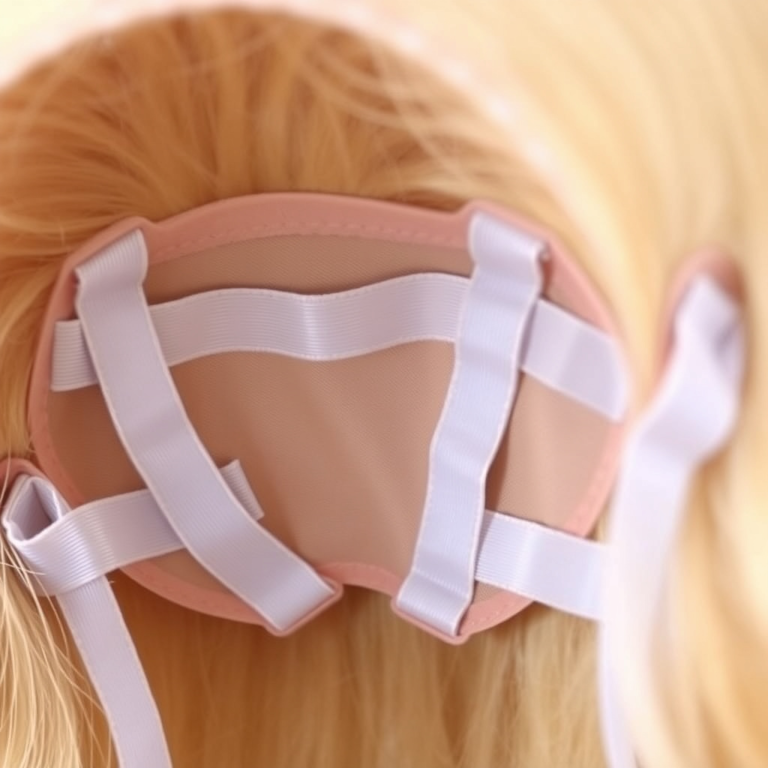
Ensuring your wig cap offers size adjustments helps you achieve a secure fit without putting too much pressure on your hair or scalp. A well-fitted cap minimizes friction and reduces the risk of damage.
Consider these key factors when choosing a wig cap:
- Opt for soft, natural wig cap materials like cotton or silicone-lined caps
- Prioritize breathable options to keep your scalp cool and dry
- Use adjustable straps or elastic bands for a customizable, secure fit
- Avoid overly tight caps that can stress your hair follicles
How to Wear Wigs Without Hurting Your Hairline
To protect your hairline, start by choosing the right wig cap that fits comfortably without pulling. Then, apply your wig gently so you don’t put unnecessary tension on your scalp. Also, don’t forget to keep up with a regular scalp care routine to keep your hairline healthy and strong.
Proper Wig Cap Selection
How can you protect your hairline while enjoying the versatility of wigs? The key is choosing the right wig cap. Proper wig cap selection guarantees comfort and minimizes hair damage.
Focus on wig cap materials that are gentle and breathable to reduce irritation. Also, consider wig cap sizing to avoid excessive tightness, which can stress your hairline.
Keep these tips in mind:
- Opt for soft, natural wig cap materials like cotton or bamboo.
- Measure your head accurately for the right wig cap sizing.
- Avoid caps that pull tightly around your hairline.
- Choose caps with adjustable straps for a custom fit.
Selecting the right wig cap helps you wear wigs confidently without harming your hairline.
Gentle Application Techniques
Once you’ve picked the right wig cap, the way you put on your wig plays a big role in protecting your hairline. Start with a gentle application. Avoid pulling or tugging your natural hair as you secure the wig.
Use adjustable straps or wig grips to keep it in place without tightness that can cause tension. Incorporate protective styles underneath, like braids or twists, to minimize friction and breakage.
When removing your wig, take it off slowly and carefully to prevent stress on your edges. Regularly alternating between wearing wigs and letting your hair breathe also helps maintain a healthy hairline.
Scalp Care Routine
Although wearing wigs can protect your natural hair, neglecting your scalp can lead to irritation and damage. To keep your hairline healthy, focus on a proper scalp care routine.
Start by maintaining scalp hydration to prevent dryness and flakiness under your wig. Incorporate exfoliating treatments once or twice a week to remove buildup and promote circulation.
Remember these key steps:
- Cleanse your scalp gently with a mild shampoo before wig application.
- Use a lightweight moisturizer or scalp oil to keep the skin hydrated.
- Apply exfoliating treatments carefully to avoid irritation.
- Give your scalp breaks by removing your wig daily for airflow.
Following this routine helps you wear wigs comfortably without harming your hairline or scalp health.
Daily Tips to Keep Your Hair Healthy Under Wigs
To keep your natural hair healthy beneath a wig, you need to establish a consistent care routine that protects your scalp and strands. Focus on maintaining hair hydration by moisturizing your hair daily with lightweight leave-in conditioners or oils. Use protective styles that minimize tension and breakage, such as braids or twists, to reduce stress on your hair. Avoid wearing wigs too tightly and give your scalp breathability whenever possible.
Here’s a quick guide to daily habits that support hair health under wigs:
| Habit | Benefit |
|---|---|
| Moisturize daily | Prevents dryness and breakage |
| Use protective styles | Reduces hair tension and damage |
| Avoid tight wigs | Prevents scalp irritation |
| Let hair breathe | Maintains scalp health |
Caring for Your Natural Hair While Wearing Wigs
Maintaining your natural hair while wearing wigs takes more than just daily habits; it requires a thoughtful care routine tailored to the unique challenges wigs can pose. To keep your hair healthy underneath, you’ll want to focus on proper scalp care and moisture balance.
Here are some wig maintenance tips and hair hydration strategies to help:
- Cleanse your scalp regularly with a gentle, sulfate-free shampoo to prevent buildup and irritation.
- Apply a lightweight, leave-in conditioner or hydrating oil to keep your strands moisturized without weighing them down.
- Give your hair breaks between wig wears to allow your scalp to breathe and your hair to recover.
- Use a satin or silk scarf or bonnet under your wig to minimize friction and moisture loss.
How to Maintain Your Wigs for Hair Protection
To keep your hair protected, it’s important to take good care of your wigs. Using the right cleaning techniques makes a big difference. When you wash your wig gently and regularly, it helps prevent buildup that could damage both the wig and your natural hair.
Plus, storing your wig properly is key. It helps the wig maintain its shape and stay free from any damage. So, a little extra care goes a long way in keeping everything looking great!
Proper Cleaning Techniques
Proper cleaning techniques play an essential role in preserving both your wig’s quality and your natural hair’s health. When you care for your wig properly, you prevent damage to your scalp and keep your hair looking fresh.
Follow these wig maintenance tips to clean your wig effectively:
- Use gentle cleansing products specifically designed for wigs to avoid stripping natural oils.
- Detangle your wig with a wide-tooth comb before washing to minimize breakage.
- Wash your wig in cool or lukewarm water, avoiding hot water that can damage fibers.
- Gently pat dry with a towel and let it air dry on a wig stand to maintain shape and prevent mold.
Safe Storage Methods
While you might be enthusiastic to tuck your wig away after wearing it, how you store it plays a big role in keeping both the wig and your natural hair safe. Proper wig storage prevents tangling, dust buildup, and damage that could affect your hair’s health.
Always store your wig on a stand or mannequin head to maintain its shape and avoid unnecessary strain on the fibers. Make sure to keep your wig in a cool, dry place with good humidity control. Excess moisture can cause mold and weaken the wig’s cap, while too little can dry out the fibers.
Using breathable bags or covers helps protect your wig from dust without trapping moisture. By following these wig storage tips, you’ll extend your wig’s life and protect your natural hair underneath.
Signs Your Wig Might Be Damaging Your Hair
How can you tell if your wig is harming your natural hair? Paying attention to specific signs can help you prevent long-term damage. Excessive wig tension and constant hair friction are common culprits behind hair damage.
If your wig feels too tight or rubs harshly against your scalp, it’s time to reassess how you wear it. Watch for these warning signs:
- Persistent scalp soreness or headaches from wig tension
- Noticeable hair thinning or bald patches around the hairline
- Increased hair breakage when removing or adjusting your wig
- Dry, irritated scalp caused by friction or trapped sweat
If you spot any of these issues, your wig might be causing harm. Addressing wig tension and reducing hair friction can protect your natural hair.
Make sure your wig fits comfortably and that you use a protective barrier like a wig cap to minimize damage. Your hair health depends on how carefully you manage these factors.
When and Why You Should Take Breaks From Wearing Wigs
You should definitely take breaks from wearing wigs to give your scalp a chance to breathe and stay healthy. Wearing a wig all the time can create tension, which might lead to hair breakage if you don’t give your scalp some time to recover.
It’s really important to listen to what your scalp is telling you. Taking those breaks helps prevent damage and keeps your natural hair strong and happy. So, think of it as giving your scalp a little vacation every now and then!
Scalp Health Importance
Taking regular breaks from wearing wigs is essential to maintain a healthy scalp. When you let your scalp breathe, you prevent scalp sensitivity and reduce the risk of scalp conditions caused by trapped sweat, oils, and product buildup.
Use breaks to focus on scalp hygiene: cleanse gently to remove buildup and impurities. Also, scalp hydration is key—apply scalp oils or moisturizing treatments to restore moisture.
Don’t forget scalp exfoliation to remove dead skin cells. This promotes scalp balance and healthy hair growth. Scalp massage is another great step; it stimulates blood flow and improves nutrient delivery to hair follicles.
Prioritizing these steps during wig-free days supports scalp protection and overall scalp health. Without breaks, you risk aggravating scalp sensitivity and disrupting scalp balance, which can lead to discomfort or long-term damage.
Preventing Hair Breakage
Although wigs offer versatile styling options, wearing them continuously can cause hair breakage if you don’t give your natural hair time to recover. Taking breaks allows your scalp to breathe and helps maintain hair hydration, which is essential for damage prevention.
Use this time to incorporate protective styles and scalp massages. These boost circulation and promote healthy growth. Nourishing treatments and scalp exfoliation remove buildup, while moisturizing products keep strands supple.
Don’t forget gentle detangling and regular trims to prevent split ends. If you use heat styling, always apply heat protection to reduce stress on your hair. By giving yourself wig-free days, you support your hair’s natural resilience and strength, ensuring your locks stay healthy beneath every wig you wear.
Frequently Asked Questions
Can Wearing Wigs Cause Scalp Infections?
Yes, wearing wigs can cause scalp infections if you don’t maintain good scalp hygiene. When sweat and dirt build up under the wig, bacteria and fungi can thrive, leading to infections.
Choosing breathable wig materials and cleaning both your scalp and wigs regularly helps prevent this. You should also avoid wearing wigs too tightly or for extended periods, giving your scalp time to breathe and stay healthy.
Are Synthetic Wigs Better for Hair Health Than Human Hair Wigs?
You might find synthetic wigs better for your hair health since their synthetic durability means less frequent styling and handling, reducing damage. However, human hair wigs offer a natural texture that blends seamlessly but require more care and can stress your hair with constant washing and styling.
Choosing between them depends on your routine. Synthetic wigs demand less maintenance, helping protect your scalp and natural hair more effectively over time.
How Often Should You Wash a Wig to Prevent Damage?
You should wash your wig every 7 to 14 wears to keep it fresh and avoid damage. Following proper wig maintenance tips, like using gentle shampoo and conditioner, helps maintain its quality.
Overwashing can dry out fibers, while underwashing leads to buildup. So, adjust washing frequency based on how often you wear your wig and your lifestyle.
Regular care guarantees your wig stays soft, shiny, and lasts longer.
Can Wigs Help With Hair Loss Recovery?
Yes, wigs can definitely help with hair loss recovery by supporting hair restoration efforts. Wearing a wig gives you a confidence boost while your natural hair grows back, protecting your scalp from sun exposure and reducing daily styling stress.
Just make sure to choose breathable, well-fitting wigs and maintain good scalp hygiene to avoid irritation. This way, you’ll feel confident and support your hair’s healthy regrowth.
Do Wig Adhesives Affect Hair Growth?
Yes, wig adhesives can affect your hair growth if you’re not careful. Some wig adhesive ingredients may irritate your scalp, causing inflammation or clogged follicles, which can stunt growth.
To protect your scalp health, choose adhesives with gentle, non-toxic formulas and avoid prolonged use without breaks. Keeping your scalp clean and moisturized also helps maintain a healthy environment for hair to grow, even when wearing wigs regularly.
Conclusion
Wondering if wigs damage your hair? The truth is, they can if you’re not careful. Wearing the wrong wig type or neglecting your natural hair may cause breakage and thinning.
Choose protective wig caps and care for your hair properly. Also, give your scalp regular breaks to stay healthy.
With the right routine, wigs can actually protect your hair while letting you switch up your look. It’s all about balance and smart choices when it comes to wigs and hair health.




11 Comments