How to Detangle a Synthetic Wig Without Causing Damage
Detangling a synthetic wig starts with gentle care and the right technique. To prevent damage, begin by softly combing the wig with a wide-tooth comb or a brush designed for synthetic fibers, starting from the ends and working gradually upwards until all knots are removed.
Synthetic wigs are prone to tangling because their fibers don’t behave like natural hair. Proper detangling is essential to extend the wig's lifespan and maintain its appearance. Avoiding harsh pulling or the use of heat tools helps keep the fibers intact and smooth.
This article will cover step-by-step how to detangle a synthetic wig safely, recommended products like detangling sprays, the best tools to use, and maintenance tips to prevent tangles in the future.
Understanding Synthetic Wig Fibers
Difference Between Synthetic and Human Hair Wigs
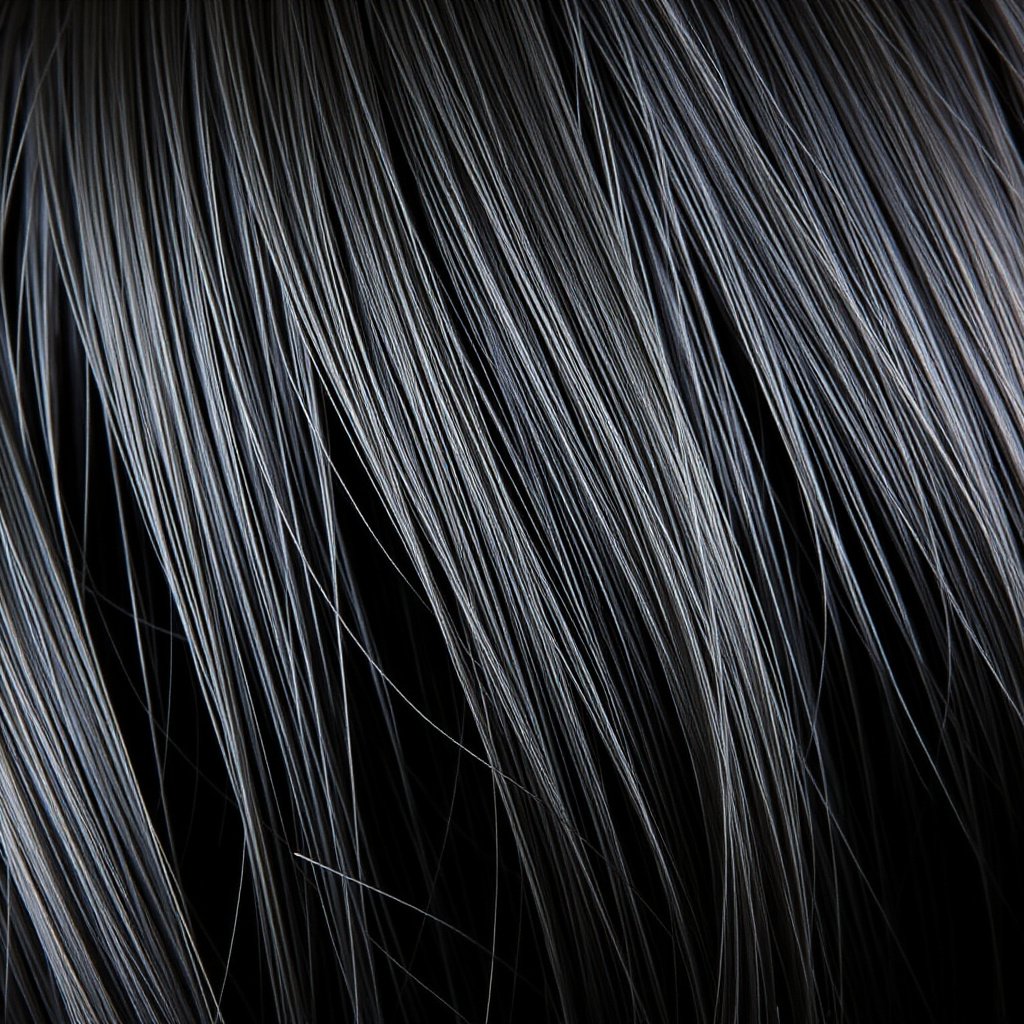
Synthetic wig fibers are made from various plastics such as acrylic, polyester, or modacrylic, which offer durability and style retention but lack the elasticity and heat tolerance of natural hair. This impacts how you should approach detangling to prevent fiber damage.
Unlike human hair wigs that can handle heat styling and vigorous brushing, synthetic wigs require gentle handling, as harsh treatment can lead to fiber breakage, frizzing, or loss of shape and shine.
Common Causes of Tangling in Synthetic Wigs
Tangling usually appears due to friction from daily wear, environmental factors like wind and humidity, or improper storage. The synthetic fibers can become matted quickly, especially if the wig is longer and finer.
Using non-suitable products, sleeping with the wig on, or neglecting routine maintenance also contributes to knots and tangling.
- Daily wear friction
- Humidity and wind exposure
- Inadequate storage
- Lack of routine maintenance
Tools and Products for Detangling a Synthetic Wig
Choosing the Right Comb or Brush
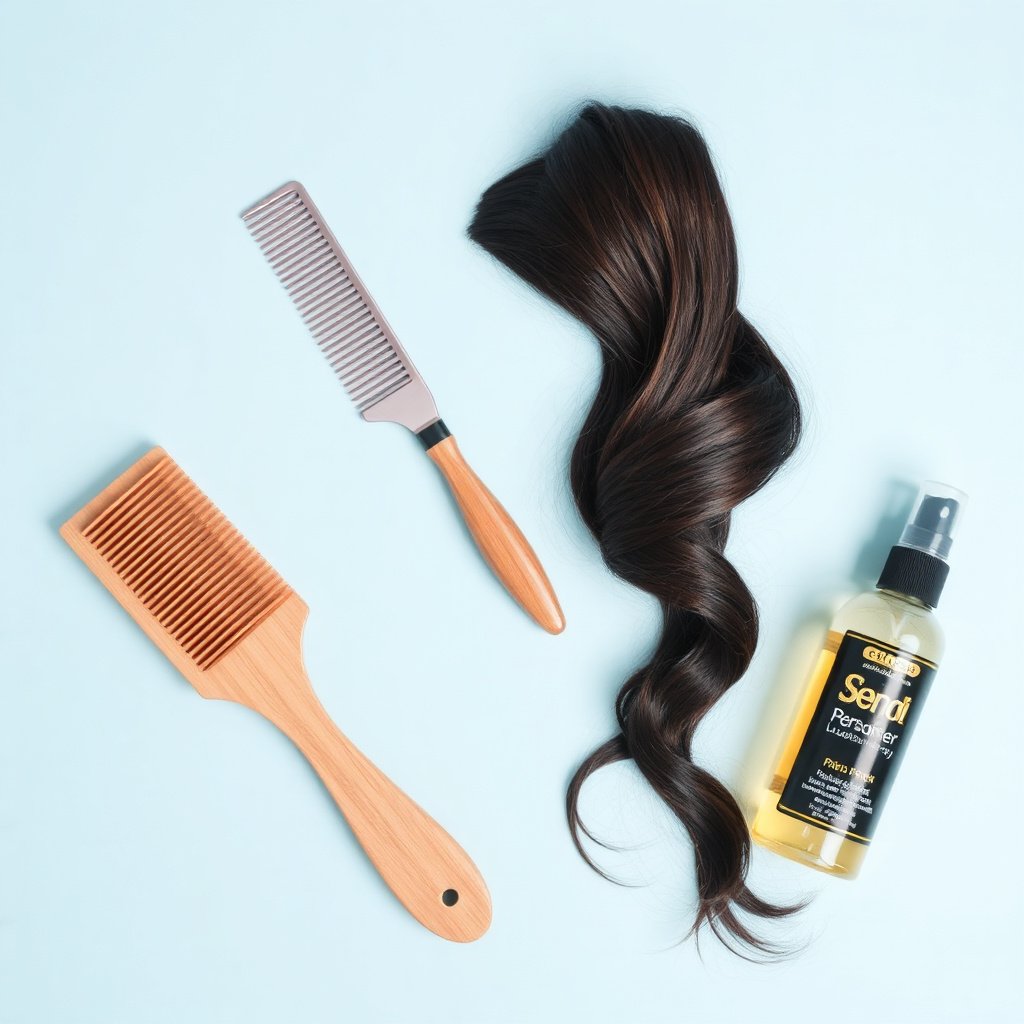
Start with a wide-tooth comb or a specialized wig brush with soft bristles designed for synthetic fibers. These tools gently separate knots without pulling out fibers or causing static buildup.
Avoid fine-tooth combs or brushes with hard bristles that increase the risk of damaging and fraying synthetic strands.
- Wide-tooth comb
- Soft bristle wig brush
- Avoid fine-tooth or hard bristle brushes
Using Detangling Sprays and Conditioners
Applying a synthetic wig detangler spray before combing helps soothe knots and reduce static. Look for silicone or water-based sprays formulated specifically for synthetic fibers.
Avoid heavy oils or products designed for natural hair as they can weigh down synthetic wigs and cause build-up that attracts dirt.
- Silicone-based detanglers
- Water-based sprays
- Avoid heavy oils or natural hair products
Step-by-Step Detangling Process for a Synthetic Wig

Preparing the Wig for Detangling
Place the wig securely on a wig stand or mannequin head to keep it stable. Lightly mist the wig with detangling spray to loosen fibers.
Section the wig into manageable parts to focus on smaller areas without overwhelming the fibers, which minimizes pulling and stress.
- Wig stand or mannequin
- Sectioning clips
- Detangling spray
For more on this, see our related guide: Do Wigs Damage Your Hair? The Complete Answer.
Combing Out Tangles Safely
Begin combing at the tips, gently detangling small sections by working upwards toward the roots. Use short, careful strokes and pause to respray if needed.
If knots persist, gently hold the fiber above the knot to reduce tension and carefully ease the tangles apart, avoiding forceful pulling that could break fibers.
- Start from tips
- Work up to roots
- Hold fiber above knots to reduce pull
Maintaining Your Synthetic Wig to Prevent Future Tangles

Proper Storage Techniques
Store your synthetic wig on a stand or in a breathable bag to maintain its shape and prevent tangling caused by crushing or friction with surfaces.
Avoid exposure to heat sources and direct sunlight which can degrade fiber elasticity and increase tangling.
- Use wig stands
- Breathable storage bags
- Avoid heat and sunlight
Regular Cleaning and Care
Clean your synthetic wig using gentle shampoos formulated for synthetic fibers, following with conditioners or detanglers to keep fibers soft and manageable.
Wash frequency depends on usage, but typically every 6-8 wears helps minimize buildup which causes stiffness and tangling.
- Synthetic wig shampoo
- Use detangling conditioners
- 6-8 wears between washes
Handling Common Problems When Detangling Synthetic Wigs

Severe Matting Solutions
For tight mats, soak the wig in cool water with fabric softener for 10-15 minutes before gently working through the tangles with fingers or a wide-tooth comb.
If tangles remain stubborn, consider professional wig repair services to avoid irreversible damage.
- Soak in cool water with softener
- Finger detangle first
- Consult professionals if needed
For more on this, see our related guide: Is Human Hair Wig Worth It? The Complete Answer.
Static and Frizz Control
Static causes synthetic fibers to fly and tangle more easily. Use anti-static sprays or lightly mist with water before styling to reduce static cling.
Avoid rubber combs and synthetic clothing that increase static buildup when wearing or detangling wigs.
- Use anti-static sprays
- Avoid rubber combs
- Manage static-causing fabrics
Styling Tips After Detangling Your Synthetic Wig

Choosing Heat-Free Styling Methods
Since synthetic fibers often melt or warp with heat, use rollers, braids, or twists to create waves or curls without heat damage.
Use styling sprays designed for synthetic wigs to hold styles without stiffness or stickiness.
- Use rollers or braids
- Avoid heat styling tools
- Synthetic wig styling sprays
For a deeper understanding of synthetic hair wigs and their characteristics, see this informative article on synthetic hair wigs. synthetic hair wigs.
Refreshing a Wig Between Washes
Lightly spritz with detangling spray and gently brush the wig to revive its shape and smoothness between washes.
This extends wearability and keeps the synthetic fibers looking fresh longer.
- Detangling spray refresh
- Gentle brushing
- Prolongs wig life
Synthetic Wig Detangling Methods Comparison
Here’s a comparison of common detangling methods showing ease of use, effectiveness, and risk of damage.
| Method | Ease of Use | Effectiveness | Damage Risk |
|---|---|---|---|
| Wide-Tooth Comb with Spray | Easy | High | Low |
| Finger Detangling Only | Moderate | Medium | Very Low |
| Brushing Dry Wig | Easy | Low | High |
| Soaking with Conditioner | Moderate | High | Low |
| Professional Detangling Service | N/A | Very High | Very Low |
Frequently Asked Questions
Can I use regular hair conditioner on synthetic wigs?
It is better to use conditioners designed specifically for synthetic wigs. Regular hair conditioners may leave residue or weigh down synthetic fibers.
How often should I detangle my synthetic wig?
Detangle your synthetic wig gently after every wear, or at least before washing, to keep it tangle-free and extend its lifespan.
Is it safe to use heat tools on synthetic wigs?
Most synthetic wigs are damaged by heat. Use heat-free styling methods unless the wig is specifically labeled as heat-resistant.
What should I do if my synthetic wig gets severely matted?
Soak the wig in cool water with fabric softener and gently detangle with fingers. If mats persist, seek professional wig repair services.
Can static electricity be prevented in synthetic wigs?
Yes, using anti-static sprays, avoiding rubber combs, and managing static-prone environments help reduce static build-up.
Key Takeaways
- Start detangling synthetic wigs from the ends using gentle tools to prevent fiber damage.
- Use specialized detangling sprays and conditioners made for synthetic fibers.
- Store wigs properly on stands to avoid tangling and fiber wear.
- Avoid heat styling and heavy products that can harm synthetic wigs.
Conclusion
Approaching how to detangle a synthetic wig successfully involves gentle treatment combined with the right tools and products. Starting at the ends and gradually working up, along with using a wide-tooth comb and synthetic wig detangler sprays, minimizes fiber breakage and preserves the wig’s look. Consistent maintenance helps keep your wig tangle-free and wearable for longer.
If you frequently wear synthetic wigs, consider investing in high-quality detangling sprays and brushes specifically designed for synthetic fibers. For heavy tangling or matted sections, soaking with fabric softener or professional detangling services can be very helpful. Proper storage on stands and careful daily care also contribute to lasting smoothness and natural appearance.
By following these practical steps, your synthetic wig will maintain softness and style, making it easier to manage every day. The best next step is to assemble the recommended tools—a wide-tooth comb and a good synthetic wig detangler—and schedule gentle detangling sessions after each wear to prevent stubborn knots.