
What Makeup Products Do I Need? A Practical Guide to Building Your Essential Kit
If you're wondering what makeup products do I need, the answer depends on your lifestyle and style preferences, but a core set of essentials can suit almost anyone. At a minimum, you typically need foundation or a tinted moisturizer, concealer, mascara, eyebrow product, basic eyeshadow, blush, and a lip color. These products form the foundation of a balanced makeup routine that can enhance your natural features while giving you flexibility for different looks.
Having a starter set of makeup products is valuable not just for cosmetic effect but for boosting confidence and convenience. Whether you want a simple, polished appearance or are preparing for events, knowing what products to invest in helps avoid clutter and frustration. Quality basics save time and provide a coherent look rather than a mismatched collection of items.
This guide will walk you through the makeup products most people need, why each is useful, and options that fit varied budgets and skin types. We'll also discuss some extras that add versatility, tips for layering, and how to build your kit progressively without overspending.
Foundation and Concealer: Creating Your Base
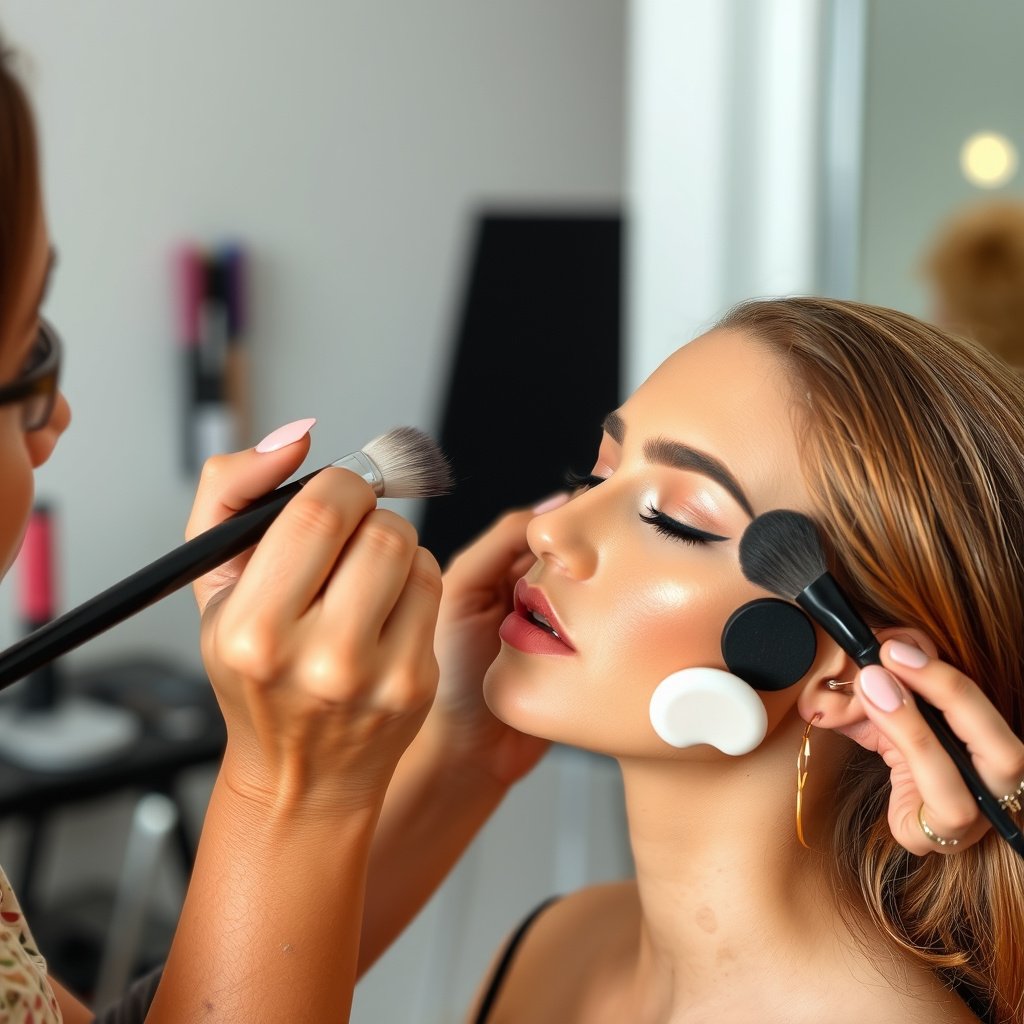
Choosing the Right Foundation
Foundation evens out your complexion and provides a smooth canvas for the rest of your makeup. When picking a foundation, consider your skin type—whether oily, dry, or combination—as well as coverage preferences like sheer, medium, or full coverage. Formulas come in liquid, cream, powder, and stick forms, each suited for different effects and skin conditions.
Color matching is critical: test shades along your jawline in natural light to find the most seamless blend. For daily use, many prefer lightweight formulas such as tinted moisturizers or BB creams to maintain a natural look while providing hydration and slight coverage.
- Liquid foundation: versatile, good for combination skin
- Powder foundation: better for oily skin, offers matte finish
- Cream foundation: richer, suitable for dry skin
Effective Concealers for Spot and Under-Eye Coverage
Concealer covers blemishes, dark circles, and discolorations under your eyes or on problem areas. It typically complements your foundation shade, sometimes slightly lighter to brighten under-eyes.
Selecting concealers with appropriate texture—creamy for dry skin or matte for oily skin—helps with natural blending. Applying concealer after foundation lets you focus coverage exactly where it's needed without wasting product.
- Stick concealers: easy for spot correction
- Liquid concealers: blendable, good for under-eye
- Color correctors: green or peach tones neutralize redness or dark circles
Eye Makeup Essentials
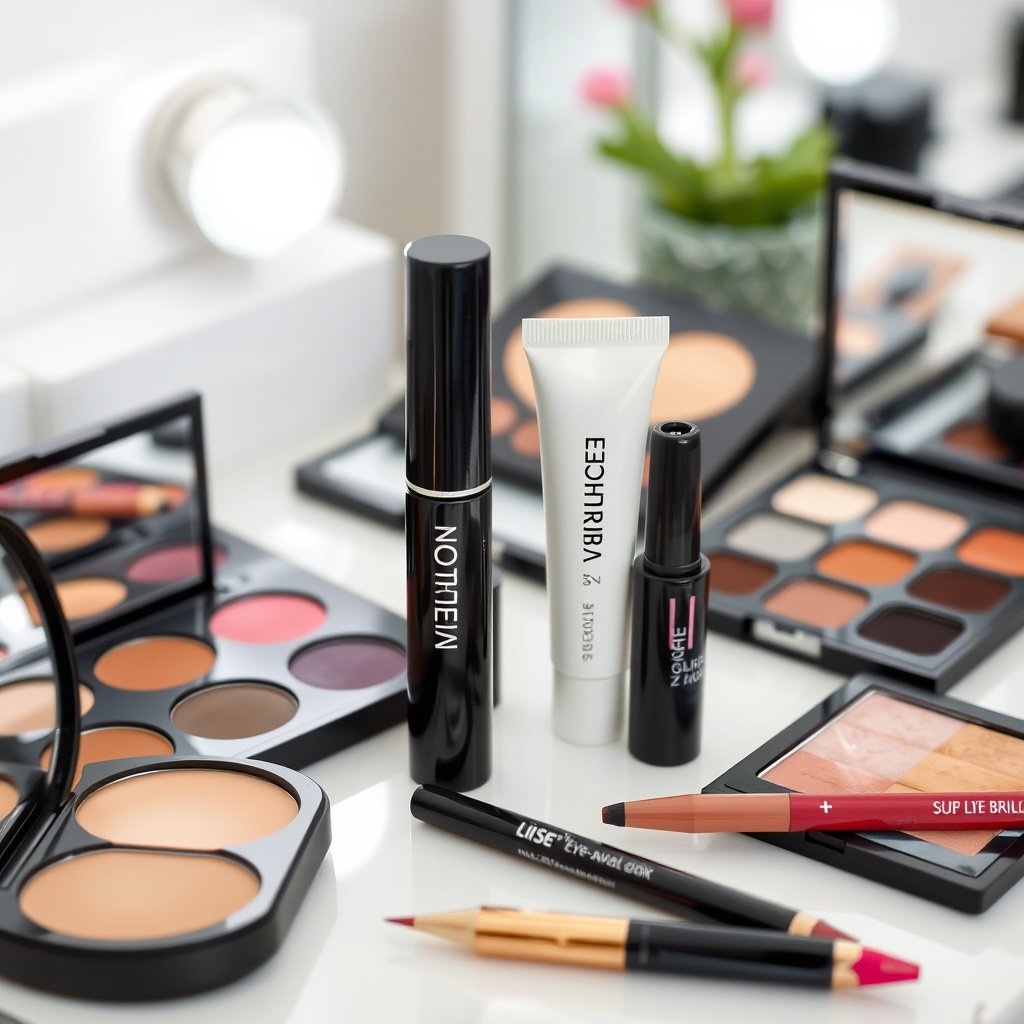
Mascara and Eyeliner Basics
Mascara is a staple providing definition and intensity to your eyes by lengthening, curling, or volumizing lashes. For everyday use, choose mascaras that suit your personal needs—waterproof for long-lasting wear or a nourishing formula if your lashes are delicate.
Eyeliner helps shape and emphasize your eyes. Pencil liners offer easy control and soft lines, whereas liquid liners deliver bold, precise strokes perfect for dramatic looks. A universal black or brown eyeliner covers most styles and skin tones.
- Volumizing mascara for fuller lashes
- Waterproof mascara to resist smudging
- Gel or liquid eyeliner for defined lines
Choosing and Applying Eyeshadow
A basic eyeshadow palette should include neutral shades suitable for daily wear—a mix of matte and shimmer finishes creates dimension. Lighter tones highlight the brow bone and inner corners, mid-tones define the crease, and darker colors add depth to outer corners.
Tools like quality brushes improve blending and precision. For beginners, stick to two or three shades per look to avoid overwhelming your features. Experimenting gradually builds skill without excess product.
- Neutral palette: beige, browns, taupes
- Matte shadows for natural looks
- Shimmer shadows for evening or special effects
Face Color: Blush and Bronzer
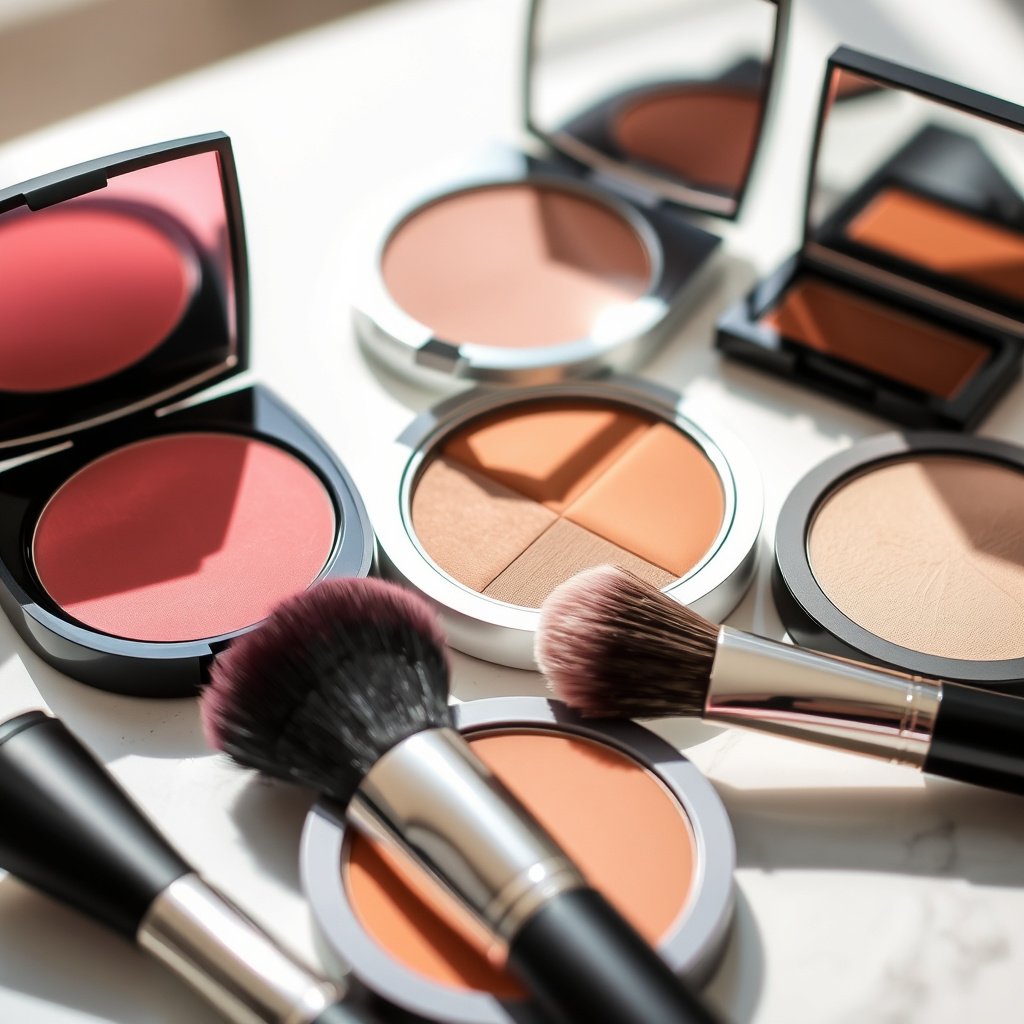
Adding Warmth with Bronzer
Bronzer adds warmth and subtle contouring by mimicking a natural tan or shading. Choose a shade that’s one to two tones darker than your skin. Powder bronzers are versatile and easy to blend, while cream bronzers offer a dewy finish and last longer on dry skin.
Application areas include the sides of your forehead, cheekbones, and jawline, keeping a light hand to avoid harsh lines. Bronzer can brighten a tired complexion and create an illusion of more sculpted features.
- Matte bronzer for natural shadow
- Shimmery bronzer for a glowing look
- Cream bronzers for moisturizing effect
For more on this, see our related guide: What Makeup Should a Beginner Buy: Essential Products for Starting Your Kit.
Choosing the Perfect Blush Shade and Formula
Blush brings life to the complexion, adding a healthy flush to cheeks. Pick colors that complement your undertones—pink or rosy hues for cooler tones, peach or coral for warmer ones. Cream and gel formulas blend seamlessly into skin for a natural finish, whereas powders have longer staying power.
Applying blush to the apples of your cheeks and sweeping slightly upward enhances your face’s shape and gives a youthful radiance. Avoid overly dark or bright blush shades to maintain balance with the rest of your makeup.
- Powder blushes for oily skin
- Cream blushes for dry or mature skin
- Neutral to soft pink shades for versatility
Lip Color: Balancing Bold and Natural
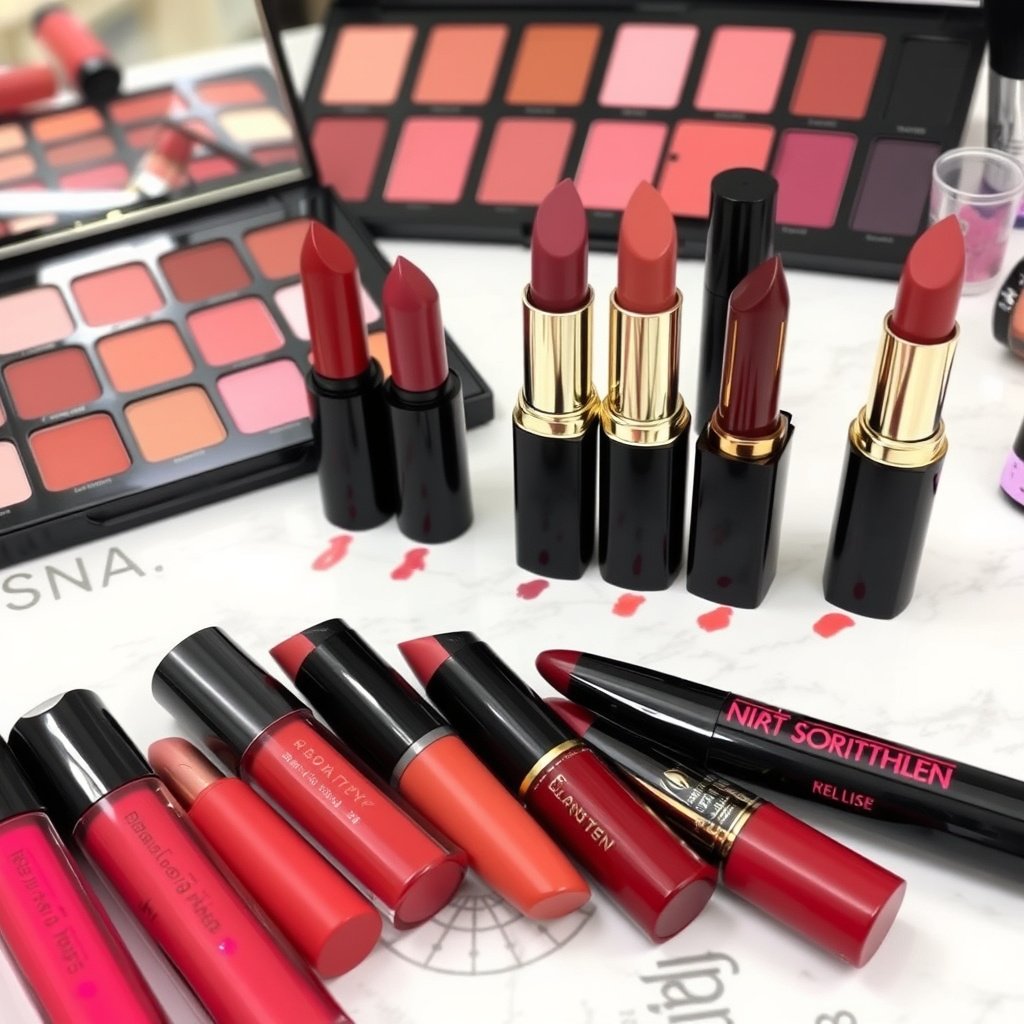
Lipstick Types and Selecting Shades
Lipsticks come in matte, satin, glossy, and sheer finishes, influencing the look and feel on your lips. For beginners, stick to universally flattering shades like nude pinks, soft reds, or berry tones to suit many occasions and skin tones.
Consider your daily routine to select lasting formulas if you want low-maintenance options, whereas creamy or glossy types enhance natural lip texture. A lip liner matching your lipstick shade helps keep color defined and prevents feathering.
- Matte lipsticks for bold long-lasting color
- Glossy finishes for youthful shine
- Sheer tints for natural everyday wear
Lip Care and Preparation
Healthy lips are essential for flawless lipstick application. Regular exfoliation removes dry patches and smooths lips. Applying balm or a hydrating primer before color protects lips and improves adherence of lipstick.
Avoid heavy lip products on cracked lips as it can emphasize dryness. Using color-free balms infused with SPF offers both moisture and sun protection when worn alone or under lip color.
- Lip scrub for exfoliation
- Hydrating lip balm with SPF
- Lip primer to extend color wear
Tools and Accessories: Supporting Your Makeup Routine
Makeup Brushes and Applicators
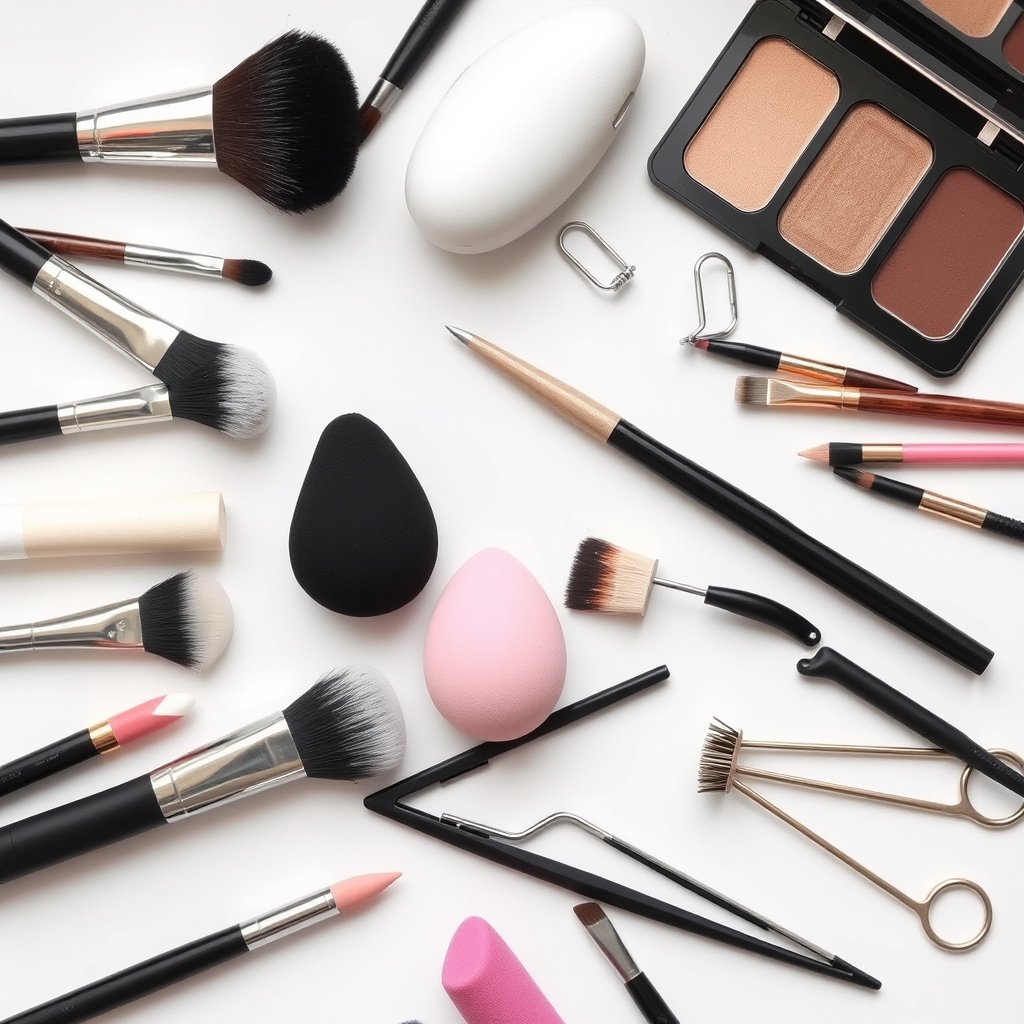
A well-chosen set of brushes optimizes product application and blendability. Key brushes include foundation or buffing brushes, angled brushes for contour, fluffy eyeshadow brushes, and precise liners. Synthetic bristles typically work well with liquid products, while natural bristles suit powders.
Sponges like beauty blenders offer seamless coverage for foundation and concealer. Proper cleaning of your tools prevents bacteria buildup and extends their lifespan.
- Foundation brush or makeup sponge
- Blush and contour brushes
- Eyeshadow brushes of various sizes
For more on this, see our related guide: How to Apply Makeup for Beginners: A Simple Step-by-Step Guide.
Additional Tools: Eyelash Curlers and More
Eyelash curlers open the eyes and enhance mascara effects by lifting lashes. Good quality models with protective pads reduce lash damage. Tweezers come in handy for grooming brows and removing stray hairs for a cleaner look.
A compact mirror with good lighting is useful for on-the-go touch-ups, helping maintain your makeup's freshness throughout the day.
- Eyelash curler with silicone pads
- Precision tweezers for brow shaping
- Portable makeup mirror
Building Your Essential Makeup Kit
Prioritizing Core Products for Beginners
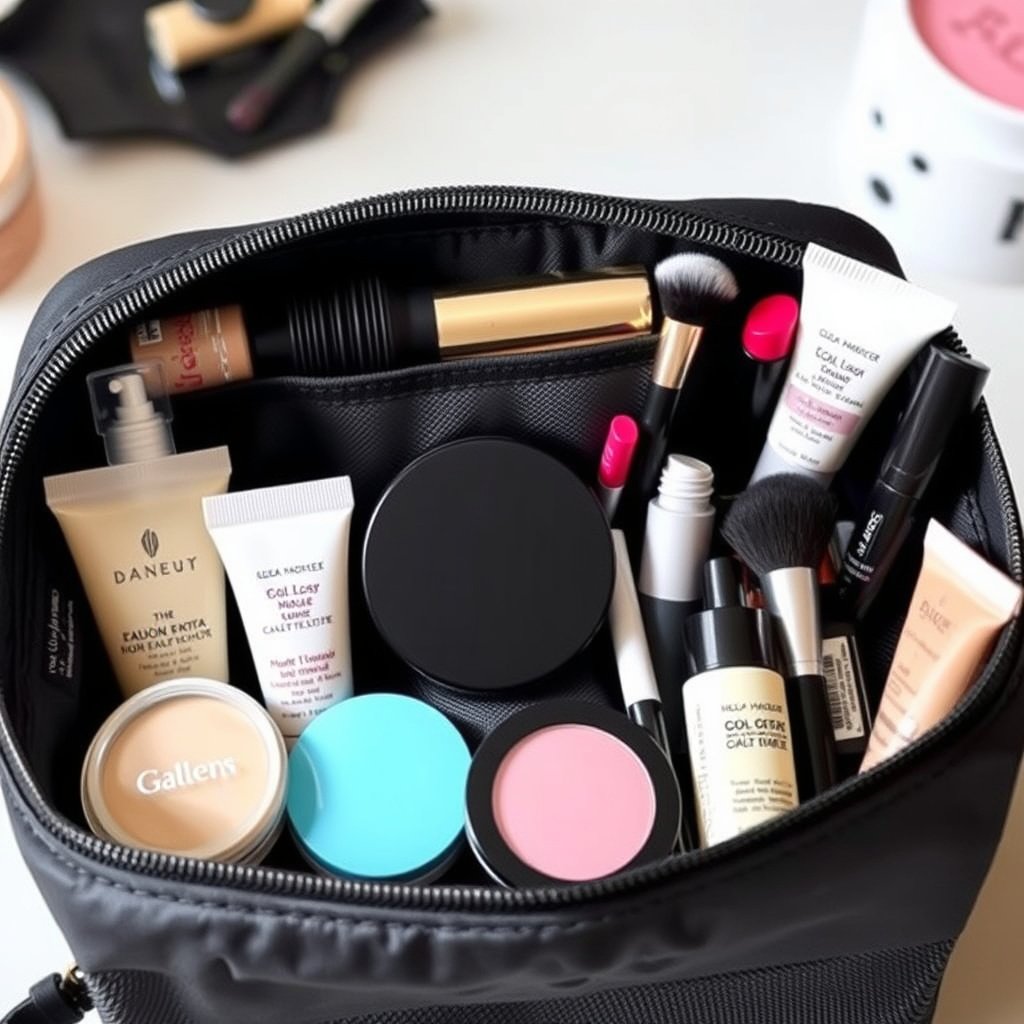
Start with the basics: foundation or tinted moisturizer matched to your skin, a concealer, mascara, an eyebrow pencil or powder, a neutral eyeshadow palette, blush, and a natural lip color. These cover daily needs and can be mixed to create fresh looks for casual or formal occasions.
Investing in mid-range, versatile items helps balance price and quality and avoids accumulating unused products. Layer items gradually as you become more confident with your makeup routine.
- Foundation or tinted moisturizer
- Mascara and neutral eyeshadow palette
- Blush and a lip color matching your undertones
For a detailed overview of makeup history and techniques, visit makeup basics on Wikipedia. makeup basics on Wikipedia.
Adding Specialized Products Over Time
Once comfortable with essentials, add bronzers for contouring, multiple eyeshadow palettes for variety, various lip finishes, and primers or setting sprays to improve longevity. Also consider skincare products that complement makeup, like moisturizers and sunscreens compatible with makeup wear.
Season-specific items (like cream blushes for winter or waterproof products for summer) help adapt your kit for comfort and appearance throughout the year.
- Setting sprays and makeup primers
- Multiple lip color finishes
- Seasonal formula adjustments
Makeup Product Types Category Comparison
This table compares common makeup product categories based on coverage, wear time, suitability, and price range.
| Product Category | Coverage Level | Wear Duration | Best For | Price Range |
|---|---|---|---|---|
| Foundation (Liquid) | Light to full | 6-12 hours | Normal to oily skin | $10-$50 |
| Concealer (Cream) | Medium to full | 6-10 hours | All skin types, spot coverage | $8-$40 |
| Mascara (Volumizing) | N/A | 8-12 hours | All lash types | $5-$30 |
| Eyeshadow (Powder) | N/A | 6-8 hours | Daily neutral or dramatic looks | $5-$60 |
| Blush (Powder) | Sheer to medium | 6-8 hours | Normal to oily skin | $5-$35 |
| Lipstick (Matte) | Medium to full | 4-8 hours | Long-lasting color | $8-$40 |
Frequently Asked Questions
Do I need both foundation and concealer?
Foundation provides an even base for your face, while concealer targets specific spots or dark circles. Using both creates a flawless look but wearing just foundation can suffice for a lighter routine.
Can I use the same brush for multiple products?
Using the same brush for different products can cause color mixing and reduce application quality. It’s better to have dedicated brushes or clean them thoroughly between uses.
What is the difference between a tinted moisturizer and foundation?
Tinted moisturizers offer lighter coverage and hydrate skin, ideal for a natural look, while foundations come in various coverage levels designed to mask imperfections more completely.
How often should I replace makeup products?
Replace liquid products like foundation and mascara every 3-6 months to avoid bacterial growth. Powders and lipsticks last longer, usually around 1-2 years with proper storage.
Is it necessary to use a lip liner?
Lip liners define the lip shape and keep lipstick from feathering, but they’re not mandatory. Using one improves longevity and appearance, especially with bold lip colors.
Key Takeaways
- Start with foundational products: foundation, concealer, mascara, and basic lip color.
- Choose formulas and shades based on your skin type and personal style.
- Use quality brushes and tools to enhance application and blending.
- Build your makeup kit gradually to keep it practical and tailored.
Conclusion
Determining what makeup products do I need involves balancing your desired look, skin type, and daily routine. The core essentials—foundation, concealer, mascara, eyeshadow, blush, and lip product—provide a well-rounded base suitable for multiple occasions. Prioritizing these basics first prevents clutter and facilitates developing your technique with confidence and ease.
For those seeking a minimal yet versatile essential makeup kit, a lightweight foundation or tinted moisturizer combined with concealer for targeted coverage works well. Adding a neutral eyeshadow palette and volumizing mascara completes eye makeup efficiently. Blush and a lip color in natural shades enhance your complexion subtly. More adventurous palettes, specialized tools, or long-wear formulas can be incorporated later as you expand your preferences.
If you're just beginning, start by selecting cosmetic products that suit your lifestyle and skin needs. Experiment gently with shades in natural lighting, invest in a small set of good brushes, and build from there over time. With these steps, you can create a personalized makeup collection that supports your look every day and makes you feel confident.
One Comment