How to Make Makeup Last Longer: Proven Tips for All-Day Wear
Making your makeup last longer starts with proper skin preparation and choosing the right products for your skin type and environment. Key steps include cleansing, moisturizing, using a primer, and setting makeup with powder or spray to lock everything in place from morning through night.
Long-lasting makeup isn't just about the products; it’s about how you apply them and maintain your look throughout the day. Whether you have oily, dry, or combination skin, tailoring your routine keeps your makeup crease-free and vibrant. This matters especially for busy days, special events, or hot climates when makeup fading or smudging can be frustrating.
This article explores essential steps from skincare to application techniques that help your makeup stay put. You'll learn about primers, foundations, powders, setting sprays, and tips for touch-ups that create durability without heavy layering. We'll also cover adjustments based on skin type and daily activities to keep your makeup flawless longer.
H2 Essential Skin Preparation for Making Makeup Last Longer
H3 Cleansing and Moisturizing: The Foundation for Longevity
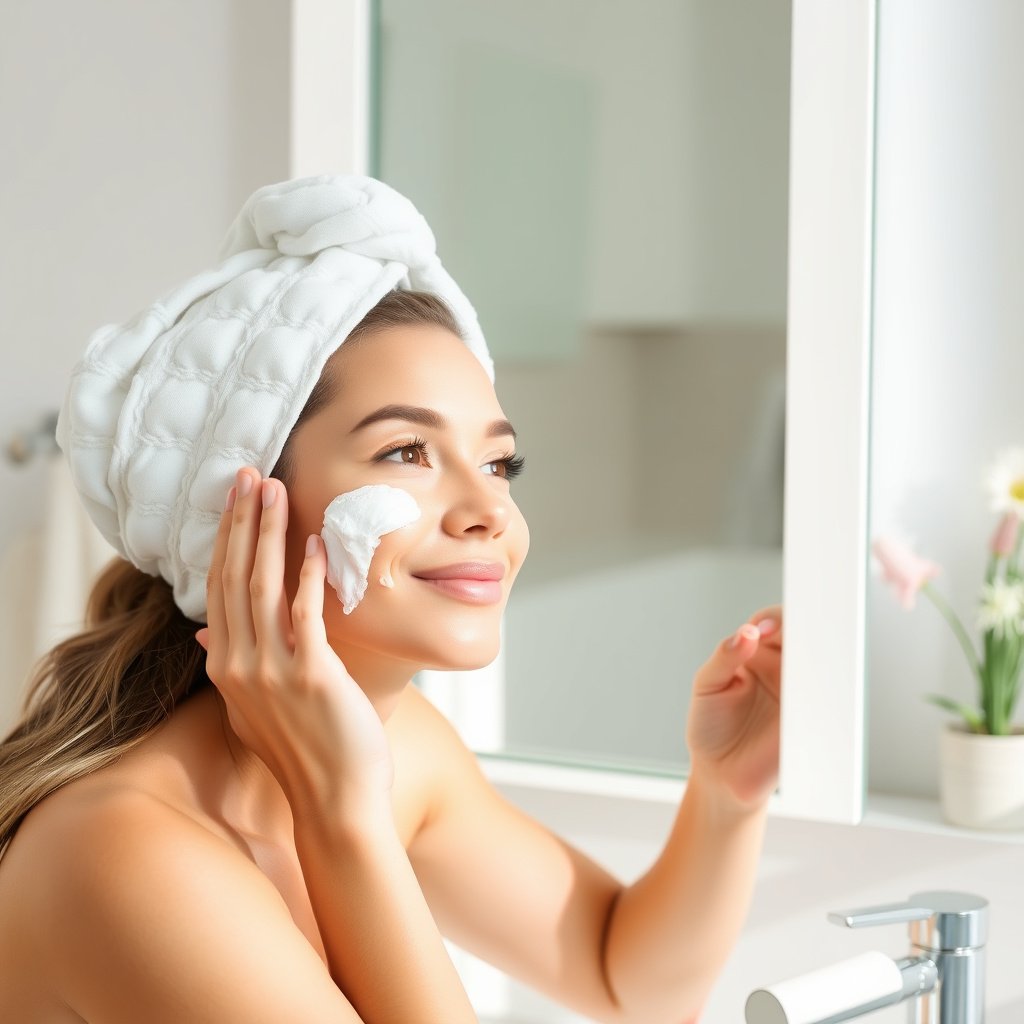
A clean, well-moisturized face creates a smooth canvas that helps makeup adhere better. Remove dirt, oil, and residue using a gentle cleanser suited to your skin type, then apply a lightweight moisturizer. This step prevents flakes or dryness that can cause makeup to patch or peel.
Hydrated skin maintains elasticity and balance, allowing foundation and concealer to spread evenly. Moisturizing also helps control excess oil production, which can break down makeup faster throughout the day.
H3 The Role of Primers in Extending Wear Time
Primers create a barrier between your skin’s natural oils and makeup, reducing creasing and fading. They come in various formulas such as mattifying, hydrating, or pore-filling, targeting specific skin concerns.
Applying a small amount of primer after moisturizing but before foundation can drastically improve how your makeup grips and lasts, especially in humid or oily skin conditions.
- Mattifying primers absorb oil for oily skin
- Hydrating primers benefit dry or flaky skin
- Pore-filling primers smooth out texture
H2 Choosing and Applying Foundation to Help Makeup Last Longer
H3 Selecting the Right Foundation Formula
Long-wear foundation formulas are typically matte or semi-matte with buildable coverage that resists fading and transferring. Ingredients that control oil and lock color in place help foundation last longer without needing frequent touch-ups.
Powder foundations work well for oily skin types, while liquid or cream foundations with hydrating properties suit drier skin. Mineral foundations also provide durable coverage with natural ingredients.
H3 Techniques for Applying Foundation for Maximum Durability
Using tools such as damp beauty sponges or stippling brushes can help press foundation into the skin rather than just sitting on top. This creates a seamless, longer-lasting finish. Applying thin, even layers avoids caking and cracking.
Starting with smaller amounts and building coverage where needed allows makeup to set better. Avoid rubbing motions, instead gently pat and blend for smoother application that adheres well.
- Use a damp sponge for natural finish
- Pat rather than rub foundation
- Build coverage in light layers
H2 Using Powders and Setting Sprays to Lock Makeup in Place
H3 Setting Powders: When and How to Use Them
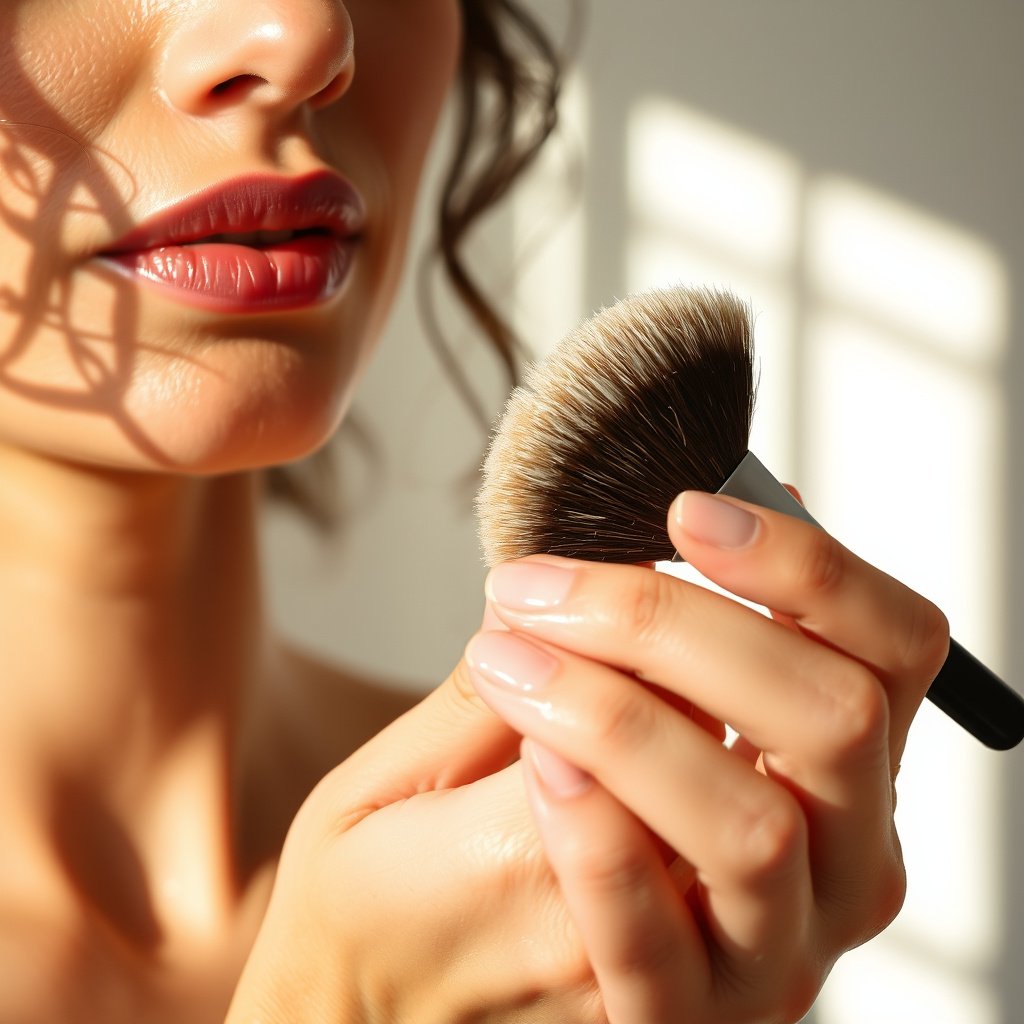
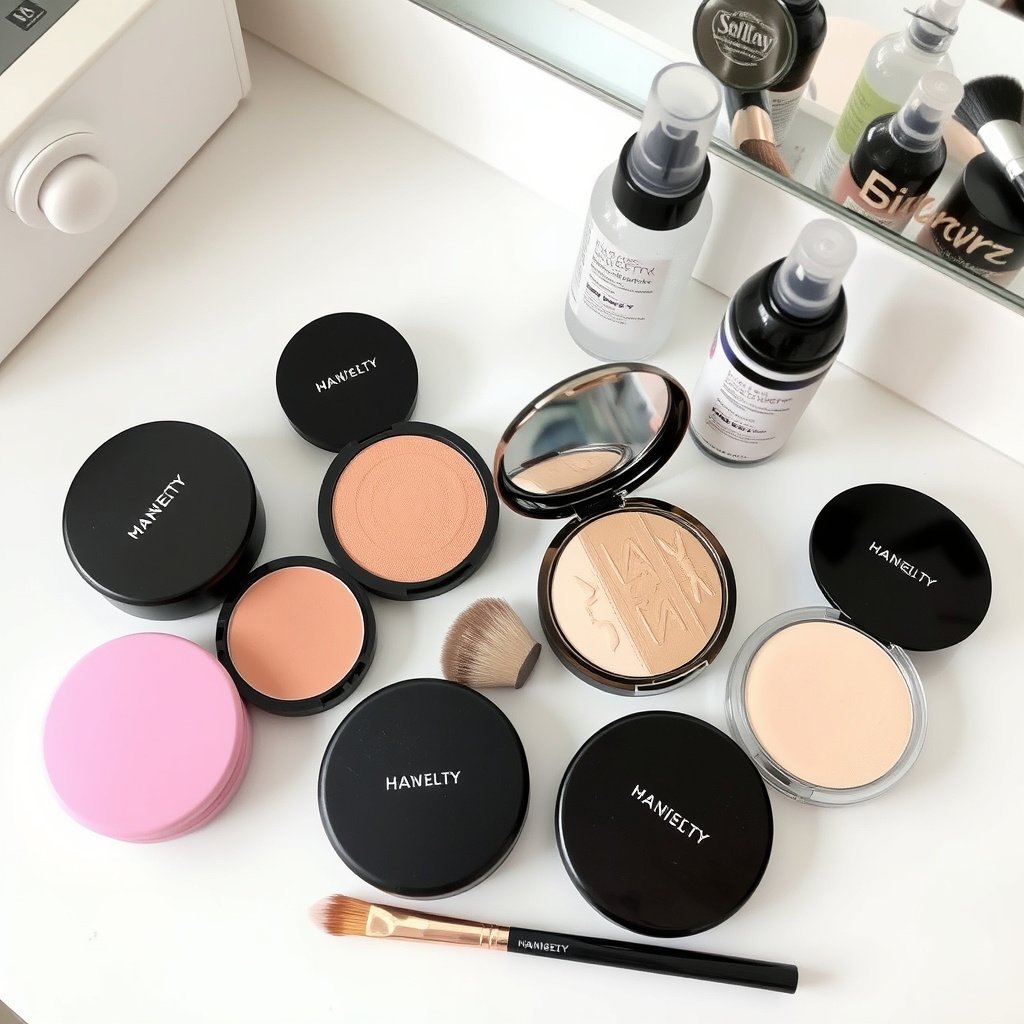
Translucent setting powders absorb excess oil and mattify the skin, reducing shine throughout the day. Applying powder with a fluffy brush over foundation and concealer sets the products and minimizes creasing, especially around oily zones.
For dry skin, choose finely milled powders that won’t emphasize texture. Pressing powder gently and avoiding heavy layering maintains a natural finish while extending wear.
- Focus on T-zone and areas prone to oiliness
- Avoid powdering too heavily on dry spots
For more on this, see our related guide: What Makeup Products Do I Need? A Practical Guide to Building Your Essential Kit.
H3 Setting Sprays: Final Step for Longevity
Setting sprays hydrate and lock makeup in place by forming a thin film over the skin. Some sprays offer mattifying effects, while others provide a dewy glow, depending on your desired finish.
Spritzing from about 8-12 inches away after completing makeup application helps blend layers and keeps makeup from fading, cracking, or smudging over time.
- Use after powder to seal all products
- Choose spray type based on skin needs
H2 Adjusting Techniques Based on Skin Type for Makeup Longevity
H3 Makeup Tips for Oily and Combination Skin
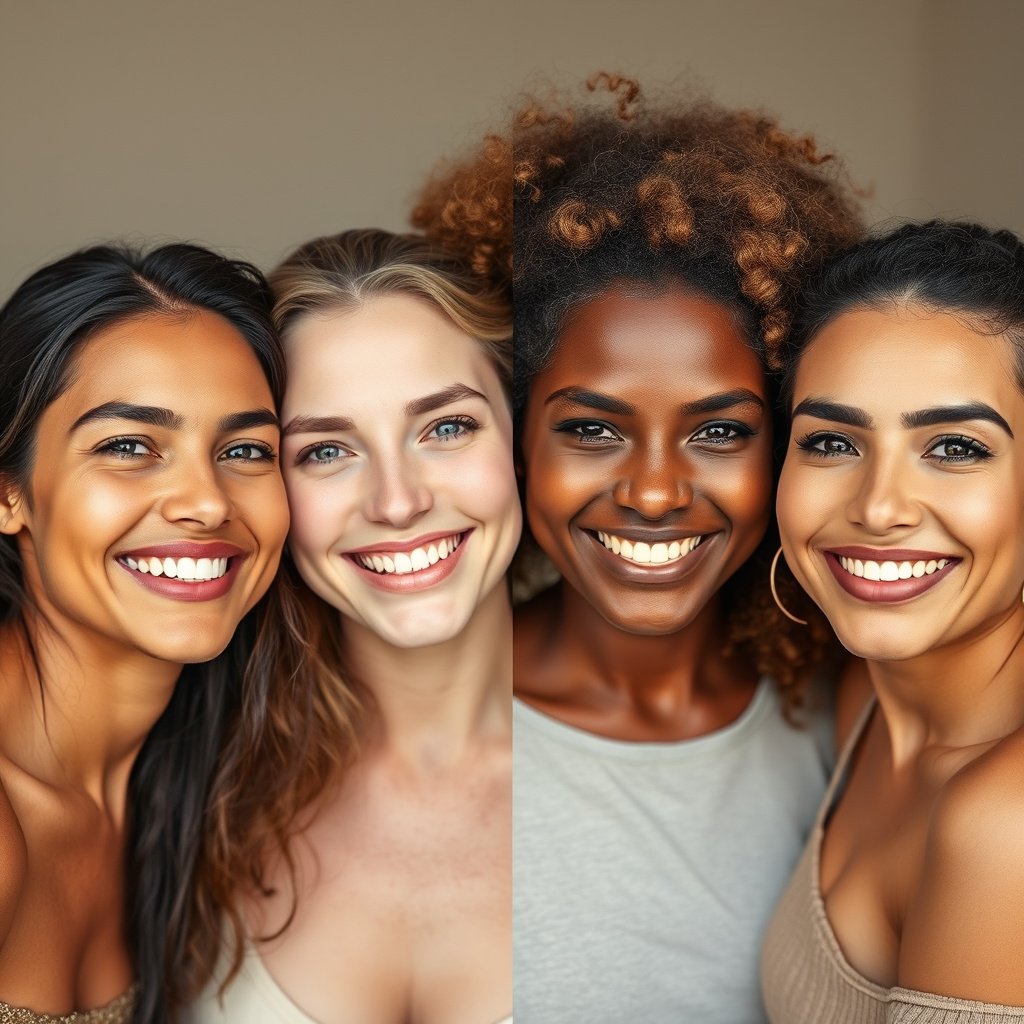
Oily skin benefits from mattifying primers and powder foundations that absorb excess sebum. Avoid heavy creams that can slide off. Blotting papers during the day can help refresh without adding product build-up.
Combination skin may require different products on the T-zone than cheeks. Light, oil-free formulas on oily zones and hydrating formulas on drier areas balance makeup longevity.
- Use oil-control primers
- Apply powder to shine-prone areas
- Blot mid-day to reduce shine
H3 Best Practices for Dry or Sensitive Skin
Dry skin needs hydration throughout the makeup process. Use moisturizing primers and creamy foundations that don’t emphasize dry patches. Avoid excessive powdering which can make skin look flaky.
Sensitive skin users should select fragrance-free, gentle formulas and keep layers light to avoid irritation while maintaining makeup wear time.
- Choose hydrating formulas
- Use minimal powder
- Test new products for irritation
H2 Maintenance and Touch-Up Tips to Keep Makeup Lasting

H3 Midday Touch-Ups Without Overloading
Instead of layering large amounts of product, blot excess oil with blotting papers and lightly reapply powder or setting spray. This prevents cake buildup while refreshing the look.
Carrying mini versions of essential products like powder compacts and setting sprays makes quick touch-ups easy, especially during long days or events.
- Use blotting papers first
- Apply light powder touch-ups
- Refresh with a fine mist of setting spray
For more on this, see our related guide: How to Apply Makeup for Beginners: A Simple Step-by-Step Guide.
H3 Dealing with Common Makeup Issues During the Day
For smudged mascara or eyeliner, use a cotton swab or precision tool to clean edges gently, avoiding heavy layering. Reapplying powder can help correct unwanted shine or oil buildup.
If foundation fades unevenly, a damp sponge can help blend without disturbing underlying layers. Avoid overusing primers mid-day, as buildup can affect appearance.
H2 Selecting the Best Products to Support Long-Lasting Makeup
H3 Key Ingredients in Durable Makeup Products
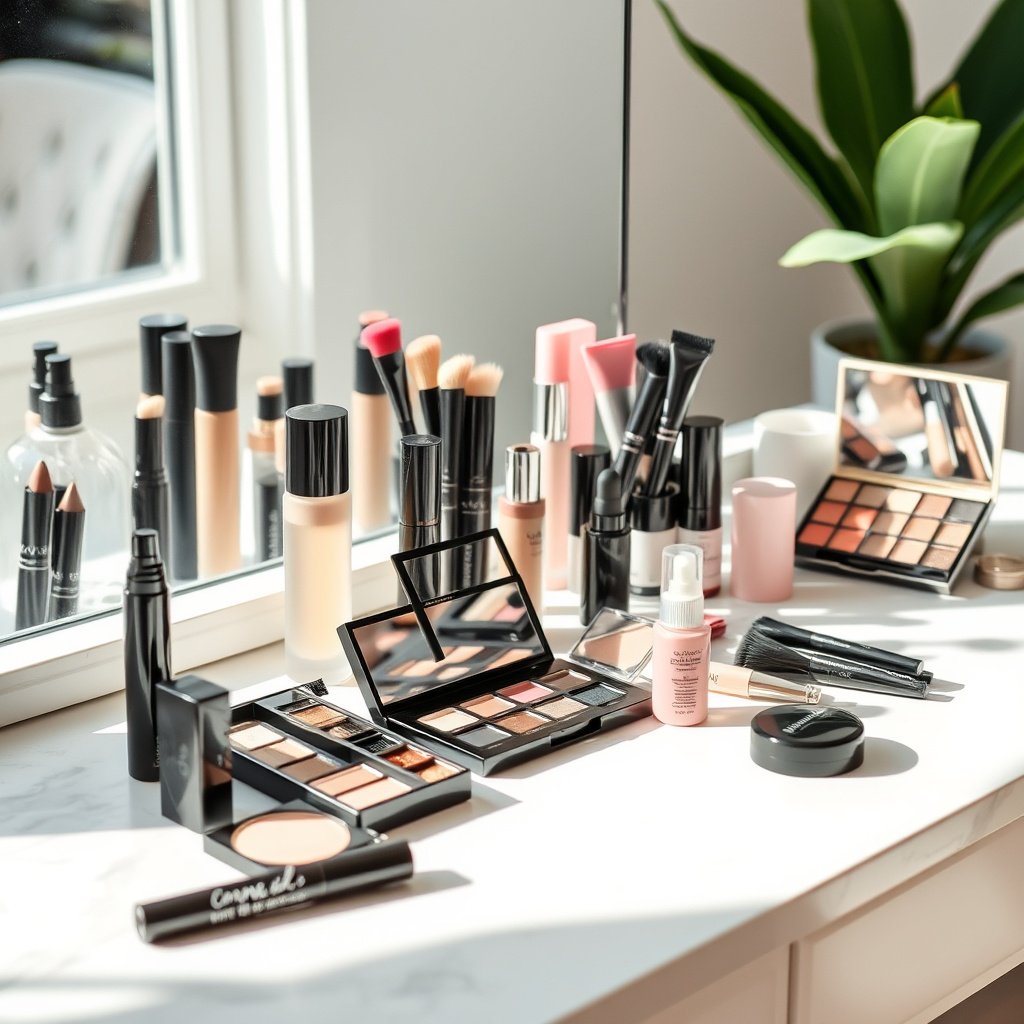
Silicone-based ingredients like dimethicone create flexible, water-resistant films that hold makeup in place longer. Mattifiers and oil-absorbing powders help control shine and extend wear.
Look for foundations labeled as 'long-wear' or '24-hour' that also include antioxidants or SPF for added skin benefits while maintaining durability.
For more detailed background on makeup and its components, see this makeup longevity information from Wikipedia. Makeup longevity information from Wikipedia.
H3 Recommended Brand Types for Long-Lasting Results
Brands focused on professional or bridal makeup tend to offer formulas designed to last through extended periods. Drugstore and high-end brands both produce effective products, so prioritize ingredient lists and reviews.
Experimenting with brands known for long-lasting makeup can help you identify favorites that work with your skin type and preferences.
- Check reviews and swatches before purchase
- Pick formulas designed for your skin needs
- Consider products marketed for extended wear
How Different Makeup Types Compare for Longevity
This table compares various makeup product types based on their durability and suitability for different skin types.
| Makeup Type | Longevity | Best For Skin Type | Finish | Price Range |
|---|---|---|---|---|
| Matte Foundation | 8-12 hours | Oily/Combination | Matte | Medium |
| Hydrating Liquid Foundation | 6-8 hours | Dry/Sensitive | Dewy | Medium-High |
| Powder Foundation | 5-7 hours | Oily/Combination | Matte to Satin | Low-Medium |
| Mineral Foundation | 6-9 hours | Sensitive/Dry | Natural | Medium |
| Setting Spray | Up to 16 hours | All Types | Varies (matte to dewy) | Low-Medium |
Frequently Asked Questions
Can I make my makeup last longer without a primer?
While primers help extend makeup wear, proper skin cleansing, moisturizing, and using long-wear foundations and setting sprays can still improve makeup longevity without a primer.
How often should I reapply setting powder during the day?
Reapply setting powder only as needed, typically once or twice during the day, especially in oil-prone areas to avoid a cakey appearance.
Does setting spray work better than powder for longevity?
Setting sprays seal makeup and refresh the finish but often complement powders rather than replace them. Using both together usually gives the best lasting power.
Are long-lasting makeup products harmful to skin?
Most long-lasting makeup products are formulated to be safe for regular use, but choose non-comedogenic and gentle formulas, especially if you have sensitive skin.
How do I prevent makeup from melting in hot weather?
Use mattifying primers, waterproof and long-wear formulas, and setting sprays with sweat resistance. Blotting papers help remove excess oil and sweat as well.
Key Takeaways
- Prep skin thoroughly with cleansing and moisturizing to aid makeup adherence.
- Use primers tailored to your skin type to extend makeup wear.
- Set makeup with powders and sprays for a locked-in finish.
- Adjust product choices and application methods based on skin type.
Conclusion
Understanding how to make makeup last longer involves combining proper skincare with smart product selection and application methods. Starting with a clean, moisturized face and employing a suitable primer will create a strong base that prevents makeup from sliding or fading prematurely. Thoughtful layering of foundation, powders, and setting sprays enhances product adhesion and wear time, while adjustments for your unique skin type help maintain comfort and appearance throughout the day.
When selecting products, consider formulas that specifically promise long wear and match your skin’s needs, such as mattifying primers for oily skin or hydrating formulas for dry skin. Techniques like patting foundation on and avoiding heavy powder application on dry patches contribute to a smoother, sturdier finish. During the day, light touch-ups with blotting papers and setting sprays keep makeup fresh without causing buildup or cakiness.
As a practical next step, experiment with long-lasting makeup tips and products mentioned here based on your skin type and daily activities. Remember, small changes in preparation and maintenance can significantly improve how your makeup performs from morning to night, saving time and boosting confidence with a consistently polished look.