How to Condition a Wig Properly for Softness and Longevity
Conditioning a wig is essential to maintain its softness, shine, and manageability. Whether your wig is synthetic or human hair, the right conditioning routine restores moisture, reduces tangling, and extends its lifespan. This process involves gentle cleansing followed by applying a suitable conditioner, letting it soak, and rinsing thoroughly.
Proper wig conditioning prevents dryness and brittle strands caused by exposure to styling products, heat, and environmental factors. Regular care ensures that your wig stays natural-looking and comfortable to wear, making styling and maintenance easier.
This article will guide you through steps tailored for different wig types, explain product choices, and highlight maintenance techniques. You’ll get answers about washing frequency, best conditioners to use, drying tips, and how to condition wigs without damaging them.
Understanding Different Wig Materials for Conditioning

Human Hair Wigs: Needs and Conditioning Benefits
Human hair wigs react similarly to natural hair, requiring moisturizing conditioners to maintain texture and flexibility. Conditioning replenishes the cuticle layer, preventing dryness and frizz that often occurs from washing and styling.
Use deep conditioning treatments formulated for natural hair to smooth strands and reduce breakage. Regular conditioning after washing is vital because human hair wigs lack natural scalp oils once worn.
- Use moisturizing conditioners
- Apply after each wash
- Avoid heavy oils that weigh hair down
Synthetic Wigs: Specialized Conditioning Needs
Synthetic wigs are made of fibers like Kanekalon or Toyokalon that don’t absorb moisture well. Conditioning focuses on detangling and adding softness without causing fiber damage, so lightweight, silicone-based conditioners work best.
Avoid traditional deep conditioners which can melt or deform synthetic fibers. Products designed specifically for synthetic wigs help maintain shine and reduce frizz while protecting the fiber’s structure.
- Use silicone-based conditioners
- Avoid protein or oil-rich products
- Condition only after washing
Step-by-Step Guide to Conditioning a Wig
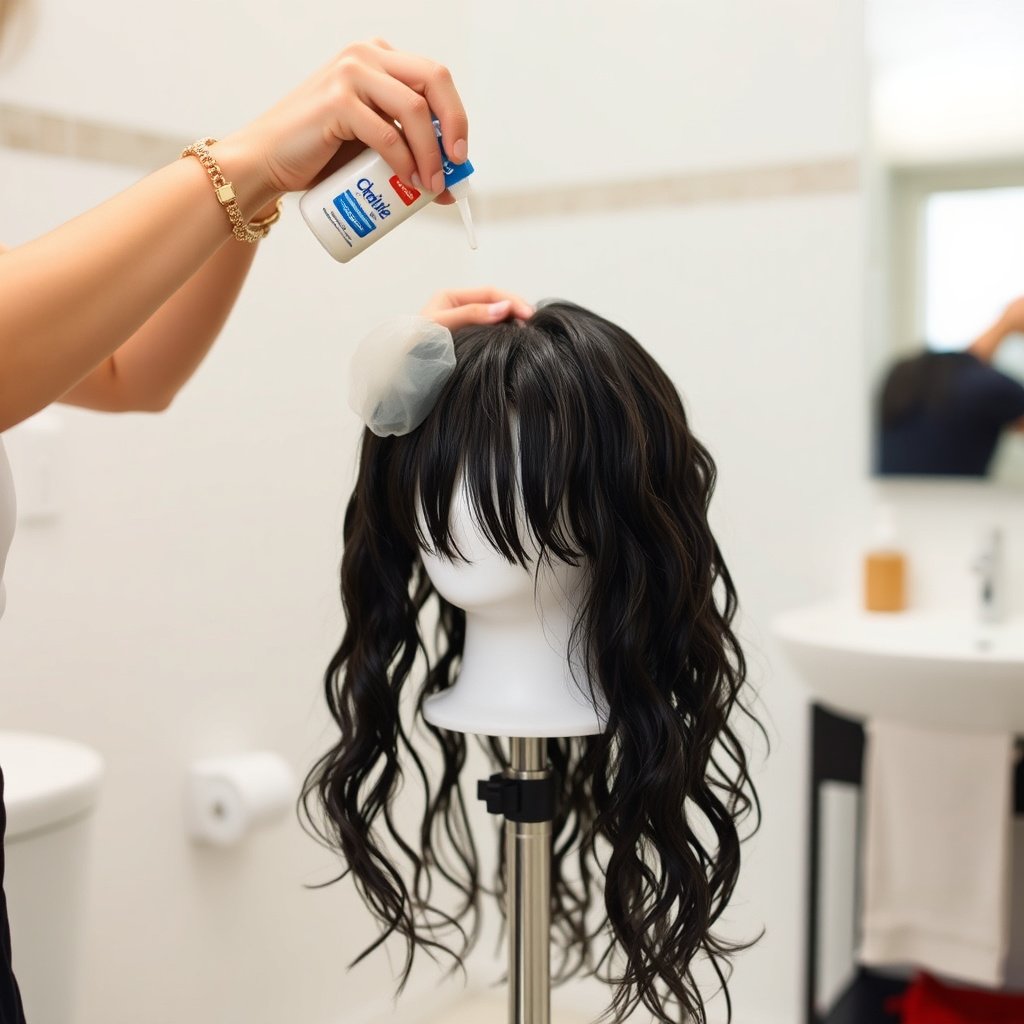
Preparing Your Wig Before Conditioning
Start by gently detangling with a wide-tooth comb designed for wigs to prevent fiber breakage. Wash your wig using a mild wig shampoo in cold to lukewarm water to remove product buildup and odors without stripping fibers.
Never rub or wring your wig as this can cause tangling. Rinse thoroughly to avoid leaving residue, which can affect how well the conditioner works.
- Use cold water for rinsing
- Comb gently from ends to roots
- Avoid hot water or vigorous scrubbing
Applying and Rinsing the Conditioner Correctly
Distribute conditioner evenly starting from mid-lengths down to the ends—this area tends to be driest. For human hair wigs, leave the conditioner on for 3–5 minutes; for synthetic wigs, 1–2 minutes is enough to soften fibers without damage.
Use cool water to rinse out the conditioner gently. Proper rinsing avoids residue buildup that can attract dirt or dull your wig’s appearance.
- Avoid scalp/base area to prevent loosening knots
- Use a wide-tooth comb during conditioning to ease tangles
- Do not over-condition to keep the wig lightweight
Drying and Styling After Conditioning Your Wig

Best Practices for Drying Conditioned Wigs
Never use a hairdryer on high heat for either synthetic or human hair wigs, as this may damage fibers or cause shrinking. Instead, gently pat the wig with a towel to remove excess water and place it on a wig stand to air dry naturally.
Position the wig in a well-ventilated area away from direct sunlight to prevent color fading. Allowing it to dry completely before styling preserves shape and texture.
- Avoid wringing or twisting the wig
- Use a wig stand to maintain style
- Keep away from heat sources while drying
For more on this, see our related guide: Do Wigs Damage Your Hair? The Complete Answer.
Styling Tips Post-Conditioning
Once dry, detangle again carefully and style using low-heat tools only if the wig is human hair. Synthetic wigs usually require special heat-free styling methods to hold their shape.
Using wig-specific styling products can preserve the conditioning effects and keep the wig looking silky and natural between washes.
- Use low heat or no heat styling for synthetic wigs
- Apply wig-friendly sprays or serum sparingly
- Brush gently to avoid fiber damage
Choosing the Right Conditioners for Your Wig
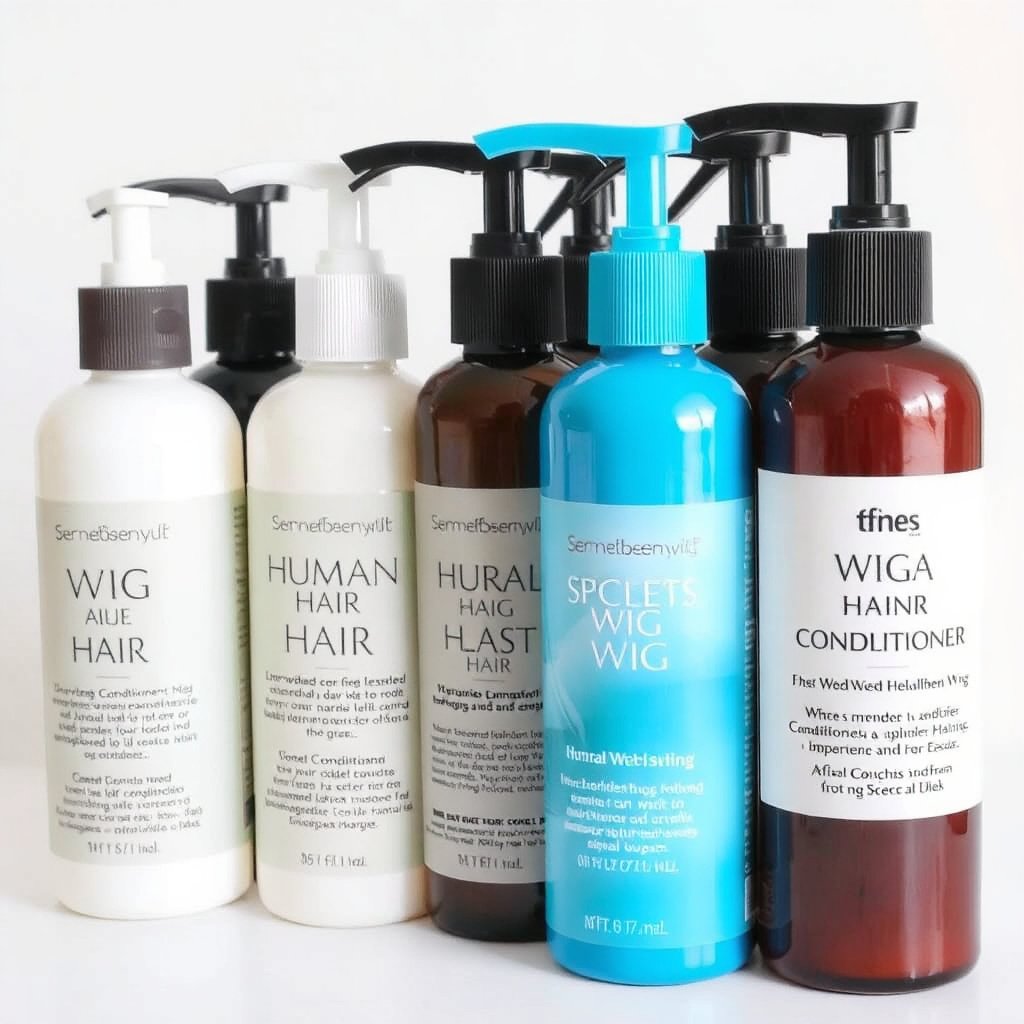
Conditioners for Human Hair Wigs
Look for sulfate-free, hydrating conditioners enriched with ingredients like argan oil, keratin, and shea butter. These nourish fibers without weighing them down or causing buildup.
Avoid conditioners with heavy silicones that can clog hair cuticles and require more frequent washing, potentially shortening the wig’s lifespan.
- Use moisturizing, lightweight formulas
- Check for natural oils and proteins
- Avoid heavy silicones or waxy additives
Conditioners Suitable for Synthetic Wigs
Choose leave-in sprays or rinse-out conditioners labeled for synthetic hair. These are usually silicone-based to add slip and shine while preventing static and tangles without harming synthetic fibers.
Avoid protein-rich or heavy oil conditioners because they can degrade wig fibers or cause them to lose shape.
- Select silicone-based, lightweight conditioners
- Use conditioning sprays for daily maintenance
- Never use thick creams or natural oils
Routine Wig Care Beyond Conditioning
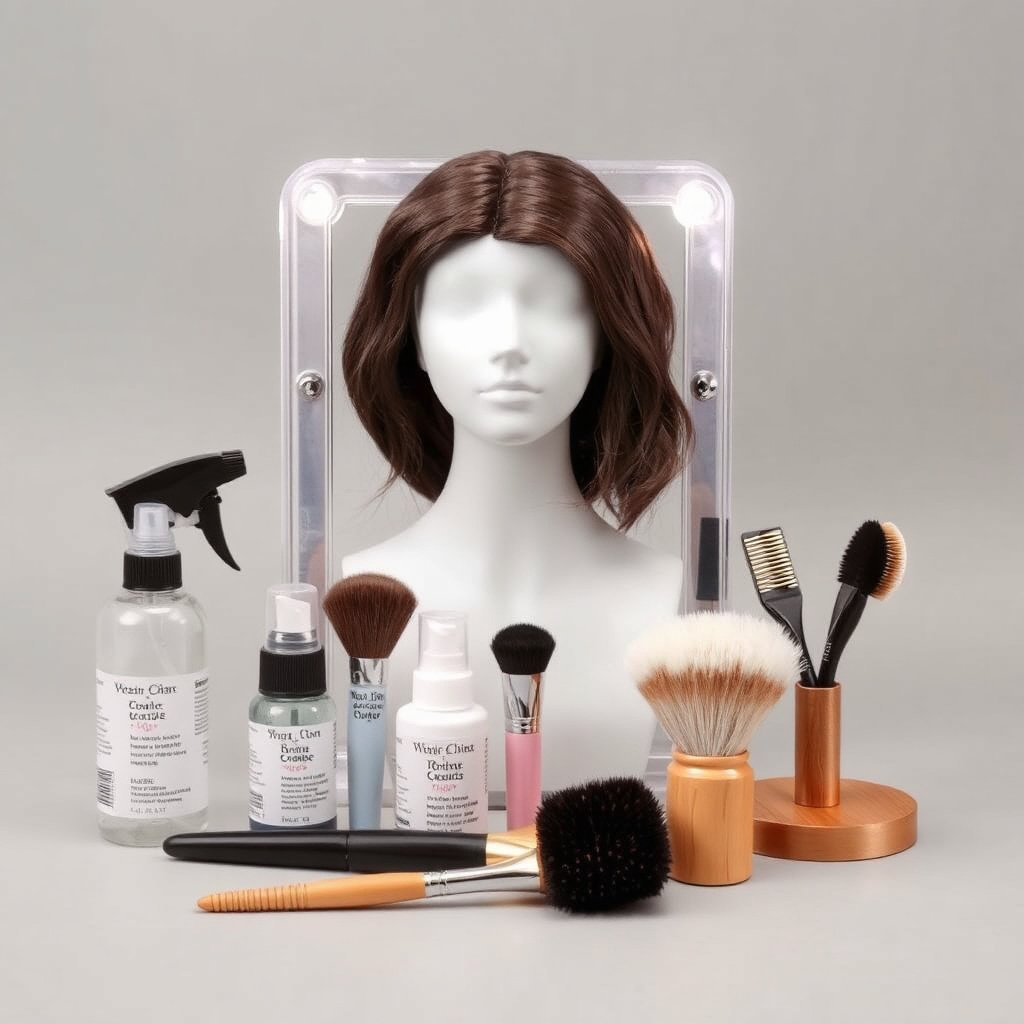
Frequency of Washing and Conditioning
Conditioning depends on how often you wear your wig and the environment you expose it to. Typically, washing and conditioning every 8-12 wears keeps human hair wigs clean without stripping natural oils.
Synthetic wigs may need less frequent washing—about every 15 wears—but occasional conditioning after each wash maintains softness and manageability.
- Adjust routine based on usage and styling
- Avoid overwashing to extend wig life
- Spot clean between washes if needed
For more on this, see our related guide: Are Lace Front Wigs Worth It? The Complete Answer.
Storage and Protection Tips
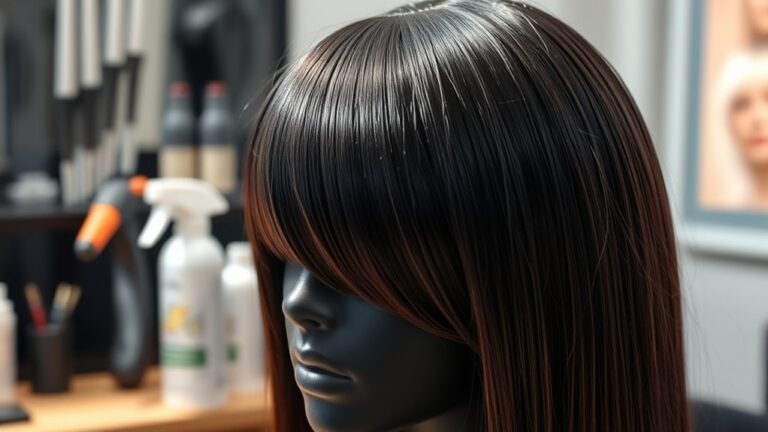
Store wigs on a stand or mannequin head to keep their shape and prevent tangling when not in use. Cover with a breathable cloth or hair net to reduce dust accumulation.
Avoid exposure to extreme heat, such as from heaters or direct sunlight, which can degrade wig fibers and fade color.
- Keep wigs away from heat and humidity
- Use wig caps or nets for protection
- Store in a cool, dry place
Common Mistakes to Avoid When Conditioning a Wig
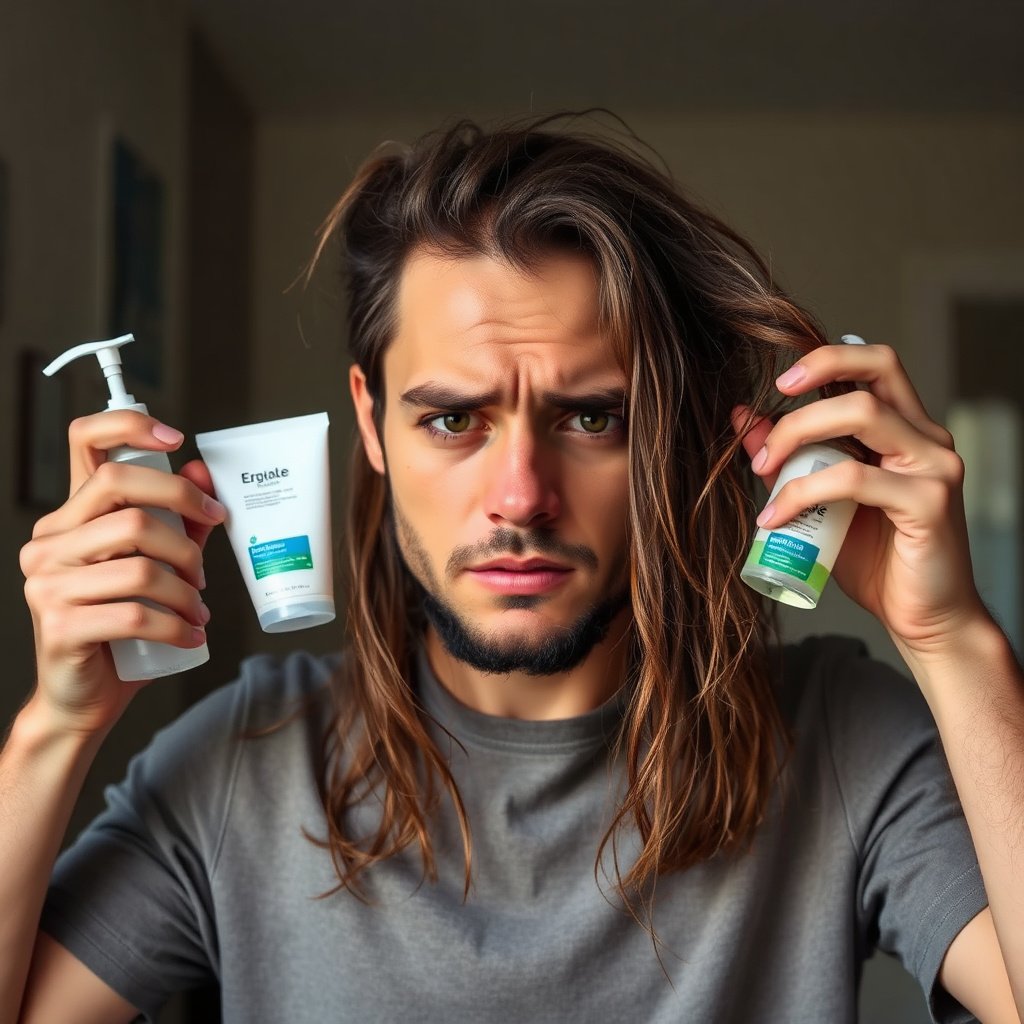
Using Incorrect Products
Applying regular hair conditioner to synthetic wigs can cause fiber damage or melting. Similarly, skipping conditioner on human hair wigs leaves them prone to dryness and breakage.
Always verify product suitability on the labels and avoid homemade or natural products that might have adverse effects.
- Don’t mix product types between wig fibers
- Avoid heavy oils for synthetic wigs
- Select products with wig-specific formulas
For detailed expert guidance on wig care and maintenance, visit the American Academy of Dermatology's helpful resource on wigs and hairpieces. Wig care guidelines from the American Academy of Dermatology.
Improper Application Techniques
Rubbing or scrubbing the wig while conditioning roughens fibers and causes tangling. Over-conditioning makes wigs limp and heavy, whereas neglecting to condition dries them out.
Use gentle strokes and measured amounts of conditioner for best results, concentrating on mid-lengths and ends only.
- Apply conditioner gently and evenly
- Avoid the wig’s base or scalp area
- Do not leave conditioner on too long
Wig Type Conditioning Comparison
Here's a quick comparison of how conditioning needs vary between different wig types considering care ease, product type, and durability impact.
| Wig Type | Conditioner Type | Conditioning Frequency | Durability Impact |
|---|---|---|---|
| Human Hair Wigs | Moisturizing, protein-rich | After every 1-2 washes | Improves lifespan if done right |
| Synthetic Wigs (Heat-Friendly) | Silicone-based light conditioners | After each wash (less frequent) | Maintains fiber softness and shape |
| Synthetic Wigs (Standard) | Silicone-based sprays | Less frequent, spot condition | Prevents tangling, can degrade if misused |
| Lace Front Human Hair | Light moisturizers with keratin | Regularly after washing | Keeps lace flexible and hair soft |
| Hybrid Wigs (Mix fibers) | Blend of silicone and moisturizing | Condition based on dominant fiber | Depends on fiber balance, needs care attention |
Frequently Asked Questions
Can I use regular hair conditioner on my wig?
Regular hair conditioners work only for human hair wigs. For synthetic wigs, use conditioners specifically made for synthetic fibers to avoid damage or fiber melting.
How often should I condition my wig?
Condition human hair wigs after every 1-2 washes and synthetic wigs less frequently, roughly after every 3-5 washes, depending on usage and environment.
Is it necessary to condition synthetic wigs?
Yes, synthetic wigs benefit from silicone-based conditioners that detangle and add softness without compromising fiber integrity.
Should I avoid conditioner on the wig base or scalp area?
Yes, applying conditioner to the wig base can loosen knots and affect the wig’s secure fit, so it's best to apply only to hair strands.
Can conditioning restore damaged wigs?
Conditioning can improve manageability but cannot fully restore severely damaged wigs. Proper care prevents damage better than repair.
Key Takeaways
- Use specific conditioners matching your wig type for best results
- Conditioning enhances wig softness, reduces tangles, and extends lifespan
- Avoid heavy products on synthetic wigs to prevent fiber damage
- Gentle handling during conditioning preserves wig integrity
Conclusion
Selecting how to condition a wig depends heavily on the wig's material and your wearing habits. Human hair wigs demand moisturizing care resembling natural hair, while synthetic wigs require lightweight, silicon-based products. Attentive care, including proper washing, gentle conditioning, and careful drying, keeps your wig comfortable and visually appealing over time. Consistent conditioning prevents dryness, tangling, and fiber damage, which ultimately prolongs your investment in a quality wig.
If you frequently wear a human hair wig, incorporating a weekly deep conditioning with moisturizing products will maintain softness and limit breakage. Synthetic wigs benefit from less frequent conditioning but require special silicone-based sprays for smoothing and detangling. Lace front or hybrid wigs combine needs, so understanding their fiber composition helps you select the right conditioners—such informed routines can help you enjoy your wig longer with natural luster and style.
To start conditioning your wig effectively, identify your wig type and choose suitable products designed specifically for it. Follow a consistent routine of gentle washing, targeted conditioning on lengths and ends, and natural air drying on a wig stand. This approach will ensure your wig stays soft and beautiful with minimal tangling or damage, ready for styling and daily wear.