How to Install Clip-In Bangs: A Step-by-Step Guide
Installing clip-in bangs is a quick way to change your hairstyle without commitment. To install them, start by sectioning your hair, then clip the bangs securely at your desired position, ensuring they sit naturally over your forehead. Adjust and blend with your natural hair for a seamless look.
Clip-in bangs offer flexibility for those who want to experiment with a new look without cutting their hair. They let you switch styles on the fly and are perfect for special occasions or daily wear. Knowing how to install them correctly makes the process smooth and the result convincing.
This guide covers how to prepare your hair, the step-by-step installation process, tips for a natural appearance, maintenance advice, and answers to common questions, helping you confidently add clip-in bangs to your style.
Preparing Your Hair for Clip-In Bangs
Sectioning Your Hair Properly
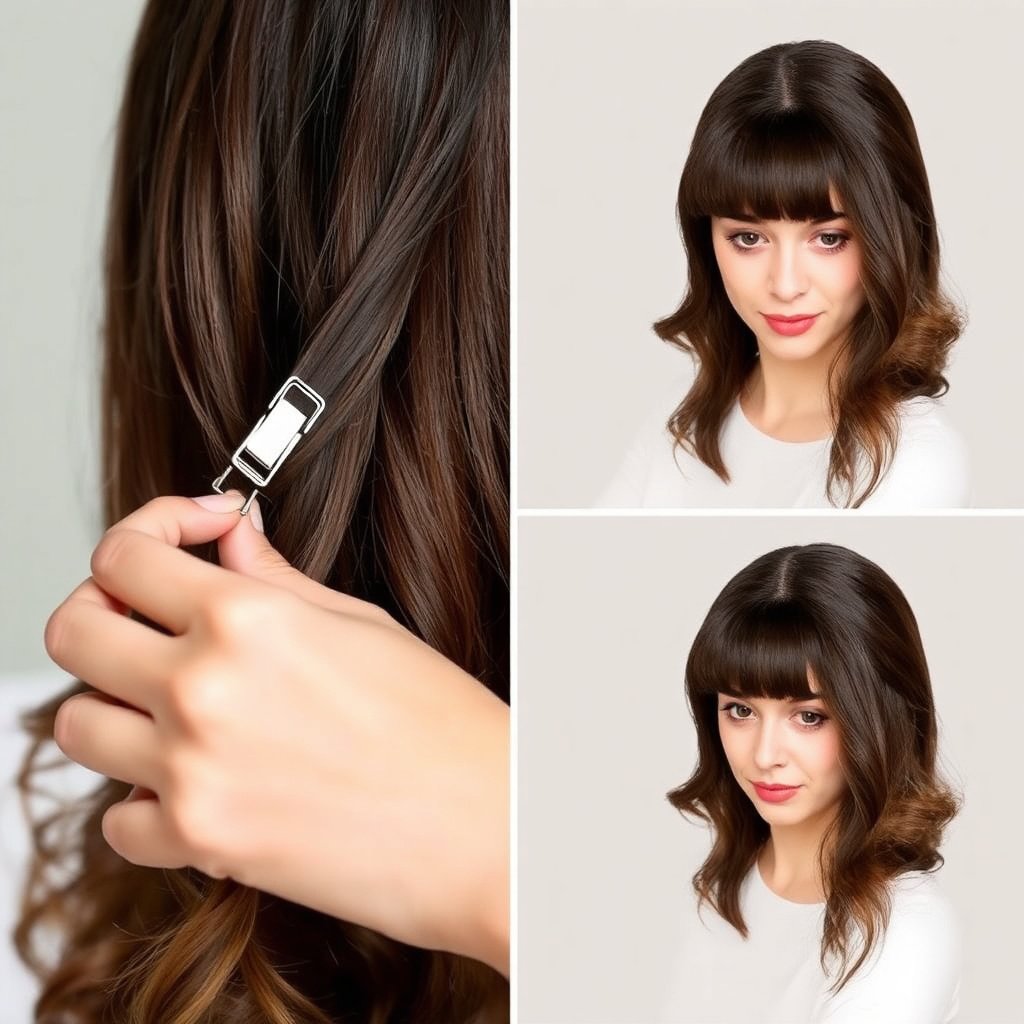
Begin by creating a clean, straight section at the front of your hair where the bangs will be attached. Use a tail comb to part your hair horizontally from temple to temple. Clip the rest of your hair back away from the face to keep it out of the way.
Good sectioning provides a foundation for the clip-in bangs to sit naturally. It prevents them from shifting and keeps them visible, maintaining the illusion of natural bangs blending seamlessly with your hair.
- Use a fine-toothed tail comb
- Work on dry, styled hair
- Secure remaining hair with clips
Choosing the Right Clip-In Bangs
Select clip-in bangs that match your hair color and texture. There are various styles such as straight, side-swept, or wispy bangs. Ensure the length suits your face shape and desired look to complement your natural hairstyle.
Quality clip-in bangs usually feature sturdy but discreet clips that won't damage your hair. Synthetic bangs are budget-friendly but natural human hair bangs offer more styling flexibility.
- Match hair color closely
- Select a style that suits your face
- Check clip quality for comfort and durability
Installing Clip-In Bangs for a Natural Look
Attaching the Clips Securely
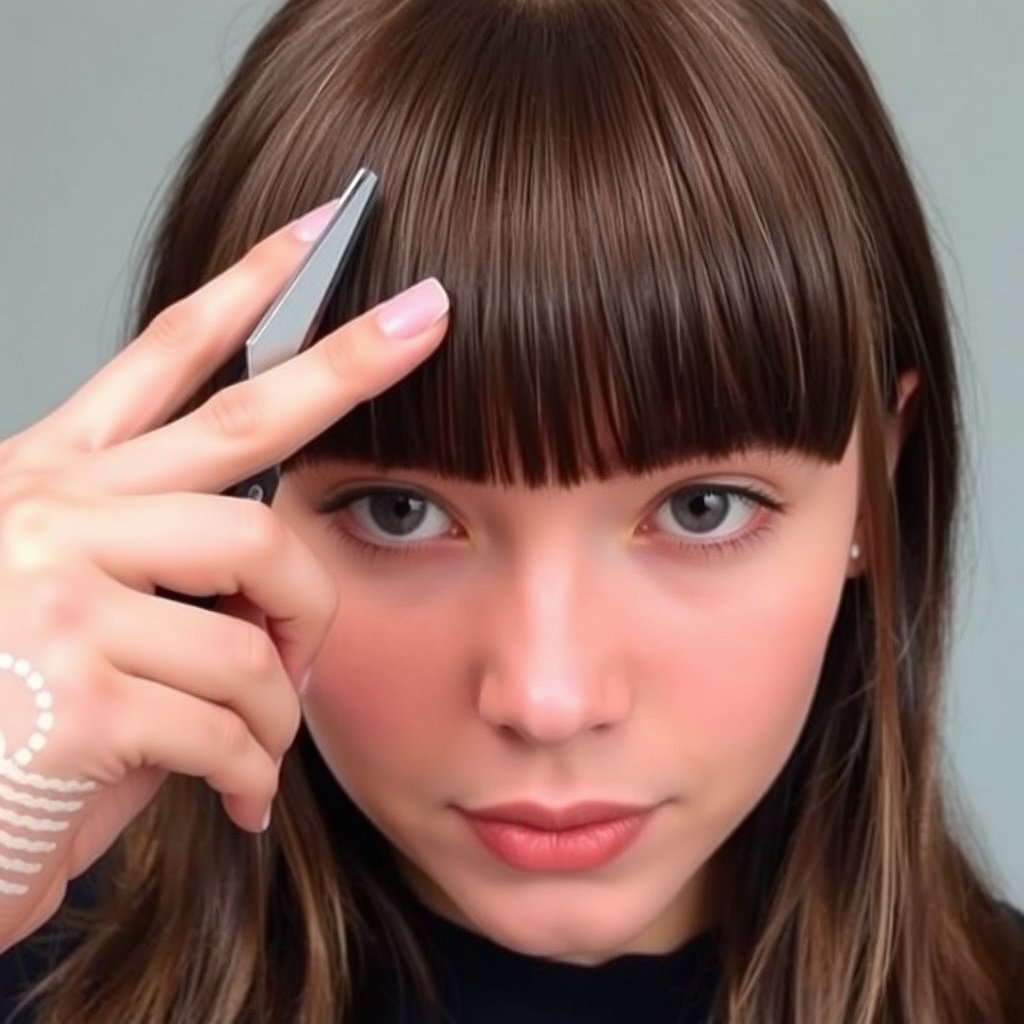
Hold the clip-in hairpiece and position it along the sectioned hairline. Snap the clips closed starting from the center, then the sides. This ensures the bangs stay firmly in place during wear.
Make sure the clips are flush against your scalp but not uncomfortable. Adjust if necessary to avoid gaps or uneven placement, which can make the bangs look fake.
- Attach clips starting from the center
- Avoid clipping too far back
- Check for secure but comfortable grip
Blending the Bangs with Your Hair
Lightly comb your natural hair and the clip-in bangs together to merge textures. Use a flat iron or curling wand to match the styling of your bangs with your existing hair if they are heat-safe.
You can softly trim the bangs if needed to better fit your face shape. Using a bit of styling product helps hold the placement and smooth any flyaways for a seamless finish.
- Comb through to remove tangles
- Style with heat tools if applicable
- Trim bangs carefully if needed
Maintaining and Caring for Clip-In Bangs
Cleaning and Storing Your Bangs
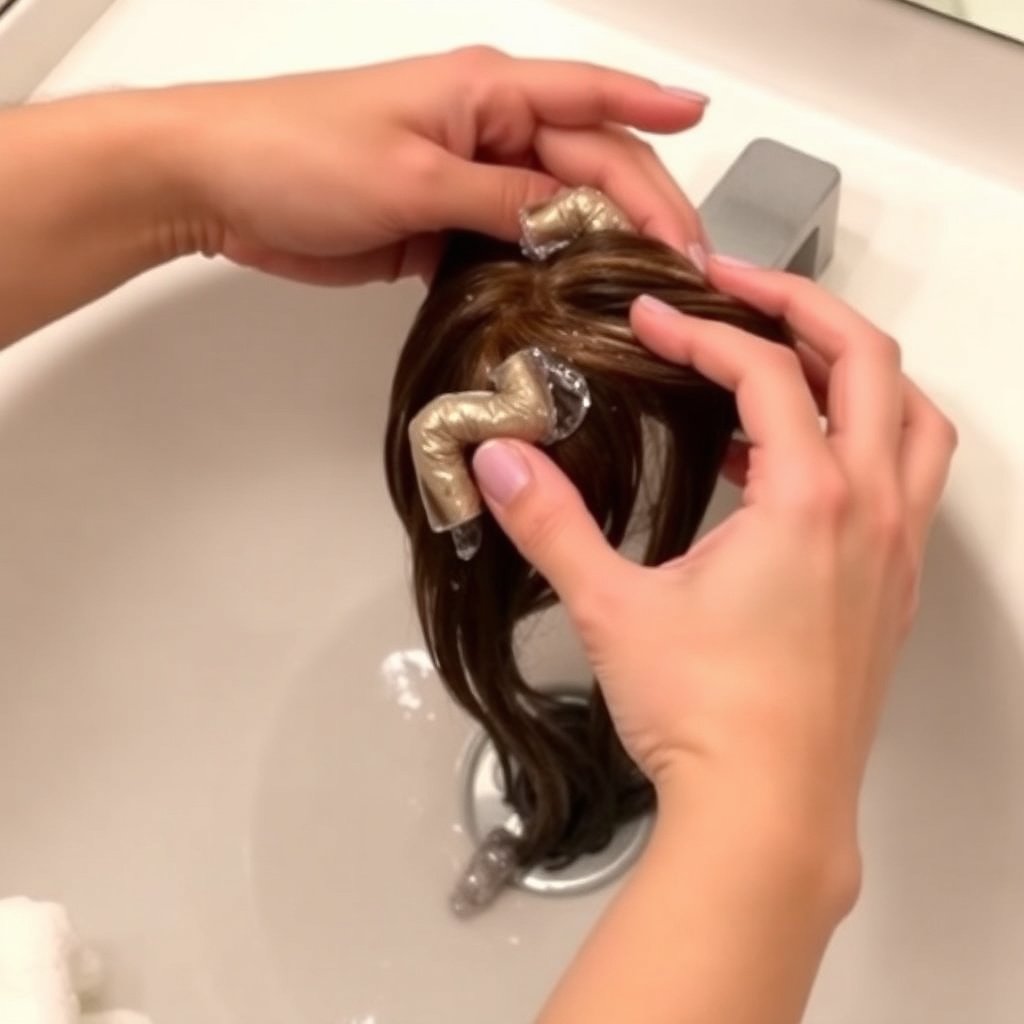
Wash clip-in bangs occasionally with a gentle shampoo and conditioner designed for synthetic or human hair. Avoid heat exposure if they are synthetic to maintain their shape and lifespan.
After drying completely on a towel, store them flat or hung up in a cool, dry place. Proper storage prevents tangling and prolongs the bangs’ usability over time.
- Use mild shampoo and conditioner
- Air dry away from direct heat
- Store in a protective case or hang
Avoiding Common Installation Issues
Keep your natural hair clean and tangle-free before installation to help clips stay put. Avoid clipping onto slippery or oily hair as this can cause slippage.
If the bangs feel heavy or uncomfortable, try using smaller sections or lighter clip-in options. Adjust positioning frequently until the best balance of comfort and aesthetics is found.
- Install on clean, dry hair
- Avoid oily or slippery roots
- Use lighter bangs for fine hair
Styling Tips for Clip-In Bangs
Using Heat Tools Safely
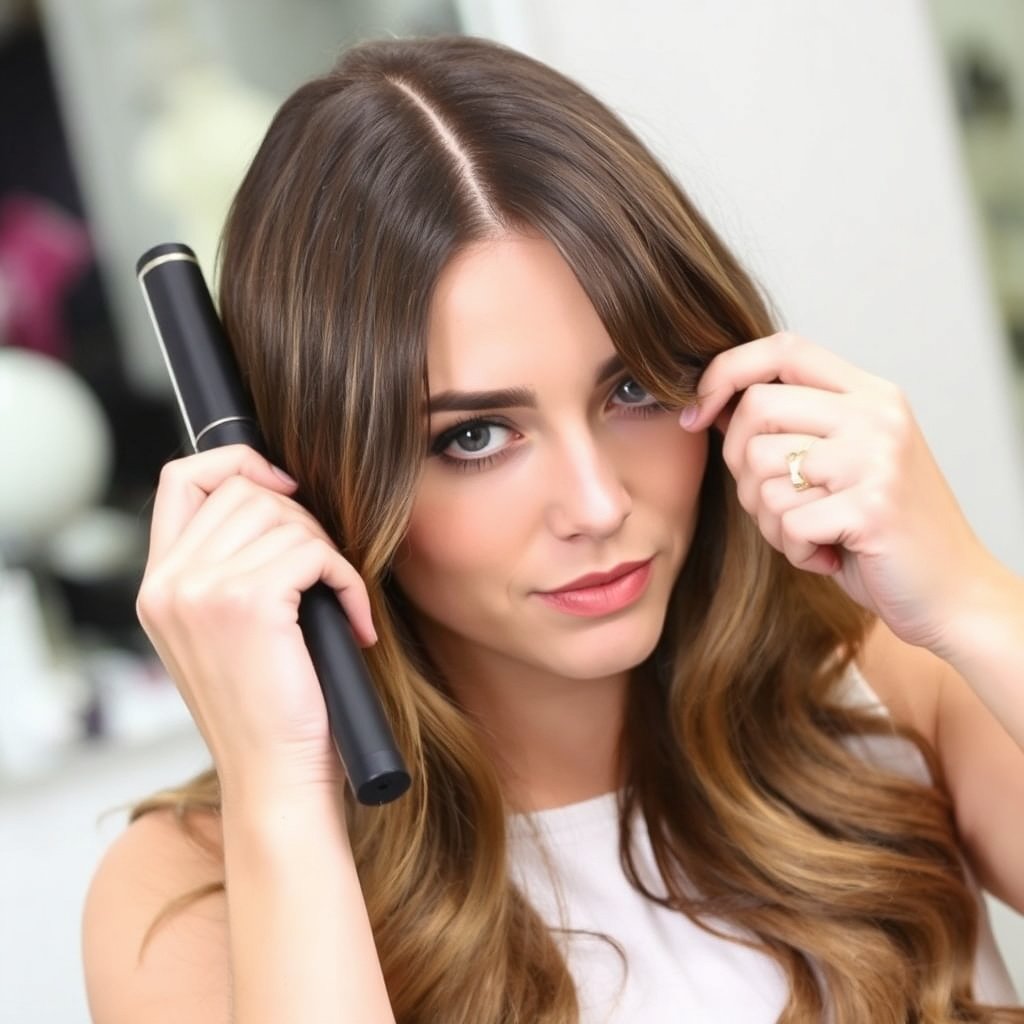
If your clip-in bangs are made from heat-resistant synthetic fibers or human hair, you can style them with a straightener or curling iron. Use lower heat settings to avoid damage.
Always check the manufacturer’s instructions for heat tolerance, and apply a heat protectant spray to the bangs before styling for longevity.
- Confirm heat resistance before styling
- Set tools to medium or low heat
- Apply heat protectant spray
Creating Versatile Looks
Clip-in bangs enable quick style changes like blowing them out for volume or soft curling edges for softness. Try side-swept or blunt cuts to match different outfits or moods.
Pair with other clip-in extensions for added volume or color highlights without commitment. This flexibility allows experimenting with hair trends before making permanent changes.
- Blow-dry for volume
- Curl edges for softness
- Combine with other extensions
Troubleshooting Common Clip-In Bangs Problems

Fixing Slippage and Discomfort
Slippage can result from clipping on oily or freshly washed hair. Apply a small amount of dry shampoo or hair texturizer for grip. Adjust clip placement to avoid uneven pressure causing discomfort.
If clips cause soreness, try moving them slightly or switching to smaller clips. Sometimes padding the clip with soft fabric can improve comfort during extended wear.
- Use dry shampoo for grip
- Adjust clip position
- Add padding to clips if needed
For additional background on hair extensions and the variety of types available, consider reviewing this clip-in bangs overview. clip-in bangs.
Avoiding an Obvious Fake Look
Choose bangs that match your hair color and texture closely. Blend edges carefully and style bangs with natural movement to reduce the artificial appearance.
Lightly teasing the roots and using hair spray can disguise the clips. Frequent blending with your natural hair ensures a subtle, realistic finish.
- Match color and texture
- Blend edges with styling
- Use teasing and hairspray
Clip-In Bangs Category Comparison
Here’s a comparison of different clip-in bangs categories based on material, styling options, and suitability for beginners.
| Category | Material | Styling Flexibility | Price Range | Beginner Friendly |
|---|---|---|---|---|
| Synthetic Clip-In Bangs | Synthetic fibers | Limited heat styling | $15-$40 | Yes |
| Human Hair Clip-In Bangs | 100% human hair | Full heat styling | $50-$150 | Moderate |
| Heat-Resistant Synthetic Bangs | Heat-safe synthetic | Limited to medium heat | $25-$60 | Yes |
| Pre-Styled Side-Swept Bangs | Synthetic or human hair | Minimal styling required | $30-$70 | Yes |
| Custom Cut Clip-In Bangs | Human hair preferred | Highly customizable | $80-$200 | No |
Frequently Asked Questions
Can I style clip-in bangs with heat tools?
Yes, but only if your clip-in bangs are made from human hair or heat-resistant synthetic fibers. Always check the product details and use the lowest effective heat to avoid damage.
How often should I wash clip-in bangs?
Wash clip-in bangs every 10-15 wears or when they look dull or oily. Use mild shampoo and conditioner suited for synthetic or human hair depending on the bangs’ material.
Will clip-in bangs damage my natural hair?
Properly installed clip-in bangs generally do not cause damage. Avoid clipping too close to the scalp or pulling harshly when removing to protect your natural hair.
Can clip-in bangs blend with all hair types?
Most clip-in bangs work best with straight to wavy hair textures. Those with fine or curly hair may need specialized bangs or extra blending techniques for a natural look.
Are clip-in bangs suitable for beginners?
Yes, clip-in bangs are beginner-friendly, especially synthetic or pre-styled types. Practice sectioning and clipping for a flawless and natural finish.
Key Takeaways
- Sectioning your hair correctly is essential for natural-looking clip-in bangs.
- Choose bangs matching your hair color and texture for best blending.
- Proper attachment and blending improve comfort and realism.
- Caring for bangs extends their lifespan and keeps them fresh.
Conclusion
Installing clip-in bangs offers an easy, non-permanent way to transform your hairstyle. Focusing on accurate sectioning, clip placement, and selecting the right type will result in a look that feels natural and comfortable. Taking your time to blend and style ensures the bangs enhance your overall appearance without obvious signs of being an accessory.
For those new to clip-in bangs, synthetic options or pre-styled side-swept bangs provide a simple starting point with less maintenance required. If you prefer versatility and the ability to style with heat, investing in high-quality human hair clip-in bangs is a worthwhile choice. More advanced users may explore custom-cut human hair bangs for precise face framing. These scenarios cater to different needs, whether casual use or a polished, long-term style change.
Next, gather your chosen clip-in bangs, a tail comb, styling tools, and clips to try installation yourself. Practice sectioning and adjusting until you find a comfortable fit. Over time, maintaining and styling your clip-in bangs will become second nature, expanding your hair styling options with ease.