How to Make a Wig with Bundles: Step-by-Step Guide for Beginners
Making a wig with bundles involves securing hair extensions onto a wig cap by sewing tracks of bundled hair to create a full, wearable wig. This process starts with selecting quality bundles, preparing the cap, sewing tracks neatly, and finishing with styling to suit your preference. By the end, you’ll have a custom wig tailored for your style.
Creating wigs from bundles matters because it allows full control over hair texture, length, and density compared to pre-made wigs. A handmade bundle wig also offers a personalized fit and style flexibility, ideal for those who want more durable and versatile hair options for everyday wear or special occasions.
This article will guide you through the materials you’ll need, preparation steps, sewing techniques for attaching bundles to the wig cap, finishing touches, and tips on maintenance. You'll also find useful comparisons for different bundle types and cap styles, helping you pick the best resources for your wig-making project.
Choosing Hair Bundles and Wig Caps
Types of Hair Bundles for Wig Making
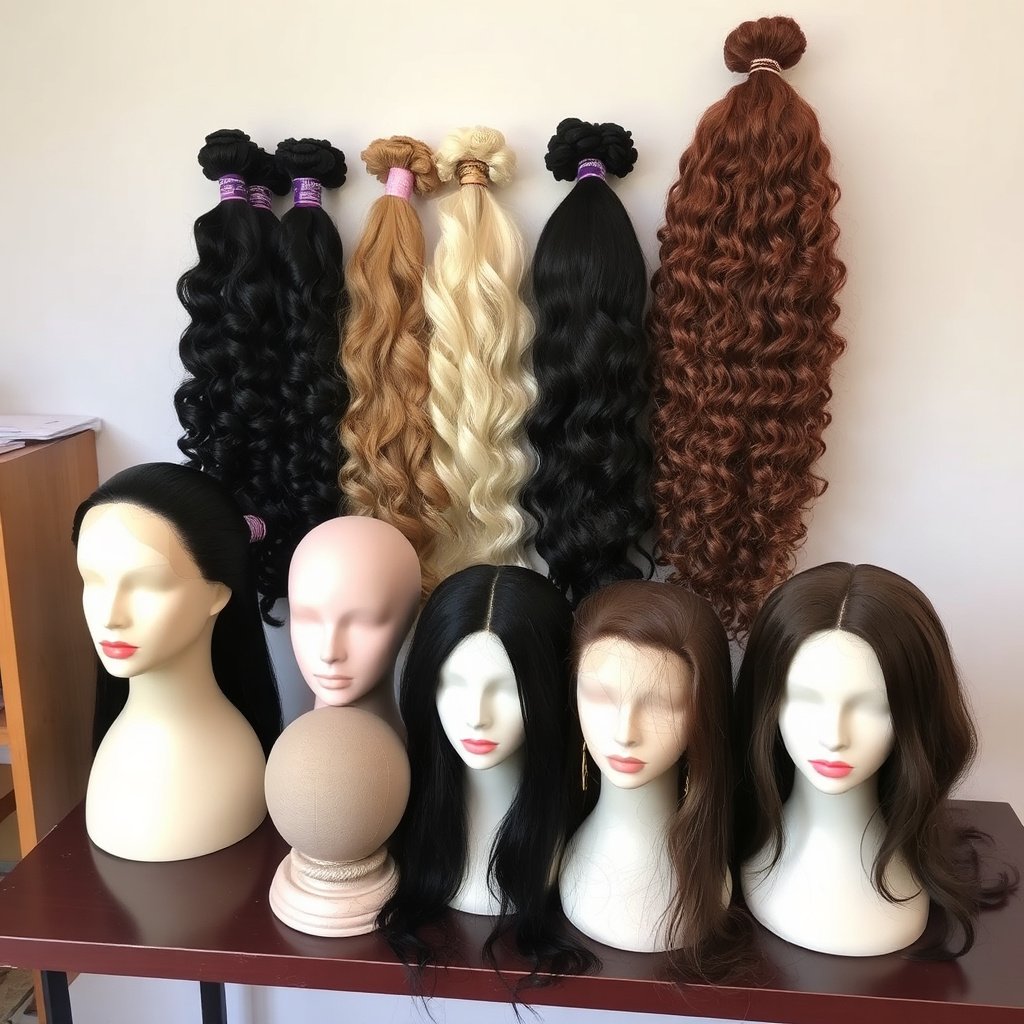
Hair bundles come in various types including virgin, Remy, synthetic, and heat-resistant options. Virgin and Remy bundles preserve cuticle alignment, resulting in longer-lasting wigs with minimal tangling. Synthetic bundles are budget-friendly but less durable and less natural in appearance.
Choosing the right texture matching your desired style—like straight, wavy, or curly—is essential. Also, consider bundle length and density; thicker bundles ensure fuller wigs but may be heavier to wear.
- Virgin: untreated, highest quality
- Remy: cuticles intact, smooth
- Synthetic: affordable, less natural
- Heat-resistant: style with heat tools
Selecting the Suitable Wig Cap
Wig caps vary mainly between lace fronts, full lace, and standard caps. Lace front caps offer a natural hairline but less parting freedom. Full lace caps allow versatile styling but tend to cost more and require more skill to sew on bundles.
Ensure the cap size matches your head circumference for comfort. Caps made of breathable mesh or Swiss lace improve ventilation, making the wig more comfortable to wear for long periods.
- Lace front: natural hairline, limited parting
- Full lace: versatile styling, more delicate
- Standard cap: sturdy, less natural hairline
- Breathable material: comfort during wear
Preparing Your Workspace and Materials

Essential Tools and Supplies
Prepare sharp curved needles, sturdy weaving thread matching the hair color, scissors, wig head stand, clips, and measuring tape. Having everything within reach speeds up the sewing process and reduces frustration.
Investing in a wig stand helps hold the cap tight and stable while sewing bundles, ensuring even, smooth tracks without bunching or awkward spacing.
- Curved needle for sewing tracks
- Weaving thread (color-matched)
- Wig stand or mannequin head
- Hair clips to section bundles
- Measuring tape for precision
For more on this, see our related guide: Wig Store Near Me Open Now: Your Local Shopping Guide.
Preparing the Wig Cap and Bundles
Place the wig cap securely on the wig stand and adjust so it fits tautly without stretching. Mark the center part and outline where you want the hair to be sewn, leaving some room for natural hairline or edges.
Measure and cut bundles into manageable sections. Align the cut ends for smooth wefts. You may want to pre-stretch the bundles slightly to prevent shrinkage after sewing and washing.
- Secure wig cap tautly on stand
- Mark sewing zones with chalk
- Cut bundles into tracks
- Align bundle ends carefully
Sewing Techniques to Attach Bundles

Basic Sewing Track Method
Start at the nape of the wig cap and sew a track by threading the needle through the weft edge and cap, looping carefully to avoid gaps. Use firm, even stitches to secure the hair while maintaining flexibility of the wig.
Move upward in rows, sewing parallel tracks close enough to prevent scalp exposure but not so dense as to make the wig heavy. Always keep tension consistent to avoid puckering the cap fabric.
- Begin at wig cap bottom
- Use even, tight stitches
- Sew parallel tracks following cap shape
- Maintain consistent tension
Advanced Techniques for Natural Hairline
To mimic a natural hairline, feather shorter bundles near the front or use lace frontal attachments. Sew fine wefts in a staggered pattern to create soft edges where hair meets skin.
Knotting or ventilating individual hairs along the lace front can provide ultra-realistic baby hairs and parting space, but this requires more skill and time.
- Feather shorter bundles at front
- Use lace front or full lace cap
- Create staggered stitching for softness
- Optional knotting for baby hairs
Finishing and Styling Your Bundle Wig

Securing Ends and Trimming
After sewing all bundles, carefully secure the thread ends by tying flat knots inside the cap to prevent unraveling. Trim excess lace from the front if using a lace cap, shaping the hairline to your liking.
Clean up stray hairs or uneven lengths for a polished look. Lightly steam or flat iron to set the style, ensuring heat tools are appropriate for the bundle type.
- Tie knots flat inside cap
- Trim excess lace carefully
- Remove stray hairs
- Style hair with appropriate heat
For more on this, see our related guide: Water Wave Bundles Guide: What to Know Before You Buy.
Styling Tips for Wear and Longevity
Use gentle products designed for extensions when washing your wig. Avoid excessive heat styling and always detangle with a wide-tooth comb starting from the ends.
Store the wig on a stand to maintain shape and prevent tangling. Regularly moisturize bundles to keep them looking soft and natural.
- Use sulfate-free shampoos
- Detangle with wide-tooth comb
- Avoid heavy heat styling
- Store on wig stand
Caring for Your Handmade Wig

Washing and Conditioning Routine
Wash your wig every 7-10 wears depending on usage and product buildup. Use lukewarm water with sulfate-free shampoo, gently massaging scalp area and bundles without rubbing harshly.
Apply deep conditioner, focusing on the ends, then rinse with cool water to seal cuticles. Air dry on a wig stand away from direct sunlight for best results.
- Frequency: every 7-10 wears
- Sulfate-free shampoo
- Deep condition ends
- Air dry on stand
For a deeper understanding of wig types and construction, you can explore wig construction basics on Wikipedia. wig construction basics on Wikipedia.
Storage and Maintenance Tips
When not wearing, store the wig on a stand or mannequin head to keep its shape. Cover loosely with a silk scarf to prevent dust and tangling.
Avoid sleeping in the wig or exposing it to rough surfaces. Regularly inspect stitches and reinforce loose tracks with needle and thread to prolong lifespan.
- Store on wig stand
- Cover with silk scarf
- Avoid sleeping with wig on
- Repair loose stitches promptly
Hair Bundles and Wig Cap Types Comparison
Here's a comparison of popular hair bundle types and wig cap styles to help you choose what fits your wig-making needs best.
| Category | Appearance | Durability | Cost | Styling Flexibility |
|---|---|---|---|---|
| Virgin Hair Bundles | Very natural, smooth cuticles | High, resists tangling | High | Excellent |
| Remy Hair Bundles | Natural with some processing | Good, preserves cuticles | Medium-High | Very good |
| Synthetic Bundles | Varies, can look artificial | Low, prone to tangling | Low | Limited, heat-sensitive |
| Lace Front Cap | Natural hairline | Medium, delicate lace | Medium | Moderate, limited parting |
| Full Lace Cap | Very natural, versatile parting | Lower, fragile lace | High | Excellent, versatile styling |
| Standard Cap | Less natural hairline | High, sturdy mesh | Low | Limited styling |
Frequently Asked Questions
How many bundles do I need to make a full wig?
Typically, 3 to 4 bundles are sufficient for making a full wig depending on the desired volume and length. Longer or thicker wigs may require 4 bundles or more for full coverage.
Can I use synthetic hair bundles for wig making?
Yes, synthetic hair bundles can be used but they generally have a shorter lifespan and limited styling options compared to human hair bundles. They are more affordable but less natural in appearance.
How long does it take to make a wig with bundles?
The wig making process usually takes between 4 to 8 hours for beginners, depending on sewing skill and complexity of the wig design. Experienced makers may complete faster.
Can I wash a wig made from hair bundles?
Absolutely. Wigs made from human hair bundles can be washed just like natural hair using gentle shampoos and conditioners. Synthetic wigs require special care and washing products.
What's the best way to secure bundles on the wig cap?
Sewing bundles onto the wig cap using strong weaving thread and curved needles provides the most secure and durable result. Glue can be an alternative but is less long-lasting.
Key Takeaways
- Making a wig with bundles lets you customize hair texture, length, and fullness.
- Selecting quality virgin or Remy bundles improves wig durability and appearance.
- Sewing bundles onto lace or mesh caps requires precise stitching to mimic natural hairlines.
- Proper care and maintenance extend the life and look of your handmade wig.
Conclusion
Crafting a wig with bundles requires attention to detail from choosing the right hair bundles and wig cap to mastering sewing techniques that ensure secure, natural-looking hair tracks. Focusing on each step carefully results in a comfortable and flattering wig tailored to your style needs. Understanding your options beforehand prepares you for successful wig construction.
For those seeking durability and natural appeal, virgin or Remy hair bundles combined with lace front or full lace caps offer the best quality and styling versatility. Beginners might prefer lace front caps for easier assembly, while more advanced wig makers can explore full lace caps for elaborate styles. Synthetic bundles provide cost-effective alternatives, but at the expense of longevity and styling freedom.
To start your wig-making project, gather quality tools and bundles matched to your style preference, set up a comfortable workspace, and practice sewing neat tracks on the cap. Regular maintenance during wear keeps your wig looking fresh. With patience and practice, making a bundle wig becomes an enjoyable craft yielding unique, stylish results.