
Understanding the Difference Between Knotless and Box Braids
The main difference between knotless and box braids lies in how they are installed. Box braids start with a small, tight knot at the base of your natural hair strand that secures the braid. In contrast, knotless braids begin with your natural hair and gradually feed in synthetic hair, eliminating the initial knot. This technique results in a smoother, more natural-looking braid.
Choosing between knotless and box braids matters because their installation affects comfort, scalp tension, and the overall look. Knotless braids generally cause less scalp stress and feel lighter, making them a preferred option for prolonged protective styling. Box braids, while iconic and bold, might create tension on the scalp due to the knots.
This article will explore the technical differences in installation, styling versatility, maintenance routines, durability, and common concerns about both knotless and box braids. By the end, you'll understand which braid style aligns best with your hair care needs and aesthetic preferences.
Installation Techniques of Knotless and Box Braids
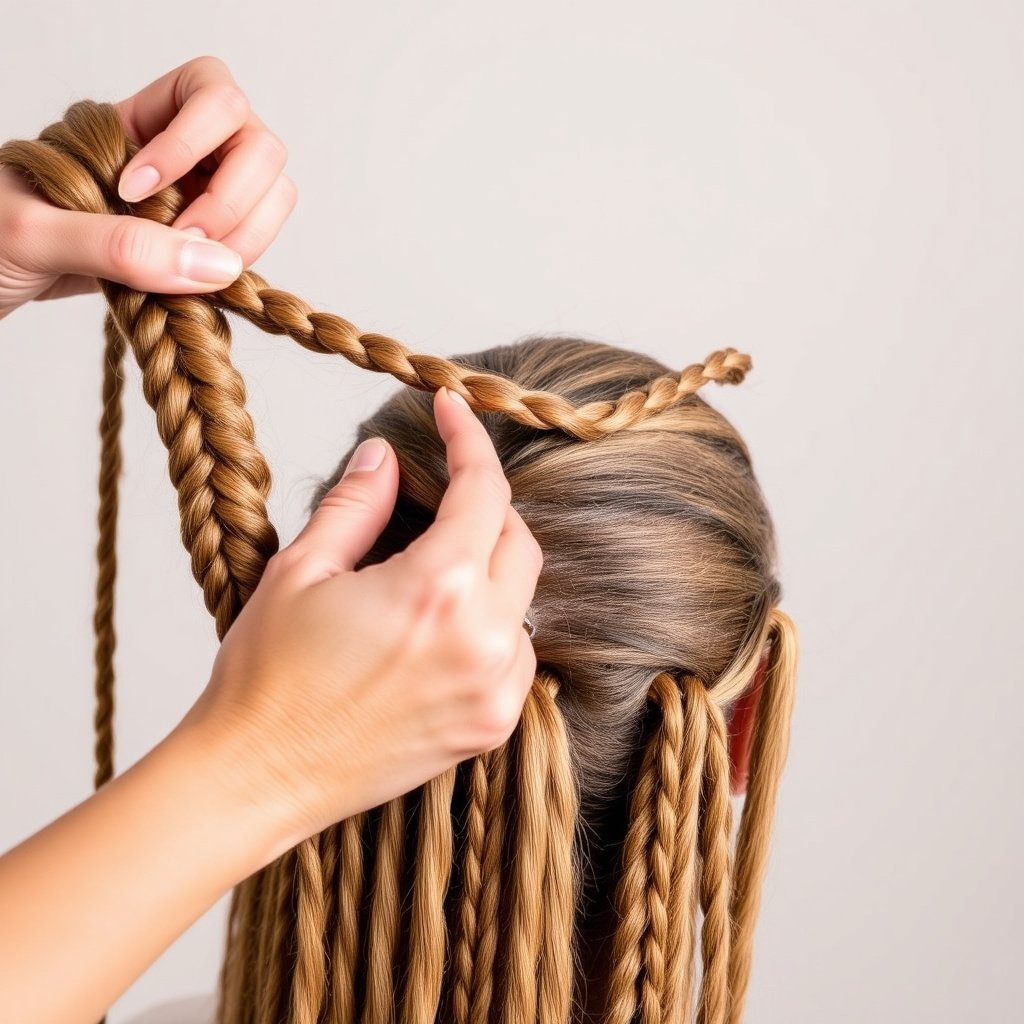
How Box Braids Are Installed
Box braids begin by sectioning the hair into square-shaped parts. The braid starts with a knot formed by adding synthetic hair to your natural hair at the base. This knot secures the braid but can sometimes cause scalp tension or discomfort if done too tightly.
The knot provides a distinct bulky base and makes the braids stand out sharply. The tight knotting method helps the braids stay in place but may require careful removal to avoid hair damage.
- Hair sectioned into squares
- Synthetic hair tied at root with a knot
- Knot provides firm hold
The Knotless Braids Method
Knotless braids start with your natural hair alone, without a knot. Synthetic hair is gradually fed in while braiding, ensuring the braid base lies flat and feels lighter on the scalp. This method reduces tension and mimics natural hair growth patterns.
Because the braid begins small and gradually thickens, knotless braids offer a smoother transition from scalp to braid. This technique minimizes the bulky look at the roots and tends to feel more comfortable over long periods.
- Starts with natural hair only
- Synthetic hair gradually added
- Flatter, lighter braid base
Comfort and Scalp Health in Braiding Styles
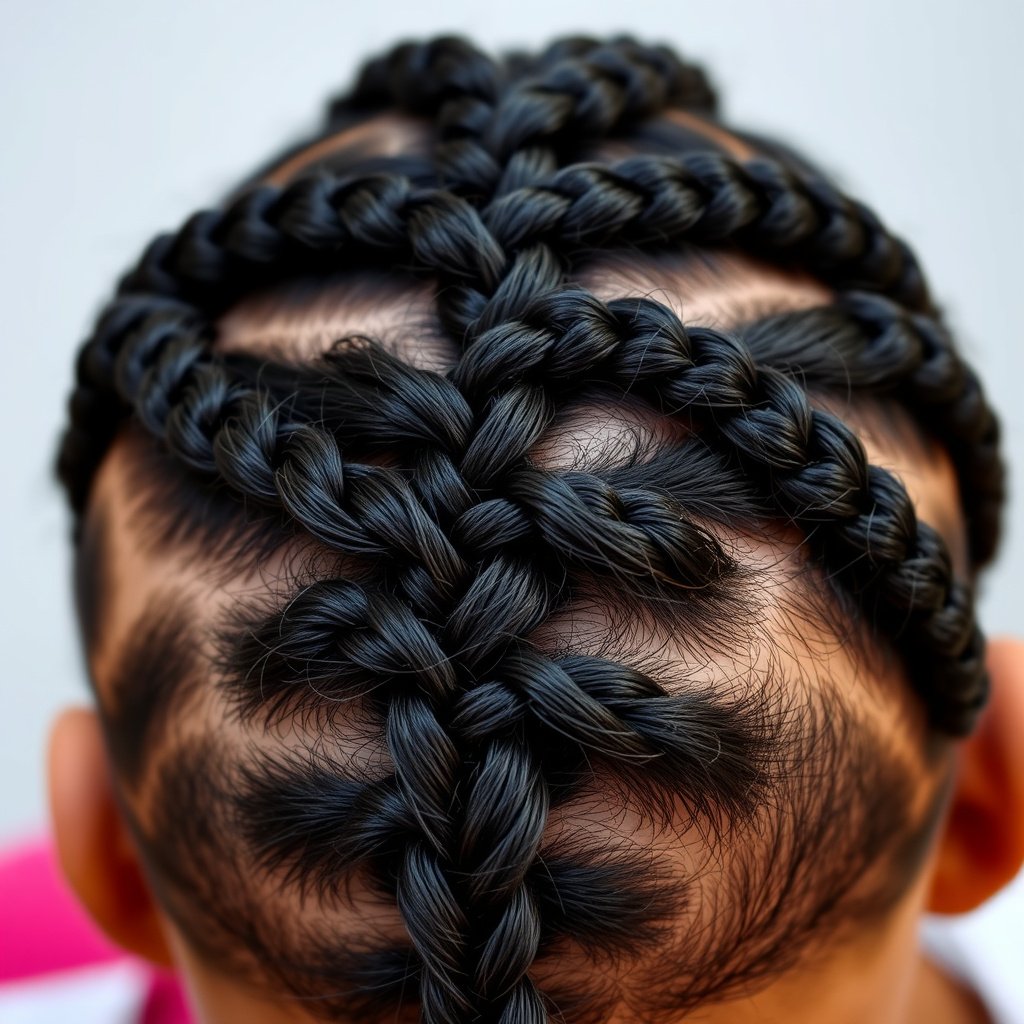
Scalp Tension in Box Braids
Because box braids have a pronounced knot at the root, the scalp can experience tightening and sometimes discomfort, especially if the braids are installed very tightly. This pressure might lead to traction alopecia if worn continuously without breaks.
Heavy, tight knots can cause headaches and irritation in sensitive scalps. Taking breaks between braiding sessions and moisturizing the scalp can help maintain scalp health when wearing box braids.
- Higher scalp tension due to knots
- Potential for traction alopecia
- Possible discomfort and headaches
Scalp Benefits of Knotless Braids
Knotless braids greatly reduce scalp stress because they begin without a tight knot. The gradual hair feeding technique helps distribute weight evenly, resulting in less pulling and fewer headaches.
This style is often recommended for those with sensitive scalps or fine hair as it minimizes breakage and promotes healthy hair growth during the braid wear period.
- Less tension on scalp and follicles
- Suitable for sensitive scalps
- Promotes healthier hair retention
Styling Versatility and Appearance
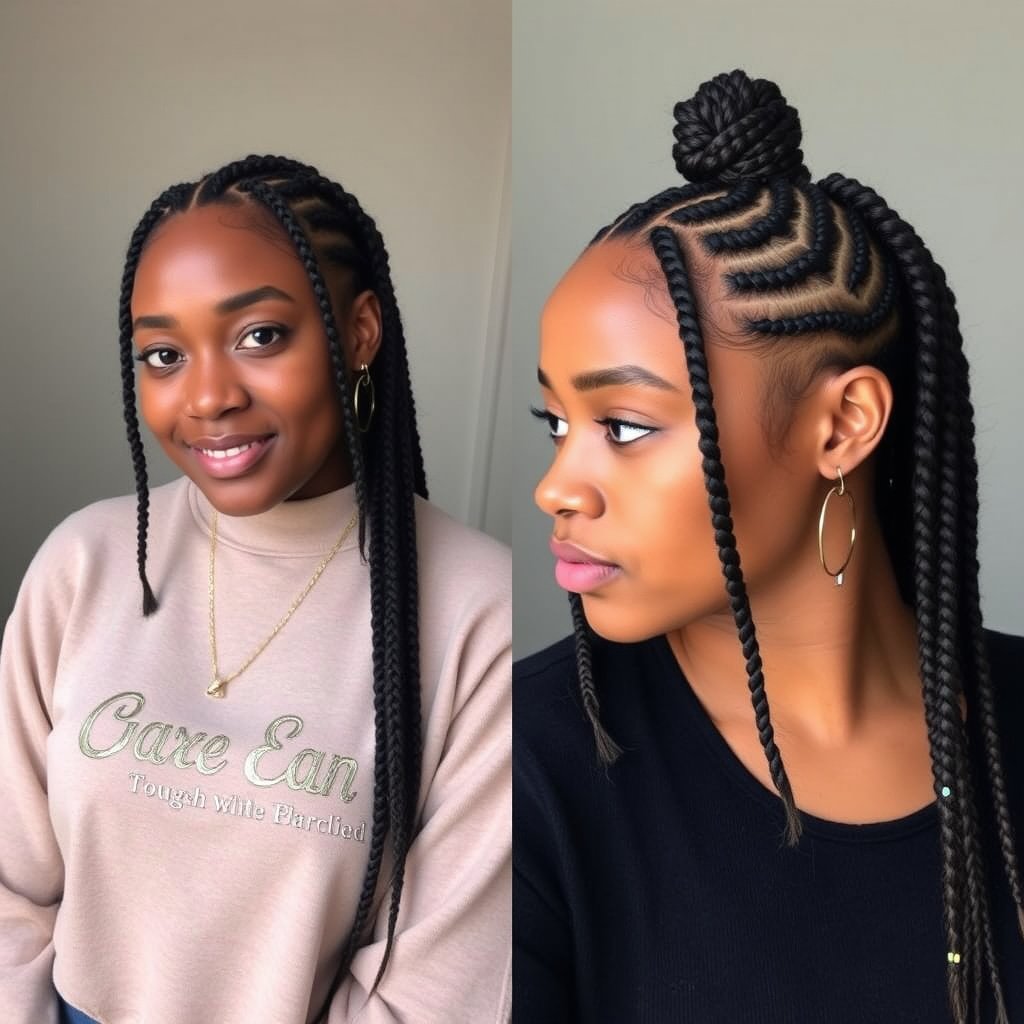
Traditional Look of Box Braids
Box braids have a defined, bold appearance with a noticeable knot at the base, often lending to a classic and uniform look. They are versatile for numerous styles like buns, ponytails, or left down naturally.
Because the knots are bulkier, box braids provide a distinct texture contrast with the scalp, making them visually striking and ideal for those seeking a statement protective style.
- Bold knot at braid base
- Classic, uniform appearance
- Works well for updos and ponytails
For more on this, see our related guide: What Hair Is Best for Knotless Braids: A Detailed Guide.
Natural Flow of Knotless Braids
Knotless braids create a sleeker appearance with roots that appear more natural and less bulky. The gradual increase in braid thickness offers a flowing effect from scalp to tips.
Their lightweight and natural look make knotless braids excellent for casual wear, as well as for more sophisticated or professional styles where subtlety is preferred.
- Smooth, knot-free base
- Natural scalp-to-braid transition
- Ideal for understated, elegant styles
Maintenance and Longevity Considerations
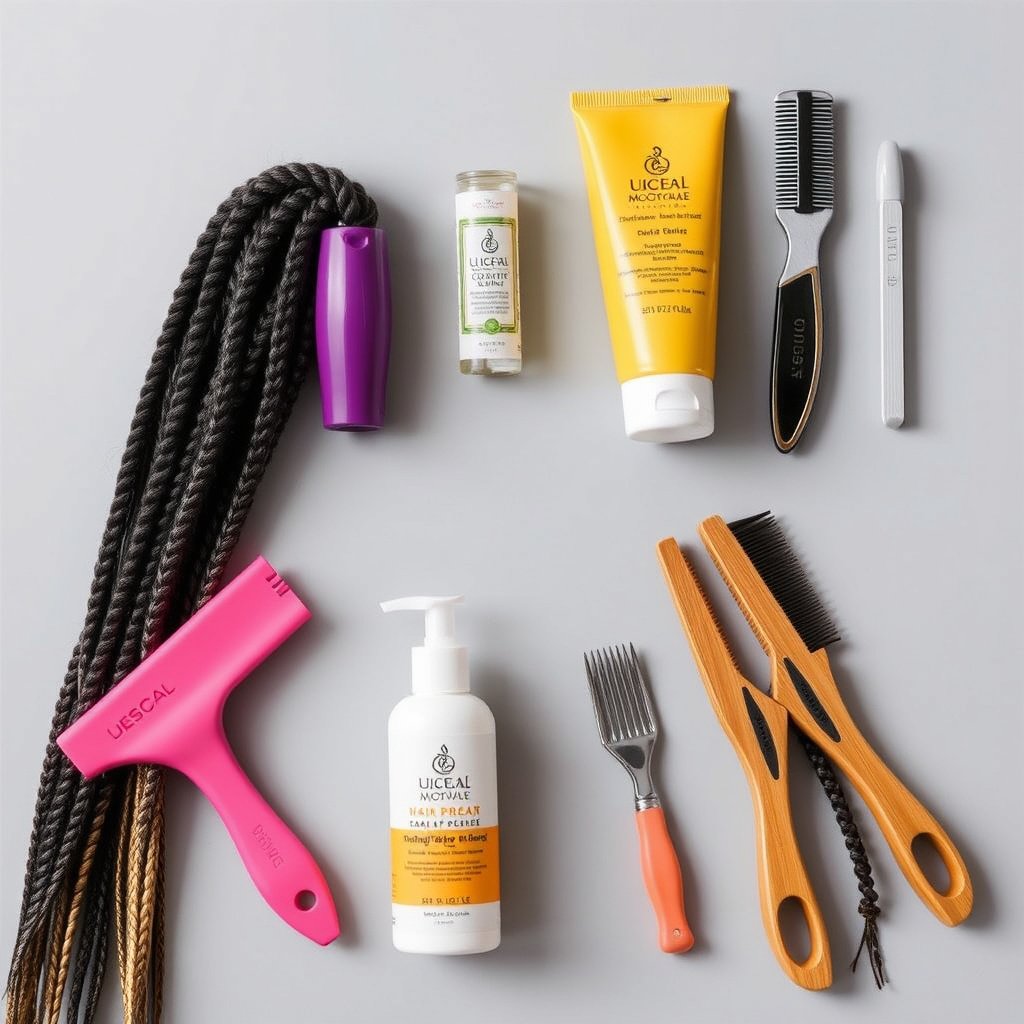
Caring for Box Braids
Box braids require regular scalp moisturizing and gentle cleansing to prevent buildup. The knot base can retain residue, so careful washing is essential without loosening the knots.
Box braids typically last between 6 to 8 weeks, depending on care and hair growth rate. Excessive manipulation or heavy styling may reduce their lifespan.
- Moisturize scalp regularly
- Careful washing around knots
- 6 to 8 weeks duration
Maintaining Knotless Braids
Knotless braids benefit from lighter tension, which often means less damage and a slightly longer wear time of 6 to 10 weeks. Daily scalp care and protective night routines help maintain their neat appearance.
Since the base is flatter, washing can be easier and more effective with less risk of unraveling. This style demands less maintenance but should be taken down promptly when hair starts growing out noticeably.
- Easier washing and scalp care
- Wear time up to 10 weeks
- Gentle tension minimizes damage
Cost and Time Investment for Braids

Time and Cost of Box Braids
Box braids generally take 4 to 8 hours to install depending on size and hair length. The upfront time investment can be significant but is often less than knotless braids due to the simpler knotting method.
Pricing for box braids varies widely by salon and region, typically ranging from $100 to $300. The style’s longevity can make it cost-effective for those seeking a longer-lasting protective hairstyle.
- Installation time: 4-8 hours
- Cost range: $100-$300
- Less installation complexity
For more on this, see our related guide: How to Do Goddess Braids: Step-by-Step Guide for Stunning Protective Styles.
Knotless Braids Time and Cost
Knotless braids often take longer to install, around 6 to 10 hours, because of the gradual hair feeding technique requiring careful precision. The added time translates to higher salon fees.
Expect prices between $150 and $400. Many choose knotless braids for their scalp comfort and natural look despite the increased investment in time and money.
- Installation time: 6-10 hours
- Cost range: $150-$400
- More skilled technique
Common Concerns and Suitability
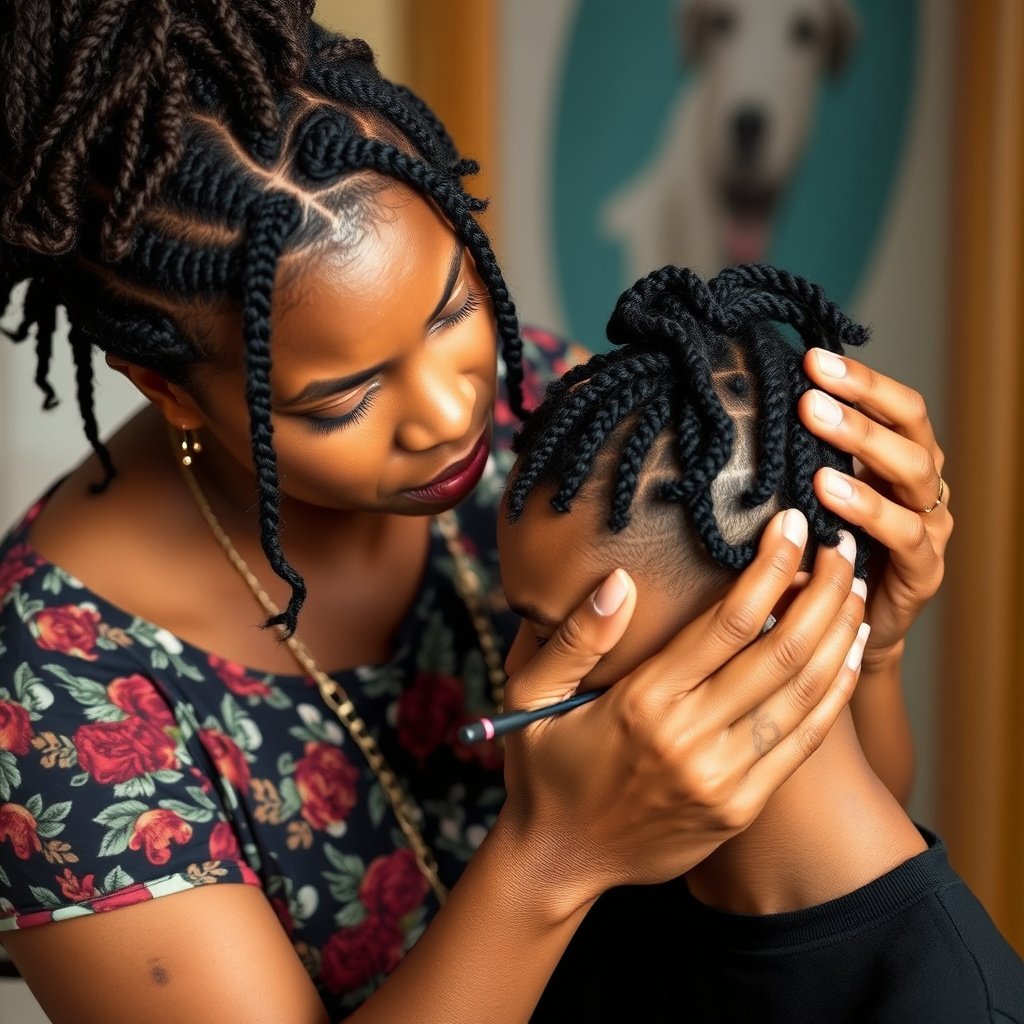
Suitability of Box Braids for Different Hair Types
Box braids work well for thick, coarse hair because the knots secure the synthetic hair firmly. However, fine or fragile hair may experience more tension and breakage with this style if knots are too tight.
People with sensitive scalps or hair prone to thinning might want to avoid box braids to prevent traction damage and discomfort.
- Best for thicker hair types
- Can cause breakage if too tight
- May irritate sensitive scalps
For a broader overview of different styles including knotless and box braids, you can visit the Protective Hairstyles Wikipedia article. Protective Hairstyles Wikipedia article.
Who Should Try Knotless Braids
Knotless braids are ideal for those looking for a protective hairstyle that prioritizes scalp comfort and reduced tension, including fine, thin, or sensitive hair types.
Those who want a natural-looking braid with ease of maintenance and less risk of hair damage often prefer knotless braids. Beginners may find the style less intimidating to wear long-term.
- Great for sensitive or fine hair
- Less scalp tension and breakage
- Natural, comfortable styling
Knotless vs Box Braids: Style Comparison
The table below highlights the key features of knotless and box braids to help you decide which braid style fits your needs best.
| Aspect | Knotless Braids | Box Braids |
|---|---|---|
| Installation | Gradual hair feeding without knots | Knot tied at braid base |
| Scalp Comfort | Less tension, lighter feel | Higher tension from knots |
| Appearance | Sleek, natural roots | Bold, chunky roots |
| Maintenance | Easier washing, requires moisture | Careful cleansing around knots |
| Duration | 6-10 weeks | 6-8 weeks |
| Cost | $150-$400 | $100-$300 |
| Best For | Sensitive scalps, natural look | Thicker hair, bold style |
Frequently Asked Questions
Can knotless braids be done on all hair types?
Knotless braids work well with most hair types but are especially beneficial for fine or sensitive hair because they reduce scalp tension and minimize breakage.
Do box braids last longer than knotless braids?
Generally, knotless braids can last slightly longer, around 6 to 10 weeks, while box braids typically last 6 to 8 weeks depending on care and hair growth.
Which braid style is better for hair growth?
Knotless braids are considered better for hair growth as they exert less tension on the scalp, reducing the risk of traction alopecia and hair breakage.
Are box braids more expensive to install than knotless braids?
No, box braids tend to be less expensive and quicker to install compared to knotless braids, which require more time and skill.
Can I wash my scalp with braids in?
Yes, both braid styles can be washed gently using diluted shampoo and scalp massages to keep the scalp clean without loosening the braids.
Key Takeaways
- Knotless braids start without knots, reducing scalp tension and discomfort.
- Box braids feature a knot at the root, lending a bold and defined look.
- Knotless braids are better for sensitive scalps and finer hair types.
- Box braids generally cost less and take less time to install.
Conclusion
Deciding between knotless and box braids involves weighing comfort, style, and maintenance. The knotless braid technique considerably lessens pressure on the scalp due to its gradual hair feeding method, making it a suitable choice for those prone to scalp sensitivity or breakage. Conversely, box braids offer a classic bold aesthetic with their distinctive knot, but may cause more tension and require careful handling to avoid damage. Considering your hair’s needs, desired look, and how long you plan to wear the style should guide your decision.
If you prioritize scalp health and prefer a lightweight, natural-looking style, knotless braids are an excellent option, especially for those with fine or delicate hair. Alternatively, if you seek a more traditional, statement-making protective braid and have thicker hair that can tolerate the tension, box braids remain a timeless choice. Both styles demand proper maintenance and care to prolong wear and protect hair integrity.
For those ready to try either style, consulting a professional stylist experienced in both techniques can help tailor the look and installation to your hair type and preferences. Starting with knotless braids could be a good introduction if you are concerned about scalp discomfort. Whichever you choose, consistent moisturizing, gentle cleansing, and giving your scalp breaks between installations will promote healthy hair and confidence in your protective styles.
One Comment