Understanding the Difference Between Box Braids and Knotless Braids
Box braids and knotless braids are two popular protective braided hairstyles that often get confused, but they differ significantly in technique and finish. Box braids involve sectioning hair into square-shaped parts and braiding synthetic or natural hair tightly from the scalp down, creating a more defined, chunkier braid with knots at the roots. Conversely, knotless braids begin with your natural hair, gradually adding extensions by feeding them into the strand, which eliminates the bulky knot at the base and results in a smoother, more natural-looking braid.
These differences matter because the method affects scalp tension, comfort, and longevity. Box braids can sometimes put tension at the scalp's base due to the knotted start, potentially leading to discomfort or breakage if done too tightly. Knotless braids, designed to relieve this pressure, offer a gentler experience and are often favored by people with sensitive scalps or beginners. Both styles contribute to hair protection by reducing manipulation, but they offer distinct aesthetic and practical results.
In this article, we’ll explore the key distinctions between box braids and knotless braids, covering their installation techniques, maintenance requirements, hair health impact, styling versatility, and cost factors. Understanding these elements will help you choose the braid style that aligns best with your hair goals and lifestyle.
Installation Techniques: How Box Braids and Knotless Braids Are Created
Box Braids Installation Process
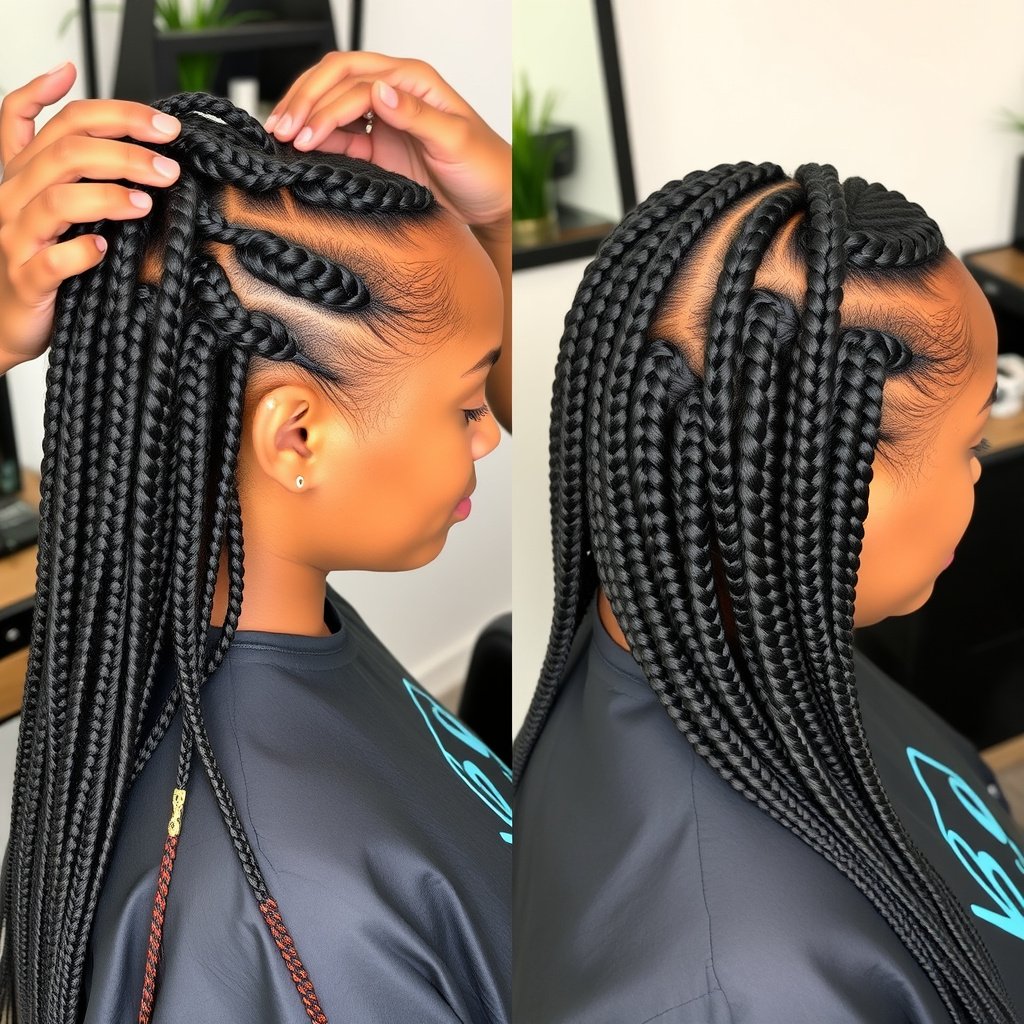
Box braids typically start with dividing the hair into square-shaped sections. Synthetic or natural hair extensions are tied off at the base of each section, creating a secure knot before braiding down. This knot secures the synthetic hair firmly but also creates a prominent base that can feel heavy on the scalp.
The uniform size and knotting give box braids a structured look, which can be customized by varying the braid thickness and length. However, the knotted base means installation can take several hours, and the tight knots sometimes cause tension that some may find uncomfortable during or after the process.
- Square-shaped hair sections
- Synthetic or natural hair extensions tied at roots
- Knots secure extensions at base
- Braided uniformly down the length
Knotless Braids Installation Process
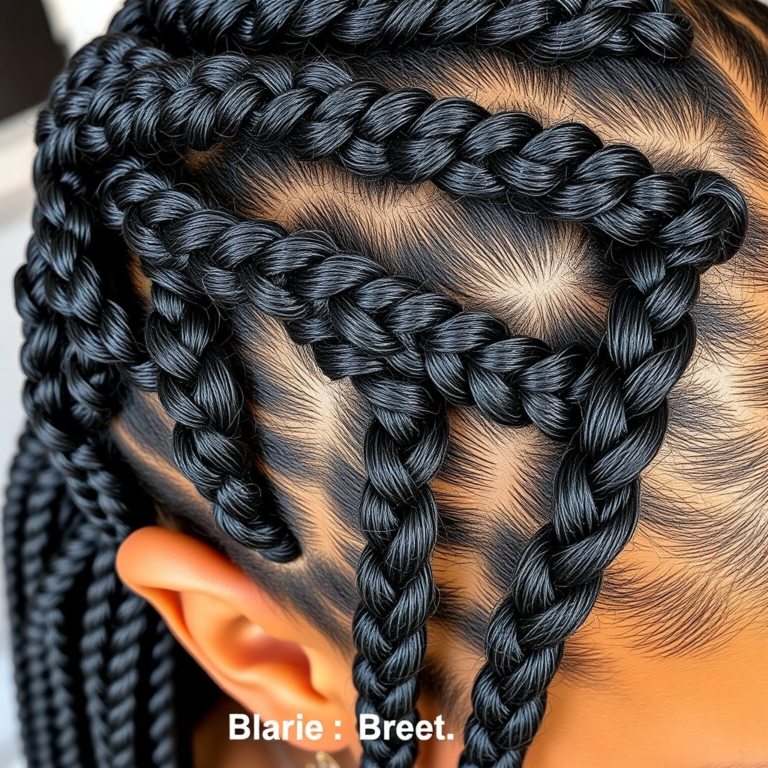
Knotless braids begin with your natural hair without immediately tying a knot. The stylist gradually feeds hair extensions into the braid by weaving them in as the braid progresses downward. This gradual feeding avoids creating a knot at the base and results in a braid that lies more naturally against the scalp.
Because there are no knots, the tension on your scalp tends to be lower, making the experience less stressful on the hairline. The technique requires more skill and time, often making installation longer, but the result looks smoother and feels lighter.
- Gradual feeding of extensions into natural hair
- No knots at the braid roots
- Braids lie flush against the scalp
- Technique reduces scalp tension
Maintenance and Longevity of Box Braids and Knotless Braids
Caring for Box Braids
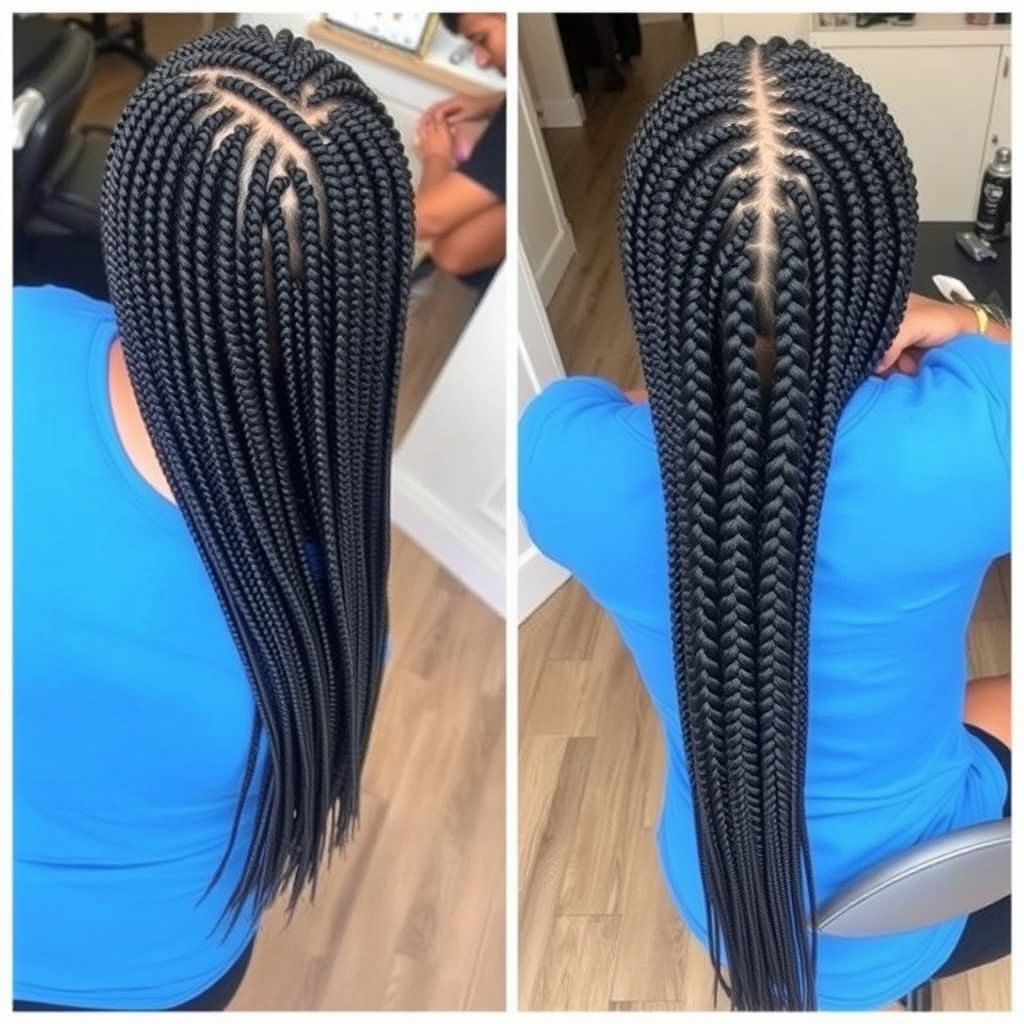
Box braids, due to their sturdy knotted roots, generally stay intact for 6 to 8 weeks with proper care. Routine scalp cleansing using diluted shampoo and light moisturizing aids in preventing buildup and dryness. However, because the knots are bulkier, tension can cause scalp irritation over time if not monitored.
Retouching edges with gentle oils and avoiding heavy styles that pull the braids can extend wear time. While box braids are relatively easy to maintain, the initial tight knots sometimes trap lint or product buildup that requires more deliberate cleansing.
- Lasts 6 to 8 weeks
- Regular cleansing of scalp and braids
- Use lightweight moisturizers
- Avoid excessive tension on edges
For more on this, see our related guide: Understanding the Difference Between Knotless and Box Braids.
Caring for Knotless Braids
Knotless braids typically last slightly shorter, around 4 to 6 weeks, but are gentler on the scalp, minimizing breakage and discomfort. The smooth base allows for easier scalp access during washing, which helps maintain scalp health and reduces buildup.
Gentle moisturizing sprays and protective nighttime coverings like silk scarves support braid longevity. Although knotless braids may loosen faster without knots holding tight, they provide better hairline preservation, making them favorable for frequent reinstallation.
- Lasts about 4 to 6 weeks
- Easier scalp cleansing
- Light moisturization recommended
- Protect hairline with silk scarves
Impact on Hair Health and Scalp Comfort
Box Braids and Hairline Stress
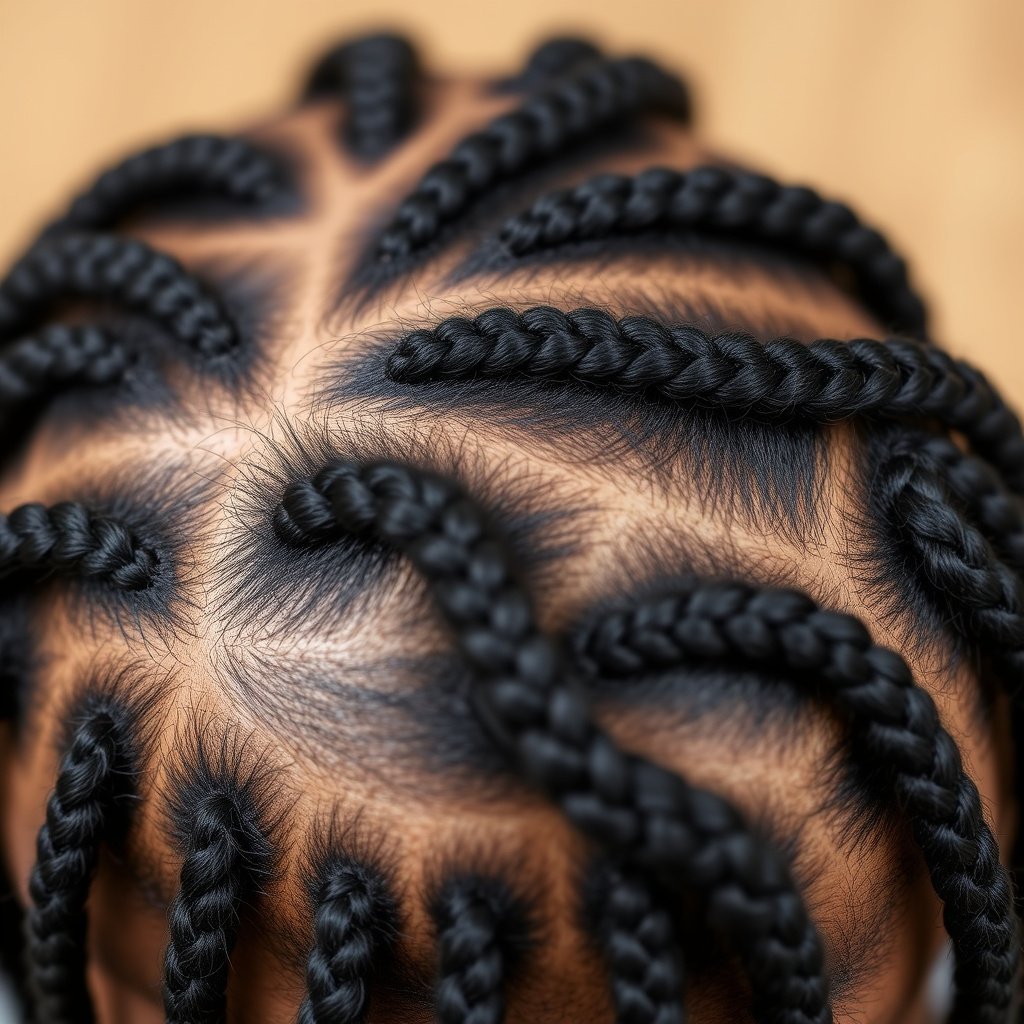
The knotted base of box braids can create tension that pulls at hair follicles, especially if the braids are installed tightly or worn for extended periods. This stress may result in traction alopecia or thinning around the hairline if precautions are not taken.
While box braids protect the ends of hair effectively, the pressure at the scalp can cause discomfort during sleep or wear, requiring careful attention to braid size and tightness during installation.
- Potential tension at roots
- Risk of hairline thinning
- Protects hair ends from damage
- Requires careful tightness control
Knotless Braids and Scalp Health
Knotless braids reduce scalp stress by avoiding bulky knots, making them an excellent choice for individuals prone to scalp sensitivity or breakage. The gradual feeding technique creates less pull on follicles, which helps preserve the hairline and promotes overall scalp comfort.
Because they lay flatter and lighter on the scalp, knotless braids reduce the risk of headaches and irritation, supporting a healthier growing environment for natural hair.
- Gentler on hair follicles
- Preserves hairline integrity
- Reduces scalp irritation
- Supports healthy hair growth
Styling Versatility and Aesthetic Differences
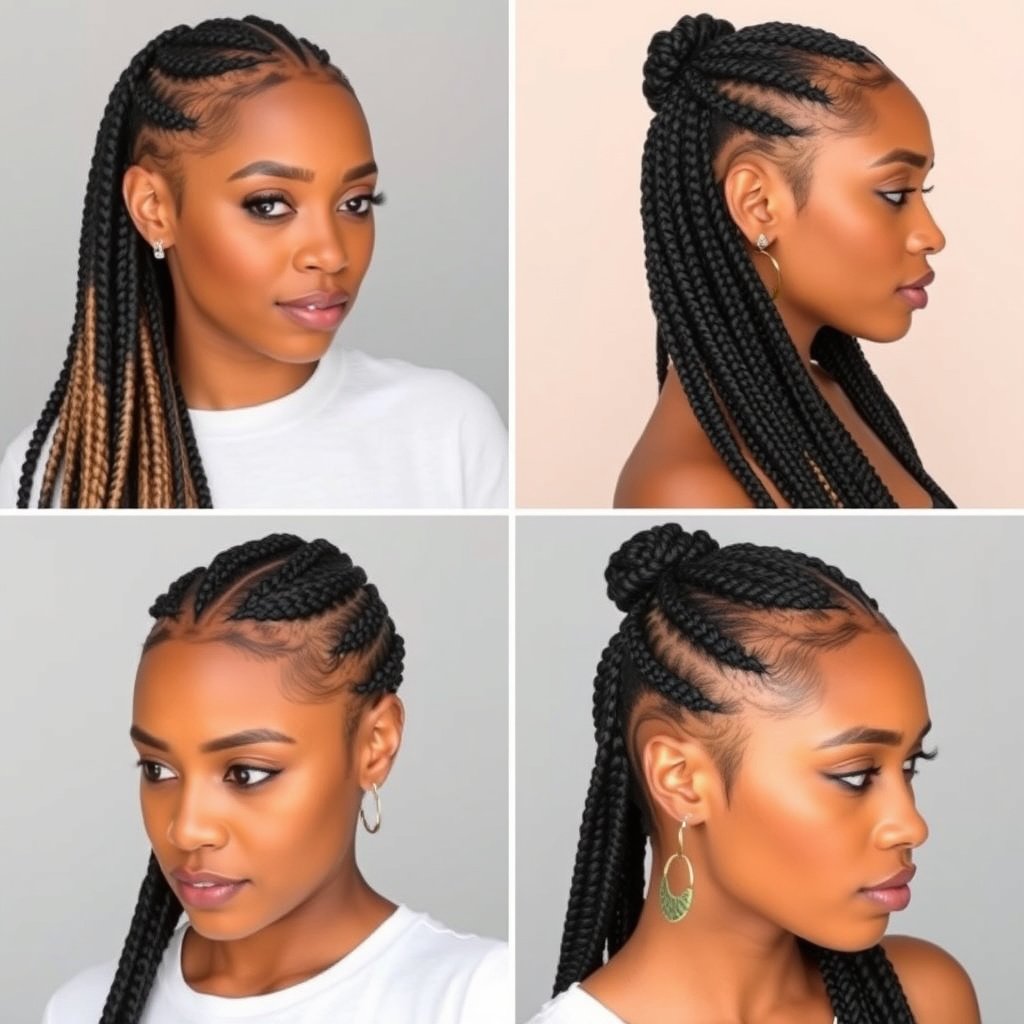
Style Options with Box Braids
Box braids offer a bold and chunky aesthetic, often seen as statement-making styles due to their defined sections and tactile knots. They can be styled in large ponytails, updos, or adorned with beads and cuffs for added flair.
Their structure can sometimes make finer styling more limited, but they hold well under twists and wraps. The chunky feel gives a robust look that many find appealing for fashion and cultural expression.
- Bold, chunky braid appearance
- Compatible with ponytails and updos
- Easy to accessorize with beads
- Texture limits finer styling options
For more on this, see our related guide: What Hair Is Best for Knotless Braids: A Detailed Guide.
Style Options with Knotless Braids
Knotless braids present a sleek, natural look that blends seamlessly with your hairline. Their thinner start allows for more flexible styling, such as half-up styles, braids rolled into buns, and intricate parting designs.
This versatility comes with the benefit of appearing more like natural hair, which many prefer for everyday wear or professional settings. Knotless braids can be dressed up or down easily, fitting a wide range of aesthetic preferences.
- Smooth, natural-looking base
- Supports intricate styling
- Flexible half-up and bun options
- Blends well with natural hairline
Cost and Installation Time Comparison
Box Braids Cost and Time
Box braids usually require less specialized skill compared to knotless braids, which can mean lower labor costs. The installation typically takes between 4 to 8 hours depending on braid thickness and hair length, with a price range of $150 to $300 at salons.
Due to their straightforward method, they are often more accessible in various markets but may demand a longer wear period because of their durability.
- Installation: 4 to 8 hours
- Cost: $150 to $300
- Less skill-intensive technique
- Longer durability reduces frequent styling
For a broader understanding of braided hair styles, you can consult this detailed braiding hairstyles overview. braiding hairstyles overview.
Knotless Braids Cost and Time
Knotless braids require more precision and time during installation, with sessions ranging from 6 to 10 hours. This increased labor generally raises the cost to between $200 and $400 in salons. The technique demands more expertise, impacting availability and price.
While knotless braids tend to last a bit shorter, their scalp-friendly nature often justifies the investment for those prioritizing hair health.
- Installation: 6 to 10 hours
- Cost: $200 to $400
- More skill-intensive technique
- Shorter wear time but gentler on scalp
Box Braids vs. Knotless Braids Category Comparison
Here’s a straightforward comparison highlighting the primary categories where box braids and knotless braids differ to help you weigh your options.
| Category | Box Braids | Knotless Braids |
|---|---|---|
| Installation Method | Knotted base, synthetic or natural hair tied at the roots | Gradual feeding of extensions, no knots at scalp |
| Scalp Tension | Higher tension at base knots | Lower tension with smooth base |
| Wear Duration | 6 to 8 weeks | 4 to 6 weeks |
| Cost Range | $150 to $300 | $200 to $400 |
| Styling Flexibility | Chunky, bold looks; less intricate styling | Sleek, natural look; more versatile styling |
| Hairline Impact | Potential for tension-related thinning | Gentler, better hairline preservation |
Frequently Asked Questions
Which braid style is better for sensitive scalps?
Knotless braids are better suited for sensitive scalps because their installation avoids tight knots, reducing tension and discomfort on the hairline and scalp.
Can I do box braids or knotless braids myself at home?
Both styles require technical skill and patience. While box braids are somewhat easier for beginners, knotless braids need more practice to master the feeding technique, so professional assistance is recommended for best results.
Do knotless braids last as long as box braids?
Knotless braids generally last a bit shorter, around 4 to 6 weeks, whereas box braids can last 6 to 8 weeks due to their knotted base securing the extensions tightly.
Are knotless braids more expensive than box braids?
Yes, knotless braids typically cost more due to the longer installation time and higher skill level required, with prices averaging $200 to $400 compared to $150 to $300 for box braids.
Which style is better for preserving my natural hair?
Knotless braids are generally better for hair preservation since they reduce tension on the scalp and hairline, minimizing breakage and promoting healthier hair growth.
Key Takeaways
- Box braids have a knotted base creating a chunkier look but can cause scalp tension.
- Knotless braids start without knots, offering a smoother, gentler style for the scalp.
- Maintenance differs: box braids last longer but may stress the hairline more.
- Cost and installation time for knotless braids are higher but support better hair health.
Conclusion
Deciding between box braids and knotless braids largely depends on your hair type, scalp sensitivity, and lifestyle needs. Both styles serve as excellent protective braided hairstyles, reducing daily manipulation and helping retain hair length. However, the knotless braids’ technique prioritizes scalp comfort and hairline preservation while box braids emphasize durability and easier installation, making each better suited to different priorities.
If you prefer a bold, chunky style with longer-lasting wear and are less concerned about potential scalp tension, box braids are a compelling option. Conversely, knotless braids shine for those valuing a natural appearance, more varied styling, and a gentler approach that supports hair health, despite a slightly shorter duration and higher salon cost. Protective braided hairstyles like these can transform your hair care routine and offer striking versatility in styling.
For your next braid appointment or DIY adventure, consider your hair’s sensitivity and styling goals carefully. If scalp comfort is key and you seek a sleek look, knotless braids are the choice to opt for. If you aim for a classic, durable style with manageable upkeep, box braids remain a trusted favorite. Whichever option you choose, treating your hair gently and maintaining your braids well will maximize benefits and keep your natural hair healthy.