How to Do Knotless Braids for Beginners: Step-by-Step Guide
Knotless braids are a great hairstyle choice for beginners because they reduce scalp tension and create a natural, neat look without the bulky knots traditional braids have. The key to doing knotless braids is to start small and gradually feed in extensions while braiding close to the scalp, creating a smooth, knot-free base. You can achieve knotless braids at home with practice and patience, even as a beginner.
Many people prefer knotless braids due to their lightweight feel and reduced stress on hair follicles, which helps prevent breakage and scalp pain. This style also offers a more natural scalp appearance since the hairline isn’t aggravated by tight braiding knots. Learning the technique can empower you to maintain your hair health while enjoying stylish longevity.
This guide will cover everything you need to know: from prepping your hair properly, understanding the knotless braid technique, choosing the right hair extensions, to styling and caring for your braids after installation. Step by step instructions and helpful tips will make the process manageable and rewarding for those new to protective hairstyles.
Preparing Your Hair for Knotless Braids
Washing and Conditioning
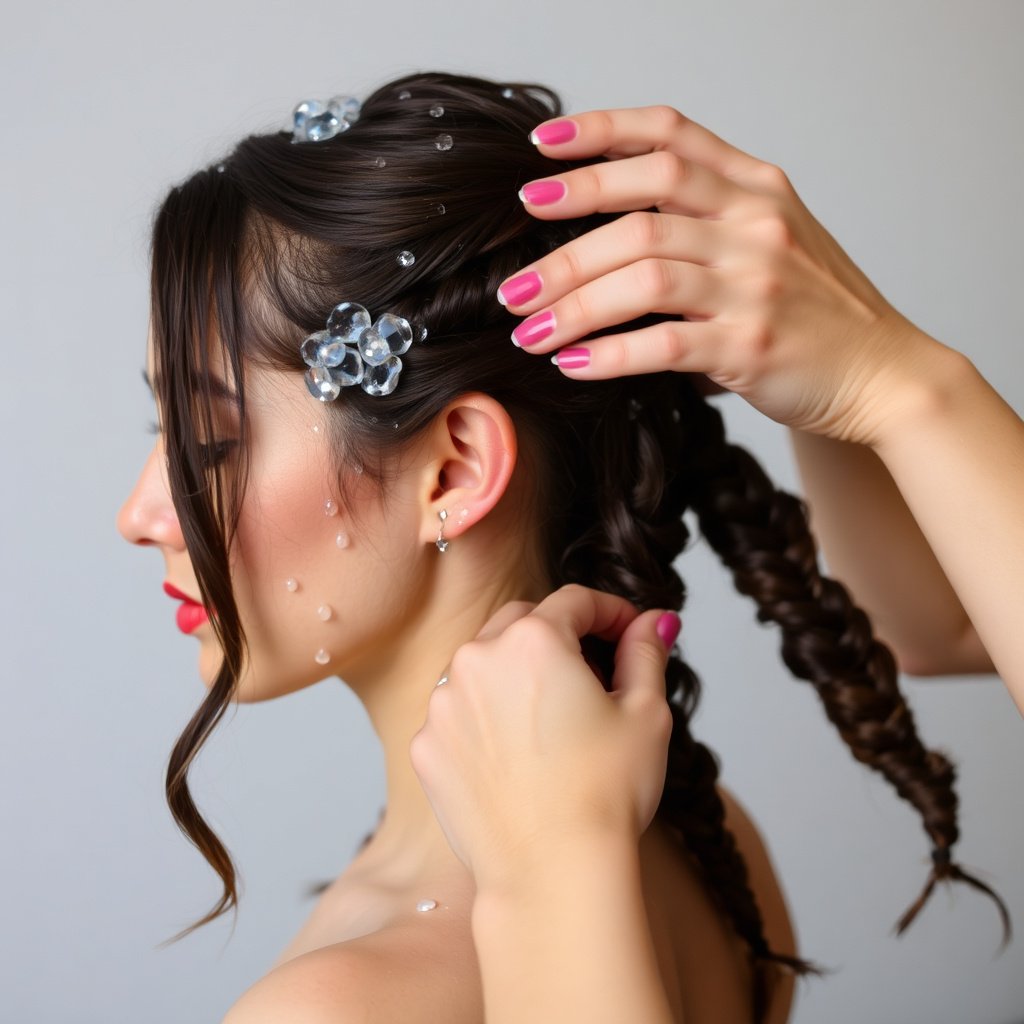
Clean hair is essential before installing knotless braids because dirt and oils can cause itchiness and reduce braid longevity. Use a moisturizing shampoo to cleanse your scalp thoroughly, followed by a deep conditioner to soften hair and improve manageability.
Allow your hair to dry completely or air dry slightly damp before braiding. Clean, conditioned hair forms a smooth foundation that helps the braids grip better without slipping and reduces scalp irritation.
- Use sulfate-free shampoo to avoid dryness
- Deep condition for at least 15 minutes
- Rinse with cool water to close cuticles
Detangling and Sectioning
Once your hair is clean and dry, gently detangle using a wide-tooth comb or detangling brush to remove knots and tangles. Start from the ends and work your way up to the roots to minimize breakage during the process.
Divide your hair into neat, manageable sections depending on your desired braid size. Use clips or elastic bands to hold sections securely. Good sectioning sets the stage for consistent, uniform knotless braids.
- Work in small sections to avoid overwhelming tangles
- Apply a leave-in conditioner or light oil to smooth strands
- Use a rat-tail comb for precise parting
The Knotless Braiding Technique

Starting the Braid Without a Knot
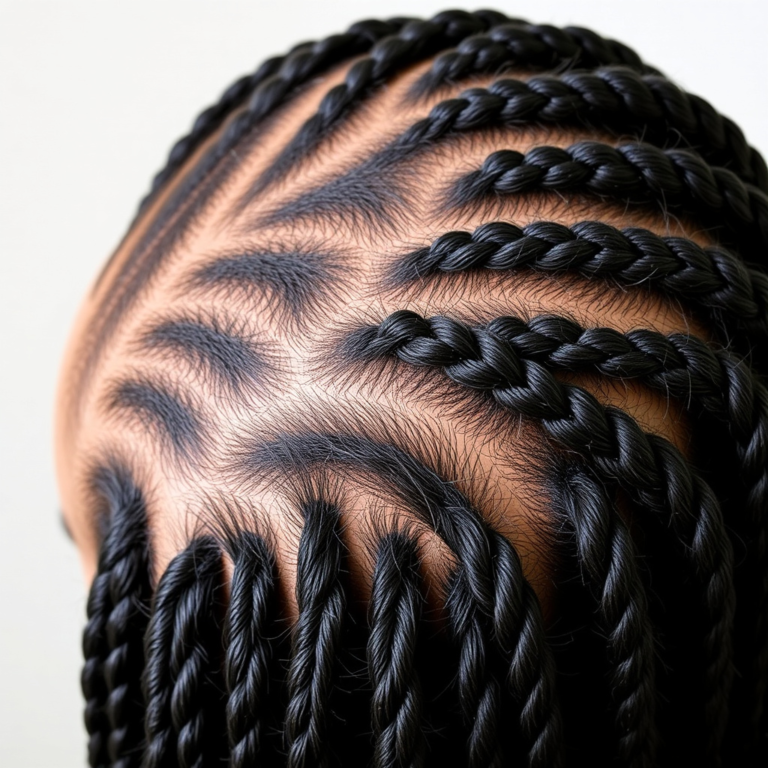
Unlike traditional braids that begin with a knot, knotless braids start by sectioning a small amount of your natural hair to create the base. Begin braiding this section without adding any extension hair initially, working close to the scalp in a cornrow pattern.
Keep the tension even but gentle to avoid scalp discomfort. This root braiding method forms the foundation for feeding in extensions smoothly, resulting in a less bulky, more natural look.
For more on this, see our related guide: Understanding the Difference Between Box Braids and Knotless Braids.
Feeding in Hair Extensions Gradually
After a few braid stitches, add small amounts of synthetic or natural hair extensions to the braid by gradually incorporating them into the braid strands. This technique allows the braid to grow seamlessly from your scalp without knots.
Continue feeding in hair slowly as you braid down the length. This gradual method distributes the weight evenly and avoids tight knots or lumps that cause scalp strain and discomfort.
- Start with small extension pieces to keep the braid light
- Add hair gradually every few stitches for a smooth transition
- Use quality hair extensions designed for braiding
Choosing the Right Hair for Knotless Braids

Types of Hair Extensions
Synthetic braiding hair such as Kanekalon is popular for knotless braids due to its affordability, lightness, and variety of colors. It mimics natural hair texture closely, making it easier to blend and style.
Alternatively, natural human hair extensions provide a more natural appearance and soft feel, but they typically require more maintenance and cost more. Choose the hair type that fits your budget, style preference, and maintenance routine.
- Kanekalon: lightweight, affordable, heat-resistant
- Human hair: natural texture, longer-lasting but pricier
- Mixing synthetic with human hair for volume and texture
Selecting Color and Length
Picking the right color for your knotless braids enhances the style's natural look. You can opt for shades close to your natural hair color for subtlety or choose bold colors for a statement style.
Length also affects the braid’s weight and manageability—shorter lengths are easier for beginners and cause less strain on the scalp, while longer braids offer versatility in styling but require more maintenance.
- Match extensions to your hair’s base color for subtlety
- Longer hair can be heavier, consider scalp health
- Experiment with ombré or highlights for a trendy look
Caring for Knotless Braids After Installation
Keeping Your Scalp Moisturized
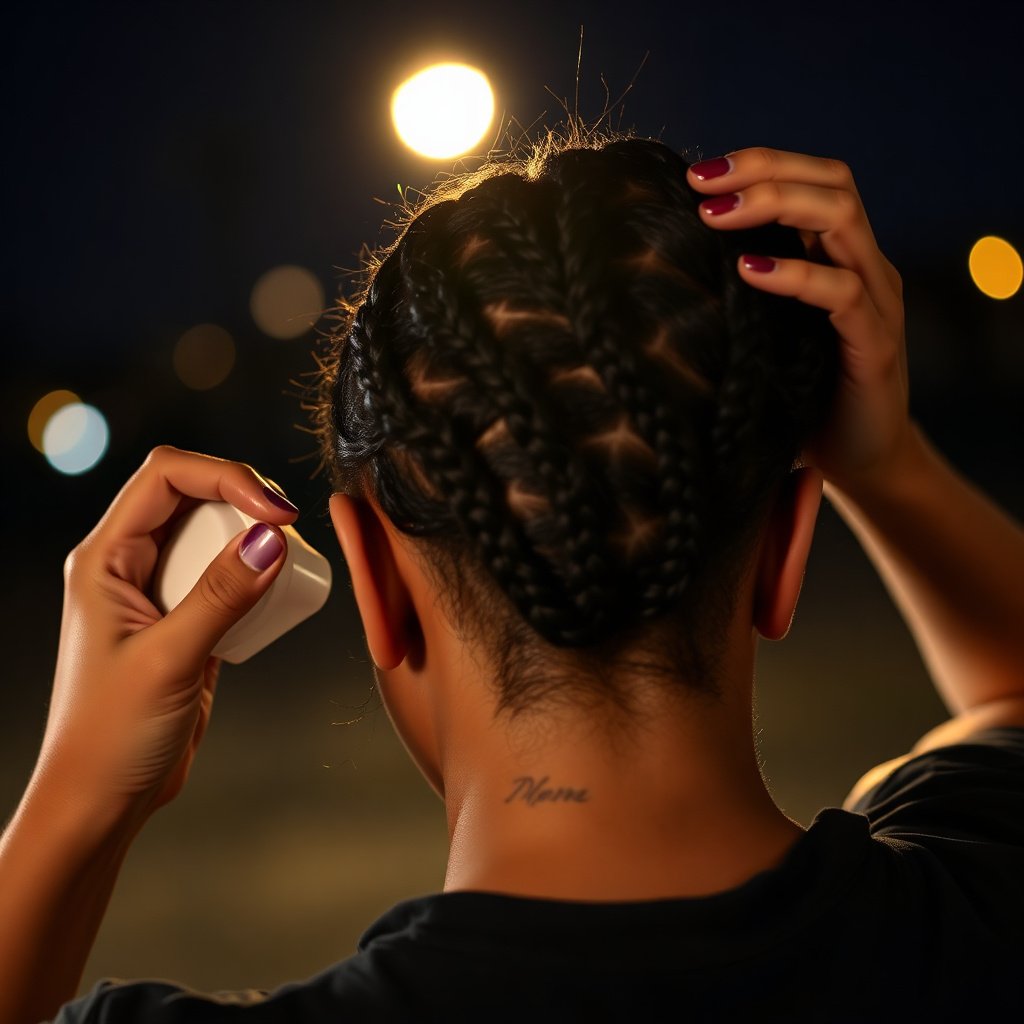
Moisturizing your scalp regularly is essential to prevent itchiness and dryness caused by wearing knotless braids. Use light oils like jojoba or tea tree oil to nourish your scalp without weighing down the braids.
Apply moisturizer gently along the scalp and edges daily or every other day, depending on your scalp’s needs. Healthy scalp care extends the life of your braids and maintains comfort.
- Use lightweight oils to avoid buildup
- Avoid harsh products with alcohol
- Consider scalp massages to improve circulation
For more on this, see our related guide: Understanding the Difference Between Knotless and Box Braids.
Nighttime Maintenance and Washing
Protect your knotless braids at night by covering them with a silk or satin scarf or bonnet to reduce friction that causes frizz and breakage. Sleeping on a satin pillowcase can also help preserve your braids.
When washing, dilute shampoo in water and focus on the scalp to cleanse it without loosening the braids. Rinse gently and follow with a light conditioner to keep the hair hydrated.
- Use a spray bottle for diluted shampoo
- Rinse with lukewarm water thoroughly
- Dry braids gently with a microfiber towel
Styling Options and Maintenance Tips
Styling Knotless Braids
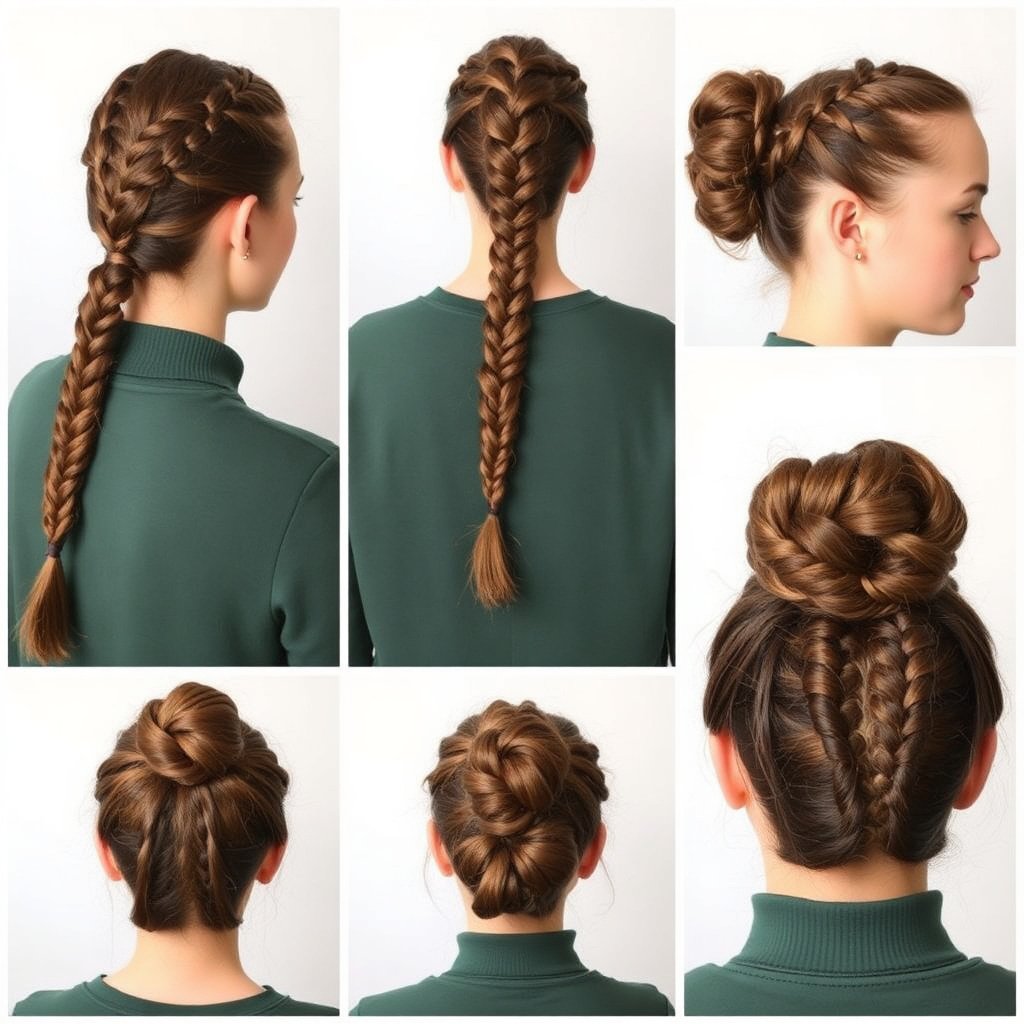
Knotless braids offer versatility in styling—you can wear them down, in ponytails, buns, or updo styles without worrying about bulky knots. Their smooth beginnings at the scalp help styles look seamless and natural.
Taking care when styling will prevent unnecessary tension. Avoid pulling hair corners too tight, especially around edges, to protect your natural hair growth.
- Low ponytails for gentle tension
- Half-up styles for variety
- Accessorize with beads or cuffs sparingly
For more detailed background on various braiding techniques including knotless styles, visit the braids in hair article on Wikipedia. Braiding hair styles on Wikipedia.
Maintaining Braid Freshness
To keep your knotless braids looking fresh for weeks, regularly reapply moisturizer and avoid heavy products that cause buildup. Re-braiding edges or loose strands as needed can extend your style’s neatness.
Most knotless braids can last 6-8 weeks with proper care. Monitor scalp health during this time and remove braids promptly if you experience irritation.
- Use dry shampoos to reduce washing frequency
- Touch up edges with aloe vera or edge control
- Schedule braid removal every 6-8 weeks
Knotless Braids Installation Method Comparison
Compare popular knotless braid methods by technique, beginner-friendliness, and time required for installation.
| Method | Description | Beginner Friendly | Approximate Time |
|---|---|---|---|
| Basic Knotless | Start with natural hair, gradually feeding extensions | Yes | 4-6 hours |
| Feed-in Technique | Extensions added slowly for smooth, natural finish | Yes | 5-7 hours |
| Pre-looped Hair Method | Uses pre-looped extensions for faster braiding | Moderate | 3-5 hours |
| Machine-Assisted Braiding | Braided with aid of braiding machines | No | 2-4 hours |
Frequently Asked Questions
How long do knotless braids usually last?
Knotless braids typically last between 6 to 8 weeks, depending on how well you care for them and your hair’s growth rate.
Can I do knotless braids on short hair?
Yes, knotless braids can be installed on short hair but may require smaller, more manageable sections and careful feeding of extensions to blend properly.
Are knotless braids better for hair health than traditional braids?
Knotless braids are gentler because they avoid tight knots at the scalp, reducing tension and lowering the risk of hair breakage and scalp irritation.
What type of hair extensions are best for beginners?
Synthetic Kanekalon hair is best for beginners because it's lightweight, affordable, soft, and easier to manage compared to human hair.
How do I prevent my scalp from itching with knotless braids?
Regularly moisturizing your scalp with light oils and keeping your scalp clean by washing gently can help prevent itching and dryness.
Key Takeaways
- Knotless braids start with your natural hair, avoiding bulky knots for a natural look.
- Proper hair preparation and sectioning improve braid neatness and longevity.
- Feeding in extensions gradually reduces scalp tension and weight.
- Regular moisturizing and gentle washing maintain scalp health and braid freshness.
Conclusion
Choosing how to do knotless braids for beginners means focusing on gentle techniques that protect hair and scalp while producing a natural, lightweight style. Prepping your hair well with cleansing and detangling ensures easier handling during braiding. Using the gradual feed-in method minimizes stress on your scalp compared to traditional knots, making the style suitable for all hair types, especially for those new to braiding. Patience and practice are key, as knotless braids require a steady hand to get the smooth, knot-free look that sets them apart.
For beginners learning knotless braid installation tips, starting with synthetic Kanekalon hair and smaller sections is helpful because it’s easier to manage and lighter on your scalp. The basic knotless technique provides a solid foundation of braiding skills, while feed-in methods can offer a more polished finish once you gain confidence. Taking care with daily moisturizing and nighttime protection will keep your braids looking fresh and preserve your natural hair health over time. This balance of technical skill and maintenance will improve your braid experience.
If you’re ready to start, prepare your hair the day before with a thorough wash and deep conditioning. Practice the knotless braiding technique on small sections to build speed and control. Invest in good-quality hair extensions and scalp-friendly oils. Remember to give your scalp breaks between installations to prevent fatigue. With time, you’ll achieve beautiful knotless braids that not only look great but support your hair’s health.