How to Melt Lace on a Wig for a Seamless, Natural Hairline
Melting lace on a wig is a technique used to blend the lace into your skin so the wig appears natural and the hairline is virtually undetectable. This process involves gently heating the lace material that holds the hair strands to soften and adhere it to the scalp, creating a seamless transition without visible edges.
Many wig wearers struggle with the lace being noticeable, which can spoil the illusion of natural hair growth. Melting the lace reduces shine, texture difference, and color mismatch, helping the wig sit closer to the skin and look more like real hair emerging from your scalp.
This article will cover key methods to melt lace on a wig, including proper preparation, applying heat safely, blending techniques, and maintenance to keep the effect long-lasting. Whether you're a beginner or experienced wig user, these step-by-step tips aim to perfect your wig application routine.
Understanding the Purpose of Melting Lace on a Wig
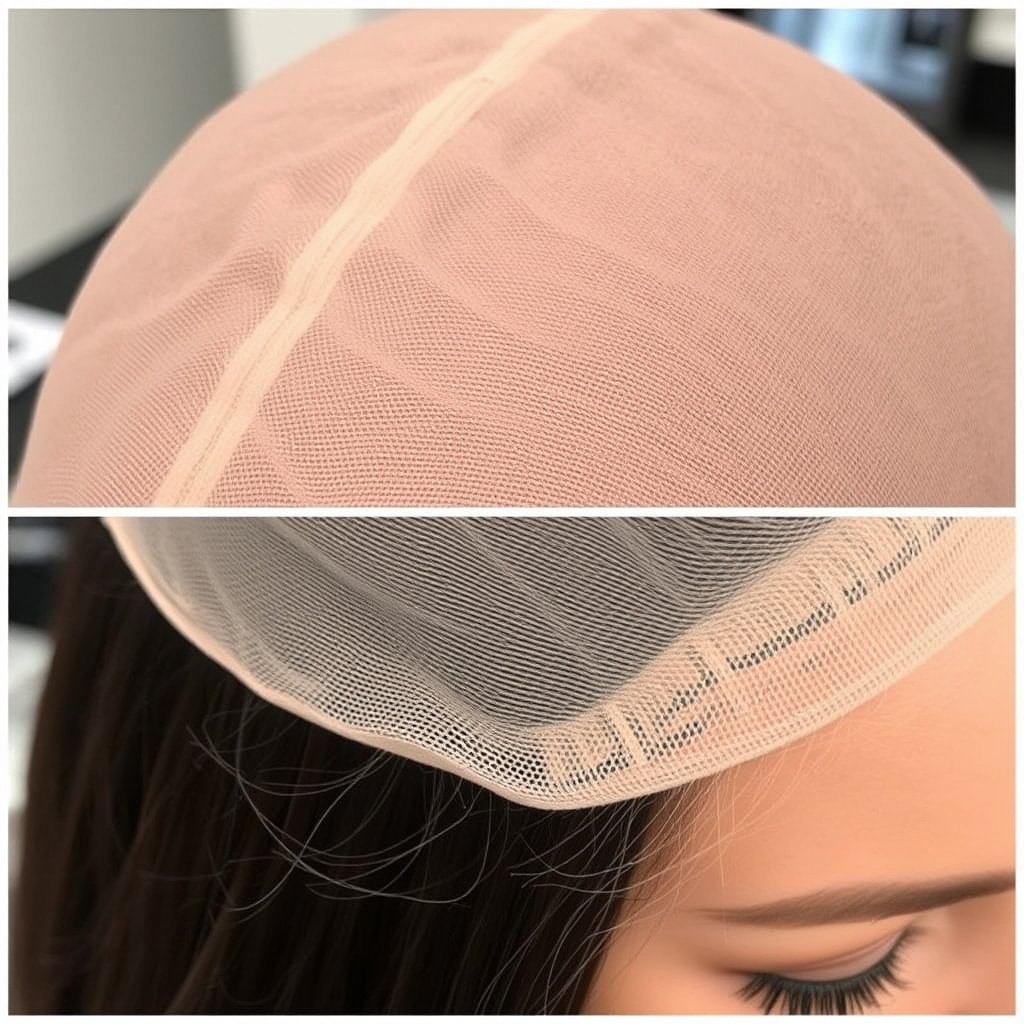
What Melting Lace Achieves
Melting lace on a wig creates an illusion that the lace is part of your scalp, eliminating harsh lines around the hairline. This technique softens the wig’s lace base, making it less visible and allowing the hair to look like it’s growing directly out of your skin.
The process also decreases the lace’s shine, which is a common giveaway that the hairline is artificial. With melted lace, the wig’s overall appearance is more discreet, enabling wearers to style their hair confidently without the lace showing.
Common Issues When Lace Isn’t Melted
When lace isn’t melted properly, the edges can stand out, giving an unnatural, bulky look. It often reflects light differently from surrounding skin, drawing unwanted attention to the wig’s hairline.
Visible lace can also cause irritation and discomfort if it catches on clothing or skin. Without melting, the lace may lift or peel after sweating or movement, reducing the wig’s durability and realistic appearance.
Preparing Your Wig and Skin Before Melting Lace
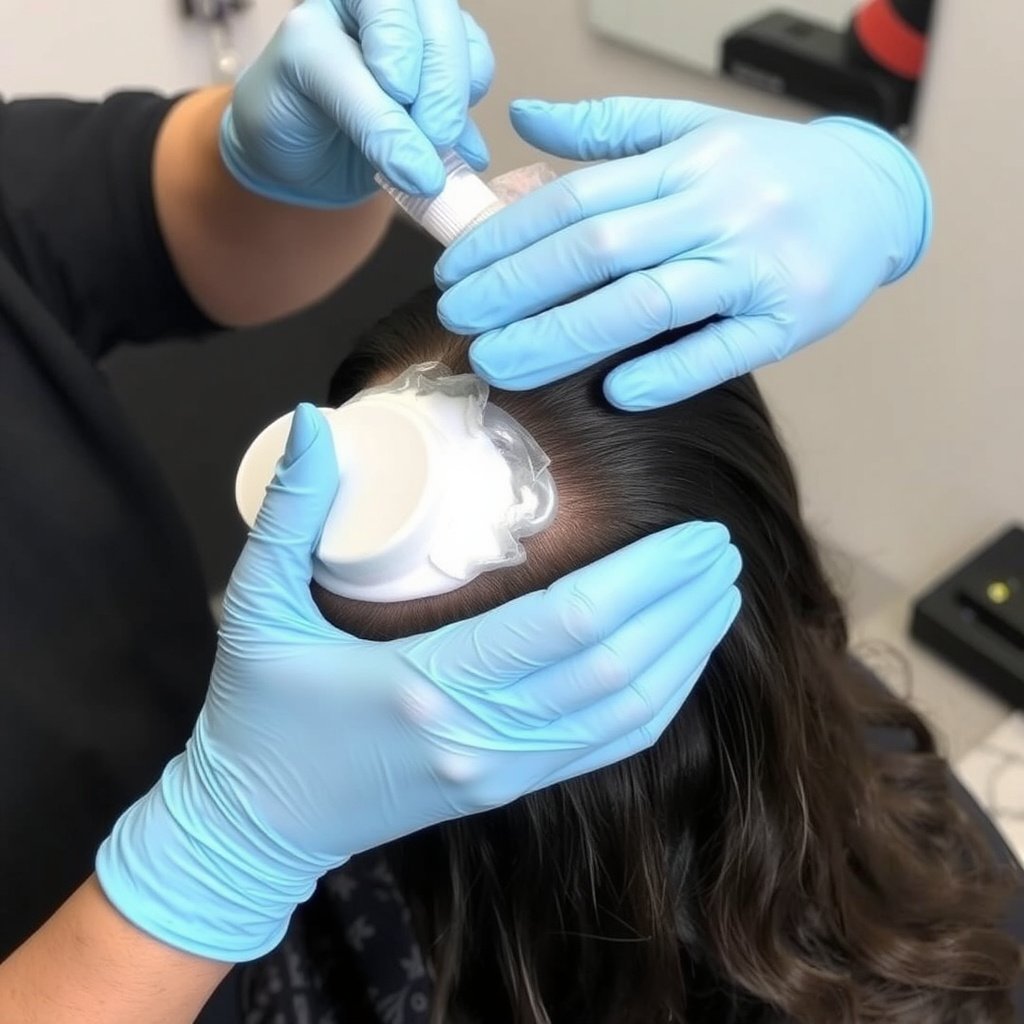
Cleaning the Scalp and Hairline Area
Start by thoroughly cleaning your scalp where the lace will sit using alcohol wipes or an astringent to remove oils and dirt. A clean surface helps the lace to adhere better and prevents lifting caused by sweat or skin oils.
Ensure the skin is dry before applying any adhesives or heat. This step is essential for prolonging the lifespan of melted lace and maintaining a secure fit.
- Use isopropyl alcohol to clean skin
- Avoid moisturizers before application
- Dry thoroughly with a soft cloth
Preparing the Lace Wig for Melting
Trim the lace carefully along the hairline, cutting as close to the knots as possible without damaging the hair strands. Precise trimming reduces excess lace that can be difficult to blend.
Lightly apply foundation or lace tint that matches your skin tone to the lace underside for even better blending. This helps to mask any discoloration once the lace is melted.
- Trim lace with small sharp scissors
- Test tint on scrap lace piece first
Tools and Methods for Melting Lace on a Wig
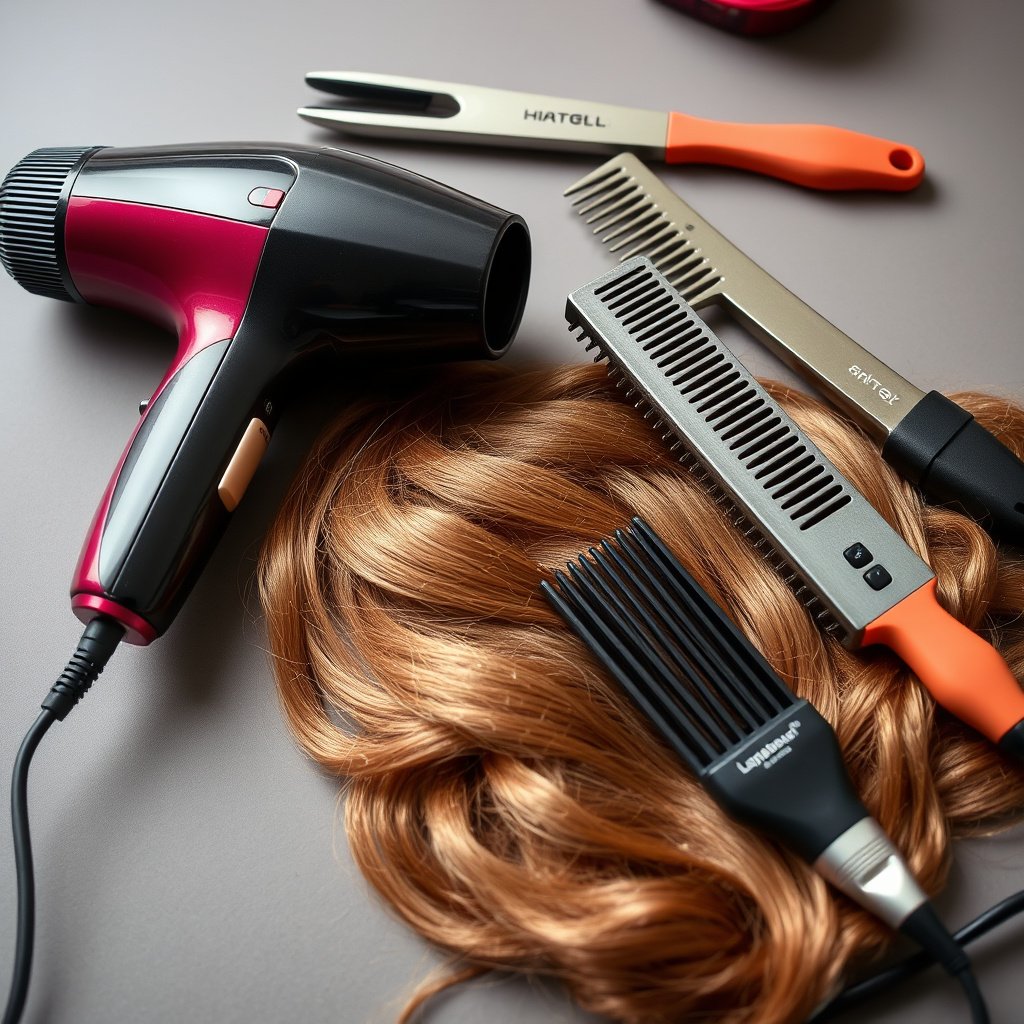
Using Heat Tools Safely
One popular method is to apply brief, controlled heat with a blow dryer or flat iron on low-medium settings directly to the lace, which softens the lace fibers for better blending. Be careful to not overheat as this can melt the lace too extensively or damage hair strands.
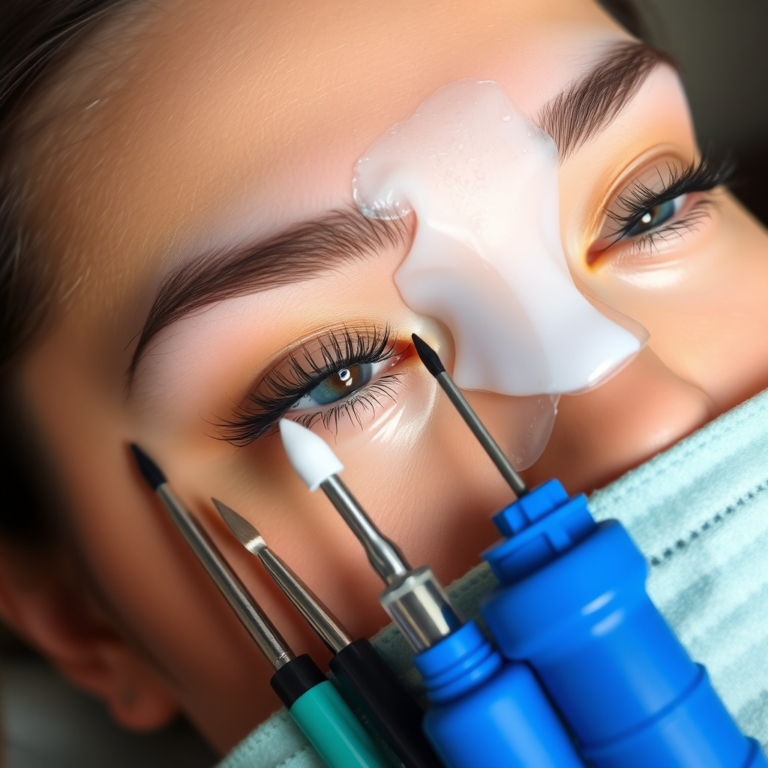
A hot comb can also be used by gently running it over the lace edge while avoiding contact with the hair. This method requires skill but can deliver smooth results quickly.
- Set heat tool to low/medium
- Keep tools moving to avoid burns
- Use a heat protectant spray if possible
For more on this, see our related guide: How Often Should You Wash a Wig: Expert Guidelines for Wig Care.
Heatless Alternatives
If you want to avoid heat completely, you can create a seamless edge by applying lace glue or a sticky adhesive that allows the lace to bond closely to the skin. Some products chemically soften lace and help it lay flat without heat.
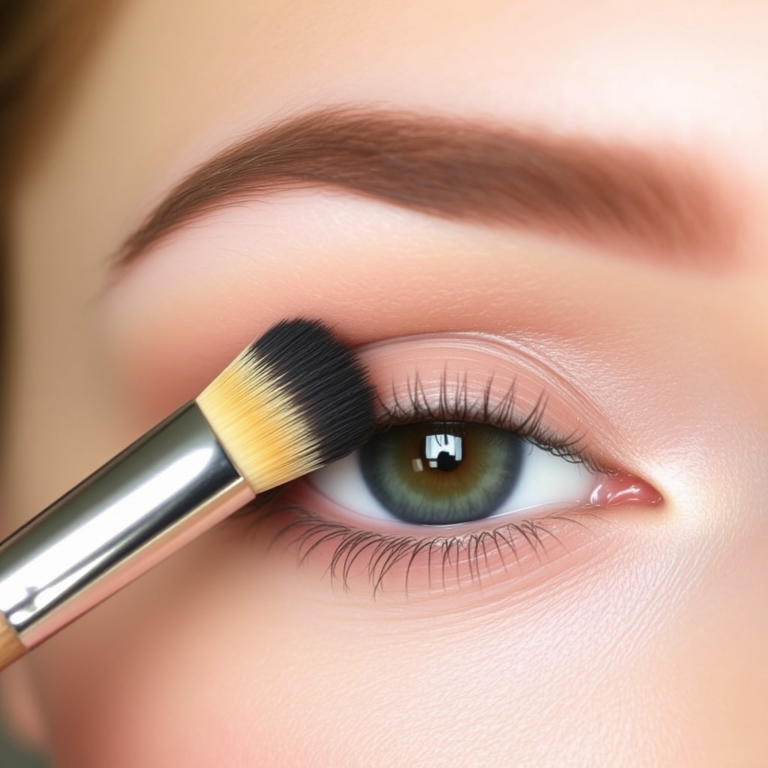
Another approach is to use makeup techniques, such as blending lace with concealer or powder, enhancing the illusion of melted lace without applying thermal tools.
Applying and Sealing the Lace After Melting
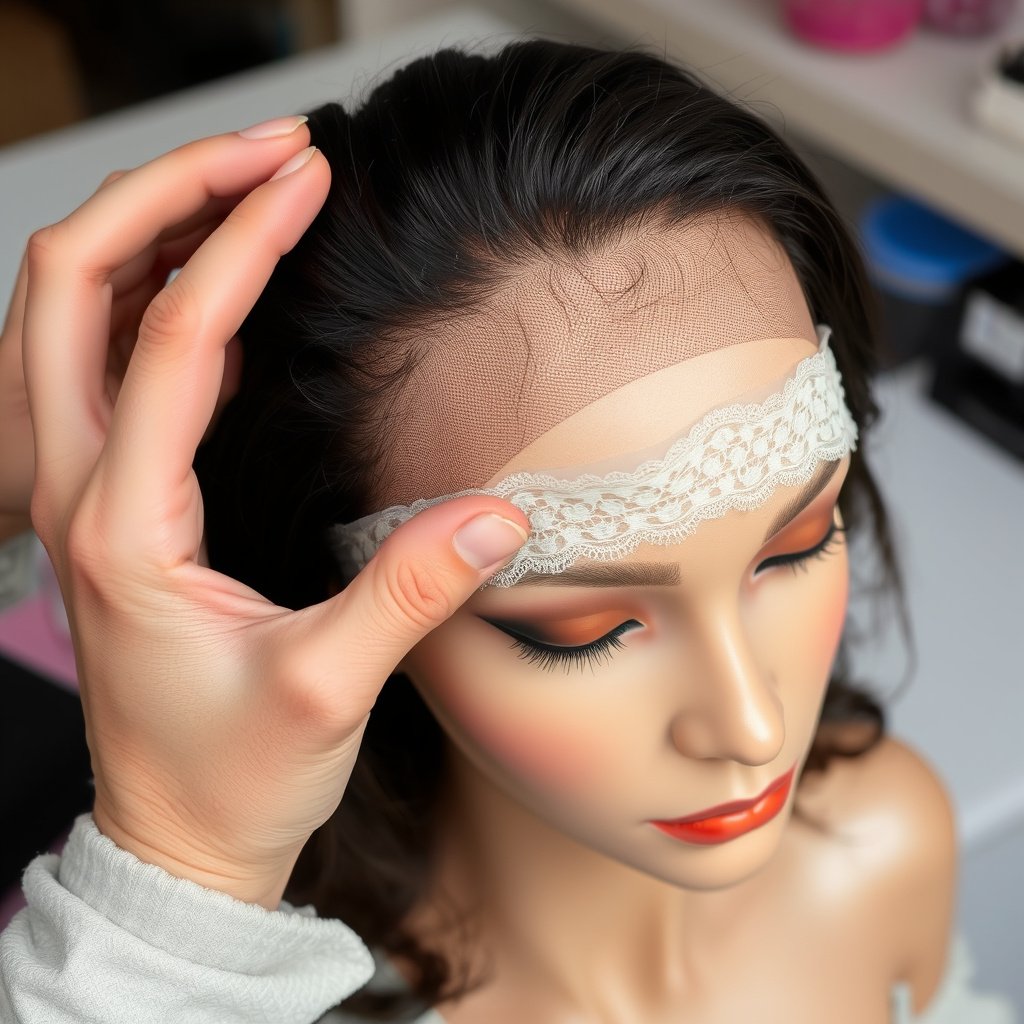
Choosing the Right Adhesive
Selecting a strong yet skin-friendly adhesive affects how well your melted lace lays down and stays secure. Lace glue, adhesive tape, or gel adhesives are commonly used depending on your sensitivity and activity level.
Look for products labeled for lace wigs and ensure to patch test for allergies beforehand. The better the adhesive bond, the more natural and durable the lace application appears.
- Allow adhesive to become tacky before applying lace
- Avoid excess glue to prevent buildup
Pressing and Securing the Lace
After melting, carefully press the lace onto your scalp using a fine edge tool or your fingers, focusing on the perimeter to avoid bubbles and wrinkles. Firm pressure ensures the lace molds to your skin’s contours.
Use a scarf or wig band to tie around your head for 10-15 minutes post-application to help the lace bond and hold shape, improving the long-term wear of your wig.
- Use a silk scarf for gentle tying
- Avoid touching the lace until adhesive sets
Maintaining Melted Lace on Your Wig
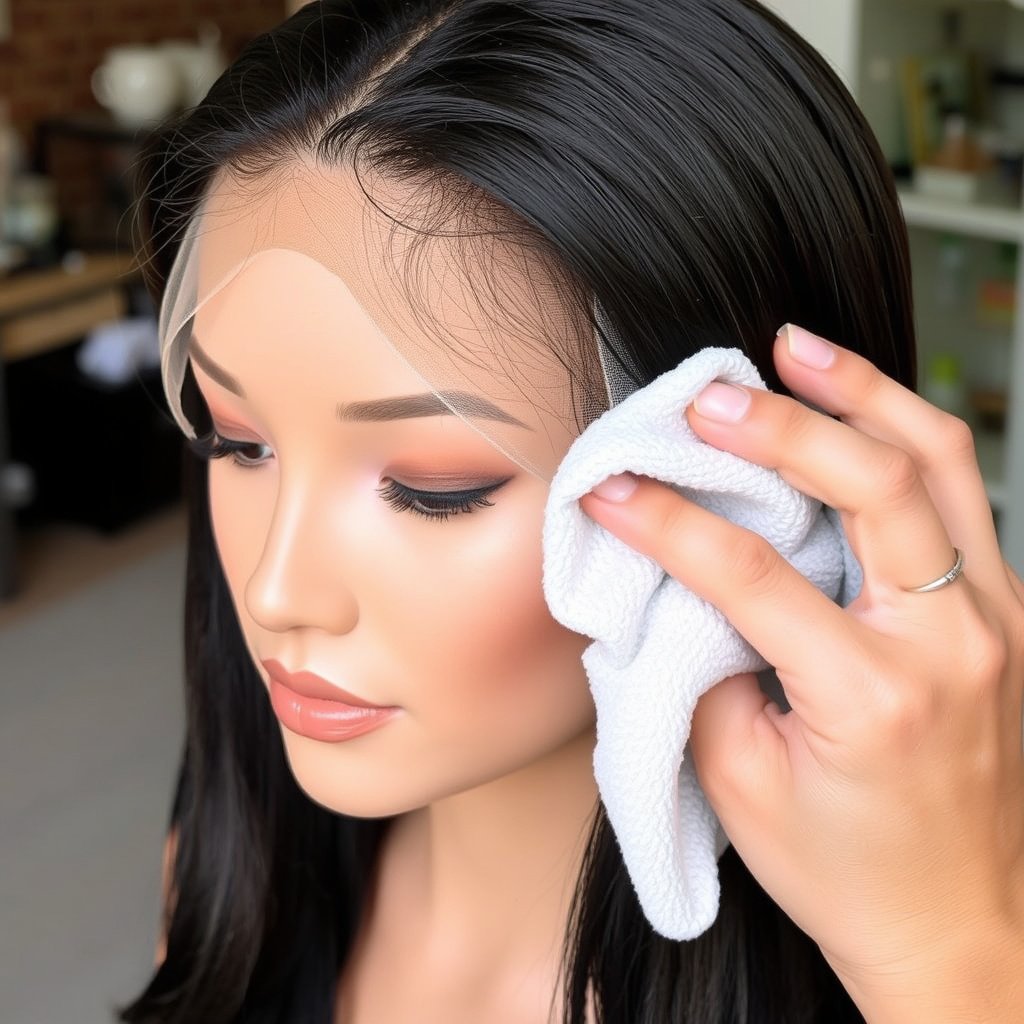
Cleaning and Care Routine
Post-application care involves regularly cleaning the lace edge with alcohol wipes or gentle cleansers to remove oils and residue without lifting the lace. Avoid harsh scrubbing or soaking, which can degrade adhesive strength.
Keep your wig stored properly on a wig stand when not in use to retain the melted lace shape and avoid creasing or damage.
- Clean with alcohol wipes daily
- Remove wig gently to protect lace
For more on this, see our related guide: Can You Curl a Synthetic Wig? Essential Tips for Styling Synthetic Wigs.
When to Remelt or Reapply
Over time, sweat, oils, and environmental exposure may cause melted lace to lift or become visible again. Typically, melting can be refreshed every 2-4 weeks depending on usage and maintenance.
If imperfections become severe, consider carefully removing old adhesive, cleansing lace thoroughly, and repeating the melting process to restore a flawless hairline.
Troubleshooting Common Problems Melting Lace on Wigs
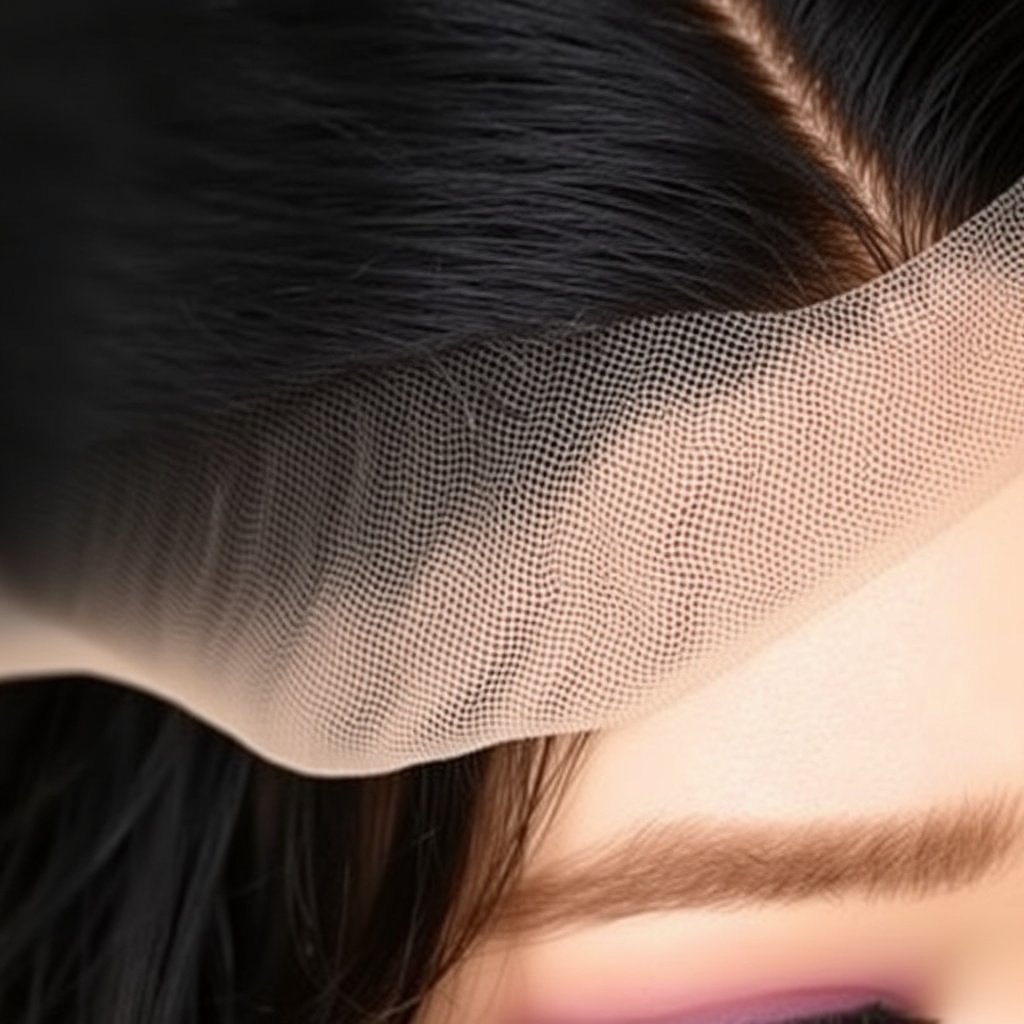
Lace Not Adhering or Lifting
If melted lace fails to stick well or starts lifting, it might be due to oily skin, insufficient adhesive tackiness, or improper heat application weakening the bond.
Make sure skin is clean, adhesive is applied thinly but adequately, and heat tools are used correctly to soften rather than overly melt the lace fibers.
- Avoid applying moisturizer before adhesive
- Test adhesive tack before pressing lace
To understand more about different types of lace wigs and construction, visit this informative lace wig basics page. Lace wig basics.
Discoloration and Lace Visibility
Discoloration can occur if the lace tint doesn’t match your skin or if makeup rubs off during the day, revealing lace edges. Persistent lace shine may also make the edges stand out under bright lighting.
Reapplying foundation or using specialized lace tint products after melting helps maintain color match. Powder finishes can reduce unwanted lace reflectivity.
- Use translucent powder for shine control
- Retouch lace tint as needed
Comparison of Methods to Melt Lace on a Wig
Here is a comparison of popular techniques for melting lace based on tools, effectiveness, and durability.
| Method | Tools Needed | Effectiveness | Ease of Use | Durability |
|---|---|---|---|---|
| Heat Tools (Blow Dryer/Flat Iron) | Blow dryer or flat iron | High – softens lace well | Moderate – requires care to avoid damage | Moderate – lasts 2-4 weeks |
| Hot Comb Method | Hot comb | High – smooth finish | Difficult – requires skill | Moderate – lasts around 3 weeks |
| Adhesive without Heat | Lace glue or tape | Good – bonds lace flat | Easy | High – adhesive can last longer |
| Makeup Blending Techniques | Foundation, powder | Low – mostly camouflage | Easy | Low – needs frequent touch-ups |
| Heatless Chemical Softeners | Specialized product | Moderate – slightly softens lace | Easy | Short-term only |
Frequently Asked Questions
Can any wig lace be melted?
Most lace types can be melted but synthetic lace or thinner lace blends respond better to heat. Always test a small section since some materials may burn or deform easily.
How often should I melt the lace on my wig?
Typically, melting the lace every 2-4 weeks keeps the hairline natural-looking depending on wear, sweat, and maintenance habits.
Is melting lace on a wig safe for the hair strands?
Yes, when using low to moderate heat carefully and avoiding direct contact with hair strands, melting lace doesn’t usually harm the hair attached to the lace.
Can I melt lace on an already installed wig?
It’s best to melt lace before final installation to avoid heat discomfort on skin, but light touch-ups with heat tools can be done cautiously on installed wigs.
What’s the difference between melting lace and applying lace glue?
Melting lace softens and blends the lace fibers, while lace glue secures the wig to your scalp. Often, both methods are combined for a flawless hairline.
Key Takeaways
- Melting lace creates a natural, seamless wig hairline by softening lace fibers.
- Proper scalp and wig preparation improves lace adhesion and appearance.
- Heat tools and adhesives both play roles in melting and securing lace.
- Regular maintenance and touch-ups extend the melted lace effect.
Conclusion
Deciding how to melt lace on a wig depends on your wig type, skin sensitivity, and styling preferences. The process combines delicate heat application with strong adhesive use to create a hairline that mirrors natural scalp appearance. Understanding the lace material and testing heat tools carefully can prevent damage and maximize seamless blending. This ensures your wig stays comfortable and convincing during wear.
For those prioritizing realism and longevity, combining low-heat tools like blow dryers or flat irons with compatible lace glue works well. If you prefer simplicity and quick application, adhesive-only methods supported by makeup blending also achieve good results, especially for beginners. Heatless chemical softeners and makeup cannot replace melting but add extra polish. Regular cleaning and maintenance routines keep melted lace intact and visually discreet over time.
Start your melting process by preparing clean skin and trimming lace close to the hairline. Choose a method to melt lace that fits your skill and comfort level, test on spare lace, and invest in high-quality adhesives matched to your skin. This will help you achieve a natural look and maintain the style easily. Experiment carefully, track what works best for you, and enjoy the confidence of a flawlessly blended wig hairline.