How Many Packs of Hair for Box Braids: A Practical Guide
The number of packs of hair required for box braids depends on the braid size, length, and thickness you want. On average, most people use between 3 to 6 packs of synthetic or human hair to complete a full head of box braids.
This matters because using too few packs results in thin, patchy braids, while too many can be costly and lead to heavy, uncomfortable styles. Additionally, hair length dramatically affects needed quantity; longer braids need more hair per pack.
This guide will cover how braid size, length, hairstyle fullness, and choice of hair affect the number of packs needed. It will also compare synthetic versus human hair options, recommended techniques for sizing your purchase, and tips on saving money without sacrificing style.
Understanding Box Braid Sizes and Hair Quantity
Small vs. Large Box Braids
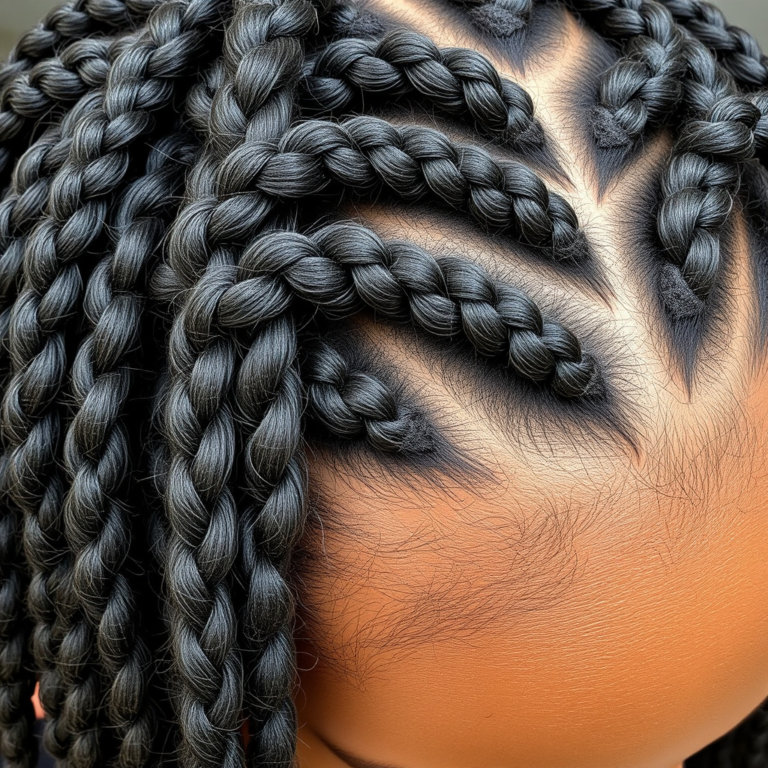
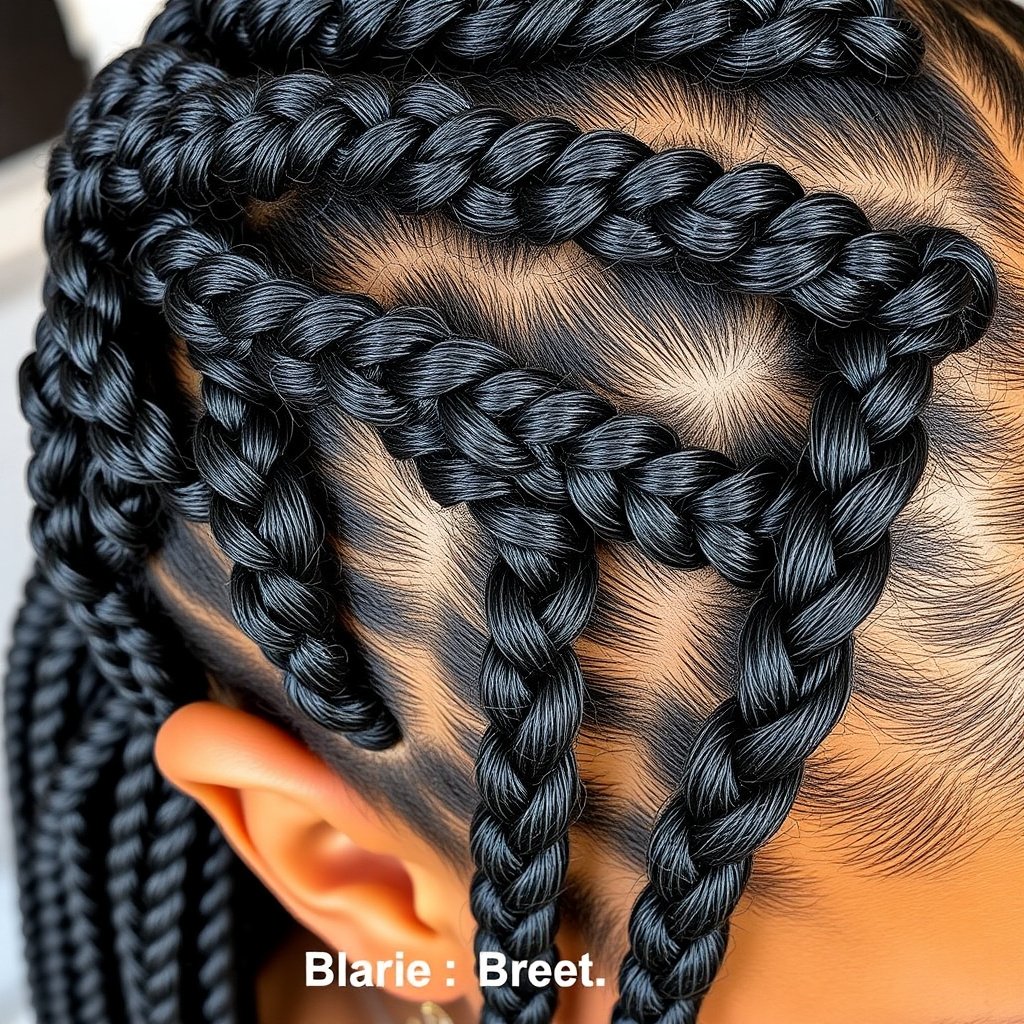
Smaller box braids require more individual braids to cover the scalp, leading to increased hair consumption. For instance, tiny braids typically require up to 5-6 packs of hair for a full head, while larger, chunkier braids might need only 3-4 packs.
The diameter of each braid affects how much hair is used per braid. Smaller braids use thinner sections and consume less hair per braid, but the higher number of braids balances this out.
- Small braids: 40-50 braids per head
- Large braids: 20-30 braids per head
- Small braids consume more packs overall
Impact of Braid Length on Hair Packs
Longer braids require about 25% to 50% more hair compared to shorter styles. For example, if you plan to have shoulder-length braids, you might need 3-4 packs, but waist-length braids generally require 5-7 packs.
The extra length significantly increases the amount of hair needed per braid, which directly influences the total packs to buy.
- Shoulder length: 3-4 packs
- Mid-back length: 4-5 packs
- Waist length: 5-7 packs
Choosing the Best Hair for Box Braids
Synthetic Hair Options
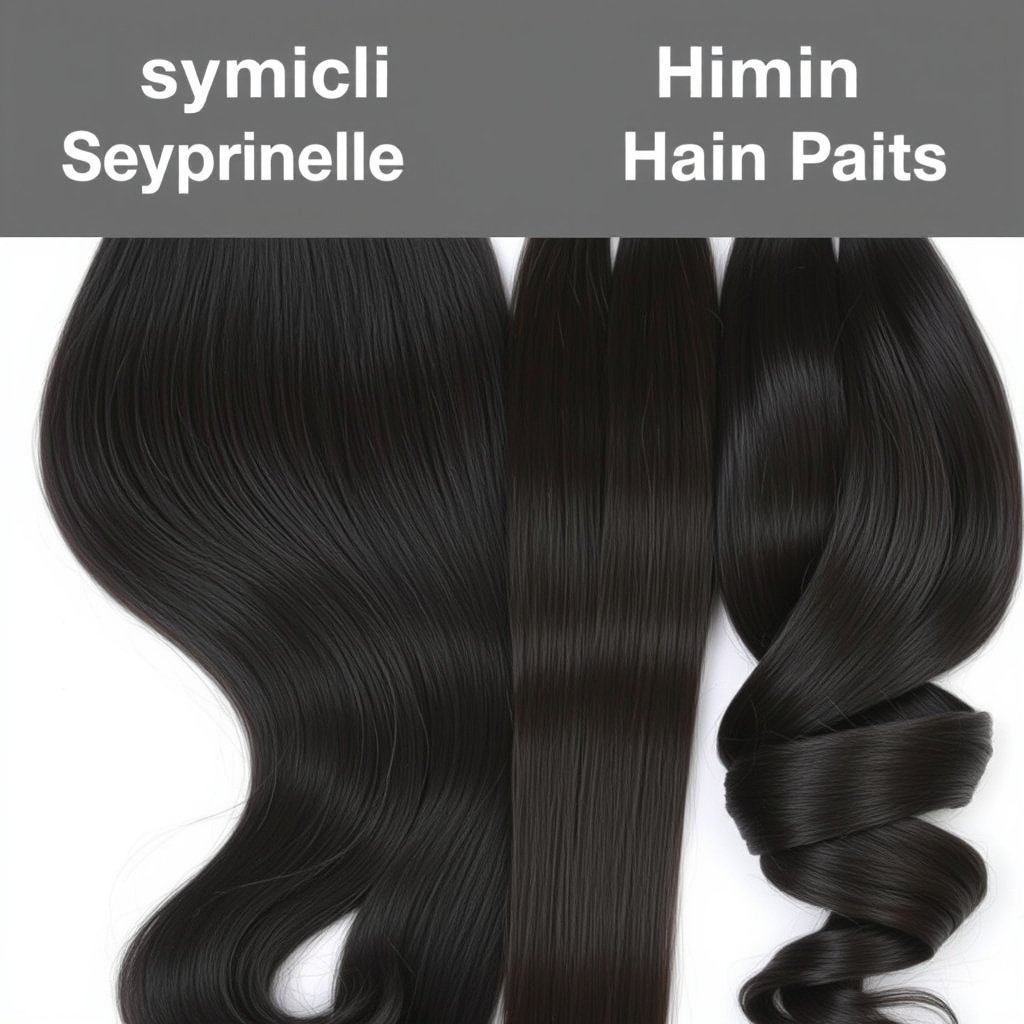
Synthetic hair is the most popular choice for box braids due to affordability, availability in many colors, and durability. It tends to be lighter, which is advantageous for larger or longer braids.
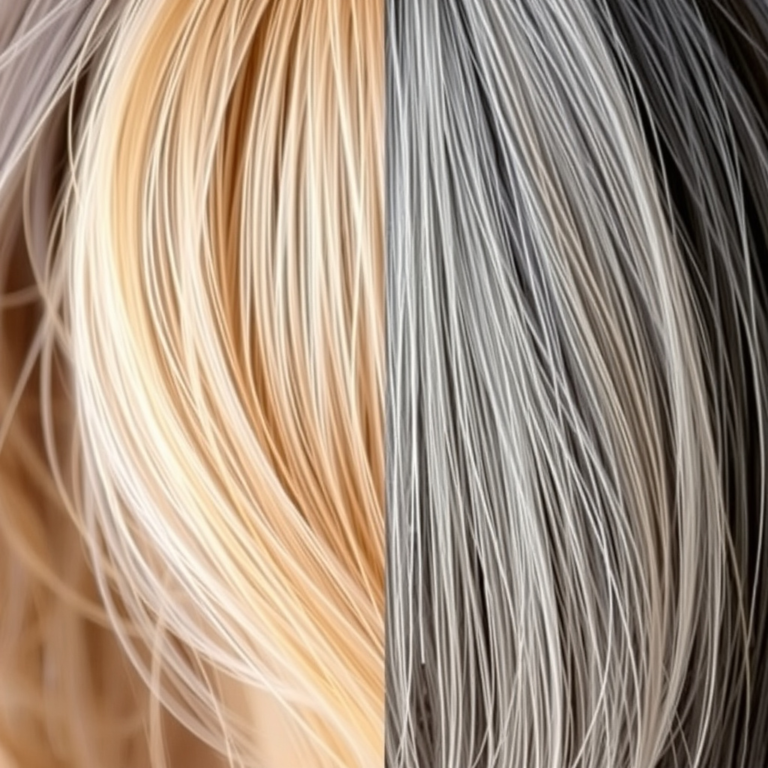
However, synthetic textures vary, from Kanekalon to Toyokalon fibers, each affecting braid appearance and manageability. Synthetic hair usually requires 3-6 packs depending on braid specifics.
- Affordable and lightweight
- Available in multiple textures and colors
- Requires multiple packs for full coverage
For more on this, see our related guide: How Many Packs of Hair for Box Braids: A Practical Buying Guide.
Human Hair Advantages
Human hair for box braids offers a more natural look and feel but is heavier and more expensive. Because of its weight, you might need fewer packs for shorter braids but potentially the same for longer ones.
Human hair also allows for heat styling and less frizz, though synthetic hair has become advanced and more realistic over recent years.
- Natural appearance and texture
- Heavier and pricier than synthetic
- May require fewer packs depending on style
Estimating Hair Packs Based on Head Size and Fullness
Standard Head Sizes and Average Requirements
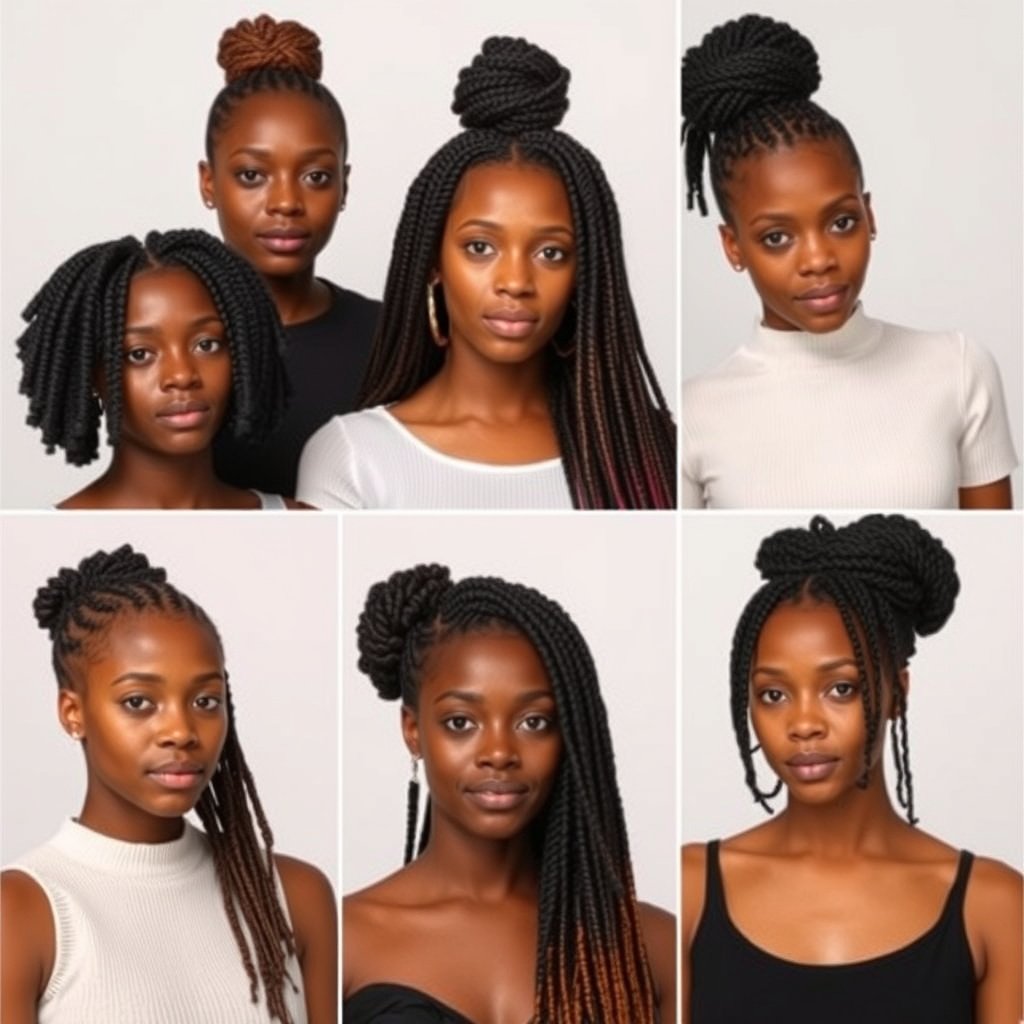
Average head circumference and density influence the number of packs needed. People with larger heads or fuller styles often need an additional pack or two to achieve complete coverage without gaps.
Many stylists recommend starting with 4-5 packs for common adult head sizes and adjusting based on how thick or thin the client prefers their braids.
- Average head: 4-5 packs
- Large head/fullness: 5-6 packs
- Small head: 3-4 packs
Achieving Desired Fullness Without Overbuying
To avoid the expense of buying too much hair, measure braid size and count approximate braids planned. Less dense styles can use fewer packs, but overly thin hair causes an unbalanced look.
Consulting with a stylist or using hair calculators online can optimize the number of packs needed, balancing fullness with reasonable cost.
- Measure braid section sizes
- Estimate braid count with parting style
- Confirm with stylist or tools
Techniques for Installing Box Braids Efficiently
Proper Sectioning and Even Distribution
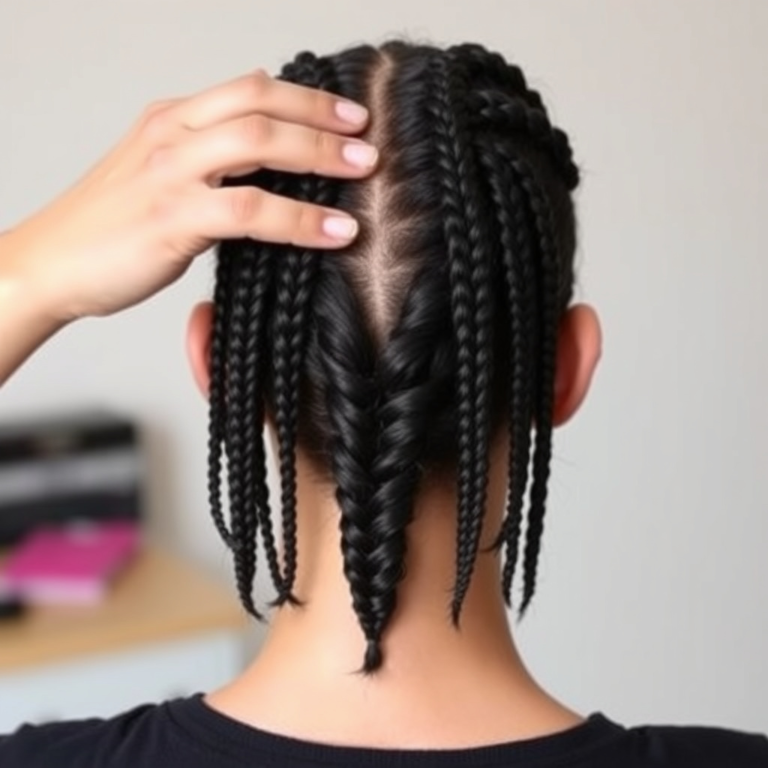
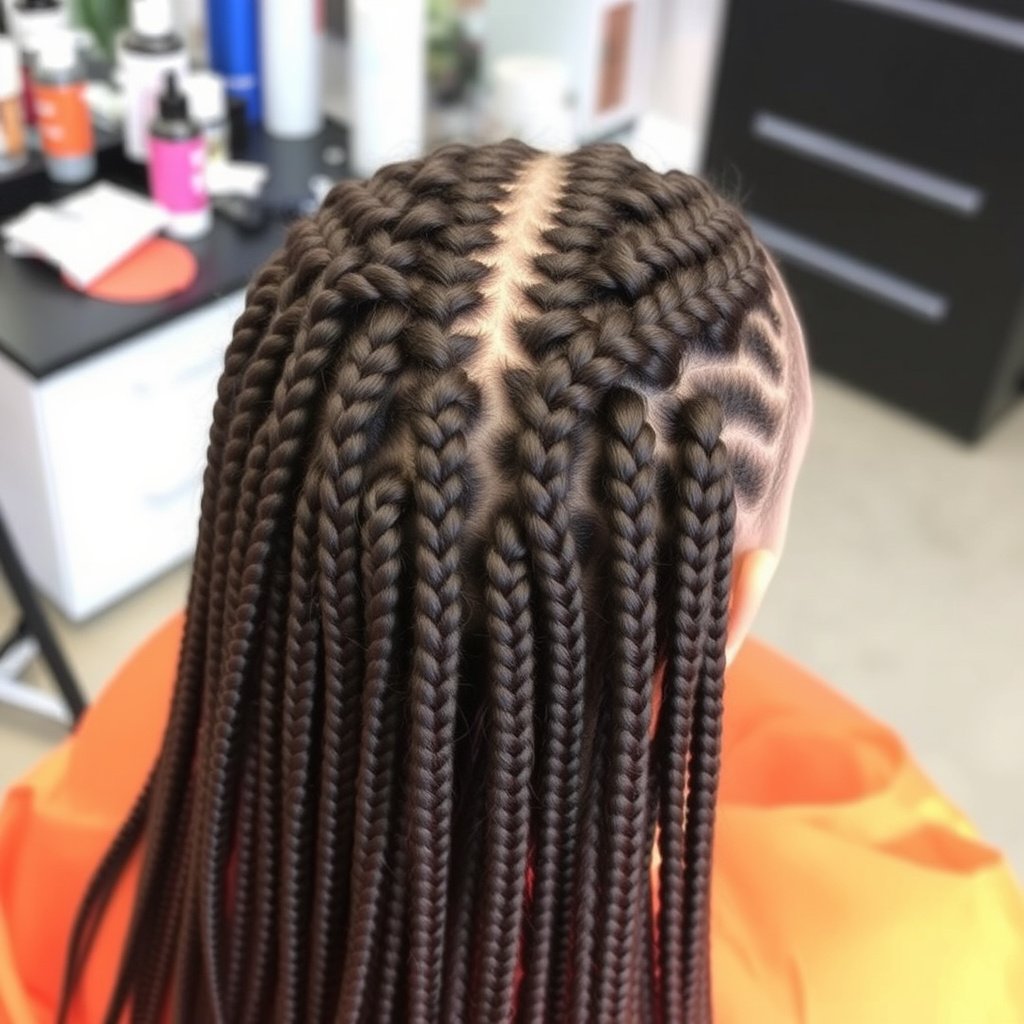
Careful sectioning directly impacts the amount of hair used. Even-sized squares create uniform braids that consume consistent amounts of synthetic hair, preventing waste or shortage.
Starting with smaller sections and adjusting as you progress helps manage hair usage, especially important when working with limited packs.
- Square or rectangular sections for neat braids
- Consistent sizing saves hair
- Adjusting sections stops hair shortage
For more on this, see our related guide: How Much Braiding Hair Do I Need? A Practical Guide to Buying the Right Amount.
Tapering Ends and Blending Hair
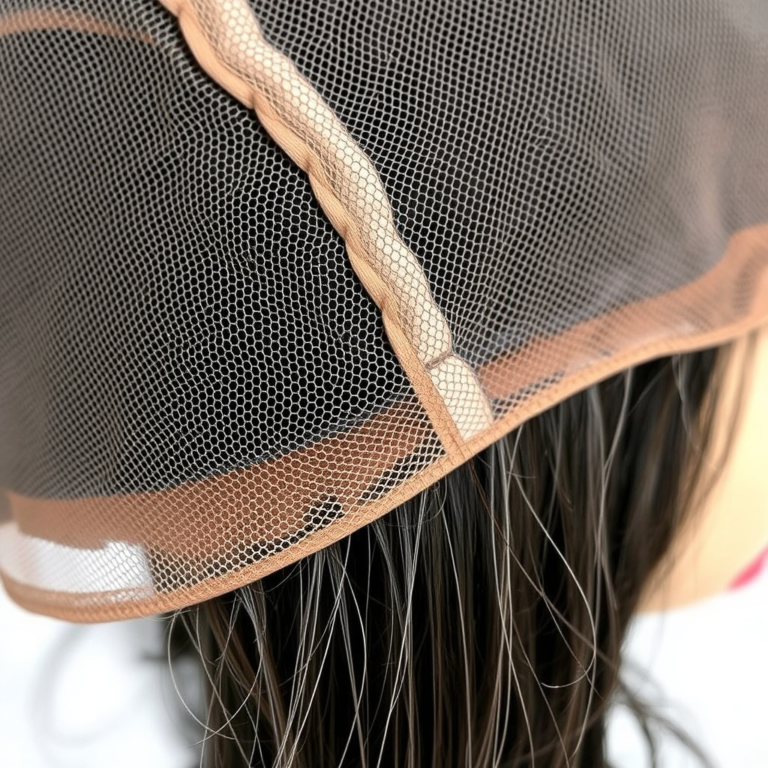
Proper blending of natural and synthetic hair, especially tapering the ends of each braid, ensures natural flow and extends the style's lifespan without excessive hair consumption.
Tapering minimizes bulky ends and helps stretch packs further while maintaining an attractive finish.
- Blend synthetic root with natural hair
- Taper ends to reduce bulk
- Makes braids last longer
Cost Considerations and How to Save on Hair Packs
Budget-Friendly Hair Pack Options
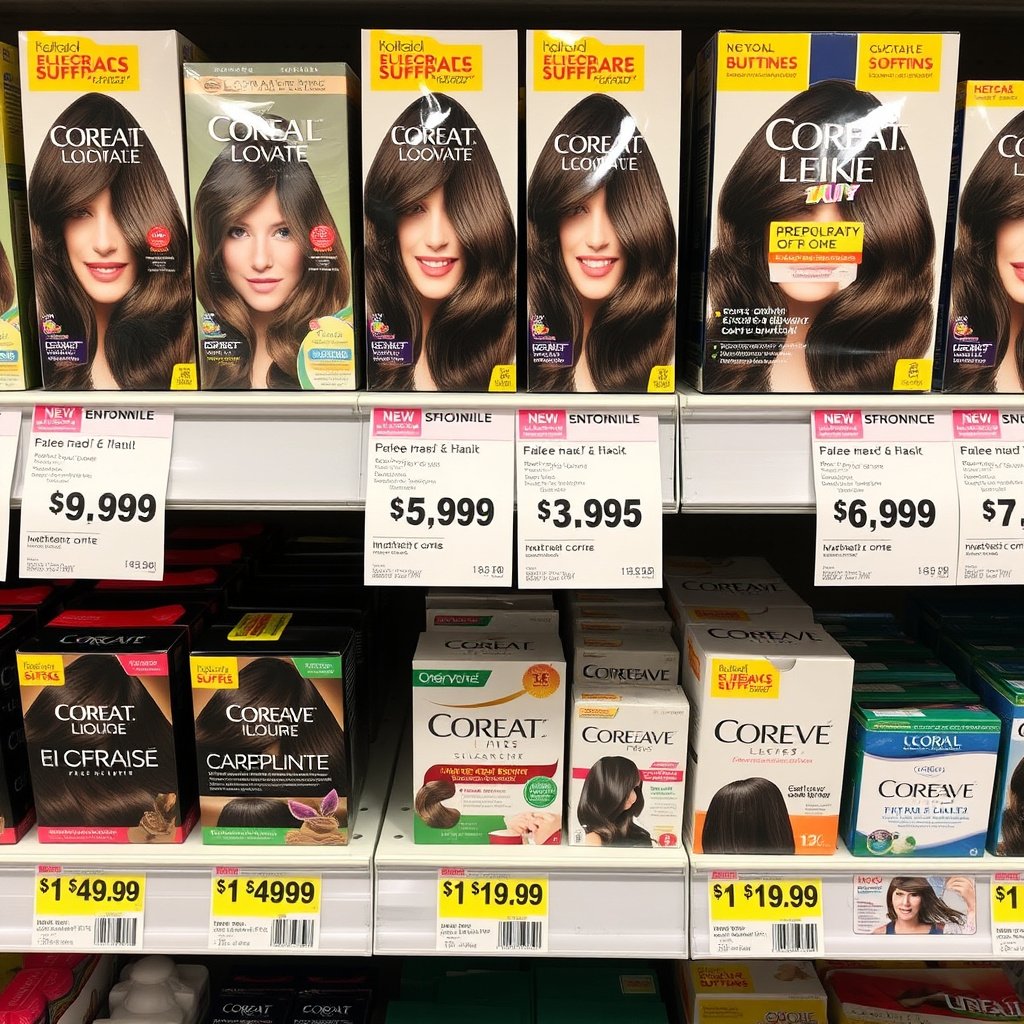
Many brands offer affordable synthetic hair packs that maintain decent quality for the price. Bulk buying or purchasing off-season can reduce cost per pack, making fuller styles more accessible.
Sales and multi-pack bundles from retailers or wholesalers often present opportunities to save while stocking enough hair for box braids.
- Bulk purchase discounts
- Seasonal sales availability
- Multi-pack bundles
For more detailed history and styling variations, visit the box braids Wikipedia article. box braids Wikipedia article.
Balancing Quality and Quantity
Going for cheap hair without regard to quality may seem like a saving but might result in rough texture and breakage, requiring reinstallation sooner. Choosing the best hair for box braids means balancing initial cost with durability.
Higher quality hair sometimes means fewer packs due to better texture and manageability, maximizing your investment.
- Invest in moderately priced hair
- Consider hair longevity
- Balance between hair quantity and quality
Box Braid Hair Types and Pack Requirements Comparison
This table compares common hair types for box braids and the approximate number of packs needed based on length and braid size.
| Hair Type | Braid Size | Hair Length | Average Packs Needed | Cost Range per Pack |
|---|---|---|---|---|
| Synthetic Kanekalon | Small | Shoulder length | 5-6 | $5 – $8 |
| Synthetic Toyokalon | Large | Mid-back length | 3-4 | $6 – $10 |
| Human Hair (Virgin) | Medium | Waist length | 5-7 | $20 – $35 |
| Synthetic Premium Blend | Small | Waist length | 6-7 | $8 – $12 |
| Human Remy Hair | Large | Shoulder length | 3-5 | $25 – $40 |
Frequently Asked Questions
How do I know if I have enough packs of hair for my box braids?
Estimate your desired braid size, length, and fullness. Starting with 4-5 packs for average size and length is common. Buying one extra pack is wise to avoid running out during installation.
Can I mix different hair types to save money?
Yes, mixing synthetic and human hair can reduce costs while maintaining a natural look. Many stylists blend human hair at the roots with synthetic for length and volume.
Does hair quality affect how many packs I need?
Better quality hair usually tangles less and stretches farther, so you might need fewer packs. Inferior hair often requires more replacement and bulk to achieve the same look.
Are there specific brands recommended for box braids?
Popular and reliable brands for best hair for box braids include Outre, Freetress, and X-Pression. They offer consistent quality synthetic hair in various textures and colors.
How long does box braid hair last after installation?
Depending on care and hair type, box braids can last from 4 to 8 weeks. Synthetic hair usually maintains its look longer without frizzing compared to human hair.
Key Takeaways
- The number of hair packs needed depends mainly on braid size, length, and fullness.
- Synthetic hair is affordable and lightweight; human hair offers natural look but is pricier.
- Average adult head requires 3-6 packs, more for longer or smaller braids.
- Proper sectioning and hair quality affect overall hair usage and style durability.
Conclusion
Determining how many packs of hair you need for box braids starts with analyzing your desired braid size, length, and scalp fullness. Since different styles consume hair at varied rates, it's essential to balance length with the number of braids you want, and factor in your head size when planning the amount of hair to purchase. By taking these elements into account, you can avoid shortages during installation or unnecessary overspending on excess hair. The main keyword appears here as a reminder of the article's focus on practical hair estimation for box braids.
If you prefer small, intricate braids that reach waist length, expect to require around 5 to 7 packs of hair, likely synthetic Kanekalon or a premium synthetic blend for ease of styling and durability. For chunkier braids or shorter lengths, 3 to 4 packs might suffice. Choosing between synthetic or human hair also impacts pack quantity and cost, with synthetic being lighter and often requiring more packs for fullness, while human hair provides a natural feel at a higher price point but potentially fewer packs due to better texture.
Before purchasing, review your braid plan with your stylist and consider using online hair calculators. Starting with one extra pack beyond your estimate can prevent mid-installation surprises. Ultimately, understanding how many packs of hair for box braids is about matching style ambitions with practical hair usage will lead to a beautiful, long-lasting hairstyle without waste or overspending.