How to Use a Hair Dome: Step-by-Step Guide for Natural Style and Protection
Using a hair dome is a simple way to protect your hair while promoting healthy growth and maintaining a neat appearance. Hair domes, also called hair bonnets or hair scarves, help shield your strands from friction and moisture loss, especially during sleep or outdoor activities. To use a hair dome, gather your hair neatly, place the dome over your head so it fully covers your hair, and secure it comfortably around the edges to avoid movement.
Many people overlook the importance of protective headwear like hair domes in their hair care routine. Hair domes reduce breakage, prevent frizz, and preserve hairstyles longer by minimizing exposure to elements such as wind, dust, and environmental dryness. For natural hair textures, hair domes provide gentle containment that helps retain styling without causing tightness or pain.
This article will guide you through the practical steps to use a hair dome properly, discuss the different materials and styles available, highlight specific benefits for natural hair, and provide tips on maintaining and caring for your hair dome to maximize its effectiveness.
Choosing the Right Hair Dome Material
Silk vs. Satin Domes: Which Is Better?
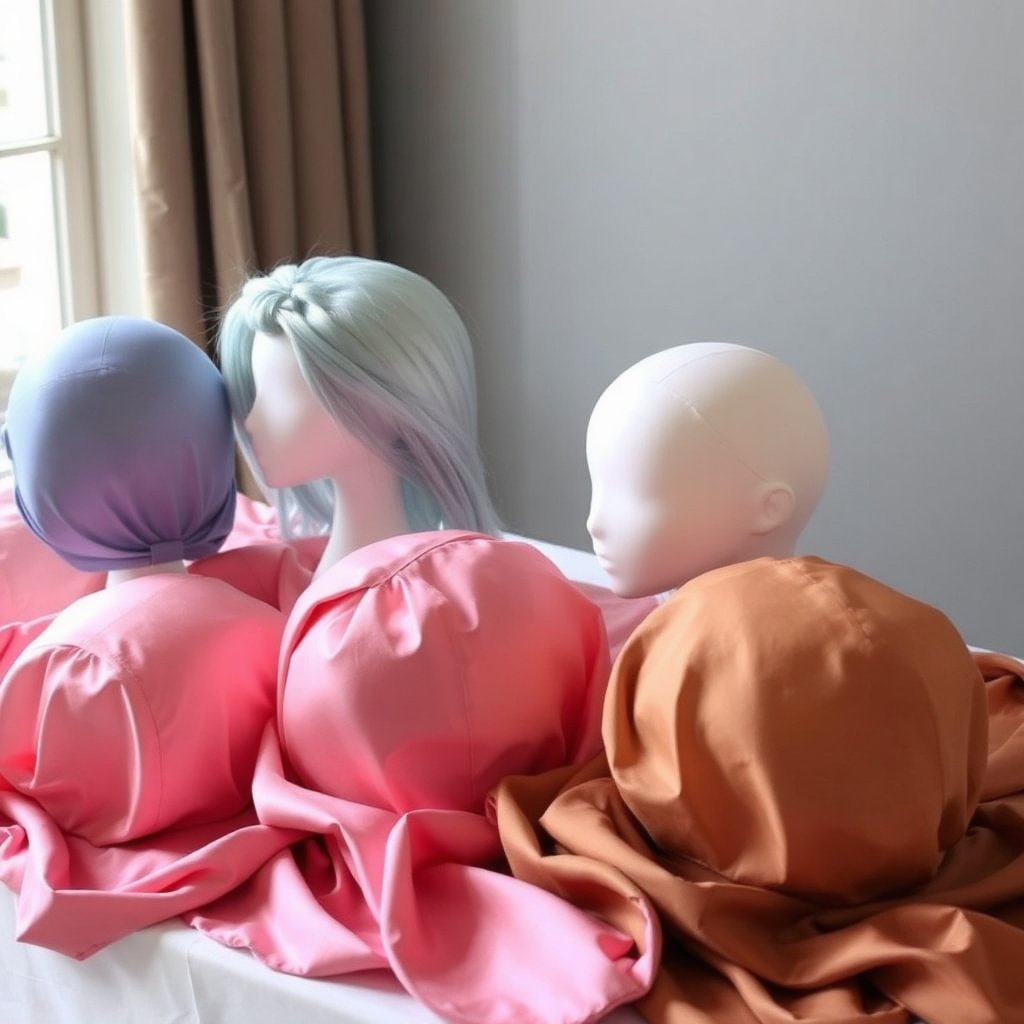
Silk and satin are the most popular materials used in hair domes due to their smooth texture, which reduces friction between your hair and the fabric. Silk is a natural fiber with hypoallergenic properties, making it ideal for sensitive scalps. Satin, a weave often from synthetic fibers, mimics silk’s smoothness but usually comes at a lower price point.
Choosing between silk and satin depends on your budget and personal preferences. Silk tends to be more breathable and less heat-retaining, while satin domes are easier to care for and more readily available.
- Silk: natural fiber, hypoallergenic, lightweight
- Satin: synthetic weave, budget-friendly, smooth finish
Cotton Hair Domes and Their Uses
Cotton hair domes are less common for protective purposes because the fabric is more porous and rougher compared to silk or satin, which can increase hair friction and dryness. However, cotton can be useful for daytime wear or for those who prefer a more breathable, natural fabric that wicks away sweat.
Cotton domes might not provide the same level of protection as silk or satin, but they can still be a practical choice if comfort during warmer weather is your priority.
How to Properly Wear a Hair Dome

Preparing Your Hair Before Wearing a Hair Dome
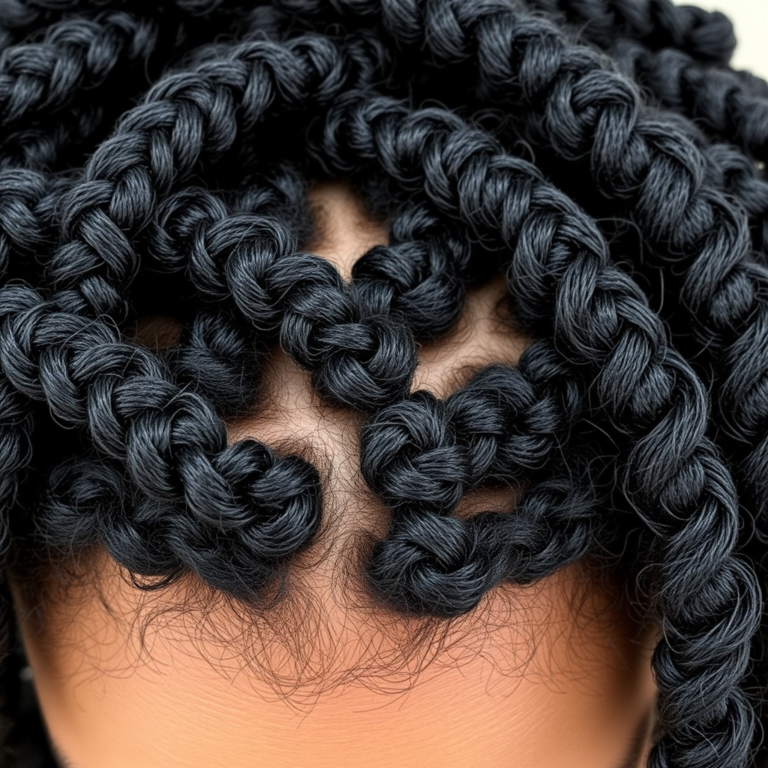
Before putting on your hair dome, it's best to moisturize your hair lightly and detangle to prevent knots. Styles like braids, twists, or buns work well to compact the hair and minimize bulk under the dome.
Using a leave-in conditioner or oil can improve moisture retention while your hair is covered, enhancing the hair dome benefits for natural hair by preventing dryness.
- Moisturize hair lightly
- Detangle gently with fingers or a wide-tooth comb
- Choose a protective hairstyle like braids or buns
For more on this, see our related guide: Home Service Hair Salon: How It Works.
Securing the Hair Dome for Comfort and Protection
Place the hair dome over your head so that it covers all your hair, including edges and ends. Adjust the elastic or drawstring feature for a snug but comfortable fit, avoiding tightness that causes scalp tension.
Check that the dome stays in place during sleep or activities without slipping, ensuring maximum coverage and protection throughout the usage period.
- Ensure full hair coverage
- Adjust fit gently to avoid tightness
- Reposition during the day if dome slips
Benefits of Using a Hair Dome for Natural Hair
Reducing Frizz and Breakage with a Hair Dome
Hair domes minimize friction between hair strands and rough fabrics like cotton pillowcases, which helps reduce frizz and breakage. This is especially beneficial for natural hair, prone to dryness and damage when exposed to friction.
Consistent use of a hair dome while sleeping can preserve hairstyles longer and keep hair ends sealed and moisturized, contributing to healthier hair over time.
Maintaining Moisture Levels During Sleep
Hair domes create a barrier that locks in moisture, preventing natural oils and hydration from evaporating overnight. This protective effect helps natural hair maintain elasticity and reduce split ends.
Using a hair dome alongside moisturizing treatments can improve overall hair texture and length retention by creating a micro-environment conducive to hair health.
Caring for Your Hair Dome
Washing and Drying Techniques
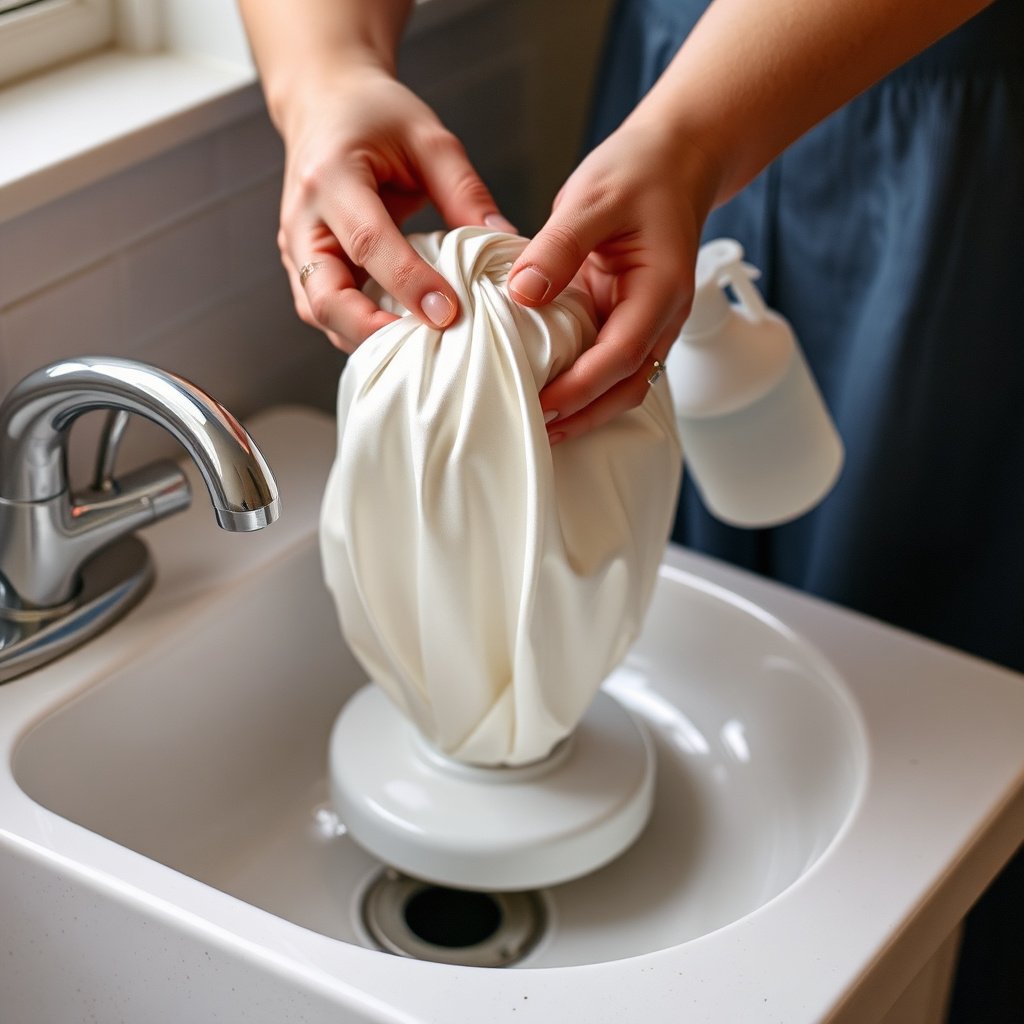
Most hair domes made of silk or satin require gentle hand washing with mild detergent to preserve fabric integrity. Avoid machine washing as it can damage the texture and elasticity.
Air-dry your hair dome away from direct sunlight to prevent fading or shrinking, and never use a dryer to maintain softness and shape.
- Hand wash with mild detergent
- Avoid machine washing and tumble drying
- Air dry in shade
For more on this, see our related guide: Does Castor Oil Help Hair Grow? The Complete Answer.
Long-Term Maintenance Tips
Store your hair dome flat or gently folded to avoid creases and maintain the fabric’s smoothness. Keep it away from sharp objects or harsh chemicals that can damage fibers.
Inspect your hair dome regularly for signs of wear such as thinning elastic or fabric tears, and replace it as needed to ensure consistent hair protection.
- Store flat or folded gently
- Keep away from harsh chemicals
- Replace when signs of wear appear
Hair Dome Styles and Their Best Uses
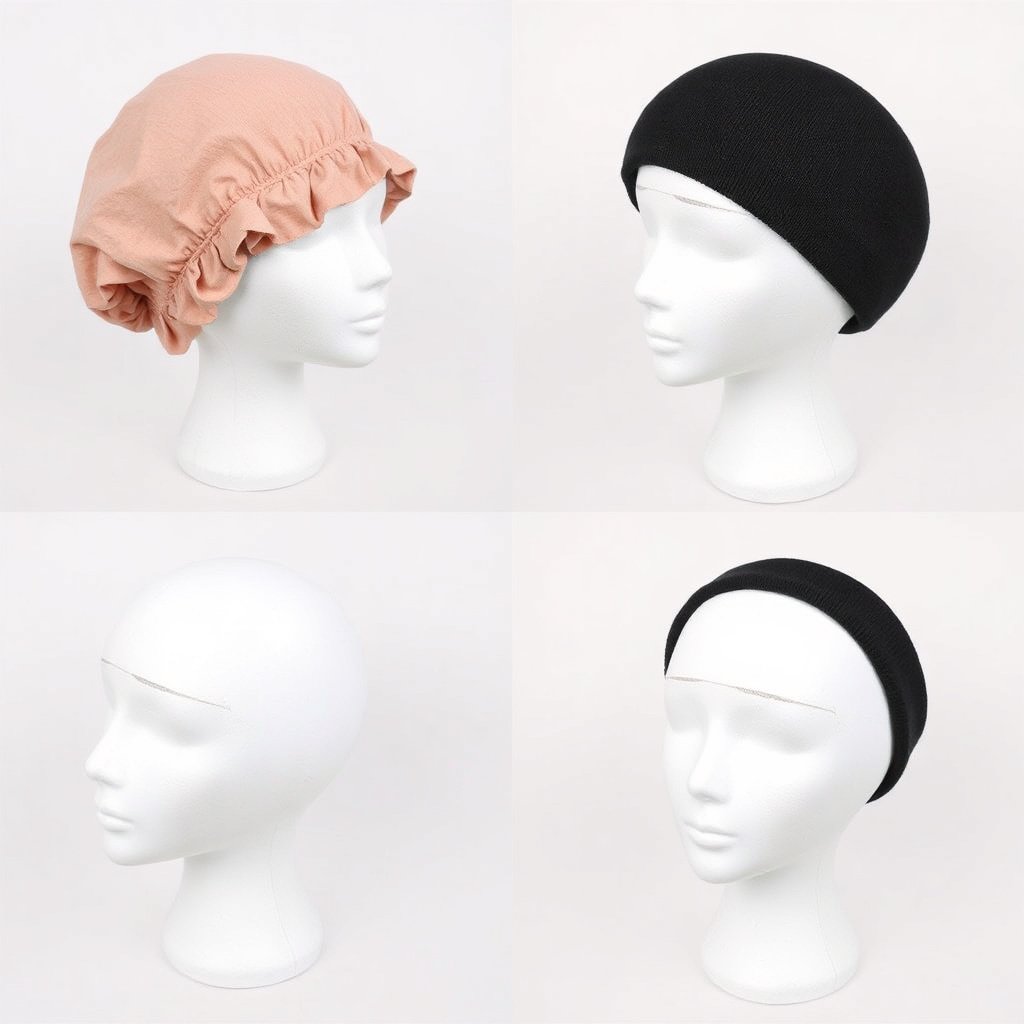
Basic Bonnet Style for Everyday Use
The basic hair dome or bonnet is a simple, circular shape with an elastic edge that fits comfortably over most hair types. It’s well-suited for everyday protection, especially during sleep or low-intensity activities.
This style is versatile and easy to wear, making it a staple for those who want consistent hair protection without fuss.
For additional information on hair protection methods and styling tips, see hair care practices from Wikipedia. Hair care practices from Wikipedia.
Oversized and Fitted Hair Domes
Oversized hair domes accommodate larger or volumized hairstyles such as twists, braids, or natural curls that require additional space. Fitted domes, conversely, are designed to be snug and are suitable for shorter or tightly styled hair.
Choosing between oversized and fitted domes depends on your hair volume, daily activities, and comfort preferences.
- Oversized: ideal for bulky hairstyles
- Fitted: best for short or sleek styles
Hair Dome Material Comparison
This table compares the main hair dome materials regarding comfort, protection level, durability, and price.
| Material | Comfort | Protection Level | Durability | Price Range |
|---|---|---|---|---|
| Silk | High – smooth and breathable | High – reduces friction and moisture loss | Moderate – requires gentle care | High |
| Satin | High – smooth texture | High – prevents breakage | High – easy care | Moderate |
| Cotton | Moderate – breathable but rougher | Low – more friction, absorbs moisture | High – durable | Low |
| Polyester Blend Satin | Moderate – less breathable than silk | Moderate – smooth but synthetic | High | Low to Moderate |
Frequently Asked Questions
Can I use a hair dome on wet hair?
It’s not recommended to put on a hair dome with wet hair because it can trap moisture, leading to scalp irritation or mildew. Dry your hair lightly before wearing a hair dome for optimal results.
How often should I wash my hair dome?
Wash your hair dome at least once a week if used nightly. Frequent washing keeps it clean and maintains fabric softness, which benefits hair health.
Does a hair dome work for all hair types?
Yes, hair domes are suitable for all hair types but offer particular benefits for natural hair textures by reducing friction and retaining moisture.
Can wearing a hair dome cause hair loss?
When worn properly without excessive tightness, hair domes do not cause hair loss. Tight fitting domes, however, can cause tension and contribute to hair breakage.
What is the difference between a hair dome and a sleep cap?
Hair domes often have a looser fit and may come in various styles, while sleep caps typically fit snugly and are intended solely for overnight use to protect hair during sleep.
Key Takeaways
- Hair domes reduce hair friction and protect against moisture loss.
- Silk and satin are preferred materials for maintaining healthy hair.
- Proper hair preparation enhances hair dome effectiveness.
- Regular care of your hair dome extends its lifespan and benefits.
Conclusion
Selecting the right hair dome and learning how to use it properly allows you to maintain your hair’s health, especially if you have natural or curly hair textures prone to dryness and breakage. Consider your hair volume, style, and personal comfort when choosing between silk, satin, and cotton materials. Using a hair dome consistently, combined with moisturizing your hair beforehand, helps lock in hydration and reduce friction that leads to damage.
For those focused on protective hair care, silk and satin hair domes offer ideal benefits by providing a smooth barrier that reduces frizz and preserves hair styles. Oversized domes are excellent for bulky hairstyles like twists or natural curls, while fitted styles suit shorter or sleeker looks. Cotton domes serve well when breathability is a priority, though with less protection. Choosing a dome appropriate for your specific needs maximizes the advantages of this simple yet effective hair accessory.
Start by selecting a quality hair dome that fits comfortably and matches your hair type. Incorporate it into your nightly or daily routine, paying attention to gentle care and cleaning. This small change can greatly improve hair moisture retention and reduce breakage over time. For further trusted hair care advice, explore resources on natural hair maintenance and protective styling.