Scalp Treatment: A Complete Buying Guide
Dealing with scalp issues can be frustrating, whether it’s constant itchiness, dandruff, or inflammation. You’re not alone—many people struggle with finding the right scalp treatment that truly works.
The good news is, with the right products and routine, you can soothe your scalp and promote healthier hair growth.
You need a scalp treatment that fits your hair type, whether oily, dry, or sensitive, and tackles issues like dandruff, itchiness, or inflammation.
Look for gentle exfoliants like salicylic acid, soothing oils such as tea tree or jojoba, and hydrating ingredients like niacinamide.
Use milder products daily and stronger ones a few times weekly to avoid irritation.
By choosing the right treatments and maintaining a consistent routine, you can improve scalp health and hair growth.
Keep exploring for tips on personalized care and effective treatments.
Key Takeaways
- Identify your scalp type and specific concerns like dryness, oiliness, or sensitivity before selecting a treatment.
- Choose treatments with beneficial ingredients like salicylic acid, tea tree oil, niacinamide, and aloe vera for effective scalp care.
- Consider treatment types such as exfoliation, hydration, medicated solutions, and stimulation based on your scalp needs.
- Use mild treatments daily and stronger formulas 2-3 times weekly, adjusting frequency based on scalp response.
- Monitor symptoms closely; persistent issues or irritation warrant consulting a dermatologist for tailored solutions.
Common Scalp Problems That Need Treatment
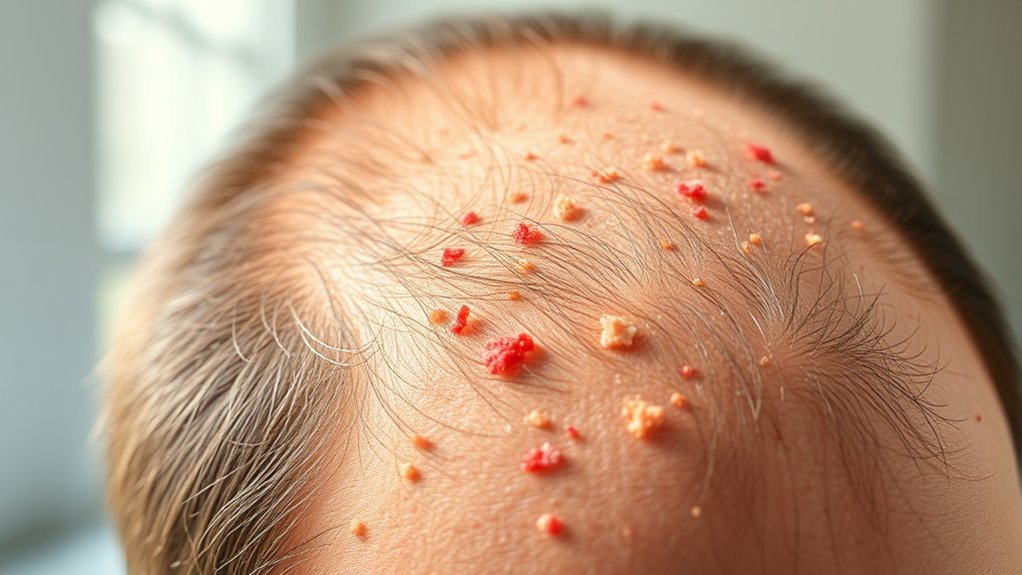
Although you might not always notice, your scalp can face several common issues that need treatment to keep your hair healthy. Poor scalp hygiene can lead to buildup of oils, dirt, and dead skin cells, causing itchiness and dandruff. If you ignore these symptoms, they can worsen and affect your hair growth.
You should maintain a clean scalp by washing regularly with suitable products to prevent these problems.
Another frequent concern is scalp sensitivity, which can cause redness, irritation, or discomfort. This sensitivity often results from harsh hair products, environmental factors, or underlying conditions like eczema or psoriasis.
When your scalp reacts this way, it’s vital to identify triggers and avoid aggravating agents to promote healing. Paying attention to your scalp’s health helps you choose the right treatment and prevents issues from escalating.
Taking care of scalp hygiene and managing scalp sensitivity are essential steps for maintaining a healthy scalp and strong hair.
Types of Scalp Treatments: Products and Methods
There are several effective scalp treatments available, each designed to target specific issues and improve your scalp’s health. You can choose from products and methods that focus on cleansing, nourishing, or stimulating your scalp.
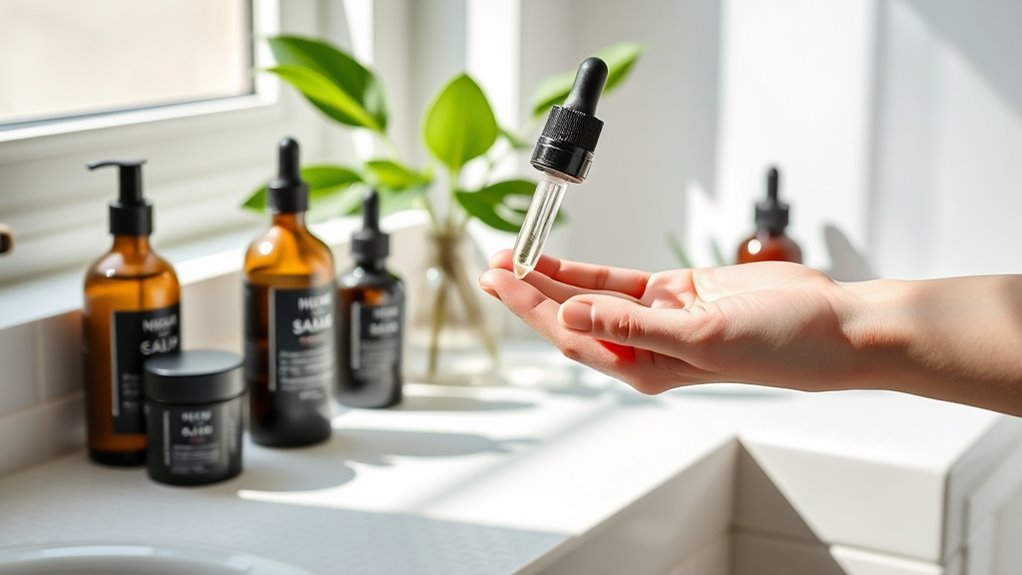
Scalp exfoliation techniques help remove dead skin cells and buildup, promoting a fresh, healthy environment for hair growth. Nourishing oils, like tea tree or jojoba, soothe irritation and add moisture, balancing dryness and oiliness.
Here’s a quick guide to common scalp treatments:
| Treatment Type | Purpose |
|---|---|
| Scalp Scrubs | Exfoliate dead skin and buildup |
| Nourishing Oils | Hydrate and soothe |
| Medicated Shampoos | Treat dandruff and infections |
| Scalp Massages | Stimulate blood flow |
Using these methods regularly can improve scalp condition and overall hair health. Just choose what fits your needs and enjoy a healthier scalp.
Choosing the Right Scalp Treatment for Your Hair Type
To pick the right scalp treatment, start by figuring out your hair type and any specific scalp concerns you might have. Once you know that, you can check for ingredients that tackle those issues without making your hair feel heavy or greasy. This way, you’ll get the best results that are just right for your unique needs.
Identify Your Hair Type
Since your scalp treatment’s effectiveness depends largely on your hair type, you need to identify it accurately before making a choice. Start by evaluating whether your hair is oily, dry, normal, or a combination.
Oily hair often needs treatments that balance excess sebum without stripping moisture, while dry hair benefits from nourishing and hydrating formulas. Normal hair usually requires gentle maintenance to support scalp health.
Also, consider your hair’s texture—fine, medium, or coarse—as this impacts how products absorb and perform. Understanding your hair type helps you select scalp treatments that complement your hair care routine and promote a healthier scalp environment.
Taking this step guarantees you pick the right product to maintain scalp health and improve overall hair vitality.
Target Scalp Concerns
Knowing your hair type sets a solid foundation, but addressing specific scalp concerns will truly optimize your treatment choice. Whether you’re dealing with dryness, oiliness, dandruff, or sensitivity, selecting a treatment that targets these issues is key to improving your scalp health.
For example, if your scalp is dry, look for hydrating formulas that provide moisture without weighing hair down. Oily scalps benefit from treatments that balance sebum production and cleanse gently.
Keep treatment duration in mind; some products require longer application times for maximum effectiveness, while others work quickly. By focusing on your scalp’s unique needs and following recommended treatment durations, you’ll improve your scalp’s condition and support healthier hair growth overall.
Tailoring your approach guarantees you get the best results every time.
Match Ingredients Effectively
Although choosing a scalp treatment can feel overwhelming, matching the right ingredients to your hair type makes all the difference. You need to look for ingredient synergy, how well the components work together, to guarantee the product targets your specific needs.
For example, if you have oily hair, ingredients like salicylic acid combined with soothing botanicals can balance oil without irritation. For dry or sensitive scalps, opt for treatments with hydrating agents and calming extracts that complement each other.
This synergy improves formulation effectiveness, maximizing benefits like moisture retention and scalp health. Always read labels carefully and understand how ingredients interact with your hair type. By doing this, you’ll pick a treatment that truly supports your scalp, helping your hair look and feel its best.
Key Ingredients to Look For in Scalp Treatments
What ingredients should you prioritize when choosing a scalp treatment? First, look for components that support scalp exfoliation benefits, such as salicylic acid or gentle fruit enzymes. These help remove dead skin cells, unclog hair follicles, and promote a healthier scalp environment.
Incorporating essential oils like tea tree, peppermint, or rosemary is also a smart choice. These oils not only soothe irritation but also stimulate blood circulation, enhancing hair growth and scalp wellness.
Furthermore, ingredients like niacinamide and aloe vera provide hydration and reduce inflammation, keeping your scalp balanced. Avoid harsh chemicals that may strip natural oils or cause dryness.
By focusing on these key ingredients, you’ll guarantee your scalp treatment nourishes, protects, and revitalizes your scalp effectively. Prioritize products that combine exfoliating agents with calming essential oils to maximize scalp health benefits.
This way, you’ll enjoy a cleaner, more comfortable scalp and stronger, healthier hair.
How Often Should You Use Scalp Treatment Products?
Choosing the right ingredients for your scalp treatment sets the foundation, but understanding how often to apply these products guarantees you get the best results. Your scalp’s needs and the product type influence the ideal application frequency.
For example, mild treatments with soothing ingredients like aloe vera may be used daily, while stronger formulas containing salicylic acid or medicated components might require less frequent use, often two to three times a week.
Developing consistent treatment routines helps maintain scalp health without overloading it. If you’re new to scalp treatments, start with a lower frequency to monitor how your scalp responds, then adjust accordingly.
Consistent routines support scalp health; begin gently and adjust frequency based on your scalp’s response.
Always follow the product’s instructions, as they’re tailored to the formula’s potency and purpose. Remember, overuse can lead to irritation, while underuse may limit effectiveness.
How to Tell If Your Scalp Treatment Isn’t Working
If your scalp issues keep coming back or actually get worse, it’s a good sign that your treatment might not be working. You’ll want to watch out for things like increased irritation—redness or itching are common signals that something’s off. And if you’ve been using the treatment consistently but don’t notice any improvement in your hair, it might be time to rethink your approach.
Persistent Scalp Issues
Although you may have been diligent with your scalp treatment, persistent issues can signal that it’s not working as intended. If you notice ongoing discomfort or lack of improvement, it’s time to reassess your approach.
Persistent scalp problems might indicate scalp sensitivity or even underlying conditions that require different care or medical attention.
Watch out for these signs:
- Continued itching or flaking despite treatment
- Redness or inflammation that doesn’t fade
- Unusual hair thinning or patchiness
These symptoms suggest your current product isn’t addressing the root cause, or it could be aggravating sensitive skin. If you experience persistent scalp issues, consider consulting a dermatologist to rule out underlying conditions and find a tailored solution that truly works for you.
Increased Irritation Signs
Persistent scalp issues often come with signs that your treatment might be causing more harm than good. If you notice an itchy scalp, redness, scaling, or flaky skin worsening instead of improving, it’s a clear signal to reassess your routine.
Sensitivity triggers like harsh ingredients or environmental factors can worsen inflammation causes, making symptoms persist. Sometimes, poor scalp hygiene or product buildup blocks pores, intensifying irritation.
Pay attention to how your scalp reacts after treatment. If discomfort grows or sensitivity increases, your current product may not suit you. Addressing these increased irritation signs early helps prevent long-term damage and guides you to a gentler, more effective solution tailored to your scalp’s needs.
Lack Of Hair Improvement
When you don’t see any noticeable changes in your hair’s health or growth after consistent use of a scalp treatment, it’s a sign that the product may not be effective for you. Improving scalp health and stimulating hair growth should be visible after several weeks.
If progress stalls, consider these points:
- No reduction in hair fall or thinning despite regular application.
- Scalp still feels dry, oily, or irritated with no improvement.
- Hair remains dull, brittle, or lacks new growth after the expected time frame.
If you experience these signs, it might be time to reassess your scalp treatment routine or consult a specialist. Remember, a good product supports scalp health and promotes hair growth, so don’t settle for less.
How Scalp Treatments Can Help With Hair Thinning
If you’re noticing your hair thinning, scalp treatments can play a crucial role in addressing the issue. These treatments target the scalp directly, improving circulation and providing essential nutrients that stimulate hair growth. By nourishing hair follicles, they help strengthen existing hair and create a healthier environment for new strands to emerge. You’ll find that consistent use boosts treatment effectiveness, making a noticeable difference over time.
Many scalp treatments contain ingredients like biotin, caffeine, or peptides, known to support hair growth by reducing follicle inflammation and promoting cell regeneration. When you choose the right product, it can regulate oil production and remove buildup, which often contributes to thinning hair. The key is selecting a treatment formulated to penetrate the scalp efficiently, ensuring active ingredients reach the root of the problem. Incorporating these treatments into your routine can help slow hair thinning and improve overall scalp health, giving you thicker, fuller hair.
DIY Scalp Treatments to Try at Home
Taking control of your scalp health doesn’t always require store-bought products. You can create effective DIY scalp treatments using natural remedies that nourish and rejuvenate.
Nurture your scalp naturally with easy DIY treatments that restore and refresh without store-bought products.
Start with soothing oils like coconut or jojoba. They act as moisture boosters, helping to balance dryness and reduce irritation. Incorporate exfoliating scrubs made from sugar or coffee grounds to gently remove buildup. Plus, scalp massages help stimulate circulation.
Herbal infusions, such as chamomile or rosemary tea, can be used as rinses to calm inflammation and promote a healthy environment for hair growth.
Try these simple at-home treatments:
- Nourishing mask: Mix avocado, honey, and essential oils for deep hydration.
- Exfoliating scrub: Combine sugar with olive oil to slough off dead skin.
- Herbal rinse: Brew rosemary tea to soothe and refresh your scalp.
Using these DIY methods regularly can help maintain scalp health without harsh chemicals or expensive products.
Daily Habits to Maintain a Healthy Scalp
Although you might already use treatments occasionally, maintaining a healthy scalp requires consistent daily habits. Start by incorporating a gentle scalp massage into your routine. It boosts blood circulation, promotes relaxation, and helps distribute natural oils evenly.
You don’t need special tools; your fingertips work perfectly. Next, focus on hydration techniques. Drinking plenty of water daily keeps your scalp hydrated from within, while using a lightweight, moisturizing scalp serum can prevent dryness and flakiness.
Avoid overwashing your hair, as it strips natural oils and disrupts your scalp’s balance. Instead, wash with lukewarm water and use a mild shampoo suited for your scalp type. Protect your scalp from harsh environmental factors by wearing a hat or using a scalp-friendly sunscreen when outdoors.
Finally, maintain a balanced diet rich in vitamins and minerals to support scalp health. By adopting these habits, you’ll create a foundation for a nourished, healthy scalp every day.
Where to Find Quality Scalp Treatment Products
Wondering where to find quality scalp treatment products that truly work? Start by exploring trusted scalp treatment brands known for their effective formulas and positive customer feedback. To guarantee you’re getting the best, rely on detailed product reviews that highlight benefits, ingredients, and real user experiences. These insights help you avoid trial and error, saving time and money.
Here are three top places to find quality scalp treatment products:
- Official brand websites: They offer the full product range and authentic items.
- Reputable online retailers: Platforms like Amazon or Ulta feature verified reviews and competitive prices.
- Specialty beauty stores: These stores often stock curated selections of trusted scalp care brands and provide expert advice.
Frequently Asked Questions
Can Scalp Treatments Cause Allergic Reactions?
Yes, scalp treatments can cause allergic reactions if you’re sensitive to certain treatment ingredients. You might notice allergy symptoms like itching, redness, swelling, or even a rash on your scalp.
It’s important to check the ingredient list carefully and do a patch test before applying any new product. If you experience any allergy symptoms, stop using the treatment immediately and consult a dermatologist to avoid worsening the reaction.
How Long Before Seeing Results From Scalp Treatments?
You can expect to see initial scalp treatment results in about 4 to 6 weeks, depending on the scalp treatment duration and your specific condition. Some treatments might show improvements sooner, while others take longer.
Consistency is key, so don’t get discouraged if you don’t notice changes immediately. Stick with the routine, and over time, you’ll see healthier scalp and hair growth as the treatment takes full effect.
Are Scalp Treatments Safe During Pregnancy?
Just like choosing the right path in a classic tale, you’ll want to tread carefully with scalp treatments during pregnancy. Many conventional products contain ingredients you might want to avoid, so it’s best to opt for natural alternatives.
Always check product ingredients for anything harsh or untested. When in doubt, consult your healthcare provider to guarantee both you and your baby stay safe while nurturing your scalp’s health.
Can Scalp Treatments Affect Hair Color or Dye?
Yes, scalp treatments can affect hair color or dye, especially if they involve strong exfoliation or harsh ingredients. When you choose scalp exfoliation benefits, make sure the product is compatible with your hair dye to avoid fading or unwanted color changes.
Always check for hair dye compatibility on the label, and consider doing a patch test. This way, you’ll enjoy a healthy scalp without compromising your vibrant hair color.
Should Scalp Treatments Be Used on Children?
You shouldn’t just plunge into scalp treatments for children without caution. Their delicate skin needs safe ingredients that won’t cause irritation or harm. Always check age considerations on product labels and consult a pediatrician before use.
Think of your child’s scalp as a fragile garden. It needs gentle care to flourish, not harsh chemicals. Choosing treatments designed specifically for kids guarantees you nurture their scalp without risking discomfort or damage.
Conclusion
Taking time to treat your scalp thoughtfully transforms your tresses tremendously. By choosing the correct concoctions and consistent care, you can conquer common concerns like dryness, dandruff, and thinning.
Don’t delay. Dive into DIY delights or dependable products to deliver deep nourishment. Remember, regular routines and the right ingredients restore resilience and radiance, making your mane marvelous.
So, start your scalp-saving saga today and savor stronger, shinier strands tomorrow with the best scalp treatment.