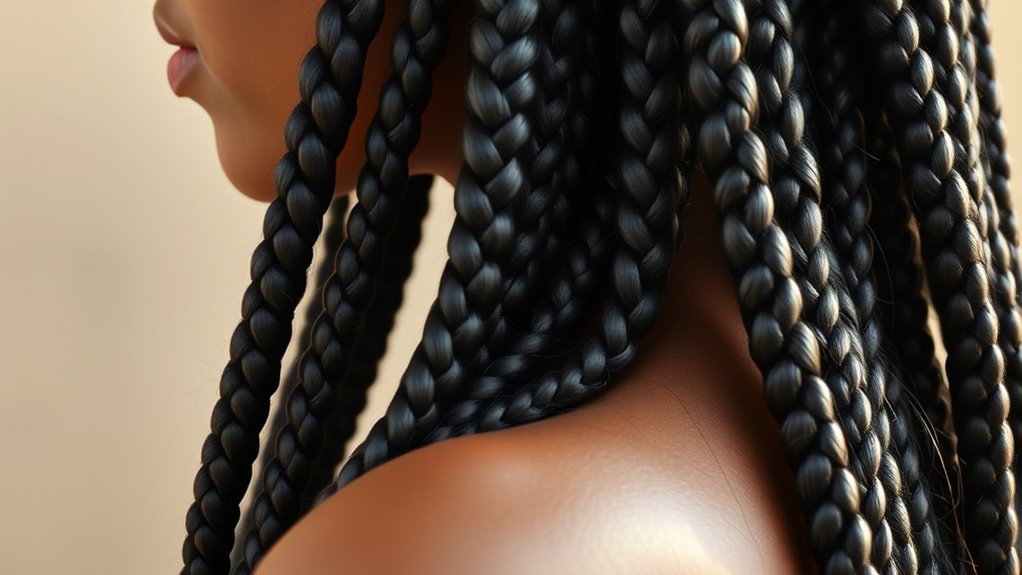
Knotless Braids Hair Guide: What to Know Before You Buy
Finding the perfect protective hairstyle can feel overwhelming, especially when you want something that looks natural but doesn’t cause scalp pain or damage. You’re not alone—many people struggle with styles that are heavy or uncomfortable.
That’s why knotless braids have become such a popular choice for those seeking a lighter, gentler option that still delivers stunning results.
If you’re considering knotless braids, know they offer a lighter, more natural protective style that reduces scalp tension and discomfort. They work best with medium to thick hair or defined curls, while fine or straight hair may need extra prep.
Choosing hair extensions that match your natural texture and color guarantees a seamless look. Proper maintenance and gentle care help them last 6-8 weeks without damage. You’ll find plenty of tips to keep your hair healthy and your style fresh.
Key Takeaways
- Knotless braids reduce scalp tension by starting with natural hair and avoid tight knots at the roots. This makes them more comfortable and causes less breakage.
- The ideal hair for knotless braids is medium to thick with natural volume and defined curls. This helps the braids hold better and last longer.
- Choose hair extensions that match your natural color and texture. This gives a seamless, natural look and makes maintenance easier.
- To maintain knotless braids, cleanse regularly, keep them lightly hydrated, and wrap your hair with a silk scarf at night. This prevents frizz and buildup.
- Knotless braids usually last 6 to 8 weeks. They need gentle care, proper scalp maintenance, and timely removal to protect your natural hair.
What Are Knotless Braids and How Do They Differ From Traditional Braids?
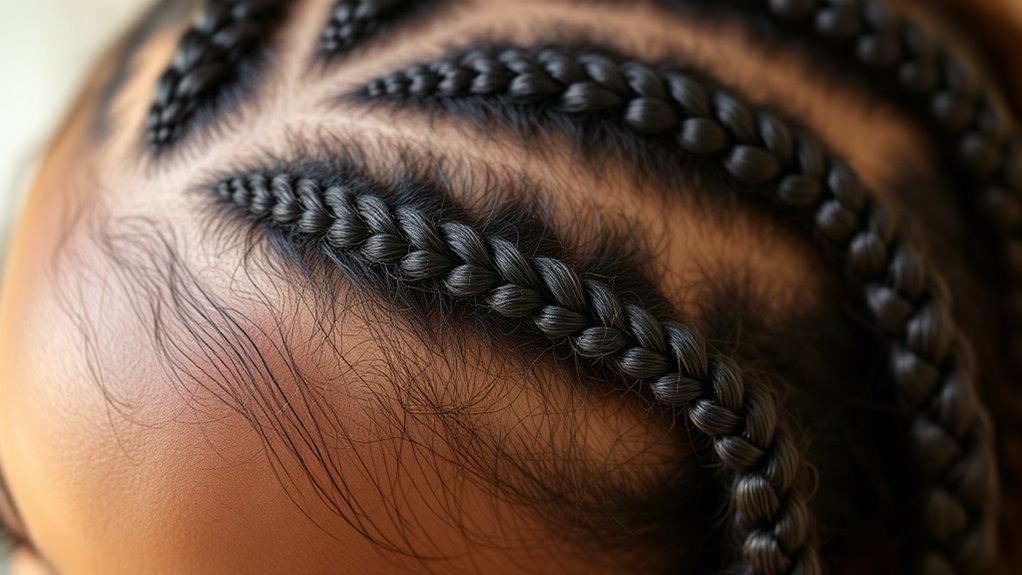
Although both styles involve weaving hair, knotless braids differ from traditional braids because they start with your natural hair instead of a tight knot at the root. This technique reduces tension on your scalp, which is one of the key knotless braid benefits. You’ll notice less discomfort and a lower risk of breakage compared to traditional braids that pull tightly at the roots.
Knotless braids also offer more flexibility in styling options. Since they begin with your natural hair, you can easily customize the thickness and length of each braid to suit your look. You can create sleek ponytails, buns, or let them flow freely without worrying about bulky knots showing at the scalp. This method not only looks more natural but also feels lighter, making it a great choice if you want a comfortable protective style with versatility.
Best Hair Types for Knotless Braids: Which Textures Suit Them?
You’ll find that knotless braids work best with certain hair textures, especially those that have natural volume and grip. It really makes a difference when your hair has that kind of texture because the braids hold better and look more natural.
Also, understanding your hair’s porosity can be a game-changer. When you know how porous your hair is, you can manage the braiding process more easily and keep the style looking fresh for longer.
And here’s the thing—learning to work with your natural hair patterns makes the whole experience way smoother. It’s not just about the braids themselves, but also about making sure they flatter your unique hair and style.
Ideal Hair Texture Types
When choosing the best hair texture for knotless braids, you’ll find that certain types hold the style better and last longer. Hair thickness plays an essential role. Medium to thick hair tends to grip the braids securely, reducing slippage and frizz.
If your hair is too fine, the braids might not stay intact as long without extra care. Your curl pattern also matters. Hair with a natural curl or wave provides added texture that helps the braids lock in place effortlessly.
Straight hair can work but may require more preparation, like texturizing sprays, to prevent braids from unraveling quickly. Ultimately, knotless braids suit a variety of hair textures. Those with moderate thickness and defined curl patterns will find the style easiest to maintain and most durable.
Hair Porosity and Braiding
Since hair porosity affects how well your hair absorbs moisture and products, it plays a big role in how knotless braids hold up over time. Understanding your porosity type—low, medium, or high—helps you keep your hair healthy during and after braiding.
Low porosity hair resists moisture, so you’ll want to prep with lightweight, hydrating products to avoid buildup under the braids. Medium porosity hair is ideal for knotless braids because it balances moisture retention and absorption, which means longer-lasting styles.
High porosity hair absorbs moisture quickly but loses it just as fast. You’ll need to focus on sealing in hydration to prevent dryness and breakage. Knowing your porosity type guarantees your knotless braids stay healthy, moisturized, and looking fresh for weeks.
Managing Natural Hair Patterns
Although knotless braids work well with many hair types, managing your natural hair pattern is key to achieving a flawless look and ensuring the style lasts. If you have tighter curls or coils, maintaining curl definition before braiding helps your hair blend smoothly with the extensions.
You’ll want to moisturize and detangle thoroughly to avoid breakage and maintain texture. For looser curls or wavy hair, focus on texture maintenance by using light products that improve your natural pattern without causing buildup.
Properly managing your hair’s natural pattern prevents frizz and keeps your knotless braids looking fresh longer. Remember, the better you care for your curl definition and texture, the more seamless and durable your knotless braid style will be.
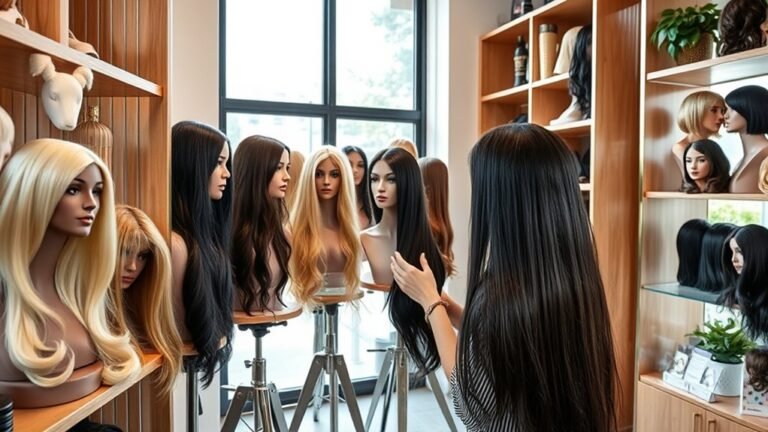
Choosing the Right Hair Extensions for Knotless Braids
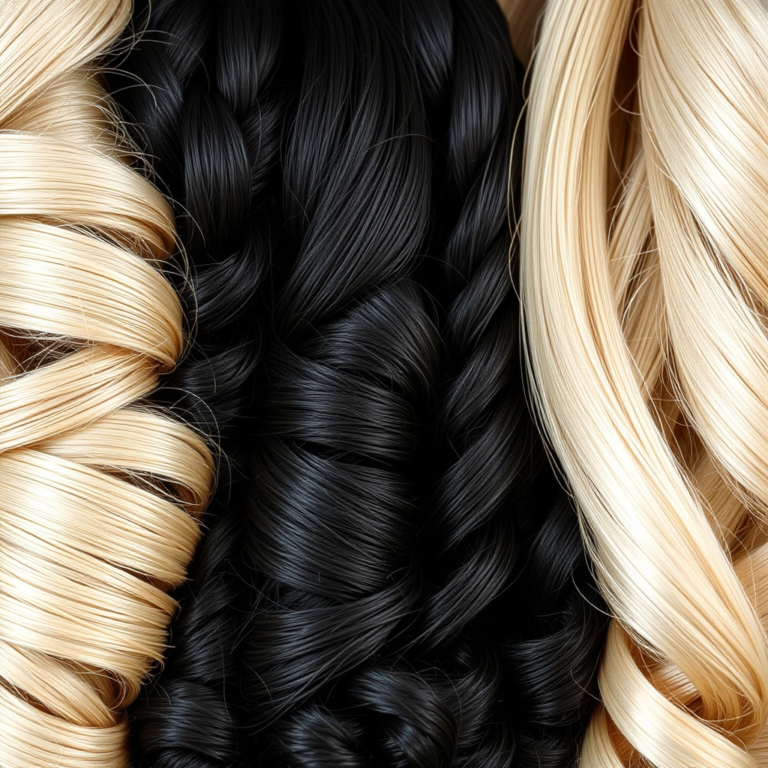
Selecting the right hair extensions plays an essential role in achieving flawless knotless braids. When choosing extensions, consider color options carefully to match or complement your natural hair. Picking a shade that blends seamlessly will create a more natural look, while contrasting colors can add bold style.
Length considerations are just as significant. Decide on your desired braid length before purchasing, as longer extensions weigh more and require more maintenance. If you’re new to knotless braids, starting with medium lengths can make styling easier and protect your scalp from excessive tension.
Also, pay attention to the texture of the extensions. Opt for hair that mimics your natural texture to guarantee smooth blending and easier braiding. Synthetic and human hair options are available, with human hair offering a more natural feel but at a higher cost. Choosing wisely helps you achieve beautiful, long-lasting knotless braids tailored to your style and comfort.
How Are Knotless Braids Installed? Step-by-Step Guide
When you’re ready to install knotless braids, the process begins with properly sectioning your hair to guarantee neatness and even distribution. Start by parting your hair into small, manageable sections.
For knotless installation, you’ll begin braiding using your natural hair and gradually feed in synthetic hair to avoid creating knots at the base. This technique makes the braid look more natural and reduces tension on your scalp.
Keep your braids tight enough to last but gentle enough to avoid discomfort. As you work down each section, maintain consistent braid size to guarantee a uniform look.
Once all braids are installed, apply a light oil or leave-in conditioner to soothe your scalp. For effective braid maintenance, cover your braids with a silk scarf at night and avoid heavy products that cause buildup.
Following these steps guarantees your knotless braids look fresh, stay secure, and protect your natural hair.
Pros and Cons of Wearing Knotless Braids
You’ll love how knotless braids feel lightweight and put less tension on your scalp. The best part? They’re way more comfortable than traditional braids. That said, they might take a bit longer to install, so be prepared to spend some extra time in the salon. Also, they need proper care to keep frizz at bay. Let’s break down the benefits and drawbacks so you can figure out if they’re the right choice for you.
Benefits of Knotless Braids
Although knotless braids require more time to install, they offer several benefits that make them worth the effort. You’ll find knotless braid maintenance easier compared to traditional braids since they put less tension on your scalp. This reduces breakage and discomfort.
Plus, they give you more styling options. Whether you want to wear them up, down, or in creative styles, they hold well without unraveling.
Here are key benefits you’ll enjoy with knotless braids:
- Reduced scalp tension, promoting healthier hair growth
- Lightweight feel, making them comfortable for long wear
- Versatility in styling options to match your mood or occasion
- Easier knotless braid maintenance, requiring less frequent touch-ups
These benefits make knotless braids a smart choice for a protective and stylish look.
Drawbacks to Consider
Knotless braids offer many advantages, but they aren’t without some drawbacks you should keep in mind. First, the installation time can be longer compared to traditional braids, which might test your patience.
You may also face styling limitations, as knotless braids tend to be less bulky but might not hold certain styles as well. Scalp irritation is another concern, especially if your scalp is sensitive or the braids are installed too tightly.
Maintenance frequency is essential. You’ll need to keep up with regular cleansing to prevent product buildup, which can lead to itching or discomfort. Cost considerations matter too since knotless braids often come at a higher price.
Finally, if not cared for properly, hair breakage and reduced length retention can occur over time.
Essential Aftercare Tips to Keep Your Knotless Braids Fresh
While enjoying your new style, it’s important to follow proper aftercare to maintain the freshness and longevity of your braids. Establishing a consistent hydration routine helps keep your scalp and hair moisturized, preventing dryness and itchiness. Proper braid maintenance guarantees your style stays neat and reduces frizz, making your knotless braids look fresh longer.
Here are essential aftercare tips to keep your knotless braids fresh:
- Use a light leave-in conditioner or braid spray daily to maintain moisture.
- Wrap your hair with a silk or satin scarf at night to reduce friction and frizz.
- Cleanse your scalp gently with a diluted shampoo or dry shampoo to prevent buildup.
- Avoid heavy products that can weigh down your braids or cause residue.
Following these simple steps will help you enjoy your knotless braids looking their best while protecting your natural hair underneath.
How Long Do Knotless Braids Typically Last?
Maintaining your knotless braids with proper care extends their lifespan and keeps them looking fresh. Typically, knotless braids last between 6 to 8 weeks, but this depends on how well you follow knotless braid maintenance routines.
Regularly moisturizing your scalp, gently cleansing your hair, and sleeping with a satin or silk scarf can greatly boost braid longevity. Applying braid longevity tips like avoiding heavy products that cause buildup and refraining from excessive manipulation helps prevent frizz and breakage.
You should also be mindful about how often you wash your braids; too frequent washing can loosen them, while too little can lead to scalp issues. Paying attention to your hair’s needs and protecting your braids during daily activities guarantees they stay neat longer.
Mistakes to Avoid With Your Knotless Braids
One common mistake you should avoid is neglecting proper scalp care. This can lead to itching and buildup that compromise your braids’ neatness. When it comes to knotless braid maintenance, skipping regular cleansing and moisturizing can cause discomfort and damage.
Neglecting scalp care invites itching and buildup, undermining your knotless braids’ neatness and health.
Also, watch out for common installation errors like braiding too tightly. That stresses your scalp and hairline.
To keep your knotless braids looking fresh and healthy, avoid these pitfalls:
- Don’t wait too long to touch up or remove your braids; leaving them in too long can cause breakage.
- Avoid excessive manipulation or pulling on your braids, which can loosen them prematurely.
- Don’t use heavy products that cause buildup and weigh down your braids.
- Avoid sleeping without protecting your hair, like using a silk scarf or bonnet, to reduce friction.
Being mindful of these mistakes helps guarantee your knotless braids stay neat and last longer.
How to Protect Your Natural Hair While Wearing Knotless Braids
To keep your natural hair healthy with knotless braids, you’ve got to focus on proper scalp care, consistent moisturizing, and smart protective styling. These steps really help prevent dryness and breakage while your hair is braided.
Scalp Care Tips
Although knotless braids reduce tension on your scalp, you still need to care for your natural hair to keep it healthy. Maintaining a clean, nourished scalp prevents buildup and irritation. This ensures your hair stays strong underneath the style.
Incorporate scalp exfoliation to remove dead skin and promote circulation. Use soothing oils like tea tree or jojoba to calm any dryness or itchiness.
Here are some essential scalp care tips:
- Gently exfoliate your scalp once a week to avoid clogged follicles.
- Apply soothing oils regularly to maintain scalp moisture.
- Avoid heavy products that cause buildup under your braids.
- Protect your scalp at night with a satin or silk scarf to reduce friction.
These practices keep your scalp balanced and support healthy hair growth while wearing knotless braids.
Moisturizing Techniques
Keeping your scalp healthy sets the foundation for effective moisturizing while wearing knotless braids. To maintain moisture retention, use lightweight hydration products like water-based sprays or leave-in conditioners. These keep your hair hydrated without weighing it down or causing buildup.
Apply them directly to your scalp and braids every few days to prevent dryness and flaking. Sealing in moisture with natural oils such as jojoba or coconut oil helps lock hydration in and protect your strands. Avoid heavy creams that can cause product buildup and attract dirt.
Remember to mist your hair regularly, especially if you live in a dry climate, to maintain consistent hydration. These moisturizing techniques guarantee your natural hair stays healthy, soft, and strong beneath your knotless braids.
Protective Styling Practices
When you wear knotless braids, protecting your natural hair is essential to prevent breakage and promote healthy growth. You can maintain your hair’s health by following simple protective styling practices. Use moisturizing sprays and natural oils regularly to keep your scalp and hair hydrated.
Incorporate scalp treatments to soothe irritation and stimulate growth. At night, wrap your hair with a silk or satin hair wrap and wear protective caps to reduce friction. Avoid excessive heat by using heat protection and exploring gentle styling options.
Establish consistent maintenance routines to keep your braids looking fresh and your hair healthy.
- Apply moisturizing sprays and natural oils daily
- Use scalp treatments weekly to maintain scalp health
- Cover your hair with hair wraps and protective caps at night
- Limit heat exposure and choose low-manipulation styling options
When and How to Remove Knotless Braids Safely
Most people find that knotless braids should be removed after 6 to 8 weeks to maintain healthy hair and scalp. Timing considerations are essential because leaving braids in too long can lead to breakage and scalp irritation.
When you’re ready to take them down, use gentle removal techniques to avoid unnecessary damage. Start by applying a moisturizing spray or oil to loosen the braid bonds. Then, carefully unravel each braid from the ends, working your way up to the roots. Avoid pulling or yanking, which can stress your hair.
If you encounter stubborn knots, use a wide-tooth comb to ease them out gently. After removal, wash and deep condition your hair to restore moisture and strength. Following these steps guarantees you protect your hair health while enjoying the stylish benefits of knotless braids.
Frequently Asked Questions
Can I Swim or Exercise With Knotless Braids?
Yes, you can swim and exercise with knotless braids, but you should follow swimming tips like rinsing your hair with fresh water right after to prevent buildup.
For exercise precautions, avoid excessive sweating by tying your braids up to reduce tension and keep your scalp clean to prevent irritation. Staying consistent with moisturizing your scalp and braids will help maintain their health and keep them looking fresh even after physical activities.
Are Knotless Braids Suitable for Children?
Yes, knotless braids are suitable for children because they offer knotless benefits like less tension on the scalp, reducing the risk of breakage and discomfort. When you choose knotless braids for children’s hair, you’ll notice they’re gentler and promote healthier growth.
Plus, they’re lightweight and more comfortable, making them perfect for active kids. Just make certain the stylist is experienced with children’s hair to guarantee the best results.
How Much Do Knotless Braids Typically Cost?
Knotless braids typically cost between $150 and $300, depending on your stylist and hair length. When you do a cost comparison, keep in mind that while they might be pricier upfront, their low-tension technique means less damage and easier braid maintenance.
This can save you money on hair care products and touch-ups over time. So, investing a bit more initially can pay off with healthier hair and less frequent salon visits.
Can I Dye or Style Knotless Braids?
Think of knotless braids like a delicate painting. You wouldn’t want to splash harsh chemicals on it. You can dye them, but it’s best to use gentle, semi-permanent colors to avoid damage.
For hair care, maintain moisture and avoid heavy products. Styling options are versatile, from buns to ponytails, but handle with care to keep your scalp healthy. Follow maintenance tips to keep your braids fresh and vibrant longer.
Do Knotless Braids Cause Scalp Irritation or Allergies?
Knotless braids usually don’t cause scalp irritation if you have scalp sensitivity, since they’re installed more gently than traditional braids. However, you might still experience some mild discomfort if your scalp is extra sensitive or if the hair products used contain allergens.
To help with allergy prevention, always opt for hypoallergenic products and do a patch test before full application. Keeping your scalp clean and moisturized also reduces irritation risks.
Conclusion
So, you’re ready to plunge into knotless braids where “no knots” means no headaches, right? Well, not quite. While they’re gentler and stylish, they still demand care and patience.
You might think they last forever, but nope, time and TLC are key. Just remember, even the sleekest braids need love, so don’t skip the upkeep or safe removal.
Otherwise, your “knotless” journey might get a little tangled after all! Taking good care is essential when it comes to knotless braids.