How to Secure a Wig Without Glue: Effective Methods for a Natural Hold
To secure a wig without glue, the most reliable methods include using wig caps, adjustable straps, combs, and wig bands that provide a secure grip directly on the scalp or hair. These techniques offer a safe and comfortable alternative to adhesive products while maintaining a natural look.
Many prefer avoiding glue due to its potential for scalp irritation and difficulty during removal. Using mechanical methods like combs or straps can be quicker, gentler, and just as effective, especially with the right wig construction and preparation.
This article covers multiple ways to secure your wig without glue, including different wig caps, headbands, and styling techniques, to help you confidently wear your wig all day without worry.
Choosing the Right Wig Cap
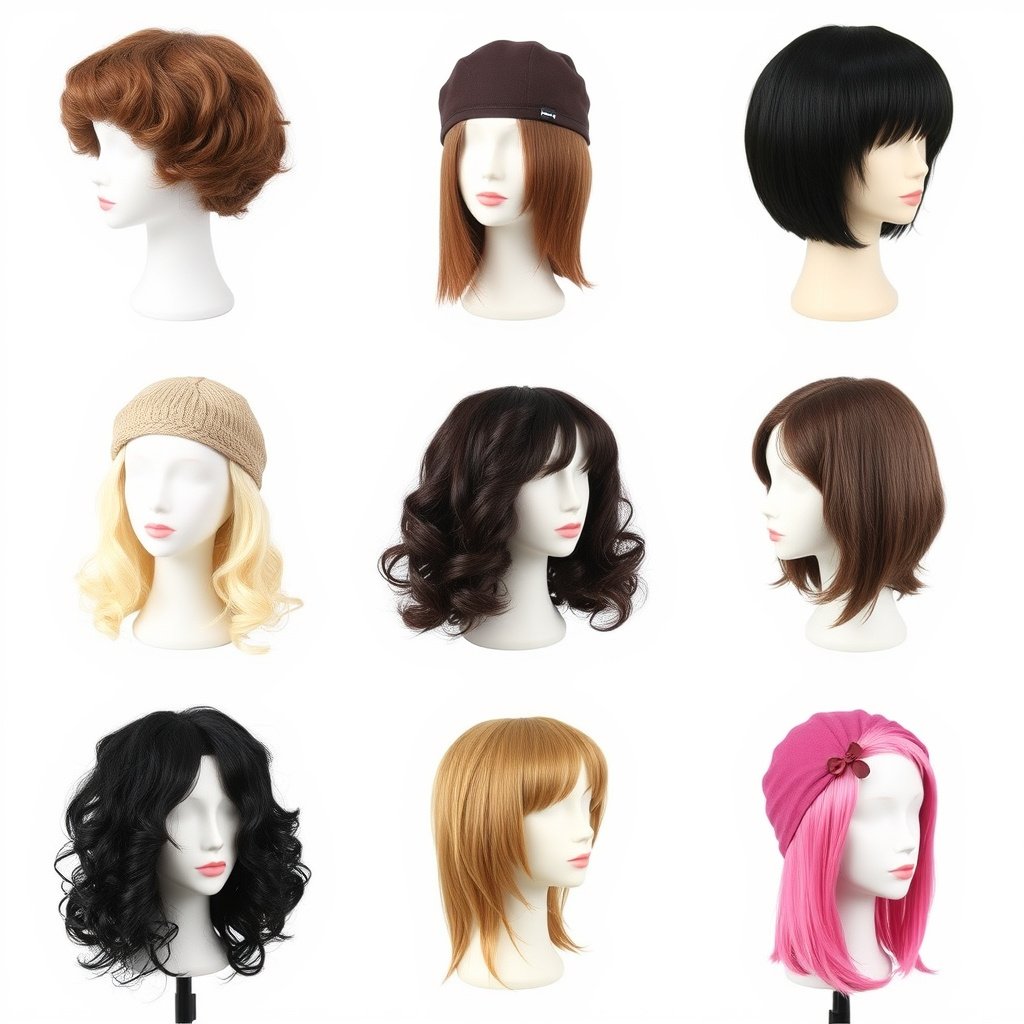
Benefits of Wig Caps for Secure Fit
Wig caps act as a foundation that holds your natural hair flat, creating a smooth surface that helps the wig grip better. They reduce slippage and provide a barrier between the scalp and wig, improving comfort during wear.
Caps come in different materials such as nylon, mesh, and cotton, each offering varying breathability and elasticity. Selecting the best wig cap for secure fit depends on your hair type and intended wig style.
- Nylon caps offer strong stretch and grip
- Mesh caps provide ventilation
- Cotton caps absorb sweat and reduce scalp irritation
Selecting Caps Based on Hair Type
If you have thick or coarse hair, thicker wig caps with more grip might be necessary to flatten the hair effectively. For fine or short hair, lightweight caps can prevent excessive bulk under the wig.
For braided or natural hair styles, caps that accommodate volume without flattening are ideal to maintain hairstyle integrity while ensuring the wig stays secure.
Using Adjustable Straps and Combs
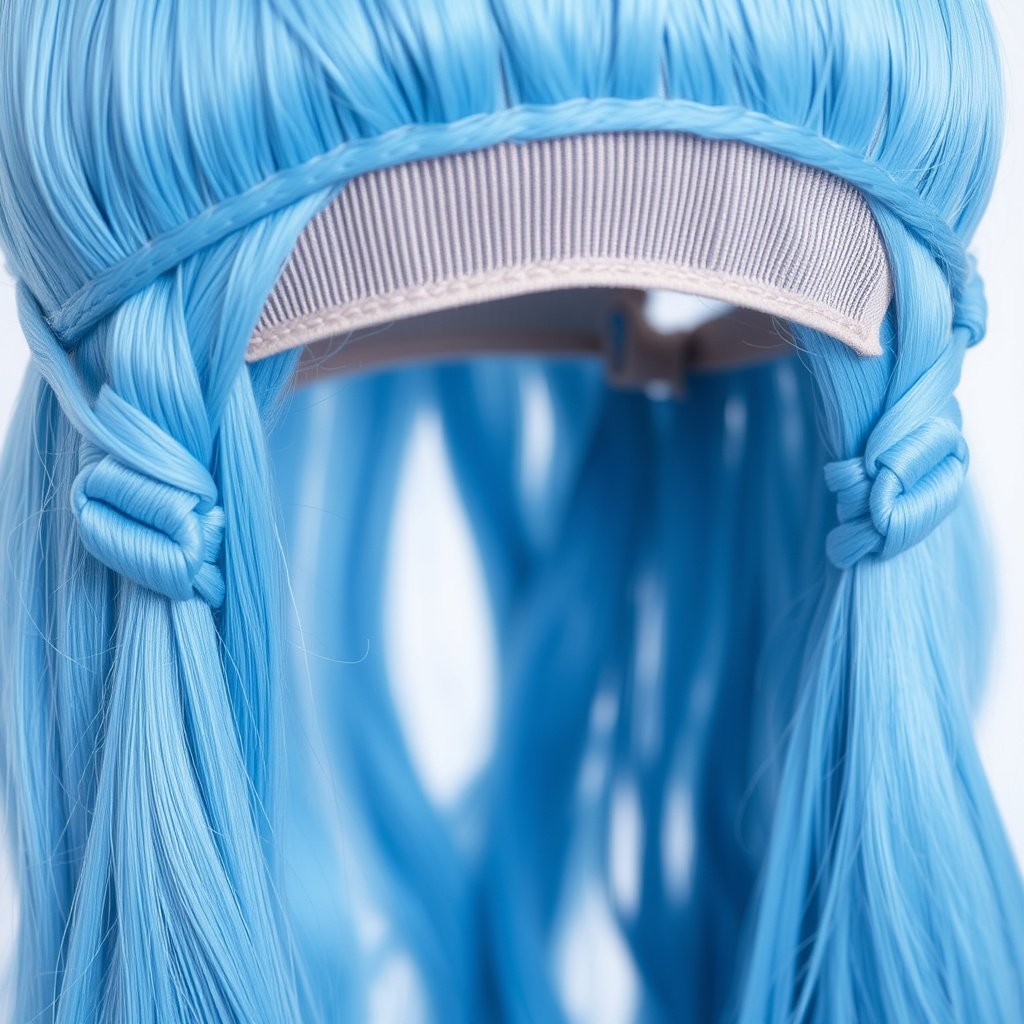
How Adjustable Straps Improve Wig Security
Most wigs come equipped with adjustable straps inside the cap that allow you to customize the fit. Tightening these straps improves stability by conforming the wig snugly to your head shape, reducing movement.
Adjustable straps are an easy, reusable way to avoid adhesives, and when combined with other methods like caps or combs, they enhance overall wig retention.
Embedding Combs into Your Wig
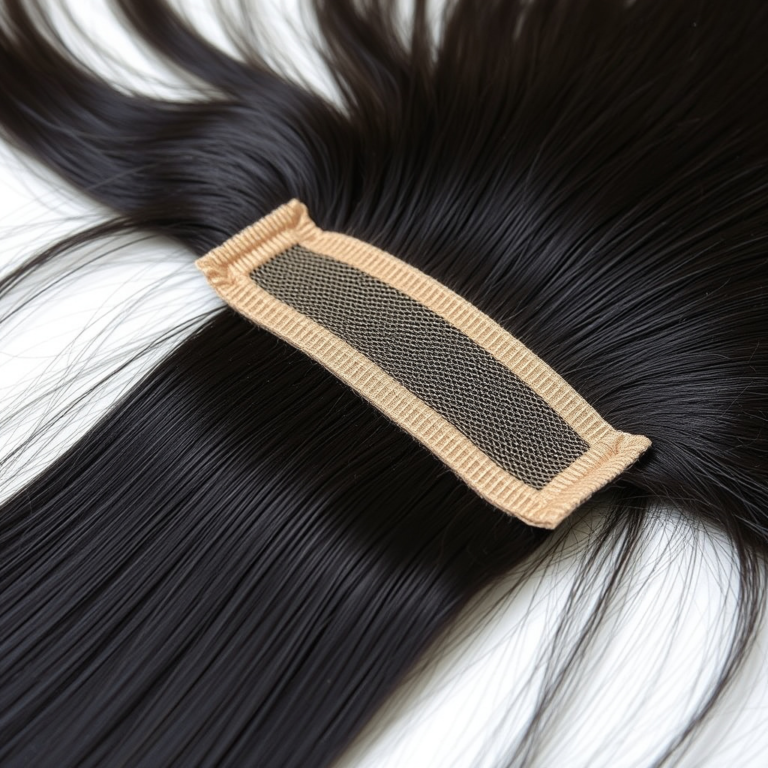
Sewing or fastening combs along the wig’s interior edges can anchor the wig directly to your natural hair. Placing combs at the temples and crown helps distribute tension evenly and prevent slippage during physical activity.
Combs are lightweight and nearly invisible under the wig, making them a discreet security option preferred for longer wear periods.
- Use metal or plastic combs depending on comfort
- Secure combs firmly but avoid pulling hair uncomfortably
Wig Bands and Headbands for Added Hold
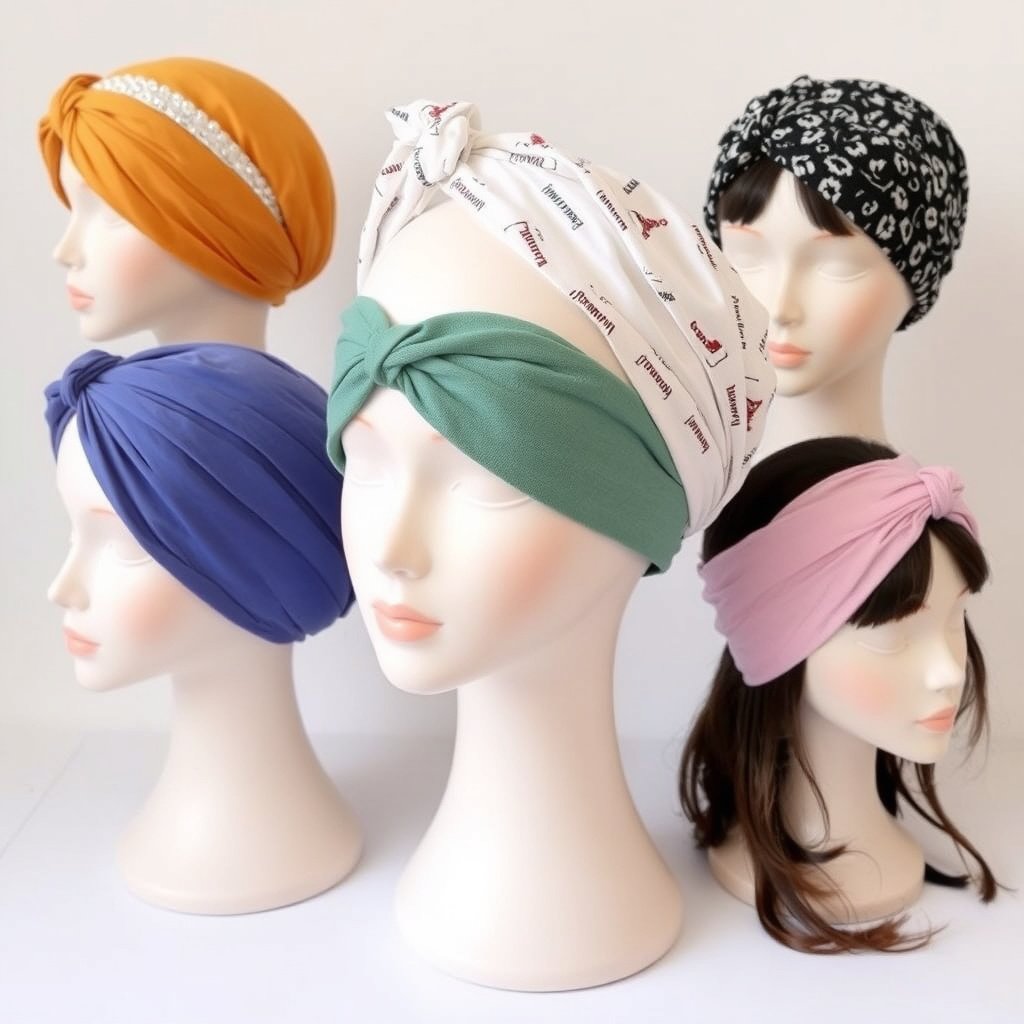
How Wig Bands Help Secure Without Glue
Wig bands are elastic bands worn around the hairline underneath a wig, offering friction that secures the wig’s edges. They are especially useful for lace front wigs to keep the lace flat and prevent lifting.
These bands come in various textures, from silicone-lined to soft fabrics, catering to different comfort and hold levels.
- Silicone-lined bands for strong grip
- Cotton bands for comfort during long wear
- Velvet bands to reduce motion
For more on this, see our related guide: How to Keep a Wig from Slipping: Effective Tips for Secure Wear.
Styling with Headbands for Security and Flair
Headbands positioned over the wig’s front can press the wig securely against the scalp, offering additional hold and an opportunity for styling. This method works well for casual or sporty looks.
Choosing headbands made of non-slip materials ensures your wig remains secure and adds an accessory touch without adhesive.
Braiding and Natural Hair Preparation
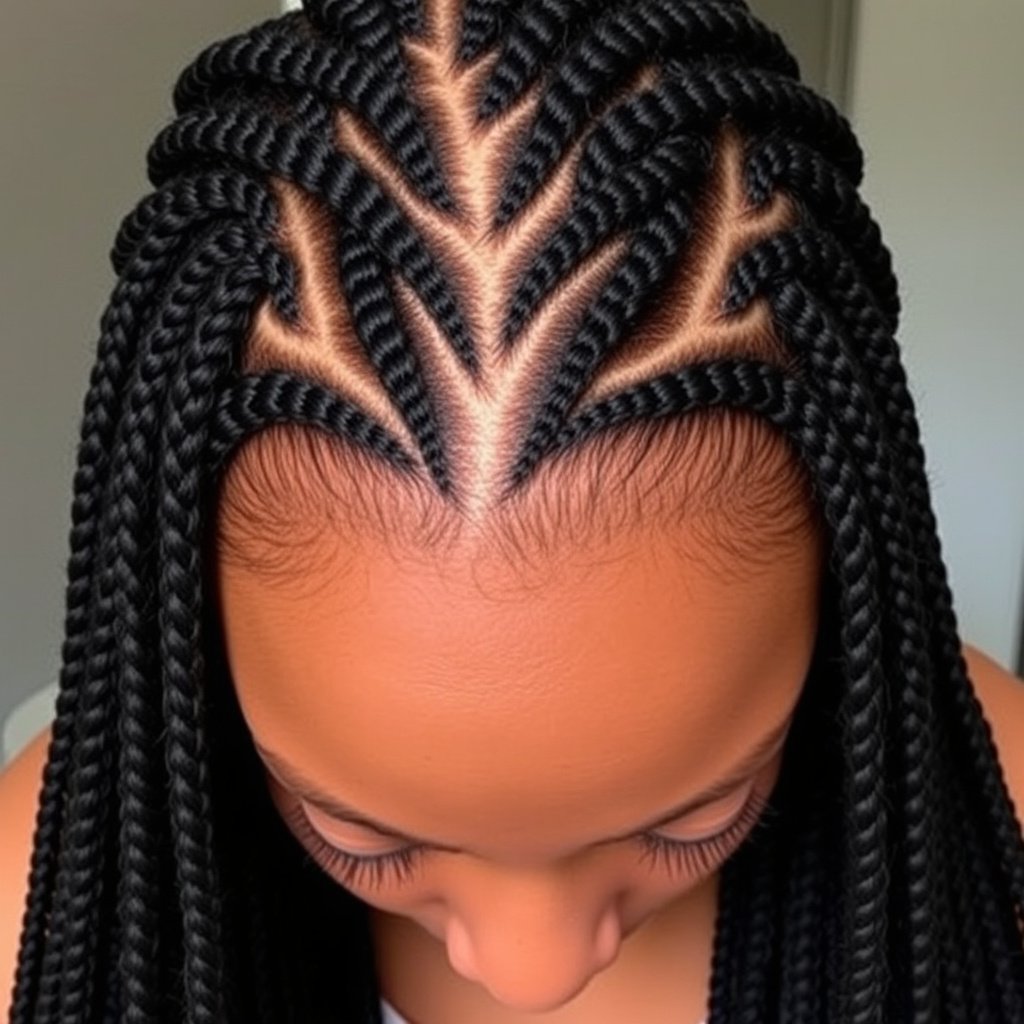
Preparing Hair to Support Wig Placement
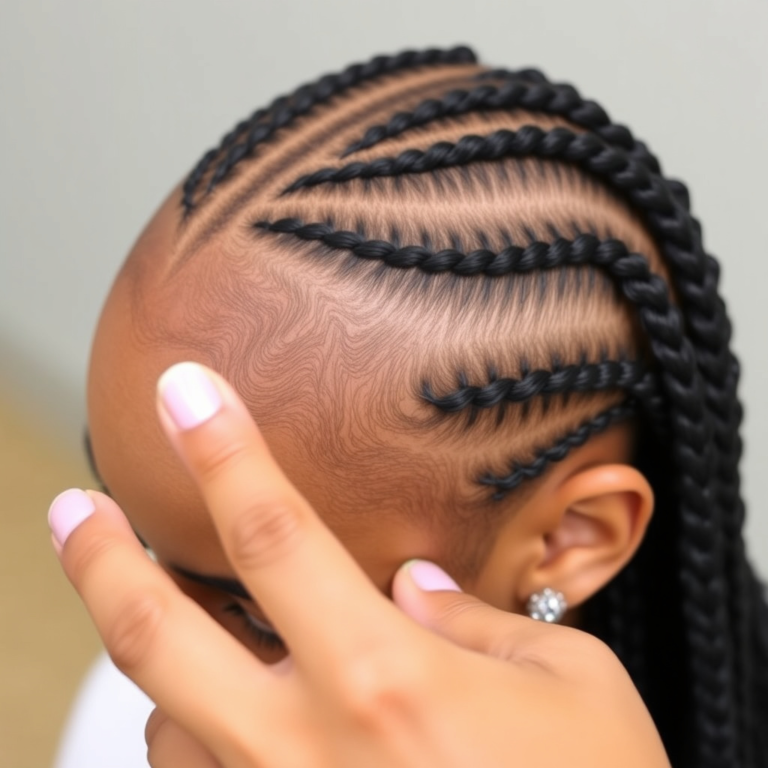
Properly preparing your natural hair by braiding or cornrowing creates a flat base for your wig, reducing bulk and enabling a firmer grip. These styles help minimize wig sliding and allow combs or clips to anchor better.
Using a wig cap over braids further stabilizes hair and prevents friction, leading to a more comfortable and secure hold.
Using Bantu Knots and Other Styles
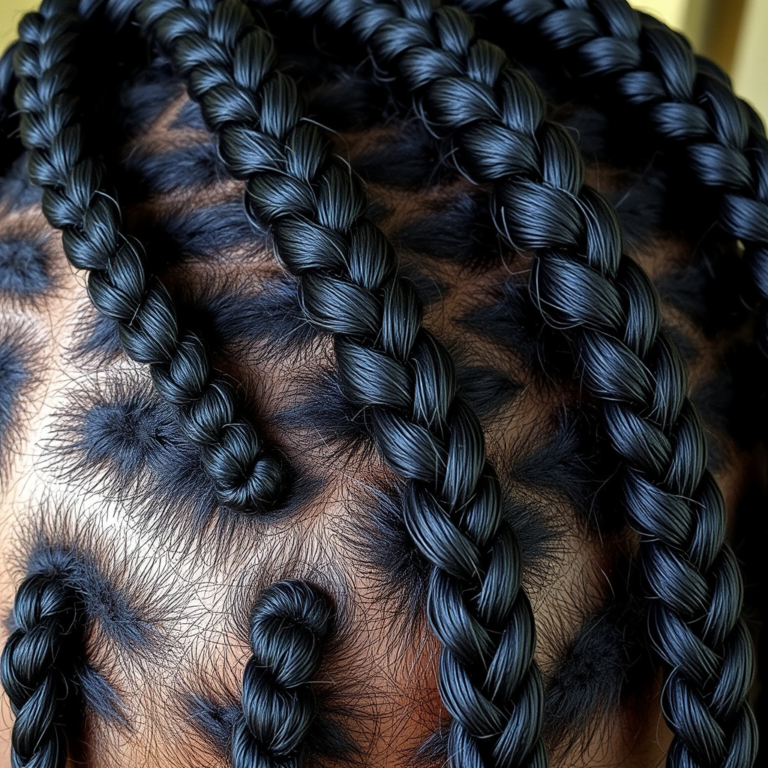
Bantu knots or similar tight styles can be effective under wigs but may require specific wig caps with extra stretch. These styles give a firm foundation and can protect your hair from damage or tangling.
Carefully adjusting the wig around such hairdos prevents gaps and ensures the wig lies smoothly.
Alternative Products and Techniques
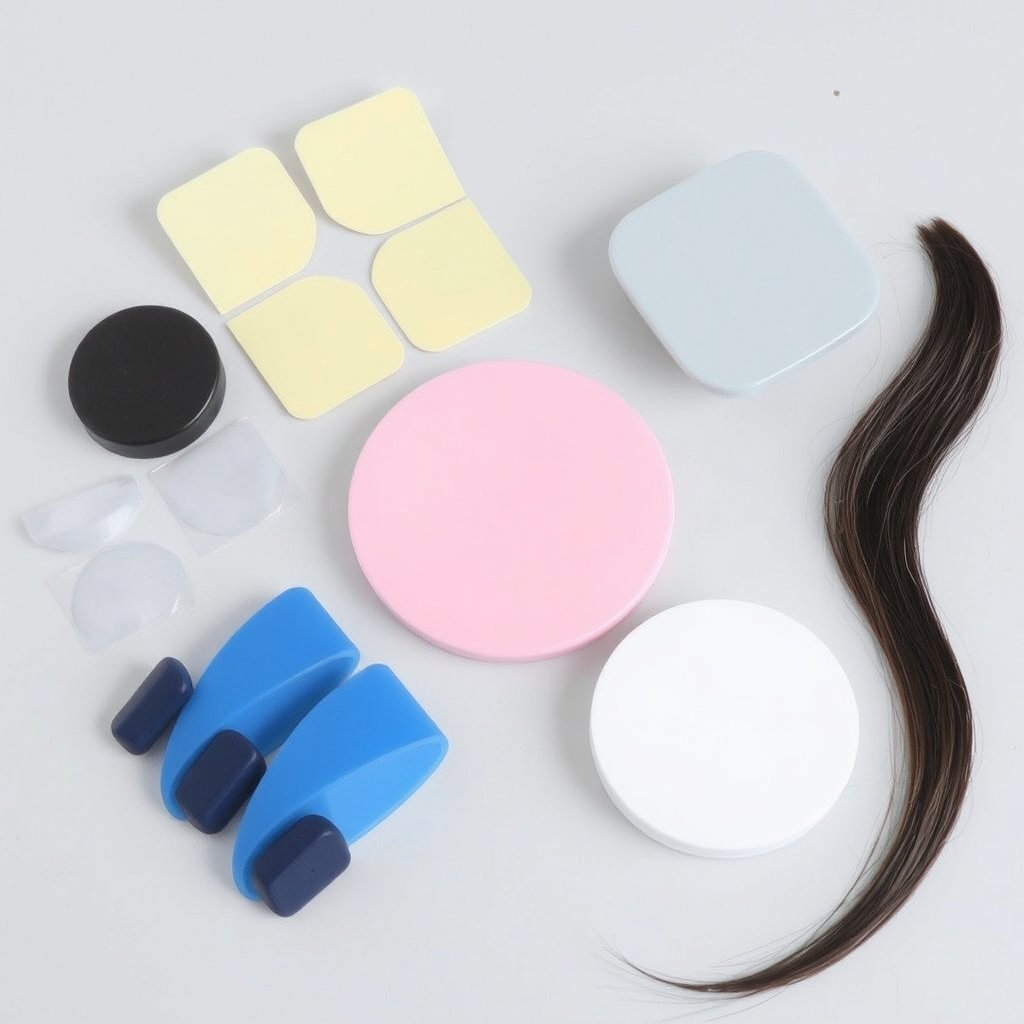
Silicone Wig Grips for Non-slip Hold
Silicone wig grips are bands wrapped around the head that provide extra traction between your scalp and the wig cap. They are reusable, wash easily, and cause no irritation unlike glue.
These grips work well in conjunction with adjustable straps and combs for a multi-layered secure fit, especially for those who wear wigs daily.
- Affordable and durable
- Available in different sizes
For more on this, see our related guide: How to Melt Lace on a Wig for a Seamless, Natural Hairline.
Using Hairpins and Clips Strategically
Strategic placement of hairpins or wig clips along the hairline or inside the wig enhances stability. Pins should be inserted carefully to avoid damaging the wig fibers or causing discomfort.
Combining pins with braided hair provides a strong anchor and reduces shifting, useful for active lifestyles.
- Use wig-specific pins to avoid slippage
- Avoid excessive pinning that could damage wig base
Maintaining Comfort While Securing Your Wig

Balancing Security and Scalp Health
While securing a wig tightly is important, maintaining scalp comfort prevents headaches or irritation. Looser adjustable straps and breathable caps help strike this balance.
Regular scalp cleansing, moisturizing, and avoiding overly tight combs or pins preserves scalp health even with extended wig wear.
For a detailed overview of wig history and construction, see Wig Basics on Wikipedia. Wig Basics on Wikipedia.
Choosing Breathable Materials
Selecting caps and bands made from breathable fabrics like mesh or cotton enhances airflow, preventing sweat buildup and itching under the wig. This is especially important in warm environments.
Comfort features don’t need to sacrifice security; products designed specifically for wigs optimize both aspects.
Methods to Secure a Wig Without Glue: Category Comparison
Here’s a comparison of common non-glue wig securing methods highlighting key features to help you find the best fit.
| Method | Ease of Use | Comfort Level | Security Strength | Cost |
|---|---|---|---|---|
| Wig Caps | Easy | High | Moderate | Low |
| Adjustable Straps & Combs | Moderate | High | High | Low |
| Wig Bands and Headbands | Easy | Moderate | Moderate | Low |
| Silicone Wig Grips | Easy | High | High | Moderate |
| Hairpins and Clips | Moderate | Moderate | High | Low |
Frequently Asked Questions
Can I secure a wig without adhesive if I have oily skin?
Yes, using adjustable straps, wig caps, and silicone grips can secure your wig effectively without glue, which helps prevent irritation and maintains comfort for oily skin types.
Are wig caps necessary for securing a wig without glue?
While not always required, wig caps improve grip by flattening hair and providing a smooth surface, making it easier to secure your wig without adhesive.
How do combs inside a wig help keep it in place?
Combs anchor the wig to your natural hair by gripping strands near the scalp, preventing the wig from shifting during wear without the need for glue.
Is it safe to use hairpins to secure wigs?
Yes, when used carefully, hairpins can safely secure wigs by attaching them to natural hair, but avoid excessive pinning to prevent damage to both hair and wig.
What wig cap material is best for summer wear?
Mesh or lightweight cotton wig caps are best for summer as they offer breathability and reduce sweat buildup under the wig, improving comfort during hot weather.
Key Takeaways
- Wig caps provide a smooth base that enhances wig grip without glue.
- Adjustable straps and combs offer stable mechanical anchoring inside the wig.
- Wig bands and silicone grips add friction to prevent slippage safely.
- Proper hair preparation like braiding allows better wig attachment.
Conclusion
When deciding how to secure a wig without glue, consider your hair type, lifestyle, and comfort preferences. Implementing a combination of wig caps, adjustable straps, and combs typically offers a reliable, natural hold. These methods avoid the risks and hassles of adhesive products, making wig-wearing more enjoyable and less damaging.
For daily wearers with active routines, using silicone wig grips alongside woven caps can provide superior hold without scalp irritation. Meanwhile, those needing occasional security might prefer basic adjustable straps combined with a snug wig band. Preparing your natural hair with braids or cornrows also plays a crucial role in maintaining wig stability during any activity.
To secure your wig comfortably and confidently without glue, start by selecting the best wig cap for secure fit, then add internal combs for anchoring. Supplement with wig bands or silicone grips if extra hold is required. These practical steps afford both durability and comfort, giving you peace of mind while showcasing your style naturally.