How to Do a Braid Out: Step-by-Step Guide for Defined Natural Curls
A braid out is a styling method that creates defined, textured waves or curls by braiding damp hair and letting it dry before unraveling the braids. This technique shapes your natural hair without heat, making it a popular choice for maintaining healthy curls with added volume and definition.
Doing a braid out matters because it helps stretch natural curls, reduce shrinkage, and results in a lightweight look that can last multiple days. It's also versatile, as you can vary braid size and pattern to customize your curl pattern and overall style.
This article will cover the detailed steps for doing a braid out, including preparation, product recommendations, braiding techniques, drying tips, and maintenance advice. You'll learn how to create a long-lasting braid out that enhances your natural curl texture.
Preparing Your Hair for a Braid Out

Washing and Conditioning
Start with clean, detangled hair by washing with a sulfate-free shampoo and a moisturizing conditioner. This ensures hair is free from product buildup and dirt, which can affect the final look of your braid out.
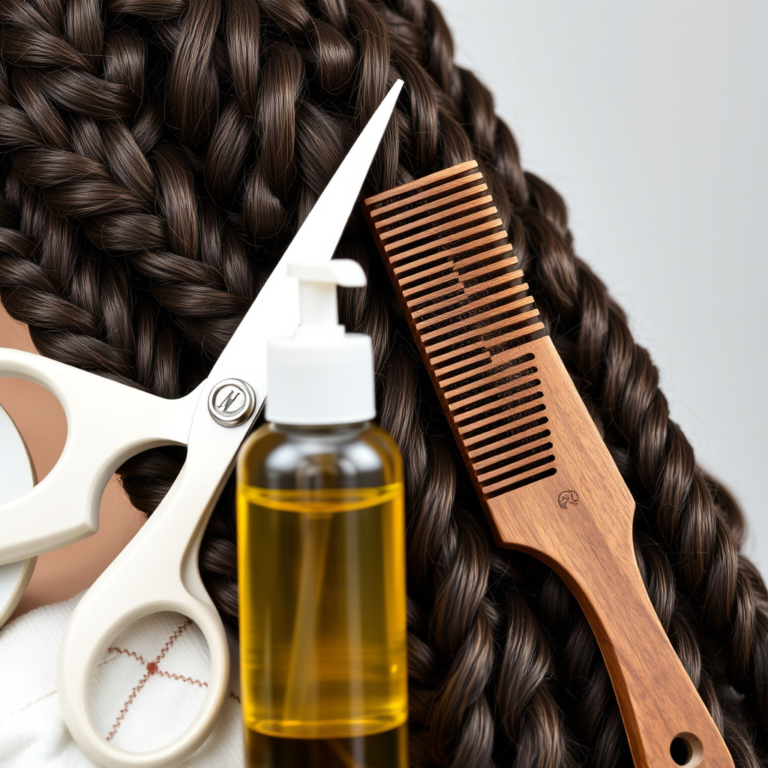
Use a wide-tooth comb or your fingers to gently detangle while conditioning, reducing breakage and making the hair easier to braid.
- Sulfate-free shampoo to limit dryness
- Moisturizing conditioner to soften strands
- Wide-tooth comb or fingers for detangling
Applying Leave-In and Styling Products
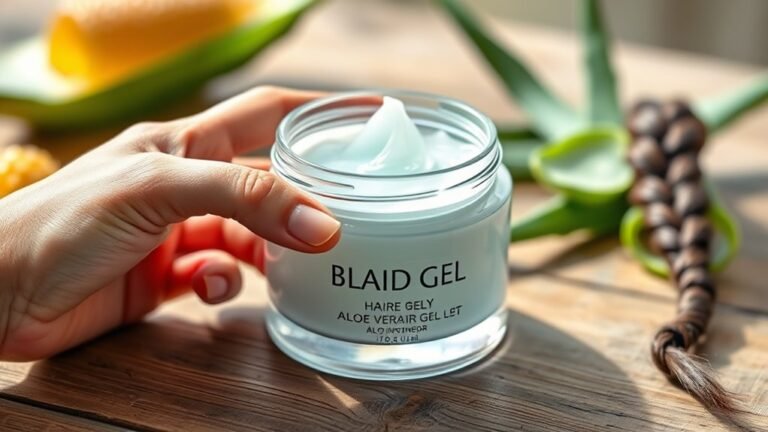
After rinsing, apply a leave-in conditioner to keep hair hydrated and pliable. Add a styling cream or gel formulated for natural hair to help hold the braid pattern and define curls.
Distribute products evenly from roots to ends to avoid clumps. This layering of moisture and hold products supports long-lasting definition.
- Use a lightweight leave-in conditioner
- Choose styling products based on your curl type
- Apply evenly for consistent hold
Braiding Techniques for a Successful Braid Out

Sectioning Your Hair
Divide your hair into equal-sized sections depending on how tight or loose you want your curls. Smaller sections create tighter curls, while larger sections result in looser waves.
Use clips or hair ties to keep sections separated and manageable before braiding each one.
- More sections for tighter curls
- Fewer sections for bigger waves
- Keep sections neat for consistent results
For more on this, see our related guide: Services Offered by Kelly’s Dominican Hair Salon Matthews: A Complete Guide.
Braiding Styles and Patterns
Classic three-strand braids are the easiest and most common technique. For more volume, try chunky braids or flat twists as alternatives that also mimic different curl patterns once unraveled.
Ensure braids are firm but not too tight to prevent tension on your scalp and allow natural hair movement.
- Classic three-strand braids for defined waves
- Flat twists for natural-looking curls
- Avoid overly tight braids to protect scalp
Drying Your Hair for a Crisp Braid Out
Air Drying Method
Allow your braids to air dry completely to minimize frizz and heat damage. This can take several hours to overnight depending on hair thickness and environmental humidity.
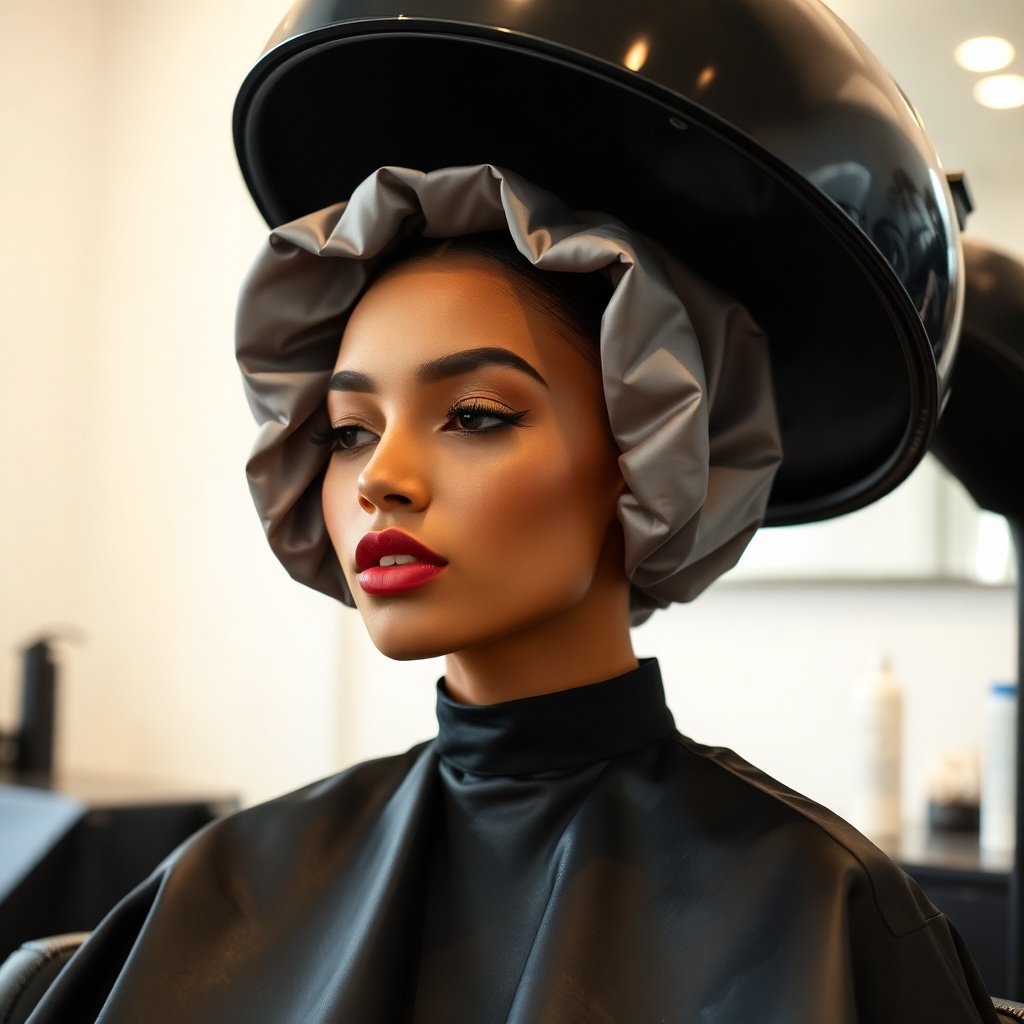
Covering your hair with a satin bonnet or scarf during drying preserves moisture and prevents frizz.
- Patience required for full drying
- Use satin bonnet to maintain smoothness
- Avoid touching braids until fully dry
Using Heat Tools Safely
If you prefer faster drying, use a hooded dryer on low heat to avoid drying out hair strands. Keep the dryer at a comfortable distance and never apply direct heat for too long.
Always apply a heat protectant spray prior to any heat drying to maintain hair health.
- Choose low heat settings
- Maintain safe distance with heat tools
- Use heat protectant to prevent damage
Unraveling and Styling Your Braid Out
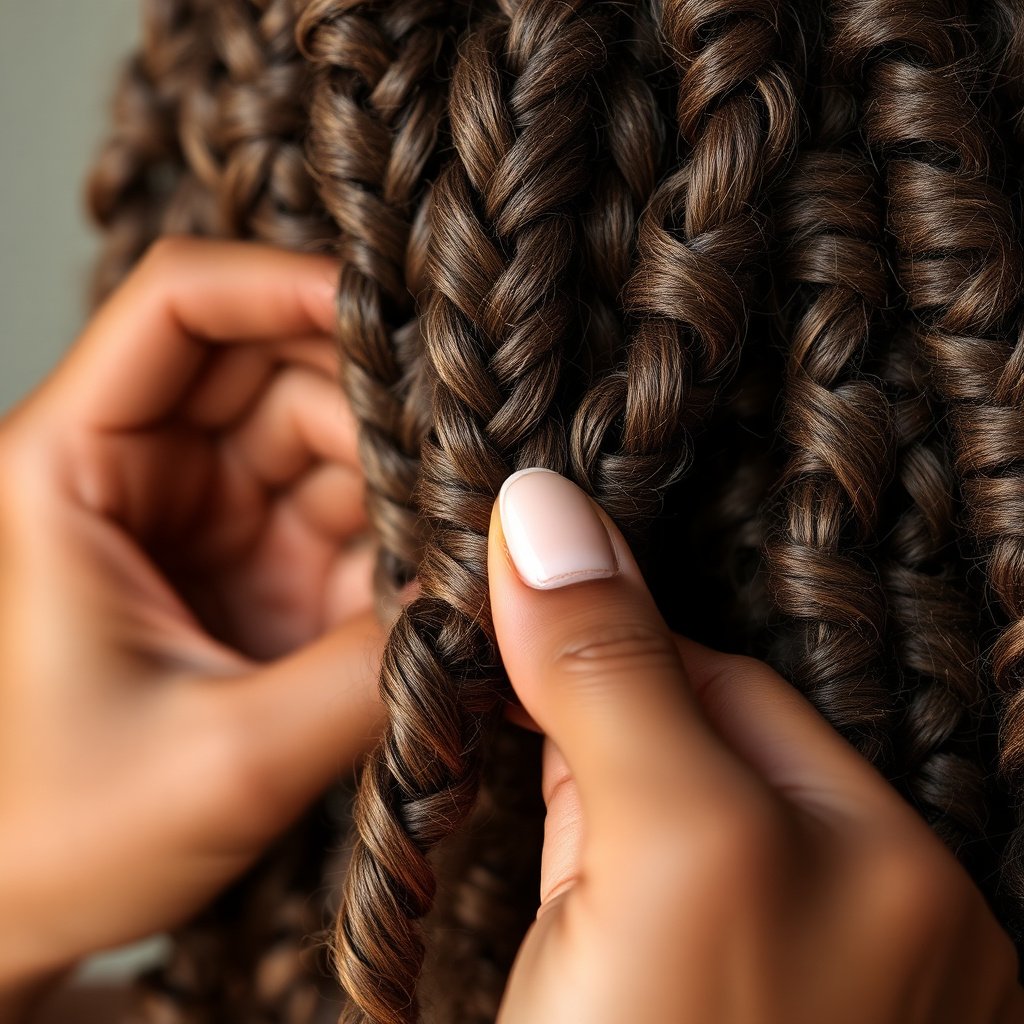
Detangling Gently
Once hair is fully dry, carefully unravel each braid to reveal the curl pattern. Use your fingertips or a wide-tooth comb to gently separate the curls without causing frizz.
Avoid rushing this step, as aggressive combing may ruin the definition you've worked for.
- Patience prevents frizz
- Use fingers or wide-tooth comb
- Work from ends upward
For more on this, see our related guide: Do Wigs Damage Your Hair? The Complete Answer.
Refining and Shaping
To add volume, gently lift roots with your fingers or a pick comb. Use light hair oil or serum to smooth flyaways and add shine without weighing curls down.
Style as desired, whether leaving your braid out loose or pinning sections for a unique look.
- Add volume at roots for fullness
- Apply light oil to tame frizz
- Experiment with updos or half-up styles
Maintaining and Refreshing Your Braid Out

Nighttime Care
Protect your braid out overnight with a satin bonnet or pillowcase to reduce friction and preserve curl definition.
Lightly mist hair with water or a moisturizing spray to refresh curls and prevent dryness before bed.
- Satin material prevents frizz
- Moisturizing sprays revive curls
- Avoid rough cotton pillowcases
For more detailed information on braid out styling techniques, you can visit this informative page. braid out styling techniques.
Refreshing Techniques Between Washes
Use water mixed with conditioner in a spray bottle to revive curls midweek. Scrunch curls gently to reform definition without rebraiding.
Avoid heavy products that weigh hair down and cause buildup.
- Light water and conditioner spray
- Scrunch curls carefully
- Minimal product use to avoid buildup
Braid Out Techniques Comparison
Here’s how different braid out techniques compare in terms of curl tightness, drying time, and maintenance.
| Technique | Curl Tightness | Drying Time | Maintenance Level |
|---|---|---|---|
| Small Three-Strand Braids | Tight curls | 8-12 hours air dry | Medium |
| Large Three-Strand Braids | Loose waves | 6-8 hours air dry | Low |
| Flat Twists | Defined curls | 8-10 hours air dry | Medium |
| Chunky Braids | Voluminous waves | 6-8 hours air dry | Low |
| Heat-Assisted Braids | Varies with heat | 1-2 hours with dryer | High |
Frequently Asked Questions
Can I do a braid out on dry hair?
A braid out works best on damp hair because it sets the pattern as hair dries. Performing it on dry hair usually doesn't achieve the desired curl definition or hold.
How long does a braid out usually last?
A braid out typically lasts 3 to 5 days if properly maintained with nighttime protection and moisturizing sprays to keep curls defined and frizz-free.
Is it necessary to use styling gel for a braid out?
Using a styling gel or cream helps hold the braid shape and reduce frizz, but it's not mandatory. Some prefer just leave-in conditioners or light creams depending on hair type.
How tight should the braids be?
Braids should be firm enough to hold shape but not so tight they cause scalp discomfort or hair breakage. A comfortable tension promotes health and styling longevity.
Can braid outs damage my hair?
Braid outs are generally low-damage when done gently and without excessive tension. Consistently tight braids or improper detangling can cause breakage over time.
Key Takeaways
- Prep hair with moisture and detangling before braiding
- Choose braid size based on desired curl pattern
- Allow braids to dry fully for best definition
- Protect and refresh braid out to extend longevity
Conclusion
Deciding how to do a braid out effectively requires attentive preparation and careful handling throughout the entire process, from washing and product application to braiding and drying. The main goal is to preserve moisture and define curls without applying heat or tension that could damage the hair. By tailoring braid size and choosing suitable styling products, you craft a look that showcases your natural texture in a healthy, durable way. This approach prioritizes hair health alongside aesthetics, creating a styling routine that balances both beautifully.
When selecting a method, consider your curl preference and maintenance capacity. Small three-strand braids produce tighter defined curls but require longer drying times and moderate upkeep. Conversely, large braids or chunky braids offer looser waves and easier maintenance, ideal for low-effort styles with a more relaxed finish. Flat twists present an excellent alternative for those seeking a natural curl pattern with volume. For quick styling, heat-assisted braid drying can speed the process but demands protective measures to avoid hair damage. Choosing your method depends on lifestyle, hair type, and the look you want to achieve.
To start, focus on washing and conditioning your hair thoroughly, then apply a leave-in conditioner and styling cream suited to your curls. Section methodically, braid with comfortable tension, and allow your hair to dry fully by air or under gentle heat. Protect your braid out overnight and refresh as needed with light sprays and oils. These steps combined form a practical routine that enhances curls and extends style life. Taking these actions moves you from simple styling to mastering a braid out that delivers beautiful, healthy results.