How to Do Tribal Braids: Step-by-Step Guide for Authentic Styles
Tribal braids are a distinctive style that involves intricate braiding patterns, often inspired by traditional cultural designs. To do tribal braids, start by separating the hair into precise sections, then braid tightly close to the scalp, often incorporating cornrows or box braids, depending on the desired pattern. Mastery involves skillful parting, consistent tension, and sometimes the addition of hair extensions for length and volume.
This style not only offers a striking visual appeal but also serves functional purposes like hair protection and cultural expression. Understanding the basics of tribal braiding empowers you to recreate these unique hairstyles accurately, whether for personal style or cultural homage.
In this guide, you’ll find detailed instructions on preparing your hair, selecting the right tools and products, techniques for various tribal braid patterns, maintenance tips, and advice on common mistakes to avoid. By the end, you’ll be confident in doing tribal braids yourself or assisting others.
Preparing Your Hair for Tribal Braids

Cleansing and Detangling
Start with clean and well-conditioned hair for easier braiding. Use a sulfate-free shampoo to avoid dryness, followed by a moisturizing conditioner. Detangle the hair gently using a wide-tooth comb or finger detangling to minimize breakage.
Proper cleansing removes product buildup, which helps maintain the scalp’s health during the braiding process, especially important since tribal braids often stay in for several weeks.
- Use sulfate-free shampoo
- Apply deep conditioner
- Detangle with wide-tooth comb
Sectioning and Moisturizing
Parting the hair carefully determines the braid pattern. Use a rat-tail comb to create clean, sharply defined sections based on your desired tribal braid design. Applying a leave-in conditioner or hair oil to each section keeps hair hydrated and improves manageability.
Even moisture distribution reduces frizz and breakage during braiding, contributing to neat, lasting results.
- Use rat-tail comb for sharp parts
- Apply leave-in conditioner or oil
- Work in small sections for precision
Essential Tools and Hair Products for Tribal Braids
Tools Needed for Braiding
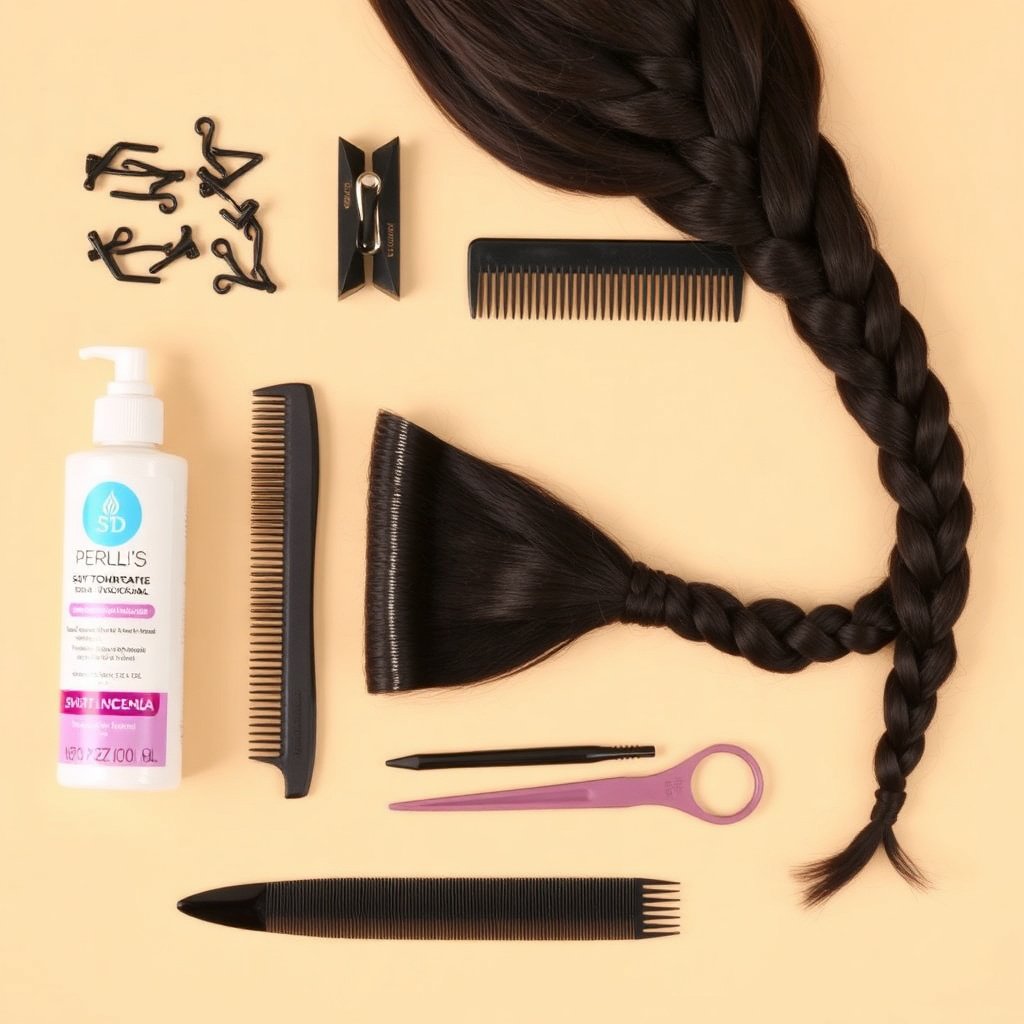
Gather tools such as a rat-tail comb for precise parting, hair clips to hold sections in place, and a soft brush for smoothing edges. Proper tools simplify the process and help maintain clean lines for authentic tribal braids.
Investing in a quality hair moisturizer and edge control gel will enhance the finished look and support braid longevity.
- Rat-tail comb
- Hair clips
- Soft hairbrush
- Edge control gel
Choosing the Best Hair Products for Braids
For tribal braids, use lightweight moisturizing sprays or natural oils like jojoba or argan to prevent dryness. Avoid heavy products that cause buildup since braids remain in for weeks.
A good holding gel or edge control product ensures neatness around the hairline without flaking or stiffness.
- Lightweight moisturizing sprays
- Natural oils (jojoba, argan)
- Non-flaky edge control
Techniques for Creating Authentic Tribal Braids

Cornrow Braiding Basics
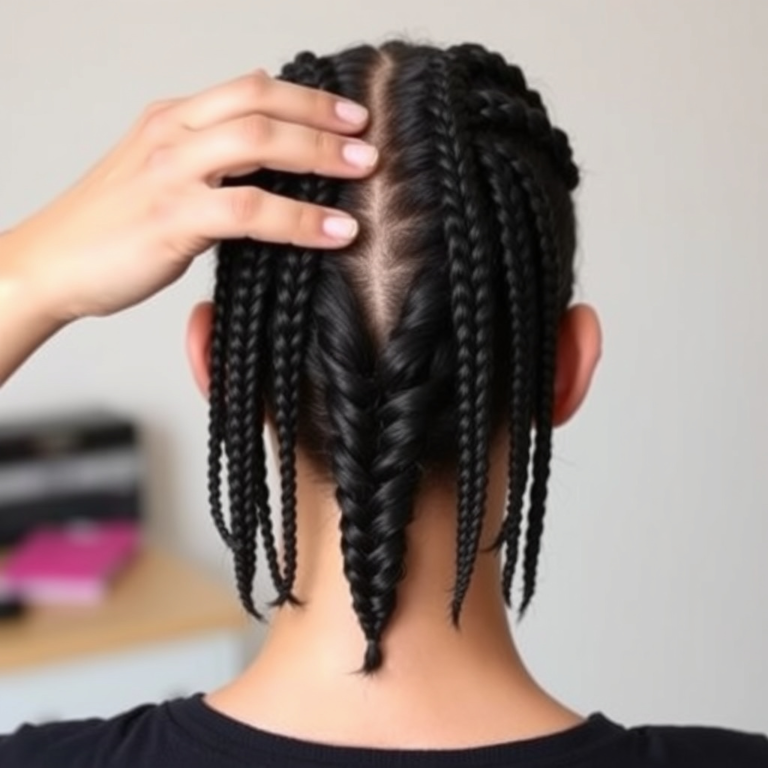
Cornrows form the foundation of many tribal braid styles. To start, section a small strand near the scalp, divide into three parts, and braid close to the scalp by adding hair from both sides as you braid.
Keep tension consistent to produce tight, uniform braids that define the tribal pattern's clean lines.
- Start at hairline or designated area
- Maintain even tension
- Add hair gradually on each braid pass
For more on this, see our related guide: Your Guide to Fulani Braids: Choosing With Confidence.
Incorporating Box Braids and Other Styles
Some tribal styles combine cornrows with box braids to create volume and variation in texture. Separate hair into square sections for box braids and braid down the length without adding hair.
This mixed approach creates more complex patterns and a fuller look that complements simple cornrows.
- Section hair into squares for box braids
- Braid without adding hair for box braids
- Combine styles for visual interest
Maintaining and Caring for Tribal Braids

Daily Maintenance Tips
Keep your scalp hydrated by applying a light oil or braid spray daily, focusing on the scalp and lengths. Cover your hair at night with a silk or satin scarf to reduce friction and preserve style.
Avoid heavy scratching or pulling which can loosen braids prematurely or irritate the scalp.
- Apply lightweight oil to the scalp
- Wear silk or satin scarf at night
- Avoid excessive manipulation
Cleaning and Longevity
Wash braids gently every 1-2 weeks using diluted shampoo and focus on the scalp. Rinse thoroughly and follow up with a light conditioner. This routine maintains scalp health without loosening braids.
Proper care can keep tribal braids neat for up to 6-8 weeks, depending on hair type and activity level.
- Dilute shampoo for gentle washing
- Focus on scalp cleaning
- Condition lightly after shampooing
Avoiding Common Mistakes When Doing Tribal Braids

Incorrect Sectioning and Tension
Uneven or sloppy sectioning disrupts the tribal pattern and creates an unbalanced look. Too much tension can cause scalp pain and hair damage, while too little results in loose braids that unravel quickly.
Always aim for sharp parts and consistent, firm yet comfortable tension to achieve authentic tribal braids.
- Use precise parting tools
- Maintain uniform tension
- Avoid tight braids that cause discomfort
For more on this, see our related guide: Braiding Hair Arlington TX: Your Local Shopping Guide.
Using Inappropriate Products
Avoid heavy creams or greasy products that create buildup and attract dirt. Using the wrong tools like a thick comb can create rough, uneven parts that detract from the clean design essential to tribal braids.
Select lightweight, residue-free products to keep braids fresh and scalp healthy.
- Choose lightweight, non-greasy products
- Use fine rat-tail comb for parting
- Avoid heavy waxes or pastes
Styling and Personalizing Tribal Braids
Adding Accessories and Color
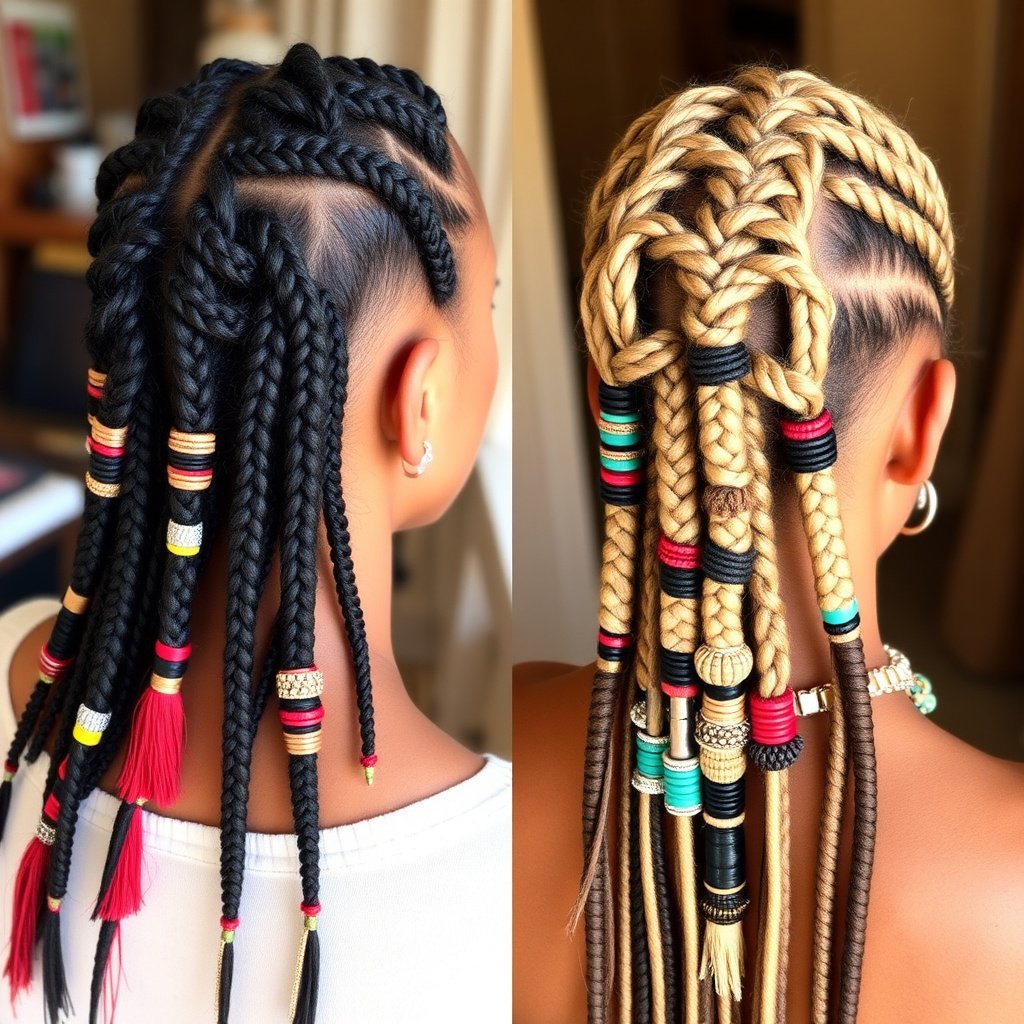
Incorporate beads, cowrie shells, or colored threads to personalize your tribal braids. Accessories can highlight specific braid sections and enhance the tribal aesthetic while maintaining the integrity of the braid pattern.
Experiment with different colors and textures to reflect your personality or cultural affiliations.
- Use beads and shells sparingly
- Wrap colored threads around braids
- Ensure accessories don't weigh down hair
For more on the origins and cultural significance of some tribal braid styles, read about the cornrow braid history. Cornrow braid history.
Blending Tribal Braids with Modern Styles
Combine traditional tribal braid patterns with modern hairstyles like buns, ponytails, or half-up designs. This fusion allows a flexible look that fits contemporary trends without losing cultural roots.
Modern styling can make tribal braids versatile for various occasions from casual to formal.
- Try braided buns or ponytails
- Mix cornrows with loose hair
- Use tribal braids as hairline accents
Tribal Braid Styles Category Comparison
Here’s a comparison of popular tribal braid styles to help you choose the best fit based on complexity, time required, and maintenance.
| Style | Complexity Level | Time to Complete | Maintenance Duration | Best For |
|---|---|---|---|---|
| Classic Cornrow | Medium | 1-3 hours | 4-6 weeks | Everyday wear, protective styling |
| Box Braids | High | 3-6 hours | 6-8 weeks | Long-lasting style, added volume |
| Fulani Braids | High | 3-5 hours | 4-6 weeks | Decorative style with bead accents |
| Knotless Braids | High | 4-6 hours | 6-8 weeks | Reduced scalp tension, natural look |
| Ghana Braids | Medium | 2-4 hours | 4-6 weeks | Bold geometric patterns |
Frequently Asked Questions
How long do tribal braids usually last?
Tribal braids typically last between 4 to 8 weeks, depending on hair care practices, braid tightness, and hair type. Proper maintenance can extend their lifespan while keeping the scalp healthy.
Can I do tribal braids on all hair types?
While tribal braids work best on textured or curly hair, many hair types can be braided using extensions or specific techniques. Adjusting braid size and tension helps accommodate different hair textures.
Is it necessary to use hair extensions for tribal braids?
Extensions are optional but often used to add length, volume, or color. They also help create uniform braids, especially if the natural hair is short or fine.
How do I prevent scalp irritation from tribal braids?
Avoid excessively tight braids, moisturize the scalp regularly, and use gentle cleansing methods. Taking breaks between braid sessions also allows the scalp to recover.
Can I wash my hair with tribal braids?
Yes, washing is important. Use diluted shampoo and focus on the scalp to maintain cleanliness. Avoid heavy scrubbing to prevent frizz or loosening of braids.
Key Takeaways
- Tribal braids require precise sectioning and even tension for authenticity.
- Lightweight, residue-free hair products support braid longevity and scalp health.
- Daily moisturizing and gentle washing maintain neatness and prevent damage.
- Accessories and styling options allow personalization without compromising the braid structure.
Conclusion
When learning how to do tribal braids, focus on accuracy in sectioning and consistent braiding technique to recreate authentic patterns. Balancing tension and using the right tools and products helps protect hair health and ensures the braids hold well over time. Understanding the cultural significance, paired with technical skill, results in a style that not only looks impressive but also honors tradition.
Consider your hair type and desired look when choosing between braid styles such as classic cornrows, box braids, or knotless braids. For beginners or those seeking manageable maintenance, classic cornrows and Ghana braids provide a good entry point. If you want longer-lasting volume and flexibility, box or knotless braids are excellent options. Be mindful to select suitable moisturizing products and sizing that match your comfort level and hair condition.
To begin your tribal braiding journey, prepare your hair carefully and gather necessary tools like a rat-tail comb and lightweight moisturizers. Practice on smaller sections for neatness before tackling more complex patterns. If you prefer, seeking guidance from an experienced braider or watching detailed tutorials can further refine your skill. With patience and care, you’ll master tribal braids and enjoy a versatile, eye-catching hairstyle.