How to Grow Natural Hair: Effective Tips for Healthy, Longer Hair
Growing natural hair requires a combination of proper care, patience, and techniques that support healthy scalp and hair follicle function. The main factors that influence natural hair growth include maintaining moisture, avoiding breakage, and stimulating the scalp to encourage new growth.
Understanding how natural hair grows and what it needs can prevent common issues like dryness, breakage, and slow growth. Many who wear natural hair face these challenges, which stem from the hair's unique texture and porosity. Tailoring your hair care to these needs makes a significant difference.
This article will explore the best methods to grow natural hair, focusing on hydration strategies, protective styling, scalp stimulation, and nutrition. It will also compare different hair care treatments and answer frequently asked questions about natural hair growth.
Hair Growth Fundamentals: Understanding How Natural Hair Grows
The Natural Hair Growth Cycle
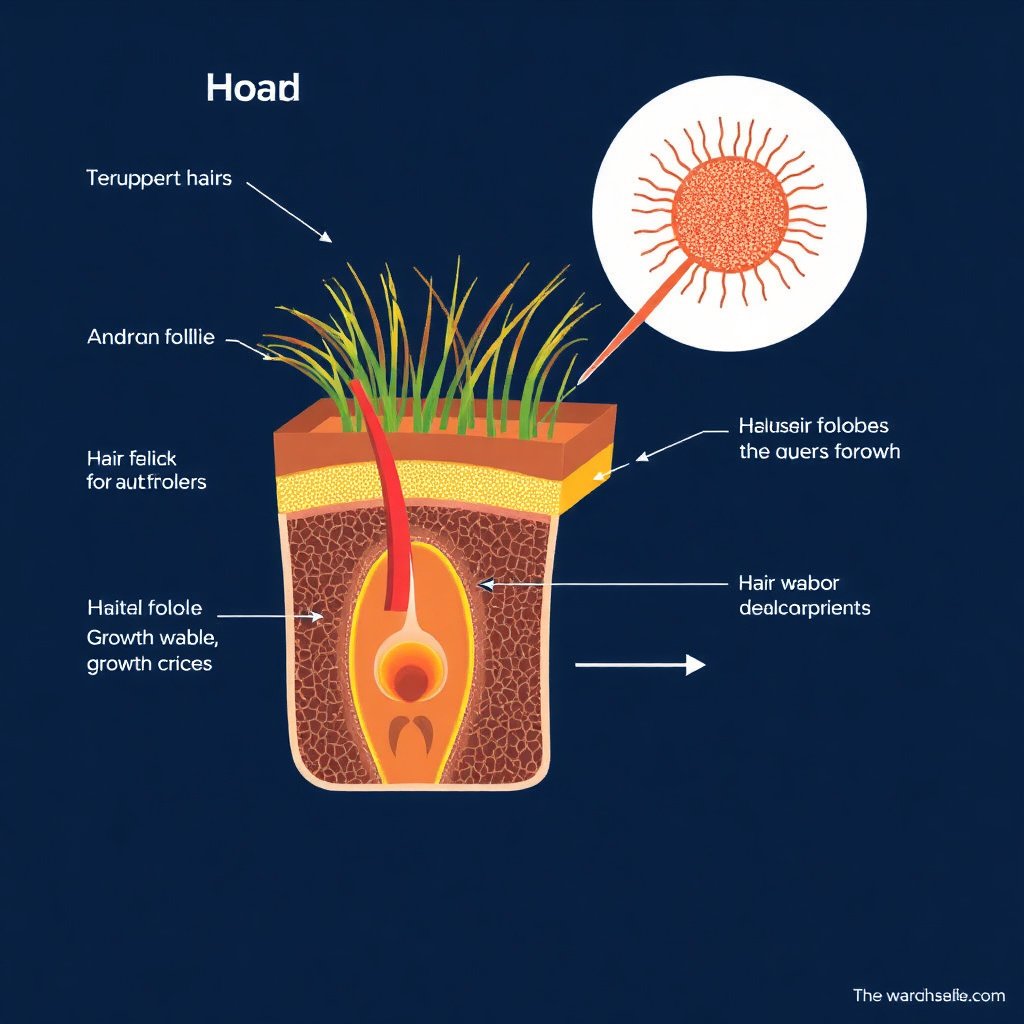
Natural hair grows in phases: anagen (growth), catagen (transition), and telogen (resting). The anagen phase typically lasts 2-6 years, determining hair length potential. Recognizing this cycle helps you be patient and focus on nourishing your hair.
Hair strands undergo shedding and replacement as part of normal growth. Interruptions like damage or poor scalp health can shorten these phases, leading to slower or uneven hair growth.
- Anagen phase: active hair growth
- Catagen phase: hair follicle transition
- Telogen phase: resting and shedding
Factors Affecting Natural Hair Growth
Genetics set the baseline for your hair's growth rate and texture, but external factors also play a major role. Diet, scalp cleanliness, stress levels, and hair care habits impact growth health.
Environmental stressors like harsh weather or chemical exposure can weaken hair strands and hinder growth. Prioritizing scalp health and protective measures boosts the chances of sustained growth.
Moisture and Hydration: Cornerstones of Natural Hair Growth
Daily Moisturizing Techniques
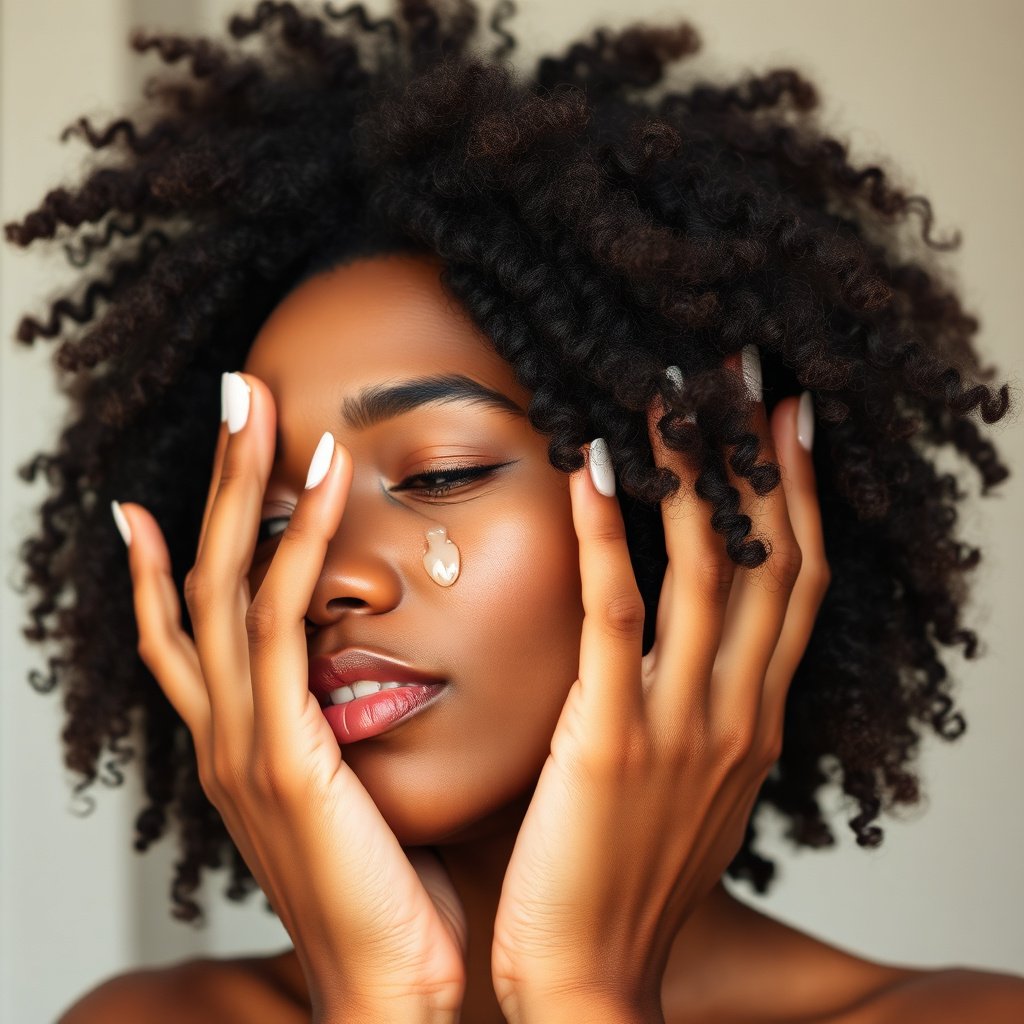
Natural hair thrives on moisture, which prevents brittleness and breakage. Using water-based leave-in conditioners and sealing with natural oils keeps strands hydrated and resilient.
Incorporate misting sprays or light water sprays into your daily routine, especially in dry climates. Avoid heavy products that cause buildup and weigh hair down.
- Use water-based moisturizers
- Seal with oils like jojoba or castor oil
- Avoid product buildup
Deep Conditioning Treatments
Scheduled deep conditioning treatments restore moisture and strengthen hair fibers. Ingredients like shea butter, coconut oil, and honey penetrate deeply to repair and nourish.
Apply deep conditioners once a week or biweekly. Cover your hair with a plastic cap and use gentle heat to boost absorption for effective results.
- Use rich moisturizing ingredients
- Apply heat to improve penetration
- Maintain regular treatment schedule
Protective Styling and Minimizing Breakage for Hair Growth
Choosing Protective Styles
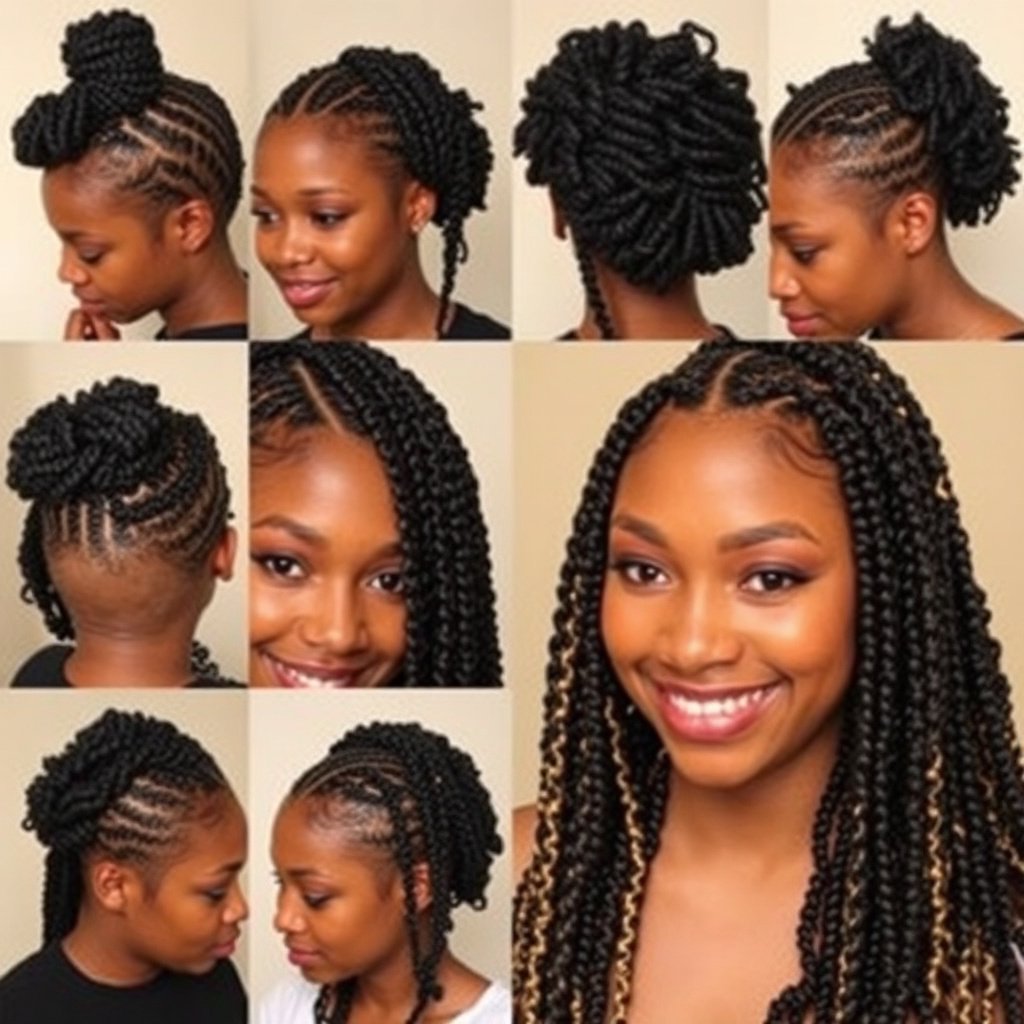
Protective styles like braids, twists, and buns shield hair ends from environmental damage and manipulation. They help reduce breakage and retain length when done gently.
Avoid overly tight styles that pull on the scalp and cause traction alopecia. Rotate styles regularly to give your hair breaks and prevent stress.
- Use non-damaging styles
- Avoid tight braids or ponytails
- Rotate styles to prevent damage
For more on this, see our related guide: How Often Should You Wash Natural Hair for Healthy Growth and Shine.
Handling Hair Gently
Detangling natural hair requires patience and proper tools. Use wide-tooth combs or fingers on damp hair with conditioner to minimize tugging and breakage.
Limit heat styling and harsh chemical treatments. Instead, opt for air drying or low-heat settings to preserve natural hair integrity.
- Use gentle detangling methods
- Limit heat styling
- Avoid harsh chemicals
Scalp Health and Stimulation to Boost Growth
Benefits of Scalp Massage
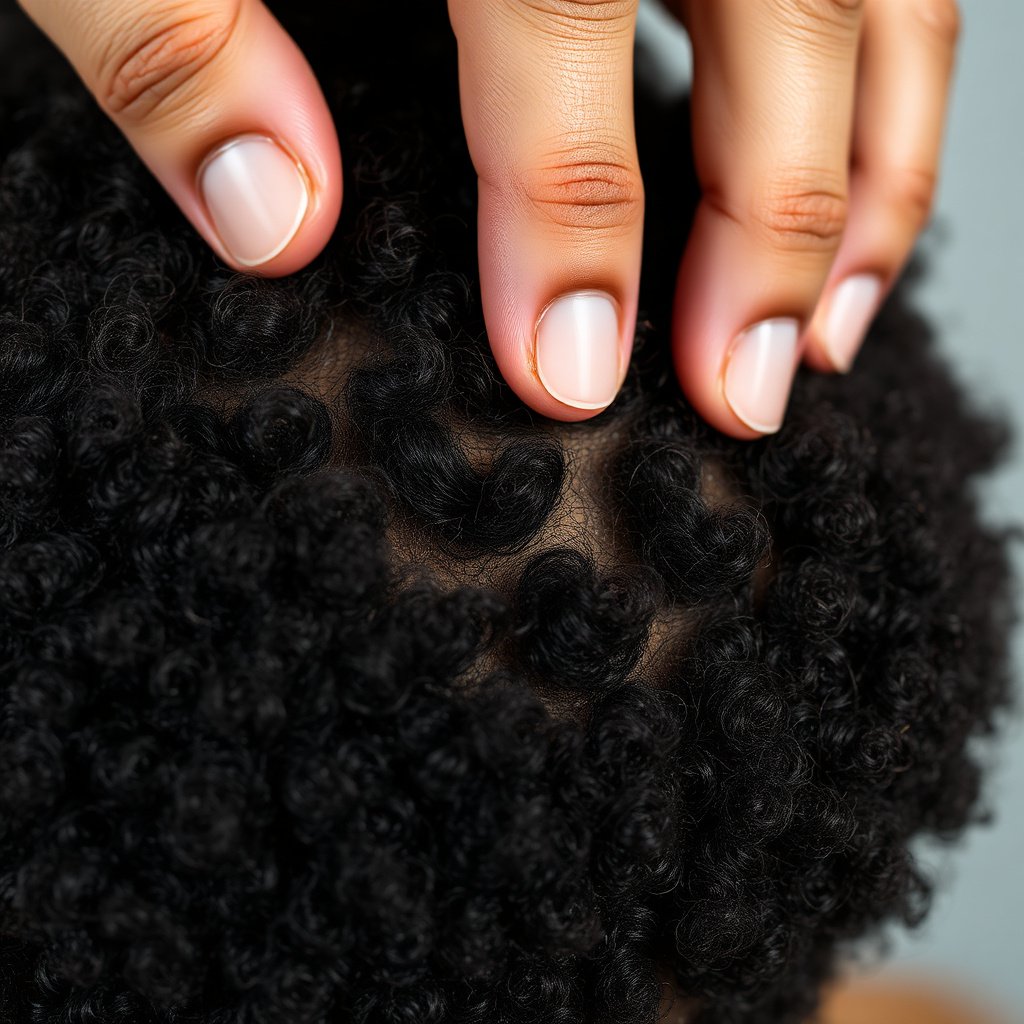
Regular scalp massage increases blood circulation to hair follicles, encouraging growth and strengthening roots. It also helps distribute natural oils evenly.
Incorporate oils like peppermint or rosemary during massages for their stimulating properties. Five to ten minutes a day can promote a healthier scalp environment.
- Boosts blood flow
- Distributes natural oils
- Use stimulating essential oils
Scalp Care Practices
Keep your scalp clean by washing regularly with gentle shampoos free from sulfates and harsh detergents. This prevents buildup that can clog follicles.
Avoid scratching or picking at the scalp to reduce irritation and inflammation, which can stunt hair growth. Use soothing treatments if dandruff or dryness occurs.
- Use gentle cleansers
- Prevent product buildup
- Avoid scalp irritation
Nutrition and Lifestyle Factors Influencing Natural Hair Growth
Dietary Essentials for Hair Growth
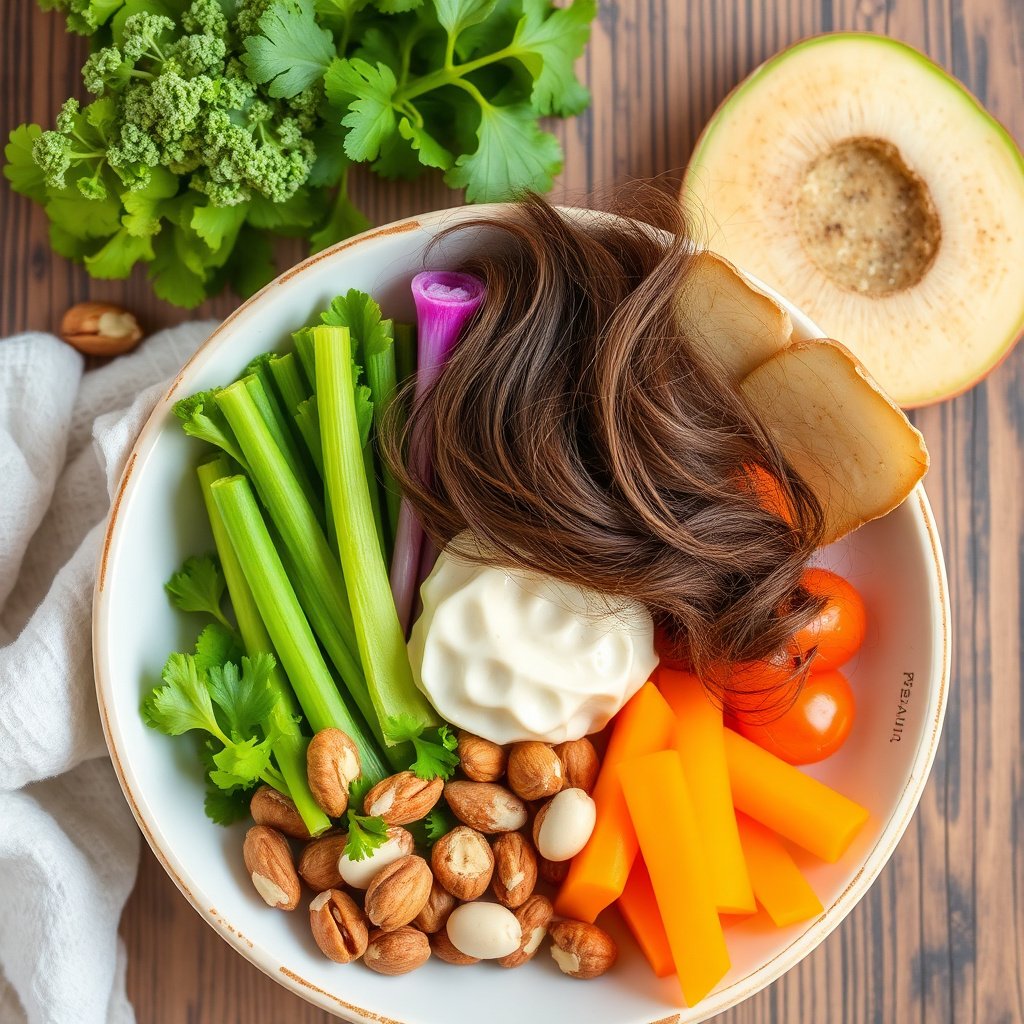
A balanced diet rich in vitamins A, C, D, E, iron, zinc, and biotin supports hair follicle health and growth. Protein is critical as hair is primarily keratin.
Drink plenty of water and include leafy greens, nuts, seeds, and lean meats to provide the necessary nutrients. Supplements can help if dietary intake is insufficient.
- Consume vitamins A, C, D, E
- Include iron and zinc
- Ensure protein intake
For more on this, see our related guide: How to Grow Hair Faster: Effective Tips and Natural Methods.
Lifestyle Choices Impacting Hair Health
Stress negatively affects hair growth cycles, causing shedding or thinning. Incorporate stress management techniques like meditation and regular exercise.
Adequate sleep and avoiding smoking also benefit hair growth by promoting overall body health and good circulation.
- Manage stress effectively
- Get sufficient restorative sleep
- Avoid smoking and toxins
Common Natural Hair Growth Treatments and Their Effectiveness
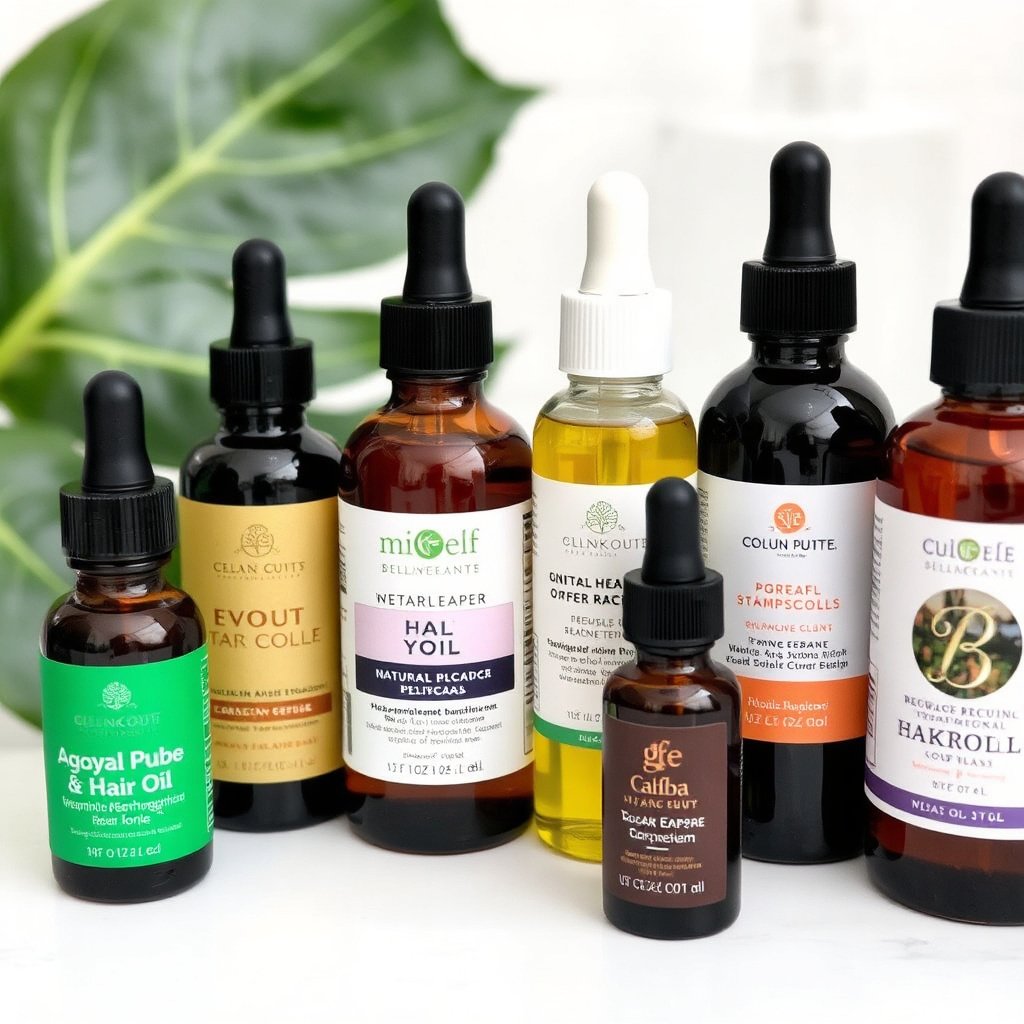
Topical Oils and Serums
Natural oils like castor, coconut, and rosemary oil can support moisturization and stimulate follicles when applied regularly. Some have antimicrobial and circulation-boosting properties.
Use oils as part of your daily hair care routine by applying to scalp and hair ends. Be consistent for best results but avoid excessive buildup.
- Castor oil thickens hair strands
- Rosemary oil enhances scalp circulation
- Apply regularly but sparingly
For an in-depth scientific overview of hair growth, visit this comprehensive natural hair growth information page. Natural hair growth information.
Hair Supplements and Growth Products
Certain supplements containing biotin, collagen, and vitamin D claim to improve hair growth, though evidence varies. Choose reputable products and consult a healthcare provider before starting.
Minoxidil is a clinically proven topical treatment mainly for hair loss conditions; it should be used under medical guidance for natural hair growth concerns.
- Consider biotin and collagen
- Consult doctor before supplements
- Use Minoxidil cautiously
Natural Hair Growth Methods Comparison
Below is a comparison of popular natural hair growth methods and treatments to help you decide which suits your needs best.
| Method | Ease of Use | Effectiveness | Cost | Best For |
|---|---|---|---|---|
| Protective Styling | Moderate | High in preventing breakage | Low to moderate | Length retention |
| Daily Moisturizing | Easy | Moderate | Low | Dry or brittle hair |
| Deep Conditioning | Moderate | High | Low to moderate | Damaged hair needing repair |
| Scalp Massage with Oils | Easy | Moderate | Low | Improving scalp health and growth |
| Supplements (Biotin, Collagen) | Easy | Varies | Moderate | Nutritional support |
| Minoxidil Treatment | Moderate | High for hair loss | Moderate to high | Hair thinning/alopecia |
Frequently Asked Questions
How long does it take to see results in natural hair growth?
Natural hair growth is slow and occurs on average about half an inch per month. Visible length changes may take several months, and improvements in hair health can be noticed sooner with the right care.
Can wash frequency affect natural hair growth?
Yes, washing too often can strip natural oils, leading to dryness and breakage. Washing once a week or every two weeks with gentle cleansers supports healthy hair and scalp balance.
Is heat styling harmful to natural hair growth?
Frequent heat styling can cause damage and breakage, hindering growth. Minimizing heat use and applying heat protectants when styling helps protect hair integrity.
Do hair oils really promote natural hair growth?
Hair oils mainly improve scalp and hair strand health by sealing in moisture and preventing breakage. While they don’t directly accelerate growth, they support conditions favorable for longer hair.
What hairstyles are best for promoting natural hair growth?
Protective hairstyles that reduce manipulation and protect ends, such as braids and twists, help prevent breakage and promote retention, leading to longer natural hair over time.
Key Takeaways
- Consistent moisture and protection prevent breakage and support growth
- Scalp health through cleansing and massage enhances follicle function
- Balanced nutrition and stress management contribute significantly to growth
- Choosing gentle hairstyles reduces hair damage and retains length
Conclusion
Achieving natural hair growth involves understanding the balance between stimulating new growth and maintaining the health of existing hair strands. By focusing on a care routine that keeps hair hydrated, minimizes breakage, and supports the scalp environment, you encourage steady, healthy hair length gains over time. Patience is vital since hair grows slowly and results accumulate gradually with consistent effort.
Different strategies work better depending on your hair type and lifestyle. Protective styling is excellent for shielding ends and retaining length, while deep conditioning treatments restore moisture and strengthen hair fibers. Incorporating daily moisturizing with light oils complements these methods by preventing dryness. Simultaneously, caring for your scalp via regular gentle cleansing and massage supports follicle activity. Supplementing your routine with proper nutrition and stress management further encourages growth.
To start growing your natural hair effectively, select a manageable routine that suits your schedule and hair needs—focusing first on improving scalp health and hydration. Experiment safely with protective styles and nourishing treatments. Over months, track your hair’s response and adjust products or habits accordingly. With persistence and care, your natural hair will flourish.