How to Pluck a Wig Hairline for a Natural Look
To pluck a wig hairline effectively, start by using tweezers designed for precision to gently remove individual hairs along the front edge of the wig. Focus on creating a subtle irregularity rather than a straight line, which mimics the natural growth of hair. This process softens the hairline to avoid the common doll-like appearance.
A well-plucked hairline is essential to achieving a natural look with wigs because most store-bought wigs come with unnaturally dense, straight hairlines. By thinning the hairline and adding irregularity, the wig blends better with your scalp and looks less artificial, improving the overall aesthetic and boosting confidence for the wearer.
This article will cover various methods for plucking a wig hairline, including choosing the right tools, safety tips, priming the wig for plucking, and styling the hairline after thinning. Additionally, we’ll discuss wig customization techniques to enhance realism and care recommendations to maintain your plucked hairline.
Choosing Tools and Preparing Your Wig
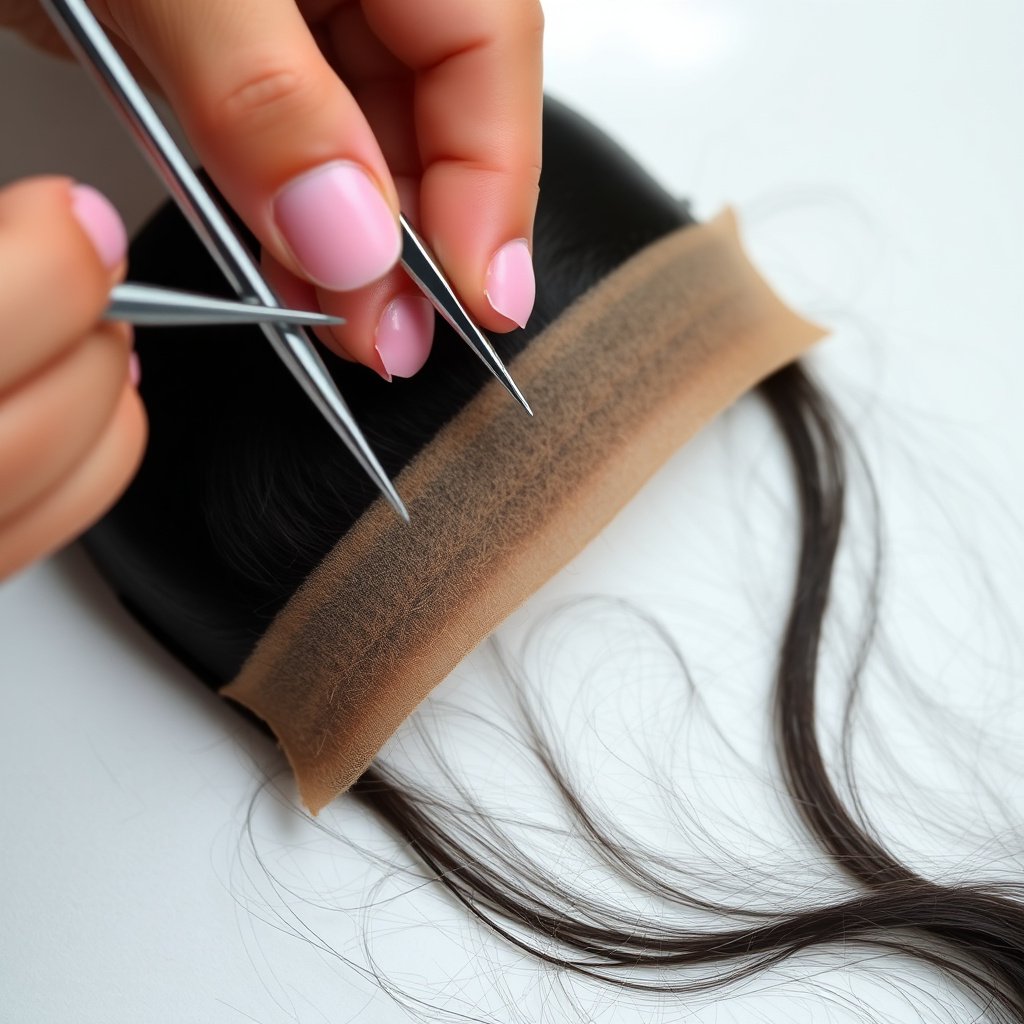
Types of Tweezers for Plucking
Selecting the right tweezers is key to effective plucking. Fine-pointed or slant-tip tweezers provide better control and accuracy, allowing you to grab individual hairs without pulling multiple strands at once. Avoid overly bulky tweezers as they can pull out too much hair unintentionally.
Consider tweezers made from stainless steel as they offer durability and grip. Some pluck tweezers come with ergonomically designed handles for long sessions, reducing hand fatigue. Using a magnifying mirror and good lighting can also improve precision.
- Fine-point or slant-tip tweezers
- Stainless steel construction
- Ergonomic handles for comfort
- Magnifying mirror for detail
Preparing the Wig for Plucking
Before plucking, it’s helpful to soften the hairline by steaming or lightly misting the lace with water. This relaxes the fibers and hair knots, making individual strands easier to remove without damaging the lace or hair density.
Place the wig on a mannequin head for stability. Use clips to keep the hair away from the hairline to avoid accidental plucking. Mark the line where you want to thin or shape the hairline lightly with a washable marker if desired.
Step-by-Step Plucking Techniques
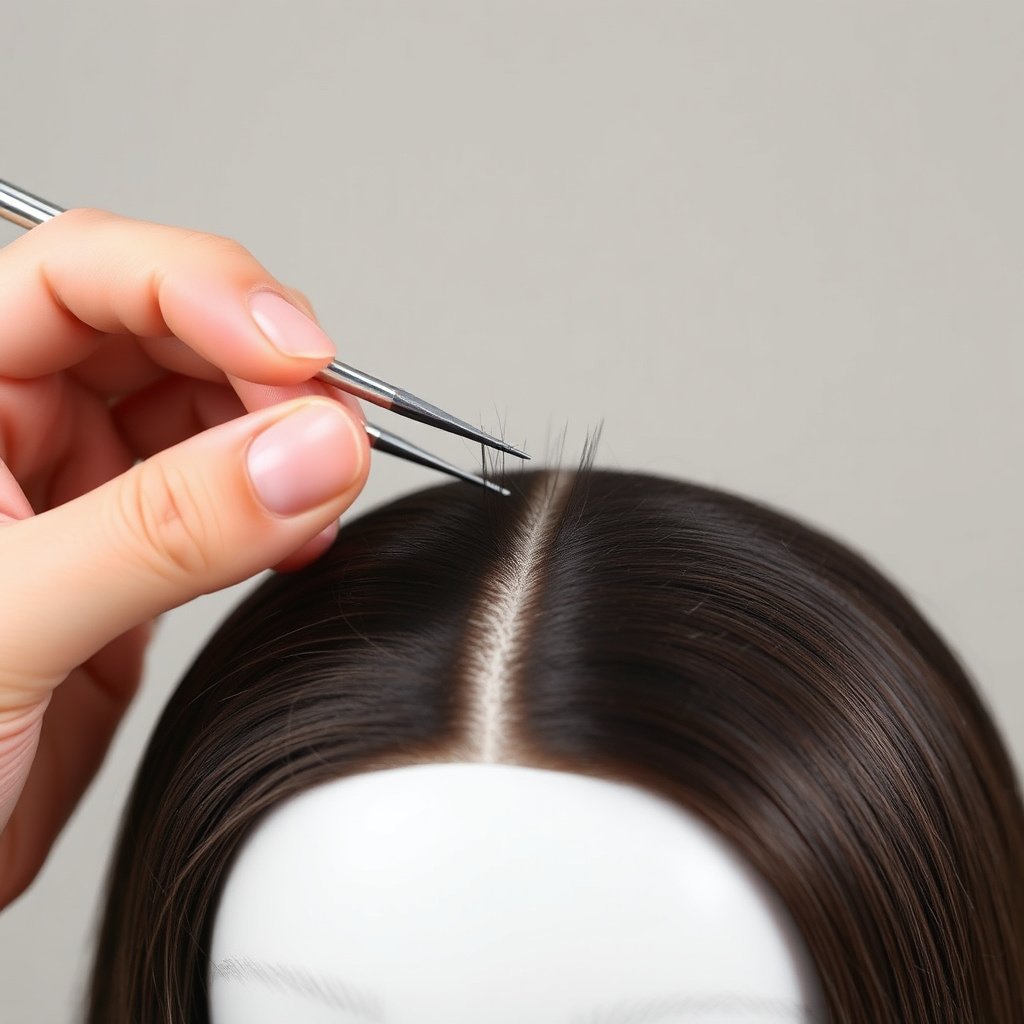
Basic Plucking Method
Start by gently tugging out one hair at a time along the hairline, especially where the density is the greatest. Avoid stripping entire sections by plucking randomly spaced strands to create a jagged, natural look.
Do not rush this process; patience ensures you remove the right amount. Frequently step back and assess the progress from different angles under good lighting.
- Pluck one hair at a time
- Focus on dense areas
- Create irregular spacing
For more on this, see our related guide: Are Lace Front Wigs Worth It? The Complete Answer.
Advanced Plucking for Baby Hairs
To mimic the delicate baby hairs along your natural hairline, select thinner, shorter strands near the edge and pluck some hairs with an inconsistent pattern. These fine hairs add realism and soften the transition between lace and skin.
Use small scissors to trim any overly long strands after plucking. Avoid over-thinning this area as it may compromise the wig’s structural integrity.
- Target fine, short strands
- Trim long baby hairs post-plucking
- Maintain some natural density
Styling and Securing Your Plucked Hairline
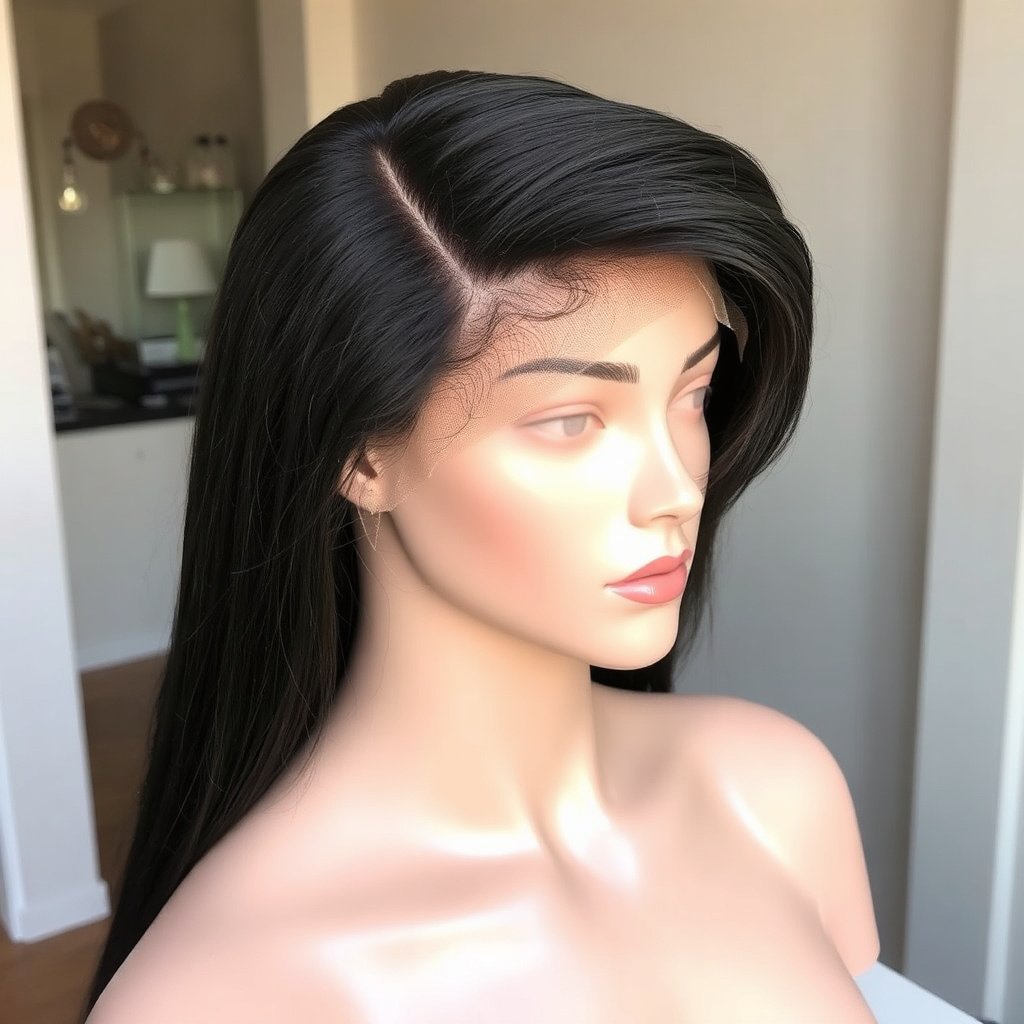
Creating Baby Hairs
After plucking, style baby hairs with a small brush and gel or mousse to lay them flat and imitate natural hair growth direction. This tactile attention enhances the blend of the wig’s edge with your skin.
Use a toothbrush or a fine-toothed comb for gentle styling, and avoid excessive product buildup which can weigh down or stiffen the delicate hairs.
Securing the Wig for a Natural Fit
Apply adhesive or tape along the new plucked hairline while the skin is clean and dry to provide a secure attachment. This holds the wig firmly in place, minimizing movement and maintaining the natural contour you created.
After the adhesive sets, re-style the baby hairs if needed and use makeup or concealer to match the lace color with your scalp tone for a seamless look.
- Use skin-safe adhesive or tape
- Ensure clean, dry scalp before application
- Blend lace color with makeup
Wig Maintenance After Plucking

Daily Care to Preserve Hairlines
Avoid excessive brushing or rubbing near the plucked hairline to prevent loosening. Use gentle, wig-specific shampoos and conditioners to maintain hair fiber softness and reduce tangling.
Protect the wig during sleep by wrapping it in a silk scarf or bonnet to limit friction that might disturb the delicate plucked areas.
For more on this, see our related guide: Lace Front Wig vs. Full Lace Wig: Which Is Better?.
Re-plucking and Touch-ups
With wear, some hairs may shed excessively from thinned areas; be prepared to do maintenance plucking periodically to keep the hairline looking natural. Do touch-ups gradually to avoid removing too much hair.
Avoid re-plucking immediately after washing or heavy styling since the lace can be weaker when damp.
- Perform touch-ups every few weeks
- Avoid plucking on damp lace
- Assess hairline regularly
Additional Wig Customization Techniques

Tinting and Bleaching Knots
To further naturalize a wig hairline after plucking, tinting or bleaching the knots where hair is tied to the lace can reduce visible dark spots. This technique makes the knots blend better with skin tones.
Be cautious with bleaching to avoid weakening the lace or hair strands. Use a tinted lace spray or makeup for subtle adjustments instead.
- Bleach knots carefully
- Use lace tint sprays
- Test products on small area first
For more insights on lace-front wig construction and styling methods, visit this detailed resource on lace-front wig techniques. Lace-front wig techniques.
Cutting and Styling for Realism
Customize the hair length around the hairline by trimming and layering to imitate natural hair growth patterns and face shape. Adding layers enhances volume and movement.
Experiment with baby hairs placement and direction. A stylist’s help can improve results if unfamiliar with precise cutting.
- Trim hairline edges carefully
- Add layers near hairline
- Style baby hairs strategically
Wig Hairline Plucking Methods Comparison
Here’s a comparison of common wig hairline plucking approaches highlighting their ease, realism, and time requirements.
| Method | Ease of Use | Natural Look | Time Required | Recommended For |
|---|---|---|---|---|
| Basic Plucking with Tweezers | Moderate | High | 1-2 hours | Most Users |
| Advanced Plucking with Baby Hairs | Difficult | Very High | 2-3 hours | Experienced Users |
| Professional Salon Plucking | Easiest | Highest | Varies | Those Seeking Precision |
| No Plucking (Store-Bought) | Easiest | Low | 0 minutes | Beginners or Budget Buyers |
| Pre-Plucked Wigs | Easy | Moderate to High | Minimal | Time-Savers |
Frequently Asked Questions
How much hair should I pluck from my wig hairline?
Remove hairs gradually and sparingly. Aim for a slight thinning that mimics natural hair density, avoiding over-plucking that creates bald spots or damages the lace.
Can I pluck a synthetic wig hairline?
Plucking synthetic wigs is possible but trickier due to the fibers’ texture. Use fine tweezers gently and avoid pulling too hard, as synthetic hair may break or melt.
How do I prevent damage to the wig while plucking?
Prepare the wig by softening the lace, use precise tools, and pluck hairs one by one slowly. Stop if the lace feels weak or starts tearing.
Should I bleach the knots after plucking my wig?
Bleaching knots can enhance realism but risks weakening hair or lace. Perform a patch test and proceed cautiously or use tinted lace sprays as safer alternatives.
How often should I maintain a plucked wig hairline?
Perform maintenance every few weeks based on wear. Regular touch-ups help preserve the natural look without excessive hair loss.
Key Takeaways
- Use fine pointed tweezers and prepare the wig before plucking.
- Pluck hairs individually to maintain natural density and irregularity.
- Create baby hairs carefully for a realistic transition.
- Maintain and touch up plucked hairlines periodically.
Conclusion
Plucking a wig hairline requires patience and attention to detail to avoid creating an artificial look. By working methodically with the right tools and technique, you sculpt a hairline that mimics natural growth patterns. This enhances the wig’s realism and the wearer’s confidence.
If you are new to wig customization, starting with basic plucking techniques on a lace-front wig can provide satisfying results. For those seeking the most natural appearance, adding baby hairs and bleaching knots may be the next step. Alternatively, pre-plucked wigs or professional salon services offer options for convenience without compromising quality.
Before you begin plucking your wig hairline, set a comfortable workspace with good lighting and steady your wig on a mannequin head. Proceed gradually and frequently assess your progress. Remember, regular maintenance after initial plucking will keep your wig looking fresh and natural for longer.