How to Bleach Wig Knots for a Natural Look
Bleaching wig knots is a key step to make wigs look more natural by lightening the tiny knots where strands are tied, giving the illusion of hair growing directly from the scalp. This process reduces the visibility of dark knots, making the lace front or closure blend seamlessly with your skin.
A well-bleached wig knot creates a realistic hairline and scalp effect, essential for anyone wanting undetectable, high-quality wig styling. Without bleaching, knots can look unnatural—visible as black dots on your scalp, which detracts from the overall appearance of the wig.
This guide covers the best methods to bleach wig knots safely, the materials to use, how to avoid damage to the hairs, and tips for perfecting your technique to ensure an even, natural finish.
Understanding Wig Knots and Why Bleaching Matters

What Are Wig Knots?
Wig knots are the tiny cords that hold each hair strand onto the wig’s lace base. They are typically black or dark-colored to securely anchor the hair, but these knots become visible against lighter skin tones, creating an unnatural look.
Understanding the structure and impact of knots is important before bleaching. Each knot serves as a foundation for the hair strand, so damaging them can weaken the wig fabric or cause hair shedding.
Why Bleach Wig Knots?
Bleaching lightens these dark knots, making them less noticeable, so the lace appears like a natural scalp. This technique is particularly popular for lace front wigs, where the hairline visibility is crucial.
Without bleaching, knots stand out starkly against the skin, breaking the illusion and reducing the wig’s realism. Bleach helps blend the lace with your skin tone, improving overall appearance and boosting confidence.
Materials Needed to Bleach Wig Knots
Essential Bleaching Supplies
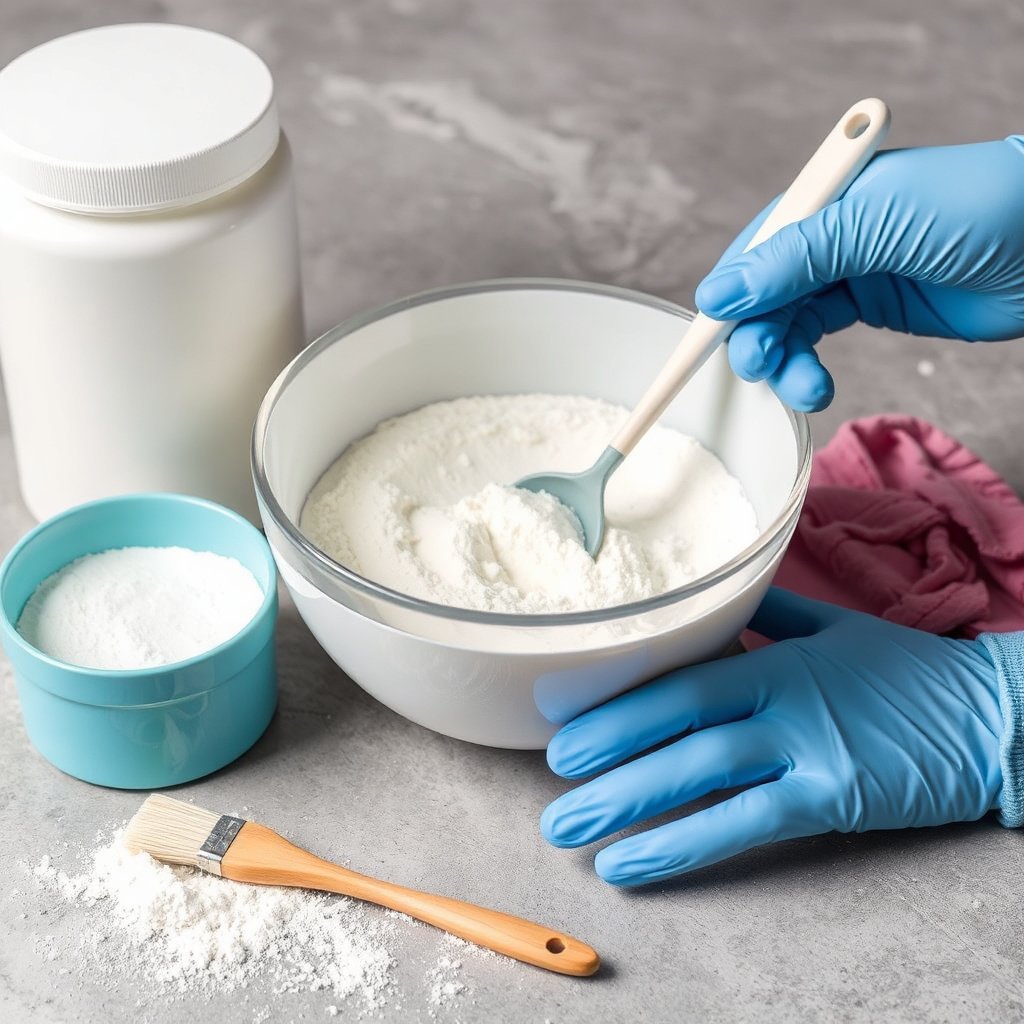
To bleach wig knots effectively, gather quality bleach powder tailored for hair use, a 20-volume developer, a non-metallic mixing bowl, an applicator brush, and protective gloves to safeguard your hands.
Selecting the right bleach powder is vital; some brands offer special formulas optimized for bleaching knots without excessive damage to lace or hair fibers.
- Bleach powder (lightening powder)
- 20-volume developer
- Mixing bowl (plastic/glass)
- Applicator brush
- Gloves
- Plastic wrap or shower cap
Preparation and Safety Considerations
Ensure your workspace is well-ventilated since bleach fumes can be strong. Always wear gloves and consider applying petroleum jelly around the lace edges to protect the skin if you plan to bleach the wig while wearing it.
Mix bleach and developer precisely according to instructions to avoid over-processing, which can weaken knots and cause hair loss or lace damage.
Step-by-Step Process to Bleach Wig Knots
Mixing and Applying the Bleach
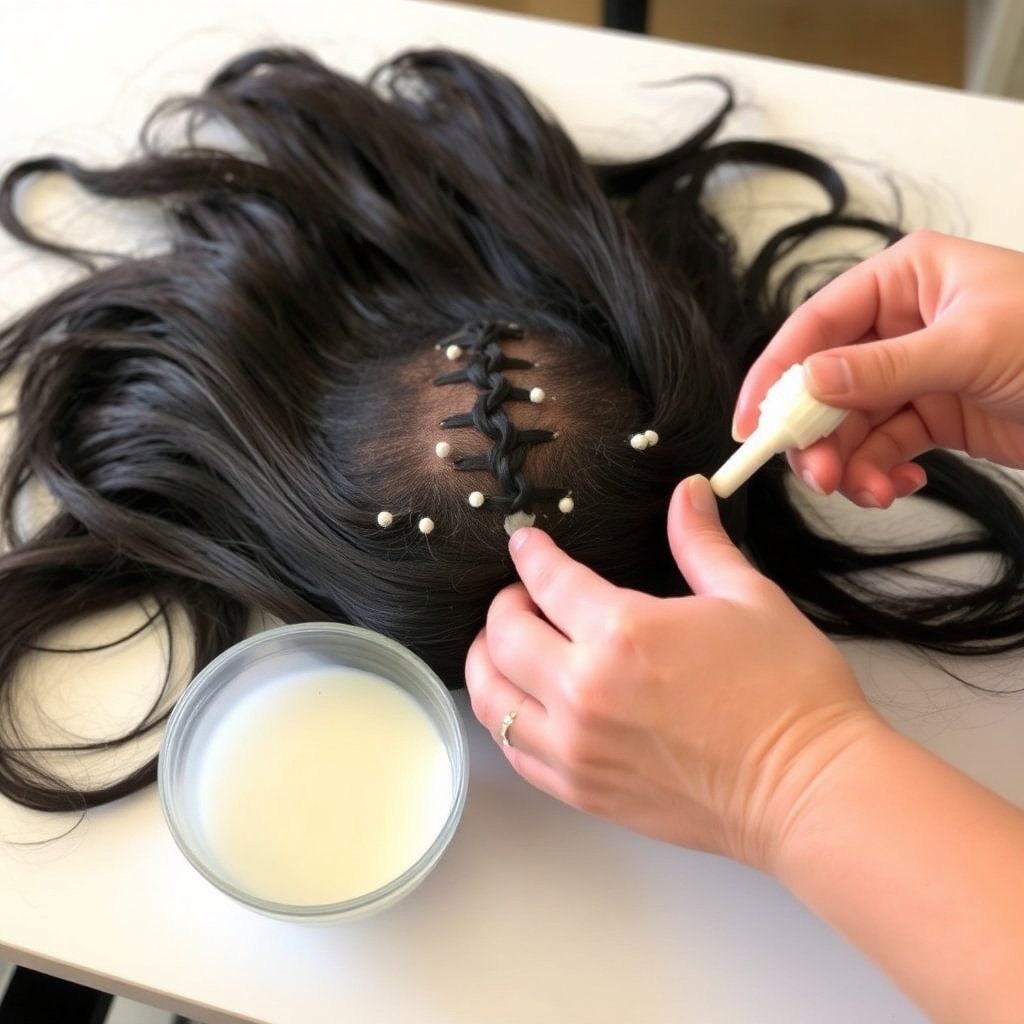
Mix one part bleach powder with two parts 20-volume developer until a smooth, creamy consistency forms. Apply the bleach specifically to the underside of the lace where the knots are tied, using an applicator brush for precision.
Avoid brushing bleach over the hair strands to prevent discoloration. Work quickly and evenly to cover all knots, focusing on areas visible along the hairline.
For more on this, see our related guide: How Long Does a Lace Front Wig Last? the Complete Answer.
Processing and Rinsing the Bleach
Cover the bleached lace with plastic wrap to maintain moisture and heat, which helps activate the bleach. Leave it on for 15 to 25 minutes, frequently checking the bleached knots’ lightness without letting the bleach over-process.
Rinse the bleach out thoroughly with cool water, then shampoo and condition the wig gently to restore moisture and prevent damage.
Avoiding Common Mistakes When Bleaching Wig Knots
Preventing Over-Bleaching and Damage
Leaving bleach on too long or using a developer that’s too strong can cause knots to weaken and hair strands to break off, shortening the wig’s life. Precision timing and strength control are critical for successful bleaching.
Apply bleach only to the knot area to avoid lightening the hair strands unless a full wig color change is intended.
- Use 20-volume developer, not higher
- Limit processing time to 25 minutes maximum
- Rinse promptly after processing
Ensuring Even Bleach Distribution
Uneven bleach application leads to patchy knots that look unnatural. Use a fine brush and apply carefully under bright light for accuracy. Check frequently to catch any missed spots early in the process.
Avoid rushing; sectioning the lace into small areas helps maintain control and consistency.
- Work in small sections
- Use adequate lighting
- Inspect during bleach processing
Post-Bleach Care for Your Wig

Shampoo and Condition Thoroughly
After rinsing bleach, use a gentle sulfate-free shampoo to remove all chemical residues. Conditioning is important to replenish moisture lost from the bleaching process and keep the wig soft and manageable.
Avoid scrubbing hard to maintain the lace quality and knot integrity.
For more on this, see our related guide: Lace Front Wig vs. Full Lace Wig: Which Is Better?.
Styling and Maintenance Tips
To maintain bleached knots over time, store your wig on a mannequin head and avoid excessive heat styling which may weaken the knots further. Regular conditioning treatments will extend the wig’s lifespan and keep it looking fresh.
If knots darken after washing or over time, refresh by carefully reapplying bleach following the same precautions.
Choosing the Best Bleach for Wig Knots
Types of Bleach Powders Suitable for Knots
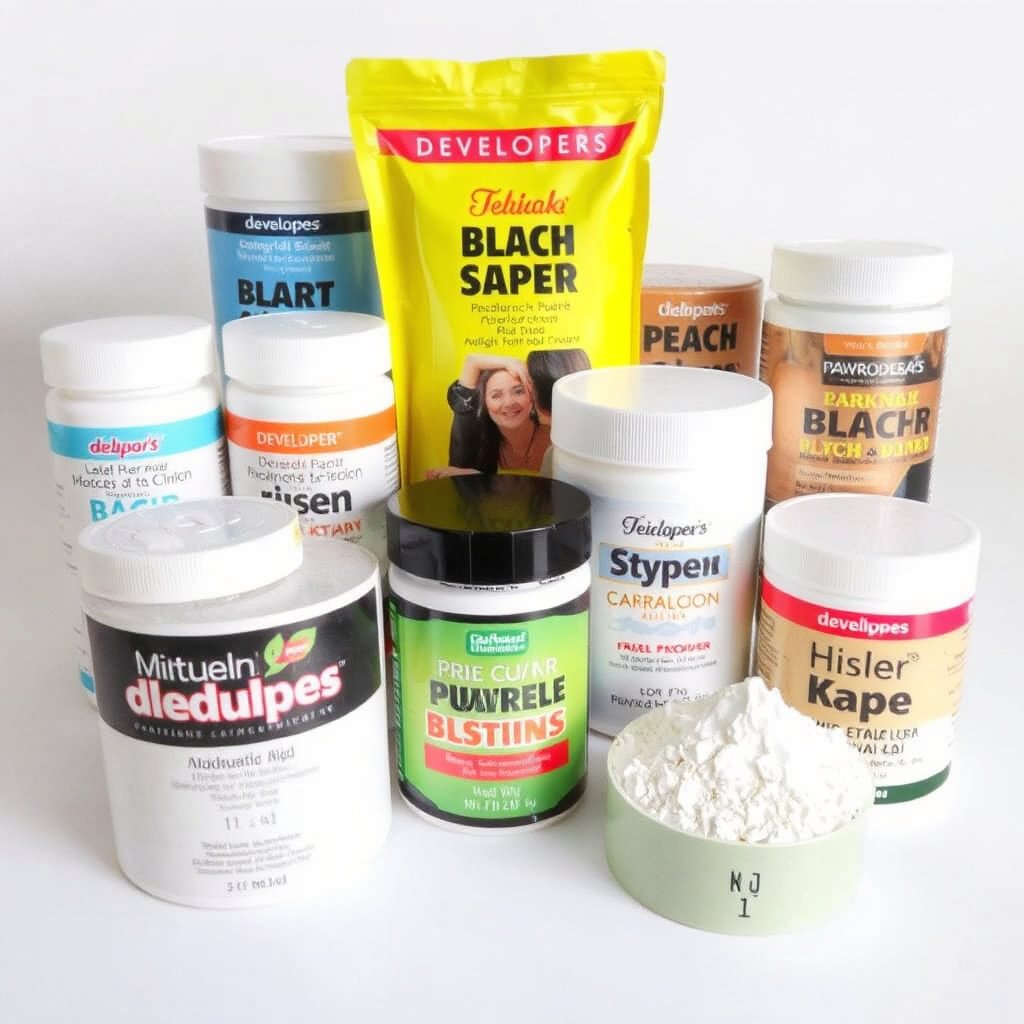
Powder bleaches formulated for delicate applications work best for wig knots. These formulas aim to minimize damage while effectively lightening dark knots without degrading the lace base.
Avoid high-lift or heavy-duty bleaches designed for natural hair bleaching, as they can be too harsh.
- Lightweight, gentle bleach powders
- Products that specify safety for lace or synthetic fiber use
For broader insights into wig care, these wig maintenance guidelines offer helpful tips beyond knot bleaching. wig maintenance guidelines.
Selecting the Right Developer Strength
A 20-volume developer offers a balance between lifting power and gentleness on wig knots. Stronger volumes (30 or 40) increase risk of knot damage and are rarely necessary unless you need substantial lightening.
Ensure you mix bleach fresh and use immediately for best results.
- 20-volume developer recommended
- Avoid using high-volume developers unnecessarily
Bleach Products for Wig Knots: Category Comparison
This table compares popular bleach powders and developers based on effectiveness, gentleness, and suitability for wig knots.
| Category | Bleach Powder Quality | Developer Volume | Suitability for Knots | Price Range |
|---|---|---|---|---|
| Gentle Lightening Set | High | 20-volume | Excellent | $15-$20 |
| Standard Hair Bleach Kit | Medium | 30-volume | Moderate | $10-$15 |
| Heavy-Duty Hair Bleach | Very High | 40-volume | Poor | $12-$18 |
| Specialized Knot Bleach Powder | Very High | 20-volume | Best | $20-$25 |
Frequently Asked Questions
Can I bleach wig knots on a synthetic wig?
Bleaching knot areas on synthetic wigs is not recommended because bleach damages synthetic fibers. It’s best suited for human hair wigs with lace bases.
How long does the bleaching process take?
The bleaching process usually takes 15 to 25 minutes, depending on the desired lightness and the product used. Over-processing can cause damage, so timing is crucial.
Is it necessary to bleach knots on dark-skinned users?
Bleaching knots is mostly necessary to reduce the contrast between dark knots and lighter skin tones. On dark-skinned users, knot bleaching may be less critical but can still improve wig realism.
Can I reuse bleach mixed for wig knots?
No, bleach should be mixed fresh each time. Using leftover bleach reduces effectiveness and increases risk of uneven processing.
What should I do if knots become damaged after bleaching?
If knots weaken, it’s best to avoid further bleaching, treat hair gently, and consider professional restoration or replacement to maintain wig longevity.
Key Takeaways
- Bleaching wig knots lightens dark ties for a natural scalp appearance.
- Use 20-volume developer and specialized bleach powder for safe knot bleaching.
- Apply bleach precisely to knots to avoid damaging hair strands.
- Proper rinsing and conditioning preserve wig integrity after bleaching.
Conclusion
Achieving a natural look by bleaching wig knots hinges on a careful balance between effective lightening and protecting your wig’s structure. Practicing correct application methods, timing, and selecting appropriate materials allows you to refresh your wig’s appearance without damage. Focusing on the delicate knot areas, rather than the entire hair, gives greater control and a precise result that mimics scalp skin.
For those with lighter skin tones or prioritizing a flawless hairline, bleaching is a valuable step. Kits with gentle bleach powders mixed with a 20-volume developer work best, minimizing damage compared to stronger formulations. Take your time during application, working methodically and washing thoroughly afterward to restore moisture. Avoid synthetic wigs for bleaching, and remember that frequent processing can shorten wig lifespan.
Whether you’re a beginner or experienced wig wearer, try bleaching your wig knots in a small test area first. This will help gauge the reaction and prevent surprises. Once confident, bleaching knots can elevate your look by making lace fronts and closures appear nearly invisible. Consider watching tutorials or consulting professionals if uncertain, then proudly wear your naturally transformed wig with confidence.