How to Make a Wig Hairline Look Natural: Expert Tips and Techniques
Making a wig hairline look natural hinges on precise preparation, proper styling, and subtle customization. Start by choosing a wig with a lace front or transparent lace that mirrors your scalp color. Carefully trim the lace close to the hairline, ensuring the edges blend seamlessly into your skin without harsh lines or gaps.
Achieving a natural hairline is vital because it transforms the wig from feeling like an accessory to appearing as your own hair. It impacts confidence and overall appearance, especially in social or professional settings where authenticity matters. The hairline is the most visible part of your wig, so small adjustments here can make a huge difference.
This article will cover effective ways to customize and secure your wig hairline, advanced tips to mimic natural hair growth, maintenance hacks that keep your hairline fresh, and product recommendations that support these efforts. You'll learn step-by-step how to approach each task for the best outcome.
Preparing Your Wig for a Natural Hairline

Choosing the Right Lace and Cap Base
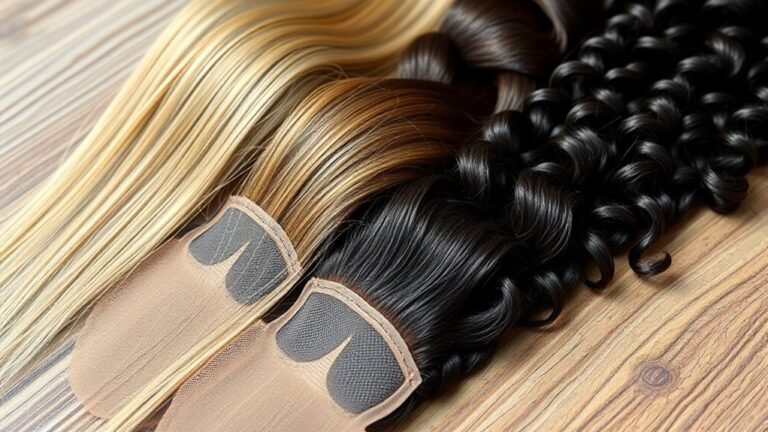
Selecting a wig with a lace front or transparent lace is essential to mimic your scalp’s appearance. Transparent lace blends better with all skin tones, especially when customized with foundation or concealer. Additionally, a cap base that matches your scalp texture enhances realism, making the hairline less detectable.
When buying a wig, look for those specifically designed for natural hairlines, featuring baby hairs or pre-plucked fronts. These wigs require less customization and provide a better foundation for styling methods.
- Choose transparent or HD lace for better blending
- Match cap base color with your scalp tone
- Look for pre-plucked wigs to reduce bulk at the hairline
Properly Trimming and Customizing the Lace
Careful trimming of the lace is crucial. Cut close to the hairline without cutting the actual hair knots to avoid hair fallout. Use small, sharp scissors in Z-pattern cuts to replicate irregular natural hairlines instead of straight edges.
After trimming, customize the lace edges with makeup that matches your skin tone. Use foundation, concealer, or lace tint sprays to hide any residual lace visibility and blend it flawlessly into your skin.
- Trim lace carefully with scissors, avoiding hair knots
- Cut lace in irregular patterns to mimic natural follicles
- Use makeup to tint lace edges to match skin
Styling Techniques to Mimic Natural Hair Growth on Your Wig Hairline
Creating Baby Hairs for a Softer Hairline
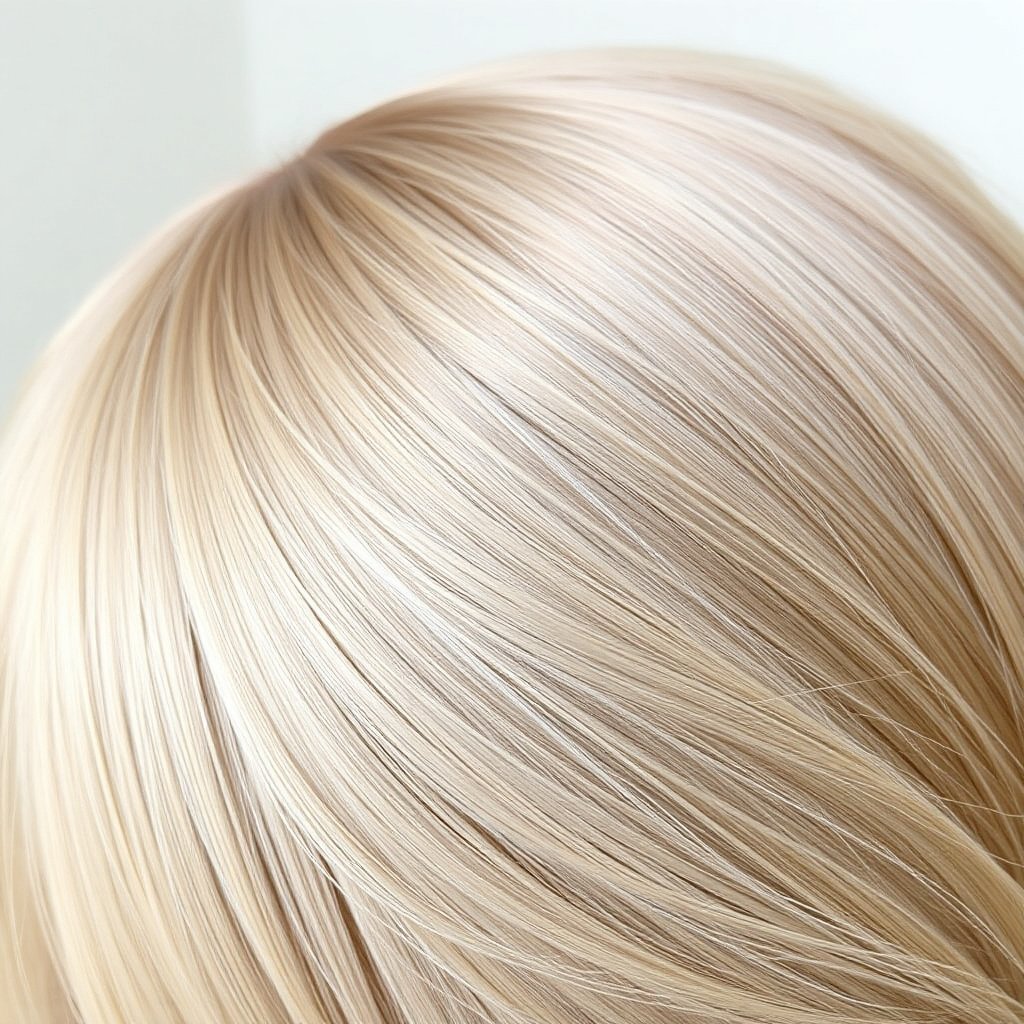
Baby hairs imitate the fine, wispy hairs around your natural hairline and reduce the wig’s obvious look. Use a rat-tail comb and small scissors to carefully cut short strands along the wig's front edge.
Style the baby hairs using a thin-bristle brush and lightweight gel or mousse to lay them flat against your forehead. Avoid using heavy gels that create an unnatural shine or stiffness.
- Cut small sections of hair close to the hairline
- Style baby hairs with a soft brush and light gel
- Avoid heavy products for natural texture
For more on this, see our related guide: How to Make a Wig Look Natural: Expert Tips for a Realistic Hairline and Seamless Blend.
Plucking and Thinning the Hairline
Plucking the wig’s hairline removes excess density and replicates the scalp’s natural gradient. Use tweezers to gently pull individual strands or small clusters from the lace front. This softens the line and prevents a bulky, straight edge.
Thinning thinning shears applied sparingly around the front won't just reduce bulk but also simulate natural tapering hair growth along the temples and forehead, enhancing realism.
- Use tweezers to pluck hair along the front edge
- Apply thinning shears to taper thicker areas
- Avoid over-plucking to prevent bald patches
Securing Your Wig Hairline for Longevity and Realism
Using Adhesives and Sealants
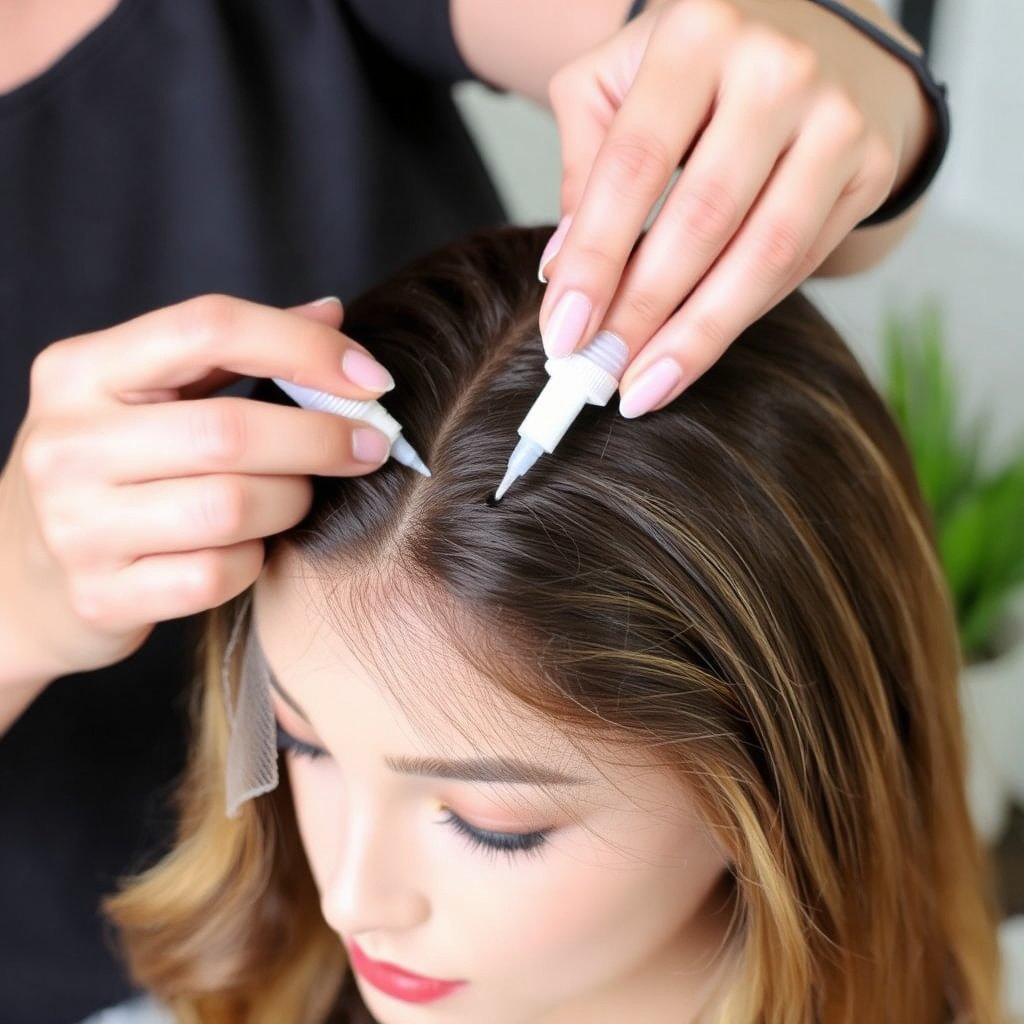
Applying wig adhesive or glue creates a smooth, invisible bond between the lace and your scalp. Use a skin-safe adhesive that dries clear and is flexible to move naturally with facial expressions.
A thin layer applied in small sections allows better control and prevents an overly stiff edge. Sealants applied on top protect the glue from sweat or movement, extending wear time while maintaining a natural look.
- Use clear, skin-safe adhesive for lace
- Apply thin coats for flexibility
- Use sealant spray to protect the bond
Alternative Attachment Methods
If adhesives aren’t preferred, wig tape can be a reliable alternative for securing the hairline. Double-sided tape provides strong but removable hold without damaging your skin or lace.
Some prefer adjustable wig caps or comb attachments that offer added security but require proper fitting to avoid discomfort or unnatural edges.
- Use double-sided wig tapes for ease and strength
- Try adjustable wig caps with combs for stability
- Ensure attachments do not create visible lines
Maintaining and Refreshing the Wig Hairline Over Time
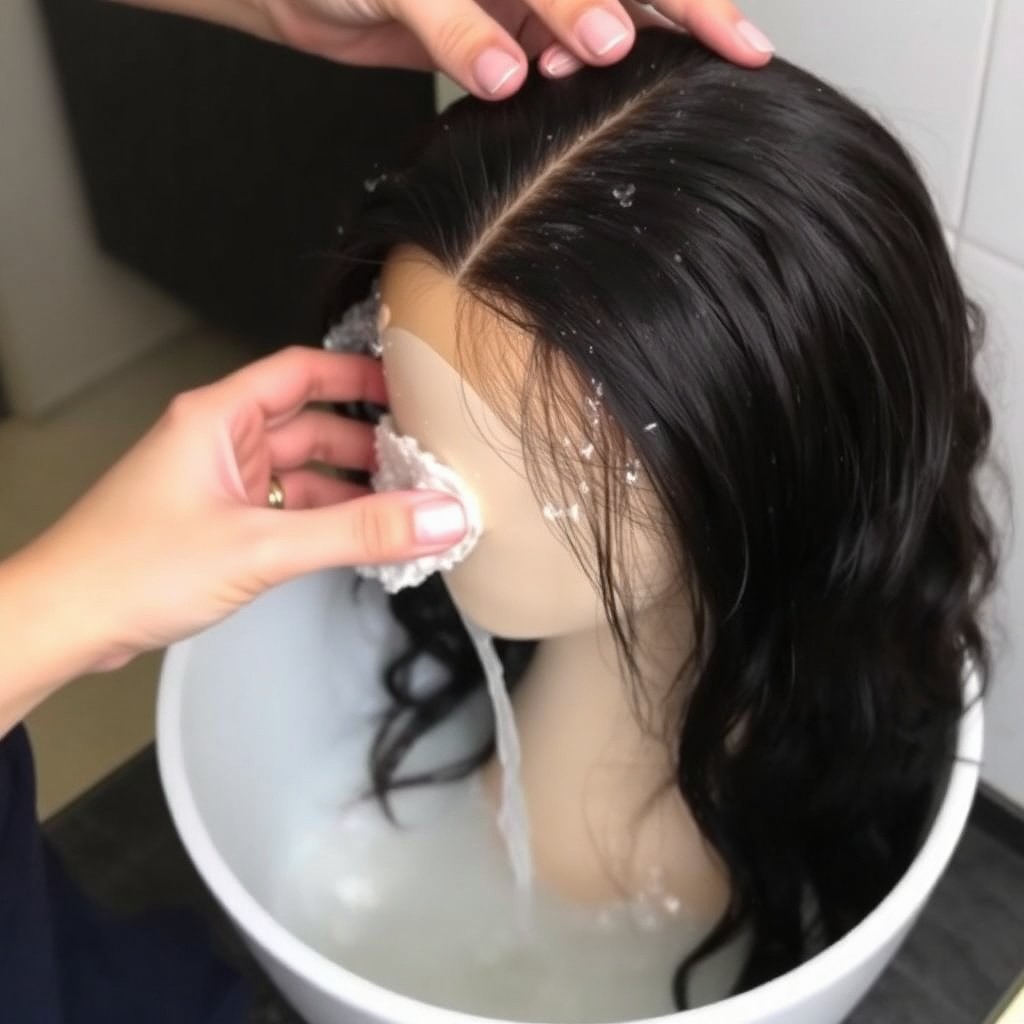
Cleaning and Care for Lace and Hairline
Regularly clean both the lace and hairline to avoid buildup from makeup, adhesives, and oils. Use sulfate-free shampoo and cold water to gently wash the areas without disturbing the delicate lace.
Dry the wig flat, and avoid harsh rubbing around the hairline to preserve lace integrity and adhesive longevity.
- Remove glue residue carefully before washing
- Use mild shampoo without sulfates
- Pat dry; avoid heat on lace
For more on this, see our related guide: Do Wigs Damage Your Hair? The Complete Answer.
Reviving Hairline Appearance Through Styling
As baby hairs and plucked areas naturally lose shape, refresh them by gently retrimming baby hairs and reshaping with light styling products. Avoid over-manipulating the hairline, which can damage lace and cause hair shedding.
Touch up lace tint with powders or sprays when slight discoloration appears to maintain a seamless blend.
- Trim baby hairs lightly as needed
- Use light styling products for definition
- Retouch lace tint periodically
Common Mistakes to Avoid When Creating a Natural Wig Hairline

Over-plucking or Cutting Too Much
Removing too many hairs or trimming excessively in one area can create unnatural gaps or bald spots that are hard to fix. Patience during plucking and cutting ensures the wig retains balance and appears natural.
It's better to start with minimal removal and build gradually than to correct overdone areas.
- Avoid large patches of hair removal
- Work slowly and assess frequently
- Do small adjustments over multiple sessions
For a detailed overview on lace front wigs, their construction, and popular uses, see the Lace front wig article on Wikipedia. Lace front wig article on Wikipedia.
Using Heavy Products That Show On Lace
Heavy gels or thick makeup on or around the hairline can reflect light unnaturally and reveal lace edges. Opt for lightweight, matte finishes to keep the lace inconspicuous.
Clear adhesives rather than white or tinted formulas help avoid visible residue along the hairline.
- Choose lightweight styling gels
- Avoid opaque adhesives that show residues
- Test products on lace before full use
Wig Hairline Category Comparison: Lace Types and Attachment Methods
This table compares different wig hairline lace types and attachment methods, highlighting their advantages and suitability for natural looks.
| Category | Material | Appearance | Durability | Ease of Use |
|---|---|---|---|---|
| Standard Lace Front | Swiss Lace | Good blend, slightly visible | Moderate | Requires glue/tape |
| HD Lace Front | High-Definition Lace | Very natural, nearly invisible | Moderate-low | Glue preferred for thin lace |
| Transparent Lace | Transparent Mesh | Best for matching scalp tones | Moderate | Glue or tape works well |
| Silk Base | Silk Material | Simulates scalp under hair | High | Often hand-tied, more expensive |
| Wig Tape | Adhesive Tape | No lace, strong hold | High | Easy to apply and remove |
Frequently Asked Questions
How do I prevent my wig hairline from looking bulky?
Pluck the hairline gently to remove excess density and create a gradual taper. Adding baby hairs also softens the edge, preventing a bulky, unnatural look.
Can I apply makeup directly to the lace?
Yes, using foundation or concealer that matches your skin tone helps blend the lace edge. Apply lightly with a sponge for the most natural effect.
Is it better to use glue or tape for wig hairline attachment?
Both provide strong hold; glue offers flexibility but requires more skill, while tape is easier to use and peel off but may need more frequent reapplication.
How often should I refresh the baby hairs on my wig?
Refresh baby hairs as needed when they lose their shape or become frizzy, typically every 1-2 weeks depending on daily wear and styling.
What products should I avoid on my wig hairline?
Avoid heavy gels, waxes, or oils that can leave residue and make lace edges visible. Lightweight, matte-finish styling products work best.
Key Takeaways
- Choose lace and cap base that best match your scalp tone
- Trim lace carefully and customize with makeup for seamless blending
- Create baby hairs and pluck hairline for natural texture
- Secure wig with skin-safe adhesives or tape to maintain realism
Conclusion
Crafting a natural-looking wig hairline involves a mix of careful selection, precise customization, and thoughtful styling. By focusing on the lace type, trimming techniques, and styling features like baby hairs and gradual plucking, you create a hairline that blends effortlessly with your skin. This approach is key to disguising the wig’s edges and achieving a more authentic appearance that can withstand everyday wear.
For those seeking specific guidance, starting with a transparent lace front wig combined with creating baby hairs provides a simple yet highly effective result. Using gentle adhesives or wig tape secures the hairline without compromising comfort or appearance. Regular maintenance through light trimming and makeup retouching sustains the fresh look of your wig’s hairline over time, ensuring it always looks naturally part of you.
If you want your wig to look as natural as possible, begin by selecting the right lace and investing time in subtle hairline customization. Test different fixation methods to find what suits your lifestyle best. With these steps, you’ll enhance both the appearance and confidence your wig brings, making it practically undetectable as an artificial hairpiece.