
How Often Should You Wash Natural Hair for Healthy Growth and Shine
You should wash natural hair approximately once every 7 to 14 days. This frequency helps preserve the hair’s natural oils, which are vital for moisture retention and maintaining hair strength. Washing too often can strip these oils, causing dryness and breakage, while washing too infrequently may lead to buildup and scalp issues.
Finding the right wash schedule matters because natural hair textures often tend to be drier and more fragile compared to other types. The scalp produces oils that take longer to travel down the curl pattern, so over-washing can damage natural hair’s unique structure. On the other hand, neglecting proper cleansing can cause clogged follicles and scalp discomfort.
This article will explore the factors impacting how often you should wash natural hair, including hair porosity, scalp condition, and lifestyle. It will also cover different washing methods and maintenance tips tailored to various hair types and goals.
Understanding Natural Hair Texture and Washing Needs
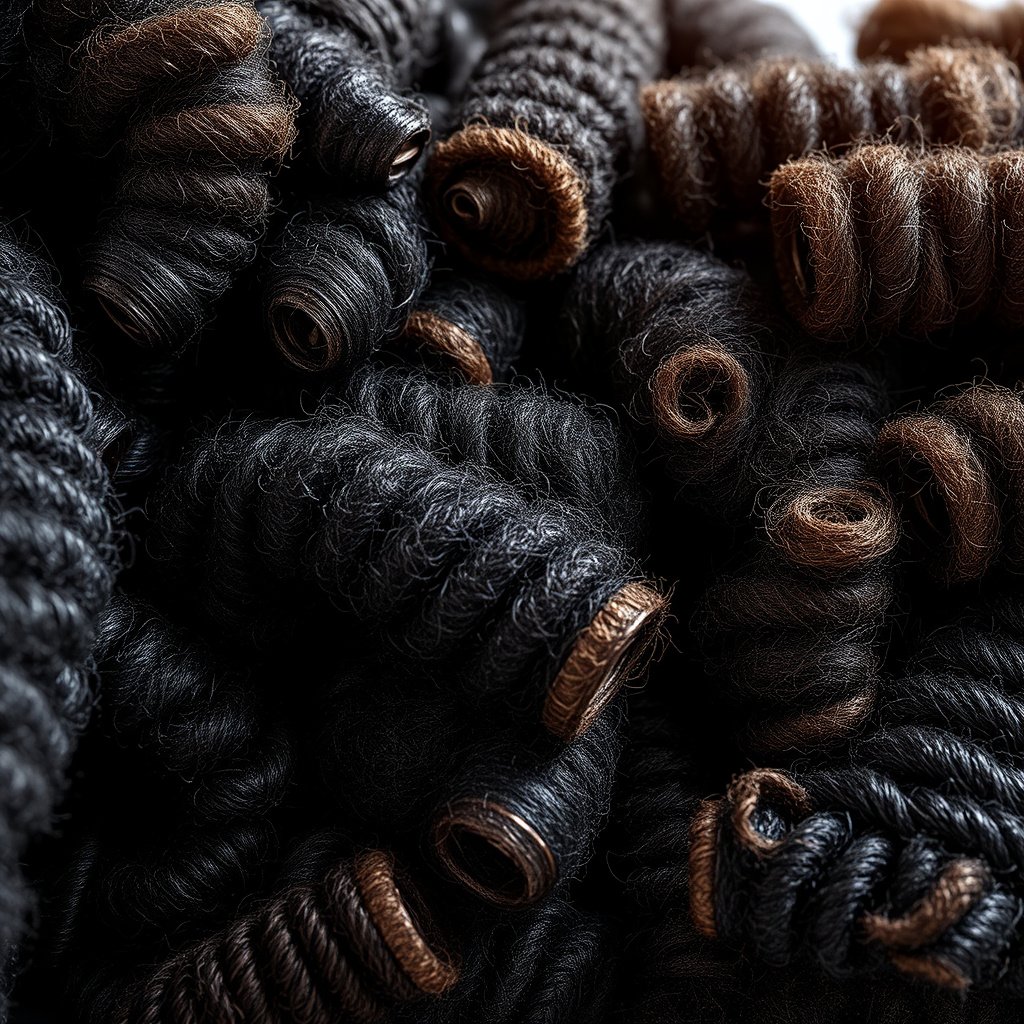
Hair Porosity and Its Impact on Washing Frequency
Hair porosity influences how well hair absorbs and retains moisture, which directly affects washing needs. Low-porosity hair repels water and requires less frequent washing to avoid product buildup, while high-porosity hair can absorb moisture quickly and benefit from more regular cleansing.
Knowing your hair's porosity helps you adjust washing routines to balance moisture without over-drying. For instance, high-porosity natural hair might tolerate washing once a week, while low-porosity hair may thrive with washing every two weeks.
Scalp Health and Cleansing Frequency
The scalp's condition plays a key role in deciding how often to wash natural hair. Oily scalps may require more frequent washes, about once a week, to prevent buildup, whereas dry, flaky scalps might benefit from less frequent washing combined with moisturizing treatments.
Maintaining scalp cleanliness without stripping natural oils is essential to reduce irritation and support hair follicle health, which ultimately contributes to better hair growth.
Choosing the Right Shampoo and Conditioner
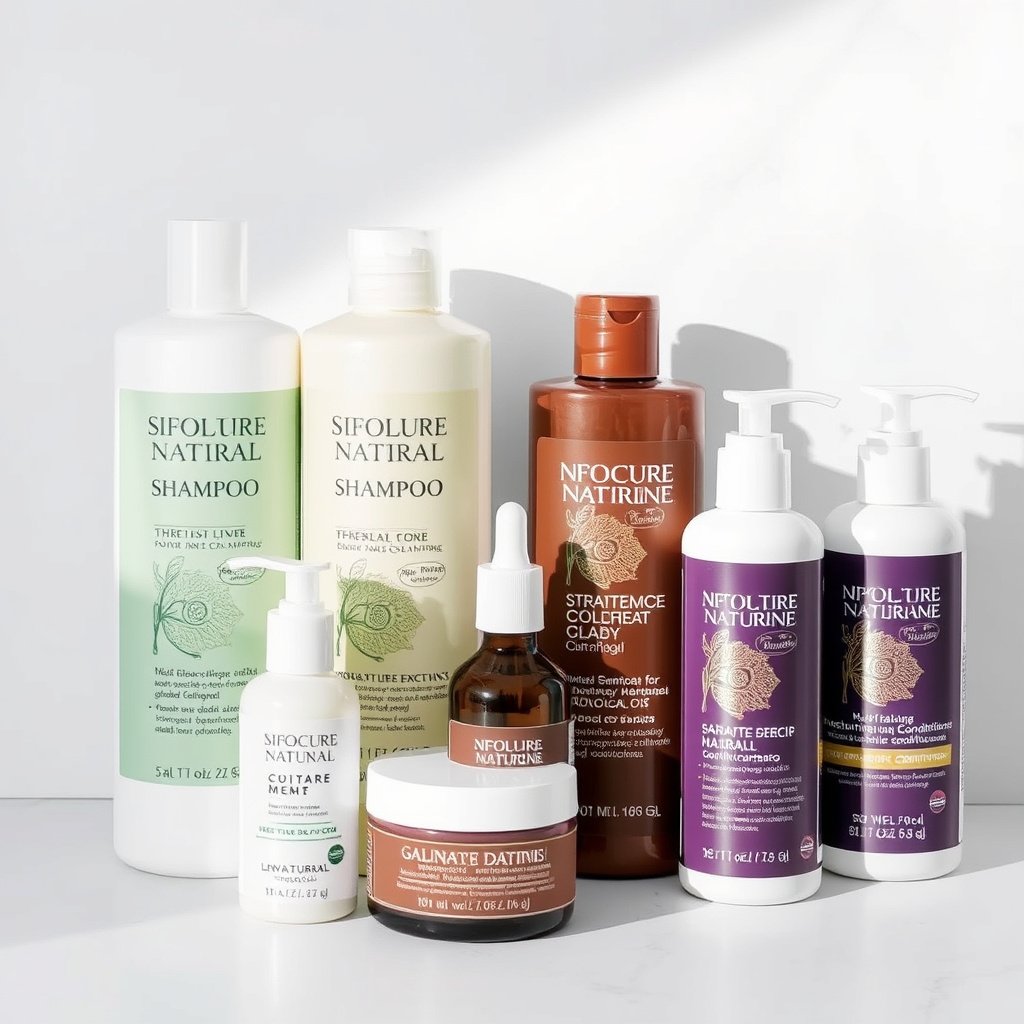
Sulfate-Free Shampoos for Natural Hair
Sulfate-free shampoos are gentle cleansers that avoid harsh detergents which can strip natural hair of moisture. These shampoos help maintain the hair’s natural oils during washing, reducing dry and brittle strands common in natural textures.
Regular use of sulfate-free products aligns well with a natural hair washing routine, supporting healthier hair and scalp without compromising cleanliness.
Moisturizing Conditioners and Deep Treatments
Using moisturizing conditioners after washing replenishes hydration lost during cleansing. Deep conditioning treatments, applied weekly or bi-weekly depending on your washing schedule, help repair damage and strengthen curls or coils.
Selecting the right conditioner based on your hair porosity and type enhances softness, manageability, and overall hair health.
Adjusting Washing Frequency Based on Lifestyle
Effects of Physical Activity on Hair Washing Needs
Individuals who exercise regularly and sweat heavily may find washing natural hair more frequently necessary to remove sweat salt buildup and avoid scalp irritation.
In these cases, co-washing (using conditioner only) or gentle rinses can help cleanse without over-stripping natural oils between full shampoo washes.
- Consider co-washing on non-shampoo days
- Use scalp massage to promote circulation during washes
For more on this, see our related guide: How to Care for Natural Hair: Essential Tips for Healthy, Defined Curls.
Environmental Factors Influencing Wash Intervals
Living in humid or polluted environments can cause buildup on natural hair and scalp, pushing for more frequent cleansing to maintain hair health.
Conversely, dry or cold climates encourage less washing to prevent additional drying of hair strands and scalp.
Techniques for Washing Natural Hair to Maximize Care
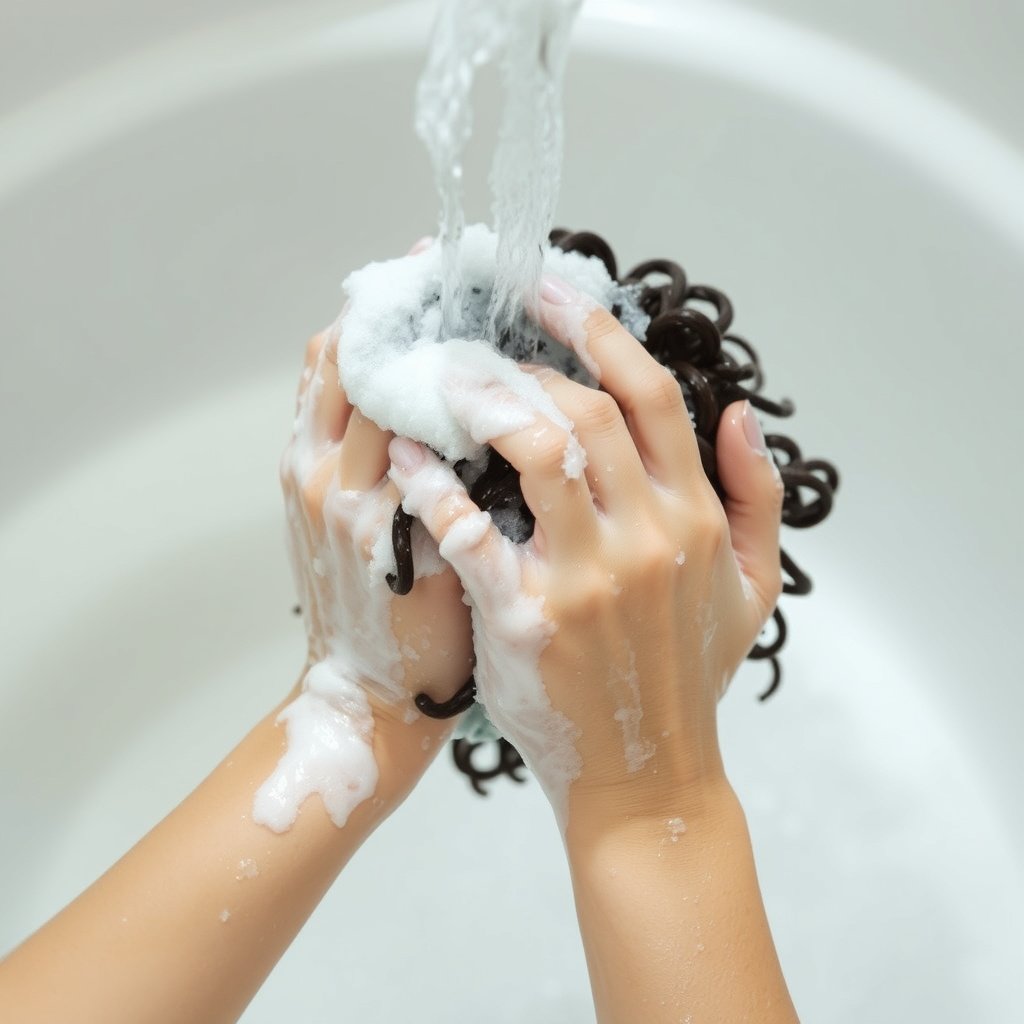
Detangling Before Washing
Detangling natural hair prior to washing minimizes breakage during cleansing. Using a wide-tooth comb or fingers when hair is damp with conditioner helps gently remove knots without stressing curls.
Pre-wash detangling also distributes natural oils and loosens debris, supporting a more effective wash.
Proper Shampooing and Conditioning Method
When washing, focus shampoo on the scalp to cleanse away sweat and buildup, while conditioning mid-length to ends replenishes moisture where hair tends to be driest.
Rinse with lukewarm water and finish with a cool water rinse to close cuticles, locking in moisture and enhancing shine.
Common Washing Mistakes That Harm Natural Hair
Over-Washing and Its Consequences
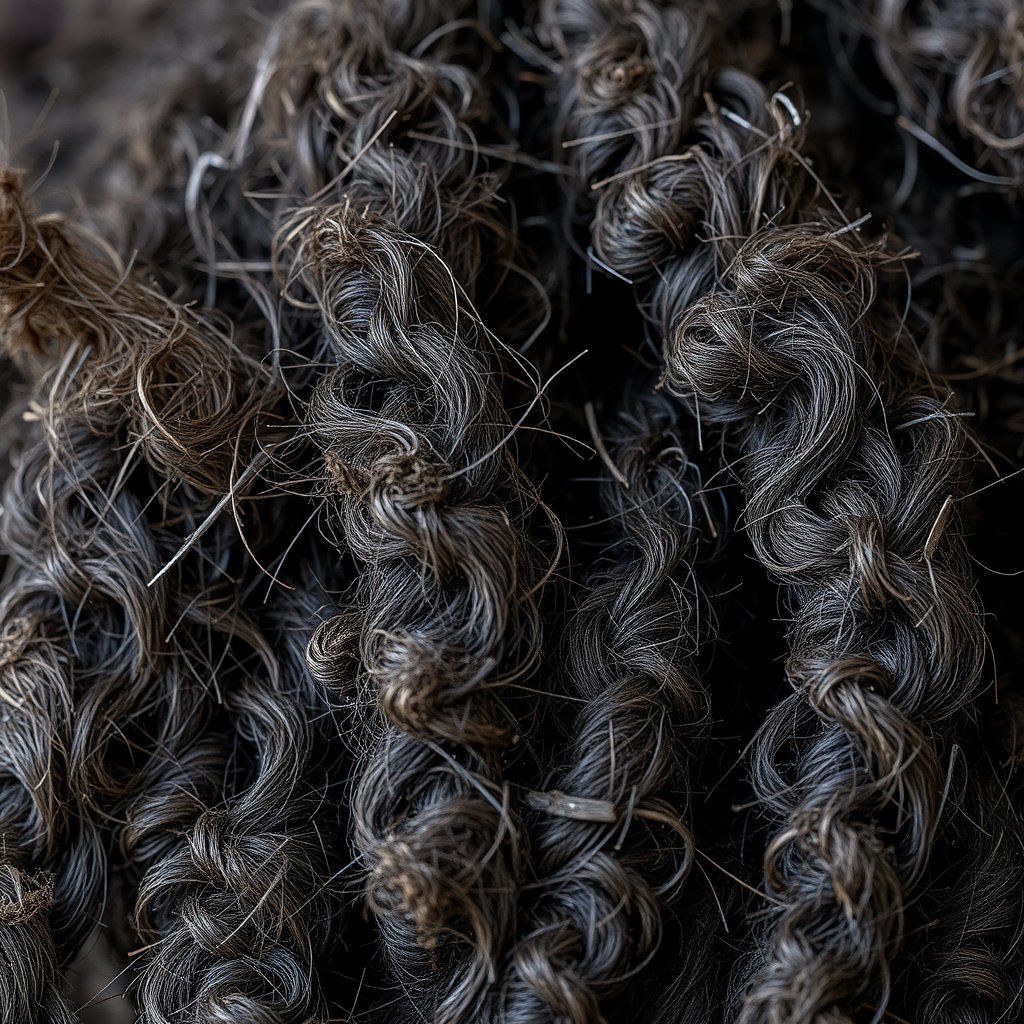
Washing natural hair too often strips away protective oils essential for moisture retention, often causing dryness, frizz, and increased breakage. This is a common mistake especially when trying to maintain scalp cleanliness.
Limiting washing frequency and complementing with co-washing or scalp rinses helps counter these effects.
For more on this, see our related guide: How to Choose the Best Conditioner for Natural Hair: Expert Tips and Top Picks.
Using Harsh Products or Water Temperature
Harsh shampoos containing sulfates or excessive use of hot water can damage the hair cuticle and irritate the scalp, weakening natural hair’s fragile curls or coils.
Opting for mild products and lukewarm water preserves integrity and supports a healthier hair washing routine.
Maintaining Hair Health Between Washes
Moisturizing and Sealing Techniques
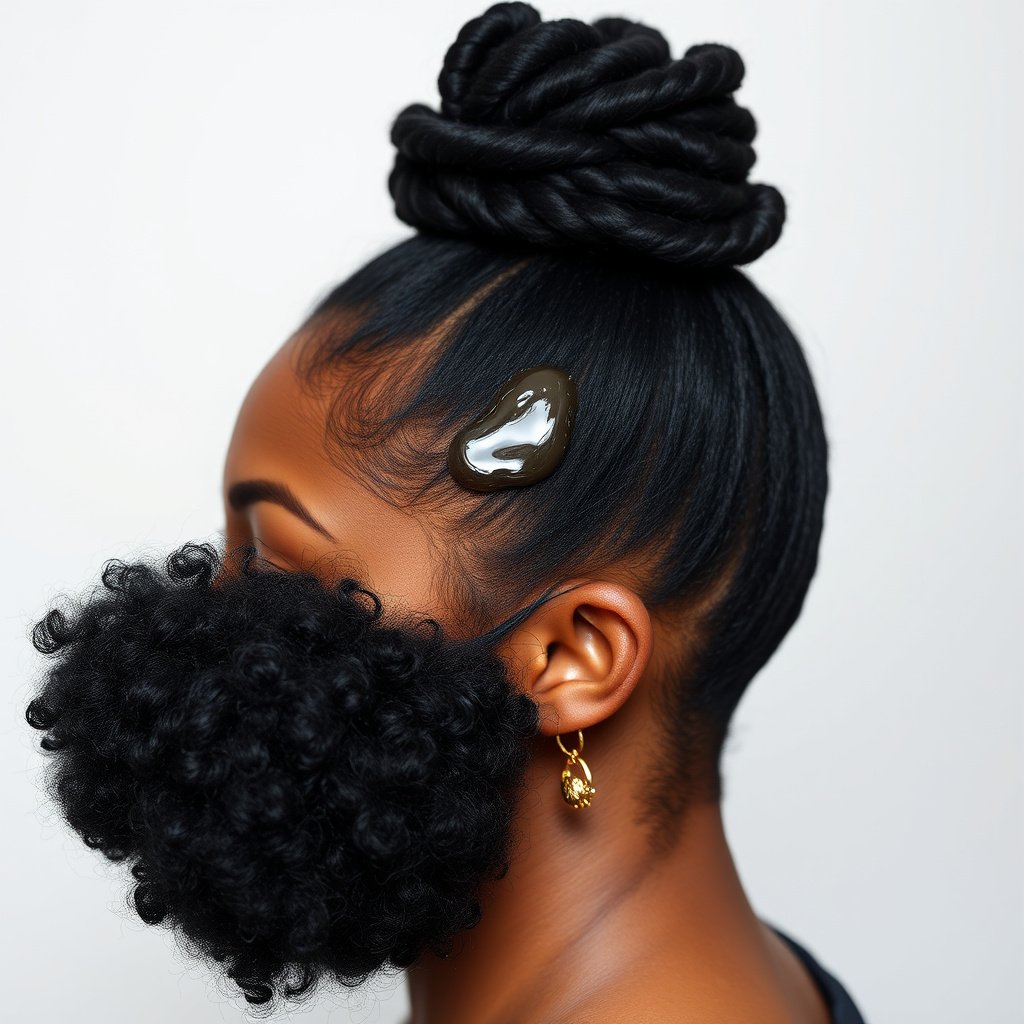
Between washes, moisturizing natural hair daily or every other day helps keep curls elastic and prevents dryness. Using leave-in conditioners followed by natural oils or butters seals in moisture effectively.
This method maintains softness and manageability until the next wash cycle.
- Use water-based moisturizers
- Seal with oils like jojoba or castor oil
For a comprehensive overview of natural hair characteristics and care, you can explore the natural hair care on Wikipedia. natural hair care on Wikipedia.
Protective Styling to Extend Time Between Washes
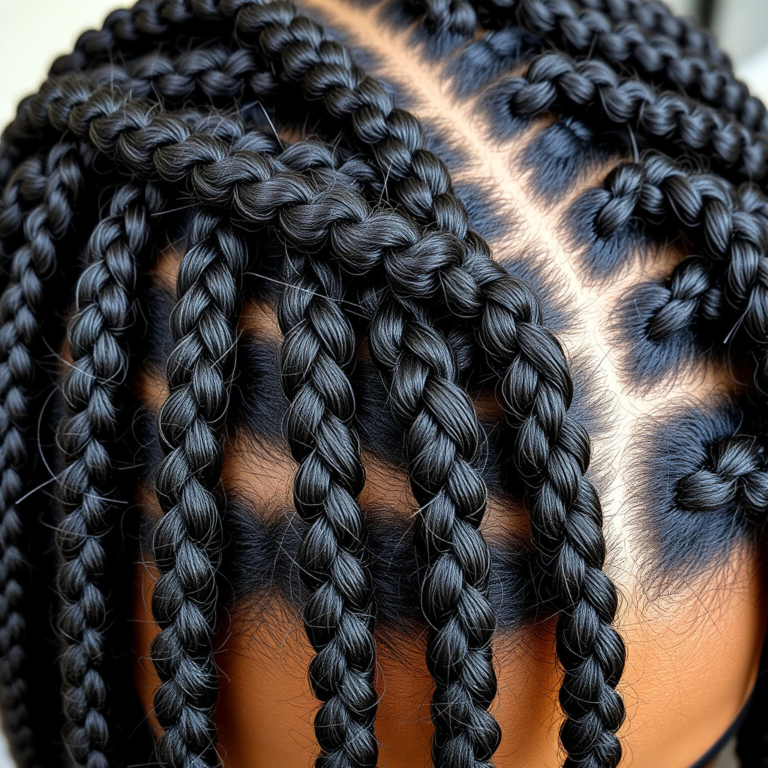
Protective styles such as braids, twists, or buns shield natural hair from environmental stress and reduce tangling, allowing longer gaps between washes with less damage risk.
These styles should be refreshed regularly to avoid buildup and scalp discomfort.
- Avoid overly tight styles
- Refresh scalp with gentle cleansing sprays
Natural Hair Washing Routine Frequency Comparison
Here’s a comparison of common natural hair washing frequency choices based on hair type and lifestyle demands.
| Hair Type | Recommended Washing Frequency | Benefits | Considerations |
|---|---|---|---|
| Low Porosity | Every 10-14 days | Retains moisture better, less frequent cleansing needed | Avoid buildup with mild shampoos |
| High Porosity | Once every 7 days | Removes buildup, replenishes moisture more often | Monitor dryness to avoid over-washing |
| Oily Scalp | Once per week | Prevents grease accumulation and scalp odor | Balance washing with conditioning |
| Dry Scalp | Once every 10-14 days | Maintains natural oils and prevents further dryness | Use moisturizing treatments between washes |
| Active Lifestyle | Twice per week (with co-washing on non-shampoo days) | Removes sweat and dirt effectively | Integrate co-washes to retain moisture |
Frequently Asked Questions
Can I wash natural hair every day?
Daily washing is generally not recommended for natural hair because it removes essential oils, causing dryness and breakage. Instead, washing every 7 to 14 days supports moisture balance.
What is co-washing and is it good for natural hair?
Co-washing means washing hair with conditioner instead of shampoo. It gently cleanses while maintaining moisture, making it suitable for natural hair between shampoo washes.
How do I know if I’m washing my natural hair too often?
Signs include dry, brittle strands, excessive frizz, and scalp irritation. Adjust your washing frequency and product choice if these symptoms appear.
Does hair porosity affect how often I should wash natural hair?
Yes. Low-porosity hair generally needs less frequent washing than high-porosity hair, which loses moisture faster and may require more regular cleansing.
Should I use hot water when washing natural hair?
Hot water can strip moisture and irritate the scalp. Lukewarm water is best for washing natural hair to preserve oils and reduce damage.
Key Takeaways
- Washing natural hair every 7-14 days balances cleanliness and moisture retention.
- Adjust wash frequency based on hair porosity, scalp health, and lifestyle.
- Use sulfate-free shampoos and moisturizing conditioners to protect hair health.
- Incorporate co-washing and protective styling to extend time between washes.
Conclusion
Determining how often to wash natural hair depends on multiple factors including hair porosity, scalp condition, environmental exposure, and personal habits. The main goal is to cleanse the scalp and hair without stripping necessary oils that maintain moisture and elasticity. By tuning into your hair’s unique needs and adopting a consistent washing routine, you promote healthier, stronger natural hair over time. The balance lies in preventing buildup while protecting delicate curls and coils from dryness and damage.
For individuals with low-porosity hair or those prone to dryness, washing every 10 to 14 days complemented by moisturizing conditioners and leave-in treatments works well. Conversely, natural hair with high porosity or an oily scalp might benefit from weekly washes using gentle sulfate-free shampoos. People with active lifestyles who sweat regularly can incorporate co-washing techniques on non-shampoo days to keep the scalp fresh while avoiding excessive dryness. Protective styling between washes further supports hair health by minimizing manipulation and environmental stress.
Starting with the general recommendation of washing natural hair once every 7 to 14 days, experiment within that range to see how your hair responds. Pay attention to scalp comfort, hair moisture, and manageability. Pair your selected frequency with a washing routine that includes gentle shampoos, deep conditioning treatments, and regular moisturizing. This personalized care helps unlock the best natural hair performance and appearance. For more detailed insights on hair characteristics and care, consult trusted hair health resources.
2 Comments