
How Many Bundles Do I Need for a Wig? A Practical Guide
If you're asking how many bundles you need for a wig, the answer depends mainly on the wig's length and desired fullness. Typically, a short wig around 10-12 inches requires two to three bundles, while longer wigs, especially beyond 18 inches, often need three to four bundles to achieve natural density.
Knowing the exact number of bundles is helpful because it balances the wig's volume, weight, and cost. Too few bundles can leave the wig thin or patchy, while too many may make it heavy and harder to style. Different wig construction methods, like full lace or closure wigs, can also affect the quantity needed.
This article will explain how bundle needs vary by wig style and length, discuss the types of bundles available, and provide recommendations based on common hair construction techniques. You'll get clear guidelines to help you plan your next wig purchase or DIY hair project.
Understanding Bundle Quantities for Different Wig Lengths
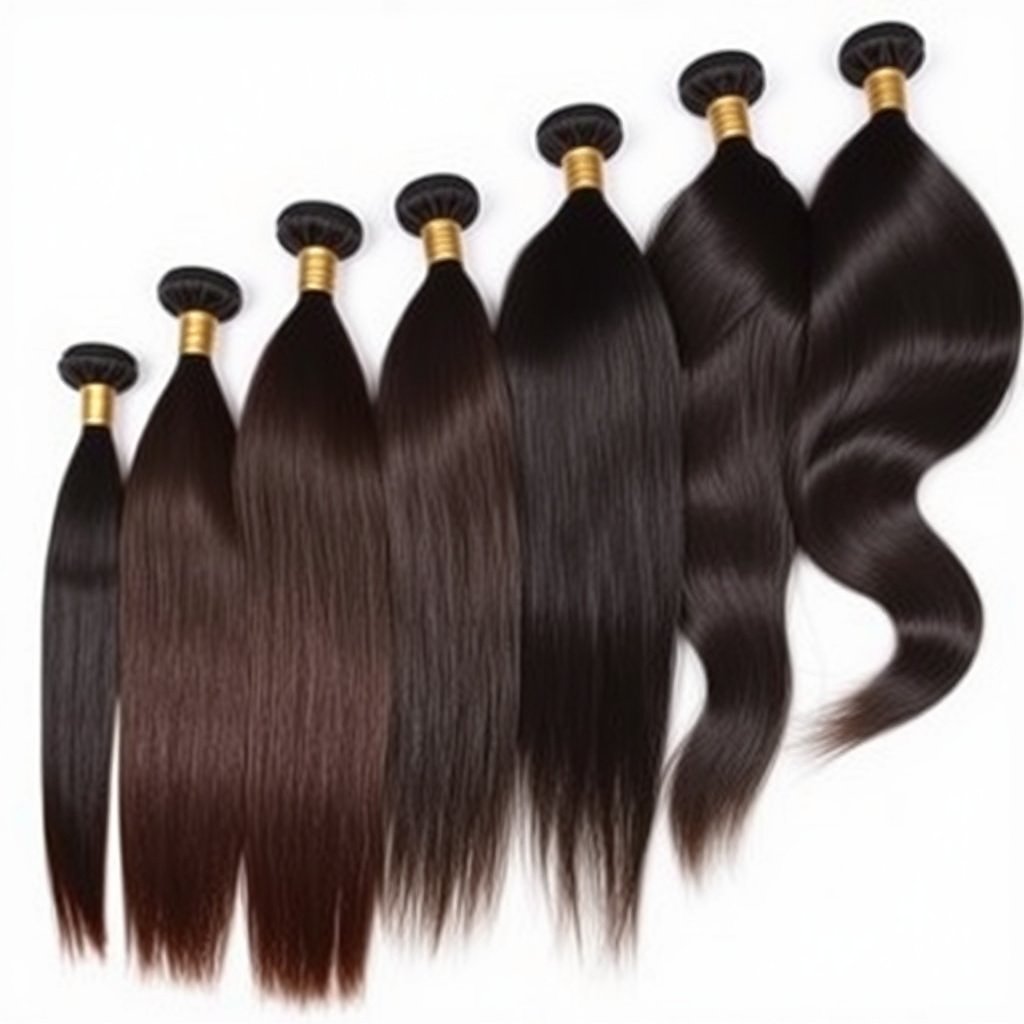
Short Wigs (10-14 inches)
Short wigs, ranging roughly between 10 to 14 inches, generally require fewer bundles due to their shorter length. Two bundles can provide sufficient coverage and a natural thickness for lengths in this range, especially if you like a lighter feel or a flatter look.
If you prefer a fuller appearance or styles with volume, adding a third bundle can create more density. However, with short wigs, extra bundles can sometimes make the wig look unnaturally bulky, so balance is key.
Medium to Long Wigs (16-22 inches and beyond)
Medium wigs (16-18 inches) usually need three bundles to maintain good fullness throughout the length. Longer wigs from 20 to 22 inches often require three or four bundles because hair weight increases and longer strands can appear thinner without enough volume.
For very long wigs over 24 inches, four bundles are commonly recommended. The added volume helps reduce tangling and blending issues while ensuring the wig looks lush and natural.
How Wig Cap Construction Affects Bundle Requirements
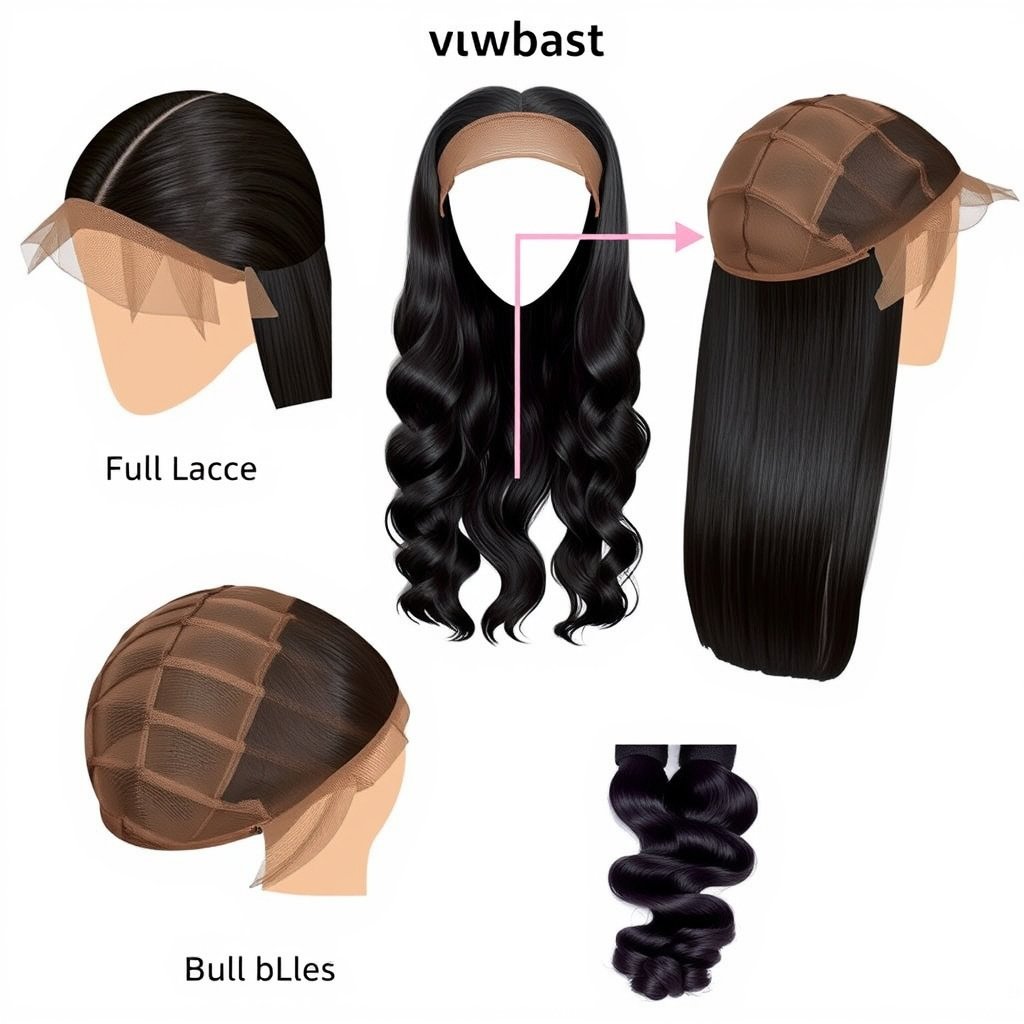
Full Lace and Lace Front Wigs
Full lace and lace front wigs cover the entire scalp with lace bases, allowing for versatile parting and styling. These wigs typically require three to four bundles to create a natural look, especially with longer lengths to cover all areas evenly.
Because the lace allows hair to be styled in any direction, sufficient bundle volume ensures the wig doesn't appear sparse in any section.
Closure and Sew-In Wigs
Closure wigs have a fixed lace piece to simulate a natural scalp part, combined with bundles sewn around it. Since closures cover less area than full lace fronts, fewer bundles (two to three) may suffice depending on length.
Sew-in wigs vary based on head size and desired fullness but typically use two to three bundles for medium lengths and three to four for longer styles to blend seamlessly with the closure.
Types of Hair Bundles and Their Impact on Quantity Needed
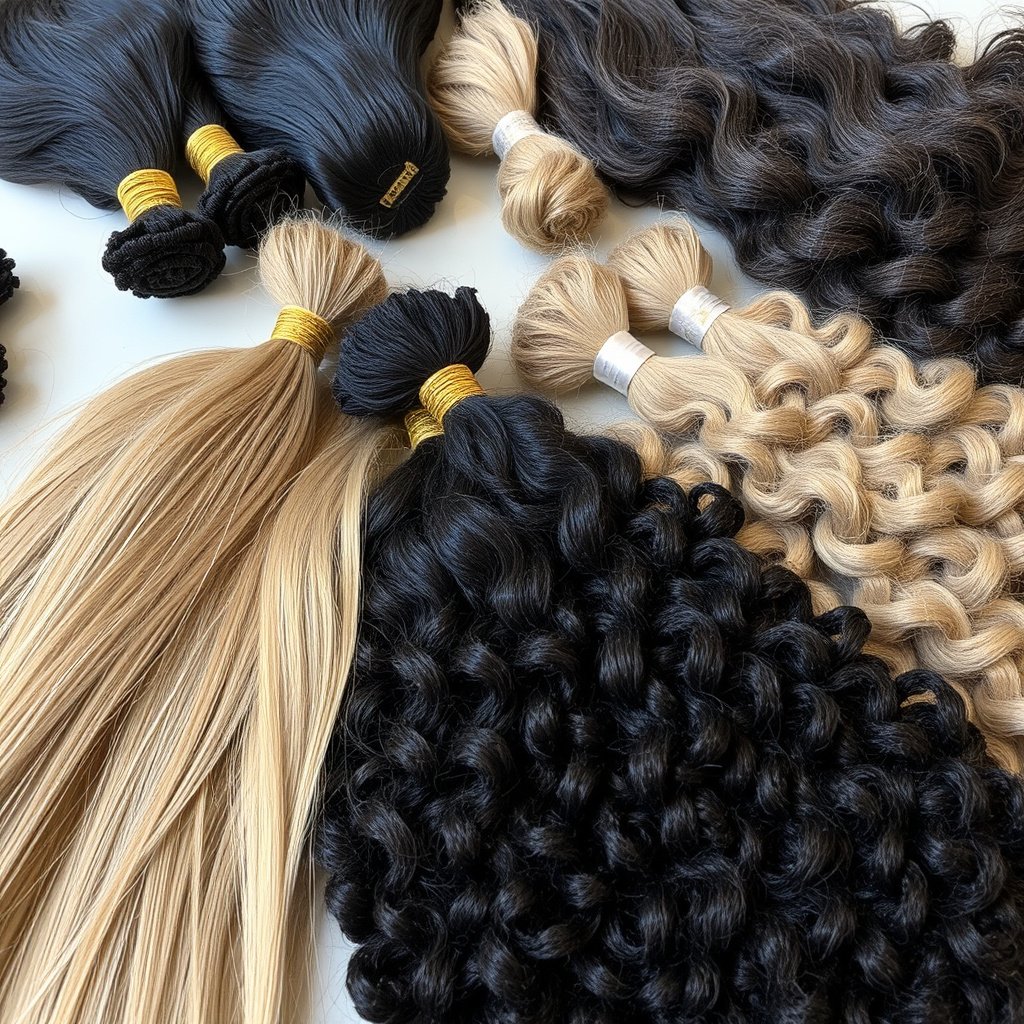
Single Donor vs. Mixed Donor Bundles
Single donor bundles tend to be more uniform in texture and length, which can make achieving a fuller look easier with fewer bundles since the hair blends smoothly overall.
Mixed donor bundles might have varied thickness and texture, so more bundles might be needed to achieve consistent volume, especially in longer wigs.
For more on this, see our related guide: How Much Braiding Hair Do I Need? A Practical Guide to Buying the Right Amount.
Hair Texture and Density Variations
Straight or body wave textures generally appear thinner and might require extra bundles to get the desired volume. In contrast, curly and coily hair textures naturally look denser, so fewer bundles can achieve similar fullness.
Pay attention to the bundle weight and strand thickness, as finer hair bundles may need to be doubled to fill out the wig adequately.
Calculating Bundles Based on Head Size and Style Preferences
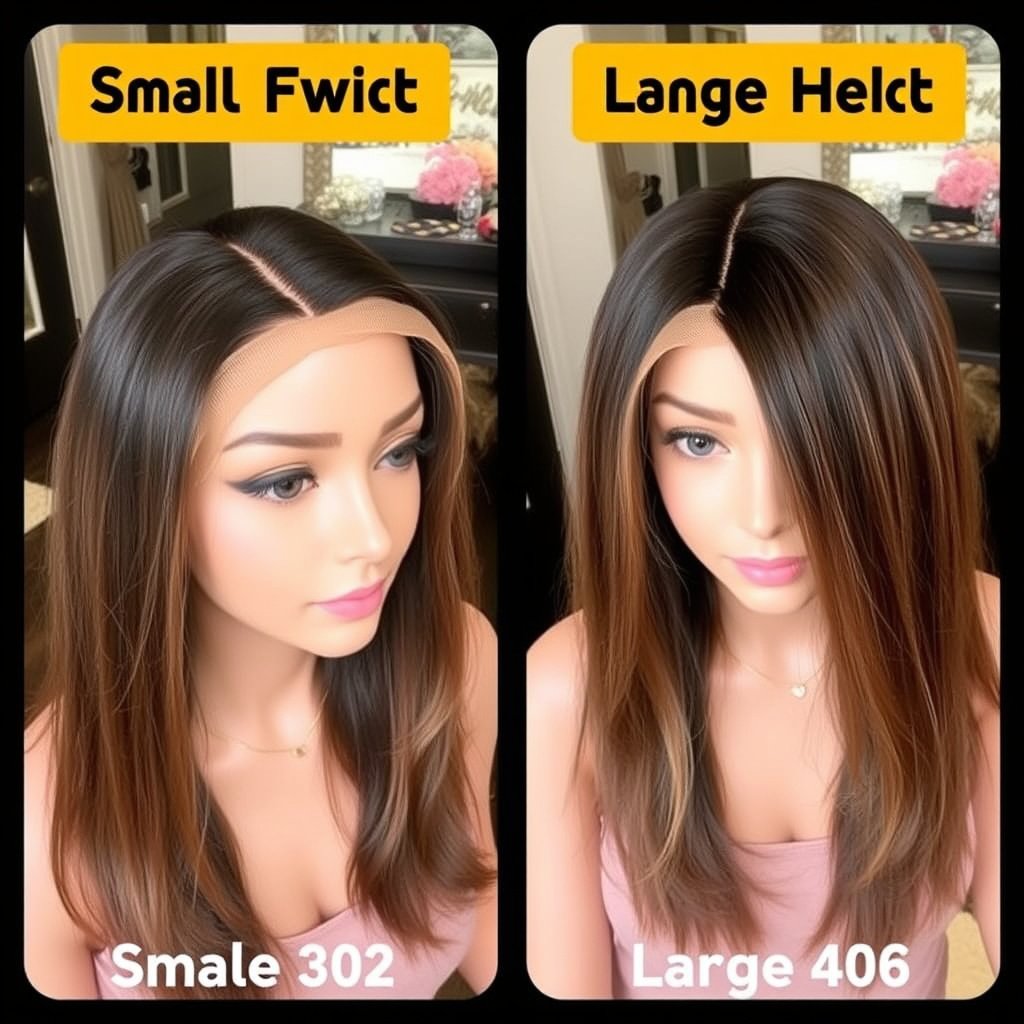
Small to Medium Head Circumference
For smaller head sizes, two to three bundles are often enough to cover the scalp evenly and achieve a natural density without overloading the wig.
Choosing lighter density bundles can also help keep the wig comfortable and manageable for longer wear periods.
Large Head Circumference or Voluminous Styles
Larger head sizes or those seeking voluminous, full-bodied wig styles might need three to four bundles regardless of length. More bundles ensure even coverage and the ability to style with bounce and volume.
If layering or highly textured looks are intended, additional bundles provide the necessary hair mass for such creative styles.
Best Hair Bundles for Wig Making: Choosing Quality and Length
Selecting Bundle Lengths for Seamless Wig Appearance
Matching bundle length to wig length is essential for seamless blend and styling ease. Consistent lengths avoid bulky layers or uneven ends, especially when more than two bundles are used.
For ombre or highlighted wigs, using bundles of similar length but varying color tones can create depth and dimension without adding unnecessary volume.
Quality Considerations for Long-lasting Wigs
High-quality virgin or Remy hair bundles maintain cuticle alignment, reduce tangling, and keep the wig soft and manageable over time. Investing in premium bundles means fewer replacements and better styling versatility.
Lower-quality bundles might necessitate more quantities to compensate for thinness or breakage, leading to increased costs and maintenance.
Styling and Maintenance Tips to Optimize Bundle Use
Maintaining Bundle Integrity for Extended Wig Life
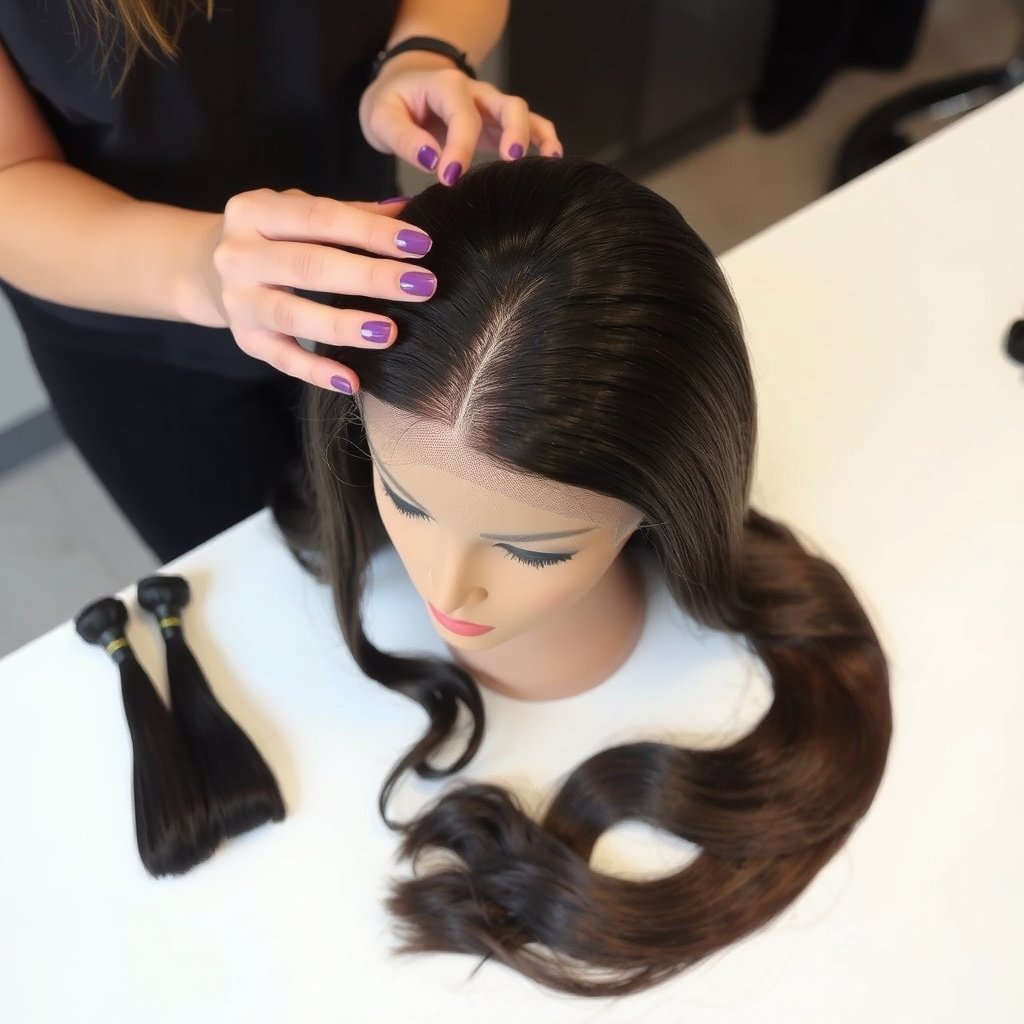
Proper washing, conditioning, and gentle detangling extend the lifespan of hair bundles and keep the wig looking fresh. Avoid harsh chemicals or heat overuse, which can degrade fiber quality.
Regular maintenance can make fewer bundles appear fuller over time, saving on additional purchases.
Learn more about human hair wig construction to understand how bundles contribute to natural styling. human hair wig construction.
Styling Techniques to Maximize Volume without Extra Bundles
Techniques like layered cuts, teasing, and curling can add body and volume, making the wig appear thicker without adding more bundles.
Using lightweight styling products and avoiding heavy gels helps maintain natural bounce and reduces weight on the wig cap.
Hair Bundle Quantity Comparison by Wig Type and Length
This table summarizes recommended bundle counts based on wig styles and lengths to guide your purchase decisions.
| Wig Type | Length Range | Recommended Bundles | Notes |
|---|---|---|---|
| Full Lace Wig | 10-14 inches | 3 | Versatile styling, needs density across scalp |
| Full Lace Wig | 18-22 inches | 4 | Longer lengths require more bundles for fullness |
| Closure Wig | 10-14 inches | 2 | Closure provides natural part; fewer bundles needed |
| Closure Wig | 18-22 inches | 3 | Length increases bundle needs for volume |
| Sew-In Wig | 10-14 inches | 2-3 | Depends on head size and style |
| Sew-In Wig | 20-24 inches | 3-4 | Longer, fuller styles need more bundles |
Frequently Asked Questions
Can I use fewer bundles to save money?
Using fewer bundles might reduce initial cost but can result in a thin, unnatural-looking wig. Adequate bundles ensure proper density and styling ease.
Do bundle weights differ by length?
Yes, longer bundles tend to weigh more since hair strands are longer, which can affect wig weight and comfort.
Is it better to buy bundles of the same length or mix?
For a natural look, bundles of the same length create uniformity. Mixing lengths can be used for layered styles but requires careful blending.
How do I know if my wig needs more bundles?
If your wig looks thin, feels lightweight in some parts, or lacks volume, adding bundles can improve appearance and fullness.
Are synthetic bundles different in quantity needs?
Synthetic hair often looks denser, so fewer bundles may be needed compared to human hair bundles for similar fullness.
Key Takeaways
- Bundle quantity depends mainly on wig length and style.
- Full lace wigs require more bundles than closure wigs for consistent density.
- Hair texture and bundle quality influence how many bundles you’ll need.
- Balancing volume and comfort is essential when selecting bundle count.
Conclusion
Determining how many bundles you need for a wig involves considering multiple factors including length, cap style, hair texture, and desired fullness. Shorter wigs generally require fewer bundles, while longer and fuller styles benefit from three to four bundles for a natural appearance. Cap construction plays a key role, as lace front and full lace wigs cover more area and thus often demand more hair volume. Quality hair bundles can also impact how many you’ll need, with premium options sometimes requiring fewer bundles to achieve a lush look.
For example, if you’re opting for a short closure wig around 12 inches, two bundles usually suffice to create a neat, natural finish. A full lace wig measuring 20 inches or longer typically needs at least four bundles to maintain consistent thickness and styling versatility. Those with larger head sizes or preferences for voluminous wavy or curly wigs should consider additional bundles to balance density and comfort. Choosing the best hair bundles for wig making involves aligning length, weight, and texture to your styling goals.
Ultimately, planning bundle amounts ahead can save both money and styling frustration. Measure your head size, decide on the wig style, and choose bundle lengths that match your vision. Careful maintenance and styling techniques can also stretch the use of your bundles, keeping your wig full and natural-looking longer. Whether buying pre-made wigs or assembling hair yourself, knowing how many bundles you need is a key step in achieving your ideal wig.




One Comment