What Hair is Best for Goddess Braids: A Complete Guide
The best hair for goddess braids is typically synthetic braiding hair known for its length, volume, and smooth texture, such as Kanekalon or Toyokalon. These fibers provide durability and hold, which are essential for the thick, sculptural style that goddess braids demand.
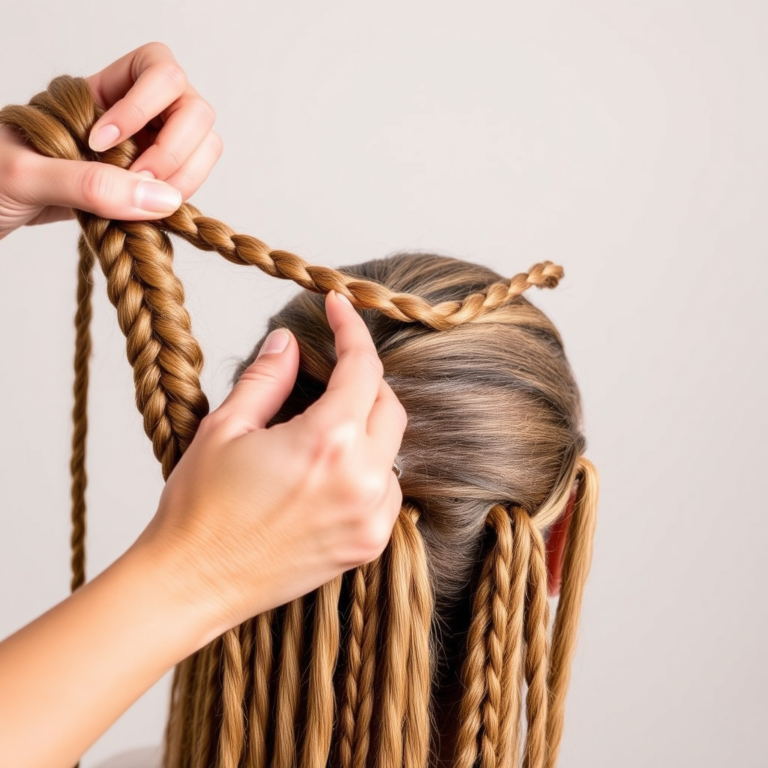
Choosing the right hair matters because goddess braids are chunky, intricately styled cornrows often left in for several weeks. The hair type influences not only the aesthetic but also the comfort and maintenance of the style, with synthetic options offering versatility and affordability compared to natural human hair. It's also easier to manipulate synthetic hair into the rounded, lofty shapes that define goddess braids.
This article will cover the different hair types suited for goddess braids, how to select the right texture and length, care tips to maintain the style, and alternatives to synthetic hair. By the end, you'll understand how to pick the best hair for goddess braids that fits your preferences and lifestyle.
Types of Hair Used for Goddess Braids
Synthetic Braiding Hair for Goddess Braids
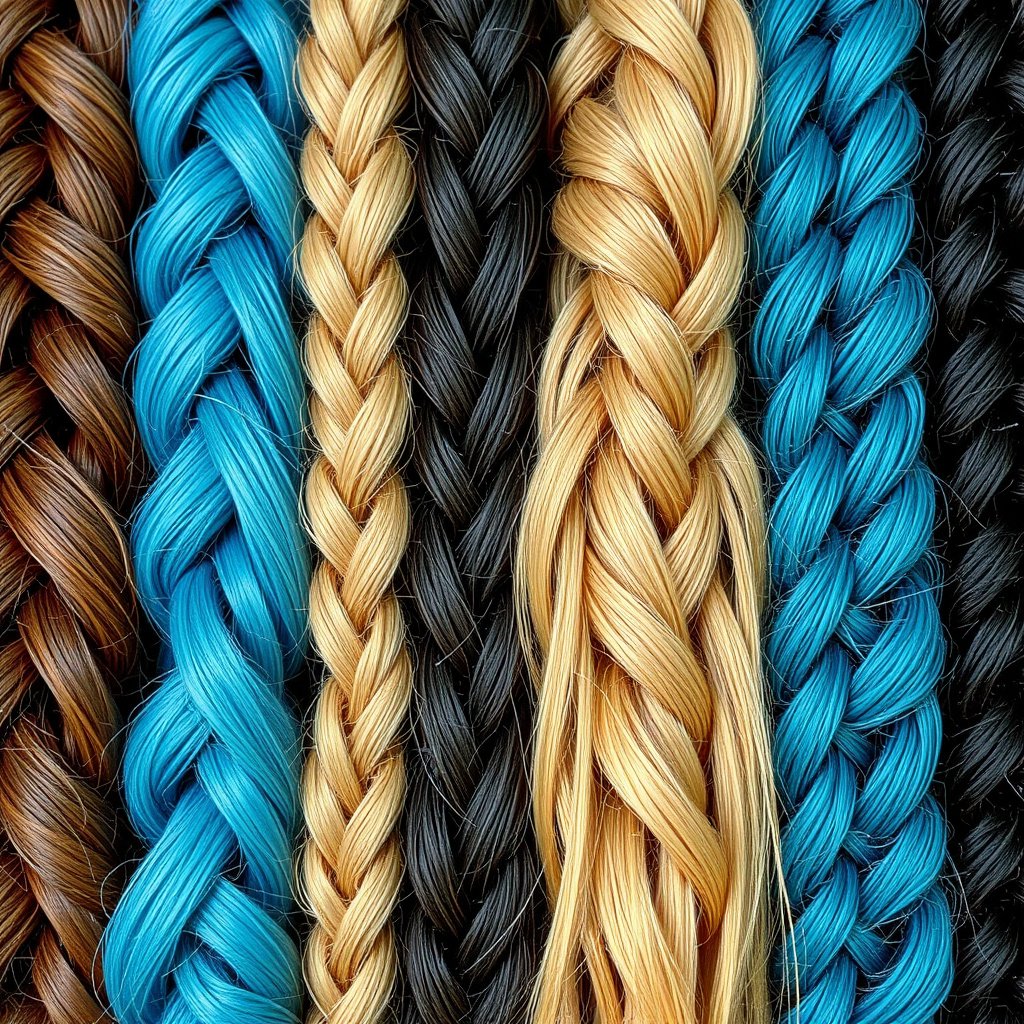
Kanekalon and Toyokalon are the most commonly used synthetic hair fibers for goddess braids. They are popular due to their light weight, ability to hold heat-free curls, and natural sheen that mimics human hair. These fibers come pre-stretched and can be manipulated to form the thick, voluminous strands characteristic of goddess braids.
Synthetic hair is usually more affordable than human hair and offers excellent grip, which helps the braids stay tight without slipping. However, it is less heat-resistant and can be prone to tangling if not cared for properly.
- Kanekalon hair offers a soft texture
- Toyokalon hair is smoother and shinier
- Pre-stretched for easier braiding
- Affordable and widely available
Human Hair Options for Goddess Braids
While synthetic hair dominates the market for goddess braids, some prefer using natural human hair for a more authentic feel and appearance. Human hair blends seamlessly with natural hair and alleviates itchiness that can sometimes come with synthetic fibers.
Human hair is more durable when properly maintained and allows for heat styling and washing. However, it typically comes at a higher price point and may require more upkeep to preserve the style.
- Better for sensitive scalps
- Allows heat styling and washing
- Feels softer and more natural
- More expensive and requires maintenance
Choosing the Right Hair Texture and Length
Matching Hair Texture to Natural Hair
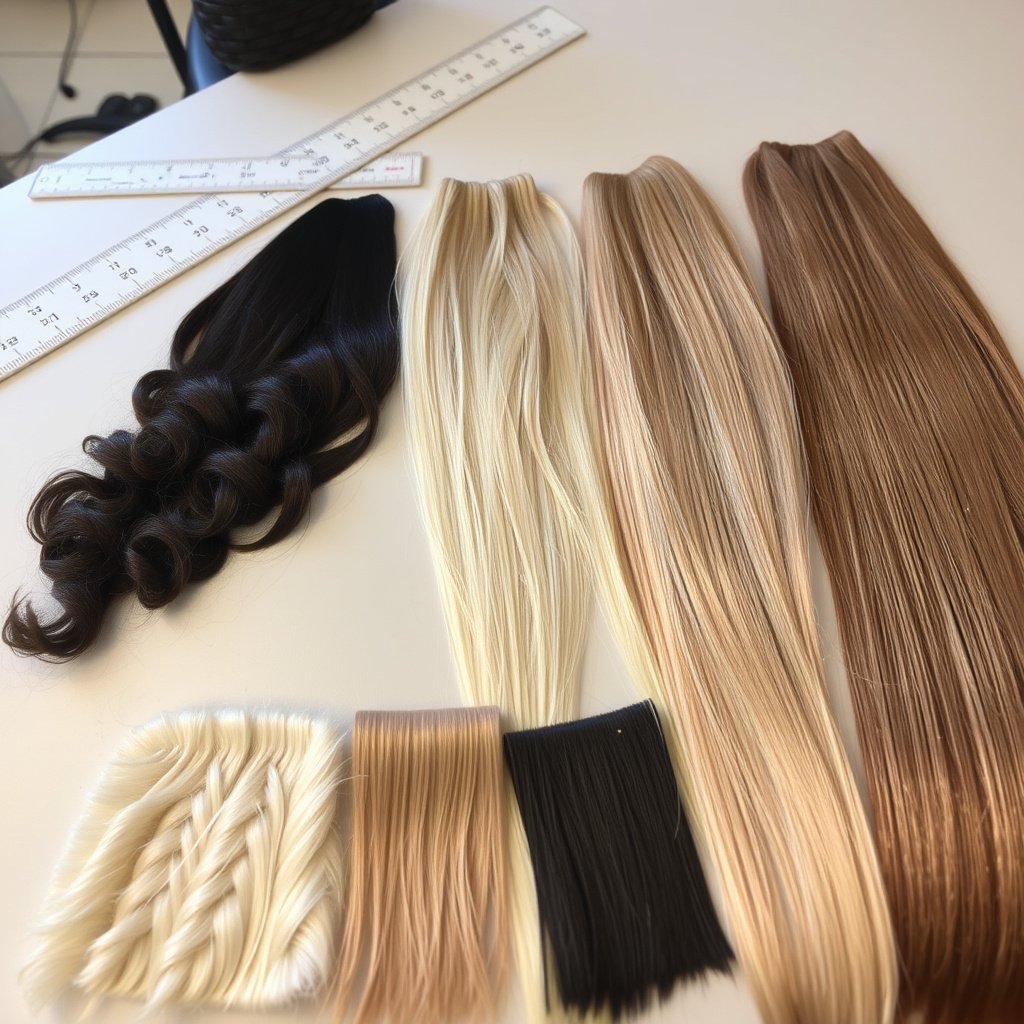
For goddess braids, it’s advantageous to choose braiding hair texture that closely matches or complements your natural hair. This matching helps the braids appear more cohesive and natural. Most synthetic braiding hair comes in a variety of textures, from straight to kinky-curly.
Selecting a slightly thicker texture allows better hold and volume, which is essential for the goddess braid’s full look. Many stylists recommend a smooth yet dense synthetic hair for easier sculpting of the braids’ rounded shapes.
For more on this, see our related guide: What Hair Is Best for Knotless Braids: A Detailed Guide.
Optimal Hair Length for Goddess Braids
Goddess braids usually require longer hair strands to achieve the striking thick and elongated style. Hair lengths between 18 and 30 inches are standard, providing enough material to braid and create the elevated structure.
Choosing hair that is too short might limit styling options and result in thinner-looking braids, while excessively long hair can be harder to manage and increases installation time.
- 18-30 inches recommended
- Longer hair allows for more sculptural braids
- Avoid hair too short to maintain thickness
Styling Techniques Using Best Hair for Goddess Braids
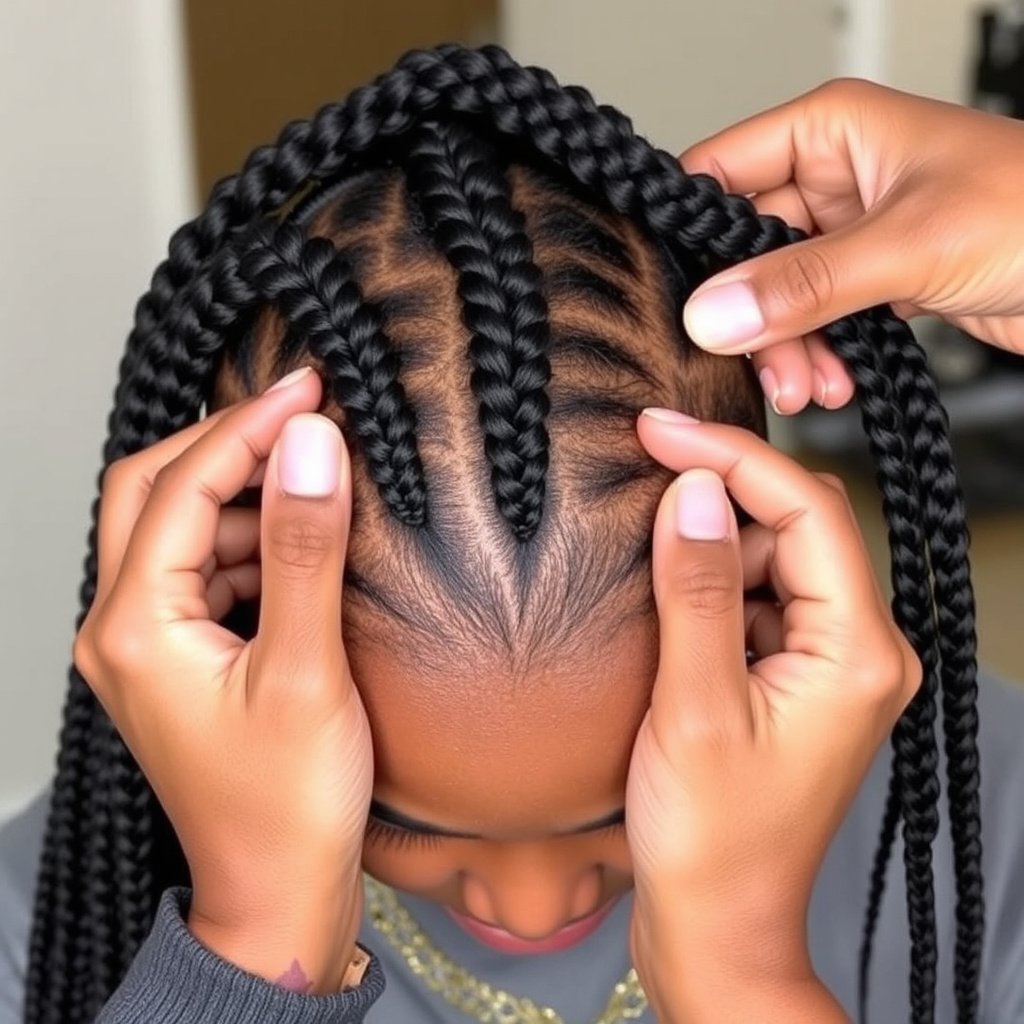
Prepping Synthetic Hair for Braiding
Before beginning the braiding process, synthetic hair often needs to be rinsed and set to reduce excess shine and improve texture grip. Some stylists dip Kanekalon hair in hot water to soften it, making it easier to manipulate without causing frizz.
Pre-stretching the hair is important to prevent slack in the braids. Segmenting the braiding hair appropriately allows for even tension across the braid and helps maintain the characteristic fullness of goddess braids.
- Rinse synthetic hair to reduce shine
- Dip in hot water to soften fibers
- Pre-stretch to eliminate slack
- Section hair evenly for balance
Maintaining Braids Made with Synthetic Hair
After installation, preserving the fullness and sleekness of goddess braids involves regular moisturizing and nighttime protection. Since synthetic hair does not absorb moisture, applying a light oil or braid spray keeps your scalp hydrated and reduces breakage.
Wrapping the braids with a satin scarf or bonnet at night prevents frizz and prolongs the style’s lifespan, ensuring the braids maintain their sculptural shape for weeks.
- Use lightweight oils for scalp care
- Avoid heavy conditioners on synthetic hair
- Wrap with satin scarf or bonnet for protection
- Minimize excessive styling or pulling
Alternative Hair Options for Goddess Braids
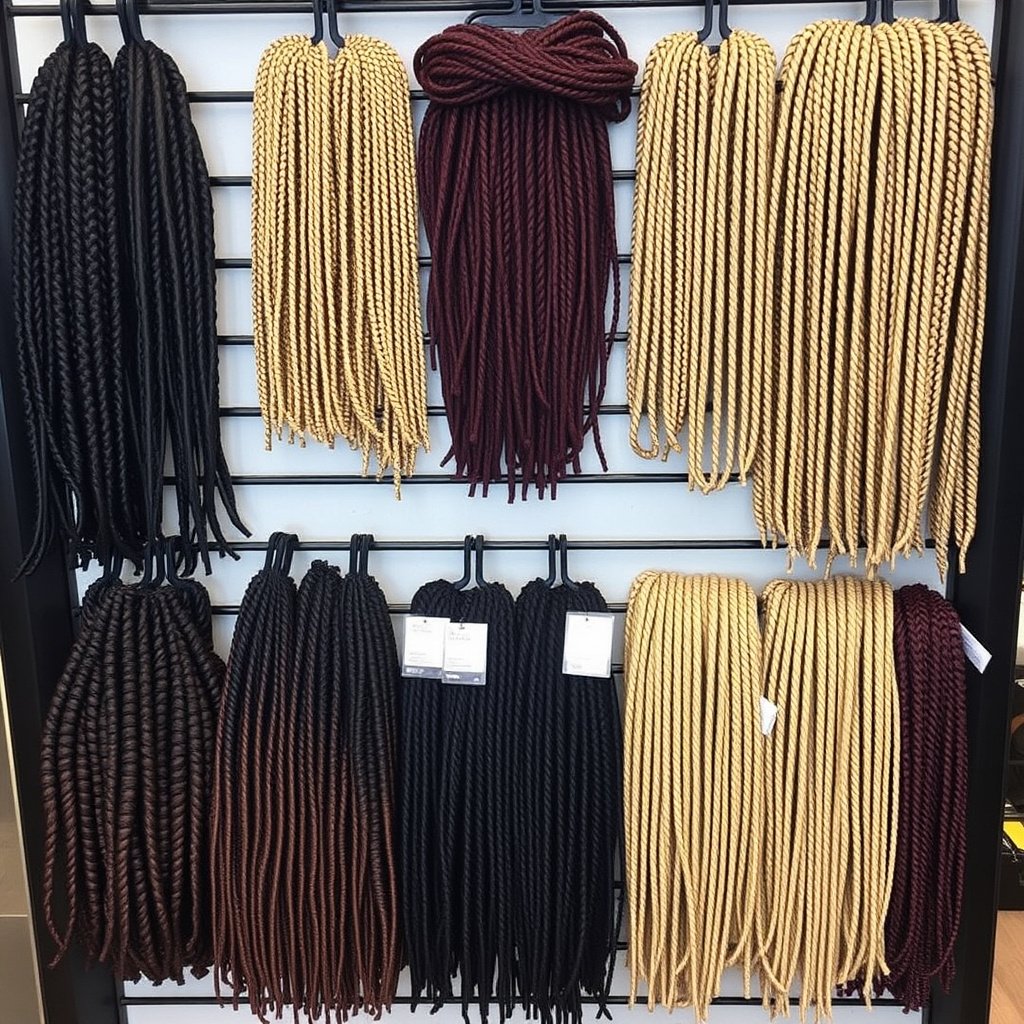
Using Faux Locs or Marley Hair
Some prefer to use Marley hair or faux locs materials instead of traditional synthetic braiding fibers for goddess braids. Marley hair has a coarser, more textured feel that blends well with natural hair and offers a distinctive look.
These alternatives tend to be chunkier and can add authenticity when aiming for a dreadlock-inspired goddess braid style, but they might be heavier than Kanekalon and require a bit more maintenance.
For more on this, see our related guide: How to Remove Braids Without Damaging Hair: A Step-by-Step Guide.
Blending Different Hair Types
A common technique is blending synthetic hair with small amounts of natural hair or different textures to create customized volume and softness. This method achieves a natural appearance while using the durability of synthetic fibers.
Blending can also help alleviate itchiness and improve scalp comfort while maintaining the style's integrity and longevity.
- Mix synthetic with natural hair
- Customize texture and volume
- Enhance comfort and reduce scalp irritation
Cost and Availability of Braiding Hair
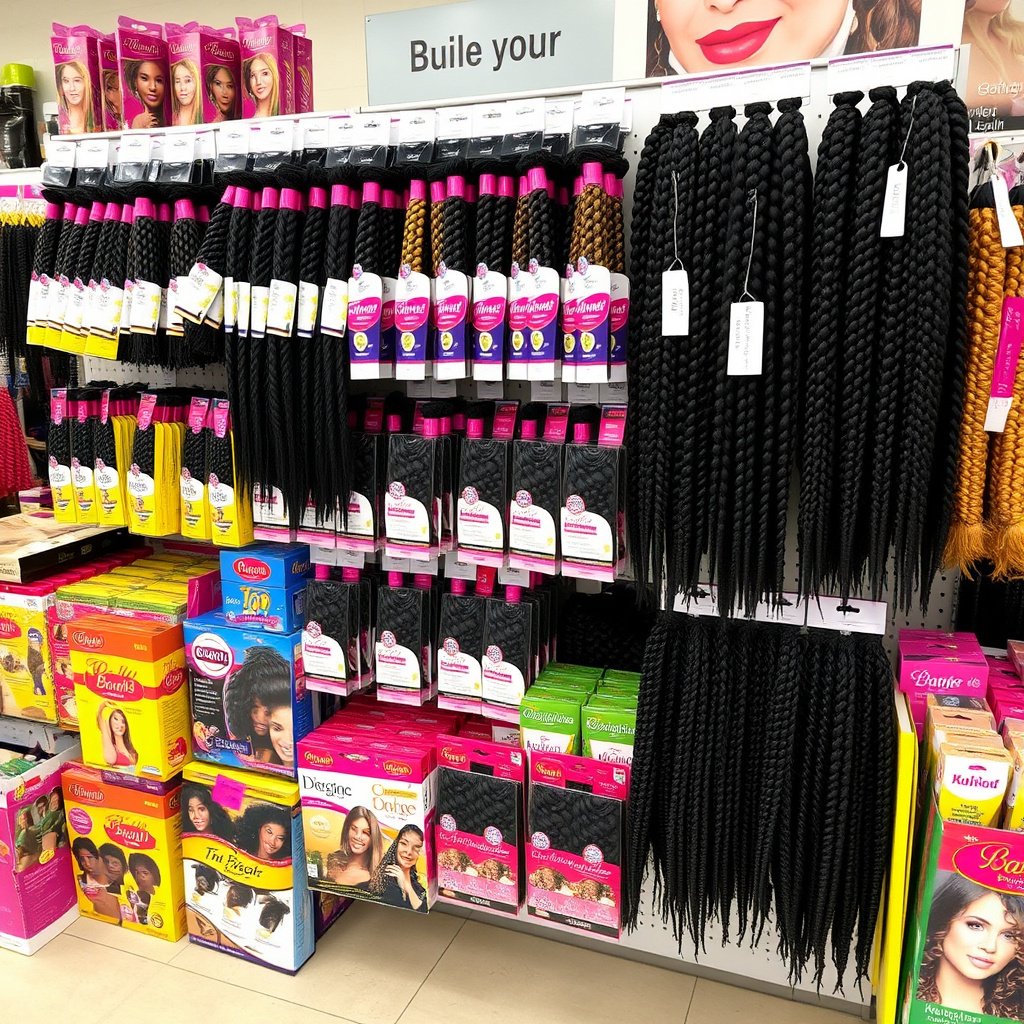
Pricing and Budget Considerations
Braiding hair prices vary according to fiber type, length, and brand. Synthetic options like Kanekalon typically cost between $5 and $15 per pack, while human hair extensions can run significantly higher, sometimes exceeding $50 per pack depending on quality.
Budget-conscious buyers often purchase multiple packs of synthetic hair to achieve the desired thickness, making synthetic the more economical choice for goddess braids.
- Synthetic hair: $5-$15 per pack
- Human hair: $30-$60+ per pack
- Multiple packs needed for volume
For more information on various braiding styles and their cultural backgrounds, you can visit Wikipedia’s detailed braid styles information page. braid styles information.
Where to Buy the Best Hair for Braiding
Braiding hair can be found at local beauty supply stores, online retailers, and specialty hair shops. Authentic brands and Korean or Japanese imports tend to have higher quality fibers.
Reading customer reviews and verifying fiber type helps avoid low-quality products that shed or tangle excessively, which can compromise braid longevity.
- Beauty supply stores
- Online retailers with verified brands
- Check fiber quality and user reviews
Comparison of Popular Braiding Hair Types for Goddess Braids
Below is a comparison of different hair types commonly used for goddess braids considering texture, cost, durability, and maintenance.
| Hair Type | Texture | Cost per Pack | Durability | Maintenance Level |
|---|---|---|---|---|
| Kanekalon | Soft, natural sheen | $5-$12 | High – holds shape well | Low – avoid heat |
| Toyokalon | Smoother, shinier | $8-$15 | Moderate – more delicate | Moderate – gentle care needed |
| Human Hair | Very natural | $30-$60+ | High – lasts longer | High – requires washing and conditioning |
| Marley Hair | Coarse, matte | $7-$14 | High – good for dreadlock styles | Moderate – can be heavier |
Frequently Asked Questions
Can I use regular human hair extensions for goddess braids?
While you can use regular human hair extensions, they tend to be more expensive and require careful maintenance. Synthetic hair is often preferred because it holds braids better and is more affordable.
How long do goddess braids last with synthetic hair?
Goddess braids created with synthetic hair typically last 4 to 6 weeks with proper care, including moisturizing and protecting the braids at night.
Is it better to use pre-stretched hair for goddess braids?
Yes, pre-stretched synthetic hair reduces the amount of manipulation needed during braiding and helps maintain consistent thickness throughout the braids.
How do I prevent synthetic hair from tangling in goddess braids?
Prevent tangling by rinsing the hair before braiding, avoiding heavy conditioners, and wrapping the braids in a satin scarf at night to minimize friction.
Can goddess braids be styled with heat if using synthetic hair?
Most synthetic braiding hair is not heat-resistant and can melt if exposed to high temperatures. Always check the fiber type before applying heat styling tools.
Key Takeaways
- Kanekalon and Toyokalon synthetic hair are ideal for goddess braids due to their texture and affordability.
- Matching hair texture and choosing the right length influences the braid’s appearance and ease of styling.
- Proper preparation and care of synthetic hair prolong the longevity of goddess braids.
- Alternative hair types like Marley hair offer unique options but may require different maintenance.
Conclusion
Selecting the best hair for goddess braids depends heavily on balancing aesthetic preferences with maintenance capabilities and budget. Synthetic fibers like Kanekalon offer the volume, shine, and holding power needed for thick, sculpted goddess braids and are generally more accessible to a wide range of users. Human hair, although more expensive and maintenance-intensive, provides a natural look and comfort that some prefer. Understanding the differences in texture, length, and fiber durability helps craft a strong foundation for braiding that will last and look great.
For those seeking classic goddess braids with bold thickness and easy styling, synthetic pre-stretched braiding hair between 18 and 30 inches is typically the best choice. If scalp sensitivity or a seamless natural blend is a priority, integrating human hair or blending fiber types can enhance comfort and appearance. Alternatively, Marley hair provides a textured option for those looking to emulate dreadlock-inspired goddess braids but might require more frequent care to prevent heaviness and tangling. Each hair choice represents a tradeoff between longevity, feel, and price, so evaluating personal priorities guides the ideal selection.
Practically, the next step is to purchase a few packs of quality synthetic braiding hair that matches your texture preference and desired length from trusted retailers. Prepping the hair by rinsing and softening it before braiding, then protecting your style with regular moisturizing and satin wraps will maximize the lifespan of your goddess braids. This approach empowers you to enjoy the striking look and cultural significance of goddess braids while minimizing discomfort and upkeep challenges.